The Mowing Mistake That Keeps Crabgrass Coming Back And How To Fix It
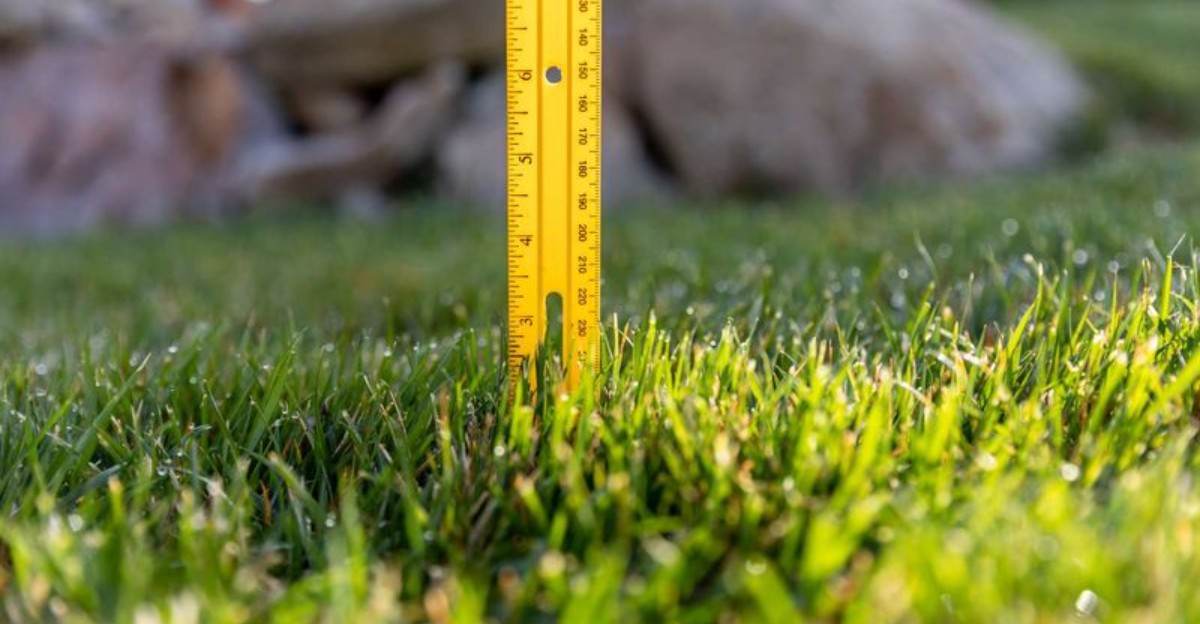
A single crabgrass plant can drop around 150,000 seeds in one season. Some of those seeds can wait in the soil for years before they finally sprout.
I’ll admit it, I used to love a super short lawn. It looked crisp and tidy, like a putting green right outside my front door. I mowed low every weekend and felt pretty proud of myself.
Then the same weedy patches showed up every July, right along the driveway and sidewalk. They sprawled out in flat, stubborn clumps that laughed at my mower.
You’d think a fresh cut would keep weeds in check, but my lawn told a different story. The culprit was hiding in my own routine, and it had nothing to do with fancy products or bad luck.
Want to guess which tiny lever on your mower might be the problem?
That Low Mower Deck Is Doing the Weeds a Favor
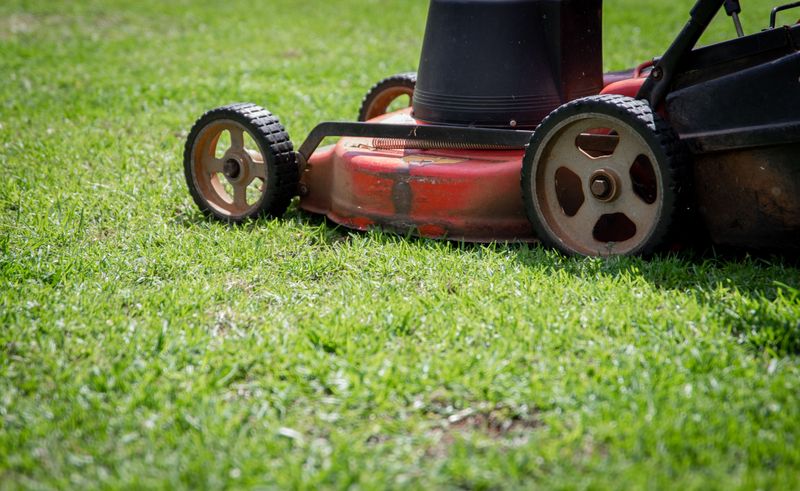
Scalping is the sneaky habit behind a lot of summer weed trouble. It happens when the mower blade sits so low that it shaves grass down to the stems or even the dirt.
A short lawn might look neat for a day or two. Underneath, though, the soil is suddenly open to full sun, and that sunshine warms it up fast. Crabgrass seeds need light and warmth to sprout, so a scalped yard rolls out the welcome mat.
Penn State and Michigan State Extension experts both point to low mowing as a major reason crabgrass takes over. Thin, short turf simply cannot shade the ground the way a thick lawn can.
I noticed it first along my driveway and sidewalk edges. Those strips get extra heat from the pavement, and I tended to mow them lowest of all. Sure enough, that is where the crabgrass clumps showed up every single summer.
Bumpy spots in the yard can cause scalping too, even if your deck is set correctly. The mower wheels drop into a dip, and the blade bites into the high side.
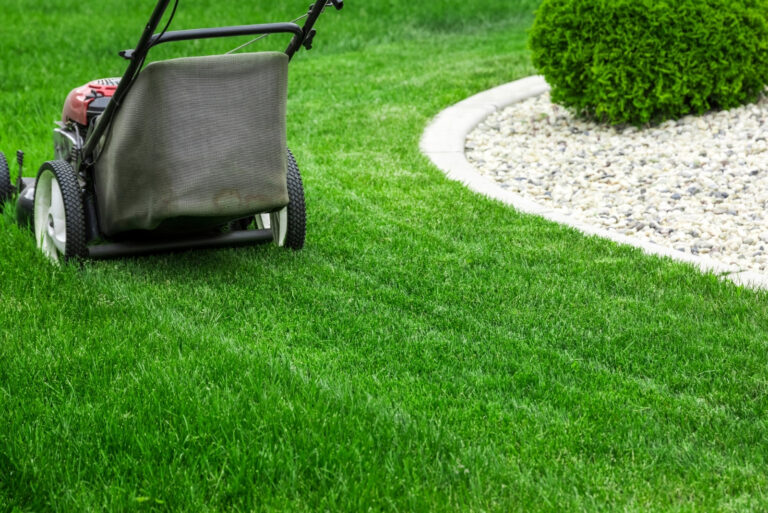
So the mistake is not mowing itself. It is cutting too short, too often, and leaving bare soil exposed to the sun.
Raise Those Mower Blades to 3 or 4 Inches
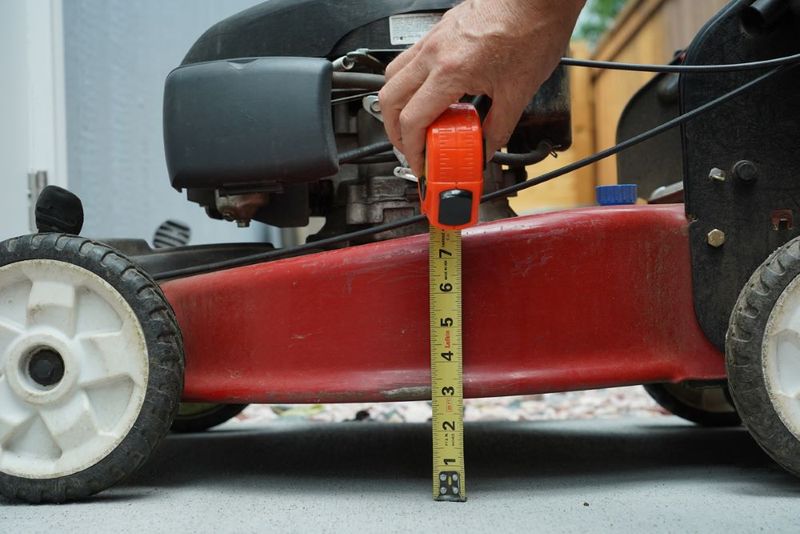
Trust me on this one, the fix takes about thirty seconds. Find the height lever near your mower wheels and click it up a few notches.
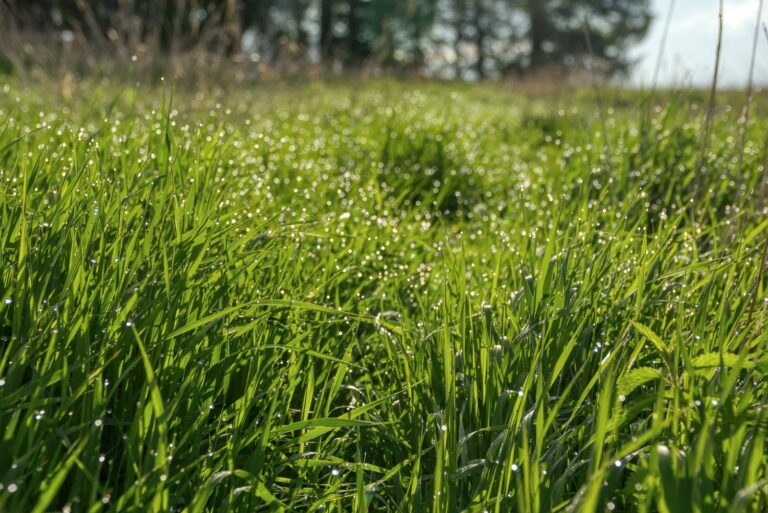
For most cool-season lawns like tall fescue and Kentucky bluegrass, extension services suggest a mowing height of about 3 to 4 inches. Taller blades cast shade on the soil, keeping it cooler and darker. Crabgrass seeds struggle to get started under that leafy umbrella.
Warm-season grasses work a little differently, so check your type first. Bermudagrass and zoysia are often kept shorter, usually around 1 to 2 inches, while St. Augustine does best around 3 to 4 inches. Your local extension office can tell you the best range for your region.
Measure from the ground to the top of the cut grass with a ruler after your first pass. Mower settings are not labeled the same way on every brand, so a quick check saves guesswork.
Taller grass also grows deeper roots. Those roots pull water from lower in the soil, which helps your lawn stay green during hot, dry spells.
I was nervous my yard would look messy at first. Honestly, it looked fuller and softer, and the neighbors started asking what fertilizer I used.
The One-Third Rule Keeps Grass Blades From Getting Stressed
Life gets busy, and sometimes the lawn turns into a small jungle. When that happens, it is tempting to chop it all down in one go.
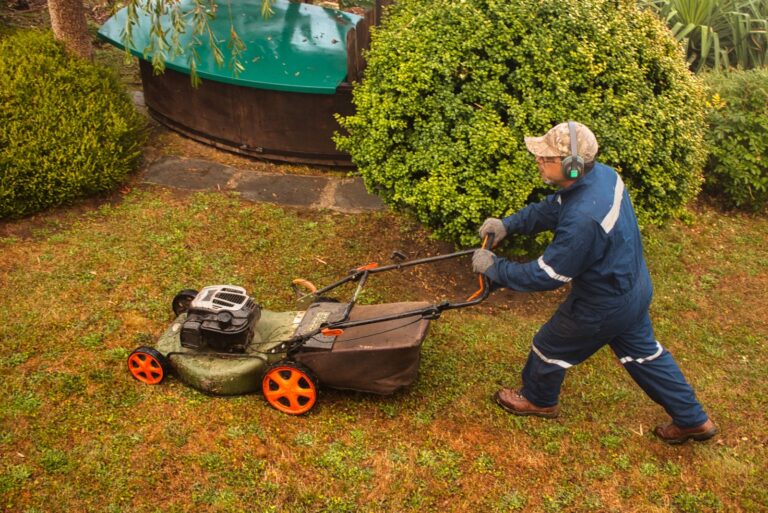
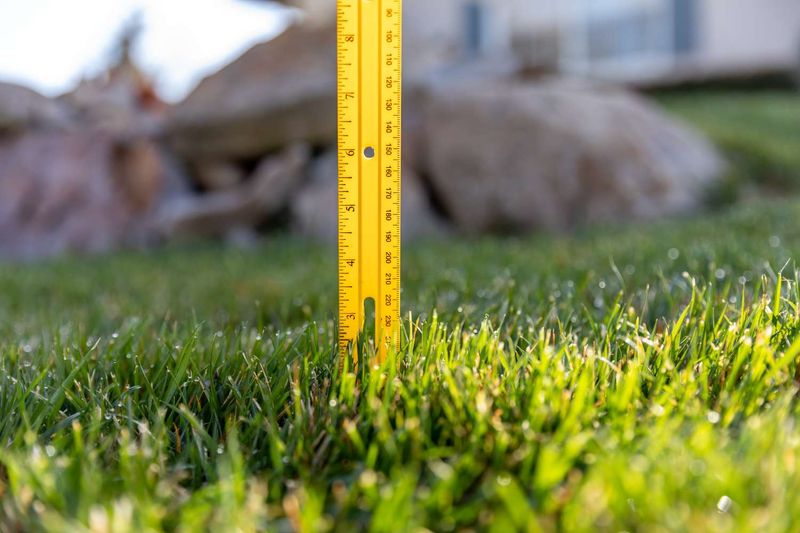
Lawn experts recommend a simpler plan called the one-third rule. Remove no more than one-third of the grass blade at each mowing. If you want your lawn at 3 inches, mow it when it reaches about 4 and a half inches.
Why does this matter so much? Grass blades are where the plant makes its food from sunlight. Cutting off too much at once leaves the plant short on energy, and it has to stop growing roots to regrow leaves.
A stressed lawn thins out. Those little gaps are exactly where crabgrass loves to move in during late spring and summer.
If your grass is already way too tall, take it down in stages. Mow off a third, wait a few days, then mow again.
During fast spring growth, you might need to mow every five days or so. In the summer heat, growth often slows, and once a week or less may be plenty. Let the grass tell you when, not the calendar.
Crabgrass Seeds Wake Up When Spring Soil Warms
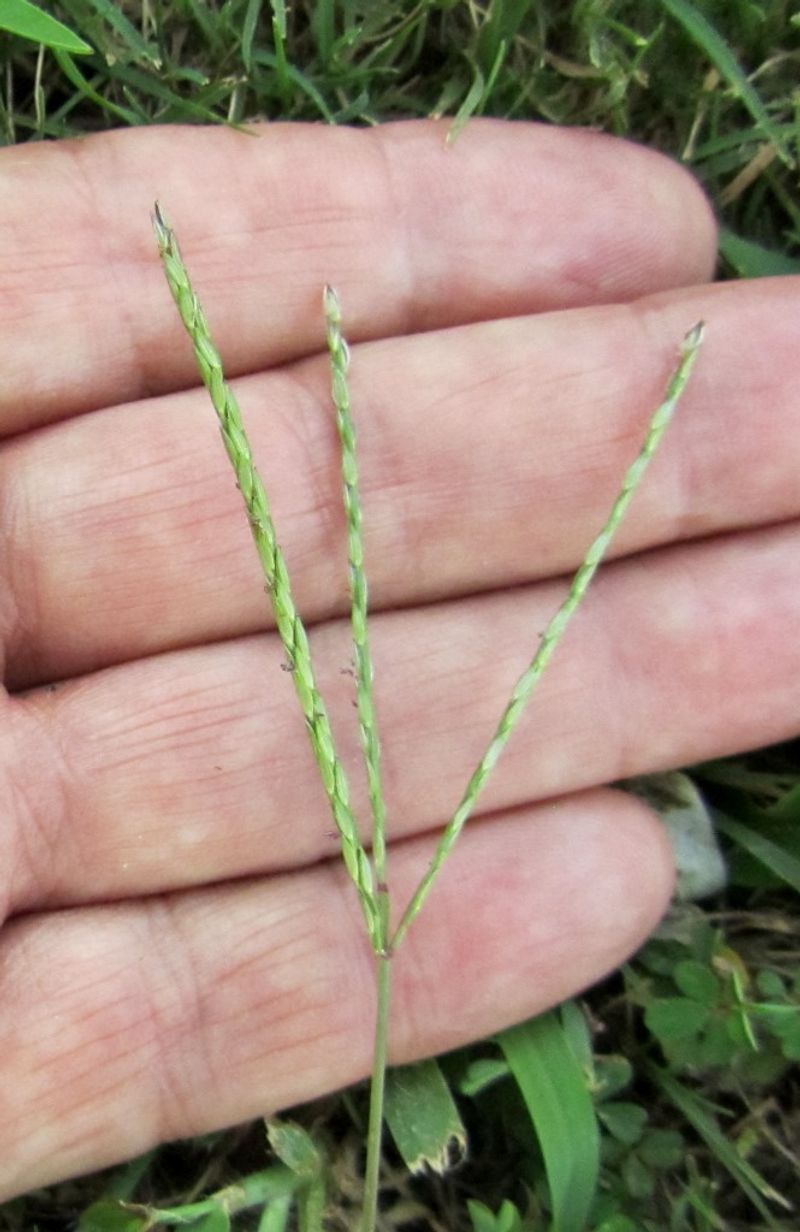
Here is a fun bit of plant trivia. Crabgrass is a warm-season annual, which means it sprouts, grows, seeds, and is gone in a single year.
The whole cycle starts when soil temperatures hold around 55 degrees Fahrenheit for several days in a row. That usually happens in spring, though the timing shifts a lot depending on where you live. Southern states see sprouts much earlier than places like Minnesota or Maine.
Germination can keep going for weeks, even into midsummer. That is why new clumps seem to keep popping up after you thought you were done.
A cheap soil thermometer makes this easy to track. Push it about 2 inches into the ground in the morning and check it for a few days.
Old-timers also watch the forsythia bushes. When those bright yellow flowers start to fade, crabgrass is often getting ready to sprout.
Bare, sunny spots warm up first. Lawn edges near hot pavement, thin patches, and south-facing slopes are usually the earliest hot spots.
Once you know this schedule, the mowing advice makes even more sense. Shade from taller grass keeps the soil cooler, which can slow the seeds down.
Deep Watering Gives Your Turf Roots the Upper Hand
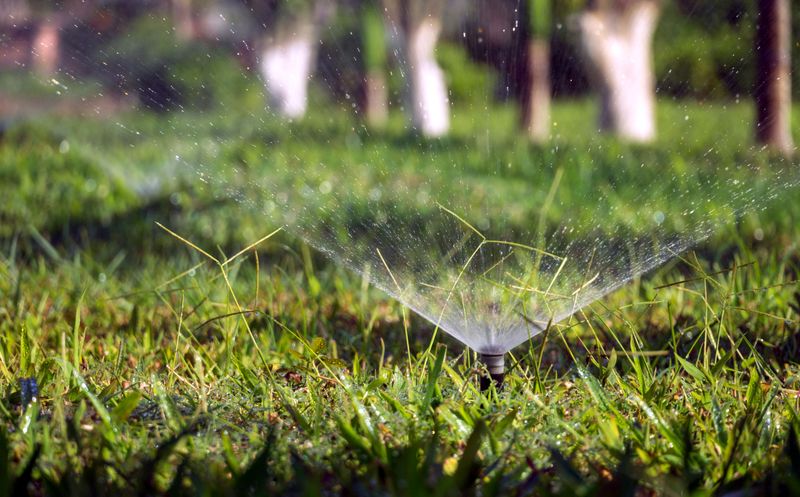
Not going to lie, I used to water my lawn for ten minutes every evening. It felt helpful, but it was actually helping the wrong plants.
Light, frequent watering keeps only the top layer of soil damp. Shallow-rooted crabgrass loves that setup, while your good grass gets lazy and keeps its roots near the surface.
Deep, less frequent watering works much better. Most lawns need about 1 inch of water per week, including rain. Try giving it in one or two longer sessions rather than daily sprinkles.
Place an empty tuna can on the lawn while the sprinkler runs. When it fills to about an inch, you know how long to run your system.
Early morning is the best time to water. Less water evaporates, and the grass dries off during the day, which helps reduce disease.
Feeding matters too. University extension services generally recommend fertilizing cool-season lawns mainly in fall, with a lighter feeding in spring. Warm-season lawns usually prefer feeding in late spring and summer while they actively grow.
Skip heavy fertilizing of cool-season grass in midsummer. That extra nitrogen can end up feeding the crabgrass instead.
Bare Patches Need Fresh Grass Seed Before Crabgrass Claims Them
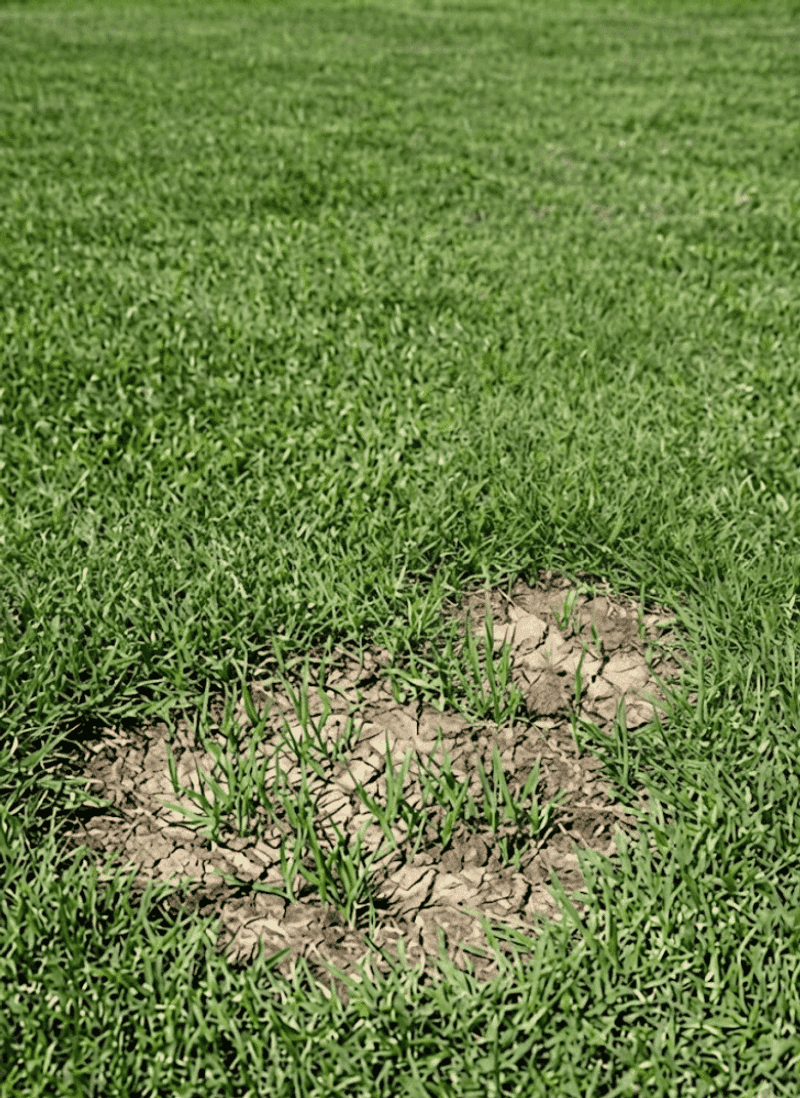
Crabgrass is a bit of an opportunist. It hunts for empty real estate and settles in wherever your lawn is thin or bare.
Filling those gaps with healthy grass is one of the smartest long-term moves you can make. For cool-season lawns, late summer to early fall is the sweet spot for overseeding. The soil is still warm, the air is cooler, and crabgrass is wrapping up its season.
Warm-season lawns are a different story. Seeding or plugging them works best in late spring through early summer, when they grow fastest.
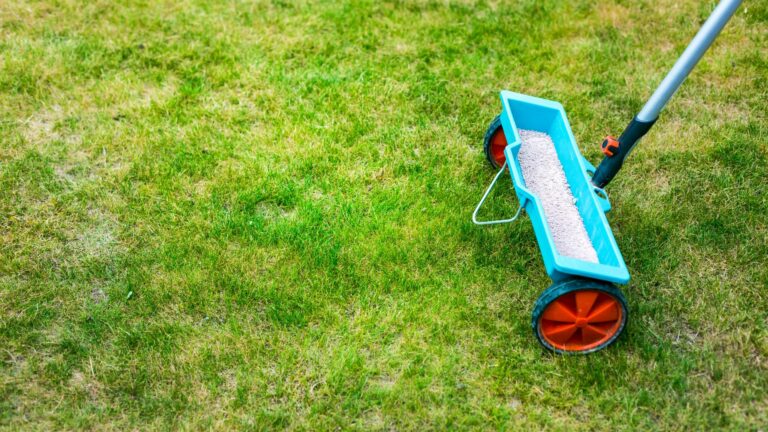
Compacted soil can keep grass thin too. Core aeration pulls small plugs of soil out of the ground, letting air, water, and nutrients reach the roots. Many homeowners rent a core aerator or hire a lawn service for the job.
After aerating, spread seed that matches your existing grass. Keep the top of the soil lightly moist until the new grass sprouts, then ease back to deeper watering.
I like to tackle the worst areas first, like the edges near walkways. A thick, crowded lawn leaves very little room for weeds to sneak in next year.
A Pre-Emergent Barrier Works Best With Perfect Timing
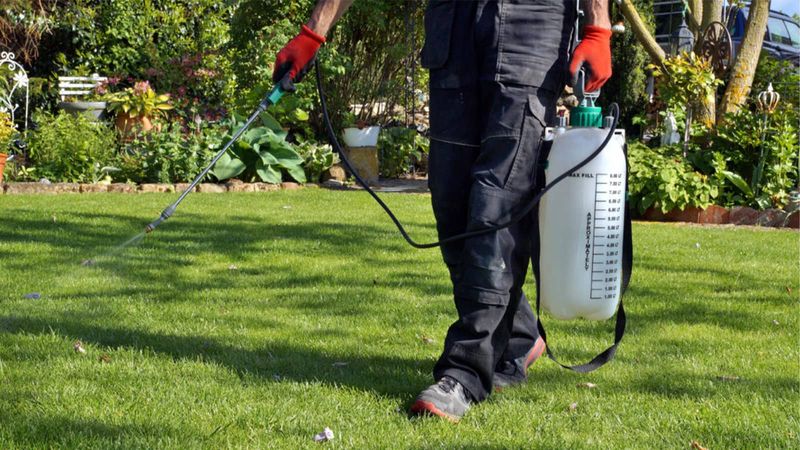
Fair warning, this tool only works if you get the calendar right. Pre-emergent herbicides, often sold as crabgrass preventers, stop seedlings shortly after they sprout.
Apply them before soil temperatures hold at about 55 degrees. Too early and the product can break down before the main flush of seeds. Too late and the crabgrass is already up and growing.
Most products need water to activate. A half inch of rain or irrigation after spreading helps move the product into the top layer of soil.
Here is the tricky part. Many pre-emergents also stop new grass seed from sprouting. If you plan to overseed in spring, read the label carefully, since products with the ingredient mesotrione are often labeled as safe to use while seeding.
Some gardeners split their application into two smaller doses several weeks apart. That can stretch protection deeper into summer, but follow the label for amounts and timing.
Corn gluten meal is sometimes sold as a natural option. Research results on it are mixed, so expect modest effects at best.
A pre-emergent is a helper, not a cure. Taller mowing and thick turf still do most of the heavy lifting.
Pull Those Sprawling Crabgrass Clumps Before They Go to Seed
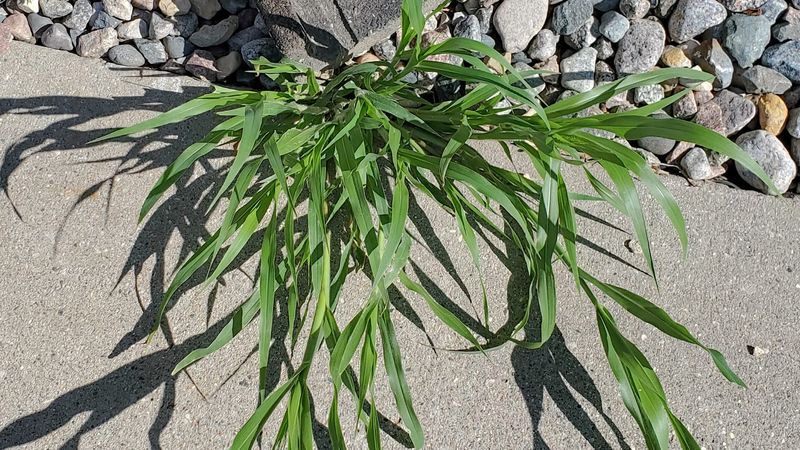
Every gardener has met that one flat, spidery clump hiding along the sidewalk. Mature crabgrass sends out stems that root at the joints, so a single plant can spread wide.
For a few plants, hand-pulling works wonders. Water the area first so the soil is soft, then grab the clump near its base and pull out the roots. A weeding tool helps with stubborn ones.
Timing is everything here. Removing plants before their finger-like seed heads mature keeps thousands of new seeds out of next year’s lawn.
Got bigger patches? Post-emergent herbicides labeled for crabgrass work best on young plants with just a few leaves. Older plants are much harder to control, so read labels closely and check that the product is safe for your grass type.
Late in summer, mature crabgrass often isn’t worth spraying. Frost will end its season anyway, so focus on bagging any seed heads you can.
Then fill those empty spots with grass seed at the right time of year. My best advice is to look at your mower deck first. Raise it, keep your lawn thick, and those crabgrass comebacks get smaller every year.