Burning Leaves In Indiana Is Legal In Most Places, But Four Counties Ban It Completely
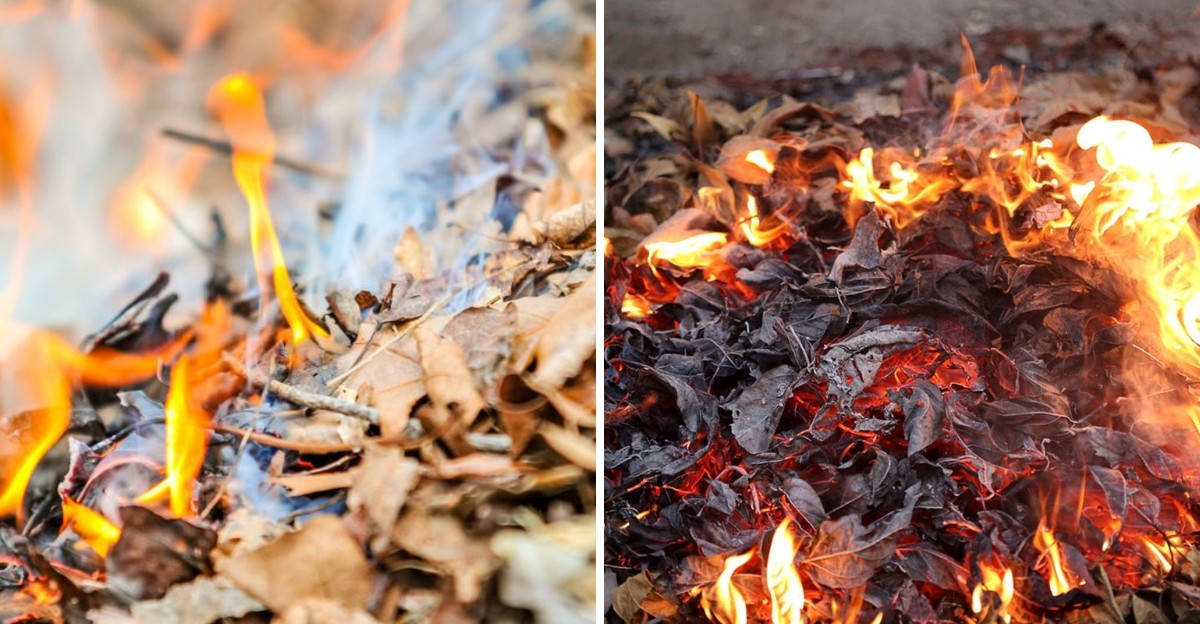
A pile of leaves can be perfectly legal to torch in one Hoosier backyard and earn a steep daily fine just a short drive away.
I didn’t see that coming either. Every fall, I rake until my shoulders ache, and the old smoky smell of autumn fires still tugs at me.
Here’s what gets me. The rule changes at county lines, not because of fire danger, but because of the air we breathe on hot summer afternoons. Federal clean air requirements play a bigger role than most of us realize.
Indiana folks love a good backyard tradition, and I get it. Still, a few quiet rules decide whether your rake ends at a burn barrel or a compost bin. So which side of the line does your yard sit on?
Four Indiana Counties Treat Your Leaf Pile Differently
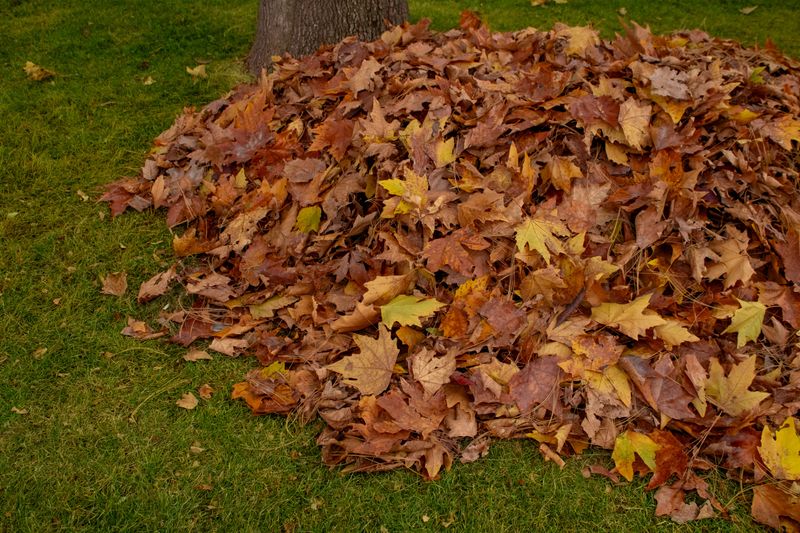
Clark, Floyd, Lake, and Porter counties are the four places where residential open burning of leaves and yard waste is off the table year-round. No permit, no burn barrel, and no special day changes that rule for homeowners.
Lake and Porter sit in the northwest corner near Chicago. Clark and Floyd hug the Ohio River across from Louisville. Both regions share big-city air with neighboring states, and that matters more than you might guess.
The ban ties back to federal requirements for controlling ground-level ozone. Smoke from burning leaves releases fine particles and other compounds that feed air pollution problems. Areas that struggle to meet federal air standards have to cut emissions wherever they can, and backyard fires made the list.
So if you live in Crown Point, Valparaiso, Jeffersonville, or New Albany, your leaves need another plan. Composting, mulching, or curbside collection are your best routes.
Moving to one of these counties from elsewhere in the state? Fair warning, the habit you grew up with won’t travel with you. A quick call to your county health department can clear up questions before you strike a match and end up with an unwanted visit from an inspector.
State Rules Allow Leaf Burning With Strings Attached
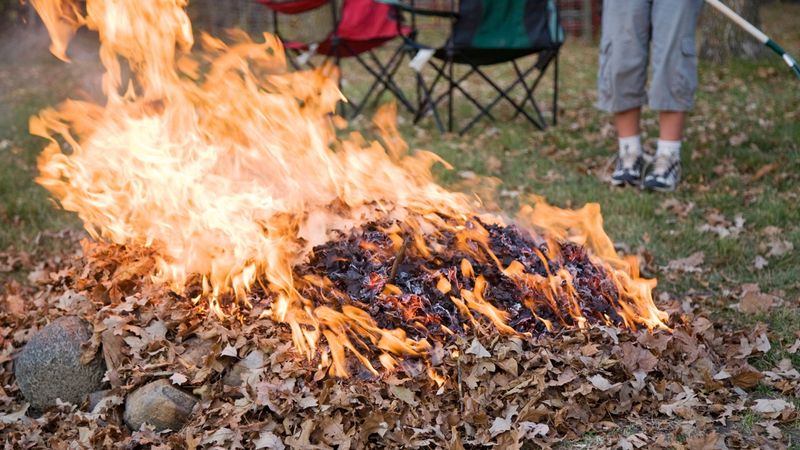
Outside those four counties, the Indiana Department of Environmental Management does allow residential burning of clean wood products. That category includes leaves, clean brush, and untreated wood. It sounds simple, but the fine print matters.
Burning is only allowed on private property with four or fewer dwelling units. Apartment complexes, mobile home parks, and buildings with five or more units are excluded. Renters in larger complexes should skip the idea.
Someone must attend the fire the whole time until it is fully out. You also have to put it out right away if it becomes a fire hazard, a nuisance, or a pollution problem. A neighbor coughing over the fence counts as a real concern.
State rules also require residential burning to take place in a noncombustible container. A burn barrel with enclosed sides, a bottom, and good ventilation is the classic choice. Burning leaves directly on the ground does not meet the state’s residential burning rules.
Trust me on this one, keep a hose or a bucket of water within reach. Dry oak leaves catch fast and float embers higher than you expect. A little preparation keeps a quiet chore from turning into a call to the fire department.
Your Town Ordinance Might Beat The State Law
Plenty of Hoosiers learn this one the awkward way. State rules set the minimum, but cities and towns can go much further. Local ordinances can add stricter limits or ban leaf burning altogether.
Many cities already prohibit it inside town limits, even in counties where burning is technically allowed. Zionsville, Yorktown, and lots of other communities post their own rules online. Homeowners associations may tack on extra restrictions too.
Setback rules also vary from place to place. Some local ordinances require fires to stay 100 feet from structures or power lines. Others list 300 feet from busy roads and 500 feet from fuel storage or pipelines.
Small lots in subdivisions rarely meet distances like that. If your yard is the size of a postage stamp, burning may be impractical even where it is legal. That’s worth knowing before you buy a barrel.
My best advice is boring but useful. Check your town website, call the local fire department, or ask the county health office. Five minutes of homework beats a citation and an uncomfortable chat with the neighbors you share a fence with every summer.
Sunset Is Your Deadline For A Leaf Fire
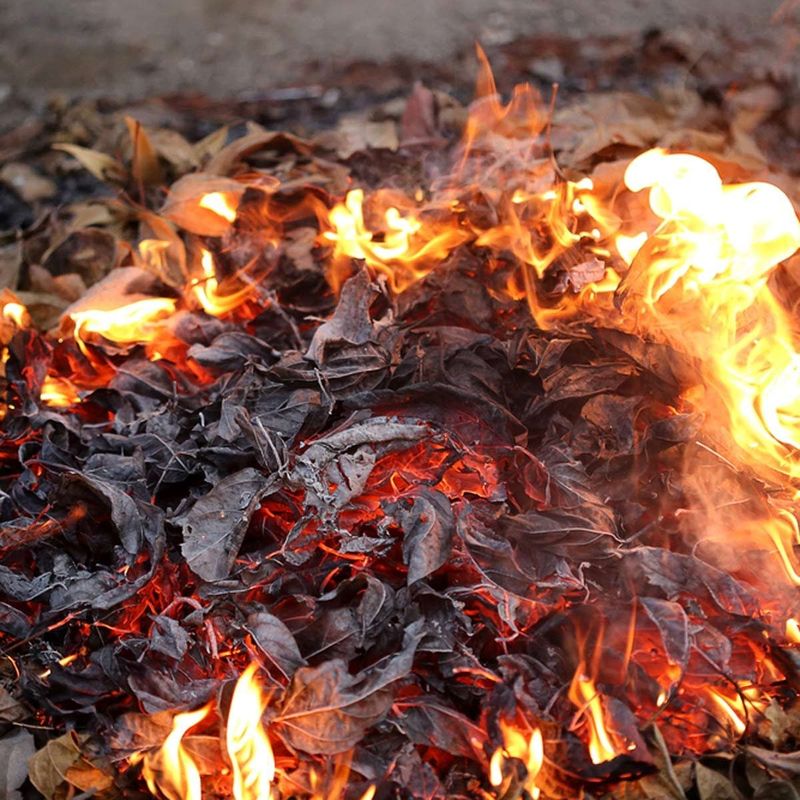
Timing is one rule that surprises lots of folks. Residential open burning for disposal must happen in daylight and be put out before sunset. An evening leaf fire is not allowed under state rules.
Recreational fires are a different story. A small campfire for roasting marshmallows can burn after dark, but it cannot double as a way to get rid of your leaf pile. Mixing the two purposes is a common slip.
Weather matters just as much as the clock. Burning is off limits during high winds, temperature inversions, and air stagnation. Those calm, foggy fall mornings can trap smoke close to the ground, right where people breathe.
Air Quality Action Days are another red flag. When one is declared in your area, put the matches away. You can sign up for alerts through the state or watch local news forecasts.
I’m the first to admit that a crisp, still afternoon feels like perfect burning weather. Stillness can actually keep smoke hanging around the neighborhood. A light, steady breeze moving away from houses is usually better, as long as it isn’t gusty enough to carry embers into dry grass.
Trash Has No Business In That Burn Barrel
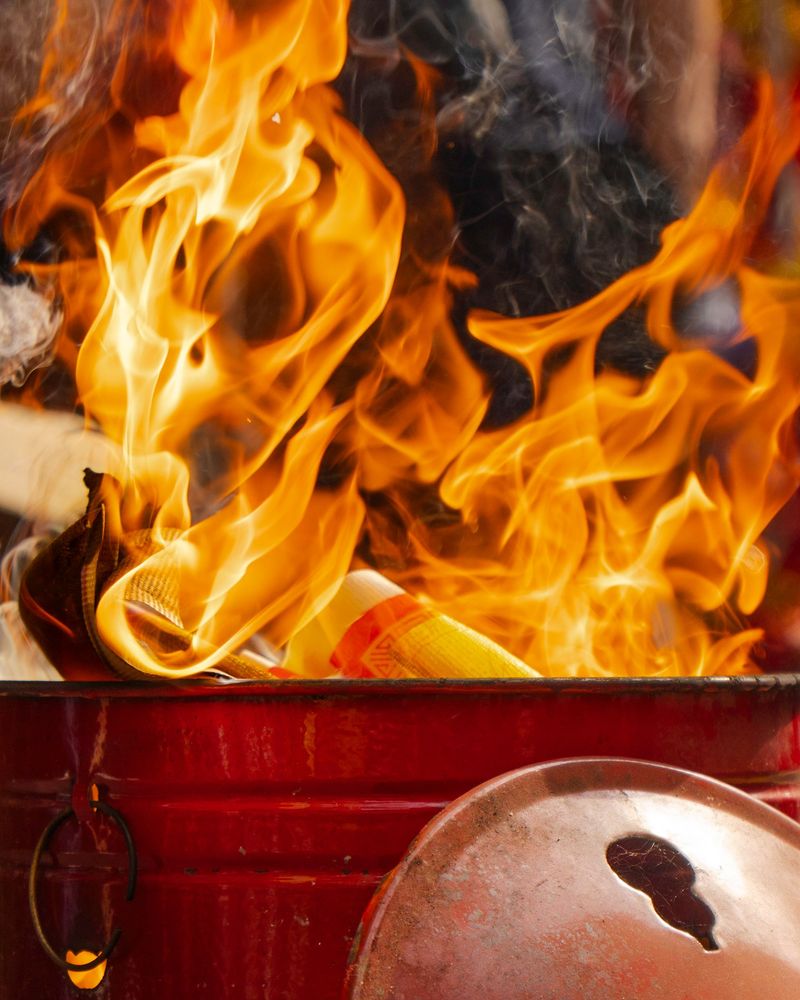
Old habits linger in rural areas, and I’ll admit I’ve seen a few barrels stuffed with cardboard, plastic jugs, and junk mail. That practice is illegal across the state. Only clean, natural plant material qualifies.
Household garbage, plastics, tires, treated or painted lumber, and construction debris are all prohibited. Burning them releases toxic smoke that can include chemicals harmful to your lungs, your garden soil, and nearby water.
Painted fence boards are a sneaky problem. Older paint may contain lead, and the ash can settle right where you grow tomatoes next spring. Pressure-treated wood carries its own chemical concerns.
Even leaves deserve a quick inspection. Pull out plastic plant tags, bits of tarp, or wrappers that blew in from the street. Those small items still count as trash once they hit the flames.
Penalties can be steep. Indiana law allows IDEM to assess civil penalties for each day of each violation, and local governments can add their own penalties. That’s a pricey way to save a trip to the curb.
Keep the barrel simple. Dry leaves, small twigs, and clean brush only, and you’ll stay on the right side of the rules.
Dry Weather Burn Bans Can Pop Up Overnight
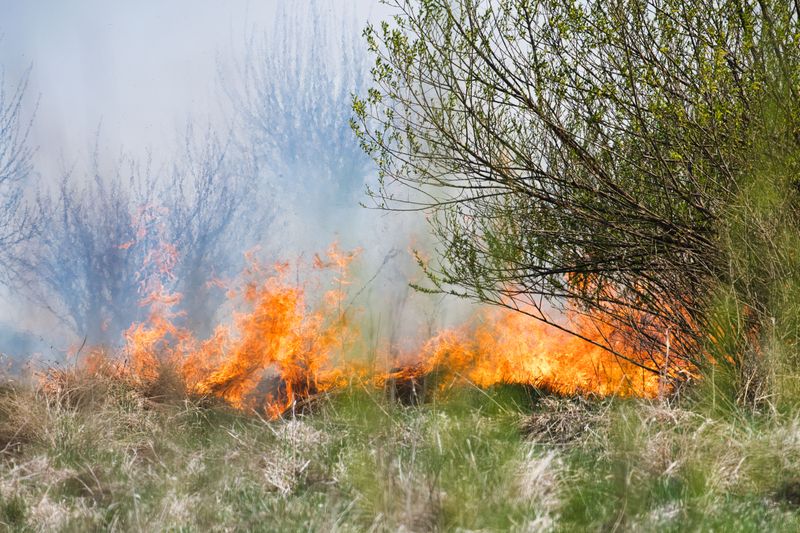
Last fall, a friend in central Indiana raked all weekend and planned a Monday burn. By Monday morning, the county had issued a burn ban. Those temporary bans can arrive fast when the weather turns dry.
Local fire chiefs and county commissioners can declare them during drought and high fire risk. While a ban is in place, outdoor burning is prohibited, including leaves. It stays that way until conditions improve and officials lift it.
Fall dry spells are common across the state. Crunchy leaves, low humidity, and gusty fronts make a tiny spark much harder to control. Grass fires can spread across fields quicker than a person can run.
The Indiana Department of Homeland Security keeps a statewide burn ban map online. Checking it takes less than a minute, and it shows which counties currently restrict outdoor fires.
Bookmark it on your phone before raking season starts. Local radio, county social media pages, and fire department announcements also share updates. When a ban hits, simply bag the leaves or let them sit until rain returns, because waiting a week costs nothing.
Farm Fields And Orchards Follow Separate Burning Rules
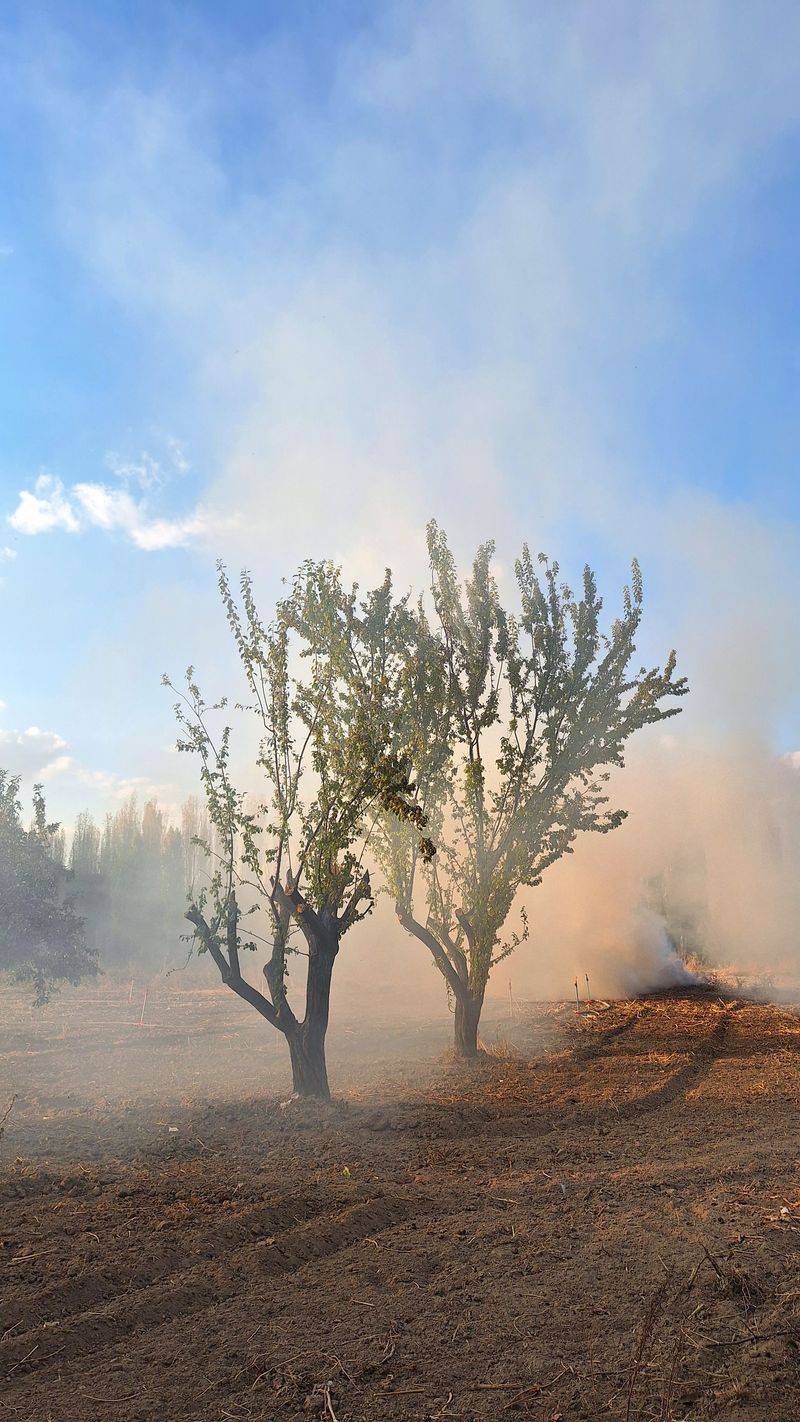
Drive past a farm in autumn and you may spot smoke rising from a ditch line. That isn’t automatically a violation. State rules include exemptions for agricultural maintenance burning.
Vegetation from farms, orchards, nurseries, cemeteries, drainage ditches, and agricultural land can qualify. These exemptions help growers manage brush and plant debris that would be hard to haul away.
Here’s the catch for gardeners. A big backyard vegetable patch doesn’t turn your home into a farm under the rules. Residential burning still follows the residential guidelines, including the container, daylight, and attendance requirements.
Agricultural burns also come with conditions. Weather limits still apply, local burn bans still matter, and fires must not create a nuisance or hazard for neighbors and roads.
Not going to lie, rural smoke used to confuse me. I’d wonder why one property could burn when my town couldn’t. Now I know the difference often comes down to land use and local ordinances.
If you own acreage or run a small orchard, contact IDEM or your county extension office before assuming an exemption covers you. Getting the details right protects both your crops and your wallet.
Those Raked Leaves Are Garden Gold Instead
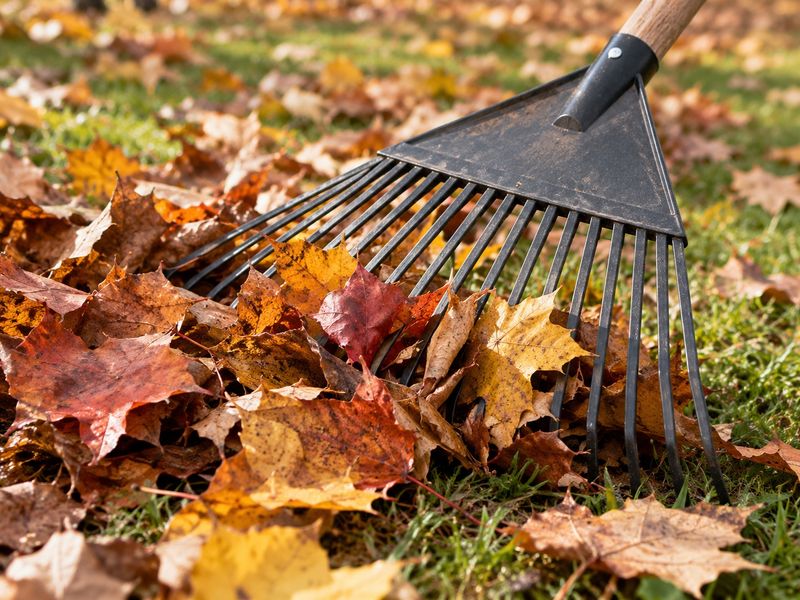
Call me stubborn, but I stopped burning leaves years ago, and my garden thanks me every spring. Fallen leaves are free organic matter that feeds soil and plants. Sending them up in smoke wastes a great resource.
Composting is the easiest swap. Mix shredded leaves with green material like grass clippings or vegetable scraps, keep the pile damp, and turn it now and then. By next season you’ll have crumbly, dark compost.
Mowing over leaves on the lawn works too. A mulching mower chops them into small bits that settle between grass blades and break down over winter. Purdue Extension notes this practice can return nutrients to turf.
Shredded leaves also make a fine mulch for perennial beds and around shrubs. They help hold moisture and protect roots during cold snaps.
Leaving some leaves in flower beds offers shelter for beneficial insects, including butterflies and moths that overwinter there.
Many towns offer curbside leaf pickup or drop-off sites as well. Whether you live in Porter County or a farm town downstate, your leaves can build healthier soil, and that beats a smoky afternoon by a mile.