7 Things You Should Never Do to Your California Lawn in November
Most of the rain that California receives each year tends to arrive between November and March, often all at once.
Many sprinkler timers, though, keep running on their summer schedule as if the storms are not happening.
Cooler nights slow grass growth too, so a lawn simply needs less from you than it did in August. What I find interesting is how many common chores quietly turn into problems once the weather shifts.
I have made a few of these mistakes myself, and my patchy spring lawn let me know about it. You might be surprised by how small habits in late fall decide what your yard looks like in April.
Coastal yards and hot inland valleys in California behave differently, but a few slipups cause trouble almost everywhere. So which of your favorite fall routines deserve a rest this year, and which ones still earn their keep?
1. Sprinklers Running During Rainy Lawn Days
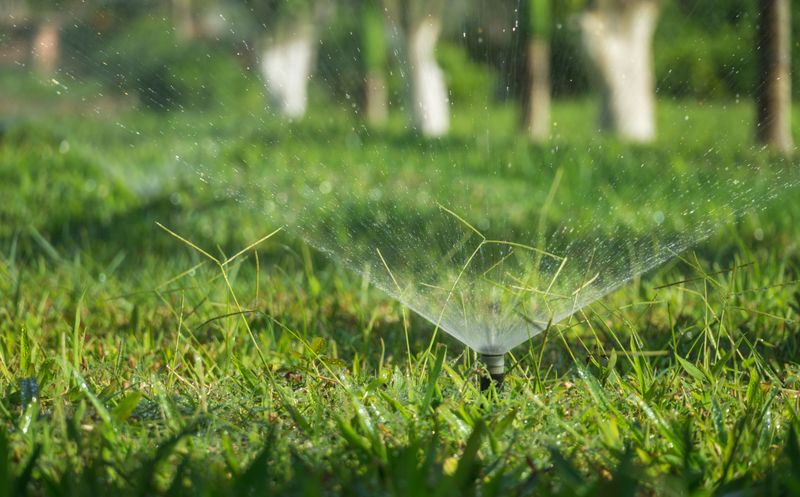
Few sights make me wince like a sprinkler spraying a lawn while rain is already pouring down the driveway. Cooler air and shorter days mean grass drinks far less now than it did during the summer heat.
Soggy soil pushes oxygen out of the root zone, and roots that cannot breathe start to weaken and struggle. Constantly wet turf also gives lawn fungi an easier opening, and the roots tend to stay lazy and shallow.
My favorite fix is a rain sensor, which pauses your controller automatically whenever a decent storm rolls through. Many water agencies in the state offer rebates on smart controllers, so check your local utility website before buying.
A long screwdriver makes a handy moisture tester when you want a quick answer without fancy tools. Push it into the soil, and if it slides down several inches with ease, skip watering for now.
After a soaking storm, many lawns can go a week or more before needing another drink from you. Coastal yards with foggy mornings often stretch even longer, while warmer inland spots may need a light watering sooner.
Warm-season grasses like Bermuda that are slipping into winter dormancy need very little irrigation once they start fading to tan. Brown blades on these lawns usually signal a seasonal rest, so extra water will not bring the green back.
The way I see it, turning the dial down now saves money and keeps your grass tougher for spring. Your water bill and your lawn will both feel a little lighter by the time the storms ease up.
2. Nitrogen Fertilizer On Dormant Bermuda Grass
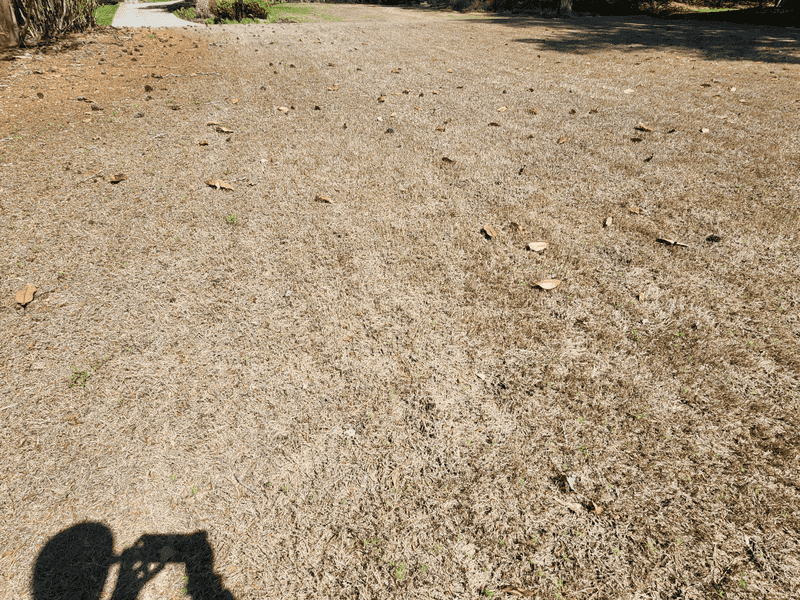
Bermudagrass loves heat so much that it starts slowing down once soil temperatures dip into the cooler fall range. Tossing a heavy nitrogen feeding on it now is a bit like serving dinner to someone already asleep.
Warm-season grasses such as Bermuda, St. Augustine, kikuyu, and zoysia mostly do their growing from late spring through summer. Late feedings push tender new blades that frost can easily damage, and much of the fertilizer simply goes unused.
Unused nitrogen does not just sit around politely, because winter rains can wash it into storm drains and creeks. California takes runoff seriously, and many local stormwater programs urge homeowners to skip fertilizer before rain.
Cool-season lawns tell a different story, since tall fescue and perennial ryegrass are happily growing during the mild fall weather. UC turf experts note that fall is a fine time to feed these grasses, ideally with a moderate dose.
Not sure which kind of grass covers your yard after all these years of patching and reseeding? A quick look helps, since Bermuda spreads by wiry runners while tall fescue grows in coarse, upright clumps.
Overseeded Bermuda lawns with fresh winter ryegrass are the exception, because that young ryegrass does appreciate a light feeding. Follow the bag directions carefully, and water it in lightly rather than letting the next storm do the job.
I like to save my warm-season fertilizer budget for spring, when the grass greens up and can use every bit. Your Bermuda will reward that patience with a thicker, brighter comeback once the soil warms again.
3. Scalping The Lawn With A Super Short Mow
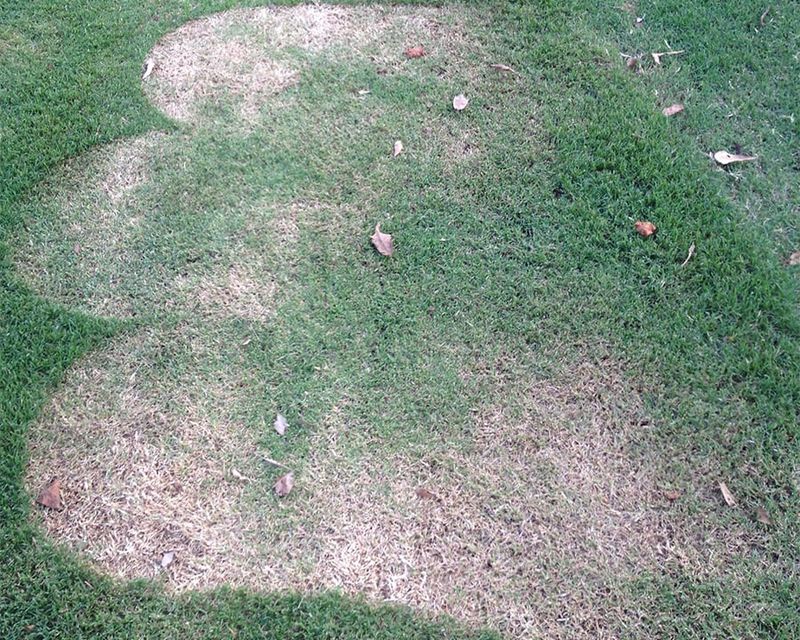
Something about that last mow of the year tempts people to drop the deck as low as it goes. I get the appeal, since a buzz cut seems like it should buy you a few weeks of rest.
Scalping strips away the leafy blades that grass uses to make food, which leaves the crowns bare and stressed. Exposed soil also warms and dries unevenly, giving winter weed seeds a sunny invitation to sprout in the gaps.
Tall fescue, a favorite cool-season lawn grass around here, generally looks best mowed around two to three inches. Bermuda and kikuyu handle shorter cuts, but even they suffer when sliced down to bare stems and runners.
The old one-third rule still holds up well, so remove no more than a third of the blade per mowing. If your lawn got shaggy during a rainy stretch, lower the height gradually over two or three mowings instead.
Sharp blades matter just as much, because a dull mower tears grass tips and leaves them ragged and brown. Those shredded edges lose moisture faster and give disease organisms an easy way inside the plant tissue.
I sharpen my blade every fall, and the difference in how clean the lawn looks afterward still surprises me. A local hardware store or small engine shop can usually handle the job quickly if you prefer not to.
Keeping a little extra height now helps grass shade out weeds and hold onto its energy through the cooler months. Your spring lawn will thicken faster when it starts the season with healthy crowns instead of scraped stubble.
4. Soggy Fallen Leaves Smothering The Grass
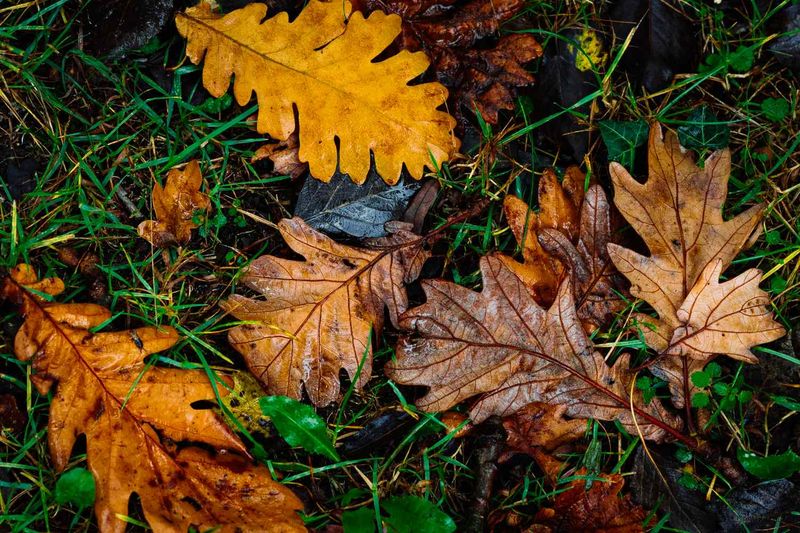
Sycamore and liquidambar leaves look gorgeous drifting down, yet thick piles can yellow a lawn surprisingly fast. I learned that lesson the hard way under a big backyard tree I kept meaning to rake around.
Once winter rain soaks those leaves, they flatten into a heavy, wet blanket that blocks sunlight from reaching the blades. Cool-season grass still needs that light to keep growing, so a covered patch slowly thins and fades underneath.
Trapped moisture under the mat also keeps the grass damp for days, which suits lawn fungi just fine. Slugs and snails appreciate the cozy shelter too, and they often move into the garden beds next door.
One trick I love is running the mower over a light layer of dry leaves to chop them into confetti. Those small bits settle between grass blades and break down over winter, feeding the soil instead of smothering it.
Heavier drifts are a different story, so rake or blow them off before the next storm glues them down. A good rule of thumb is that you should still see plenty of grass blades poking through after mulching.
Raked leaves are far too useful to toss, since they make wonderful mulch for shrubs and vegetable beds. Many cities in the state also collect them in green waste bins, turning your yard cleanup into community compost.
A quick weekly pass during peak leaf drop takes far less effort than one giant cleanup after the holidays. Your grass gets to keep soaking up the low winter sun, and that steady light pays off by spring.
5. Walking On Waterlogged Or Frosty Turf
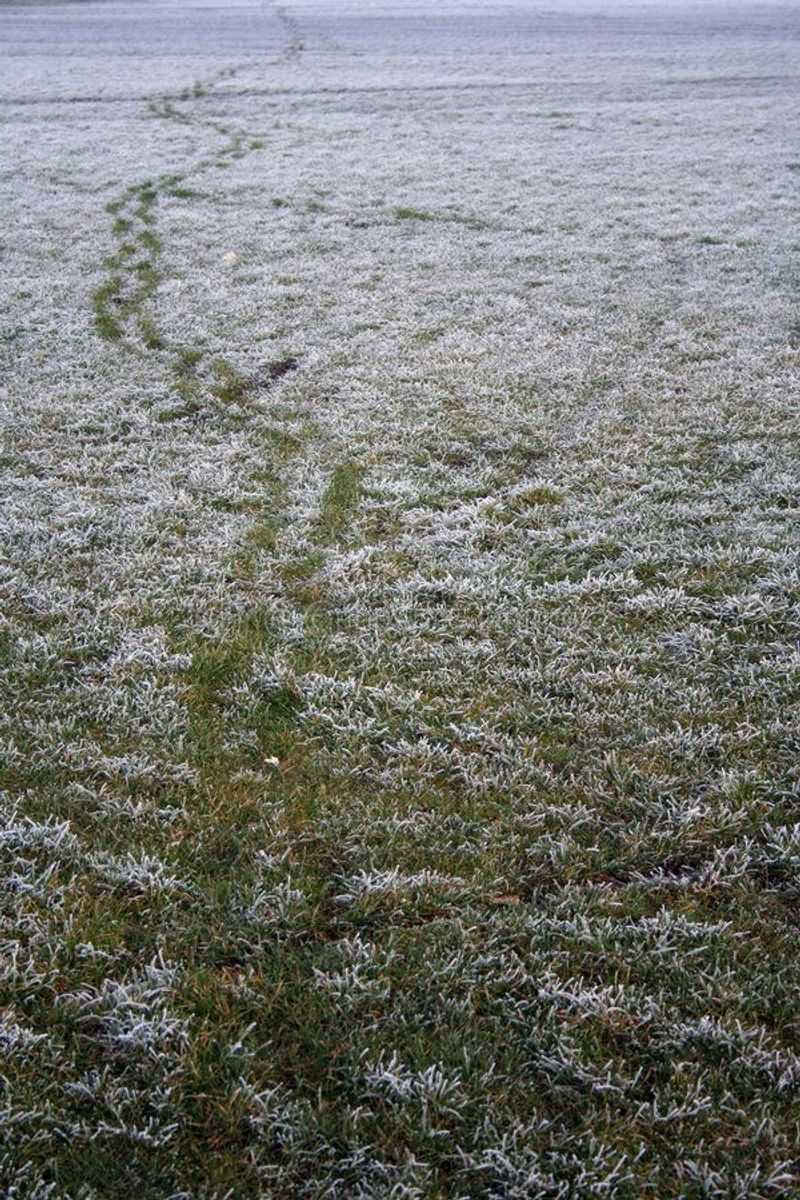
A frosty lawn in Sacramento or Fresno can crunch underfoot, and every step leaves behind a trail of bruised blades. Frozen grass blades are stiff with frost, so they crack easily instead of bending back up like usual.
Those footprints often turn brown a few days later, which is a strange sight on an otherwise green lawn. I try to keep foot traffic off frosty grass until the morning sun has melted that sparkly coating away.
Soggy soil after a big storm creates a different headache, because wet ground squishes together easily under pressure. Compacted soil holds less air, so roots grow shallow and water starts puddling where it once soaked right in.
Heavy mowers and wheelbarrows do the most harm, especially on the dense clay soils found in many valleys. Waiting a day or two for the surface to drain makes a surprising difference in how the lawn holds up.
Core aeration also belongs on the waiting list, since punching holes in saturated ground can smear the soil instead. Cool-season lawns are usually best aerated in early fall or spring, while warm-season grass prefers late spring and summer.
A simple squeeze test tells you plenty about whether the ground is ready for heavy work again. Grab a handful of soil, and if it oozes or drips water, give it more time to dry.
Stepping stones along your favorite shortcut can spare the grass when kids and dogs insist on racing across it. Honestly, I think a few pavers are cheaper than reseeding a muddy path every single spring.
6. Annual Bluegrass And Chickweed Sneaking Into Lawns
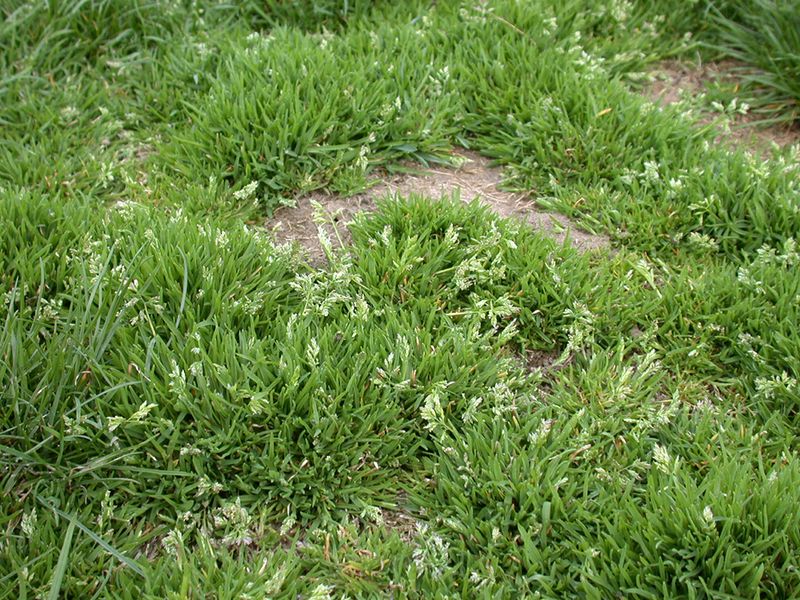
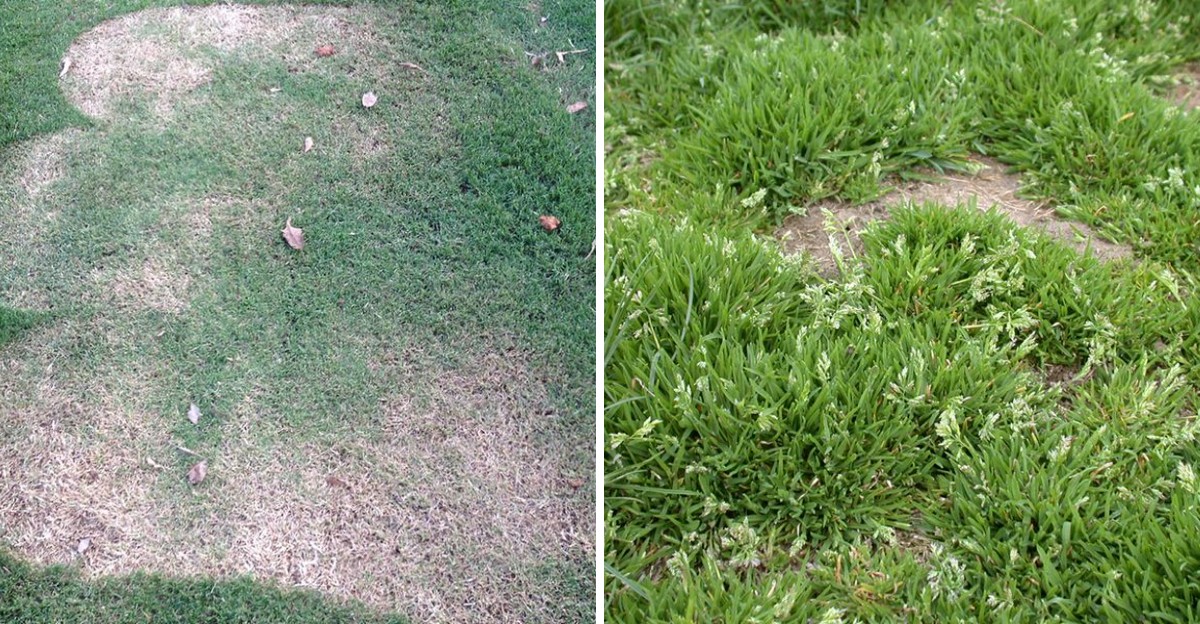
Annual bluegrass can flower and drop seed while it is barely taller than your thumb, even at short mowing heights. UC weed experts list it among the most common lawn weeds, and fall is exactly when it starts sprouting.
Common chickweed and bur clover join the party once the first rains soak the soil and temperatures settle down. Cool-season weeds like these spend winter quietly spreading, then burst into view just as you want a tidy yard.
Ignoring them now feels harmless, because the seedlings are tiny and easy to miss among healthy grass blades. By late winter, each plant may have set hundreds of seeds that will haunt your lawn for years.
Pre-emergent products work best when applied before germination, so the ideal window has usually passed by this point in fall. Make a note on your calendar for late summer next year, and you will be ahead of the next wave.
For now, hand pulling young weeds after a rain is surprisingly satisfying, since damp soil releases the roots easily. A narrow weeding tool helps with chickweed, which tends to sprawl in thin or shady corners of the lawn.
If you choose a selective herbicide, read the label carefully and confirm it is safe for your type of grass. Some products that suit tall fescue can harm St. Augustine, and the reverse can happen too.
The best long-term protection is a thick, healthy lawn, because weeds struggle to find room in dense turf. I think of every bare patch as an open invitation, so I fill gaps with seed whenever timing allows.
7. Parking The Mower Too Soon On Tall Fescue
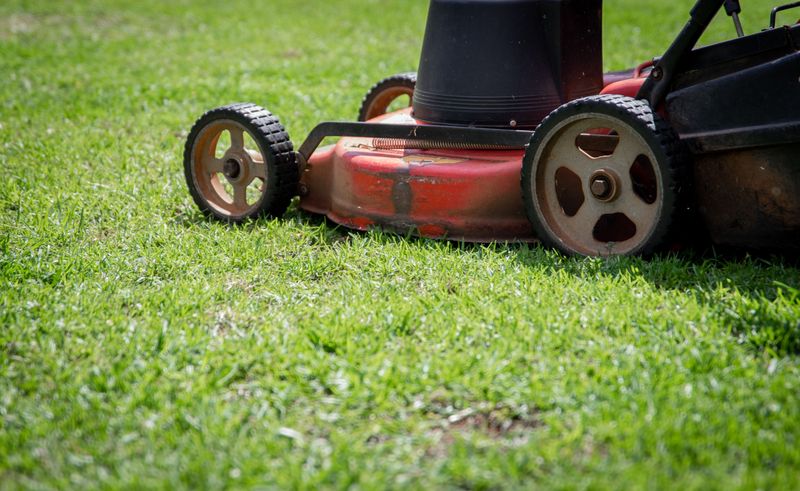
Tall fescue actually picks up speed when fall temperatures cool down, which catches plenty of homeowners off guard each year. While Bermuda lawns nod off for winter, cool-season grass keeps stretching toward the sky between storms.
In mild coastal parts of California, perennial ryegrass and fescue lawns may need mowing nearly all winter long. Inland valleys slow down more once frost arrives, yet mild spells can keep growth going well into December.
Shaggy grass that flops over tends to mat down after rain, trapping moisture and blocking air near the soil. That soggy tangle invites fungal trouble, and it makes your next mowing a slow, clumpy chore.
Overgrown blades also tempt people into one dramatic cut, which breaks the one-third rule and stresses the plants. Regular trims at the right height keep the lawn tidy without shocking it during short, cool days.
Mowing every week or two is often plenty now, so the job takes less time than during spring. Pick a dry afternoon when the grass has lost its morning dew, and the clippings will scatter cleanly.
Leaving those clippings on the lawn returns nutrients to the soil, a practice often called grasscycling. Short pieces break down quickly and rarely cause thatch, despite what many people believe about bagging.
I keep the mower handy until my fescue grows less than an inch over two weeks. That simple yardstick has saved me from plenty of soggy, overgrown messes when the January sun finally returns.