The Texas Native Tree That Turns Brilliant Red Just When Most Fall Gardens Look Dull
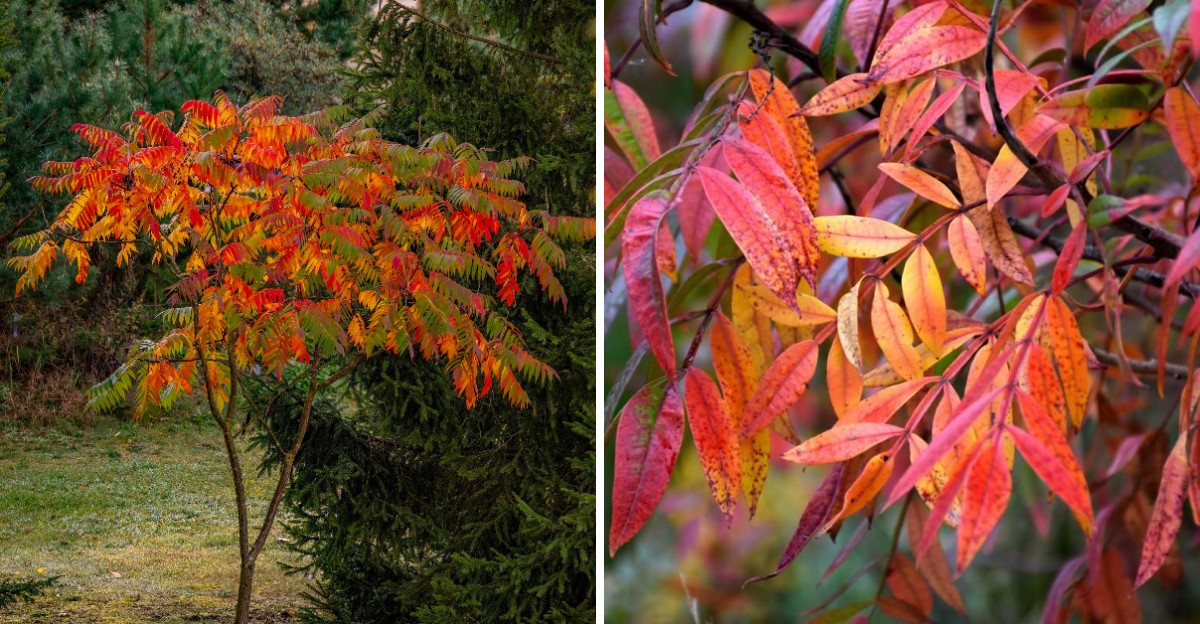
A scrappy little tree on limestone hillsides can hold blazing scarlet leaves into early December across central Texas. I first spotted one beside a highway and nearly missed my exit staring at that fiery glow.
Its fuzzy red berries taste tart and lemony, and early settlers soaked them in water for a sour drink. Birds such as quail and songbirds pick at those same berry clusters well into the lean winter months.
I love how it shrugs off brutal summer drought and rocky alkaline soil that frustrates fancier ornamental trees. You might notice it growing wild along fence lines, where nobody waters it and nobody fusses over it.
So why do so many Texas gardeners plant imported maples that sulk here instead of this homegrown showstopper? You may want to find one for your own yard before the cool nights arrive this year.
Prairie Flameleaf Sumac Is The Homegrown Fall Star
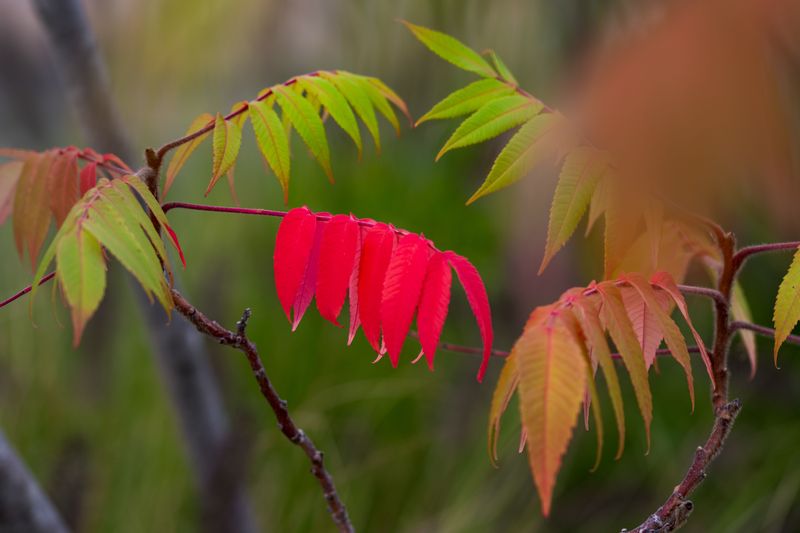
Few native trees can make a dull roadside look like it caught fire, yet this one manages it yearly. Its scientific name is Rhus lanceolata, and folks also call it Texas sumac or lanceleaf sumac.
I have to admit the plain name hides a fancy personality, because the leaves look almost tropical in summer.
Each leaf holds many narrow, glossy leaflets, and a small green wing runs along the central leaf stem.
That winged stem is a handy clue, since few other small trees around here show the same feature. Shining sumac, a close eastern cousin, has wings too, but its leaflets are wider and less sickle-shaped.
The plant grows naturally from Oklahoma and New Mexico down through much of the state into northern Mexico. You will find it most often on dry limestone slopes and open prairies across central and western areas.
Most nurseries list it as hardy in USDA zones 6 through 9, which covers nearly every corner of our state.
That range means gardeners from Amarillo down to San Antonio can grow it without special winter protection.
Personally, I think it deserves a spot in more home landscapes, especially where water bills climb every summer.
Native plants like this one already know our weather, so they rarely need pampering once their roots settle.
Look for it at native plant sales or specialty nurseries, since big box stores rarely stock this regional treasure. Asking for it by its scientific name helps you avoid mixing it up with other sumac species.
Brilliant Red Sumac Leaves Glow In Late Autumn
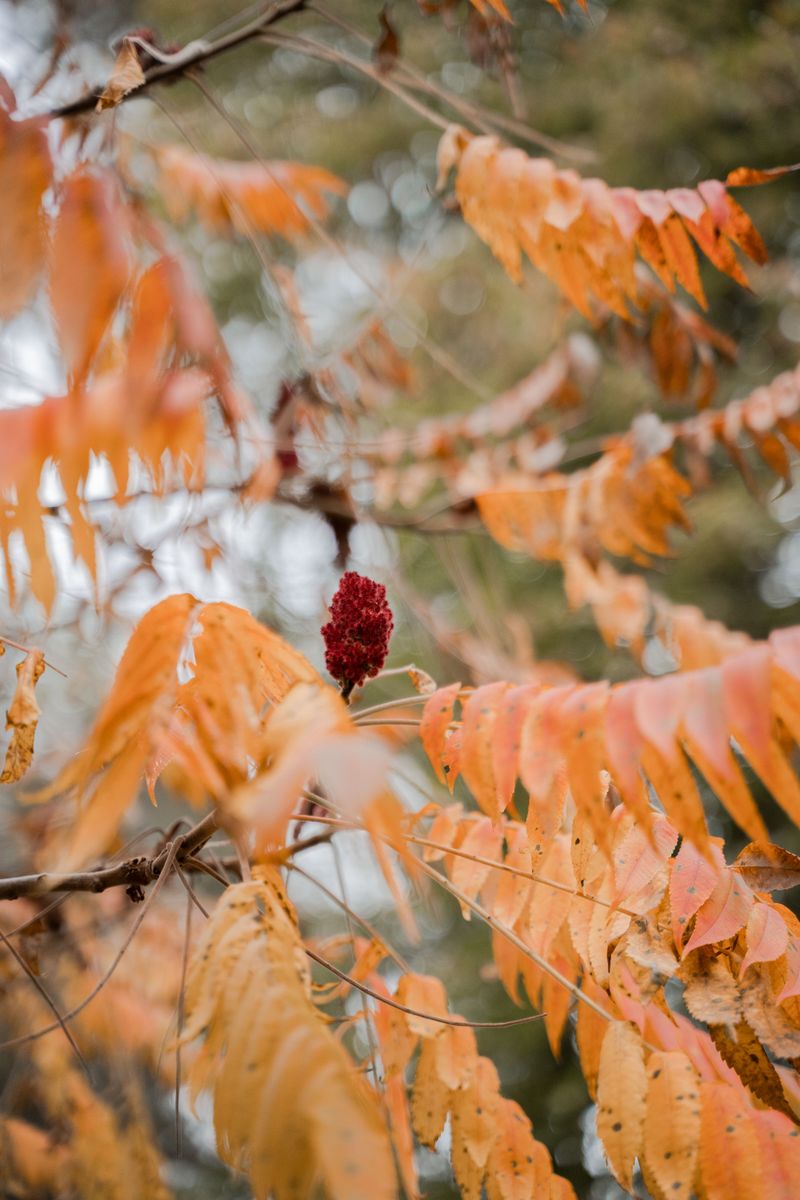
When the crape myrtles fade to brown and the zinnias give up, this sumac is just warming up. Its leaves shift from glossy green to deep scarlet and glowing orange as autumn nights turn crisp.
In central parts of the state, the brightest color usually peaks from late October into November. During mild years, I have seen a few stubborn leaves cling on and glow into early December.
That late show matters, because most summer flowers have faded by then and gardens can look tired and patchy.
A single sumac planted near a patio or front walk can carry the whole yard through that gloomy stretch.
Full sun gives you the boldest color, so avoid tucking it under big shade trees or tall buildings. Plants grown in heavy shade often turn a duller yellow or simply drop their leaves without much fanfare.
Weather plays a role too, since cool nights and sunny days help leaves develop those rich red pigments. Drought stress early in fall can sometimes cut the show short, so a deep drink during dry spells helps.
I love pairing it with silvery plants like cenizo, because the gray foliage makes the red leaves pop even more.
Evergreen yaupon holly behind it also works nicely, giving a dark green backdrop for that fiery display.
You might notice that wild hillside colonies color up at slightly different times from one another.
That variation comes from natural genetic differences, so pick a nursery plant already showing good fall color.
Prairie Flameleaf Sumac Grows Into A Small Tree Or Thicket
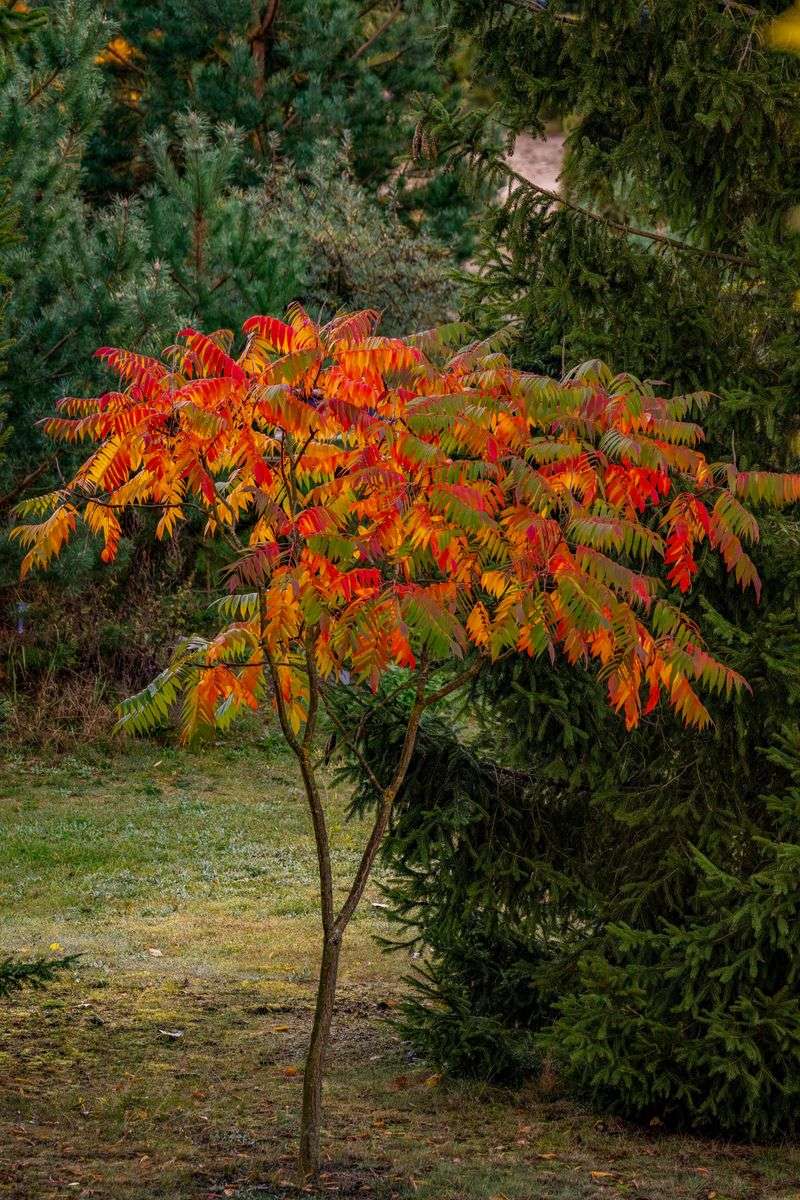
Few plants switch roles as easily, since this sumac can act as a neat tree or a loose hedge. Most specimens reach about 10 to 20 feet tall, though old plants in good spots can grow taller.
Left alone, it sends up suckers from spreading roots and slowly forms a dense colony over several years. Those thickets look lovely on a large property, where they can fill a slope or a back fence line.
Smaller yards call for a little more control, and I find regular mowing around the base handles most suckers.
You can also snip new shoots at ground level with sharp pruners whenever they pop up in spring.
Training it into a single trunk takes patience, but the result looks graceful beside a patio or entry. Choose the strongest upright stem early and gradually remove lower side branches over the first few years.
Late winter makes a smart time for shaping, because bare branches reveal the structure clearly before leaves emerge.
Avoid heavy summer pruning, since fresh cuts during hot spells can stress the plant and reduce next year’s flowers.
The trunk and branches develop pale gray bark and a slightly twisting form that looks interesting after leaf drop.
I like how that crooked silhouette adds character to a winter garden when most shrubs look like plain sticks.
Give each plant roughly 10 to 15 feet of space, so it can spread without crowding nearby beds. Keep it several feet from sidewalks, too, because roots that sucker freely can surprise you near pavement.
Drought Tolerant Sumac Thrives In Rocky Limestone Soil
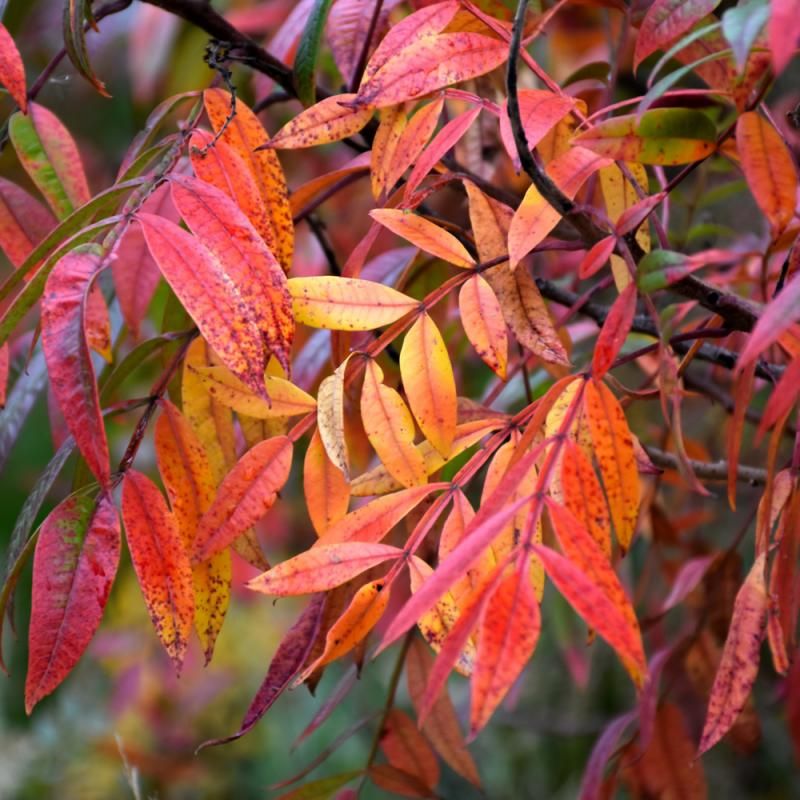
Some trees throw a tantrum over caliche and limestone, but this sumac seems to enjoy those stubborn rocky spots. Its natural homes include thin, alkaline soils on hillsides where rain drains away almost as fast as it falls.
Sandy or clay soils can work too, as long as water does not puddle around the roots for days. Soggy ground is the real enemy, because constantly wet roots invite rot and slow, weak growth.
Fall and winter are excellent planting seasons here, since cooler weather lets roots settle before summer heat returns. Dig a hole about twice as wide as the container, and set the plant at its original soil level.
You need to water deeply once or twice a week during the first growing season, depending on rainfall.
After that first year, established plants usually get by on natural rain, with extra water only during harsh droughts.
I have to say that overly generous care causes more trouble than neglect with tough natives like this one.
Rich fertilizer often pushes floppy growth, and frequent sprinkler watering can weaken the roots over a few seasons.
A thin layer of shredded mulch helps young plants hold moisture, but keep it a few inches from the trunk. Mulch piled against bark can trap moisture and give insects or fungi an easy entry point.
Xeriscape fans will appreciate how well it fits into low-water beds alongside native grasses and agaves.
Little bluestem planted around its base looks wonderful in autumn, when the grass turns coppery beside the scarlet leaves.
Creamy Sumac Flower Clusters Buzz With Summer Bees
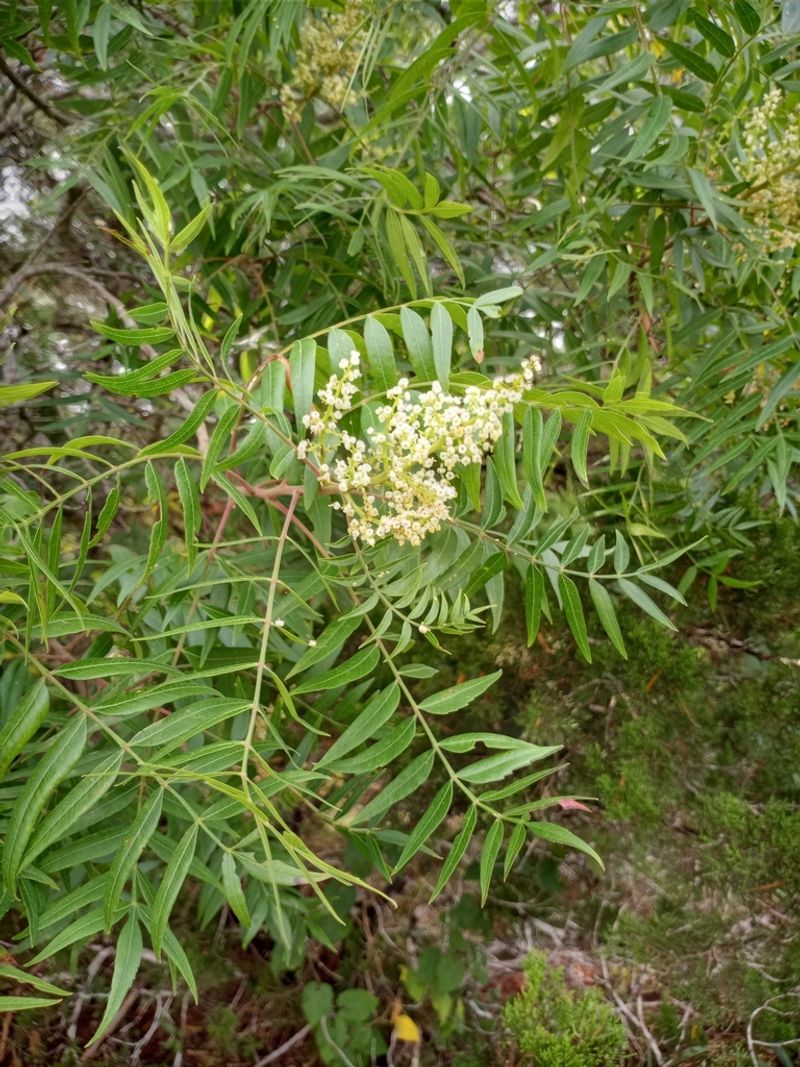
Midsummer can feel brutal for pollinators, yet this sumac opens a busy snack bar when many plants are resting.
Creamy white to greenish flower clusters appear around July and August, standing above the leaves at branch tips.
Each cluster holds hundreds of tiny blooms, and together they can stretch several inches long on mature plants. Up close they look modest, but from a distance they give the canopy a soft, frothy cream topping.
I love standing near a blooming plant on a hot morning and hearing the steady hum of busy bees. Native bees and honeybees both visit for nectar during a season when many flowers are scarce.
Flower timing gives the plant a nice rhythm, since summer blooms lead straight into autumn fruit and color.
That steady progression keeps one small tree interesting for months instead of offering just a single short burst.
One quirky detail surprises many gardeners, because individual plants tend to carry mostly male or mostly female flowers.
Only plants with female flowers produce berries, so a lone male plant may bloom beautifully but stay fruitless.
If berries matter to you, planting a small group improves the odds of getting both types nearby. Nursery staff can sometimes point out plants that fruited before, which helps take some guesswork out of choosing.
Skip insecticide sprays near blooming sumac, since even mild products can harm the pollinators you hope to attract.
Personally, I let a few wasps and beetles share the flowers, because they usually cause no real trouble.
Fuzzy Red Sumac Berries Feed Winter Birds
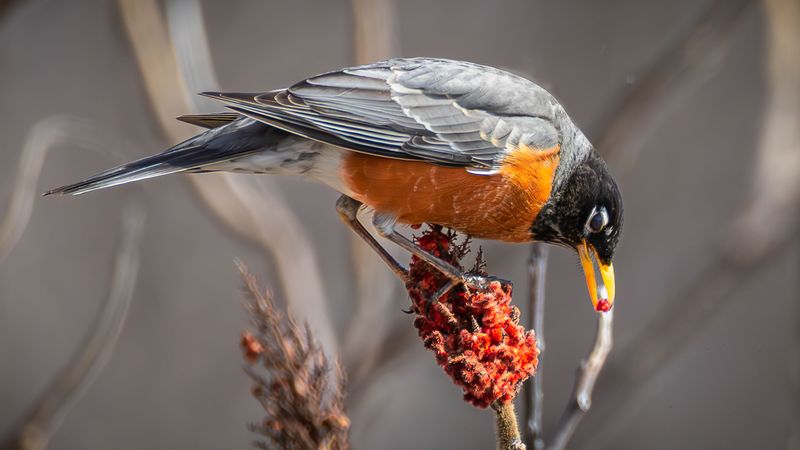
Brush your fingers across a ripe sumac berry cluster, and you will feel soft velvet with a sticky coating. Those dense clusters of small red fruits, called drupes, ripen in late summer and early fall.
Many berries hang on well into winter, giving hungry birds a backup pantry when insects and seeds run low.
Quail and many songbirds, including bluebirds and mockingbirds, are known to eat sumac fruit through the cold months.
Deer also browse the leaves and twigs, so young plants may need a wire cage in deer-heavy neighborhoods. I learned that lesson after a hungry doe nibbled my first sapling down to a bare stub overnight.
Thickets formed by suckering roots give small birds and rabbits safe cover from hawks and neighborhood cats. Leaving one corner of your yard a little wild can turn a sumac colony into a lively wildlife refuge.
People have enjoyed these berries too, soaking them in cool water to make a tart, lemony drink. Many folks call it sumac lemonade, and Native American communities used sumac fruits for food and medicine.
You should taste wild plants only after positive identification, and rinse berries gently to remove dust and insects.
Avoid gathering near busy roads, where fruit can pick up pollution from passing traffic and roadside sprays.
Female plants loaded with fruit make a fantastic show, especially when red berry clusters sit beside scarlet leaves.
You might notice birds stripping the clusters faster during cold snaps, which tells you how valuable that food really is.
Red Berried Sumac Is Safe Unlike White Berried Poison Sumac
The word sumac makes plenty of gardeners nervous, mostly thanks to a swamp-loving relative with a bad reputation.
Poison sumac, Toxicodendron vernix, can cause an itchy rash similar to poison ivy, but it looks quite different.
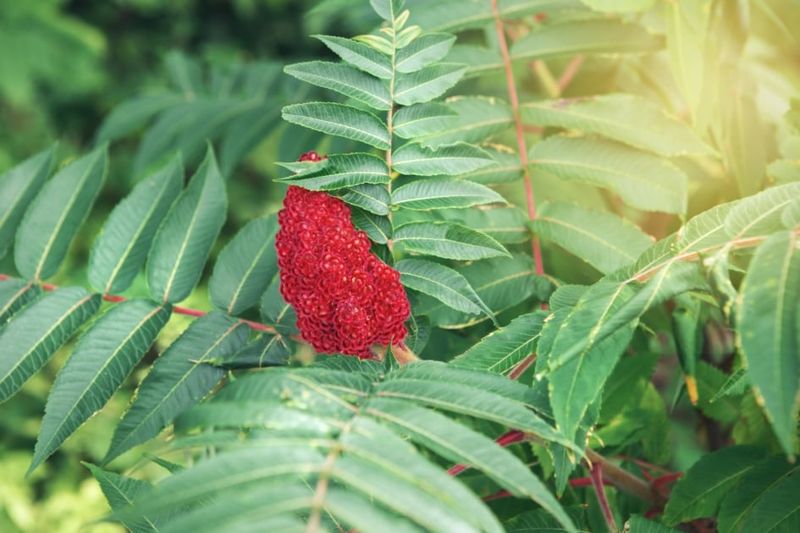
Berry color is the easiest clue, because poison sumac carries loose clusters of whitish or pale gray fruit. Prairie flameleaf sumac holds its fuzzy red berries in tight upright clusters at the tips of branches.
Habitat helps too, since poison sumac grows in wet swamps and bogs, mostly in eastern parts of the country. In Texas, it shows up only in a few soggy eastern spots, far from dry limestone hills.
Leaflets offer another check, because prairie flameleaf sumac has narrow, sickle-shaped leaflets and that winged central stem.
Poison sumac leaflets are smooth-edged and noticeably broader, with no wing along the stem between them.
Our native red-berried sumac is generally considered safe, though a few sensitive people may notice mild skin irritation.
Wearing gloves while pruning is a simple habit, and I keep a pair hanging right beside my loppers.
Spreading roots sometimes worry people, but this sumac is a native species and not an invasive plant here.
A quick mow around the colony edge each spring usually keeps it politely in place without much effort.
Pests and diseases rarely bother it, which makes it one of the easiest small trees I have grown. Plant one this season, and next autumn you will have your own fiery torch glowing in the yard.