A Long-Legged Visitor Is Crossing New Jersey At Dusk
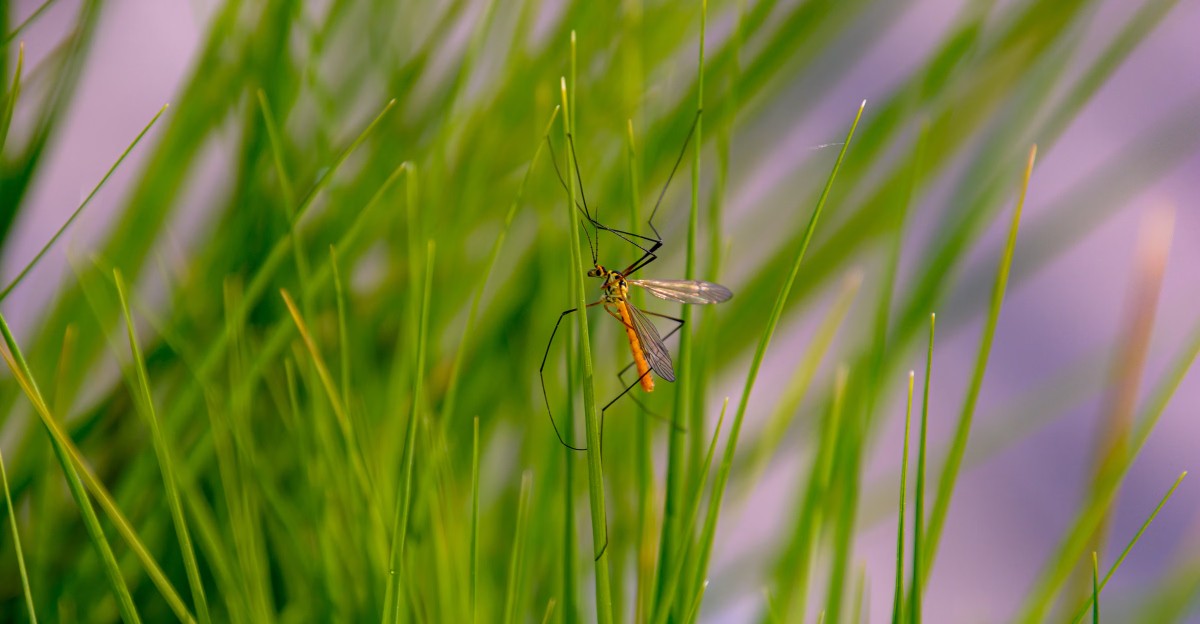
A bug with legs longer than its body just bonked into my porch light for the third time tonight. It looked like a mosquito that hit the gym all summer. I flinched, then laughed at myself.
These gangly fliers show up on New Jersey evenings when the air turns cool. They drift, wobble, and crash into screens like tiny lost kites. Some people swat them on sight.
I used to be one of those people. Then I learned the scary-looking adult can’t bite you at all. The real story starts in the grass under your feet.
You might notice thin patches in your New Jersey lawn next spring and blame the weather. A little evidence gave me a different suspect. Who is this clumsy twilight traveler, and what is it leaving behind in your yard?
That Giant Mosquito Look-Alike Has a Secret Identity
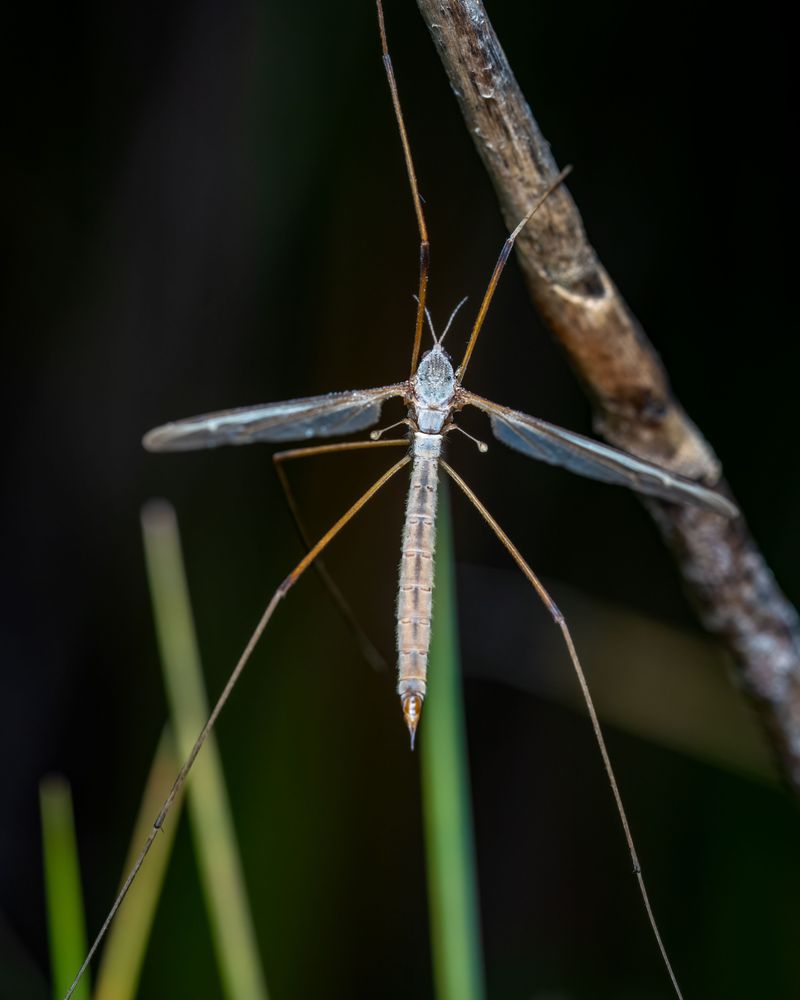
I once chased one of these leggy fliers around my kitchen with a rolled-up magazine. It never fought back, and now I know why. That bug was a crane fly, and adults can’t bite or sting people or pets.
Crane flies belong to a big insect family called Tipulidae. Scientists have named thousands of species around the world, and many live right here in the Garden State. Folks call them mosquito hawks or daddy longlegs, but those names are misleading.
Despite the nickname, crane flies don’t hunt mosquitoes. Most adults barely eat at all, and some species have no working mouthparts for feeding.
Their short adult life, often just a few days to a couple of weeks, is mostly about finding a mate.
You can tell them apart from mosquitoes pretty easily. Crane flies are much bigger, with bodies up to about an inch long and legs that stretch far wider.
Their flight looks floppy and slow, and their legs snap off with almost no effort. Fun fact time. Crane flies have tiny knob-shaped organs called halteres behind their wings. These help them balance in the air, a bit like a tightrope walker holding a pole.
Leathery Grubs Under the Grass Cause the Real Trouble
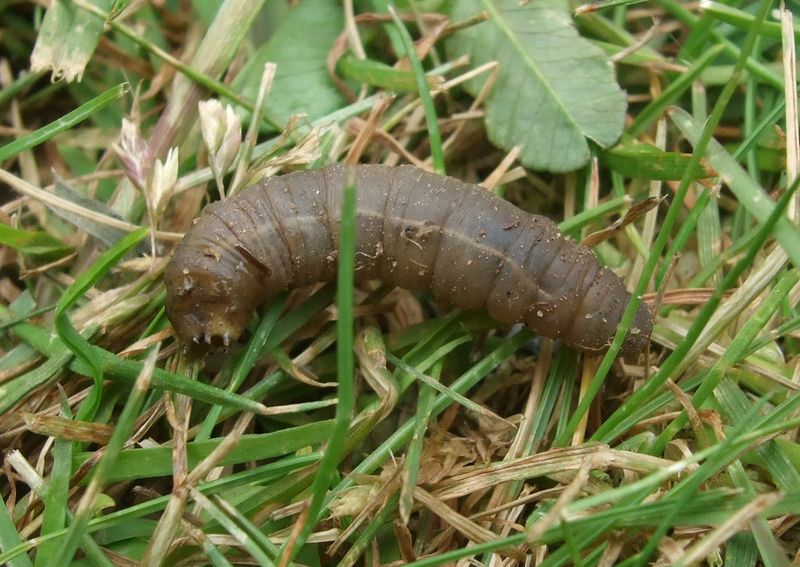
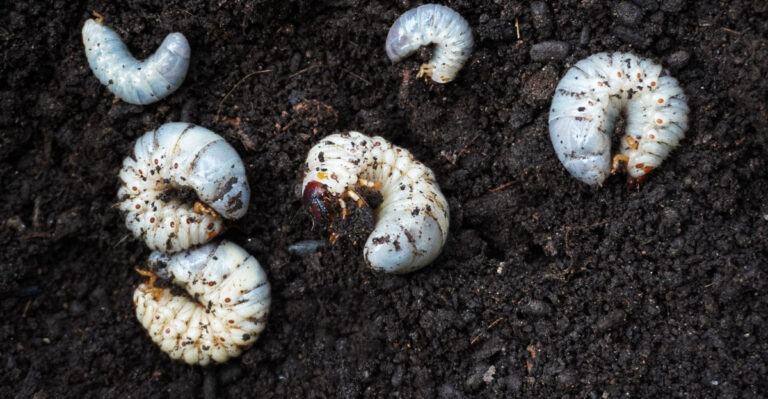
Peel back a weak patch of sod and you might find a chubby, gray-brown tube staring back at you. Gardeners call these leatherjackets. They’re crane fly larvae, and they cause the actual damage.
Leatherjackets have no legs and a tough, leathery skin. Full-grown ones can reach about an inch to an inch and a half long. They spend their lives in damp soil, chewing on grass roots and crowns.
On mild, moist nights, they sometimes crawl up to the surface. There they nibble on grass blades and stems near the soil line. A flashlight walk across a soggy lawn after dark can reveal them.
Not every crane fly causes lawn problems. Many native species live in wet woods, streams, and rotting leaves, where they help break down plant material.
The biggest lawn pests are European crane flies, which arrived in North America in the last century.
Penn State and Rutgers experts have tracked these European species across the Northeast. Most yards host only a few larvae and show no damage. Heavy numbers are what turn a healthy lawn thin and spongy.
Crane Flies Lay Eggs in Your Turf Right After Sunset
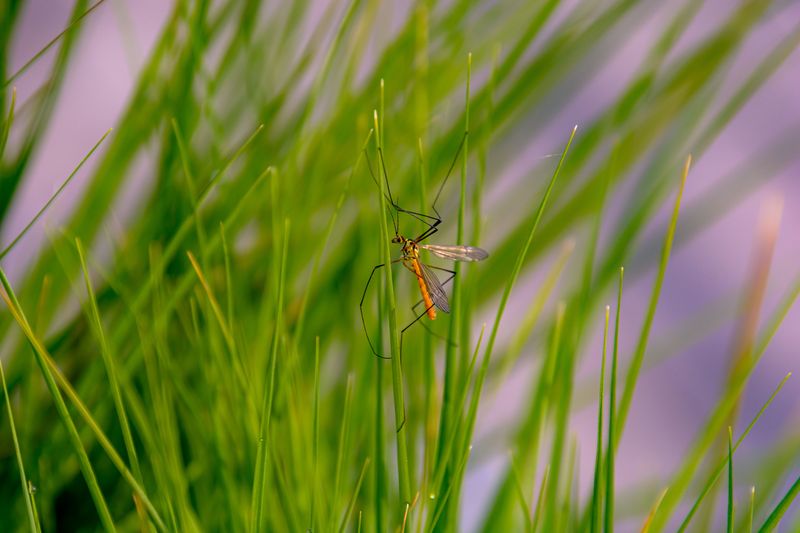
Timing is everything with these insects. Adults pop out of the soil in late summer and fall, and they get right to work. Many females mate and lay eggs within a day of emerging.
Each female can drop a couple hundred tiny, dark eggs into moist grass and soil. You’ll often see her bouncing low over the lawn as she works. That bobbing flight at dusk is a big clue.
The eggs usually hatch in about one to two weeks if the soil stays damp. Young larvae start feeding on roots right away. They keep eating through the fall until the cold slows them down.
Winter doesn’t stop them for good. Larvae rest in the soil and pick up feeding again as temperatures climb in March and April. Spring is when most homeowners finally notice the thin, yellowing spots.
One European species can produce two generations a year, with adults in both spring and fall. That’s why you might see these long-legged fliers more than once.
If you spotted swarms in your yard this season, mark that area on a sketch so you can check it next spring.
Soggy Lawns Roll Out the Welcome Mat for Egg-Laying Females
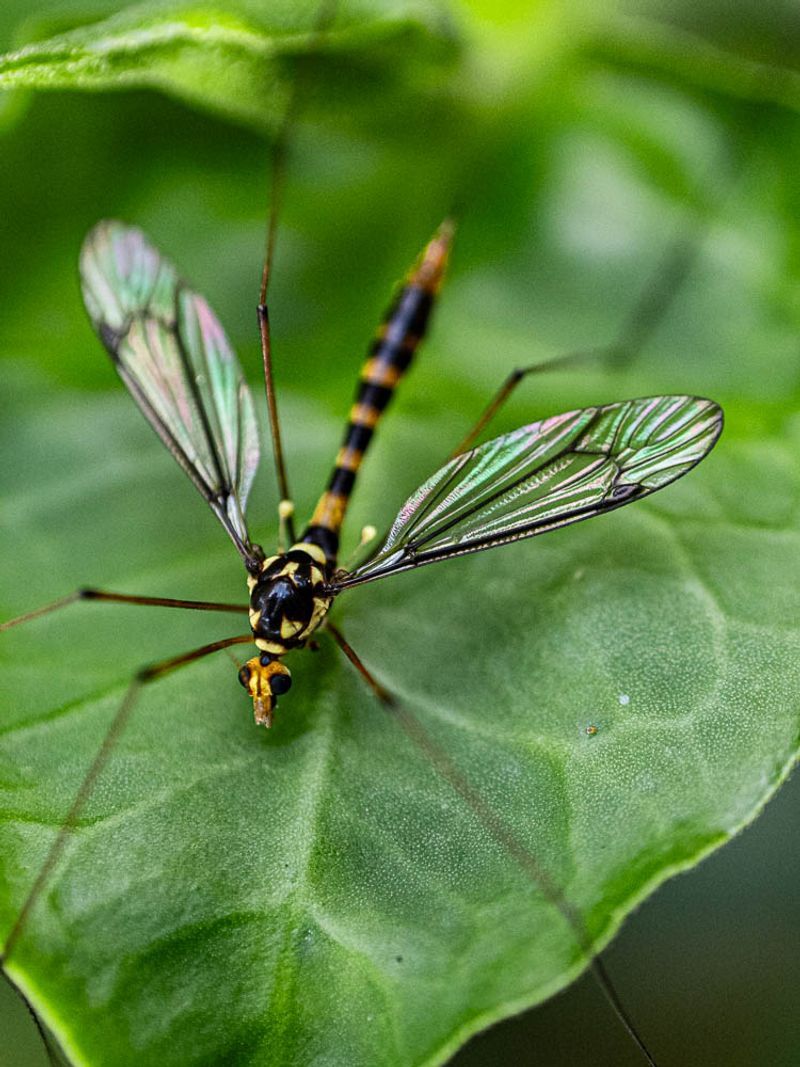
Moisture is the magic word here. Crane fly eggs and young larvae dry out easily, so females pick damp ground. A soggy corner of your yard is basically a five-star hotel to them.
Low spots, heavy clay soil, and shady areas often hold water longest. Lawns near ponds, streams, or wetlands can see more activity too. A rainy late summer and fall usually means better survival for the next generation.
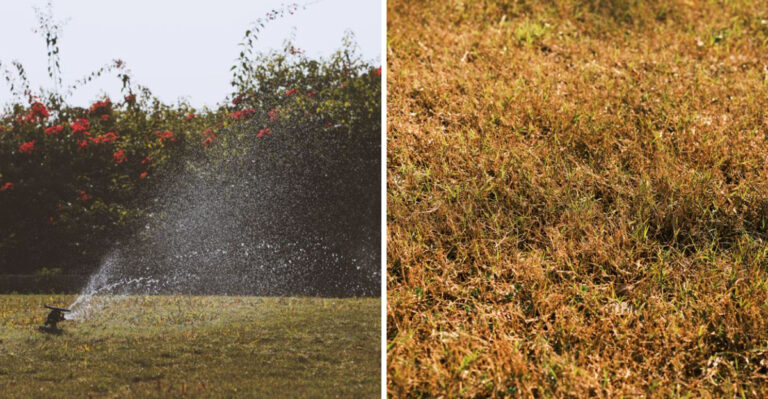
Watering habits matter just as much as rain. Short, daily sprinkler cycles keep the top inch of soil wet all the time. That’s exactly what young leatherjackets need to thrive.
New Jersey has plenty of dense clay in some northern areas and sandier soil along much of the coastal plain. Sandy yards drain faster, so they may see fewer problems. Clay-heavy lawns tend to stay wet and invite more trouble.
I started paying attention after a wet September in New Jersey left puddles along my back fence. Sure enough, that strip turned patchy the next April.
Now I check which spots stay squishy two days after rain, because those are the places to watch.
Brown Patches and Digging Skunks Tell the Story
Your lawn talks if you know how to listen. Leatherjacket damage usually shows up in spring as thin, yellow, or brown patches. The grass may look like it just can’t wake up after winter.
Bare spots often follow when larvae chew away roots and crowns. Weeds love to move into those openings. Before long, a once-thick lawn looks spotty and worn.
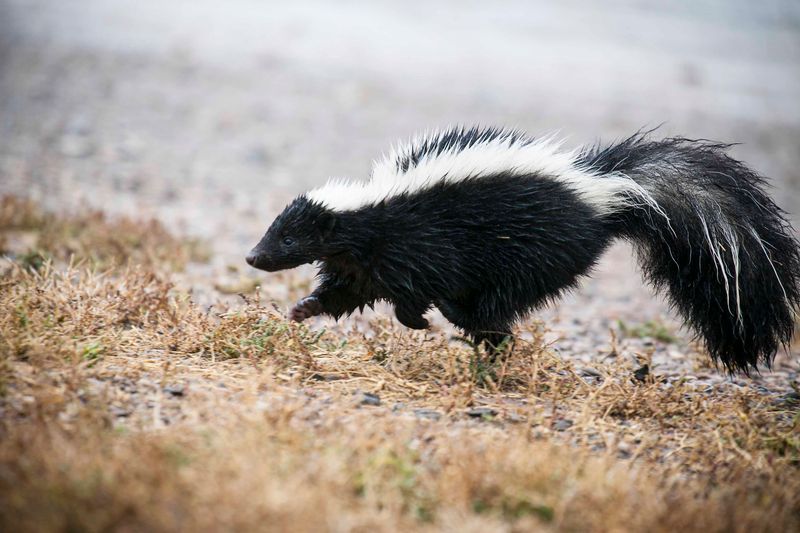
Animals may join the party too. Skunks, raccoons, and birds will tear up turf to snack on the juicy larvae. Ripped-up chunks of sod in the morning are a classic sign something tasty lives below.
Brown patches can have other causes, so play detective first. Japanese beetle grubs, drought, dog spots, and fungal diseases can look similar. A quick dig helps you know for sure.
Here’s a simple check. Cut three sides of a square-foot flap of sod and fold it back, or soak the area and cover it overnight with a board. Count the gray, legless larvae you find.
Rutgers and other university experts suggest treatment usually isn’t needed unless counts run high. Many sources list around 25 or more larvae per square foot as a concern.
Hungry Robins and Starlings Love a Leatherjacket Snack
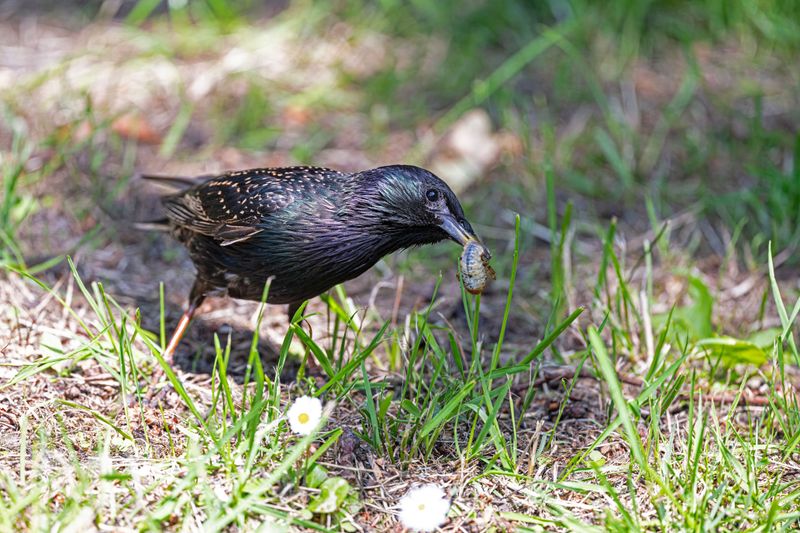
Watch a robin hop across your lawn after a spring rain. Every few steps it stops, tilts its head, and stabs the ground. There’s a decent chance it just pulled up a leatherjacket.
Birds are some of the best crane fly managers around. Robins, starlings, grackles, and crows happily snack on these larvae. Even the adult crane flies get snapped up by bats, swallows, and spiders at dusk.
Ground beetles hunt larvae in the soil too. Tiny parasitic wasps and some natural fungi also help keep numbers down. A yard full of life usually keeps pest problems in check.
You can invite these helpers with a few easy moves. Add a birdbath and keep it clean and full. Plant native shrubs like serviceberry, winterberry, and arrowwood viburnum for food and shelter.
Go easy on broad insecticides. Those sprays often harm the beetles, birds’ food sources, and pollinators that keep your yard balanced.
Leaving a little leaf litter in garden beds also helps beneficial beetles overwinter. I love that my laziest fall chore turned into a pest-control plan. Sometimes the best help simply has feathers.
A Few Lawn Care Habits Make Your Grass a Lousy Nursery
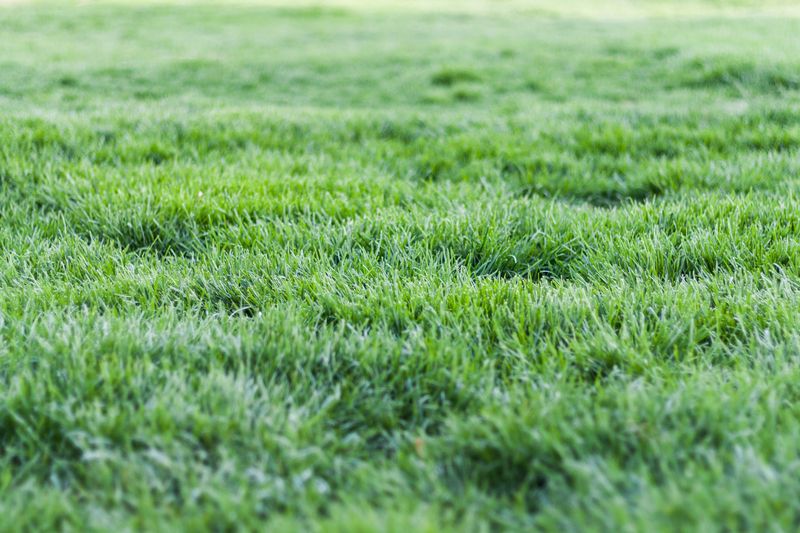
Healthy grass is the cheapest defense you’ll ever buy. Strong turf can handle a modest number of larvae without showing damage. The goal is a lawn that’s tough, not perfect.
Start with smarter watering. Water deeply about once or twice a week, giving roughly an inch total including rain. Letting the surface dry between sessions makes life hard for eggs and baby larvae.
In late summer and fall, ease off unless the weather turns dry. That’s peak egg-laying season, so a drier top layer really helps.
Core aeration loosens packed soil and improves drainage. Early fall is a great time to aerate cool-season lawns like tall fescue and Kentucky bluegrass, which grow well across New Jersey.
Overseeding right after fills in thin spots before weeds sneak in. Keep thatch under about half an inch. Thick thatch holds moisture and gives larvae a cozy hiding place.
Mow high, around three to four inches for most cool-season grasses. Taller grass grows deeper roots that can bounce back from chewing.
Feed in fall with a soil test from Rutgers as your guide, not guesswork. Rutgers’ New Jersey Agricultural Experiment Station offers soil testing through its extension offices.
Beneficial Nematodes Give Crowded Lawns a Natural Boost
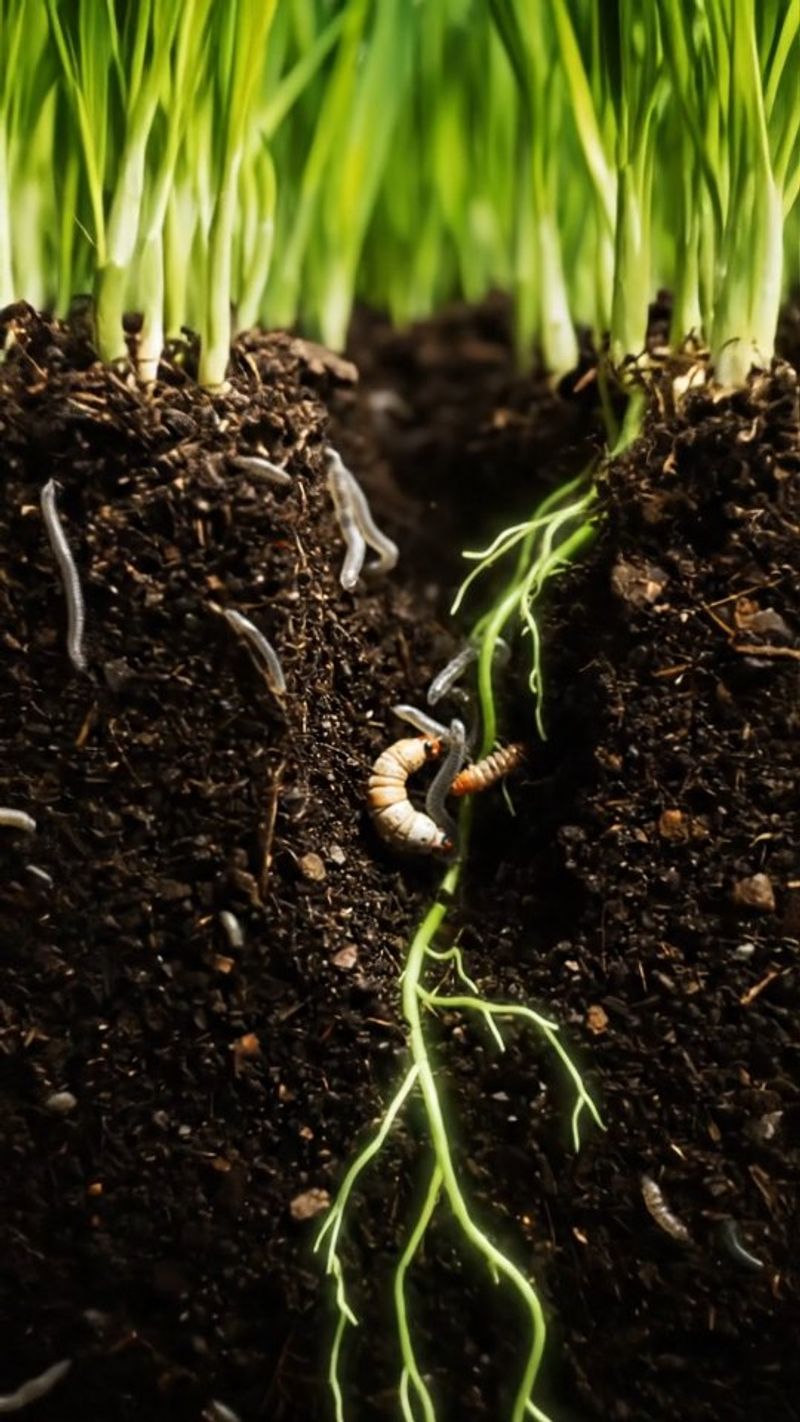
Sometimes good habits aren’t enough. If your digging test turns up lots of larvae, it may be time for extra help. Start gentle and targeted.
Beneficial nematodes are microscopic roundworms that hunt insect larvae in soil. A species called Steinernema feltiae is often recommended for leatherjackets.
Some research shows mixed results, so think of them as one helpful tool, not a guaranteed fix.
Apply nematodes in early fall when young larvae are small and active. Water the lawn before and after application, and spray in the evening or on a cloudy day. Sunlight and dry soil quickly weaken them.
Chemical insecticides are best saved for serious, confirmed problems. If you go that route, timing matters, since young fall larvae are easier to control than big spring ones. Read and follow every label direction.
A local lawn pro or your Rutgers Cooperative Extension county office can help you decide. They can confirm the pest and suggest options that fit your yard.
My biggest takeaway is simple. Those wobbly dusk visitors aren’t a reason to panic. Watch, count, and keep your soil healthy, and your lawn will likely handle the rest.