How New York Gardeners Prune Fig Trees to Set Up a Bigger Crop Next Summer
Every November, some Brooklyn backyards sprout strange shapes wrapped in burlap, old carpet, and a plastic bucket on top. Families from Italy brought that habit to New York more than a century ago, along with cuttings from home.
Funny thing is, the wrapping gets all the attention. In my own yard, I’ve noticed the real difference shows up months later, when a pair of sharp shears comes out on a cold March morning.
Truth be told, cutting a tree you love feels backward. Yet a few smart snips can push out the fresh green shoots that carry the sweetest summer fruit. Skip that step, and you often get a tangle of leaves with very little to pick.
So which branches go, which ones stay, and when should you reach for the trusty pruners?
Those Fig Branches Hold a Secret About Where Next Summer’s Fruit Grows
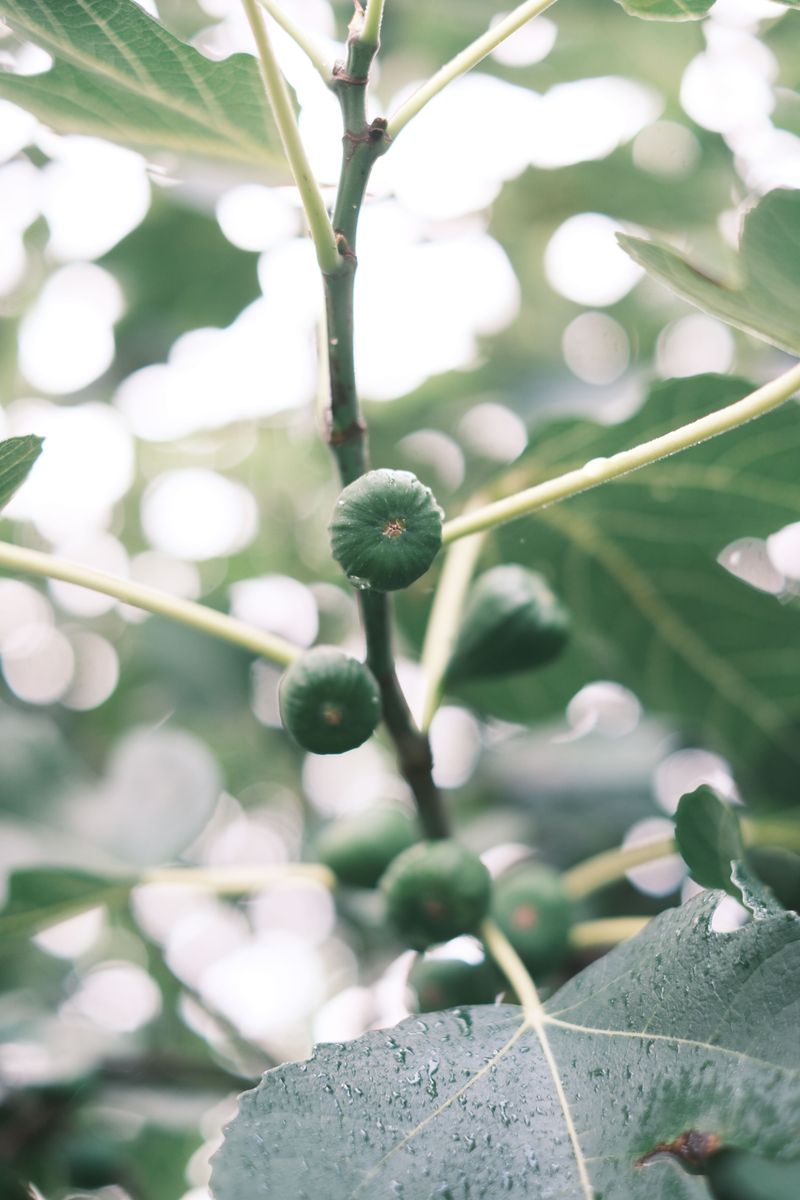
Fig trees play a sneaky trick with their fruit. Many varieties grow two crops, and each one forms on a different kind of wood.
The early crop, called the breba crop, shows up on last year’s branches in late spring or early summer.
The main crop is the one most gardeners care about. It forms on brand-new shoots that grow during the current season, right where each leaf meets the stem.
That detail changes how you should think about your shears.
In much of New York, cold winters often nip back last year’s branch tips. That means brebas are often lost before they ever swell.
Your best shot at a big harvest comes from healthy, vigorous new growth each spring.
Pruning helps the tree pour energy into those fresh shoots instead of spreading it across tired, crowded limbs. A tree with fewer, stronger branches often produces larger figs that ripen sooner.
Speed matters here, since a short growing season leaves little room for slow fruit.
Funny enough, many folks prune too little because they fear losing fruit. I did the same thing for years, and my tree turned into a leafy thicket with a handful of figs in October.
Once I learned where the fruit really forms, cutting stopped feeling scary and started feeling smart.
Late Winter Is When Your Fig Pruners Should Come Out
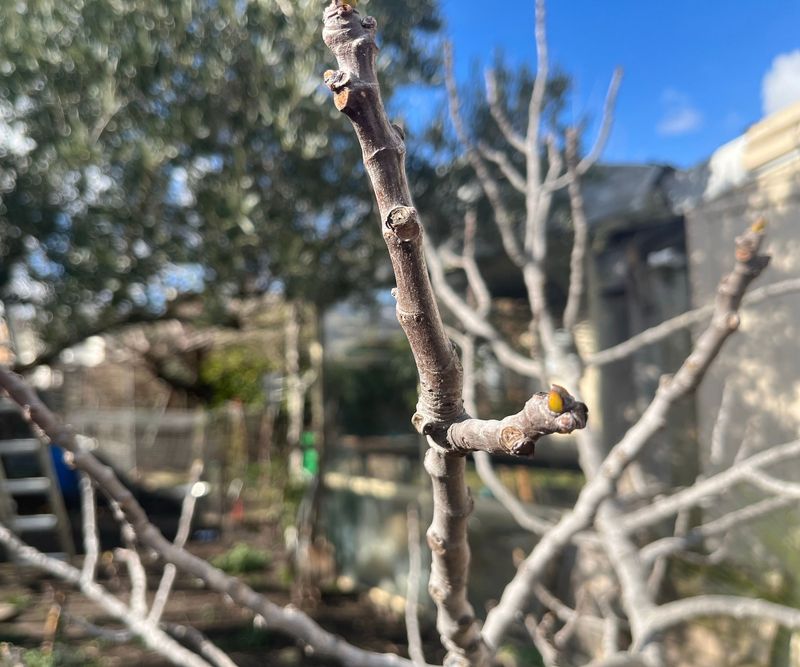
Snow still clinging to the fence is a fine sign that pruning season is near. Fig trees are best pruned while dormant, after the coldest weather passes but before buds begin to swell.
For most of the state, that window falls between late February and early April.
Timing depends on where you live. Gardeners in New York City and on Long Island, mostly in USDA zones 7a and 7b, can usually start earlier.
Folks in the Hudson Valley or farther upstate often wait until April, when hard freezes become less likely.
Why not prune in fall? Cuts made before winter can leave fresh wounds open to cold injury, and a late flush of tender growth may struggle once frost arrives.
Waiting also lets you see exactly which branches made it through the winter.
Dormant pruning has another perk. Fig sap is milky and sticky, and it flows less when the tree is resting.
That sap can irritate skin, so gloves and long sleeves are a smart choice.
If you wrapped your tree for winter, unwrap it on a mild, cloudy day first. Give the branches a week or so to adjust before you start cutting.
Then pick a dry morning, sharpen your pruners, and wipe the blades with a disinfectant. A clean cut seals faster and invites fewer problems.
Start With Frost-Damaged Wood and Basal Suckers
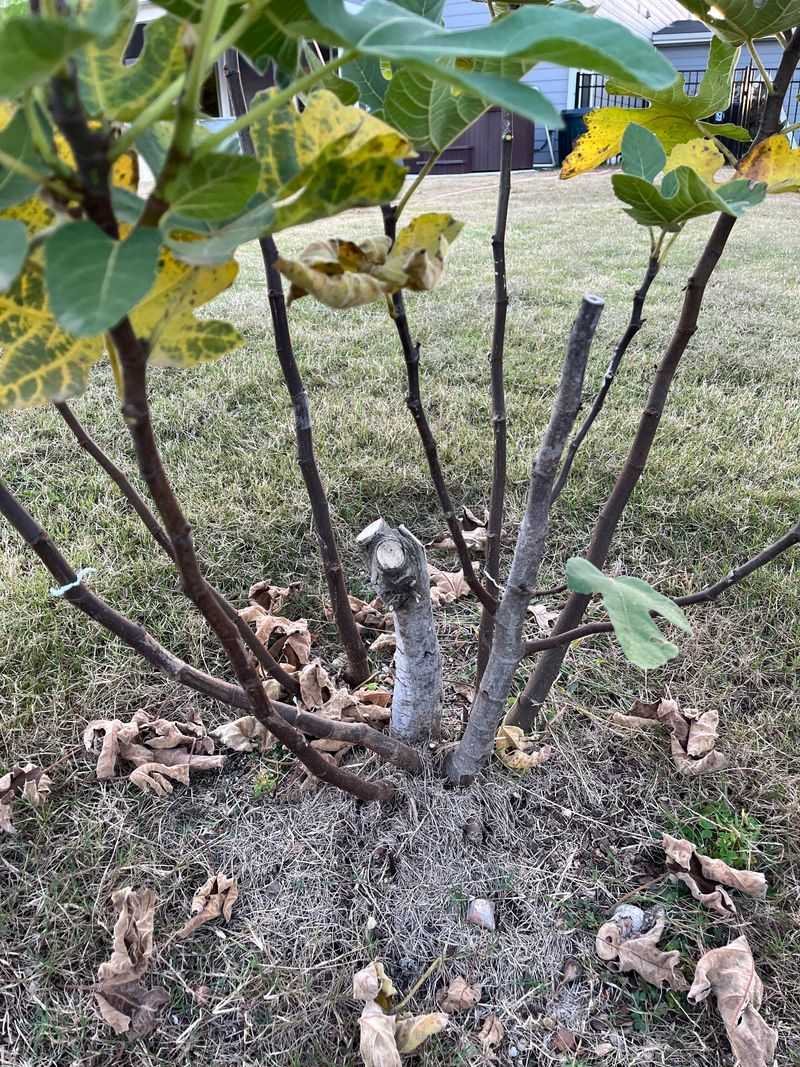
Scratch test time. Gently scrape a little bark with your thumbnail on any branch that looks questionable.
Green tissue underneath means the wood is alive, while brown, dry tissue means that section did not survive the cold.
Start your pruning here, because frost-damaged wood offers nothing for next summer. Cut each injured branch back to healthy tissue, just above an outward-facing bud or a side branch.
Keep scratching as you go so you don’t remove more than you need.
Winter injury is common on figs in New York, especially on young trees or ones left unwrapped. Sometimes the whole top suffers, yet the roots stay healthy.
In that case, new shoots often rise from the base in late spring, and many hardy varieties still fruit on that fresh growth.
Next, look at the soil line. Figs love to send up suckers, which are shoots that pop up from the roots or lower trunk.
A few can be handy for replacing an old trunk, but too many steal energy from the main branches.
Snip extra suckers off at ground level with clean pruners. Also remove any branches with cracked bark, cankers, or odd discoloration.
Toss diseased material in the trash rather than the compost pile, and you’ll start the season with a tidier, healthier tree that has room to grow.
Thin the Crowded Fig Canopy So Sunlight Reaches Every Branch
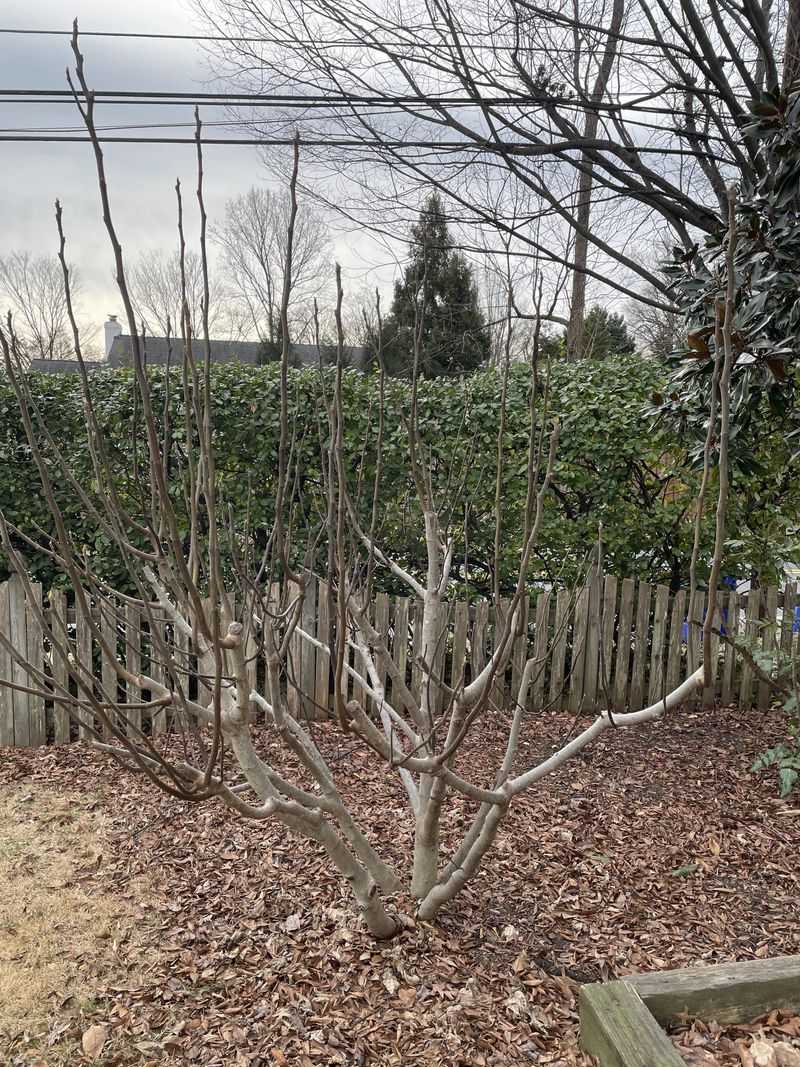
Sunlight is the real fuel behind sweet figs. A crowded tree shades its own fruit, and shaded figs ripen slowly or stay small.
In a place with a short summer, every extra hour of sun on those branches counts.
Stand back and study your tree before making a single cut. Look for branches that cross, rub against each other, or grow straight toward the center.
Those are your first targets.
Remove the weaker branch in each crossing pair. Cut it back to where it joins a larger limb, leaving the small swollen collar intact so the wound can seal.
Avoid leaving long stubs, since they heal poorly and can invite rot.
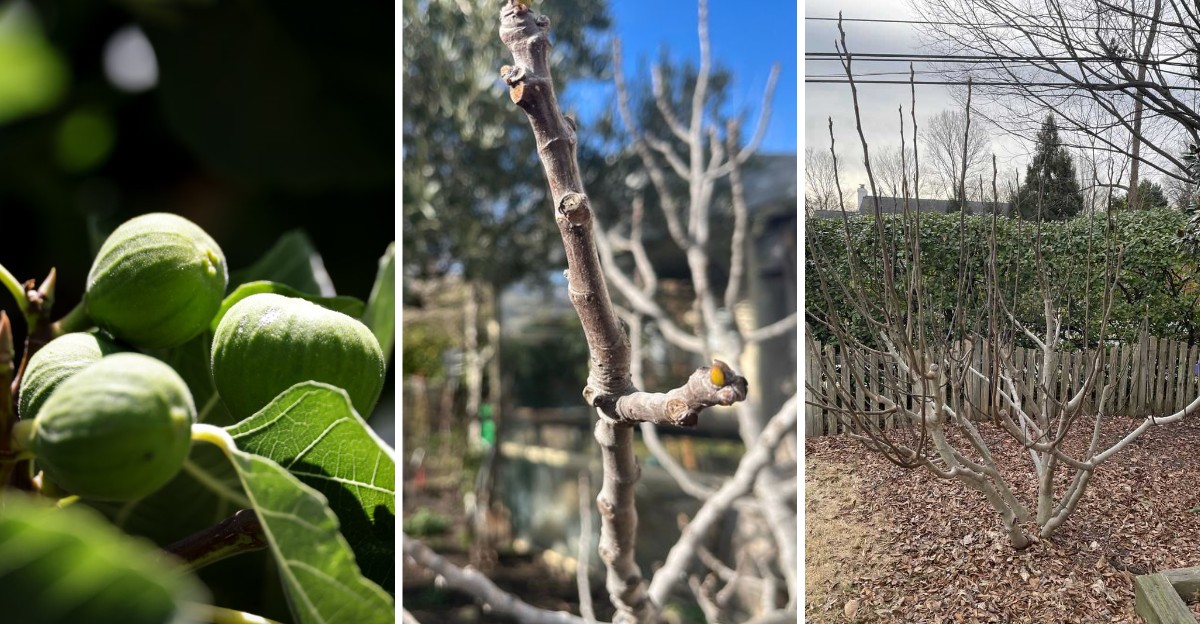
Many gardeners in colder regions grow figs as a bushy shrub with three to five main stems. That shape is easier to wrap in winter and easier to pick from in summer.
Aim for an open center, a bit like a vase, where light and air can move freely.
Good airflow does more than speed ripening. It helps leaves dry quickly after rain, which lowers the risk of fungal problems such as fig rust.
Humid summer weather in the Northeast makes this extra helpful.
One rule keeps you out of trouble. Try not to remove more than about a third of the tree in a single year, or you may trade fruit for a burst of leafy growth.
Cutting Fig Stems Back Hard Can Wake Up Vigorous New Shoots
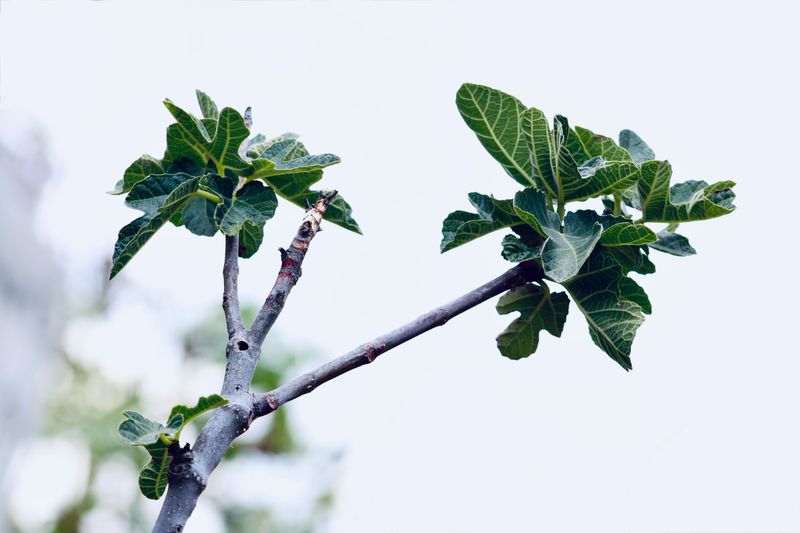
Older fig branches slowly lose their pep. They get long, bare at the base, and produce fewer figs out near the tips each year.
A little renewal pruning brings that youthful energy back.
On mature trees, choose one or two of the oldest, least productive stems each spring. Cut them back hard, either to the ground or to a short stub of a few inches.
The tree responds by sending out vigorous new shoots, and those shoots carry the main crop.
Rotating this process every year keeps the tree young without shocking it. Over three or four seasons, you replace much of the old framework with fresh, fruitful wood.
It’s a bit like trading in tired sneakers for a new pair, one shoe at a time.
Young trees need a lighter touch. Taking a few inches off the top of a leggy young fig encourages side branching and a fuller shape.
Make each cut about a quarter inch above a healthy bud that faces outward. New growth will head in that direction, away from the crowded middle.
Angle the cut slightly so water runs off instead of pooling.
Don’t panic if a hard-pruned tree looks a little bare in April. Figs leaf out late, and many gardeners worry needlessly in early spring.
By midsummer, those stubs often turn into a thick crown of leaves and swelling green fruit.
A Quick June Pinch on Fig Shoot Tips Speeds Up Ripening
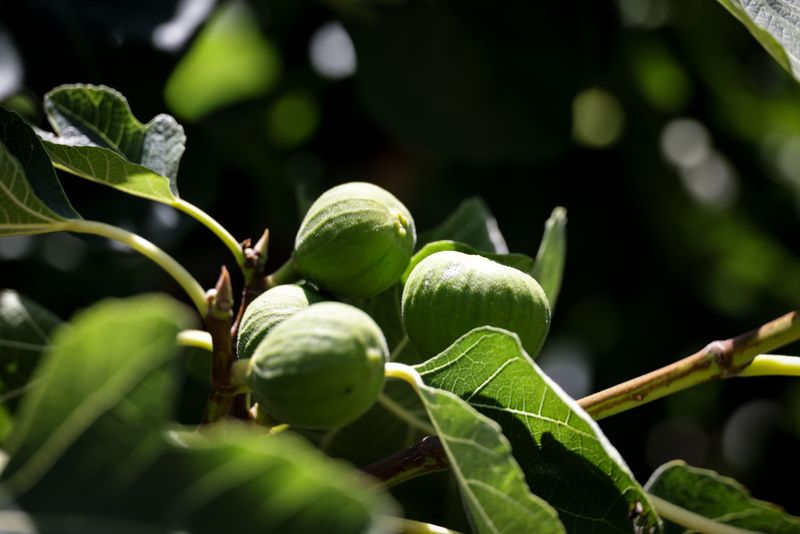
A tiny summer habit can deliver a surprisingly big payoff. Pinching means nipping off the soft tip of a growing shoot with your fingers or small snips.
On figs, it nudges the tree to focus on fruit instead of endless leaves.
Wait until new shoots have about five or six leaves, usually in June in most of New York. Pinch off the very tip of each shoot.
The tree often responds by ripening the figs already forming along that stem a bit faster.
That speed matters in a region where frost can arrive in October. Late figs that are still hard and green when cold weather hits rarely ripen.
Pinching gives more of the crop a fair chance to finish.
Pinching also encourages side shoots, and gardening guides in cool climates note it can help tiny embryo figs form near the tips for next year’s early crop. Whether those survive winter depends on your protection.
Wrapped trees and potted figs stored indoors have the best odds.
Keep the timing tight. Stop pinching by mid to late July so late growth doesn’t stay soft going into fall.
Tender shoots are far more likely to suffer winter injury.
Honestly, this is my favorite fig chore. It takes five minutes with a cup of coffee in hand, and the fresh, sweet scent of fig leaves on your fingers is a nice bonus.
Cold-Hardy Fig Varieties Make Pruning Pay Off Upstate
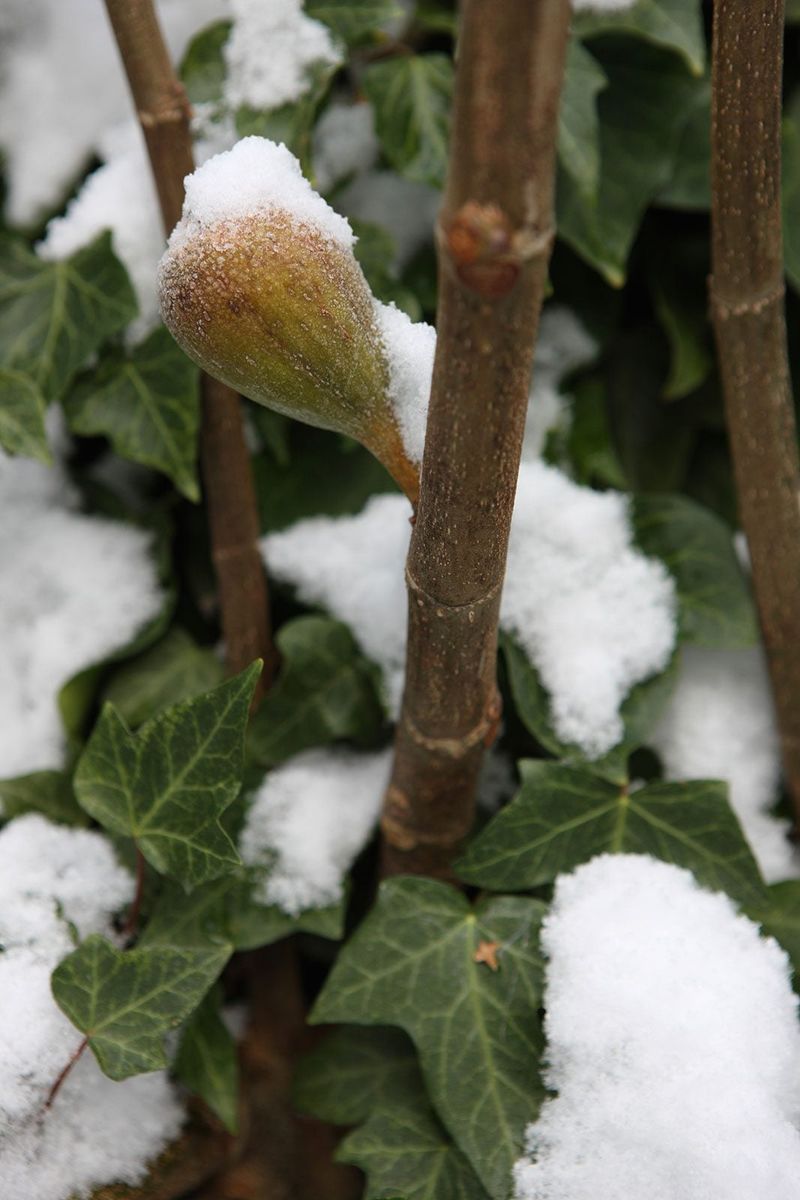
Pruning works best when the tree itself is built for cold. Some fig varieties shrug off chilly winters and bounce back from the roots, while others sulk.
Picking the right one makes every cut you make far more rewarding.
‘Chicago Hardy’ is a favorite across the Northeast for good reason. Even when winter knocks it back to the ground, it can regrow and produce a solid crop on new wood that same summer. ‘Celeste’, ‘Brown Turkey’, and ‘Olympian’ are other popular choices.
Early-ripening types deserve a look too. Varieties such as ‘Ronde de Bordeaux’ and ‘Florea’ tend to ripen sooner, which helps in places with short seasons.
Gardeners in colder upstate areas often lean on these quick finishers.
Location within the state matters a lot. Brooklyn backyards near warm brick walls can grow figs in the ground with modest wrapping.
Up near Rochester or the Adirondacks, containers are often the smarter route.
Did you know figs have deep roots in the region’s history? Italian immigrants carried cuttings to Brooklyn and Queens in the early 1900s, and some neighborhood trees trace back to those family plants.
Many local gardeners still trade cuttings each spring.
Before buying, check with your local Cornell Cooperative Extension office. Staff there can share advice suited to your exact county and frost dates.
Wrapped and Mulched Fig Trees Bounce Back Faster in Spring
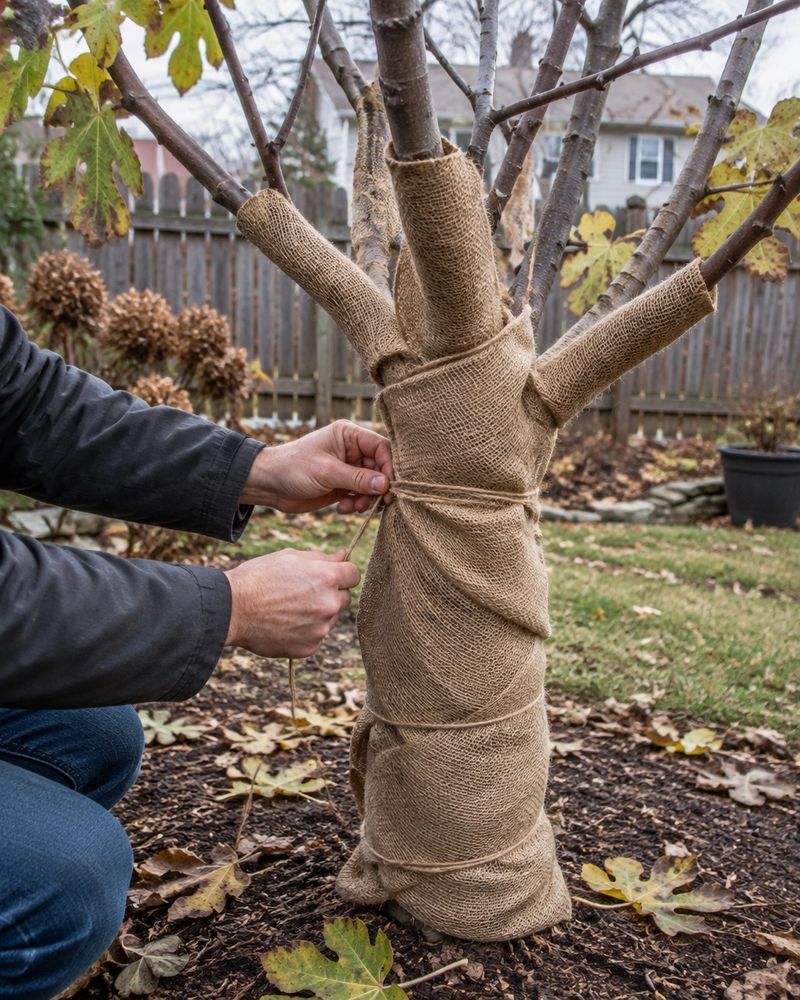
Pruning sets the stage, but winter care decides whether the show goes on. A fig that survives the cold with healthy branches leafs out faster and starts its crop earlier.
That head start can mean ripe figs in August instead of a race against October frost.
For in-ground trees, wait until after a few light frosts and leaf drop, often in November. Tie the branches together, wrap them in burlap, and stuff dry leaves or straw inside for insulation.
Many gardeners add a waterproof cover and a bucket on top to shed rain.
A thick layer of mulch around the base protects the roots and lower buds. Some determined growers even bend their trees into a trench and bury them, an old-world method still seen around New York.
Choose whatever fits your space and patience.
Potted figs are easier. Move them into an unheated garage or cool basement once nights stay below freezing.
Water lightly about once a month so the roots don’t dry out.
Unwrap in spring once hard freezes are past, then prune as described earlier. Feed lightly with compost and water deeply during dry spells.
Too much nitrogen fertilizer pushes leaves over fruit, so go easy.
My garden taught me that figs reward patience more than perfection. Make clean cuts, protect the tree, and enjoy next summer’s sweet, jammy harvest.