This Is When to Stop Watering Your New York Lawn for Winter
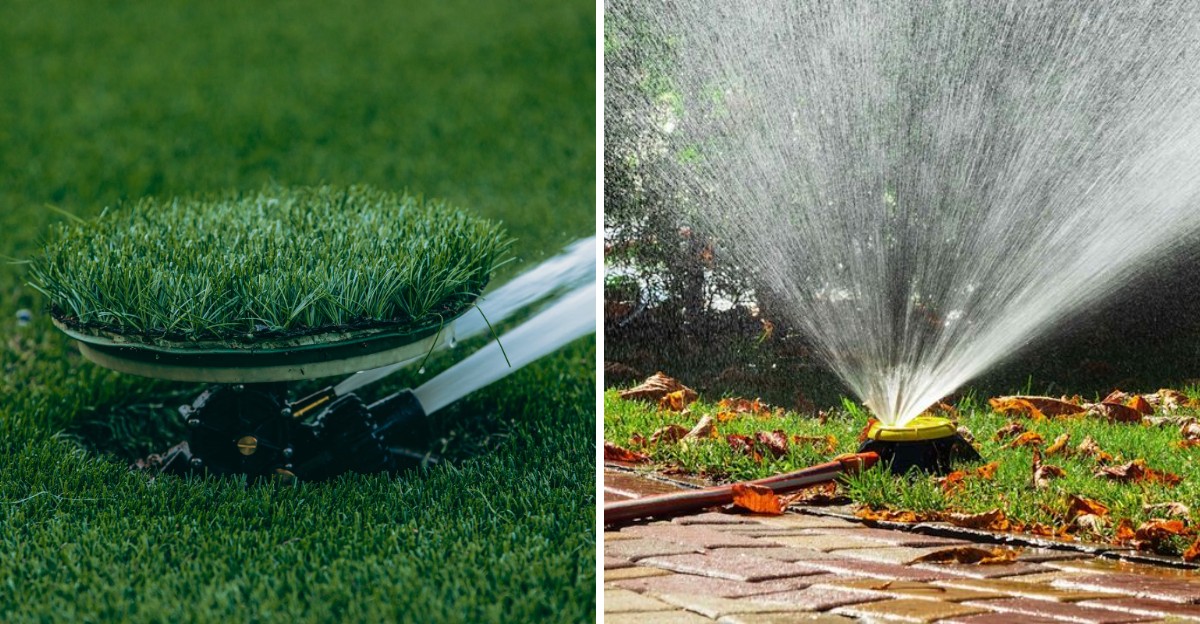
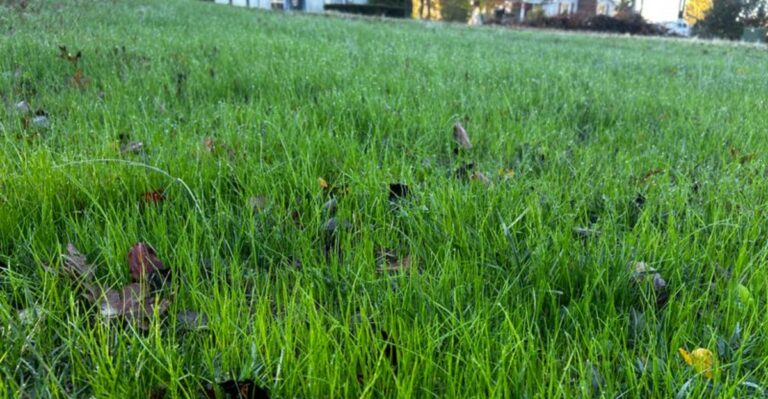
Your grass can keep drinking water well into late fall, even after the maple leaves turn orange. Roots stay busy underground until the soil cools, which surprised me the first time I learned it.
Across New York, that cooling usually happens sometime between late October and mid November, depending on your region. Buffalo backyards often reach the key soil temperature weeks before lawns on Long Island or in Brooklyn.
I used to shut off my sprinklers the moment I saw frost sparkling on the grass each morning. My lawn paid for that habit the next spring with thin, patchy, straw-colored spots near the driveway.
The real signal sits a few inches below your feet, and it has little to do with the calendar. Are you ready to find out what your soil is trying to tell you this October?
1. Your Soil Thermometer Gives You The Real Answer
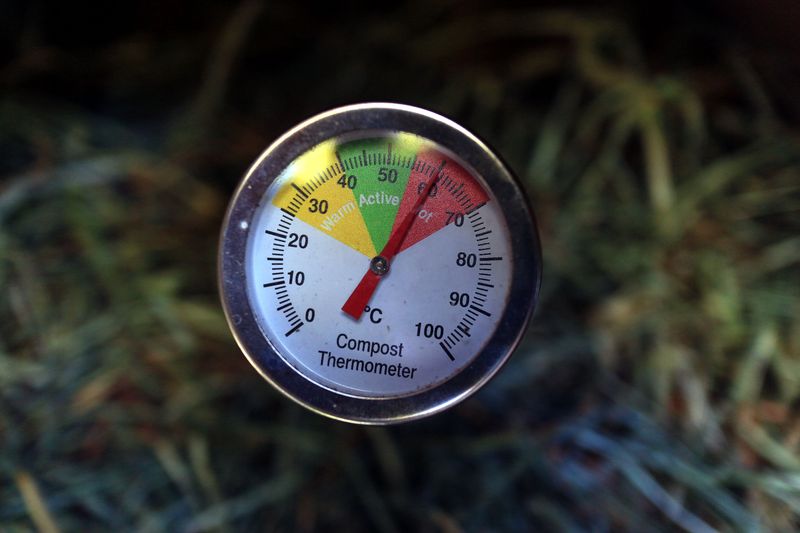
Grab a cheap soil thermometer from the local hardware store, because that little metal probe settles the whole debate. Push it about four inches into the ground in the morning, then check the reading after about a minute.
Once soil temperatures stay below 50 degrees for about a week, your grass naturally slows its growth and drinks less. At that point, regular sprinkler sessions mostly sit on the surface instead of helping the sleepy, resting roots below.
Nighttime air offers a second clue, especially when temperatures keep falling under 40 degrees for several nights in a row. I like checking the local forecast with my morning coffee and jotting the lows on a kitchen calendar.
A single frosty morning does not mean the season is over, so resist the urge to quit early. Warm spells often return in October, and thirsty grass can still use a deep, slow drink during those sunny days.
For most New York lawns, both signals line up sometime between late October and the middle of November each year. When the soil reading and nighttime lows agree, you can roll up the hose with real confidence this fall.
2. You Should Taper Off Slowly Instead Of Stopping Cold
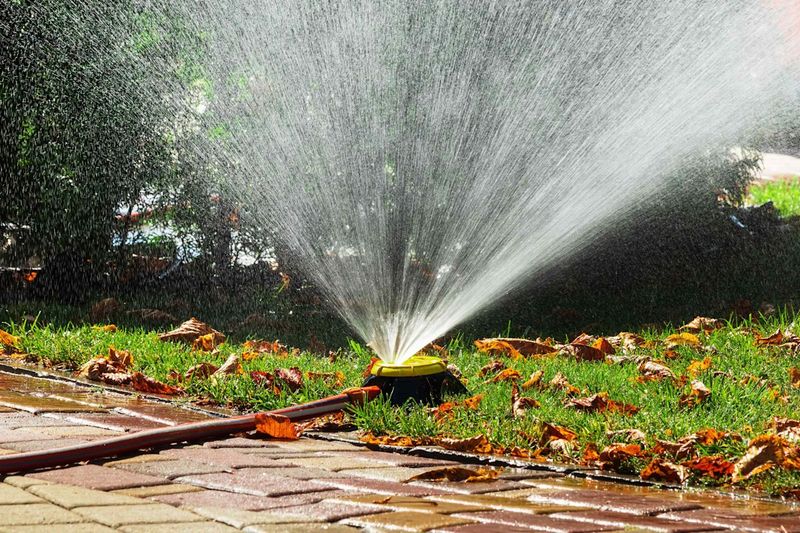
Slamming the brakes on watering feels efficient, but grass handles sudden changes about as well as kids handle bedtime. A slow wind-down gives the roots time to adjust to shorter days, cooler soil, and chillier mornings outside your door.
In early October, I suggest cutting back from two weekly waterings to one deep, steady soak each week instead. Aim for about one inch of water total, counting any rain that falls on your yard during that week.
A tuna can placed on the lawn makes a handy rain gauge, and it costs you almost nothing. When the can fills to the one-inch mark, your grass has received plenty of moisture for the next several days.
By late October, many lawns only need a good drink every ten days or so if autumn rain stays light. Water early in the morning so the blades dry before evening, which helps keep fungus from settling in.
Your New York Garden Changes Every Week. Your Plan Should Too.
Gardening in New York changes quickly throughout the season. Every Friday you’ll receive a simple weekly plan showing exactly what to plant, prune, fertilize, harvest, and protect so you never miss the right timing.
Lawns that head into winter with moist, healthy roots usually bounce back faster once spring warms the ground in April. Think of this gentle taper as tucking your yard into bed with a full glass of water nearby.
3. Your Region Sets The Clock Across The Empire State
Snow can fly in the Adirondacks while folks in Queens are still raking their first handful of leaves. That huge spread in weather means your shutoff date depends heavily on where your lawn actually sits on the map.
Upstate areas like Buffalo, Rochester, and the North Country often see cold soil by mid to late October. Homeowners there can usually start winding down irrigation right around the time the sugar maples peak in fiery red color.
The Hudson Valley and Capital Region tend to follow a week or two later, depending on elevation and wind exposure nearby. Hilltop yards usually cool off faster than lawns tucked down in sheltered valleys near the slow, winding river.
New York City and Long Island hold onto warmth longer, thanks to the nearby ocean and all that pavement. Lawns near the coast may need occasional watering until mid November, especially during dry, breezy stretches of sunny weather.
Personally, I trust my own backyard thermometer more than any broad regional guess or colorful online chart from the evening news. Your neighbors across town might stop a week earlier or later, and that small difference is perfectly normal here.
4. You Can Easily Overdo The Final Soakings
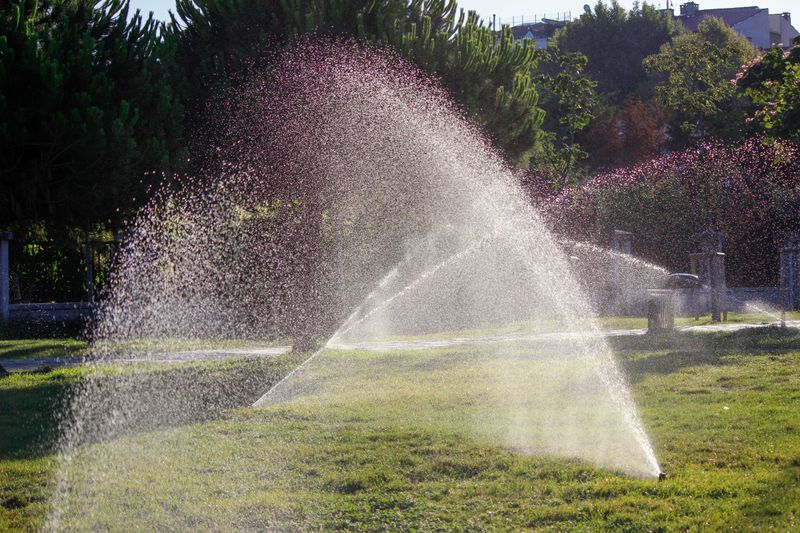
Too much love from the hose late in the season can backfire in a sneaky, fuzzy way by early spring. Soggy grass going under snow creates a cozy home for snow mold, a fungus that mats wet blades together.
When the snow melts in March, you might spot gray or pink circles that look crusty and matted. Those patches usually recover, but they slow down your spring green-up and look messy for several long, gloomy weeks.
On the flip side, stopping way too early can leave roots parched before the ground freezes solid for months. Dry winter winds pull moisture from grass blades, and thirsty turf can turn brown and brittle by early February.
The sweet spot is soil that feels slightly damp, like a wrung-out sponge, when you poke it with a finger. Puddles or squishy footsteps are a clear sign you can skip the next scheduled watering session without any worry.
Frozen ground also refuses water, so any late soaking simply runs off or forms slick, shiny patches of ice. I put the hose away for good once the top inch of soil stays frozen well past breakfast time.
5. Your Sprinkler System Deserves A Proper Winter Shutdown
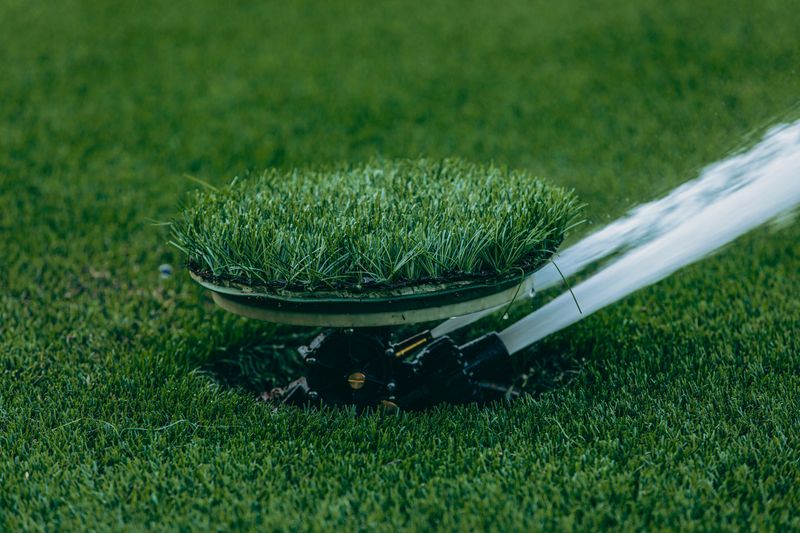
Water expands by roughly nine percent when it freezes, and that tiny stretch can crack plastic pipes overnight. Underground sprinkler lines hold more leftover water than most people realize, especially in the low, sloping spots of the yard.
Once you finish your final watering, plan to winterize the system before the first hard freeze arrives in your area. In most New York towns, that means scheduling the job sometime between mid October and early November each year.
Many homeowners hire a pro to blow out the lines with an air compressor, which clears hidden water. Booking early helps, since irrigation companies across the region fill their calendars fast every autumn, often within a few weeks.
You should also shut off the main water valve that feeds the sprinklers inside your basement or attached garage. Drain the backflow preventer too, and wrap any exposed pipes with foam insulation sleeves from the local hardware store.
Skipping this step can lead to cracked valves, burst fittings, and surprise repair bills that sting your wallet next spring. I set a phone reminder every year, because a little planning saves a lot of frustration later in April.
6. Fallen Leaves Can Undo Your Careful Watering Work
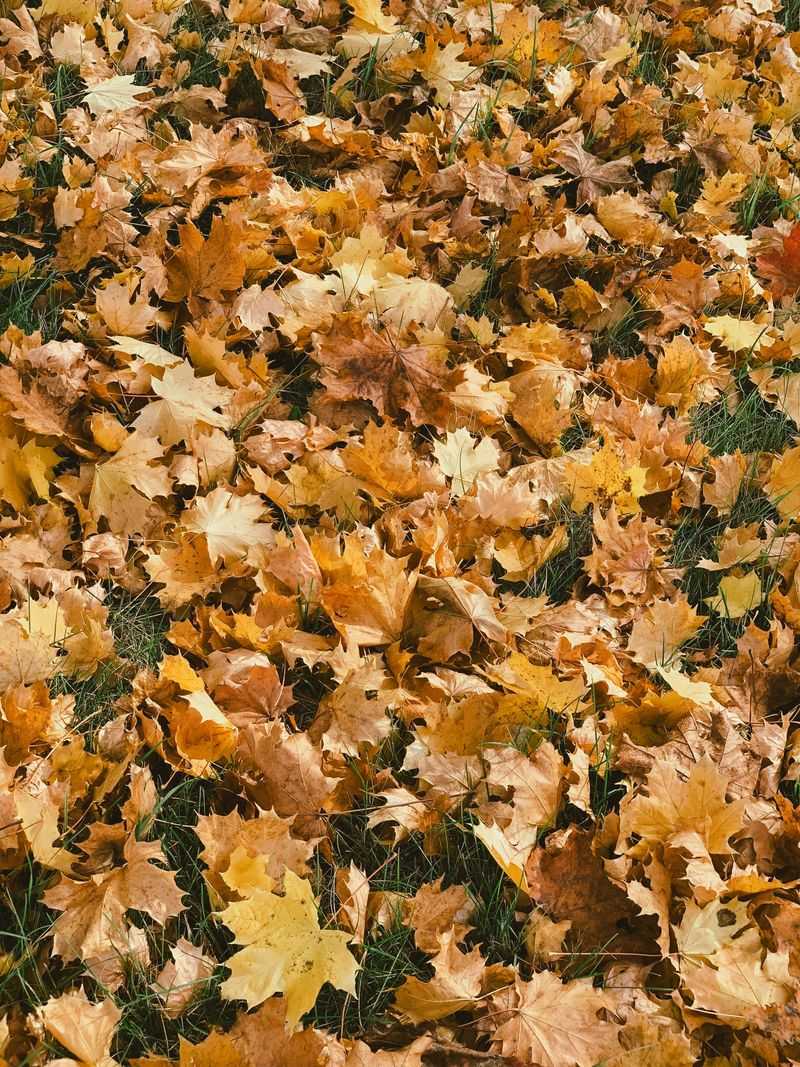
That gorgeous carpet of red and gold leaves looks lovely on your lawn, but your grass sees it differently. A thick layer blocks sunlight, traps moisture, and leaves the tender blades gasping underneath for weeks at a time.
All that trapped dampness works against the careful watering schedule you set up earlier this fall with such patience. Wet leaves sitting on grass invite snow mold, which loves cool, soggy conditions under a heavy blanket of winter snow.
Raking once a week during peak leaf drop keeps the lawn breathing, and it counts as decent exercise too. A leaf blower works faster on big yards, especially in neighborhoods packed tightly with towering oaks, maples, and sycamores.
My favorite trick is mowing over light leaf layers, which shreds them into tiny bits that feed the soil. This works well when you can still see plenty of green grass peeking through the leafy pieces after each pass.
Across New York, many towns offer curbside leaf pickup in October and November, so check your local town schedule. Extra leaves can also go into a compost pile, where they slowly turn into rich, dark, crumbly garden gold.
7. Your Mower Still Has A Few Jobs Left
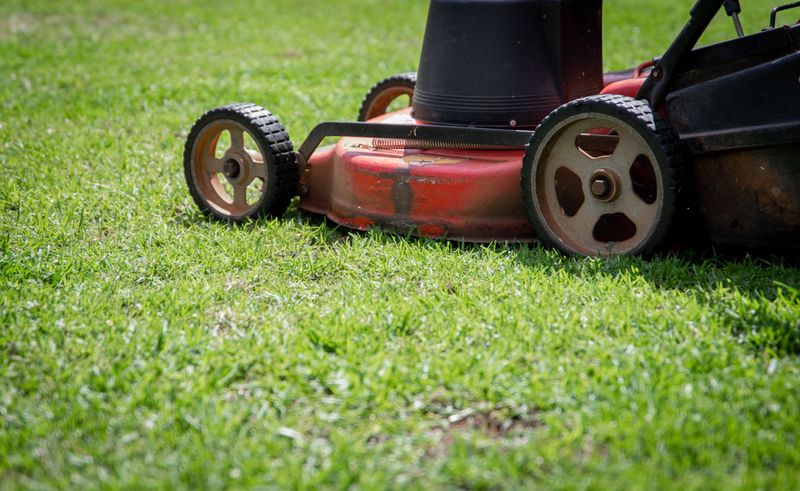
Grass in most cool-season lawns keeps growing well after the watering slows down, sometimes stretching right into November around here. Kentucky bluegrass, perennial ryegrass, and fescue all stay active as long as the soil holds a little leftover warmth.
Keep mowing at your normal height of about three inches tall until the blades stop growing for the year. Grass that stays too tall can flop over under snow, creating a snug winter hideout for voles and fungus.
Scalping the lawn super short is just as risky, since it exposes the crowns to harsh winter winds. I lower my mower deck a notch for the final cut, which feels like giving the yard a neat trim.
Mowing also tells you a lot about watering, because slower growth means your lawn is drinking far less water. When a week passes with barely any clippings in the bag, the hose can usually take a well-earned break.
Sharpen the blade before the last few mows, since dull edges tear the grass and leave ragged brown tips. Then drain or stabilize the fuel, clean the deck, and store the mower somewhere dry and covered for winter.
8. A Late Fall Feeding Gives Your Roots A Head Start
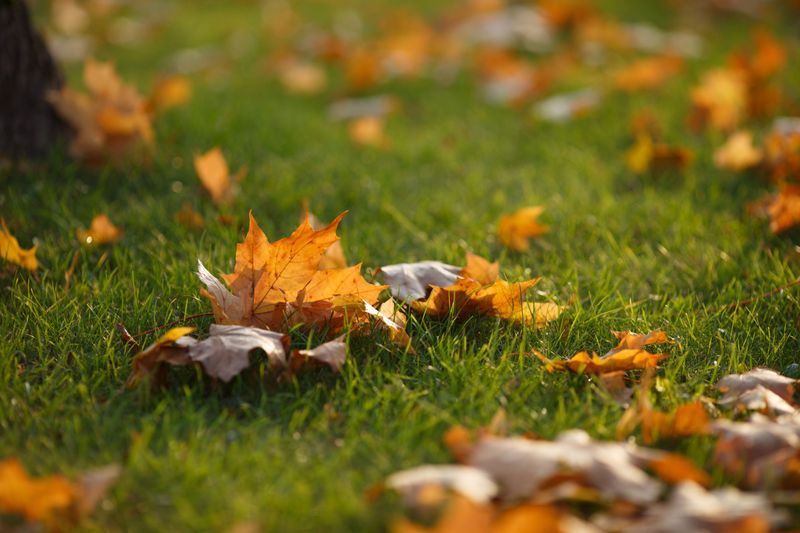
Your lawn spends late autumn quietly packing a lunchbox of stored energy for the long, snowy months ahead of us. A fall fertilizer application helps fill that lunchbox, feeding roots instead of pushing out lots of floppy top growth.
In New York, the best window usually falls from mid October to early November, before the ground freezes. Look for products labeled as winterizer blends, which often contain extra potassium for cold hardiness and better disease resistance.
Keep in mind that New York has rules limiting phosphorus in lawn fertilizer unless a soil test shows a need. The law also bans applying lawn fertilizer between December first and April first across the state for every homeowner.
Water the fertilizer in lightly after spreading it, which may be one of your final watering chores this season. A good soaking rain can do the job for you, saving a little time and a bit of water.
Sweep any granules off sidewalks and driveways, since stray pellets can wash into storm drains and nearby streams. I find this final feeding oddly satisfying, like leaving a thoughtful gift for my future spring self to open.