How To Get A Potted California Banana Plant Ready For Winter Cold
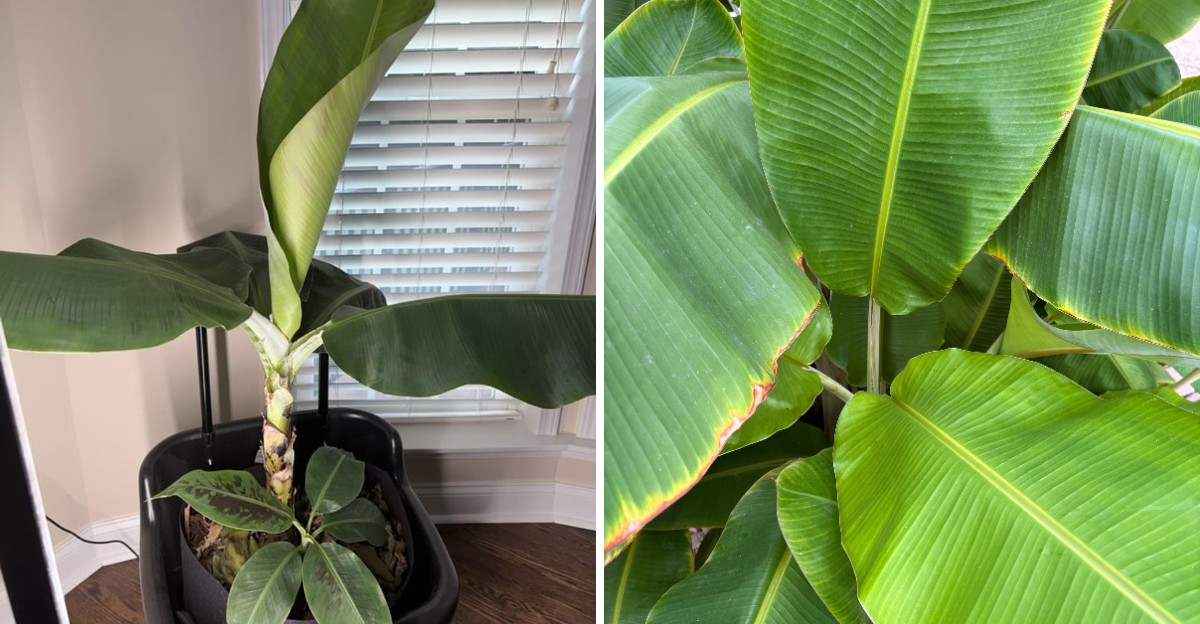
A single night at 32 degrees can turn giant tropical leaves into brown, crispy paper. The surprising part is how often the plant shrugs it off. Its real heart hides below the soil line, waiting out the chill.
I love how these big-leaf beauties make a California patio feel like a jungle getaway. Yet inland valleys and foothills can dip below freezing on clear winter nights.
Even coastal yards get the occasional cold snap that catches gardeners off guard.
Personally, I learned the hard way that a container gets colder than the ground.
Roots in a pot have no warm earth wrapped around them. You need a plan before the forecast turns.
So what does a sun-loving giant really need to sleep safely through winter? A few simple moves can make spring feel like a reunion.
That Shredded Banana Leaf Is Hiding A Tougher Secret
Banana plants look fragile, but their toughest part sits underground. The thick base, called a corm or rhizome, stores food and new growth points through the cold months.
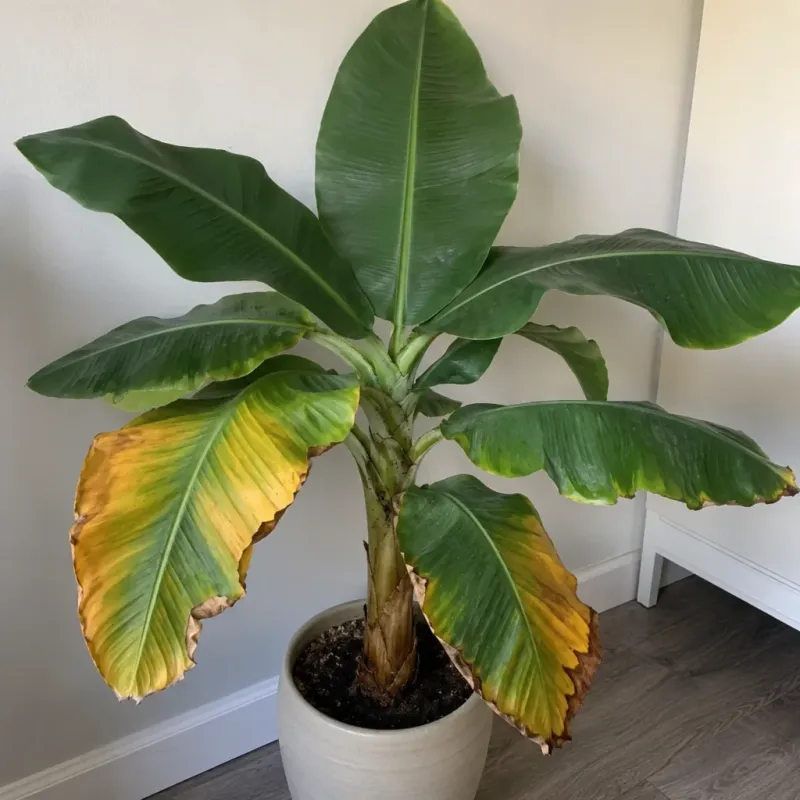
Leaves usually show damage first. Around 32 degrees, foliage can scorch and turn brown. The trunk, which is really a pseudostem made of tightly rolled leaf stalks, often holds on until temperatures slip to roughly 28 to 30 degrees.
Varieties matter a lot. Common edible types like Dwarf Cavendish are tender, while Musa basjoo is famous for cold hardiness and can return from its roots after hard winters in much colder places.
Ornamental Ensete, the Abyssinian banana, has no spreading rhizome and needs more careful protection.
Knowing your plant helps you choose the right winter plan. Check the nursery tag or your receipt if you still have it. A little detective work now can save a lot of guessing later.
Pots add another twist. Soil in a container cools faster than garden soil because cold air surrounds it on every side. That means the precious corm feels the chill sooner, and protecting the root zone becomes your top job each winter.
Roll Your Banana Pot Indoors Before Nights Hit 50 Degrees
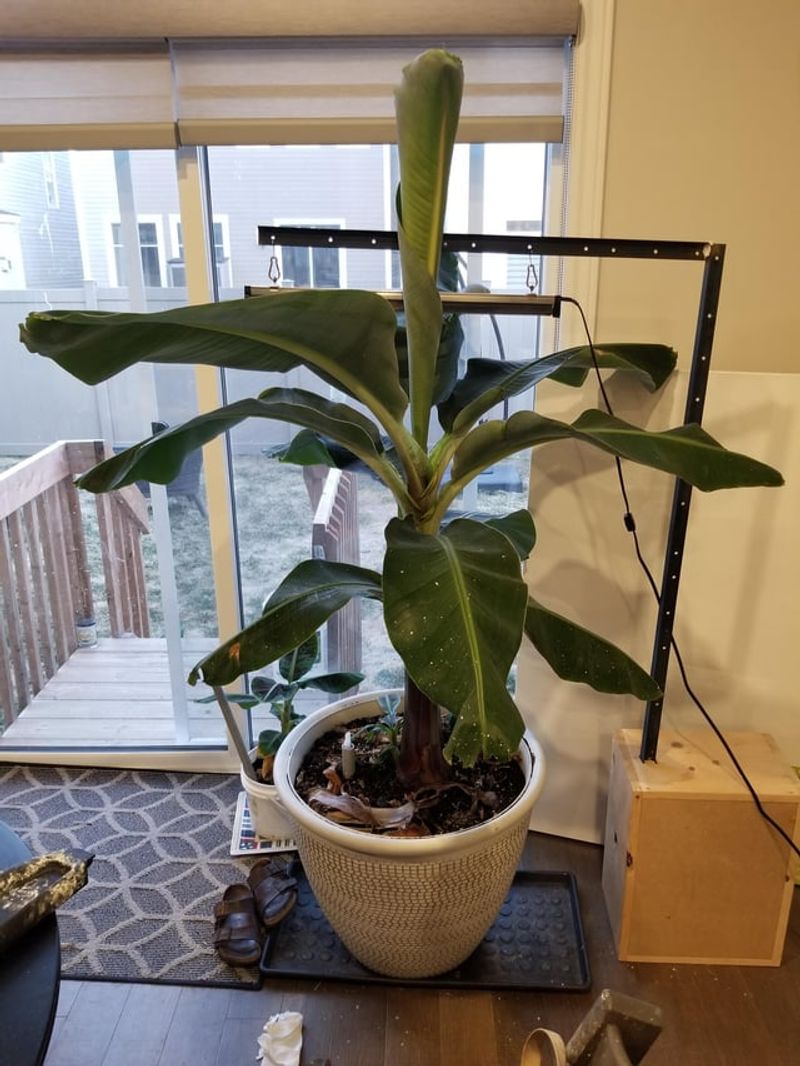
Timing is the secret sauce here. Bananas slow their growth when temperatures sink below about 50 degrees, and they start to sulk well before frost arrives.
In most California inland areas, that chill shows up sometime in late October or November. Watch your local forecast closely. Once nights drop toward the low 50s and stay there, start planning the move.
Moving a big container can feel like wrestling a refrigerator. A rolling plant caddy makes the job much easier on your back. Some gardeners also use a hand truck for heavy ceramic pots.
Pick a spot that stays between about 40 and 70 degrees. A bright garage with a window, an enclosed porch, or a sunroom works nicely. Avoid spots right next to heaters or drafty doors, since sudden swings stress the plant.
Cooler storage near 40 to 50 degrees lets the banana rest more deeply. In that semi-dormant state, it needs less light and much less water. Warmer rooms keep it growing slowly, so give it a sunny window if you go that route.
Either choice works. Just stay consistent once you decide.
A Quick Banana Leaf Trim Makes Storage So Much Easier
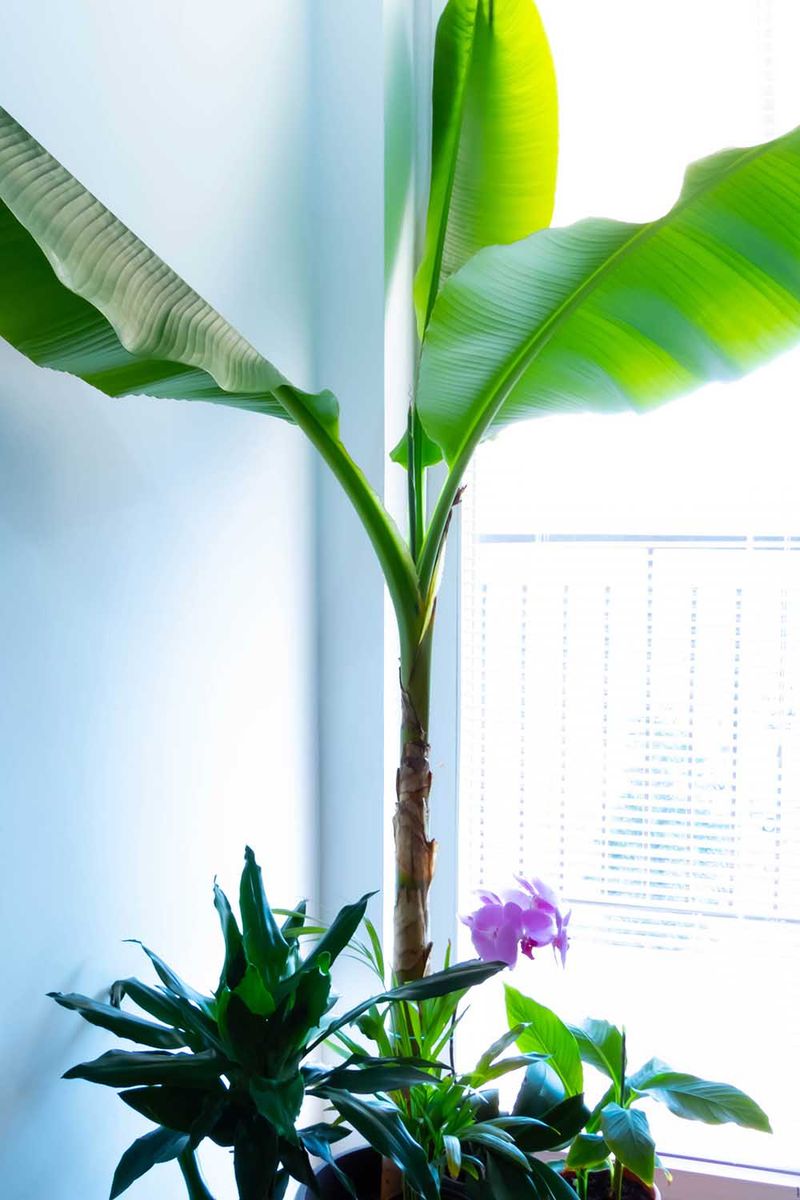
Grab your pruners, because this part is oddly satisfying. Big banana leaves take up tons of space and often look ragged by late fall anyway.
Many growers cut off most of the leaves before moving the plant inside. Make clean cuts near where each leaf stalk meets the pseudostem. If space is tight, you can trim the trunk itself down to a manageable height.
Angle the top cut slightly. A slanted surface helps water run off instead of pooling and causing rot in the center. Clean, sharp tools also reduce the chance of spreading disease.
Hardy types like Musa basjoo can handle being cut back quite low, even near the soil. They regrow from the corm in spring. Tender edible varieties sometimes appreciate keeping more of the trunk, especially if you hope they will eventually fruit.
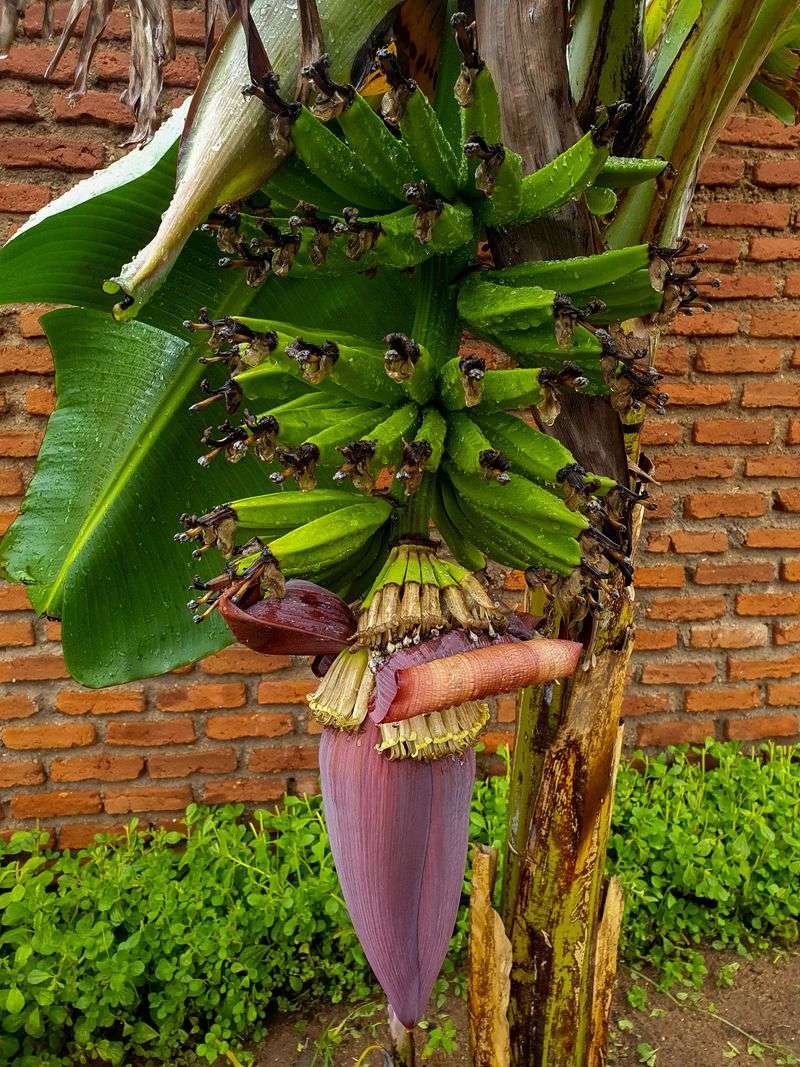
Fruiting takes a long, warm stretch, often well over a year of growth. Keeping a taller trunk preserves that progress. So decide what matters more to you: fruit or simple storage.
Toss the trimmed leaves in your compost pile. They break down nicely and give back some nutrients to next year’s garden beds.
Check The Banana Stems For Tiny Hitchhikers First
Nobody wants surprise guests in the living room. Pests riding indoors on your banana can spread to houseplants within a few weeks.
Spider mites top the list of troublemakers. Look for fine webbing and speckled, dusty-looking leaves. Aphids and mealybugs also like to tuck themselves into the folds where leaves meet the stem.
Give the plant a good look outside before moving it. Turn leaves over and check the base of the pseudostem. A strong spray of water from the hose knocks off many soft-bodied pests.
For stubborn spots, insecticidal soap or horticultural oil can help. Follow label directions carefully and treat on a cool, shaded day. Spraying in hot sun can scorch the leaves.
Peek at the soil surface too. Fungus gnats love damp potting mix, and they become annoying fast indoors. Letting the top inch or two dry out reduces their numbers.
Remove any mushy, discolored leaf stalks while you are at it. Soft, smelly tissue can signal rot. Catching these problems early keeps your plant healthier through the long winter rest, and your other houseplants will thank you too.
Soggy Soil Spells Trouble For A Resting Banana Corm
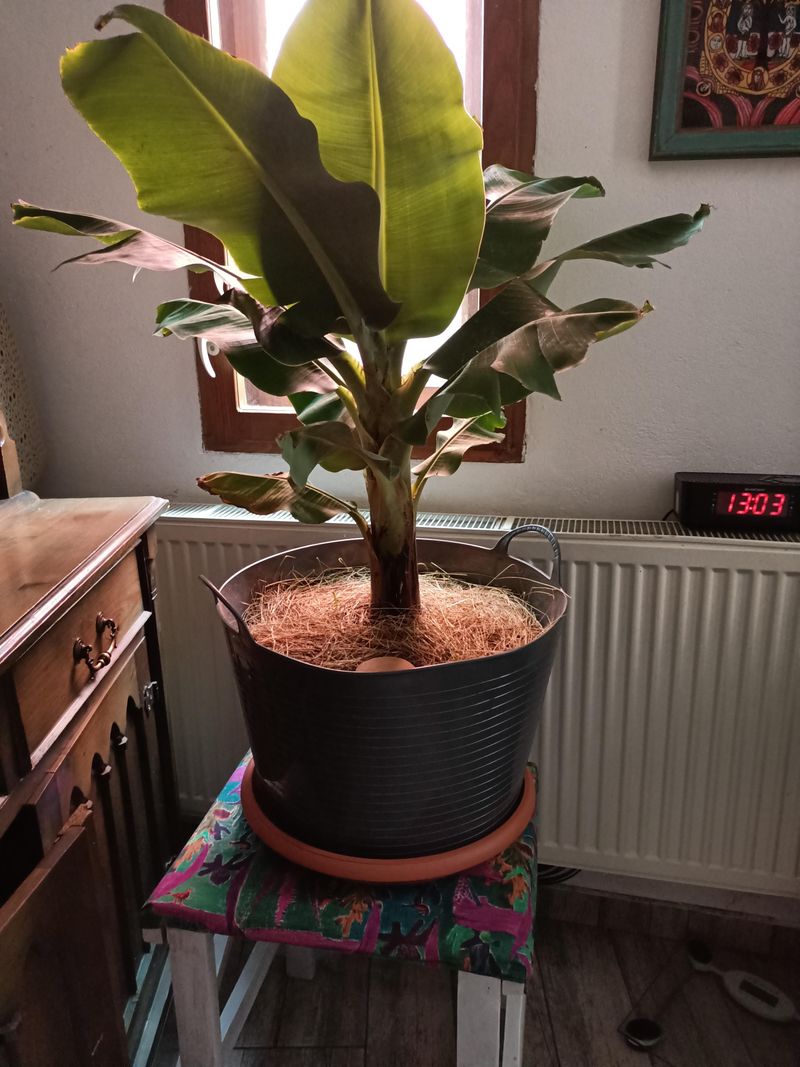
Here is where many winter plans go sideways. Overwatering, not cold, causes more problems for stored bananas than most people expect.
A resting banana uses very little water. Cool air and low light slow evaporation, so soil stays damp much longer than in summer. Constantly wet soil invites corm rot, which can quietly ruin the plant.
Stick your finger into the pot before reaching for the watering can. Water only when the top two inches feel dry. In a cool garage, that might mean once every few weeks or even less.
When you do water, give a modest drink rather than a flood. Empty the saucer afterward so the pot does not sit in a puddle. Good drainage holes make a huge difference.
Plants kept in a warm, sunny room will need a bit more. Still, aim for lightly moist, not wet. A cheap moisture meter can take the guesswork out of it.
Indoor heating dries the air, and bananas enjoy humidity. Grouping plants together or placing a tray of pebbles and water nearby adds moisture without soaking the roots.
Coastal Or Inland Banana Patios Need Different Game Plans
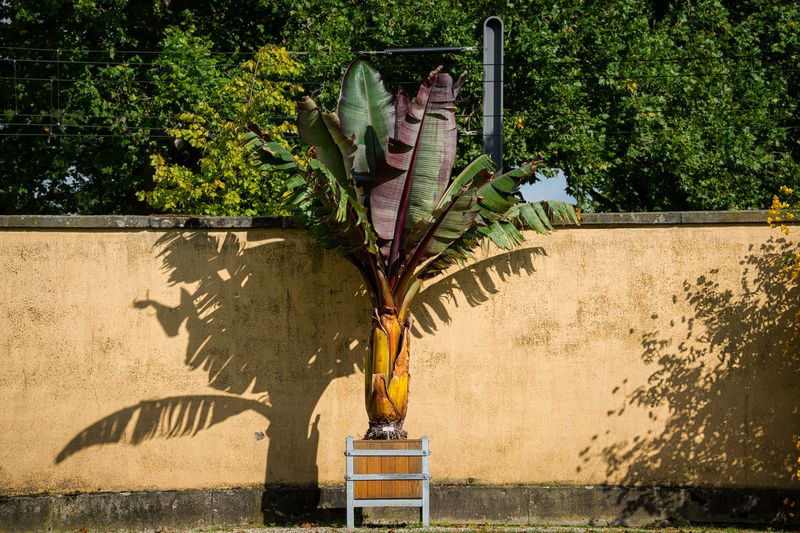
California winters vary wildly from town to town. A banana in San Diego lives a very different life than one in Sacramento or the Sierra foothills.
Mild coastal Southern California, roughly Sunset zones 21 to 24, rarely sees damaging frost. Many potted bananas there can stay outside year-round. A covered patio or spot near the house often provides enough extra protection.
Central Valley and inland areas are another story. Clear, still winter nights can drop into the 20s, and radiation frost settles in low spots. Potted plants there usually do better indoors or in a sheltered garage.
Microclimates matter too. A south-facing wall soaks up daytime warmth and releases it at night. Overhangs block some frost from forming on leaves.
If you leave a pot outside, try some backup protection. Wrap the container in burlap or bubble wrap to insulate the roots. Cover the plant with frost cloth on cold nights, removing it in the morning.
Watch what your neighbors’ tropical plants do each winter. Their success or struggles give real clues about your own yard. Local experience often tells you more than any zone map.
Put The Banana Fertilizer Away Until Spring
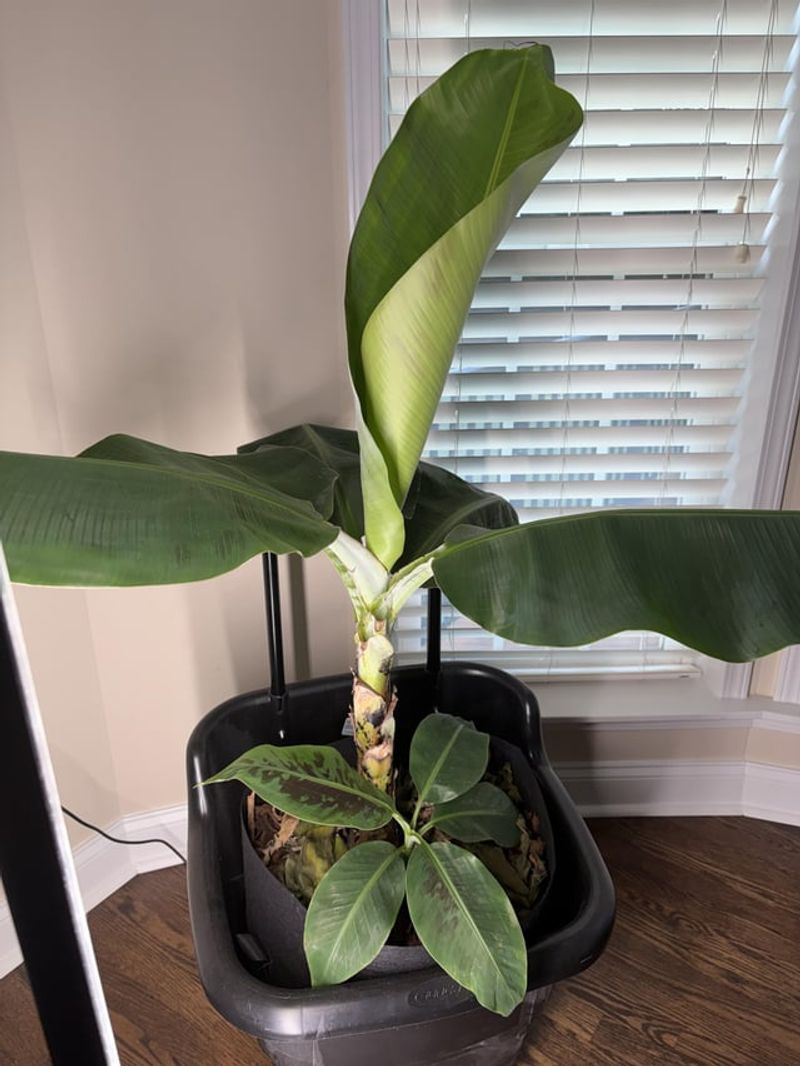
Bananas are hungry plants in summer, so skipping fertilizer can feel strange. Yet winter feeding often does more harm than good.
Stop fertilizing in late summer or early fall. That pause tells the plant to slow down and toughen up before cold weather. Late feeding pushes soft new growth that cold air easily damages.
A resting banana barely uses nutrients. Extra fertilizer just builds up as salts in the potting mix. Over time, that buildup can burn tender roots and brown leaf edges.
If you spot white crust on the soil or pot rim, salts are collecting. Flush the pot with plain water in spring once growth resumes. Let it drain fully afterward.
Save the feeding for the right moment. When new leaves start unfurling and days warm up, begin with a diluted balanced fertilizer. Bananas especially love potassium, so many growers choose formulas with a higher middle and last number.
Think of winter as a nap, not a buffet. Rested plants wake up ready to grow fast, and a well-timed spring meal gives them a strong boost toward those huge, glossy leaves again.
Fresh Banana Leaves Unfurling Make Every Winter Chore Worth It
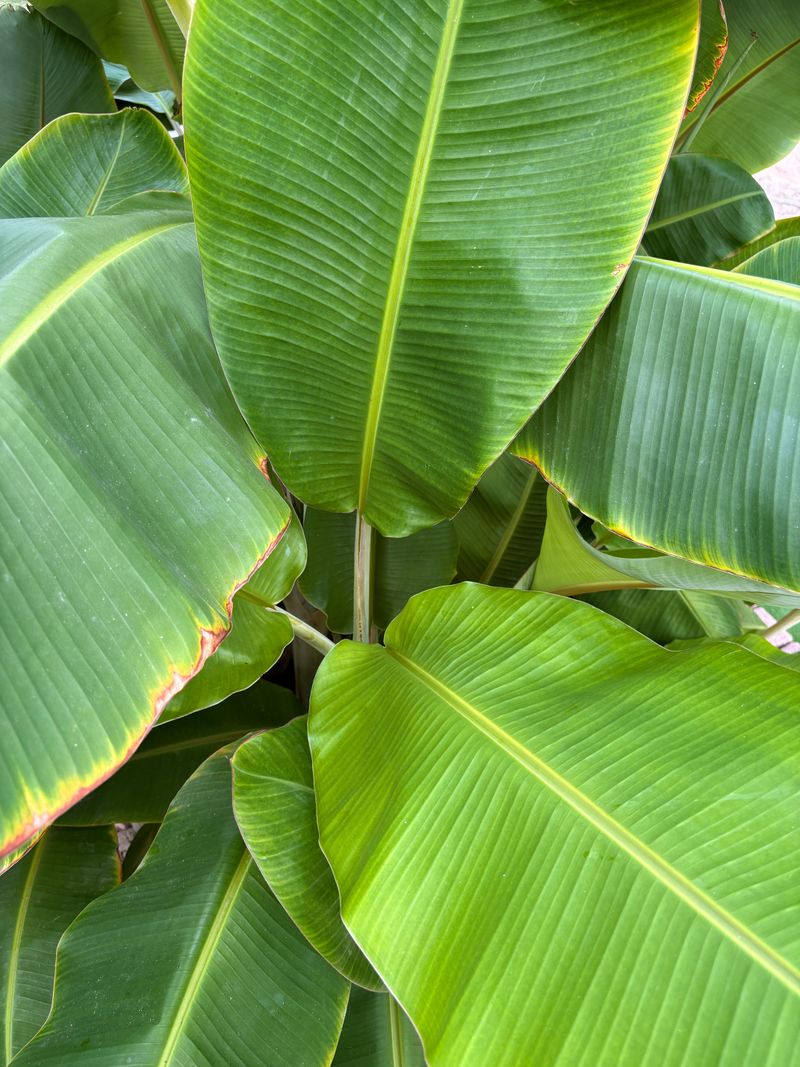
Few garden moments beat watching a tightly rolled banana leaf open in spring. It feels like your plant is waving hello after a long nap.
Hold off on moving it outside too early, though. Wait until frost danger has passed and nights stay above about 50 degrees. In much of California, that lands somewhere between March and May, depending on your area.
Ease the plant back into sunlight gradually. Start in shade for several days, then slowly add morning sun over a week or two. Leaves grown indoors sunburn easily if they jump straight into full afternoon rays.
Spring is also repotting time. If roots circle the pot or poke out the bottom, move up to a slightly bigger container with fresh, well-draining mix. Pups growing at the base can be divided and shared with friends.
Increase water and start feeding as growth speeds up. Bananas grow quickly once warmth returns, sometimes pushing out a new leaf every week or so in summer.
Keep a little notebook of what worked this winter. Next fall, you will have your own proven plan ready to go.