The One Yard Habit That’s Attracting Rats To California Homes Right Now
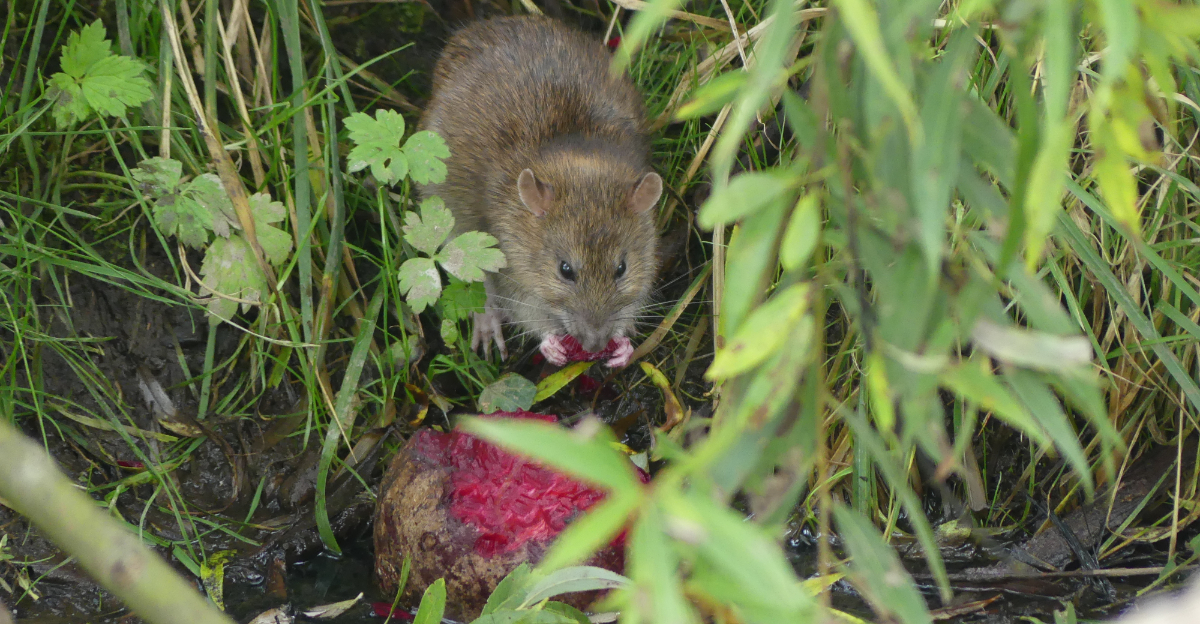
That peach under the tree may look harmless, but to a rat it is basically a five-star buffet with outdoor seating.
Fallen fruit is one of the sneakiest yard habits attracting rats to California homes right now, especially when citrus, figs, plums, peaches, avocados, or pomegranates are dropping faster than you can keep up.
Once fruit hits the ground and starts getting soft, sugary, and fragrant, rodents get the memo fast.
Even worse, a messy fruit tree can turn your yard into a repeat dinner stop, and rats are not exactly polite guests who leave after dessert.
They may move into dense shrubs, wood piles, garages, or crawl spaces once they realize the snacks are consistent.
The fix is not glamorous, but it works: pick up fallen fruit daily, harvest ripe fruit early, trim hiding spots, and keep compost sealed. Your trees can stay. The rat buffet has to close.
1. Fallen Fruit Turns The Yard Into A Rat Buffet

Most people do not realize that leaving fruit on the ground is like setting out a welcome mat for rats. It happens fast, especially in warm weather.
One day the fruit falls, and within hours, the smell starts to spread through the neighborhood.
Rats have an incredibly sharp sense of smell. They can pick up the scent of rotting fruit from far away, even through fences and walls.
Once they find the source, they remember exactly where it is and come back night after night.
A single fallen apple or orange sitting on the ground for two days can attract multiple rats to your yard. They do not just eat and leave.
They explore the surrounding area, looking for more food and safe places to nest nearby.
Homeowners are often surprised to learn how quickly a small problem becomes a big one. Rats reproduce rapidly, and a yard with a steady food supply can support a growing population in just a few weeks.
The fix is straightforward. Pick up fallen fruit every single day, especially during peak harvest season.
Use a bucket or bag and dispose of the fruit properly, not just in an open compost pile. Raking the area under trees regularly also helps remove hidden pieces that are easy to miss.
Staying consistent with this one habit can seriously reduce rat activity in and around your property.
2. Citrus Under Trees Keeps Rats Coming Back
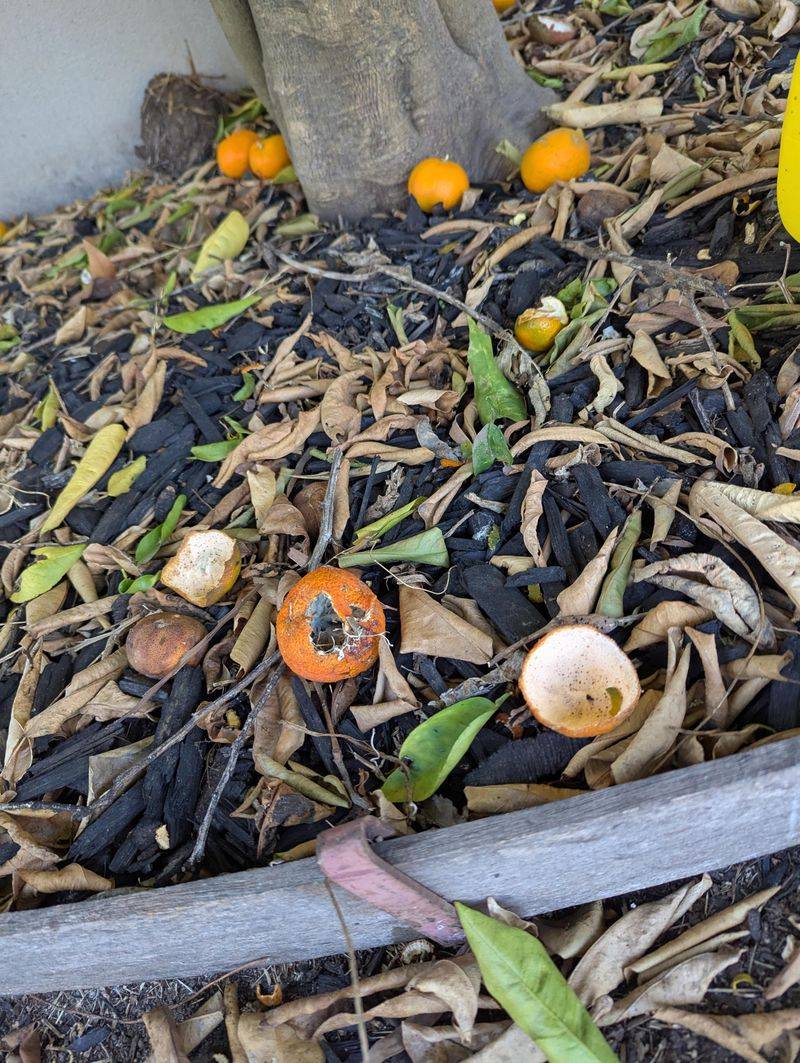
Citrus trees are one of the most popular features in yards across California. Oranges, lemons, and grapefruits are beloved by families for their fresh fruit and beautiful look.
But when that fruit drops and sits on the ground, it becomes a serious problem.
Rats absolutely love citrus. The strong smell draws them in from a distance, and the soft flesh is easy for them to chew through quickly.
A lemon sitting under a tree overnight can have bite marks on it by morning.
What makes citrus especially tricky is that trees often drop fruit gradually over several weeks. Homeowners may pick up a few pieces one day and miss others hiding in the grass.
Your California Garden Changes Every Week. Your Plan Should Too.
Gardening in California changes quickly throughout the season. Every Friday you’ll receive a simple weekly plan showing exactly what to plant, prune, fertilize, harvest, and protect so you never miss the right timing.
Those missed pieces are enough to keep rats returning on a regular schedule.
Roof rats, which are very common in California’s warmer regions, are particularly attracted to citrus.
They are excellent climbers and will actually go up into the tree itself to eat fruit before it even falls. This means the problem is not just on the ground.
Checking the ground under citrus trees every morning takes only a few minutes. Removing fallen fruit promptly removes the reward that keeps rats coming back.
Trimming lower branches so fruit is harder to reach also helps reduce access. Consistent attention to this one tree type can make a noticeable difference in rat activity around your home.
3. Soft Fruit Gets Smelly Fast In Summer

Summer heat speeds up everything, including the breakdown of fallen fruit. A peach or fig that drops on a hot afternoon can be fully rotting by the next morning.
That fast decay creates a powerful smell that spreads quickly through the air.
Soft fruits like figs, plums, nectarines, and peaches are especially problematic during the summer months.
They bruise easily when they fall, and the sugar inside them starts fermenting almost immediately in the heat.
That sweet, fermented smell is irresistible to rats.
Many homeowners notice fruit flies first and assume that is the only issue. In reality, those same smells attracting insects are also drawing in rodents.
By the time you spot a rat, the food source has likely been active for several days.
Yards in inland areas of California, where summer temperatures regularly climb above 90 degrees, face this problem more intensely.
The combination of abundant fruit trees and extreme heat creates ideal conditions for rapid fruit decay and increased rat activity.
Checking your yard twice a day during peak summer heat is a smart move. Morning and evening sweeps under fruit trees take only a few minutes but can prevent a serious infestation.
Bagging the fruit tightly before placing it in a sealed trash bin also helps. Leaving it in an open container outside still allows the smell to escape and attract unwanted visitors to your property.
4. Rats Feed When The Yard Looks Quiet
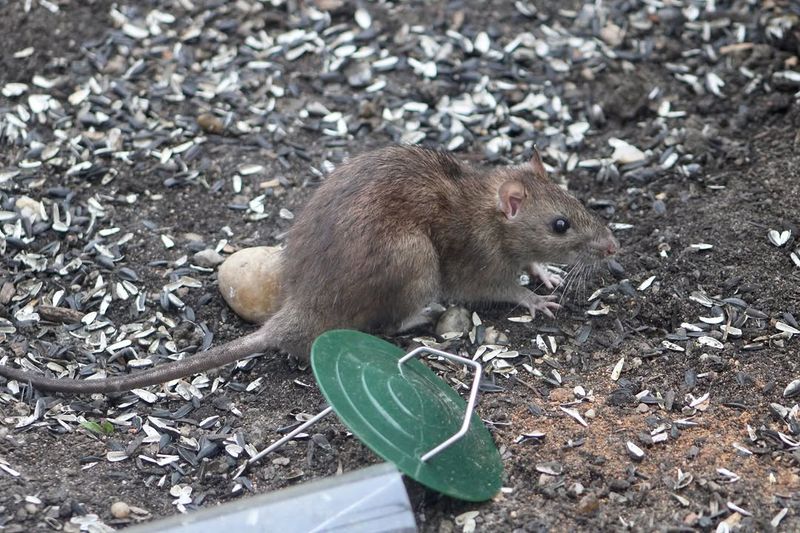
Rats are naturally nocturnal, which means they are most active after dark when the yard is still and quiet.
Most homeowners are inside by then and have no idea what is happening just outside their door. That quiet window is exactly when rats move in to feed.
One of the reasons rats thrive near homes is that our evening routines are predictable. We go inside around the same time each night, and the yard becomes a safe space for them to explore.
They learn quickly that no one is coming back out until morning.
Rats are cautious by nature. They tend to stick close to walls, fences, and dense plants when they move around.
This makes them hard to spot even if you do step outside at night. They freeze, hide, or retreat before most people even notice them.
Because they feed at night, the damage they cause can go unnoticed for a while. Fruit disappears, droppings appear near trees, and gnaw marks show up on wooden structures before homeowners connect the dots.
By then, the rats have settled into a comfortable routine. Motion-activated lights are a helpful tool for disrupting nighttime feeding.
Rats prefer darkness, and a sudden bright light can startle them and make them feel less safe.
Pairing lights with nightly fruit cleanup creates a yard that is far less welcoming to rodents looking for an easy, undisturbed meal after sundown.
5. Low Branches Give Rats Easy Access

Many people focus on fruit on the ground without thinking about how rats get up into the trees in the first place.
Low-hanging branches are like ladders that give rats direct access to fruit still on the tree, as well as pathways to rooftops and attics.
Roof rats, which are the most common type found in yards across California’s southern and central regions, are exceptional climbers. They can run along a thin branch with ease and jump several feet between surfaces.
A branch that hangs close to a fence or wall is an open highway for them.
Once a rat finds a route from the ground to the tree, it uses that same path repeatedly. Over time, other rats follow the same trail.
What starts as one rat exploring a tree can quickly turn into multiple rodents using your yard as a nightly feeding ground.
Trimming branches so they are at least six feet off the ground and several feet away from rooflines, fences, and walls makes climbing much harder.
It does not completely stop a determined rat, but it removes the easiest routes and forces them to look elsewhere.
Homeowners often overlook this step because the fruit on the branches looks fine. But rats eat from the tree directly and then drop fruit or carry pieces away.
Pruning is not just good for the tree’s health. It is one of the most effective ways to reduce rat access to your entire property.
6. Dense Shrubs Give Them Cover Nearby
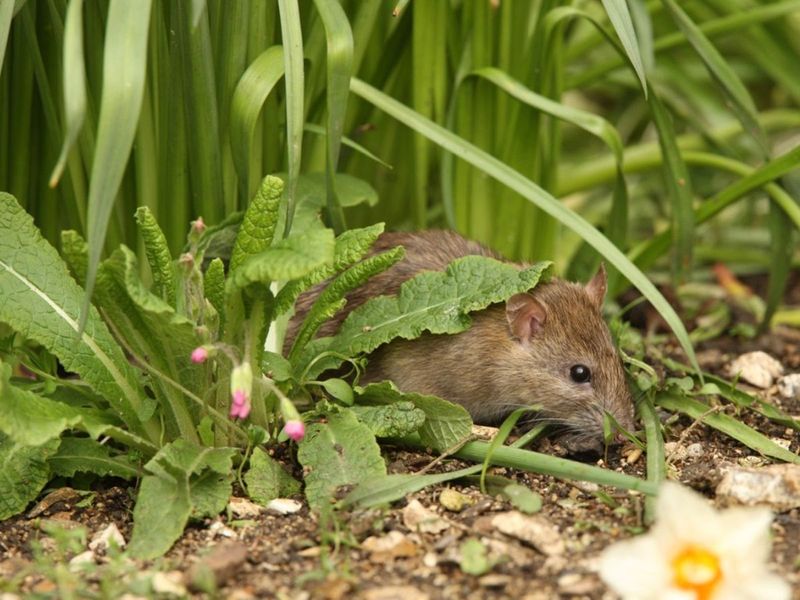
Rats do not feel safe in open spaces. They need cover to move around, rest, and nest.
Dense shrubs, overgrown bushes, and thick ground cover planted near fruit trees give them exactly the kind of shelter they are looking for.
When a yard has both a food source and nearby hiding spots, it becomes a perfect habitat for rats. They do not need to travel far or take risks.
They can eat, retreat to cover, and repeat the process all night long without ever feeling exposed.
Ivy is one of the biggest offenders in California’s residential areas. It grows thick and close to the ground, creating a dark, protected layer that rats love for nesting.
Bougainvillea and other dense ornamental plants can create similar problems when left untrimmed near fences or structures.
Thinning out shrubs and keeping ground cover trimmed back reduces the number of safe hiding spots available to rodents. It does not have to look bare.
The goal is simply to eliminate the dark, dense pockets where rats feel comfortable setting up camp.
Pulling ivy away from fences and walls is especially effective. Rats often use ivy as a runway between food sources and nesting sites.
Removing or cutting it back forces them to move through open areas where they feel more vulnerable. That added exposure is often enough to push them toward less active yards in the neighborhood.
7. Birdseed Can Keep Rats Coming Back Too
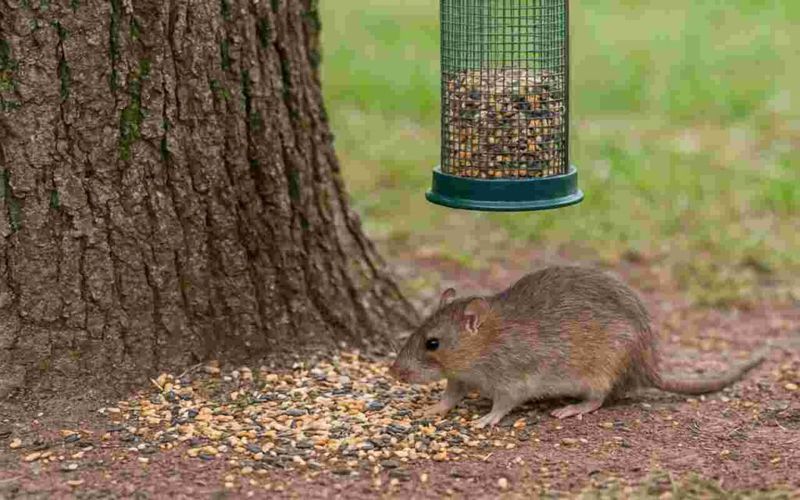
Bird feeders are a beloved feature in many California yards. Watching colorful birds visit throughout the day is genuinely enjoyable.
But the seed that spills and collects on the ground below is one of the most overlooked rat attractants in residential neighborhoods.
Rats are opportunistic eaters. They will consume almost anything, and birdseed is a high-calorie, easy-to-find food source that requires zero effort to access.
Once they discover a feeder with seed on the ground, they return every night like clockwork.
Sunflower seeds, millet, and mixed seed blends are particularly attractive to rats. These seeds are small, energy-dense, and easy to carry back to a nest.
A feeder that drops even a small amount of seed daily can support a rat population over time.
Switching to a feeder with a catch tray helps reduce how much seed hits the ground. Cleaning up spilled seed every evening before dark removes the overnight food supply that rats depend on.
Some homeowners also choose to bring feeders inside at night entirely.
Placing feeders on tall, smooth poles with baffles makes it harder for rats to climb up and access the seed directly.
Combining these steps with regular ground cleanup creates a yard where birds can still visit without turning the space into a rat dining spot.
Small changes to how you manage your feeder can have a big impact on rodent activity nearby.
8. Daily Cleanup Breaks The Feeding Pattern
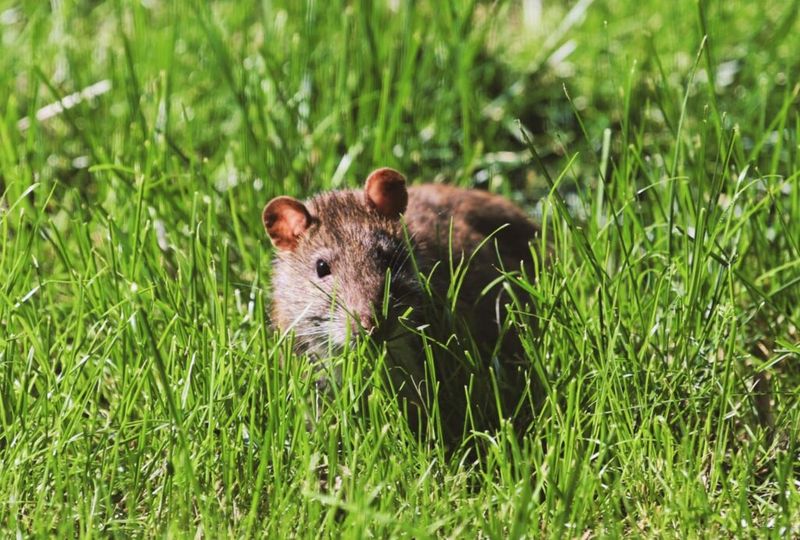
Rats are creatures of habit. Once they find a reliable food source in a yard, they follow the same path and return at the same time every night.
Breaking that pattern is one of the most effective ways to push them out of your space for good.
Daily cleanup is the single most powerful tool homeowners have against rat activity. Removing fallen fruit, picking up spilled birdseed, and securing compost every evening before dark takes the reward away.
Without a consistent food supply, rats lose interest and start searching elsewhere.
Consistency is the key word here. Doing a cleanup once or twice a week is not enough.
Rats only need one or two nights of undisturbed feeding to reestablish their routine. Daily action keeps the yard unpredictable and unrewarding from a rat’s perspective.
Building a quick evening sweep into your routine makes it easier to stay consistent.
A five-minute walk around the yard before sunset can catch fallen fruit, scattered seed, and anything else that should not be left out overnight.
It becomes second nature after just a few weeks. Neighborhoods where multiple homeowners adopt this habit see the biggest results.
Rats move through yards looking for food, and when every yard is clean and secure, they have nowhere comfortable to settle.
Talking to neighbors about fallen fruit and shared pest concerns can turn individual efforts into a community-wide solution that benefits everyone on the block.