The One Thing In Your Garden Shed That Can Nudge Moles Elsewhere
The best mole repellent in your shed might be a bottle your grandparents once kept in the medicine cabinet. It pours like thick syrup, and moles seem to dislike it a lot.
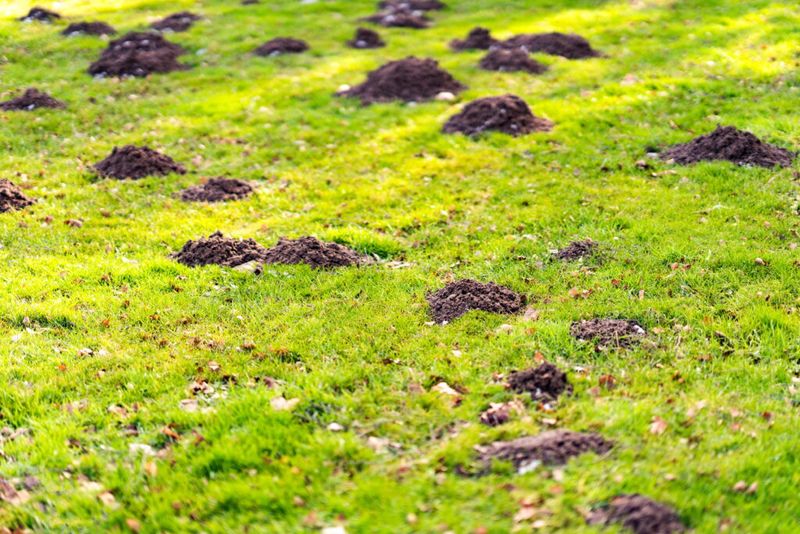
I spotted the first raised ridge in my lawn after a soggy spring week. By Saturday, three more had joined it, and my grass looked like a crumpled road map. Moles are not trying to ruin anything, though, since they are simply chasing earthworms.
After I tested the gadgets, the spinning pinwheels, and a few odd tricks from the internet, one humble liquid earned a permanent spot on my shelf. Research backs it up, too, though with a catch most labels skip.
You might be surprised how cheap the answer is. So what is sitting in that dusty corner, and why does a mole turn up its pointy nose at it?
That Dusty Bottle on Your Shed Shelf Holds a Mole Secret

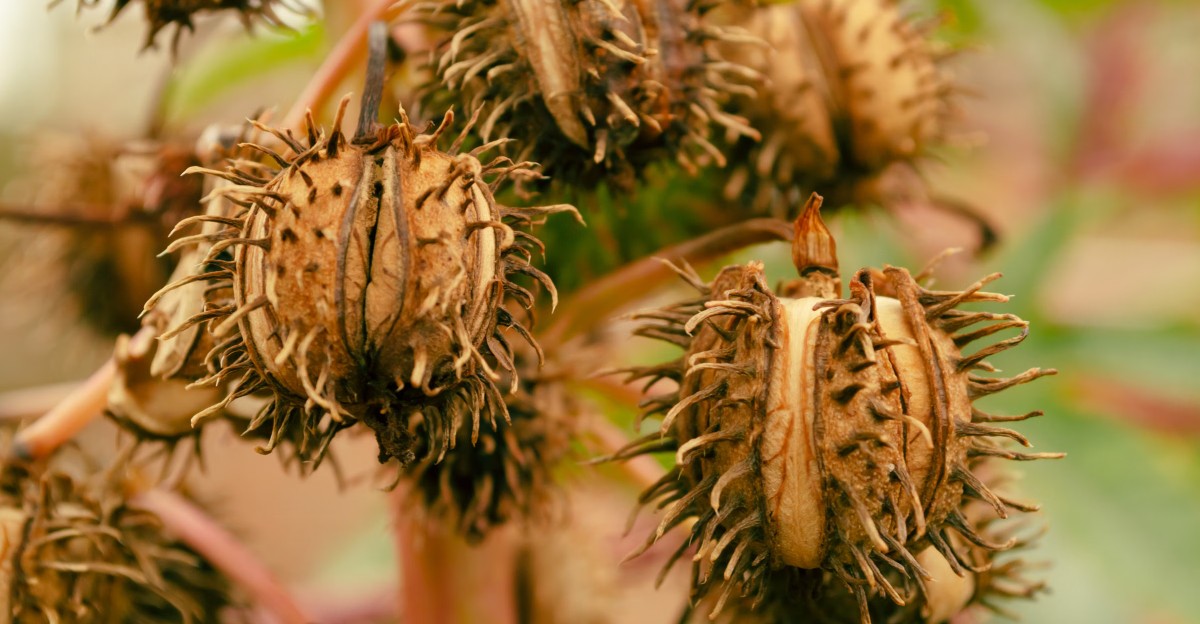
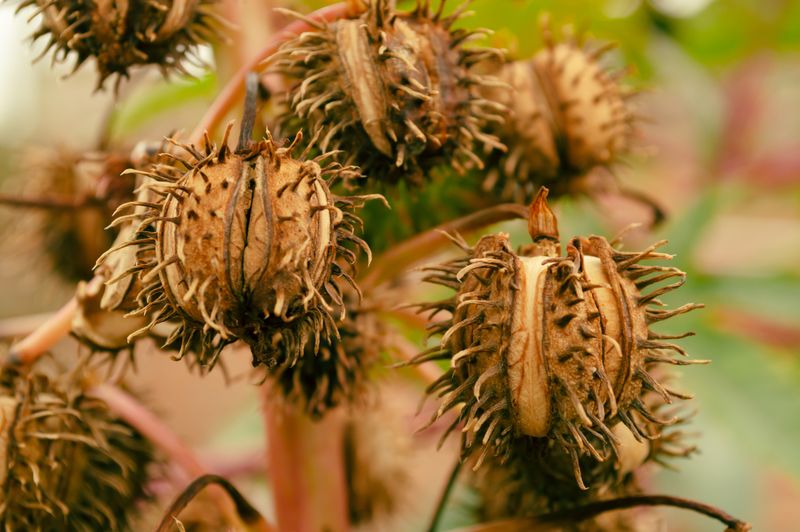
Castor oil is the humble hero here, and plenty of sheds already have a jug tucked behind the fertilizer bags. It comes from the seeds of the castor bean plant, and people have used it for centuries in soaps, lamps, and old-fashioned home remedies.
Most store-bought mole repellents you see at garden centers list castor oil as the main active ingredient. That is no accident.
University extension programs point to castor oil products as the most widely used mole repellent, though research on how well they work is limited.
I found my bottle wedged between a rusty trowel and a half-used bag of grass seed. It had been there for two summers, and I nearly tossed it.
Glad I didn’t, because that thick, pale liquid turned out to be the first thing that made my lawn ridges slow down. A quick reality check helps, though. Castor oil does not trap, harm, or remove moles.
It simply makes a treated patch of ground unpleasant enough that the mole decides to hunt somewhere else.
Consider it a polite eviction notice rather than a locked door. Used with the right expectations, it can buy your flower beds some peace.
How Castor Oil Makes Earthworm Dinners Taste Awful to Moles
Nobody wants a meal that tastes like a greasy sock, and moles agree. Castor oil seeps into the soil and coats the earthworms and grubs moles hunt, which seems to make those snacks far less appealing.
Researchers think the oil irritates a mole’s sensitive snout and may upset its stomach after a meal. Scientists are still sorting out the exact reason, so treat any confident explanation online with a little caution.
What field tests have shown is a drop in fresh tunneling on treated ground for a period of weeks.
Moles rely heavily on touch and smell, since their tiny eyes do little more than sense light. The eastern mole common in lawns has a sharp, whiskered snout packed with special sensory organs that help it find prey in total darkness underground.
So when the soil suddenly smells off, a mole notices fast. Rather than fighting through funky dirt for every worm, it moves its feeding to a cleaner spot.
Fun fact: an eastern mole can eat close to its own body weight in food each day. A hungry animal like that won’t waste time on a disappointing buffet.
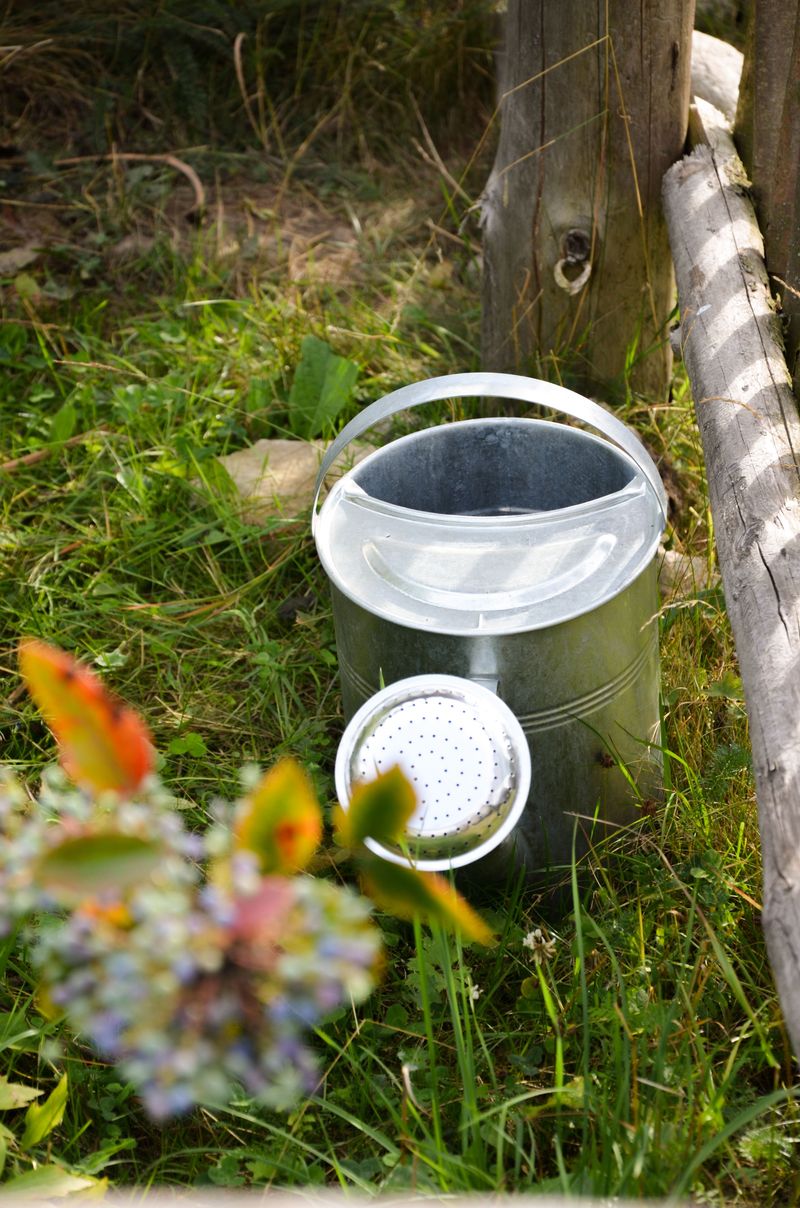
Mix a Simple Castor Oil Spray in Your Watering Can
My first batch looked like salad dressing gone wrong, and that was exactly right. A basic homemade mix uses ingredients you probably already own.
Start with a concentrate. Stir 6 ounces of plain castor oil with 2 tablespoons of liquid dish soap until it turns cloudy and creamy. The soap helps the oil blend with water instead of floating on top.
Next, add about 2 tablespoons of that concentrate to 1 gallon of water in a watering can or hose-end sprayer. Shake or stir well, since the mix separates if it sits.
Soak the areas with fresh ridges and molehills first, then treat a band around your garden beds. Water the lawn lightly afterward so the oil moves down into the soil where moles feed, rather than sitting on the grass blades.
Timing matters too. Moist soil soaks up the treatment better, so spring and early fall after a gentle rain are ideal windows.
Bottled granular and liquid castor oil products work the same way and save you the mixing. Follow the label rates closely, and keep kids and pets off the area until it dries.
Treated Lawns Push Moles Next Door, Not Out of Town
Now for the part nobody prints on the jug. Castor oil moves moles around, but it rarely sends them off the property for good.
Moles have home ranges that often stretch well beyond one backyard. When you treat the front lawn, the resident mole may shift its tunnels to the side yard, the vegetable patch, or your neighbor’s grass.
I learned this the frustrating way. My treated front lawn went quiet within about two weeks, and then a fresh ridge popped up right beside my tomato cages.
The oil also fades. Heavy rain and regular irrigation wash it deeper or break it down, so most products need a repeat dose every few weeks to a couple of months, depending on the label and the weather.
A smart approach is to treat the spots you care about most, like flower beds and new sod, instead of the whole yard. Some gardeners leave an untreated strip near a back fence so the mole has somewhere to go that bothers nobody.
Expect improvement, not perfection. If ridges show up again, that is a signal to reapply, not proof the method failed.
Mothballs and Sonic Stakes Belong Back on the Shed Shelf

Mothballs top the list of shed tricks that cause more trouble than they solve. They contain naphthalene or paradichlorobenzene, pesticides registered only for use in sealed containers against clothes moths.
Tossing them into tunnels goes against the label, which makes it illegal under federal pesticide law.
They also don’t work well. Moles simply seal off the smelly section and dig a detour, while the chemicals can harm pets, children, and soil life.
Sonic and vibrating stakes sound clever, yet studies have found little lasting effect. Moles live with constant underground noise from traffic, lawn mowers, and footsteps, so a buzzing stake fades into the background quickly.
Chewing gum, human hair, broken glass, and flooding the tunnels with the garden hose show up in old advice too. None has solid evidence behind it, and glass is a hazard for anyone who walks barefoot later.
Plants get mentioned a lot as well. The so-called mole plant, Euphorbia lathyris, has toxic, irritating sap and can spread aggressively, while daffodils and marigolds have no proven effect on moles.
Save your money, your time, and your shelf space for something with real research behind it.
Earthworms Are the Real Reason Moles Tunnel Through Your Lawn
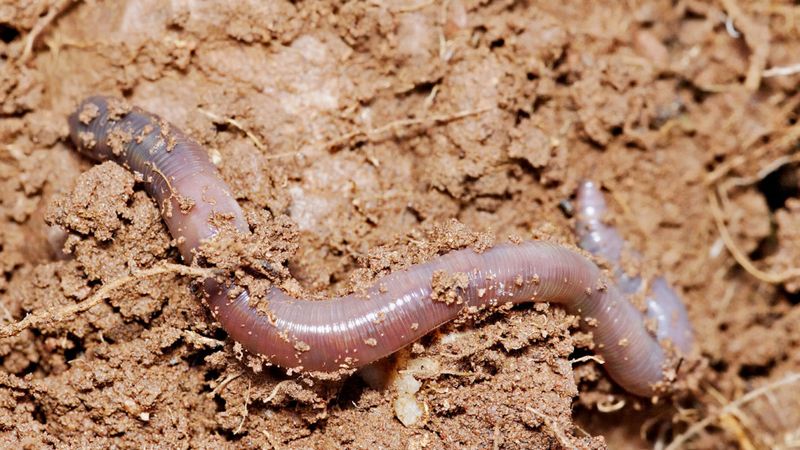
A mole is basically a furry digging machine with a worm habit. Studies of eastern moles show earthworms make up a large share of their diet, often well over half, with grubs, beetle larvae, and other soil insects filling in the rest.
That surprises lots of gardeners. Many of us were told to spray for grubs to get rid of moles, but extension specialists note that grub control alone rarely solves the problem because the worms remain.
Healthy, moist lawns full of organic matter are earthworm heaven, which means they are mole heaven too. In a weird way, those ridges are a compliment to your soil.
Moles also get blamed for crimes they don’t commit. They don’t eat roots or bulbs, so when tulips disappear along a tunnel, voles or other rodents using the mole’s runways are usually the culprits.
Surface ridges are feeding tunnels, often used once or twice. Volcano-shaped mounds come from deeper tunnels the mole uses for travel and nesting.
Knowing this helps you aim your castor oil. Treat the fresh feeding ridges and the soil around your beds, where those worms gather after a rain, and you will hit the mole where it eats.
A Mole Trap and a Lighter Hand With the Hose Keep Your Yard Smoother
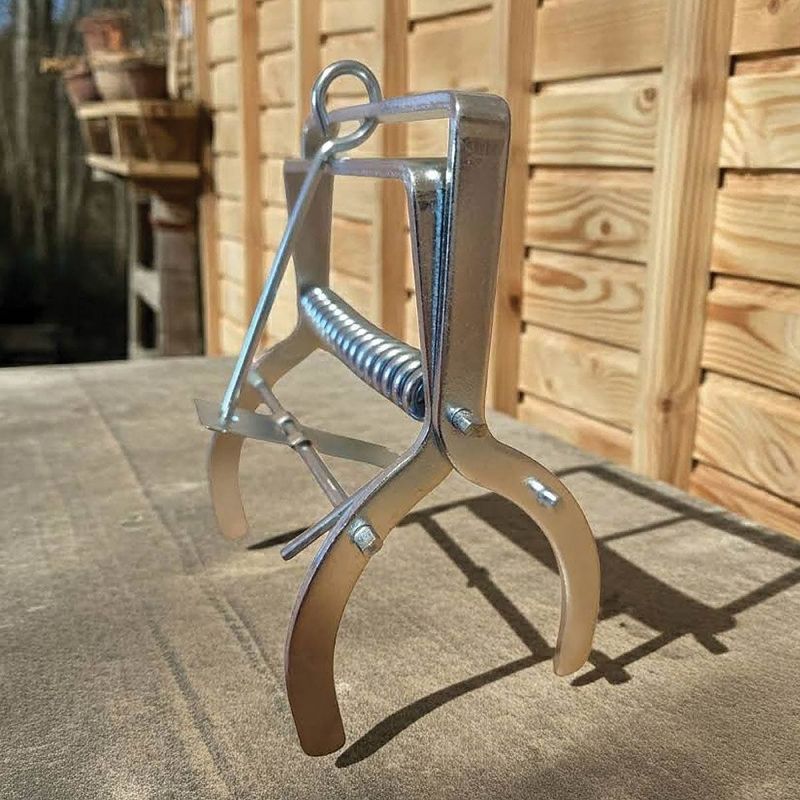
Every so often a repellent is not enough, especially when one stubborn mole keeps rebuilding the same runway across your front walk. Wildlife experts at many universities agree that trapping is the most dependable way to remove a mole from a yard.
Harpoon, scissor, and choker-loop traps set in an active surface tunnel work best. To find one, step lightly on a few ridges and check which ones are pushed back up a day later.
Landowners can often trap moles causing damage on their own property, but rules about live-trapping and moving wildlife can be strict. Check current guidance from your local wildlife agency before you start, or hire a licensed nuisance wildlife operator.
Your watering habits play a part as well. Lawns that get frequent shallow sprinkling keep worms near the surface, so water deeply and less often.
My own plan now looks simple. Castor oil guards the beds, a trap handles the troublemaker, and smarter watering keeps the buffet a little less tempting.
Moles also aerate soil and eat some lawn pests, so a few ridges at the far edge of the yard may be worth tolerating.