Why Ornamental Kale and Cabbage Get More Colorful as North Carolina Nights Turn Cold
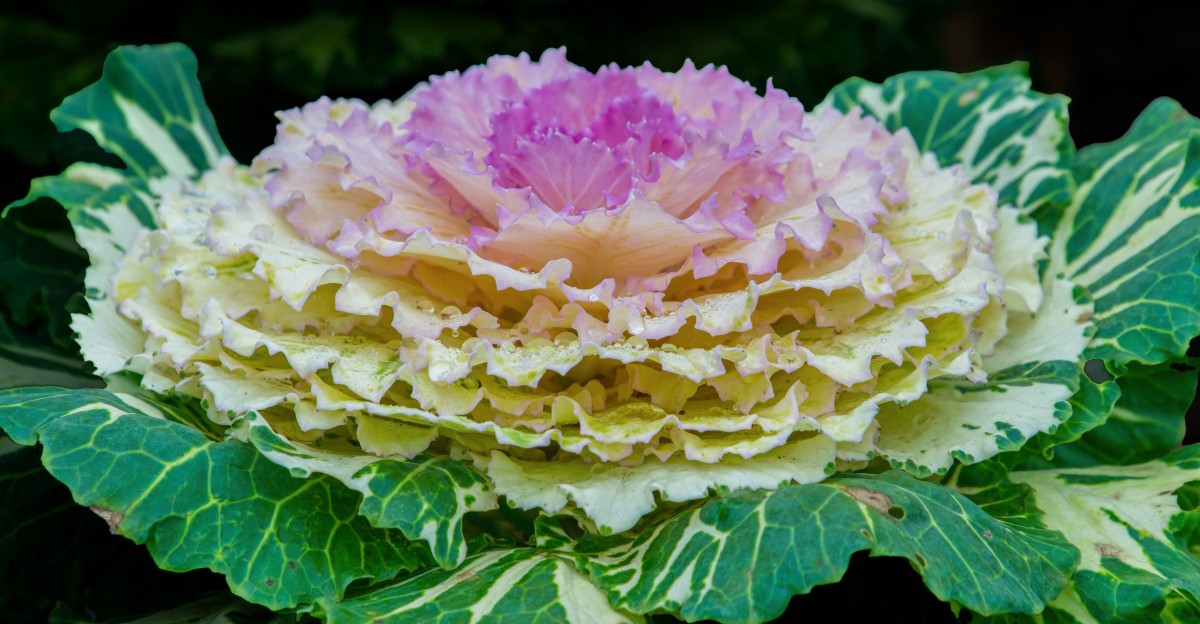
A plant that looks plain green in September can glow hot pink by Thanksgiving. Nobody paints it, sprays it, or swaps it out. The color shows up on its own, and chilly nights do most of the work.
For years, I walked past these leafy rosettes at the garden center. They looked like something meant for a salad bowl, not a front porch. Then one cold snap changed my mind for good.
Across North Carolina, fall nights slide from muggy to crisp in a few short weeks. That drop in temperature flips a switch inside certain leaves. The center of the plant starts shifting from green to cream, rose, or deep purple.
What exactly happens in there after dark? And why do some plants turn brilliant while others stay stubbornly dull? The answer is part science, part timing, and a little bit of smart gardening.
Those Green Rosettes Are Hiding Colors All Along
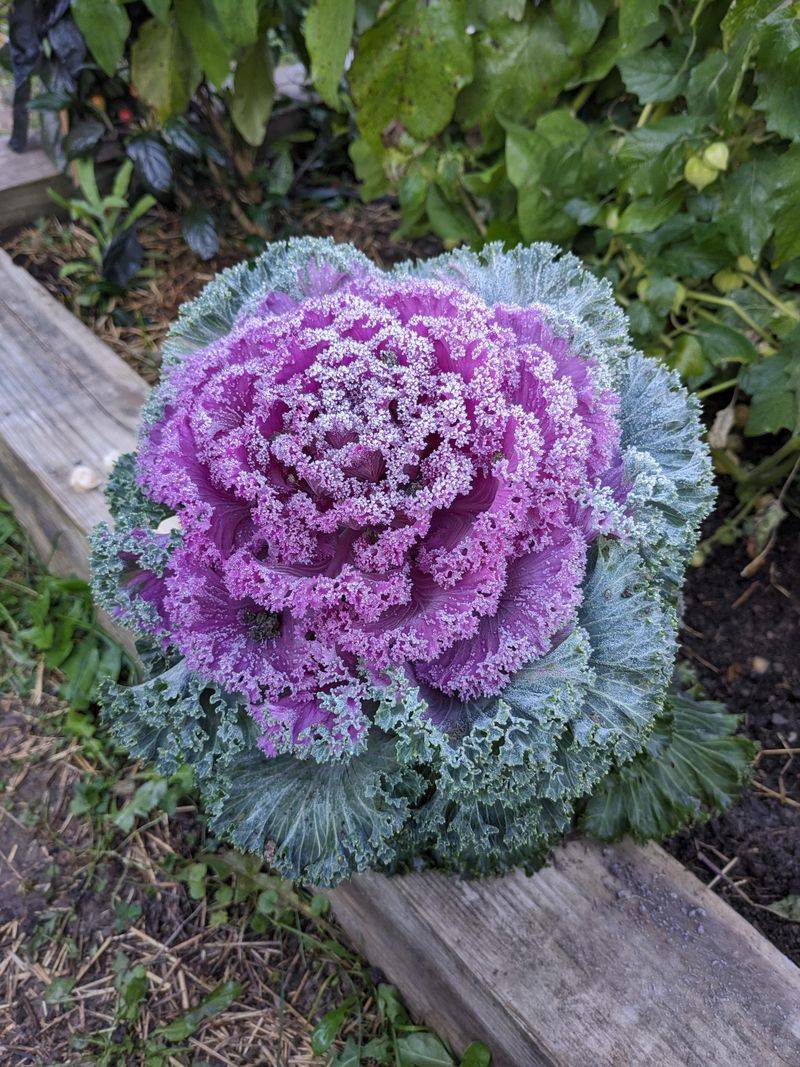
Every fall, I watch someone at the garden center pick up a mostly green ornamental cabbage and frown. It looks a little boring in early October. Give it a few weeks, though, and the story changes fast.
The pinks, purples, reds, and creamy whites are not painted on later. The plant carries the ability to make those colors from the start. Warm weather simply keeps them covered by a thick layer of green.
NC State Extension notes that color starts to develop once nights dip below 50 degrees. The color then deepens over several weeks of cool nights. That means the show builds slowly, and patience pays off.
Across the state, the timing shifts by region. Mountain gardens near Boone may see good color by early October. Piedmont yards around Raleigh and Charlotte usually catch up later that month, while the coast can lag into November.
Notice that it’s the center leaves that change most. The outer leaves usually stay green and act like a frame. New growth in the middle is where the real transformation happens.
So if your plant looks plain right now, don’t give up on it. Cooler weeks ahead are about to bring it to life.
Cold Nights Slow Down the Green in Kale Leaves
Science time, and I promise it’s the fun kind. Green leaves get their color from chlorophyll, the pigment plants use to turn sunlight into food. In warm weather, ornamental kale makes plenty of it.
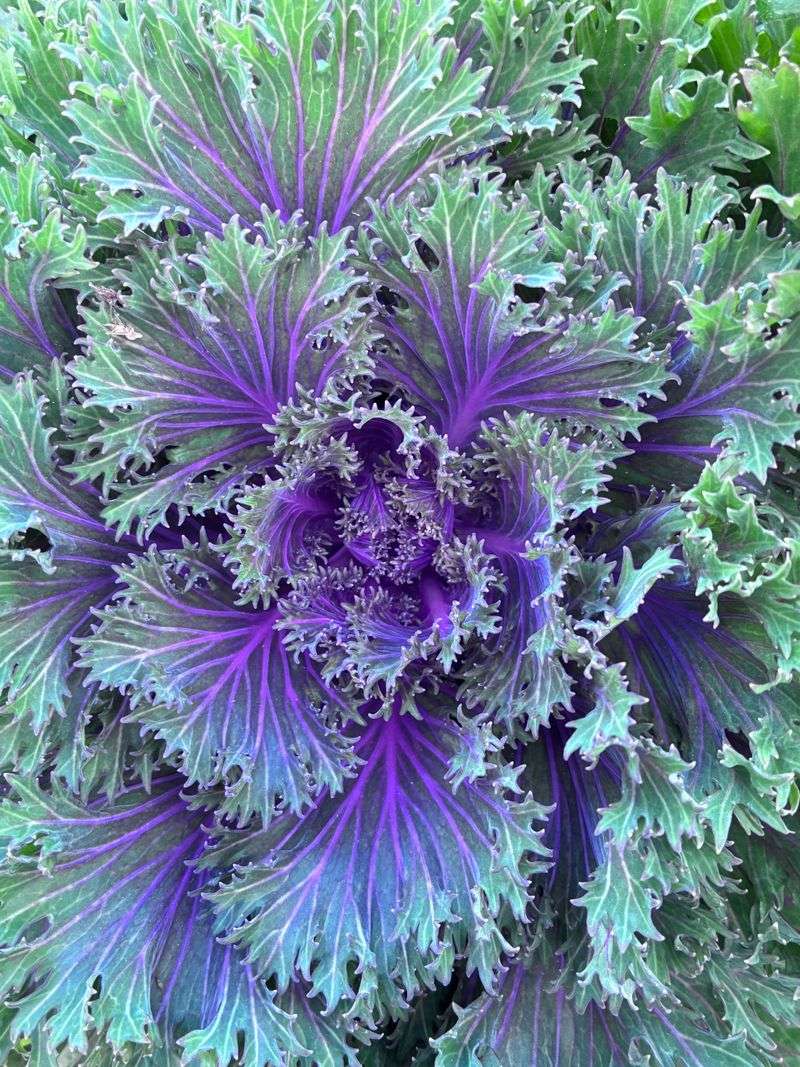
Once nights turn cold, the plant cuts back on chlorophyll in its newest center leaves. Less green means other pigments finally get a chance to be seen. It’s a bit like turning down a loud song so you can hear the quieter one underneath.
Those hidden pigments include anthocyanins, which create the reds, pinks, and purples. White and cream varieties work a little differently. Their center leaves simply carry very little chlorophyll and few red pigments, so they glow pale and bright.
Here’s what surprised me most. None of this signals trouble. The color change happens while the plant is healthy and still growing.
Fall leaves on trees change for similar reasons, but there’s one big difference. Maple leaves are getting ready to drop. Your kale is staying put and getting fancier.
So when you see that center blush deepen after a cold week, you’re watching a living chemistry lesson. It’s slow, steady, and honestly pretty thrilling to follow from your kitchen window.
Purple Pigments Pile Up When Temperatures Drop
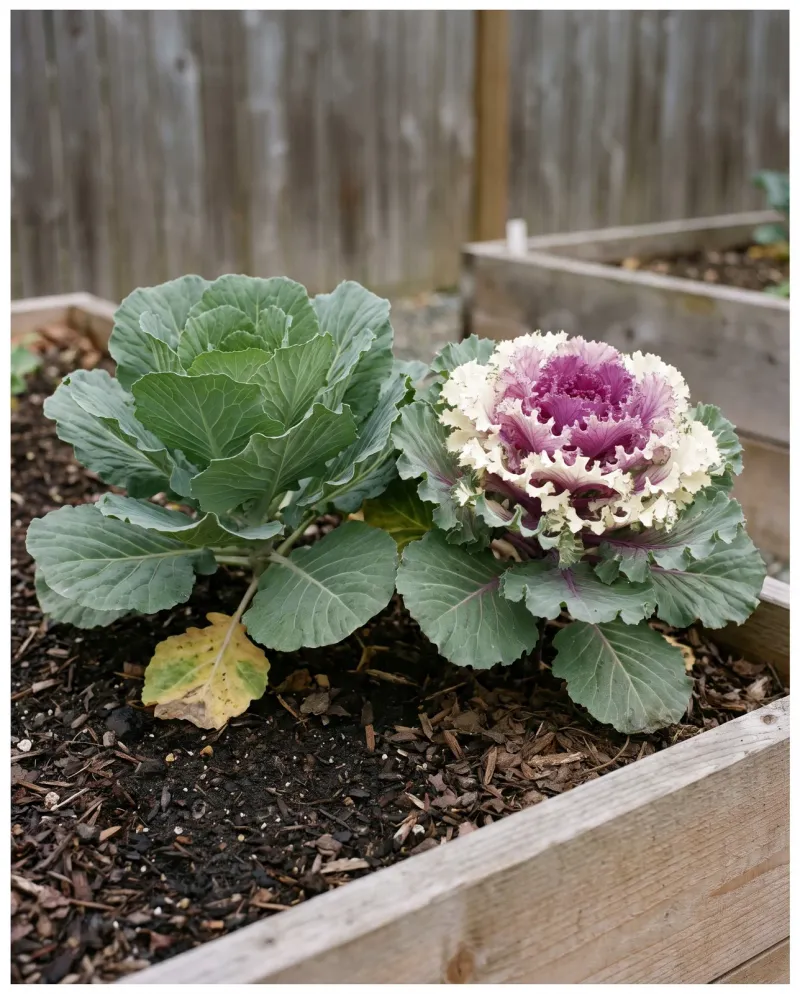
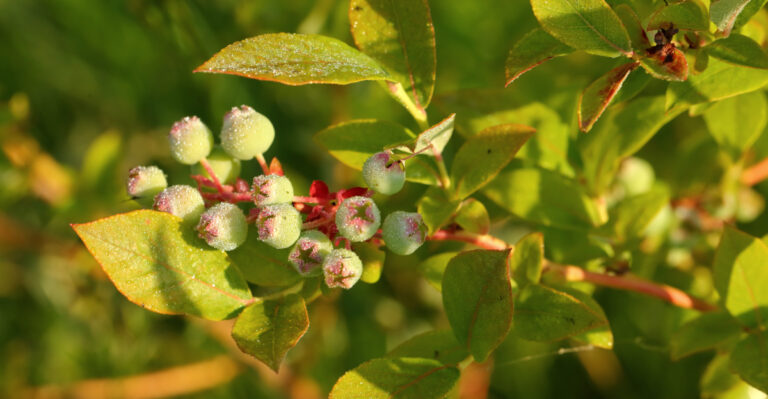
Ever wonder why red cabbage and blueberries look so rich? Thank anthocyanins. Those same pigments give ornamental kale and cabbage their bold purple and rose tones.
Plant researchers have found that cool temperatures boost the making and storing of anthocyanins in many plants. Low temperatures in late autumn and winter are a known trigger. That’s why your plants often look their best right when you need a jacket.
Anthocyanins may do more than look pretty. Scientists think they help shield leaf cells from stress, including bright light on cold days. When leaves can’t use sunlight as fast in the chill, these pigments may act a bit like built-in sunscreen.
Fun fact for your next garden chat. Anthocyanins dissolve in water and can change shade depending on acidity. That’s the same reason red cabbage juice works as a classroom pH tester.
Bright sun helps too. Plants growing in full sun usually make stronger color than ones tucked in shade. A sunny porch step or open bed gives those pigments the light they need.
So cold nights plus sunny days make a winning combo. Put your plants where they’ll catch both, and let the purple build.
Easy on the Fertilizer for Brighter Cabbage Centers
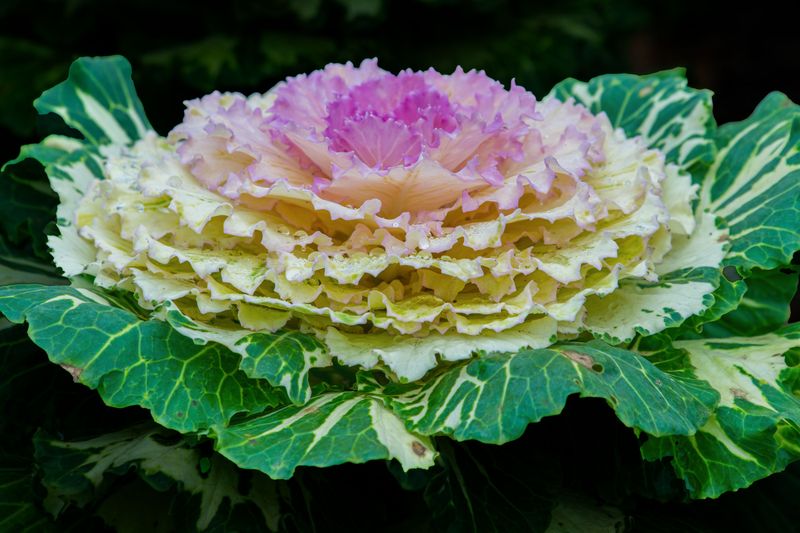
I’m the first to admit I used to feed every plant like it was a teenager after practice. With ornamental cabbage, that habit can backfire. Too much nitrogen keeps leaves pumping out green, which can dull the color you’re waiting for.
Commercial growers often cut back on fertilizer as color starts to develop. Research at NC State has also shown that lower phosphorus can help improve coloring. A light feeding at planting is usually plenty for home gardens.
Start with full sun and soil that drains well. These plants like steady moisture but hate sitting in soggy ground. In heavy Piedmont clay, raised beds or roomy containers can make a big difference.
Planting time matters a lot. Aim for late summer to early fall so roots settle in before cold weather arrives. In most of North Carolina, that means September or early October, a bit earlier in the mountains.
Space them so air can move around the leaves. Crowded plants stay damp and invite trouble. A little breathing room also lets each rosette show off its full shape.
Do these simple things well and the weather handles the rest. Cool nights bring the color, and your job is to stay out of the way.
Thirsty Kale Plants Lose Their Lower Leaves
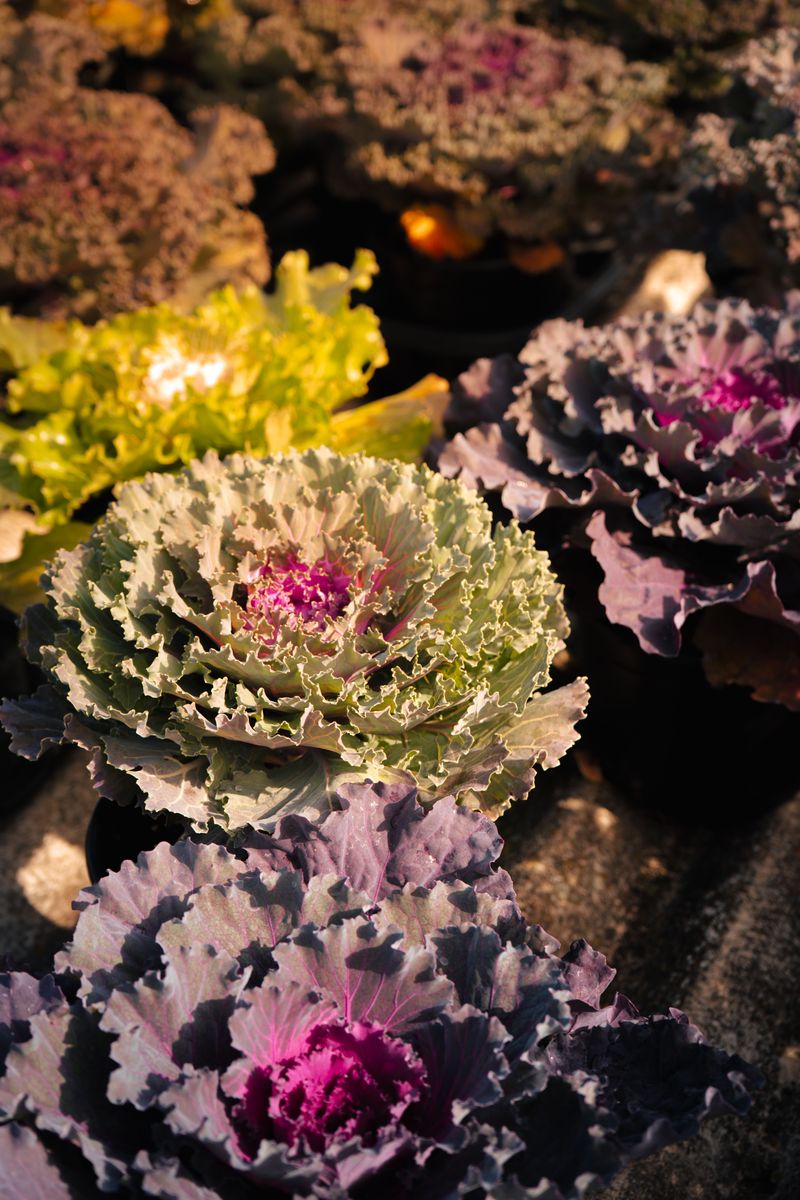
I learned the hard way that skipping water does not make kale prettier. Somewhere I’d heard that stress brings out color. Two weeks later, my bottom leaves were yellow and flopping off.
Water stress can cause lower leaves to yellow and drop. That leaves a bare, leggy stem under a small rosette. It’s not a great look, especially in a front porch pot.
Fall in North Carolina can turn surprisingly dry, so check soil with your finger. Water when the top inch feels dry. Containers dry faster than beds, so peek at them more often.
Overwatering causes its own problems, though. Soggy roots can rot, especially in pots without drainage holes. Steady and moderate is the goal.
Watch for hungry visitors too. Cabbage worms and aphids enjoy these plants as much as you do. Hand-pick caterpillars or rinse aphids with a firm spray of water.
Remove yellowing leaves at the base as they appear. It keeps plants tidy and cuts down on hiding spots for pests. A clean rosette also shows its color much better.
Small habits like these keep your display looking sharp. Healthy plants simply color up better than stressed ones.
Frilly Kale or Flat Cabbage Leaves, Pick Your Favorite
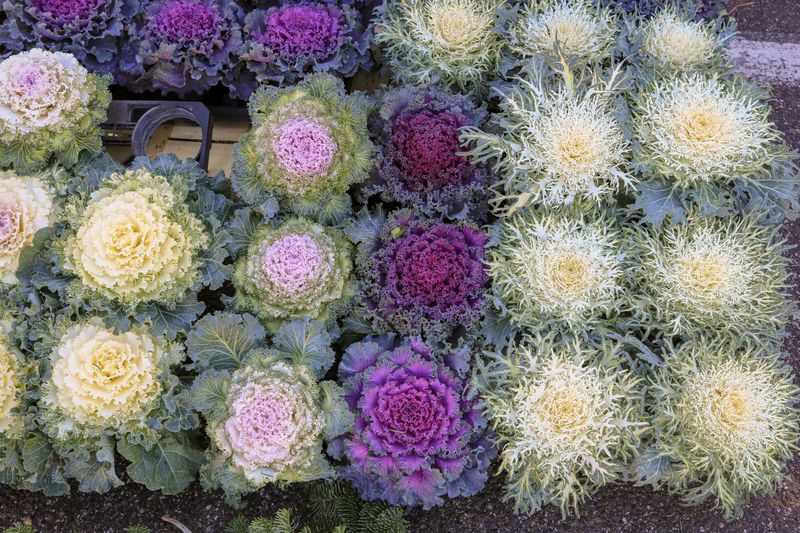
Not going to lie, I’m hopeless for the ruffled ones. Still, both types bring something special to a fall planter. Knowing the difference helps you shop smarter.
Plants with fringed, curly, or feathery leaves are usually sold as ornamental kale. Those with smoother, broader leaves that form a round head are usually called ornamental cabbage. Both belong to the same species, Brassica oleracea.
That’s right, they’re cousins of the broccoli and collards in your grocery cart. These versions were bred for looks rather than flavor. They’re technically edible, but many taste bitter, and garden center plants may have been treated with products not meant for food.
Popular series like Nagoya offer heavily fringed leaves in red, rose, and white. Osaka types have wavy edges and big, cabbage-like heads. Peacock and Redbor kales add taller, lacy shapes for drama.
Mix textures for extra interest. A flat white cabbage looks striking beside a feathery purple kale. Add pansies or violas around the edges for a classic Southern fall combo.
Whatever you choose, look for compact plants with no yellowing. Color may still be developing at purchase, and that’s fine. The cold nights will finish the job.
Colorful Cabbage Pots Can Carry Your Porch Into Winter
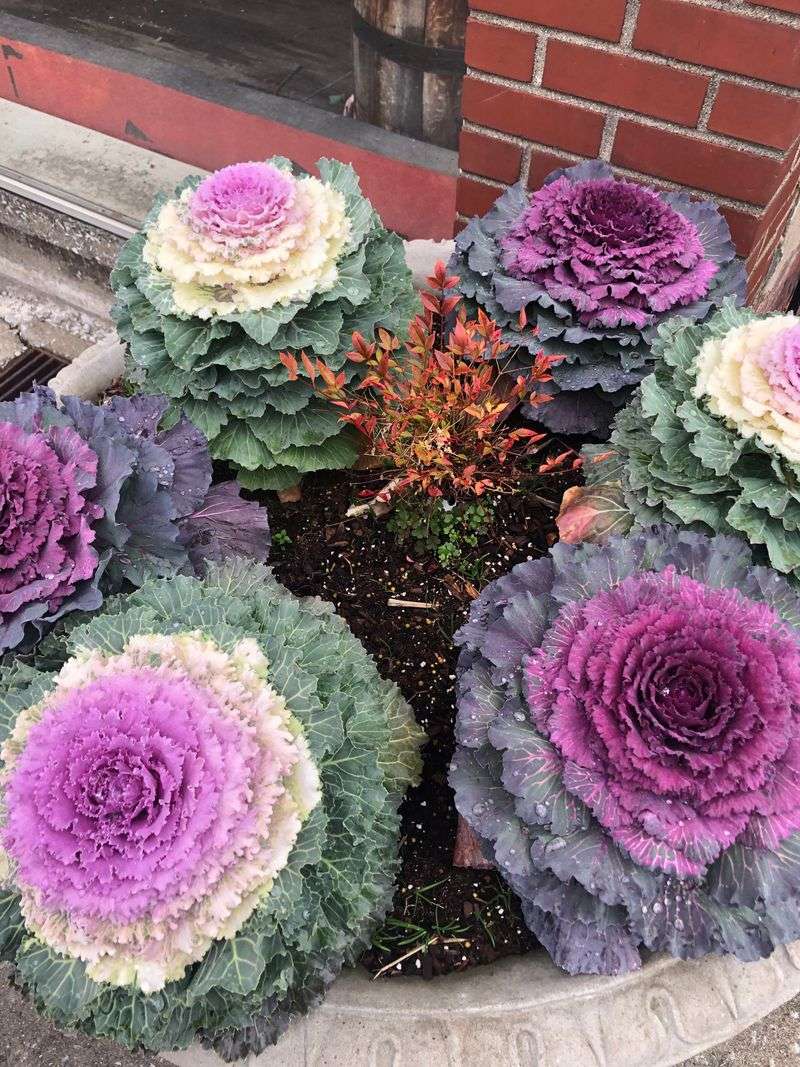
Mums fade, summer annuals slump, and suddenly the porch looks tired. That’s exactly when ornamental kale and cabbage steal the show. Their color often peaks as everything else winds down.
Once established, these plants handle cold remarkably well. Many varieties tolerate temperatures in the teens, and some sources report survival down near 5 degrees. A sudden hard freeze can still damage leaves, so tougher plants come from steady acclimation.
In eastern and Piedmont North Carolina, they can look good from fall into much of winter. Mountain gardeners may see them struggle sooner during deep freezes. Containers can be moved against a warm wall on the coldest nights.
Come spring, warm weather tells the plants to bolt. They stretch tall and send up yellow flower stalks. That’s your cue to pull them and swap in spring color.
Here’s my favorite takeaway. Plant in early fall, give full sun, water steadily, and go light on fertilizer. Then let chilly nights do the decorating for you.
Next time a cold front rolls through, step outside the following morning. Take a close look at those center leaves. You might catch the color deepening right before your eyes.