8 Long-Blooming North Carolina Flowers That Thrive On Almost No Care Through The Heat
You drag the hose out one more time on a July evening, and the mosquitoes find you before the water does. Your grass has gone crispy, the azaleas look tired, and half the yard seems to sulk the second the thermometer climbs past 90. But some flowers do not care about any of that. Across North Carolina, from the red clay of the Piedmont to the sandy stretches of the Coastal Plain, a handful of plants keep blooming through heat, drought, and afternoon storms while you sit on the porch and do almost nothing.
Here are eight that earn their spot, and why each one is worth planting this year.
1. Black-Eyed Susan Keeps Going When Everything Else Quits
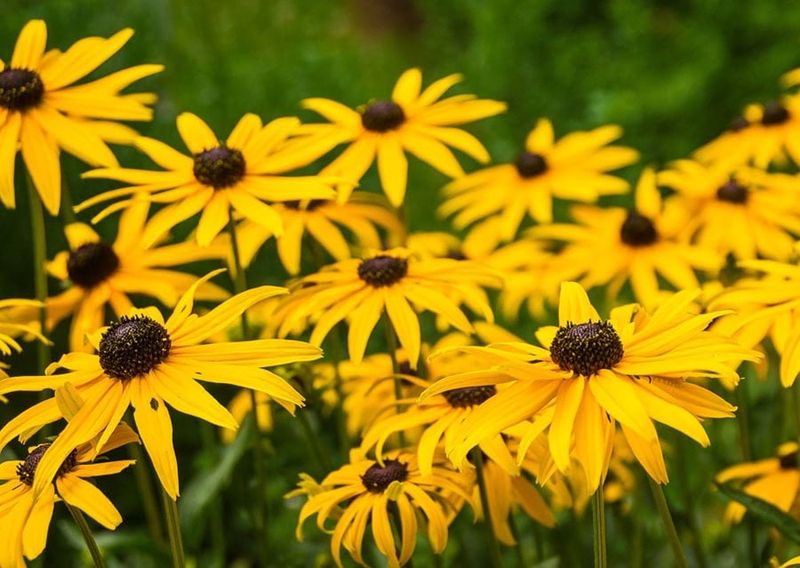
Picture the ditches along a country road in late July, glowing gold while the lawns around them have gone brown. That gold is often black-eyed susan (Rudbeckia hirta), a native that treats a North Carolina drought like a minor inconvenience.
Here is the surprising part. Many gardeners baby this plant with water and fertilizer, and that is exactly what makes it flop over and rot. It genuinely prefers to be left alone in poor soil, which fits Piedmont red clay perfectly.
The reason is simple. Deep roots pull moisture from far below the surface, so a plant that has been in the ground a full season shrugs off two weeks without rain.
Plant them in full sun, meaning six or more hours a day, and space clumps about 18 inches apart. Water once a week the first summer, then step back. Blooms run from June clear into October, and the spent seed heads feed goldfinches through fall.
NC State Extension lists Rudbeckia among the toughest native perennials for our region, and monarchs and native bees work the flowers all season. You get color, wildlife, and a plant that quietly makes you look like you know what you are doing.
2. Coneflower Turns Drought Into A Pollinator Party
Stink bugs and Japanese beetles will chew through half your yard by August, but they mostly leave purple coneflower alone. That toughness is baked in.
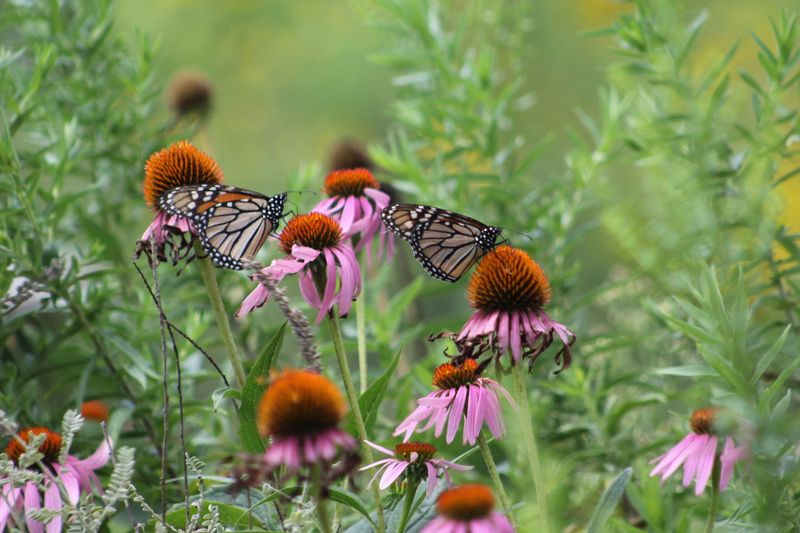
Purple coneflower (Echinacea purpurea) grows wild across the Piedmont and Sandhills, so our muggy summers and surprise dry spells are just home weather to it. The spiky orange center cone is not decoration. It is a landing pad that native bees and butterflies visit from morning to dusk.
People often assume it needs rich, fluffy soil. It does not. Sandy Coastal Plain ground and heavy clay both work, as long as water does not pool around the crown in winter.
Set plants 18 to 24 inches apart in full sun and water deeply once a week for the first month. After that, a coneflower can go 10 days without rain and barely blink. Blooms open in June and keep coming through September if you snip a few spent flowers.
And here is the payoff for fall. Leave the seed heads standing into winter, and goldfinches will cling to them on cold mornings while your neighbors are still bagging up their tidy, empty beds.
Your North Carolina Garden Changes Every Week. Your Plan Should Too.
Gardening in North Carolina changes quickly throughout the season. Every Friday you’ll receive a simple weekly plan showing exactly what to plant, prune, fertilize, harvest, and protect so you never miss the right timing.
3. Lantana Laughs At A Hundred-Degree Afternoon
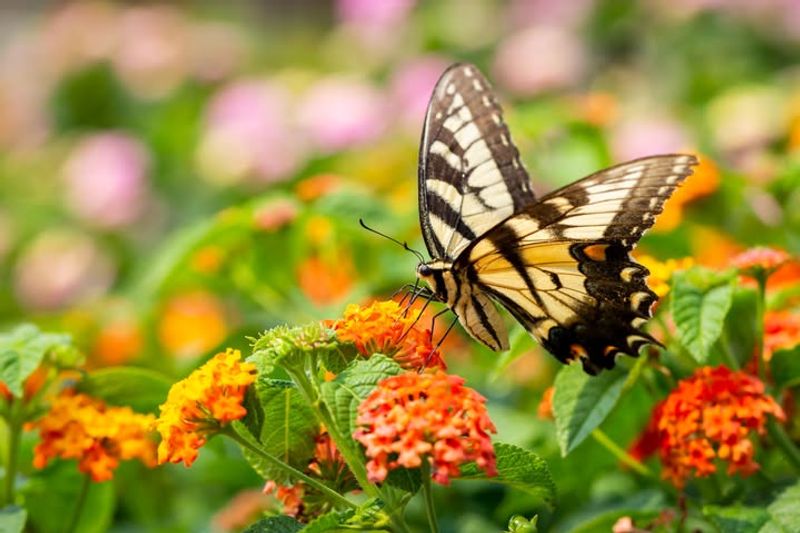
When the porch thermometer reads 98 and the air feels like a wet towel, most flowers close up shop. Lantana just gets brighter.
Lantana (Lantana camara) blooms in clusters of orange, pink, yellow, and red that shift color as they age, so one plant can wear three shades at once. It thrives in the exact conditions that torment everything else, full brutal sun and dry heat.
Butterflies genuinely cannot stay away. Swallowtails and monarchs work the flower clusters all day, which turns a hot patio corner into a moving show.
Give it full sun and well-drained soil, then water only when the top inch goes dry, maybe twice a week in peak summer. Overwatering is the one way to kill it. Space plants 24 to 36 inches apart because a happy lantana spreads wider than folks expect.
One honest note. In the warmer coastal zones, 8a and 8b, some lantana comes back each spring, but in the Piedmont a hard cold snap usually takes it out, so many gardeners treat it as an annual. Either way, from May until the first frost around late October, it earns every inch of space.
4. Daylily Is The Plant You Genuinely Cannot Kill
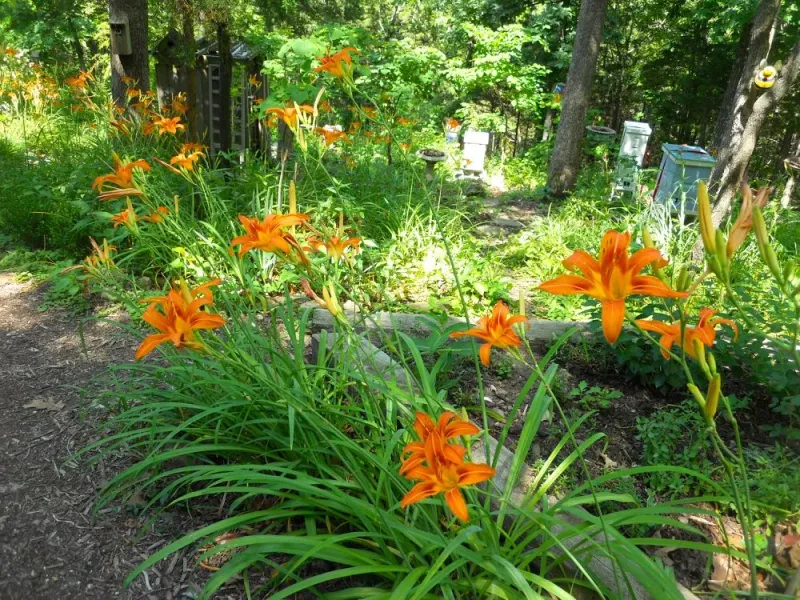
Drive past an old farmhouse in the North Carolina mountains and you will spot orange daylilies blooming by a mailbox that nobody has watered in decades. That is the whole reputation in one image.
The daylily (Hemerocallis) got the nickname the perfect perennial for good reason. It handles clay, sand, drought, and neglect, and still throws out flower after flower from late spring into midsummer.
Each bloom lasts a single day, which sounds like a letdown until you realize a single fan sends up dozens of buds. So the show rolls on for weeks even though no one flower sticks around.
Plant them 18 to 24 inches apart in full sun to part shade. Reblooming types like the well-known yellow Stella d’Oro will keep flowering into fall if you pull off the finished stalks. Water weekly the first season, then only during a long dry stretch.
Every three or four years, dig up a crowded clump in early spring and split it with a shovel. You get free plants for the whole street, which is a fine reason to knock on a neighbor’s door.
5. Coreopsis Carpets A Dry Bank In Sunshine
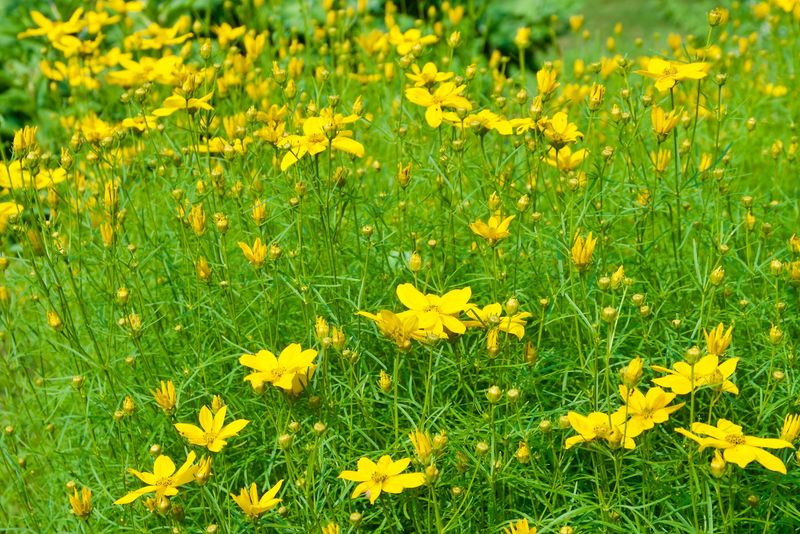
Got a hot, sunny slope where the mower slides and nothing wants to grow? That is coreopsis territory.
Threadleaf coreopsis (Coreopsis verticillata) makes a low, airy mound covered in small yellow daisies from June through September. It is one of North Carolina’s own wildflowers, so it expects sandy soil, baking sun, and long gaps between rain.
The trick people miss is the shearing. Around midsummer, when the first flush fades, cut the whole plant back by about a third with hedge shears. Within two weeks it rebounds with a fresh wave of bloom, no fertilizer required.
Space plants roughly 18 inches apart and they knit together into a soft carpet that chokes out weeds. On a dry bank that used to be a chore, that is genuinely a relief.
Native bees and small butterflies flock to the flowers, and the fine, feathery foliage stays neat even in a drought. Water the first summer to get it established, then leave it to fend for itself. It would rather you did.
6. Salvia Feeds Hummingbirds All Summer Long
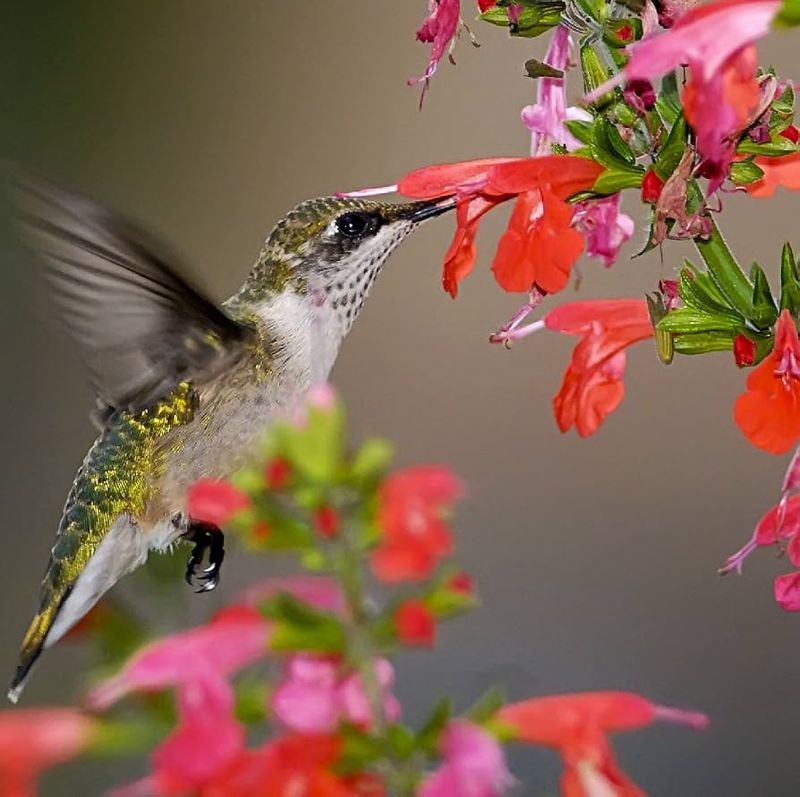
Sit on the porch at dusk in July, and if you have salvia in the bed, you will hear the hum before you see the bird. Hummingbirds treat those tall flower spikes like a private diner.
Perennial salvia, including our native scarlet sage (Salvia coccinea), sends up spikes of red, blue, or purple that keep coming from May until frost. Deer and rabbits usually pass it by because the leaves carry a scent they dislike, which spares you a lot of heartbreak.
Heat is not the enemy here. Salvia stands up to the muggiest Piedmont afternoon and dry Sandhills soil alike, asking only for full sun and drainage that keeps its feet from staying soggy.
Set plants 12 to 18 inches apart and water weekly until roots take hold. The one chore worth doing is snipping finished spikes down to the next set of leaves, which pushes out more flowers within a week.
By the time fall monarchs pass through on their way south, salvia is still open for business, a rare thing when so much else has called it a season.
7. Zinnia Turns A Seed Packet Into A Bouquet Machine
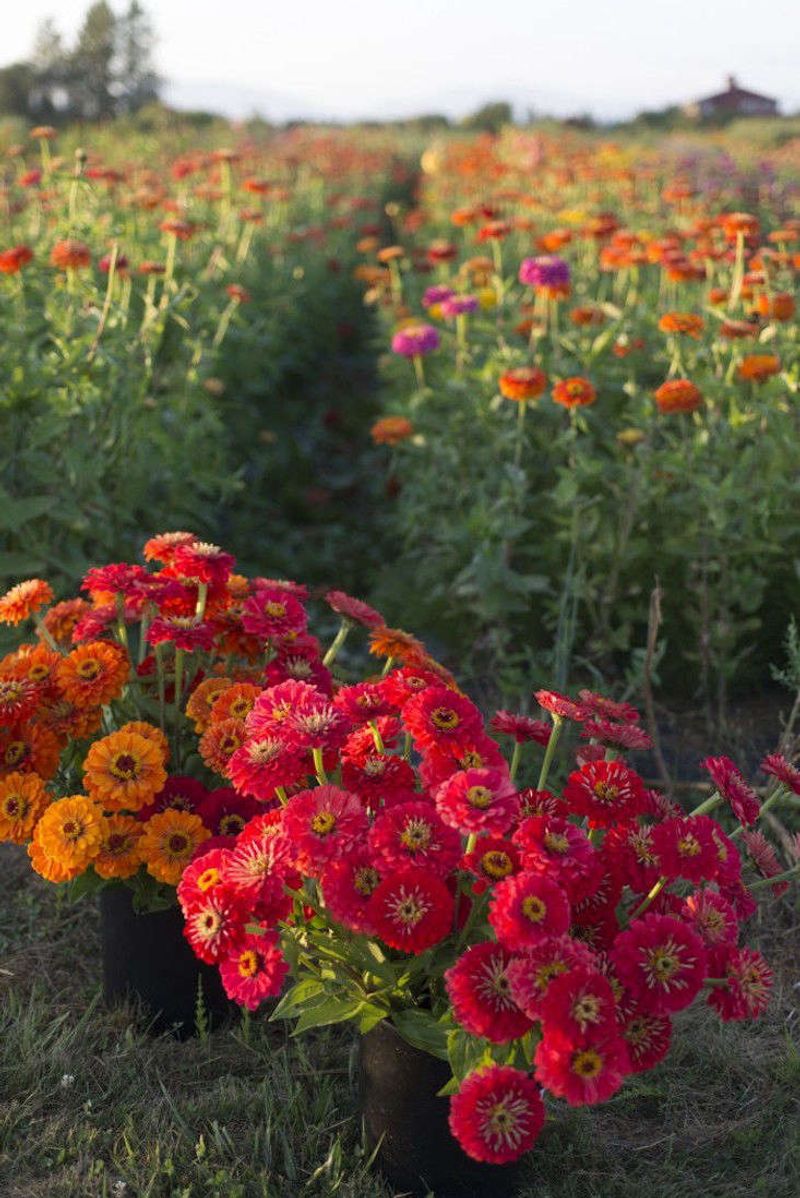
For about two dollars and a torn-open seed packet, you can fill a hot bed with color that lasts until frost. Zinnias make that promise and keep it.
Zinnia (Zinnia elegans) sprouts fast, blooms in roughly 60 days from seed, and thrives in the heat that flattens fussier flowers. Sow the seeds straight into the ground after the last spring frost, which lands around mid-April in most of the Piedmont.
The more you cut, the more you get. Snip flowers for the kitchen table and each plant answers by pushing out two or three new buds, so a small patch keeps a jar on the counter filled all summer.
Space seeds about 9 to 12 inches apart in full sun and pinch the first bud when plants reach a foot tall to make them branch. Good airflow between plants fends off the powdery mildew our humidity loves to spread.
Butterflies swarm the flat, open blooms, and late-season monarchs feed on them in September. Cheap, easy, and generous, a zinnia patch is a low-risk way to get kids interested in the yard too.
8. Joe Pye Weed Anchors The Late-Summer Butterfly Bed
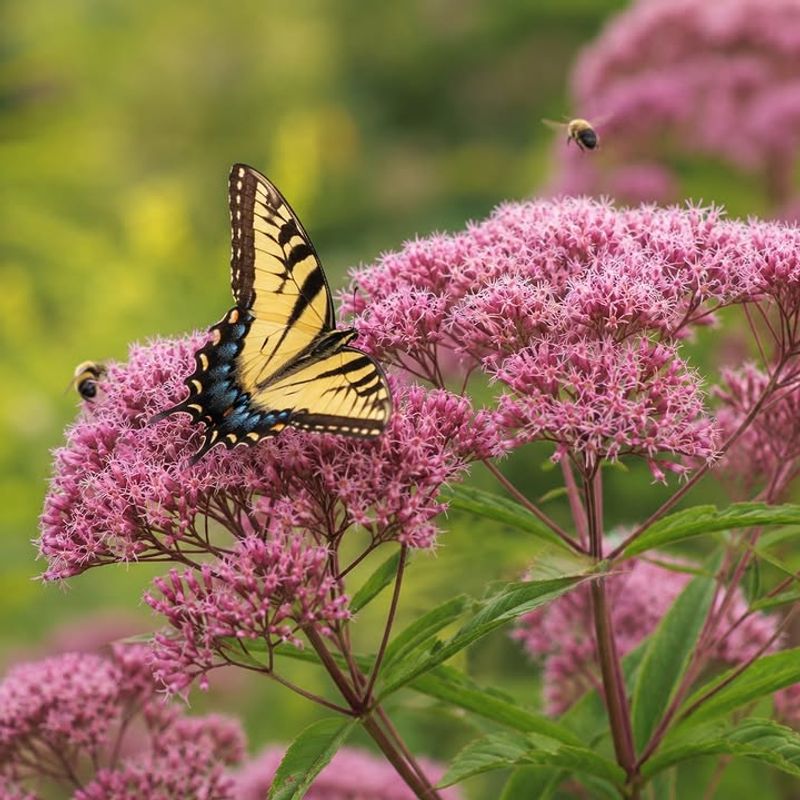
Do not let the word weed fool you. Joe Pye weed is one of the most useful native plants a North Carolina yard can hold, and it saves its best for the hottest, tiredest stretch of the year.
Joe Pye weed (Eutrochium purpureum) rises four to seven feet tall and crowns itself with dusty-pink flower clusters in August and September. When butterflies are desperate for late-season food, this plant is packed like a rest stop on a holiday weekend.
It leans a little different from the others here. Rather than dry ground, it likes moist soil, so it shines in that low corner of the yard where water tends to sit after a summer storm.
Give it full sun to part shade and space plants about three feet apart, because it fills out into a broad clump. Water during dry spells the first year, then it mostly handles itself.
NC State Extension points to Joe Pye weed as a standout for supporting pollinators, and fall monarchs stopping through on their long trip south will work it for days. Plant it once, and you have anchored a whole butterfly bed with a single quiet giant.