8 California Native Shrubs That Beat Photinia For A Fast-Growing Hedge
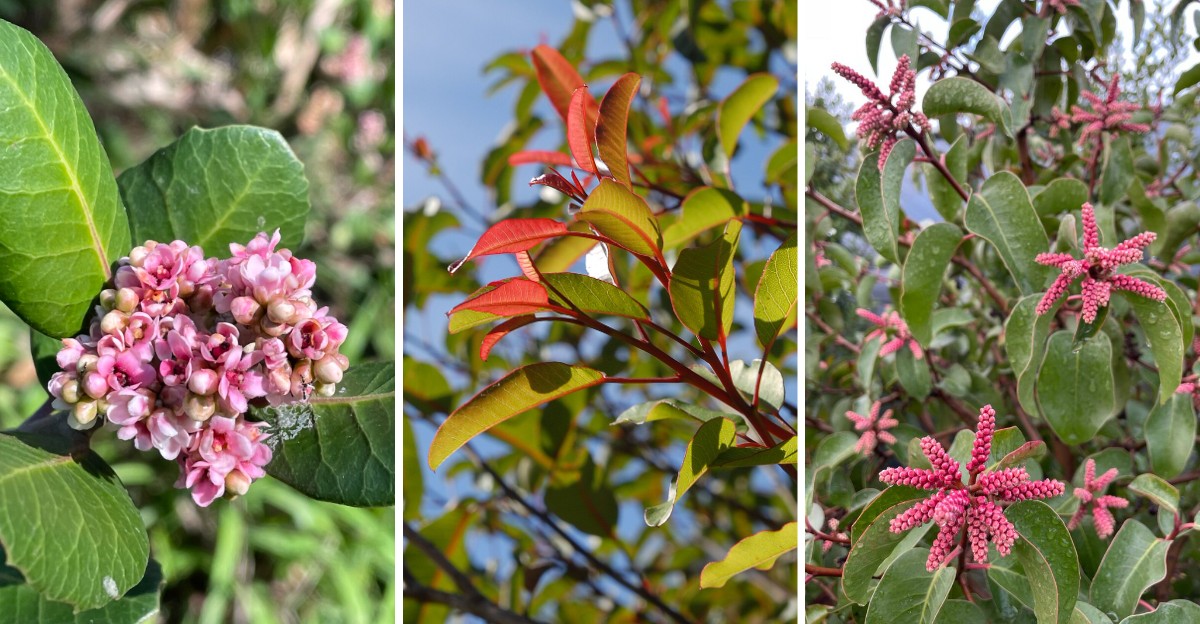
A tiny fungus named Entomosporium has stripped countless red tip hedges down to bare, spotty twigs across the South. Clemson experts now advise against planting photinia for hedges at all, which surprised me when I first read it.
Those same red spots show up on photinia in California gardens too, especially after wet springs and sprinkler splashes. Meanwhile, some wild shrubs growing on our hillsides can shoot up ten feet in under two years.
I love how these local plants shrug off summer drought once their roots settle into native soil. You also get berries for hungry birds and far less spraying than a fussy imported hedge demands.
Personally, I think a California hedge should feel at home here, not like a needy guest from elsewhere. So which tough local shrubs can outgrow that red tip hedge and still look great by next summer?
1. Ray Hartman Ceanothus
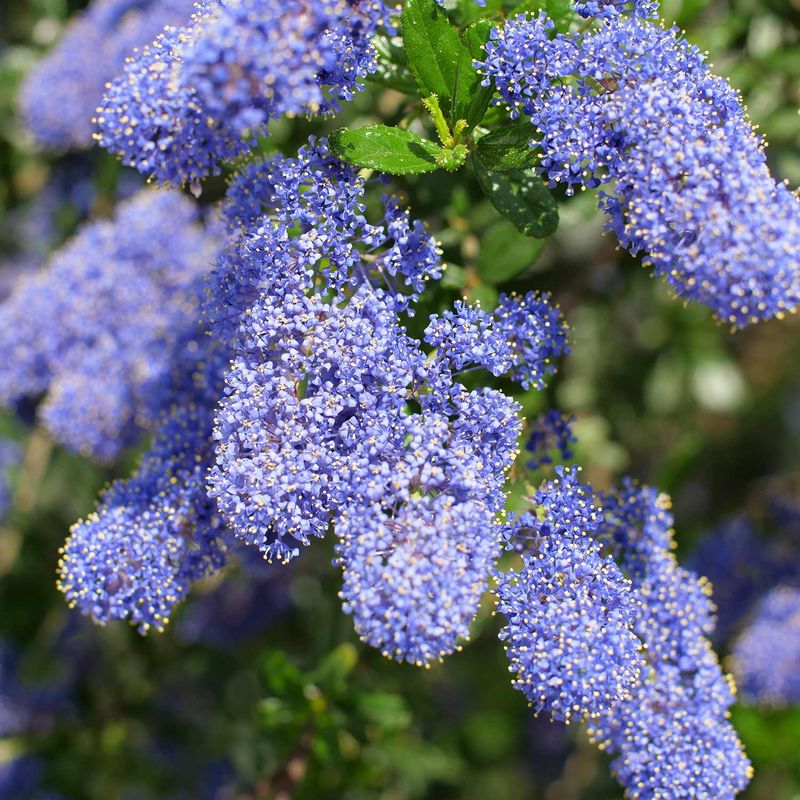
Few hedges go from nursery pot to privacy screen as fast as this hybrid wild lilac does. Growers report it reaching ten feet in about eighteen months, which honestly made me double check my tape measure.
Late winter brings the real show, when fat spikes of medium blue flowers cover the glossy green leaves. Bees find those blooms quickly, and the whole shrub hums like a tiny busy airport for several weeks.
Mature plants usually reach twelve to twenty feet tall and wide, so give them plenty of elbow room. I suggest spacing them six to eight feet apart if you want a thick, seamless green wall.
Full sun or light shade works fine, and the roots tolerate heavy clay better than most ceanothus. Once established, it handles drought well, though an occasional deep summer soak keeps the foliage looking fresh.
Shearing is no problem for this shrub, which surprises people who think wild lilacs hate the clippers. Prune right after flowering, and avoid cutting deep into old bare wood, since regrowth there is often slow.
Deer sometimes nibble the tender new tips, so a simple wire cage helps young plants get started. Hardy to roughly ten to fifteen degrees, it suits most coastal and valley gardens across the state.
Many plants live past twenty years, especially when you resist the urge to water them like lawns. Honestly, I can’t think of a faster way to swap red leaf spots for clouds of blue.
2. Toyon
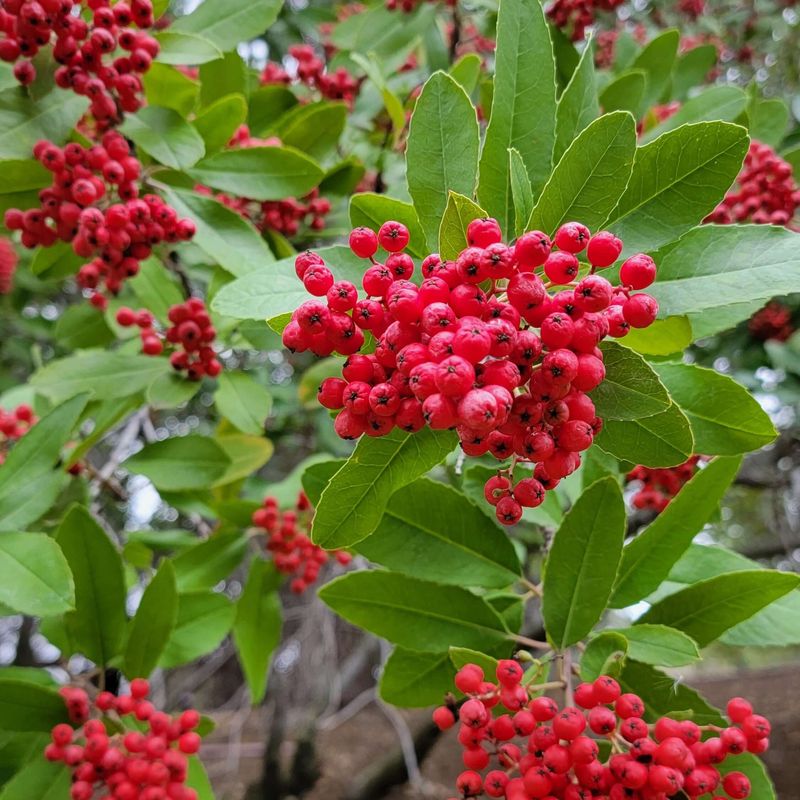
Hollywood supposedly got its name from this shrub, since early settlers called its berry-covered branches California holly. I love that a hedge plant comes with such a glamorous backstory and a bright red winter wardrobe.
Toyon, or Heteromeles arbutifolia, wears leathery toothed leaves in deep green that stay put all year long. Small white flower clusters appear in late spring or early summer, and bees visit them eagerly.
Growth can feel slow the first year, but after that you may see one to two feet annually. In good conditions, plants can hit ten feet within about three years, forming a dense living fence.
Mature size usually lands around eight to fifteen feet tall, though old specimens can grow much larger. Pruning is well tolerated, so you can shape a formal hedge or let it stay loose and natural.
Inland gardeners should give it some afternoon shade, while coastal yards can offer full sun without worry. Clay or sand both work, but soggy soil invites root rot, so water deeply but infrequently once established.
Winter berries feed robins and cedar waxwings, turning your hedge into a lively bird cafe when food runs short. Raw berries contain compounds that can upset people, so cook them first if you try them.
Watch for fire blight on new shoots, and snip infected tips well below the blackened section. Personally, I think a hedge that hosts a winter bird party beats any plain green wall around.
3. California Coffeeberry
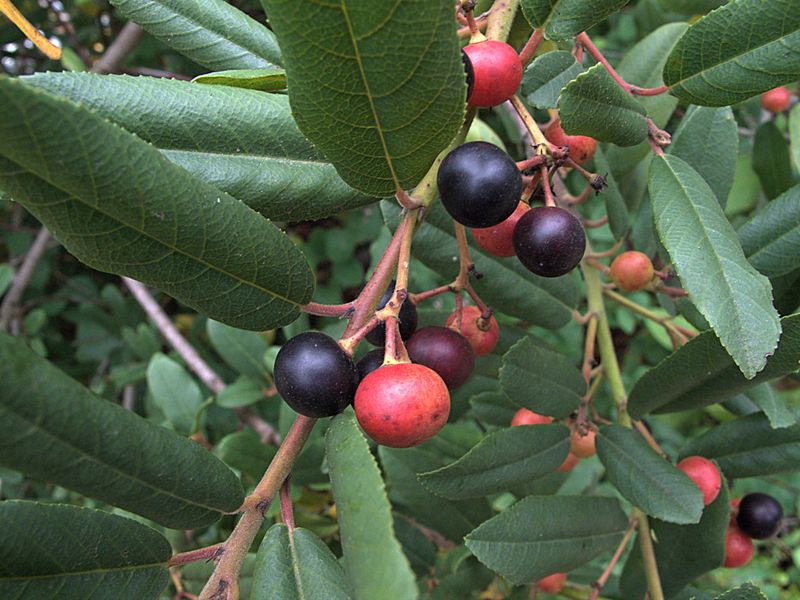
Those glossy berries look exactly like coffee beans, but please don’t try brewing them into your morning cup. Coffeeberry earned its name from that resemblance, and the fruit shifts from green to red before ripening black.
Botanists now call it Frangula californica, though older books and nursery tags still list it as Rhamnus. Whatever the label says, you’re getting a dense evergreen with glossy, oval leaves in rich green.
Young plants often jump to four to six feet fairly quickly, then slow down as they fill out. Most settle at six to ten feet tall and wide, which suits a medium privacy hedge nicely.
Sun or part shade both work, and the roots handle many soil types as long as drainage is decent. After establishment, a light summer watering once or twice a month keeps leaves glossy without causing trouble.
The tiny greenish flowers barely catch your eye, yet bees and other pollinators seem to find every one. Later, birds like thrushes and band-tailed pigeons feast on the ripe fruit as summer turns to fall.
Deer usually leave coffeeberry alone, which makes it a smart pick for hillside and rural yards. If space is tight, the cultivar Eve Case stays more compact and still makes a tidy screen.
What amazes me most is how long these shrubs can live, with some estimates topping a century. Plant one now, and your grandkids might still be trimming that same hedge on a sunny weekend afternoon.
4. Sugar Bush
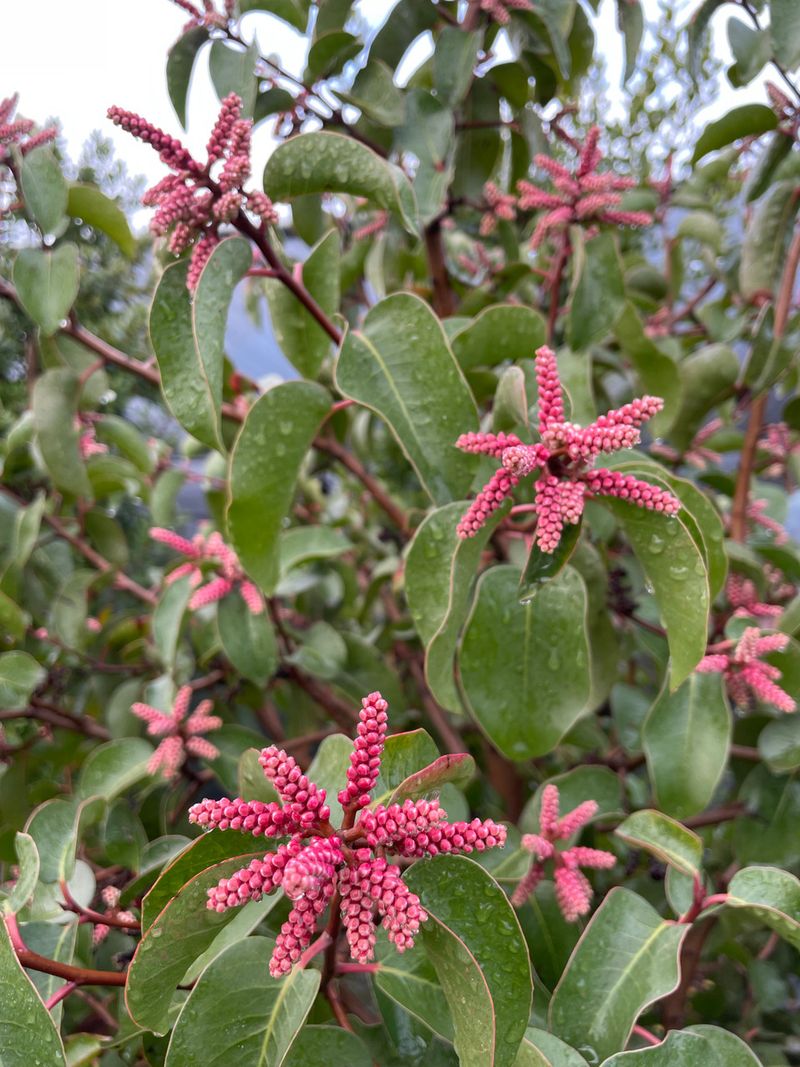
Sugar bush gets its sweet name from the sticky coating on its berries, which tastes faintly sugary. Native people reportedly sucked on the fruit as a treat, and I find that little detail delightful.
Rhus ovata keeps thick, leathery leaves all year, often folded along the middle like little green tacos. In late winter, red buds open into clusters of pale pink and white flowers on stubby spikes.
Patience pays off here, because young plants sit still for a while before suddenly taking off. Growers note that a five gallon plant can reach roughly ten feet in about three years after planting.
Full sun gives the fastest growth, and sharp drainage matters more than rich soil for this tough shrub. Water no more than about once a month in summer, since soggy roots cause far more trouble than drought.
Expect a dense mound around eight to fifteen feet tall and wide in most home gardens. Light trims or harder cuts are both fine, so shaping an informal screen is pretty easy for beginners.
Wear gloves while pruning, because the sap of this sumac relative can cause a rash on some people. Deer mostly ignore it, and it handles cold down to roughly ten to fifteen degrees Fahrenheit.
Inland gardeners in hot valleys especially love it, because it shrugs off summer heat that frazzles thirsty hedges. I have to admit those glossy leaves look classier than any spotted photinia I’ve ever trimmed.
5. Lemonade Berry
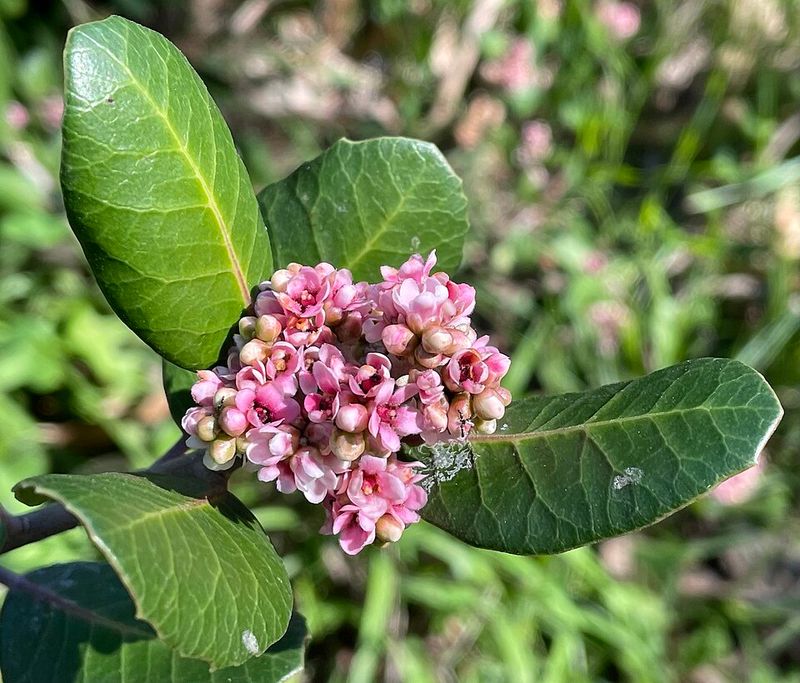
Lick a sticky lemonade berry, and you’ll notice a tart, lemony coating that explains its cheerful name. People once soaked the fruit in water to make a sour drink, which feels like a summer camp memory.
Rhus integrifolia grows along coastal bluffs, so salty breezes and sandy soil rarely bother it at all. Its leathery leaves stay dark green all year and give off a mild scent when crushed.
Once roots settle in after a slow first season, growth speeds up to roughly one to three feet yearly. Most garden plants end up six to ten feet tall, spreading wider than they grow upward.
What I love most is how kindly it accepts shearing, even into a neat hedge at any season. Experienced native gardeners even sculpt it into clean boxy shapes that look surprisingly formal along driveways.
Pink and white flower clusters open between February and May, and bees crowd around them on warm days. Birds later pick off the flat red fruit, so your hedge doubles as a snack bar.
Frost is its weak spot, since temperatures below about twenty to twenty-five degrees can damage tender growth. Coastal and mild southern gardens suit it best, while chilly inland valleys may need a hardier option.
Full sun keeps it dense, and once established it needs very little supplemental summer water at the coast. It also holds slopes together nicely, which makes it a longtime favorite for steep, eroding backyard banks.
6. Laurel Sumac
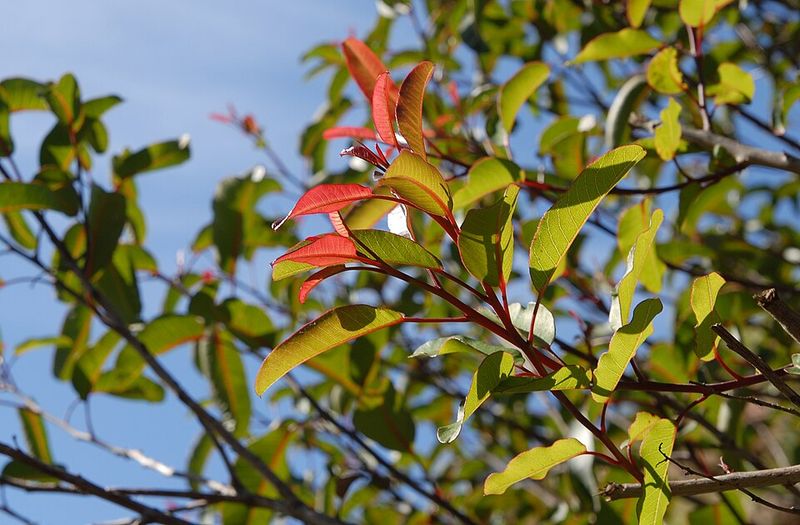
Crush a laurel sumac leaf and you’ll catch a sharp, resinous scent that hangs in the warm afternoon air. Red stems and reddish leaf veins add a bonus splash of color that I adore up close.
Malosma laurina is one of the speediest native screens around, especially when it gets a little extra water. Plants can reach ten to twenty feet tall and nearly as wide, so plan for a big footprint.
Too much water makes it grow so fast that branches can get floppy and even topple over. I recommend deep, occasional watering during establishment, then backing off once roots dig deep into the ground.
Late spring brings frothy plumes of tiny white flowers that smell sweet and draw plenty of buzzing visitors. Small whitish fruits follow the blooms, and birds happily pick through them later in the season.
Frost is the big catch, because this shrub struggles when temperatures dip below about twenty-five degrees. Coastal Southern California yards and mild foothill gardens suit it far better than cold, frosty inland basins.
Give it full sun and well-drained soil, and it will look lush when summer hillsides turn gold. Heavy pruning is no disaster, because established plants resprout vigorously from their base after a hard cut.
Expect a fair amount of leaf litter, so I’d keep it away from pools and patio furniture. Placed along a back fence line, though, it becomes a fragrant green wall that birds visit often.
7. Pacific Wax Myrtle
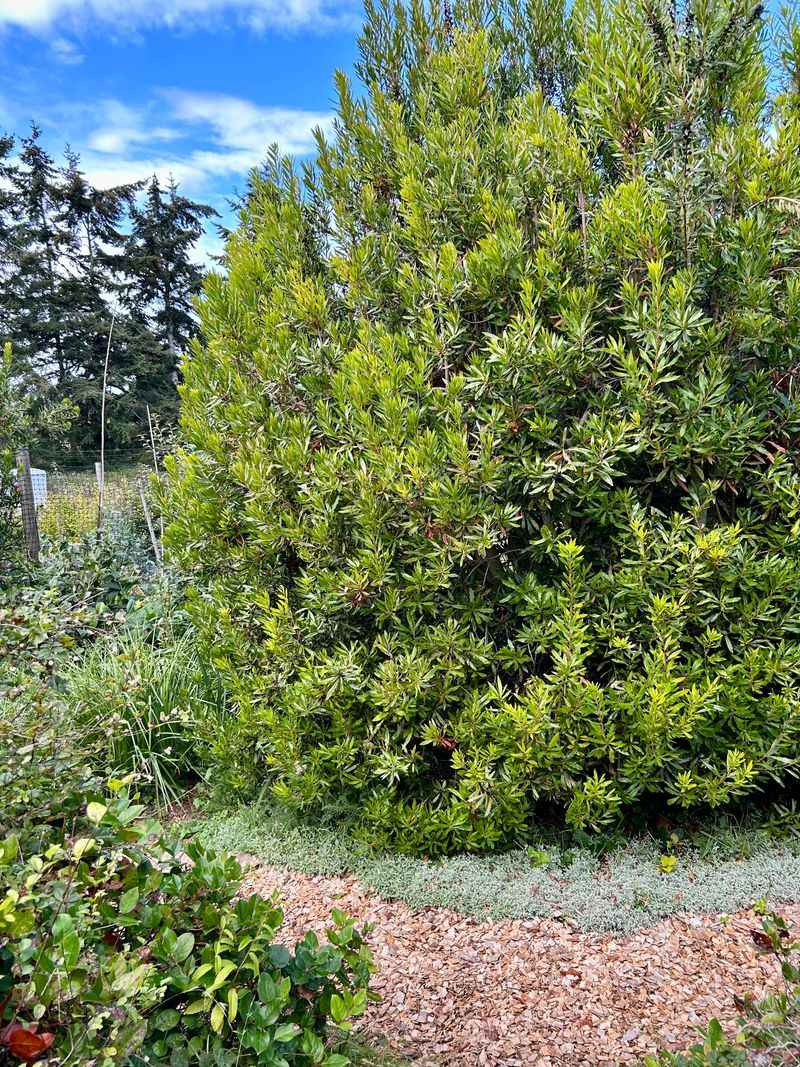
Tiny root nodules on this shrub team up with soil bacteria to pull nitrogen right out of the air. That means Pacific wax myrtle basically feeds itself, which feels like cheating in the best possible way.
Morella californica grows naturally along the coast from Southern California to Washington, often in foggy, breezy spots. Its narrow, glossy leaves stay green all year and give off a light spicy scent when brushed.
Growth is fast, and plants can eventually top ten to twenty feet if you let them roam. Regular shearing keeps it much shorter, and the dense branching creates a solid screen that blocks nosy views.
Salty wind barely fazes it, so beach gardeners finally have a tidy hedge that won’t sulk. Full sun or part shade works, and it tolerates sandy soil along with heavier clay in many yards.
Unlike some desert natives, it appreciates moderate summer water, especially in hotter inland gardens away from fog. A deep soak every week or two during dry spells usually keeps the foliage thick and handsome.
The spring flowers are small and easy to miss, but the purple, waxy berries that follow are charming. Birds such as yellow-rumped warblers love that wax, which is a fun fact I share often.
Space plants about four to six feet apart for a hedge, and trim lightly a few times yearly. I believe it’s the closest native match to photinia’s polished look, minus those ugly spotted leaves.
8. Upright Coyote Brush
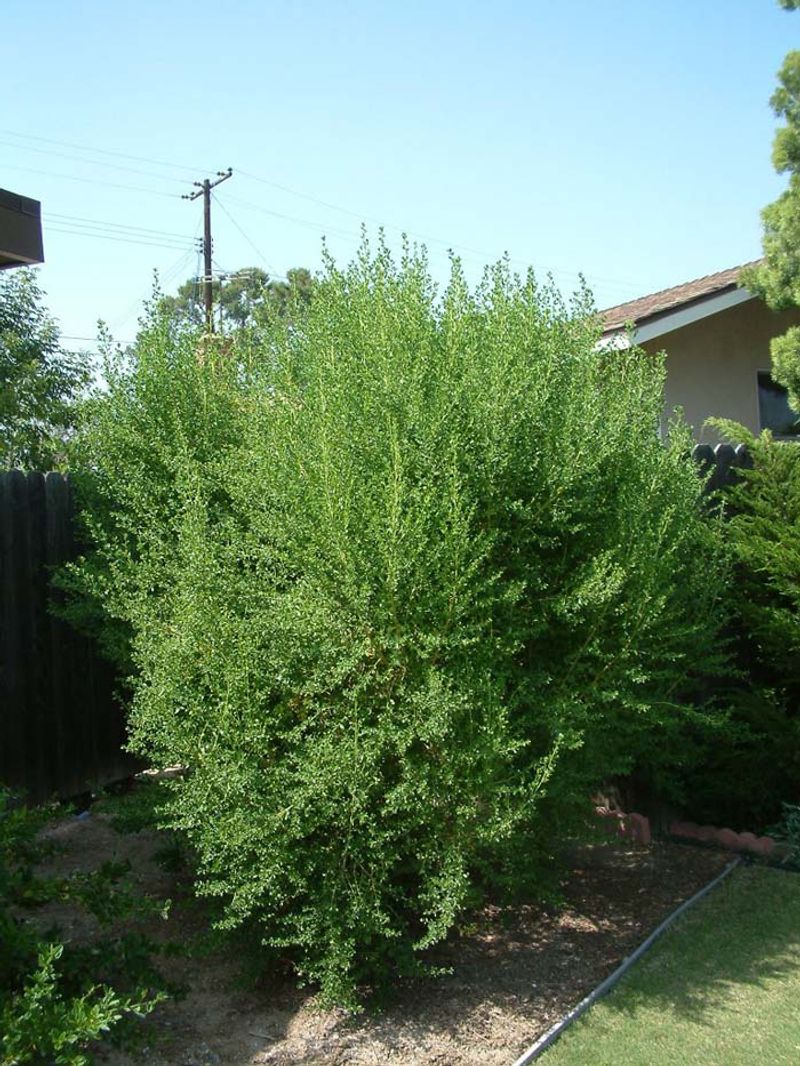
Coyote brush blooms when almost everything else in the garden has gone quiet, sometime between late summer and winter. Those small whitish flowers become a lifeline for late season bees and other insects hunting for nectar.
Baccharis pilularis comes in two main shapes, a low groundcover form and a taller upright form for screening. For a hedge, you’ll want the upright type, which grows quickly to roughly six to ten feet.
Its small, toothed evergreen leaves pack together tightly, so a row of plants forms a scrappy green barrier. I like how it looks wild and relaxed, perfect for yards that blend into open hillsides.
Plants are either male or female, and female plants release fluffy white seeds that drift around in autumn. If that fluff bugs you, ask your nursery for male plants, which skip the seed show.
Coastal gardens can often skip summer watering once roots are established, since ocean fog does much of the work. Hot interior valleys are different, and a monthly deep soak helps plants stay full and green.
Full sun suits it best, though light shade is fine, and it handles salty spray with ease. Deer usually pass it by, which makes this shrub a relief for gardeners near open wildland.
Older plants can get woody, so cutting them back hard in late winter encourages fresh, dense growth. Honestly, I’d take this tough, scrappy local over a spotted photinia hedge on any day of the week.