The Midnight Gliders Of Minnesota Arrive Right After Sunset
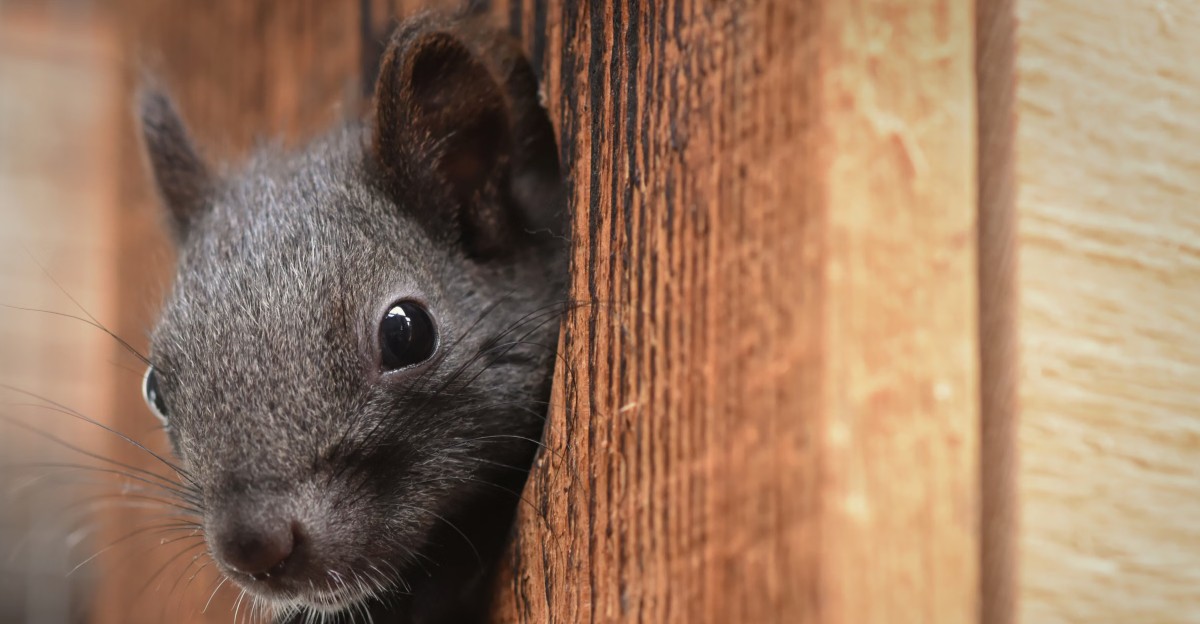
Under a blacklight, their fur glows bubblegum pink. Researchers stumbled onto that secret in neighboring Wisconsin in 2017, and I still grin every time I think about it.
The animals behind it weigh about as much as a deck of cards. They sleep through the day in old woodpecker holes, then slip out once the sky turns deep blue. Most people in Minnesota live near them and have no clue.
I spent years blaming every quick shadow near my maple on bats. A little evidence at my feeder changed my mind fast. Seed was disappearing well after the chickadees had gone to bed.
You might notice the same odd clues in your own Minnesota yard. A soft chirp too high for most ears, a flicker between branches, a nibbled sunflower shell on the deck.
So who exactly is working the night shift out there? The answer: flying squirrels, the small glider-mammals that have been quietly raiding Minnesota feeders after dark all along.
That Shadow Sailing Between Your Oak Trees Has Furry Wings
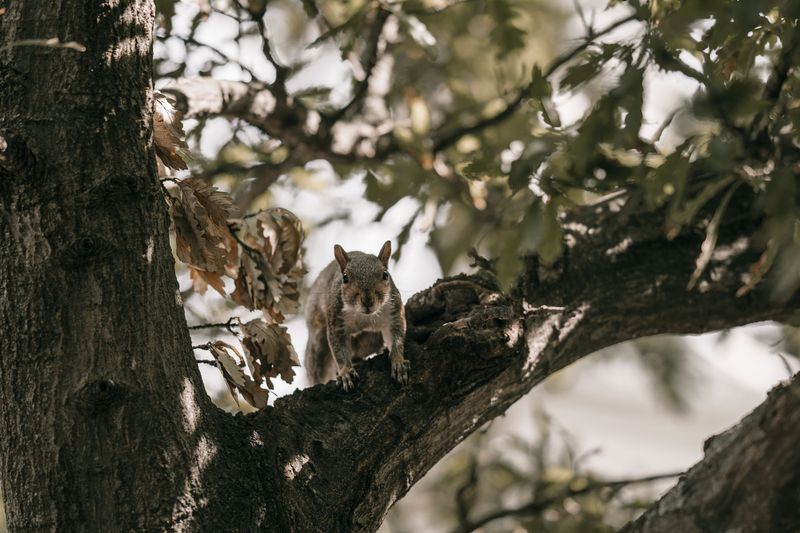
My first real sighting lasted maybe two seconds. A flat, pancake-shaped silhouette launched from a high oak branch and landed on a trunk across the yard without a sound.
That silent traveler was a flying squirrel, and Minnesota has plenty of them. They do not flap or truly fly.
Each one has a stretchy fold of furred skin called a patagium that runs from wrist to ankle. When a squirrel leaps and spreads its legs, that skin opens like a little parachute.
Glides of 20 to 30 feet are common, according to wildlife experts. Longer trips well past 100 feet happen when a squirrel launches from a tall tree. The flat, fluffy tail works like a rudder for steering.
Right before landing, the squirrel tilts its body upward to slow down. It hits the trunk feet first, then often scoots to the other side of the tree. Scientists think that quick shuffle helps it dodge owls that may be following.
You can learn to spot them by watching for movement that drops downward at a smooth angle. Bats zigzag and flutter. A glider moves in one clean slanted line, almost like a tossed paper airplane.
Flying Squirrels Wait for Real Darkness Before Leaving the Nest
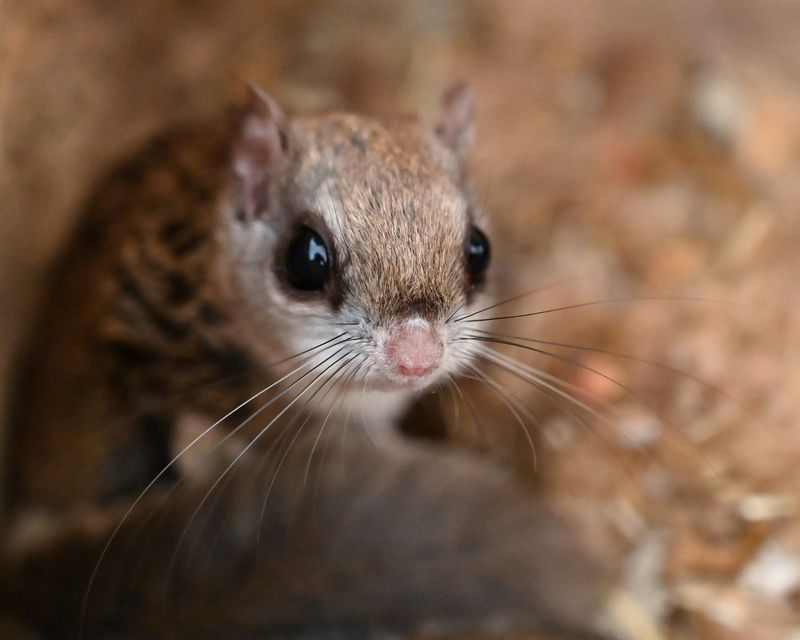
Timing is everything with these little night owls. Flying squirrels are the only squirrels in Minnesota that are mostly nocturnal, and they tend to leave their nests shortly after sunset.
Most activity happens in the first couple of hours after dark, with another burst before dawn. That pattern explains the title of this whole story. If you head inside right when the sun drops, you are leaving just as the show begins.
Their huge dark eyes are the secret to this schedule. Big eyes gather more light, which helps them judge branches and landing spots in very dim conditions. Red and gray squirrels lack that night vision, so they head to bed while the gliders wake up.
I like to step outside about 30 to 45 minutes after sunset. Pick a calm evening, wear dark clothes, and keep chatter low. Wind and noise seem to keep them tucked in longer.
Winter does not stop them either. They do not hibernate, though on bitterly cold nights they may stay inside and huddle with roommates.
Several squirrels sometimes share one cavity to stay warm. Mild winter evenings can be surprisingly good for spotting them around feeders.
Two Kinds of Gliding Squirrels Share the North Star State
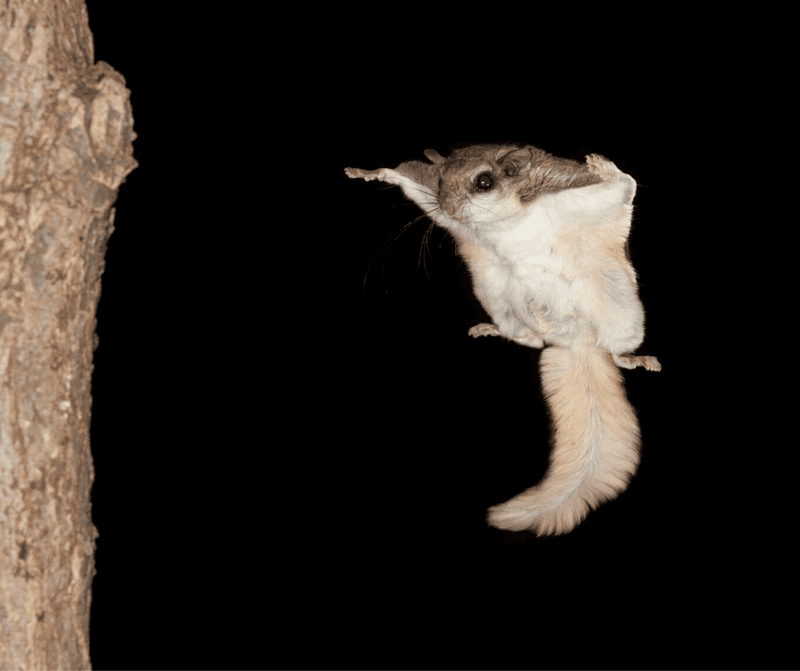
Here comes the twist many people miss. Minnesota hosts two species, the southern flying squirrel and the northern flying squirrel.
The southern flying squirrel is the smaller one, measuring around 8 to 10 inches including the tail. It favors hardwood forests with oaks, maples, and hickories, so it shows up more in the southern and central parts of the state.
Its belly fur is white all the way down to the skin. The northern flying squirrel is a bit larger, reaching about 10 to 12 inches. It prefers conifer and mixed forests, which makes it common across the northern woods.
Part its belly fur and you would see gray near the base with lighter tips. Both wear soft brownish-gray coats and have those giant shiny eyes. Honestly, telling them apart at night with a flashlight is tough.
Location gives you the best first guess. The two ranges overlap in some central regions. Researchers have even recorded rare hybrids in places where both species mix.
If you get a clear photo, it is fun to share it with the Minnesota DNR or a local nature center. Sightings help experts track where each species lives.
Your Bird Feeder Might Be Their Favorite Late Snack Bar
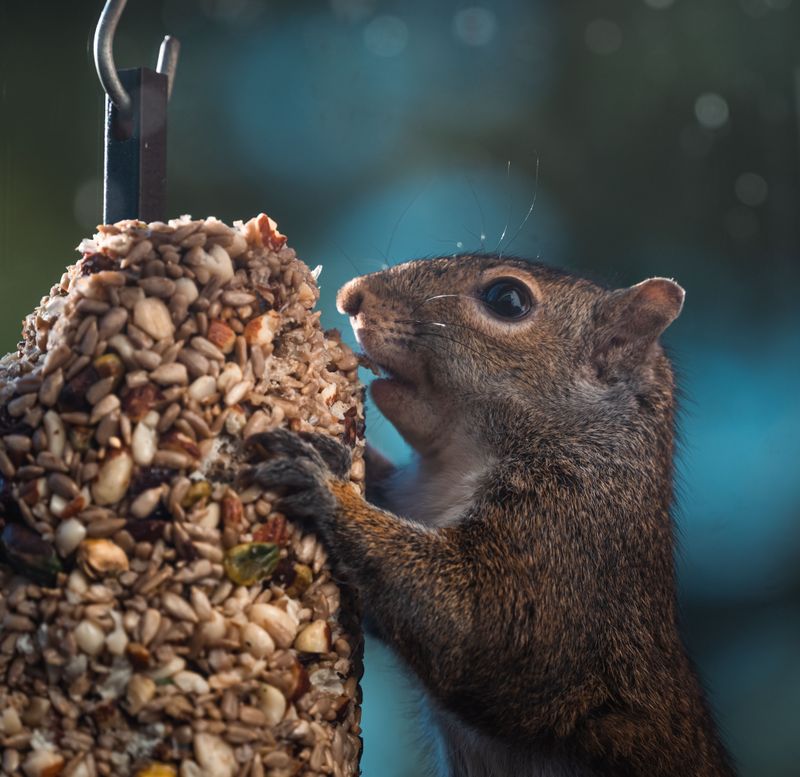
Missing seed was my first clue. The feeder looked full at dusk and half empty by breakfast, even though no deer or raccoons had touched the pole.
Flying squirrels eat a wide menu. Nuts, acorns, seeds, berries, tree buds, insects, and even bird eggs show up in their diets.
Northern flying squirrels also eat lots of fungi, including underground truffles they dig up from the forest floor.
Black oil sunflower seeds and peanuts are big favorites at backyard feeders. Platform feeders and tube feeders attached near tree trunks get the most visits. They may also lick sweet sap from wounds that sapsuckers drill in trees.
Want to see them yourself? Keep a feeder stocked into the evening and place it within easy gliding distance of a big tree. A dim porch light or a red-filtered flashlight lets you watch without spooking them much.
One fun habit to look for is food storage. They tuck seeds and nuts into bark cracks and cavities to eat later.
Their caches help them get through the long Minnesota winter, when fresh food runs short. You may find little stashes tucked into the bark of nearby trees.
Old Woodpecker Holes Make Perfect Glider Bedrooms
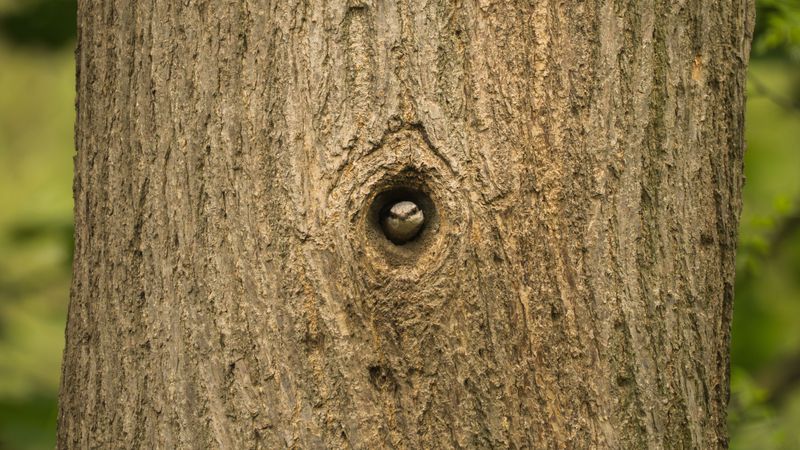
Woodpeckers are basically the house builders of the forest. Flying squirrels rarely dig their own homes, so they move into old woodpecker cavities and natural tree hollows.
Mature trees matter a lot here. Big oaks, maples, aspens, and pines tend to develop the holes these squirrels need. When older trees are removed, the local glider crowd often loses its housing.
Some squirrels also build leafy nests called dreys or use nest boxes put up for birds. Inside, they pad the space with shredded bark, moss, and soft plant fibers. In winter, a cavity can hold several squirrels snuggled together for warmth.
If you own a healthy older tree with a hole or two, consider leaving it alone when it is safe to do so. Standing snags away from houses and paths can also shelter many cavity animals. Always check with an arborist if a tree could fall on something important.
A wooden nest box can help too. Use an entrance hole about 1.5 inches wide and mount it 10 to 20 feet up a trunk. Face it away from strong winds. Clean it out in late summer between nesting seasons.
Shine a UV Flashlight and the Flying Squirrel Fur Turns Pink
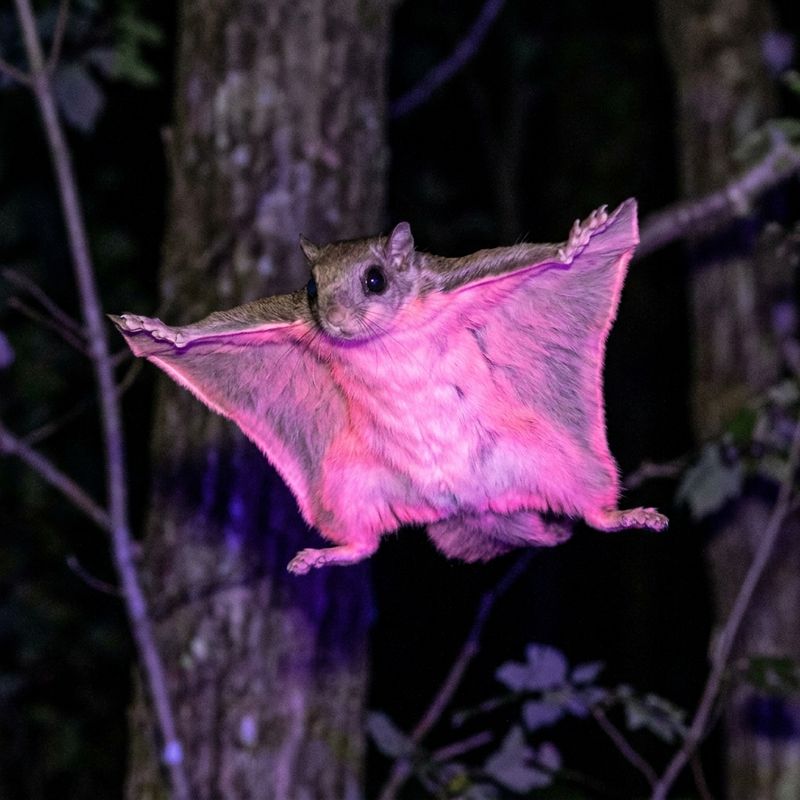
Talk about a party trick nobody expected. In 2017, a forestry professor at Northland College in Wisconsin shined an ultraviolet flashlight on a flying squirrel and saw its fur glow pink.
His team then checked museum specimens, including ones from Minnesota. Both northern and southern flying squirrels showed the same pinkish glow on their undersides. The results were published in the Journal of Mammalogy in 2019.
Nobody knows for sure why it happens. Scientists have floated a few ideas, such as helping squirrels recognize each other or blending in with lichens that also glow under UV. None of those ideas has been proven yet.
The glow is invisible to our eyes in normal light. It only appears under a UV lamp, so you will not see pink squirrels at your feeder. Still, it adds to the fun of knowing they are out there.
Please skip trying this on wild squirrels. Chasing or handling them causes stress, and bright beams can disrupt their night.
Museums and nature centers sometimes share photos of the effect instead. Platypuses and some opossums turned out to glow too, which made the discovery even more interesting.
Scratching in the Attic Could Mean a Flying Squirrel Moved In
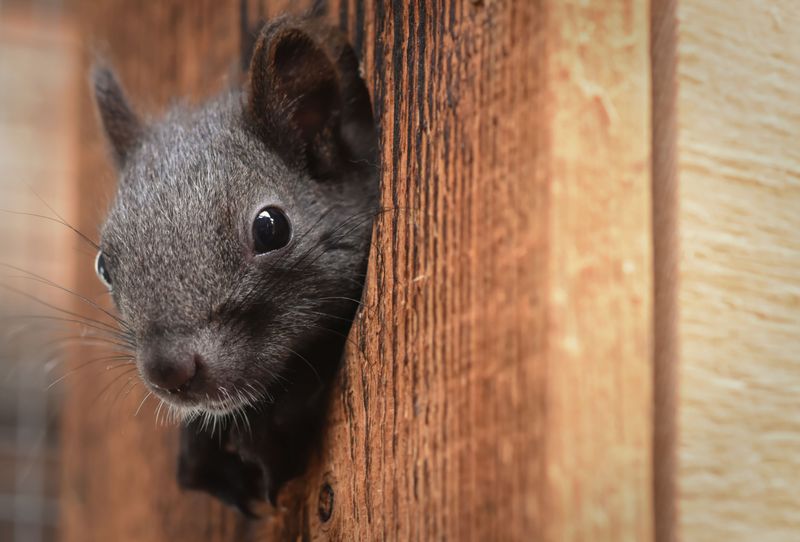
Late-night scurrying overhead is a classic sign. Flying squirrels are small enough to squeeze through gaps about the size of a quarter, and attics feel just like big cozy tree hollows.
Fall is the busy season for this problem. As temperatures drop, groups look for warm winter quarters.
Nighttime noise right after dark and again before dawn usually points to gliders, not red squirrels, which stay active by day.
Once inside, they can chew insulation, wood, and wiring and leave droppings behind. Prevention works far better than eviction.
Trim branches back at least 8 to 10 feet from the roofline so they cannot glide straight onto your house.
Walk around the home and look for gaps along soffits, vents, chimneys, and roof edges. Seal holes with sturdy hardware cloth or metal flashing, since they chew through softer materials.
Timing is key if squirrels are already living inside. Avoid sealing them in, especially in spring and late summer when babies may be present.
One-way exclusion doors let them leave but not return. For tricky cases, a licensed wildlife control operator can help. The Minnesota DNR also offers guidance on nuisance wildlife rules.
Plant Oaks and Keep Old Trees to Welcome More Night Gliders
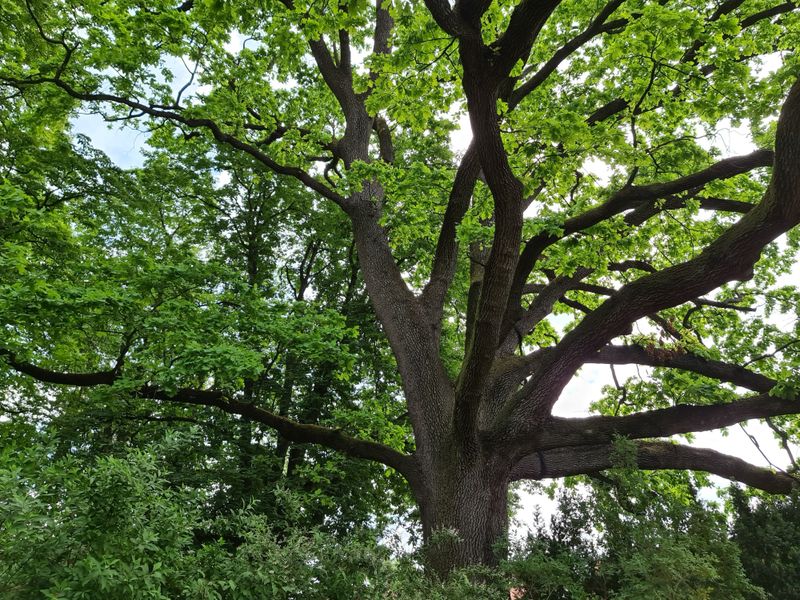
Some of the best gardening choices pay off years later. Planting native oaks is one of them, because acorns feed flying squirrels and the trees eventually grow cavities for nesting.
Bur oak, red oak, and white oak all grow well across much of the state. Native hazelnut shrubs, black cherry, and serviceberry add more food for many critters. Up north, keeping spruce, fir, and pine helps northern flying squirrels too.
Fall is a fine time to plant trees in Minnesota while the soil stays workable. Water new trees deeply until the ground freezes.
Mulch around the base, but keep it pulled a few inches back from the trunk. Small habits matter as well. Skip heavy insecticide use, since gliders eat insects.
Keep pet cats indoors at night, because cats catch more small wildlife than most people realize.
Then give yourself a simple evening ritual. Sit outside after sunset once or twice a week, flashlight off, eyes on the treetops.
My best sightings came on ordinary weeknights with nothing special planned. A tiny gray shape sailing past the moon is worth every mosquito bite, and your yard becomes a nighttime refuge for these gentle neighbors.