Virginia’s Tiny Venomous Mammal Is Smaller Than Your Thumb and Hunts Under the Snow
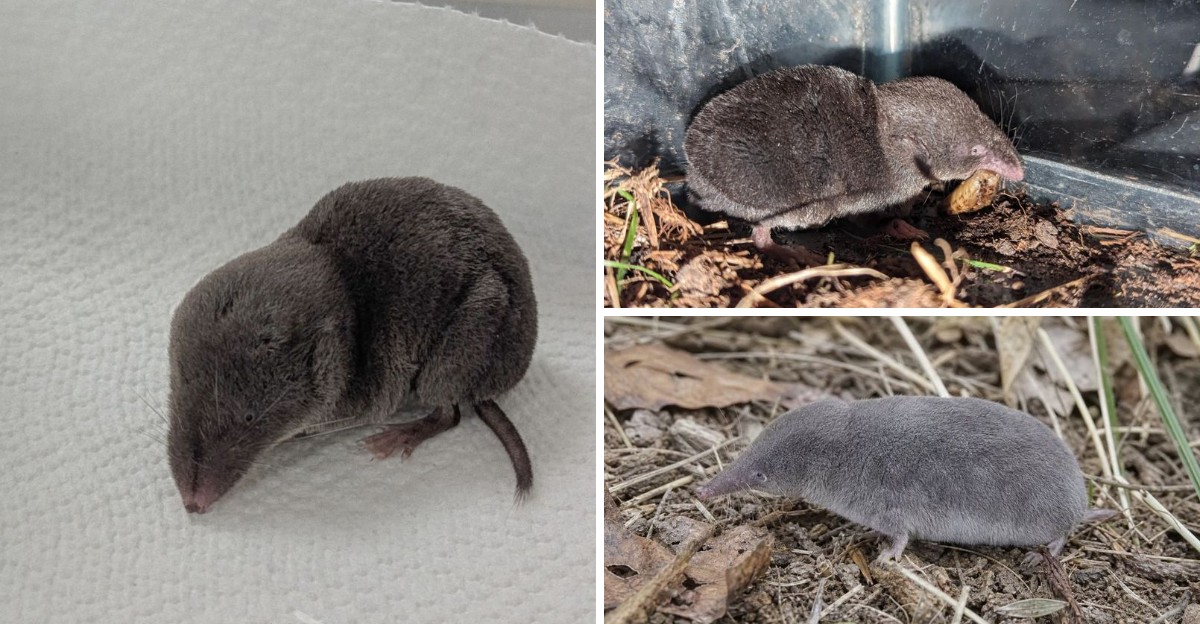
A tiny gray animal in Virginia carries venom in its spit and can paralyze a frog bigger than its own head.
Truth be told, I had no idea this little hunter shared my garden until I found one tunneling under a pile of oak leaves. It was soft, plump, and moving like a wind-up toy with somewhere urgent to be.
Here’s what caught my attention. This critter has no fangs, tiny eyes, and a nose that never stops twitching. It also skips winter naps and keeps hunting all season long, even when snow covers your beds.
If you ask me, the most surprising part is how much good it might be doing in your yard right now. So who exactly is chewing through the leaf litter beneath your boots, and should you be worried about it?
A Velvety Gray Hunter Is Hiding in Your Leaf Pile
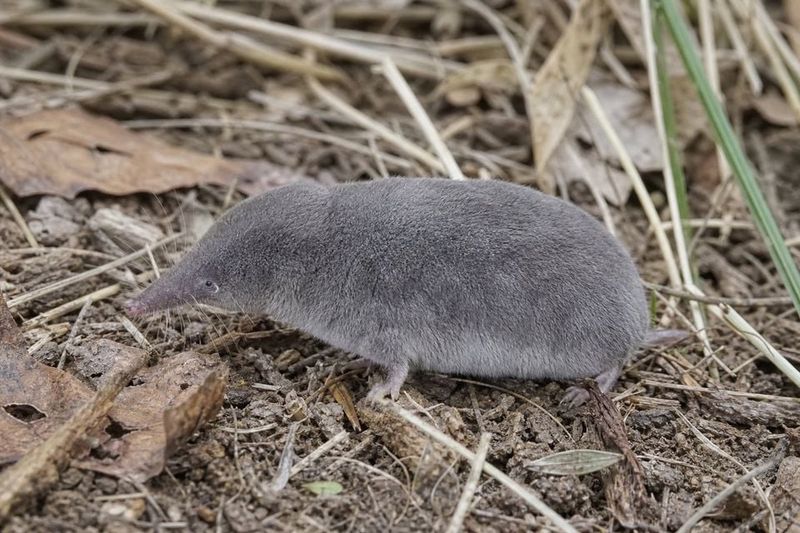
Most folks walk right past it. The northern short-tailed shrew, known to scientists as Blarina brevicauda, is the best-known venomous mammal living in Virginia.
Its body measures roughly 3 to 4 inches long, and the stubby tail adds only about an inch more. It weighs somewhere between half an ounce and one ounce, which is lighter than a couple of AA batteries.
Sure, the headline says smaller than your thumb, and that is a little playful. Its tail and feet certainly are, and the whole animal could curl up in your palm with room to spare.
You can spot one by a few clear features. Look for dense, velvety slate-gray fur, a long pointed snout, eyes so small they almost vanish, and ears hidden inside the fur.
Plenty of people mistake it for a mouse. Mice have big eyes, large ears, and long tails, so the difference is easy once you know it.
Moles are close cousins in looks, yet they have huge paddle-like front feet built for digging.
Shrews are not rodents at all. They belong to a group of insect eaters that includes moles.
If you lift a board or a pile of damp leaves and see a gray blur zip away, there is a fair chance you just met your yard’s tiniest predator.
Venom Flows Through Grooved Teeth Instead of Fangs
Snakes get all the attention for venom. A shrew does things differently, and the method is pretty clever.
Special glands under the jaw make a toxic saliva. Researchers call one of its key parts blarina toxin, a protein that affects the nervous system of prey.
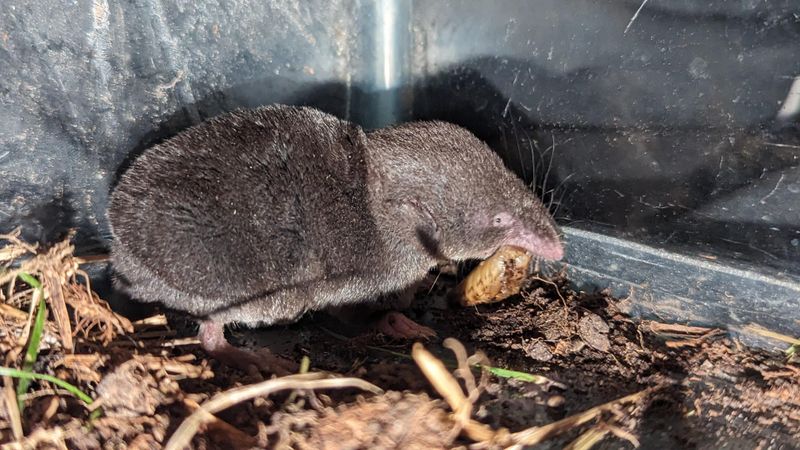
There are no hollow fangs involved. Instead, the venom moves along grooves on the lower front teeth and works into the wound as the shrew chews.
That chewing style means the shrew has to hang on and bite repeatedly. Its teeth even have reddish-brown tips, colored by iron that helps toughen the enamel.
So how strong is it? The venom can paralyze or overpower small animals, including insects, worms, salamanders, frogs, small snakes, and even mice.
Some of those victims are larger than the shrew itself.
Only a handful of mammals worldwide produce venom. The list includes the platypus, a few other shrews, solenodons, and vampire bats with their special saliva.
Your backyard neighbor sits in pretty rare company.
Scientists have studied blarina toxin and related shrew compounds for possible medical uses, including research into pain and certain cancers. That work is still in progress, so treat it as an interesting lead rather than a proven cure.
Snow-Covered Tunnels Become a Shrew’s Winter Hunting Ground
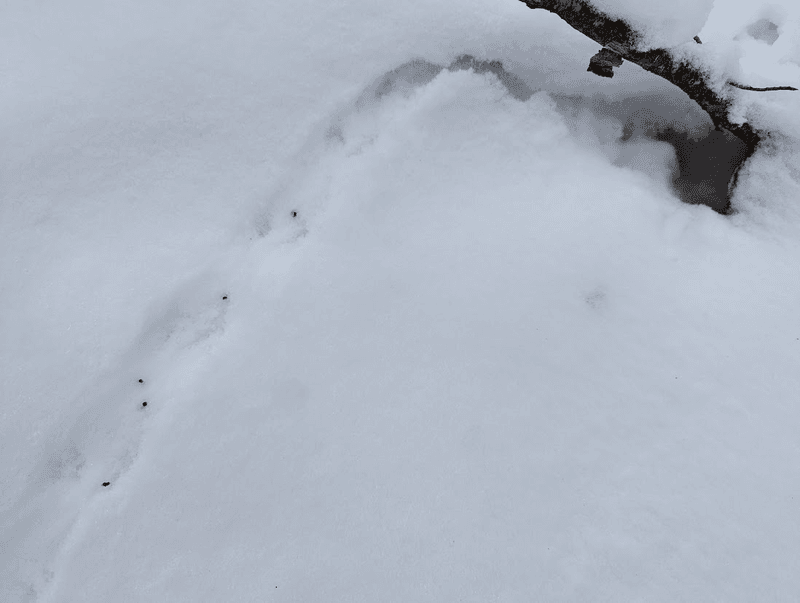
Snow falls, and your garden goes quiet. Underneath that white blanket, though, the hunting keeps right on going.
Short-tailed shrews do not hibernate. They stay busy all winter, day and night, moving through a hidden layer called the subnivean zone.
That is the pocket of space between the ground and the snowpack.
Snow works like a fluffy insulating quilt. Even when the air above drops well below freezing, the space near the soil often stays close to 32 degrees and stays steady.
Wind can’t reach it, and predators have a much harder time spotting what moves there.
Inside this secret world, shrews chase beetles, overwintering larvae, spiders, worms, and other small prey. They also borrow tunnels dug by voles and moles, which saves them energy.
In my own yard, I’ve noticed thin trails stamped into the grass right after a snow melts. Those squiggly lines often belong to voles, but shrews travel the same highways.
Deep, lasting snow is more common in the mountains of western Virginia than along the coast. In milder areas, shrews simply hunt under leaf litter, mulch, and logs instead.
Either way, a thick layer of cover is their winter lifeline.
That Racing Shrew Heartbeat Means Constant Eating
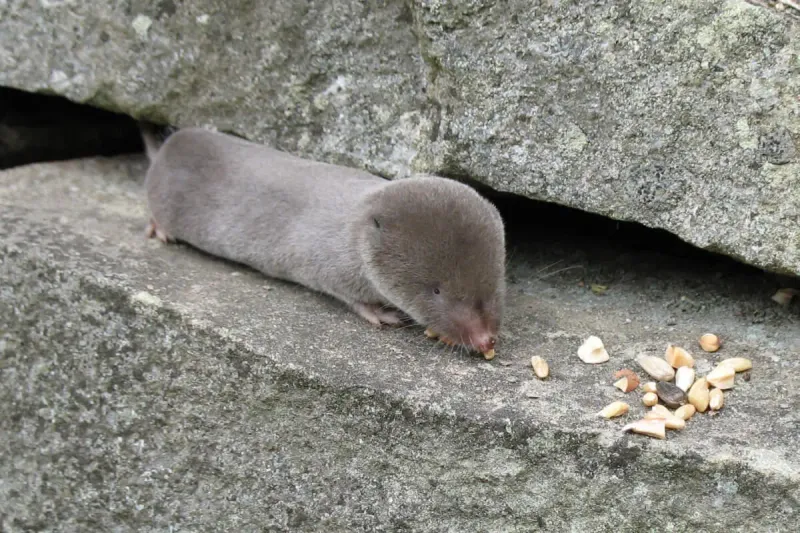
Here’s a fun comparison to share at dinner. A short-tailed shrew may eat up to three times its body weight in food each day, according to several wildlife sources.
Why so hungry? Tiny bodies lose heat fast, and shrews have a very high metabolism to keep warm.
Their hearts beat hundreds of times per minute. Going even a few hours without food can leave one in serious trouble.
That is where the venom earns its keep. Shrews can bite prey, paralyze it, and stash it away while it is still alive.
Studies have found cached snails and insects that stayed fresh for days, which is a handy trick for an animal that can’t afford an empty pantry.
Food stores matter even more in winter. Fewer insects are moving around, so a full cache can carry a shrew through cold snaps.
Short-tailed shrews also use a kind of echolocation. They make soft, high-pitched clicks and listen to the echoes to sense tunnels and objects nearby.
With eyes that barely see, this sound map helps them move through dark burrows.
Picture your own grocery bill if you ate three times your weight daily. Suddenly that nonstop scurrying makes a lot of sense.
Garden Slugs and Grubs Should Fear This Tiny Predator
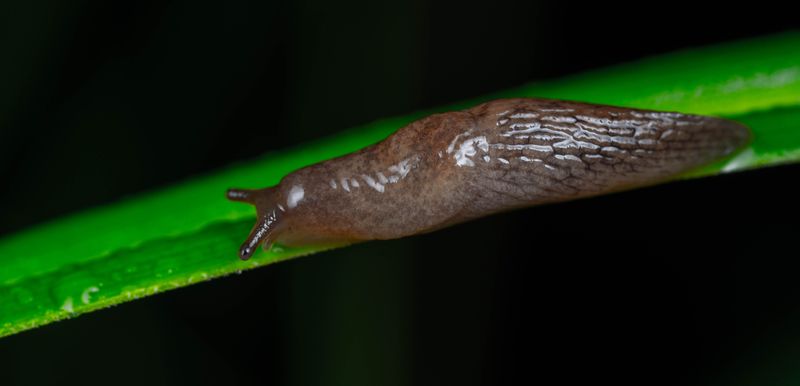
Let me save you some trouble. If you find a shrew in your beds, you do not need to chase it out.
Short-tailed shrews eat mostly invertebrates. Their menu includes slugs, snails, beetle grubs, caterpillars, grasshoppers, millipedes, spiders, and plenty of earthworms.
Many of those are the same critters chewing holes in your hostas and lettuce.
Shrews generally leave plants alone. They are not after your tulip bulbs, carrots, or seedlings.
When bulbs vanish, voles or chipmunks are usually the culprits, and shrews may even eat young voles and mice.
Now, they will gobble earthworms, which gardeners love. A healthy yard has plenty of worms to go around, so a few lost to a shrew rarely causes trouble.
I’m still learning to read the clues they leave. Small round holes about an inch wide near mulch edges, shallow runways under leaves, and a faint musky smell can all point to a shrew nearby.
That odor comes from scent glands and helps make shrews unappealing to many predators.
Cats still catch them often but usually leave them uneaten. If your cat drops a gray, tiny-eyed animal on the porch, you now know who it was.
A Shrew Bite on Your Hand Hurts but Rarely Causes Serious Harm
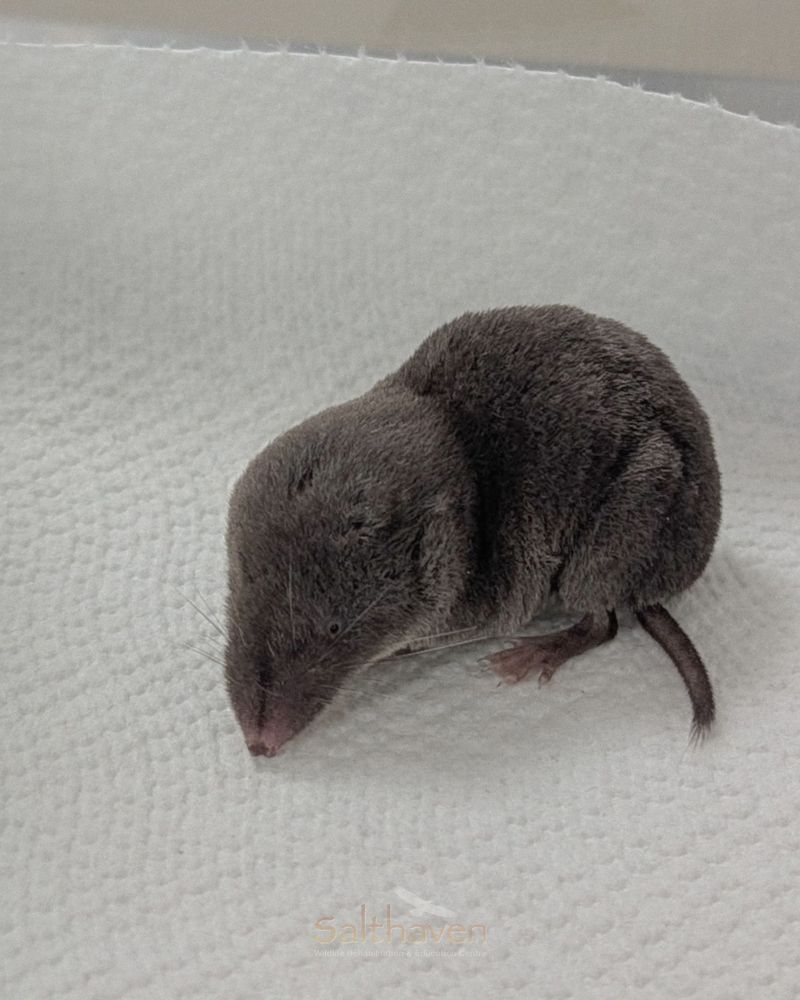
Don’t make my mistake of reaching bare-handed under a log. Shrews tend to bite when grabbed, and they mean it.
For people, a bite from a short-tailed shrew is painful but not dangerous for healthy adults. Reports describe burning pain, mild swelling, and soreness around the bite that can last for a few days.
The venom simply isn’t built for an animal our size.
Still, treat any wild animal bite with care. Wash the area well with soap and water, keep it clean, and watch for signs of infection like redness or warmth that spreads.
Call your doctor if pain worsens or if you have health concerns.
Rabies in shrews is very rare, but any mammal bite is worth mentioning to a medical provider. The Virginia Department of Health can also answer questions about wildlife exposure.
Prevention is simple. Wear sturdy gloves when moving boards, rocks, firewood, or compost piles, especially in damp shady spots.
Kids should learn to look and not touch. A shrew that feels trapped will squeak loudly and nip.
If one gets indoors, gently guide it outside with a broom or cover it with a container and slide cardboard underneath.
Moist Woodland Edges Make Perfect Shrew Real Estate
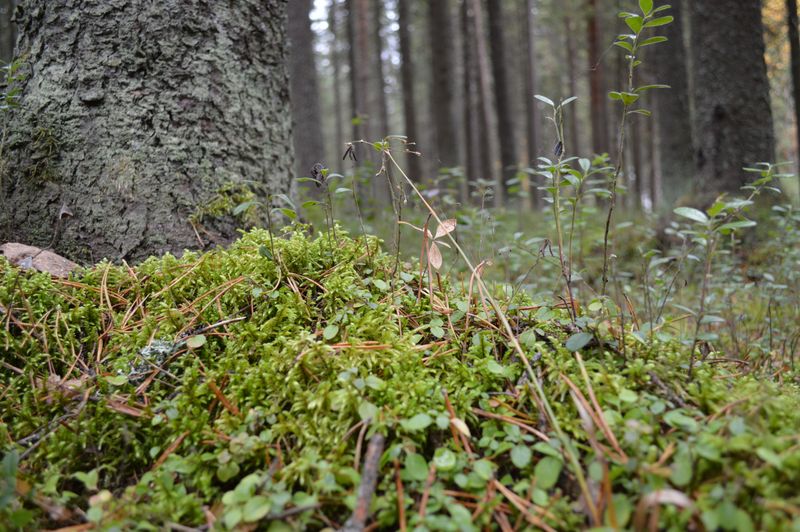
Shrews are not picky tenants, though they do love a damp neighborhood. You can find them across nearly all of Virginia, from mountain forests to coastal plain yards.
Wildlife sources describe them as especially common in the northwestern part of the state, where cool, moist woods are plentiful. Their favorite spots include wet forests, marsh edges, bogs, and any place with thick ground cover.
Gardens fit right in. Shrews show up in flower beds, vegetable plots, hedgerows, fence lines, and along country road edges, as long as there is shelter overhead.
Underground, they build nests of shredded grass and leaves, often below logs, stumps, or rocks. Runways spread out from these nests like little hallways.
Funny thing is, these loners can get social in winter. Several shrews sometimes share a nest during cold weather to save body heat.
The rest of the year, they mostly keep to themselves.
Short-tailed shrews may breed more than once a year, mainly from spring into early fall, and young grow up fast. Most live a year or two at best.
So if your property has a shady corner, a brush pile, or a soggy patch near a creek, odds are good a shrew already calls it home.
Leave Some Leaf Litter and Brush Piles for Your Snow-Season Shrews
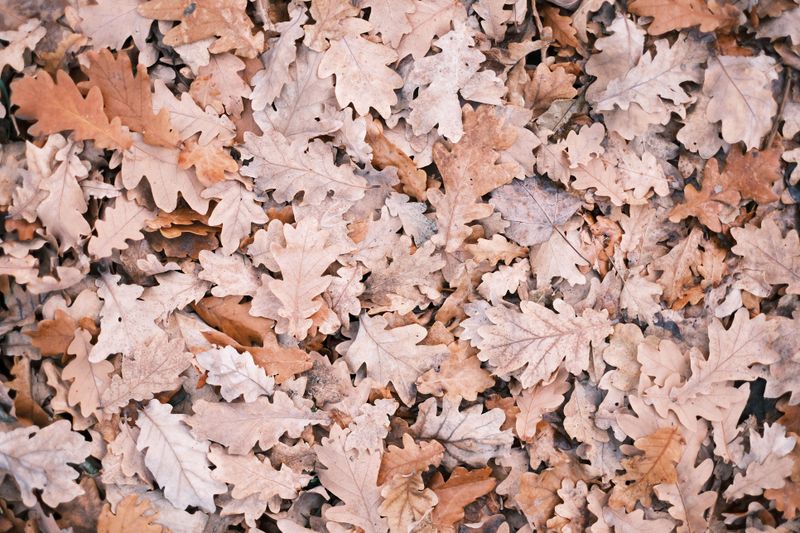
Want a free pest patrol crew? Give shrews a cozy place to live, and they will handle the rest.
Start by leaving some fallen leaves in beds and under shrubs this fall and winter. That layer feeds the insects shrews hunt and gives them a warm path once snow arrives.
You can still clear leaves from lawns and walkways.
A loose brush pile or a couple of logs in a back corner also helps. Rock edges and low native groundcovers, like wild ginger or creeping phlox, make excellent cover too.
Go easy on pesticides and slug baits. Those products can reduce the shrews’ food supply and may harm them directly.
Snap traps and glue boards set for mice can also catch shrews by accident.
Watch out for outdoor cats, which often hunt small mammals near beds and feeders. Keeping cats inside protects shrews, birds, and other wildlife.
My garden taught me that a little mess is useful. A shrew-friendly yard tends to have fewer slugs, healthier soil life, and more owls and hawks overhead.
This winter, look for tiny tunnels when the snow melts. That small, venomous neighbor may be one of the hardest-working helpers you have.