8 Common Virginia Yard Habits That Scare Off Fireflies
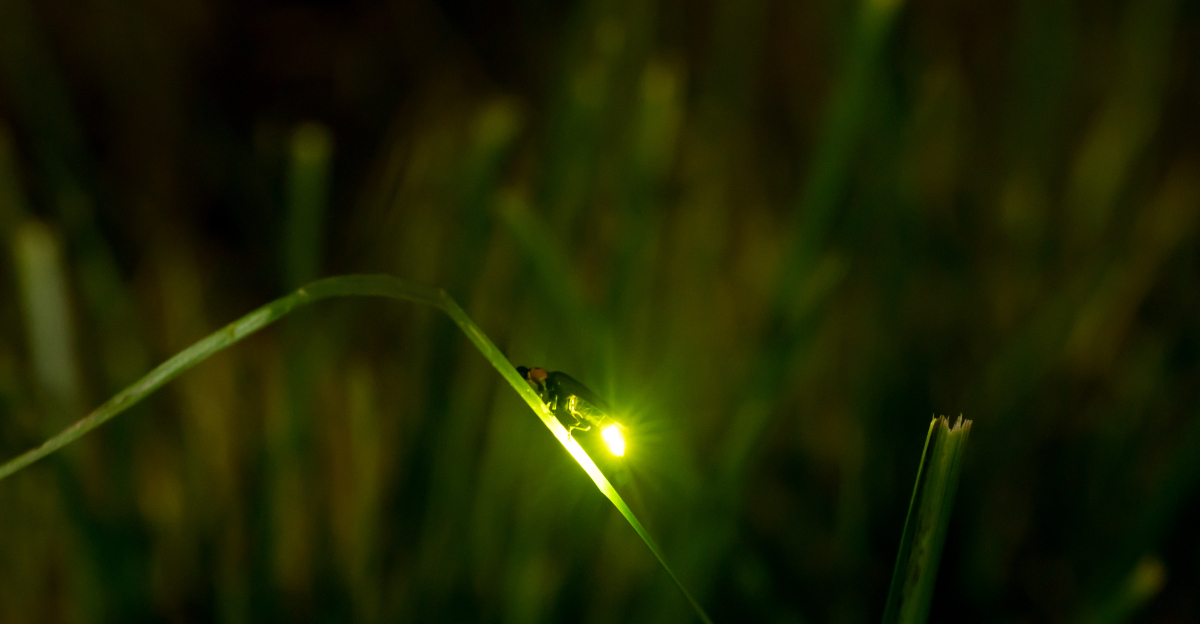
There is a moment every June when Virginia yards should come alive with blinking light. For many homeowners, that moment never comes anymore.
The fireflies are gone, and most people blame it on the weather, the neighborhood, or just bad luck.
The real culprit is closer than you think. Everyday yard habits, things that seem completely harmless, are quietly making your property hostile to fireflies.
The way you mow, the lights you leave on, the products you spray, all of it adds up. Fireflies are picky about where they live and even pickier about where they mate.
One wrong move in your yard routine and they simply move on. Virginia still has healthy firefly populations, but they are shrinking fast.
The yards that keep them are not doing anything extraordinary. They are just avoiding a handful of common mistakes that most people do not even know they are making.
1. Using Pesticides And Insecticides On Your Lawn
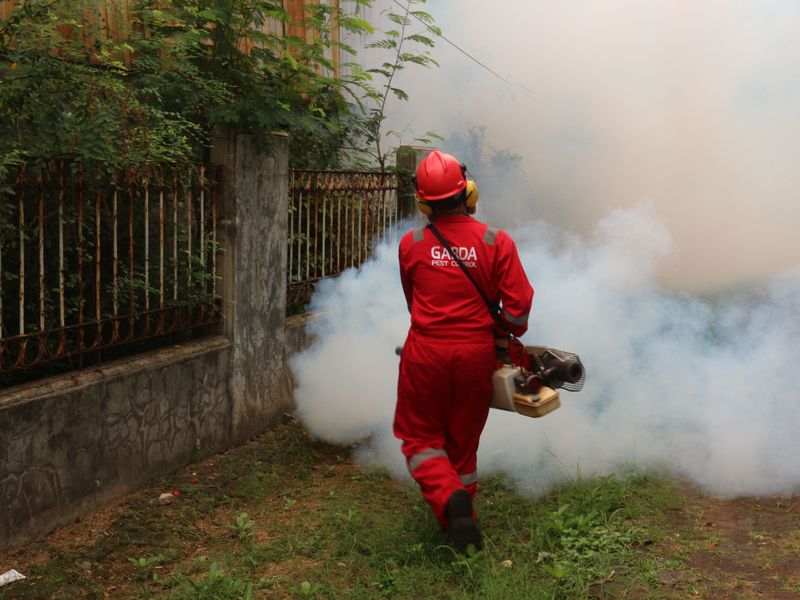
Spraying your lawn feels productive, but for fireflies, it is devastating news.
Most broad-spectrum pesticides do not discriminate between harmful pests and beneficial insects like fireflies. When you coat your grass with chemicals, you are also coating the beetles, larvae, and soft-bodied prey that fireflies depend on for food.
Firefly larvae spend up to two years living in the soil, hunting snails and worms. A single pesticide application can set back an entire underground generation before they ever get the chance to glow.
Many Virginia homeowners spray insecticides routinely without a specific pest problem in mind. That preventative approach sounds responsible, but it creates a chemical barrier that firefly populations simply cannot survive or recover from quickly.
Switching to targeted treatments, only addressing a specific pest when absolutely necessary, makes a huge difference. Spot treatments reduce the chemical footprint in your yard dramatically.
Organic lawn care methods, like introducing beneficial nematodes or using neem oil sparingly, can manage pest problems without carpet-bombing your entire ecosystem. These alternatives protect the insects that make your summer evenings feel alive.
Even mosquito fogging services, popular across suburban Virginia, release chemicals that linger in vegetation and soil. Firefly adults rest on leaves and low shrubs during the day, making them easy targets for residual sprays.
Before reaching for any spray bottle, ask yourself whether the problem truly requires a chemical fix. Your backyard firefly display might be worth more than a pest-free lawn.
2. Keeping Outdoor Lights On All Night
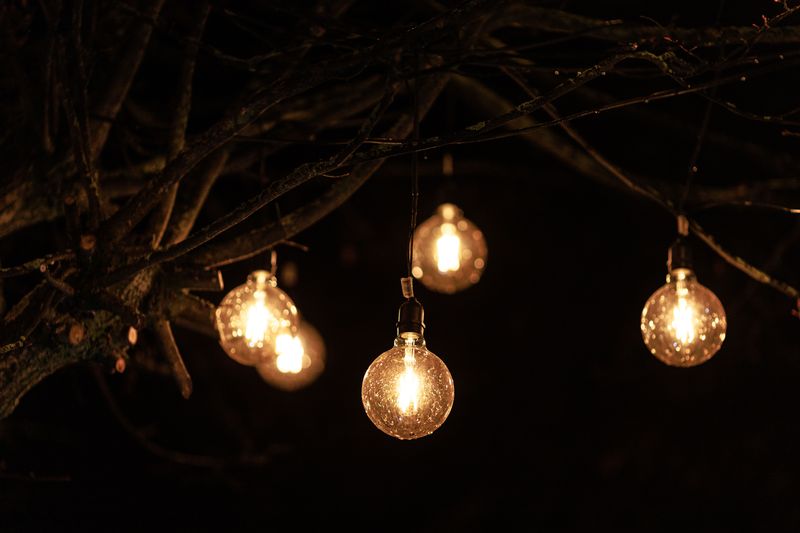
Fireflies talk with light, and your porch bulbs are drowning out the conversation.
Male fireflies flash specific patterns to attract females resting in the grass below. When artificial light floods your yard, females cannot spot those signals, and mating stops before it even begins.
Light pollution is one of the most underestimated threats to firefly populations across the eastern United States. Neighborhoods that leave lights blazing all night tend to see fewer sightings season after season.
Motion-sensor lights are a smarter swap for standard always-on fixtures. They provide safety when needed but give fireflies the darkness they require for their nightly light shows.
Your Virginia Garden Changes Every Week. Your Plan Should Too.
Gardening in Virginia changes quickly throughout the season. Every Friday you’ll receive a simple weekly plan showing exactly what to plant, prune, fertilize, harvest, and protect so you never miss the right timing.
Warm-colored bulbs, like amber or red-toned LEDs, are far less disruptive to insect behavior than cool white or blue-spectrum lights. A simple bulb swap in your outdoor fixtures can shift the odds back in the fireflies’ favor.
String lights draped across patios may look charming, but leaving them on past 10 p.m. during peak firefly season, roughly May through August in Virginia, can suppress local populations noticeably. Timing matters as much as intensity.
Pointing light fixtures downward instead of outward also reduces the glow that spills into surrounding vegetation. Small adjustments in fixture angle can create pockets of natural darkness fireflies actually need.
Turning off non-essential outdoor lighting by 9 p.m. during summer months costs nothing but a little habit change. That small sacrifice could bring dozens of glowing beetles back to your evenings.
3. Mowing Your Lawn Too Short
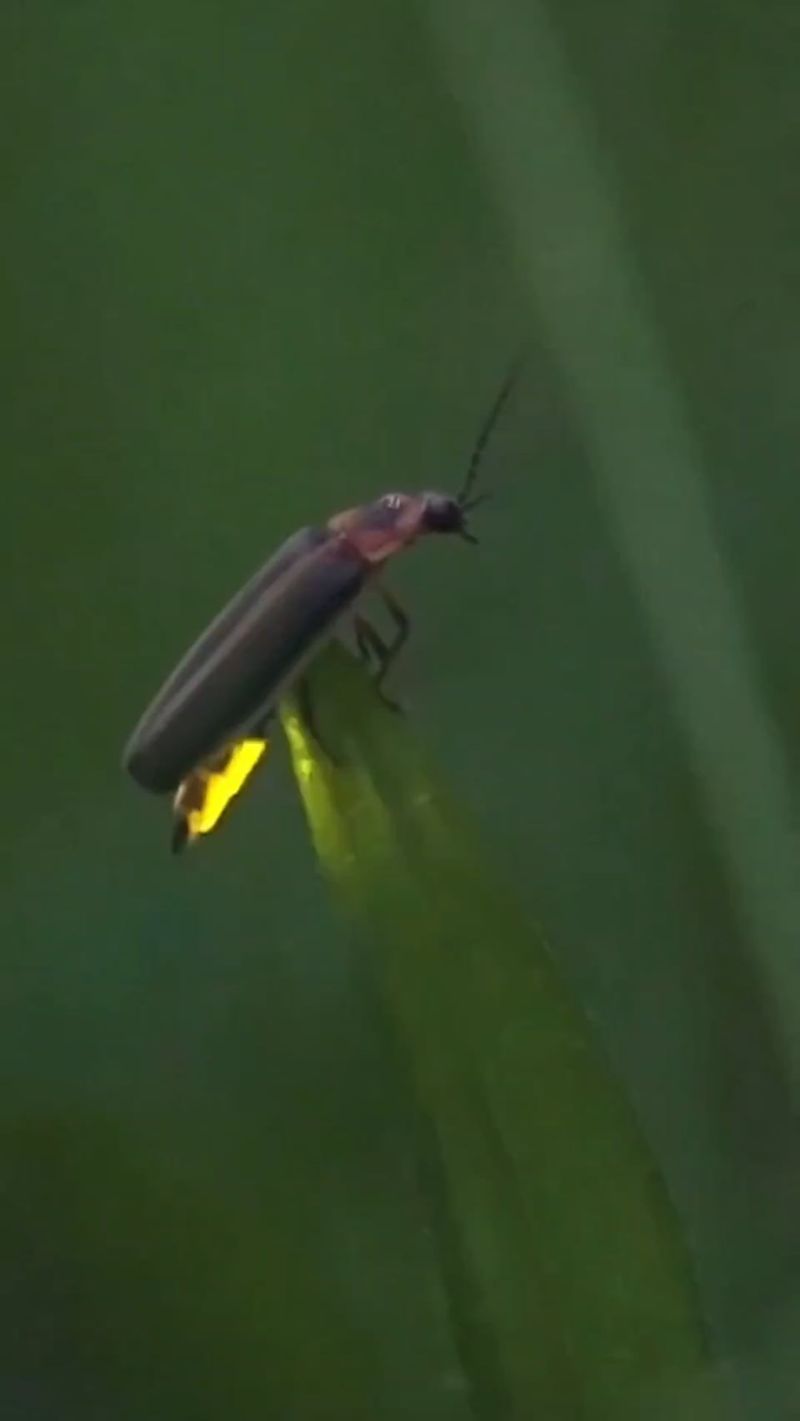
A scalped lawn looks tidy, but fireflies see it as an open wasteland with nowhere to hide.
Adult fireflies need tall grass and low vegetation to rest during the day, stay cool, and signal at night. When mowing drops below three or four inches, you generally strip away the micro-habitat these beetles depend on between dusk performances.
Short grass dries out the soil faster, which wipes out the worms and snails that firefly larvae feed on underground. Without enough prey, young fireflies simply do not make it to adulthood.
Many Virginia homeowners mow weekly out of habit rather than necessity. Stretching that schedule to every ten or fourteen days during summer creates a noticeably better environment for fireflies without sacrificing a presentable yard.
Leaving a section of your lawn unmowed entirely, even just a corner or a strip along the fence, gives fireflies a dedicated refuge. That patch does not need to be large to make a meaningful difference.
Raising your mower deck to four inches is one of the simplest adjustments you can make this season. Taller grass stays greener, retains moisture better, and shelters far more wildlife than a buzz-cut lawn ever could.
Firefly females are often flightless and spend most of their lives close to the ground. Without adequate grass cover, they become exposed to predators and temperature extremes that cut their short adult lives even shorter.
Letting your lawn breathe a little longer between cuts could be the single easiest step toward welcoming fireflies back.
4. Removing Leaf Litter And Ground Debris
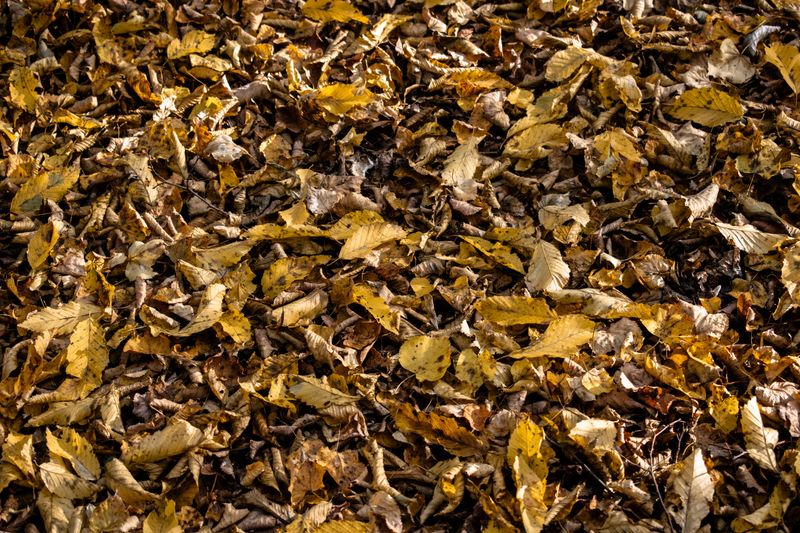
Raking every leaf might feel like good housekeeping, but fireflies call that leaf layer home.
Firefly larvae spend winter buried beneath fallen leaves, using decomposing organic matter for insulation and moisture. A clean-swept yard leaves them exposed and without the loose soil they need to survive the cold.
A tidy yard is not always a healthy yard, at least not for the creatures living just beneath the surface. Ground debris hosts the entire food web that firefly larvae depend on, from soil microbes to earthworms to soft beetles.
Leaving a layer of leaves in garden beds and along fence lines costs you nothing but offers fireflies a protected nursery through winter. Many Virginia gardeners call this approach a natural mulch strategy, and it benefits plants as much as insects.
Leaving even a thin layer of leaf litter in place gives overwintering larvae the cover and moisture they need to survive cold months. Fireflies are among the insects that benefit most from that simple choice.
Shredding leaves and leaving them in place instead of bagging them is another low-effort option. Shredded material breaks down faster, feeds the soil, and still provides enough ground cover for larvae to shelter beneath.
Spring cleanup timing also matters enormously. Waiting until temperatures consistently stay above 50 degrees Fahrenheit before clearing debris gives overwintering larvae time to emerge safely.
Letting nature keep a little messiness in your yard could be the kindest thing you do for next summer’s firefly season.
5. Draining Or Eliminating Water Features
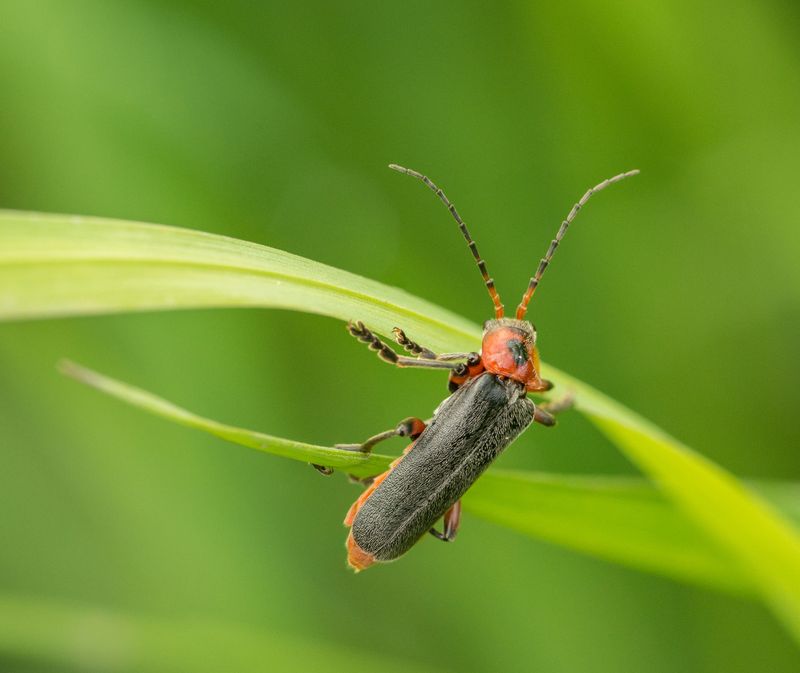
Without consistent water nearby, fireflies struggle to survive. It really is close to that simple.
Firefly larvae need moist soil to survive, and most Virginia species lay their eggs near ponds, streams, or marshy ground. Without consistent moisture close to a water source, larvae cannot hunt or grow underground.
Homeowners who fill in old ponds, drain decorative water gardens, or redirect drainage away from low-lying areas may notice a decline in firefly sightings within just one or two seasons. The connection is direct and predictable.
Even a small backyard water feature, a garden pond, a shallow birdbath with surrounding wet soil, or a rain garden, creates enough moisture to support a local firefly population. Scale matters less than consistency.
Mosquito concerns often drive water feature removal, which is understandable. But a well-maintained pond with moving water or aquatic plants naturally suppresses mosquito breeding while still providing the moist margins fireflies need.
Adding a recirculating pump to a still pond keeps water moving, discouraging mosquitoes without eliminating the habitat value for fireflies and the creatures they eat. That single upgrade solves two problems at once.
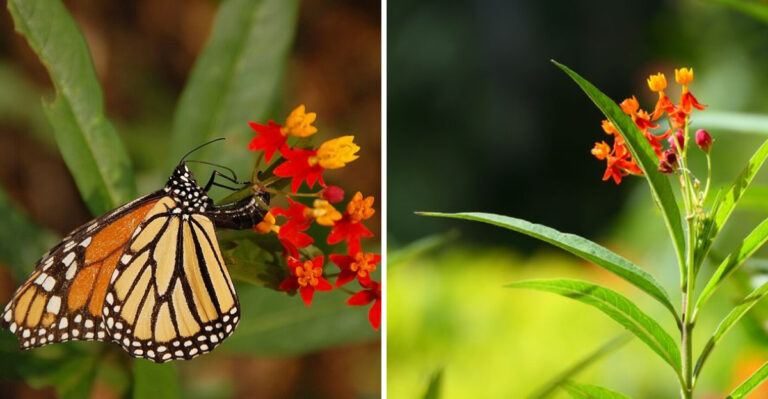
Rain gardens planted with native Virginia species, like swamp milkweed or blue flag iris, create beautiful, functional wet zones that support fireflies without requiring a full pond installation. They also manage stormwater runoff efficiently.
Protecting or restoring moisture in your yard is one of the highest-impact steps you can take for a brighter, more magical summer night ahead.
6. Cutting Down Native Plants
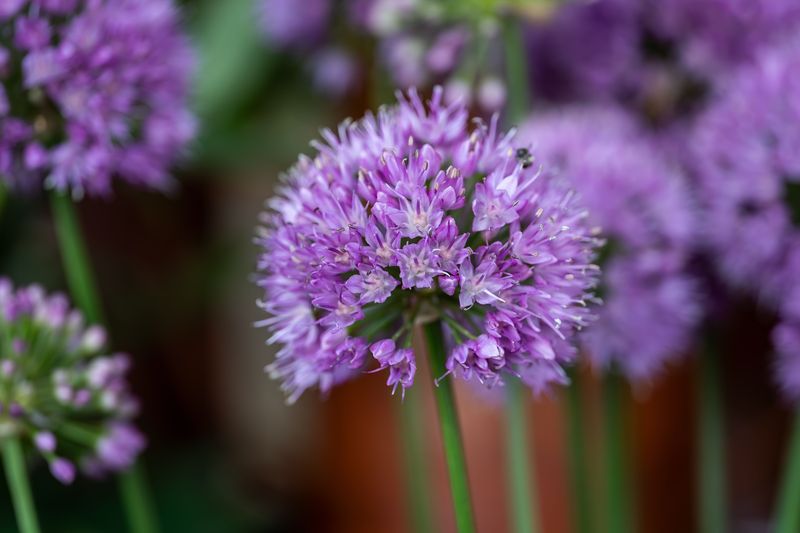
Those wild-looking plants along your fence are not weeds to fireflies, they are everything.
Native grasses, wildflowers, and shrubby vegetation give fireflies places to rest during the day and signal at night. Without that layered structure, adults have nowhere to hide and nowhere to mate.
Species like little bluestem, Virginia wild rye, and Joe-Pye weed create the shaded understory that fireflies depend on during hot afternoons. These plants are not just decorative.
They are functional habitat. Removing them leaves fireflies exposed to heat, predators, and the kind of light disorientation that sends them looking for a better yard.
Native plantings also support the broader food chain that keeps fireflies fed. Snails, slugs, and soft-bodied insects cluster in dense native vegetation, giving larvae and adults a reliable, nearby food source through the growing season.
Replacing lawn sections with native plant beds is gaining ground across Virginia. Homeowners report more wildlife activity, lower water bills, and in many cases more firefly activity not long after.
Leaving border areas of your yard naturalized rather than manicured takes almost no maintenance after the first year of establishment. Native plants are adapted to local conditions and largely care for themselves once rooted.
Even a narrow strip of tall grass and wildflowers along a fence or property edge can serve as a firefly corridor connecting your yard to neighboring green spaces. Connectivity matters deeply for small insect populations trying to rebound.
Embracing a little wildness at the edges of your yard might be the most rewarding landscaping decision you make this year.
7. Letting Your Pets Roam The Yard After Dark
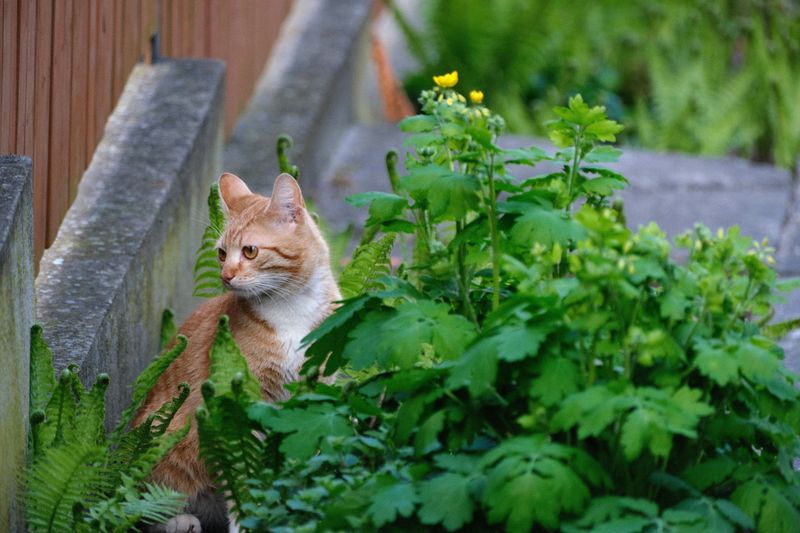
Your dog loves a late-night backyard sprint, but fireflies pay the price for it.
Dogs and cats moving through the yard after dark disturb the low vegetation where firefly females rest and signal. Many females are flightless, making them easy targets for curious pets.
Heavy pet traffic also compacts soil and flattens grass over time. That erases the sheltered spots fireflies need for resting and laying eggs.
Cats are particularly problematic since they are natural hunters active during the same twilight and nighttime hours when fireflies are most exposed. Even a single outdoor cat patrolling a yard nightly may suppress local firefly populations over a full season.
Creating a designated pet zone during peak firefly hours, typically 8:30 to 10:30 p.m. in summer, allows the rest of the yard to remain undisturbed. Fence off a section for your dog and let the other areas stay quiet and dark.
Bringing pets inside during those prime evening hours costs little in terms of routine adjustment. Many pet owners find their animals settle down faster after a brief, early evening outing anyway.
Leashed walks replace unsupervised yard roaming without sacrificing your pet’s exercise needs. That small shift in routine protects fragile firefly habitat during the hours it matters most.
Protecting your yard’s nighttime quiet might be the most unexpected gift you can give both fireflies and your neighbors this summer.
8. Applying Chemical Lawn Fertilizers Too Often

Lush, thick grass sounds like a firefly paradise, but the chemicals creating it often tell a different story. Synthetic nitrogen fertilizers push lawns into rapid, dense growth that changes soil chemistry in ways that harm the organisms fireflies eat.
Earthworms are a primary food source for firefly larvae, and synthetic nitrogen fertilizers can reduce their populations over time. Frequent fertilizer applications also accelerate thatch buildup between soil and grass blades.
Thick thatch cuts firefly larvae off from the surface and from food. Virginia homeowners who fertilize four or more times per season can push larvae deeper underground or into neighboring, less-treated areas.
That displacement breaks up local populations and slows recovery significantly. Switching to slow-release organic fertilizers like compost or worm castings feeds your lawn without shocking the soil ecosystem.
These alternatives improve soil structure over time, which actually benefits firefly larvae rather than disrupting them. Soil testing through Virginia Cooperative Extension tells you exactly what your lawn needs before you apply anything.
Most Virginia soils require far less fertilizer than the standard bag instructions suggest. Fertilizing no more than twice per year, once in fall and once in early spring, keeps soil biology stable enough for fireflies to survive.
Your lawn can stay beautiful and your backyard can stay lit with fireflies, if you choose your products as carefully as you choose your habits.