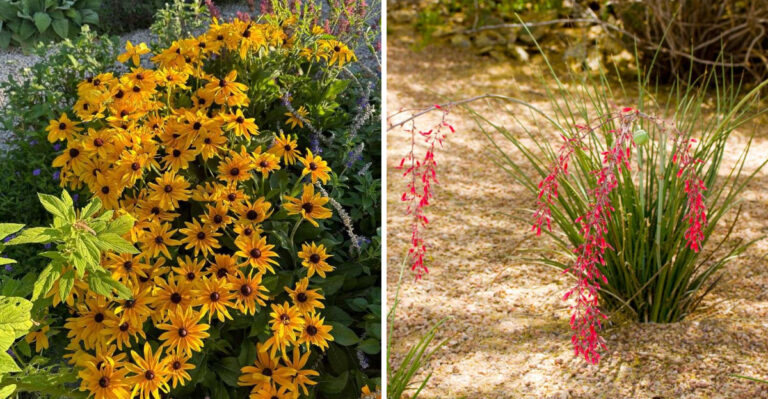
Why Texas Deer May Start Damaging Your Favorite Trees in Late Fall
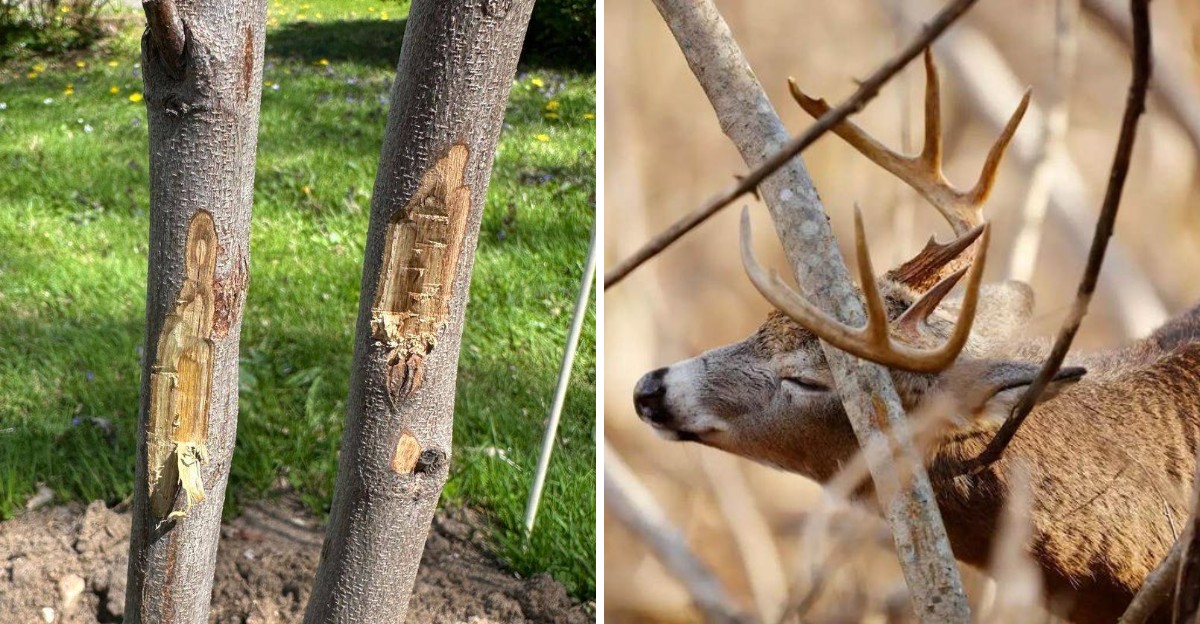
A male deer can grow a full set of antlers in about four months, making them some of the fastest-growing tissue in the animal world. Then, almost overnight, that bony crown needs a scratching post.
What I find fascinating is how picky these animals get about the job. They skip the gnarled old giants and go straight for the smooth, skinny trunks we paid good money for at the nursery.
One rough night can leave bark hanging in long, curly strips.
Here’s something worth knowing for anyone gardening in Texas. That damage usually has nothing to do with hunger, and it follows a calendar you can actually predict.
Once you see the pattern, those shredded trunks start to make a strange kind of sense.
So who is really behind the scraped bark in your yard, and why does it seem to happen right when the leaves start to turn?
1. Those Shredded Sapling Trunks Are Sending A Message
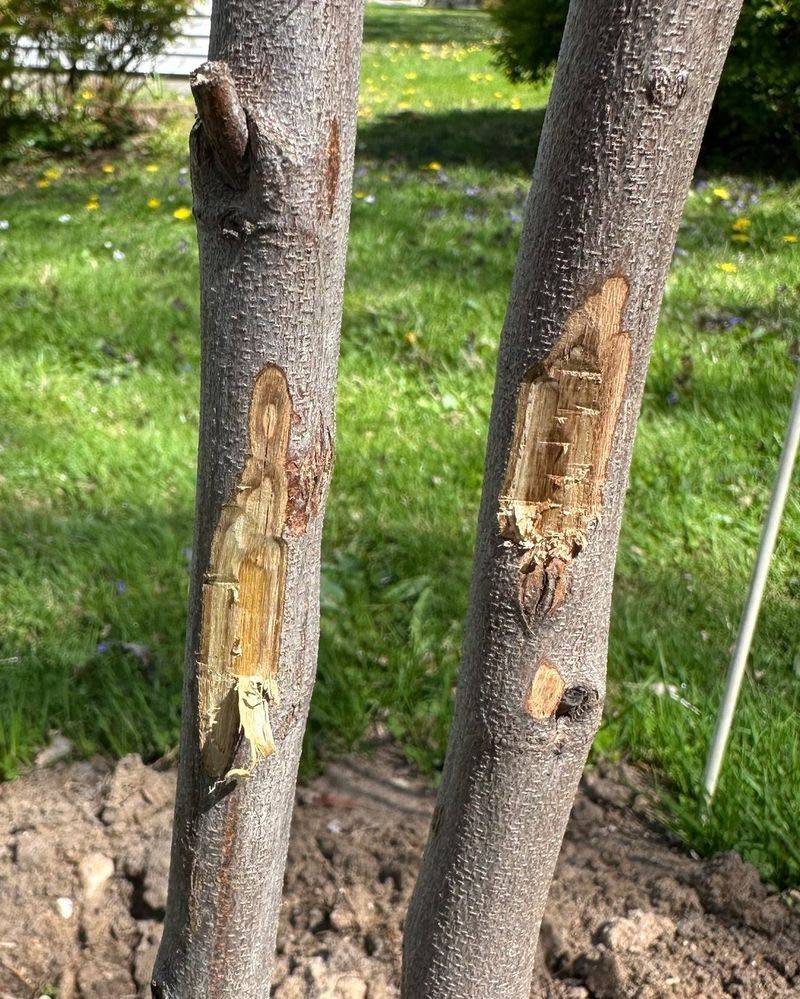
Ragged bark on a young tree is one of the clearest clues deer leave behind. Most folks assume a hungry animal took a bite, but the damage usually comes from antlers, not teeth.
Bucks grow new antlers every spring and summer. During that time, the antlers are covered in a soft, fuzzy skin called velvet, which carries blood and nutrients to the growing bone.
By late summer and early fall, the antlers harden and the velvet dries up. Bucks scrape it off against small trees and shrubs, and that scraping is what tears the bark.
Here is where things get more personal for your yard. Rubbing does not stop once the velvet is gone.
Bucks keep at it through fall as the breeding season, called the rut, builds up.
Wildlife experts point out that these rubs work like signposts. Bucks have scent glands on their foreheads, and rubbing leaves a smell other deer can read.
A fresh rub tells rivals a buck is around and lets does know too.
So when you find stripped bark about knee to waist high, often with broken twigs nearby, you are probably looking at a buck rub. Bite marks from deer look different, with torn, ragged leaves and twig ends, since deer have no upper front teeth.
Learning that difference helps you pick the right fix.
2. Rutting Bucks Rub Harder As Fall Deepens
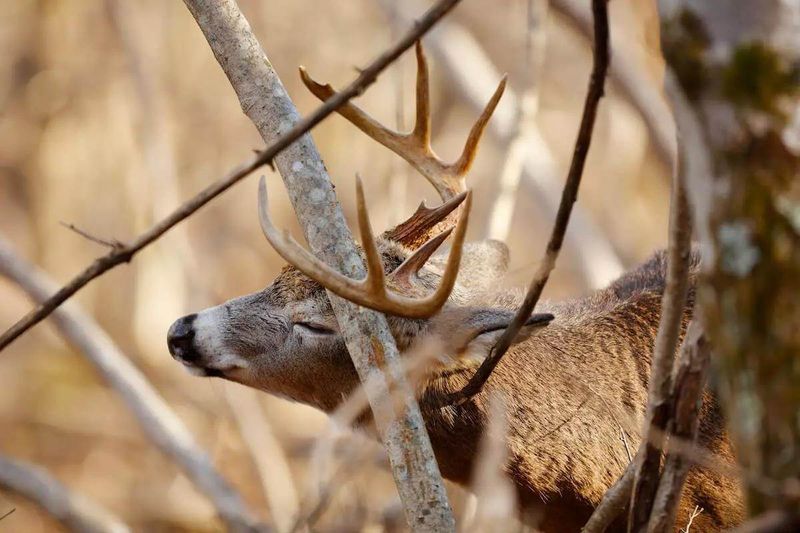
Late fall is when white-tailed bucks turn from quiet loners into restless, scent-marking machines. Their bodies flood with hormones as the rut approaches, and rubbing becomes a big part of the routine.
Biologists describe several reasons bucks keep at it. Rubbing spreads forehead scent that other deer notice.
It also seems to help bucks build neck and shoulder strength before they spar with rivals.
A single buck may make many rubs across his home range. Some spots get revisited again and again, so one damaged tree can become a regular stop if nothing changes.
Timing explains why your trees looked fine all summer. While antlers are in velvet, bucks are fairly gentle on landscapes.
Once antlers harden and the rut ramps up, the same animals that nibbled quietly in July start leaving scars.
I find it helpful to view rubbing as a social activity rather than a feeding one. That means sprays that taste bad may not do much to stop it, because the buck is not trying to eat anything.
Fun fact for your next backyard chat: a buck sheds his antlers every winter and grows a brand new set the next year. That cycle is why the rubbing season returns like clockwork each fall.
3. Stripped Bark Can Starve A Young Tree’s Roots
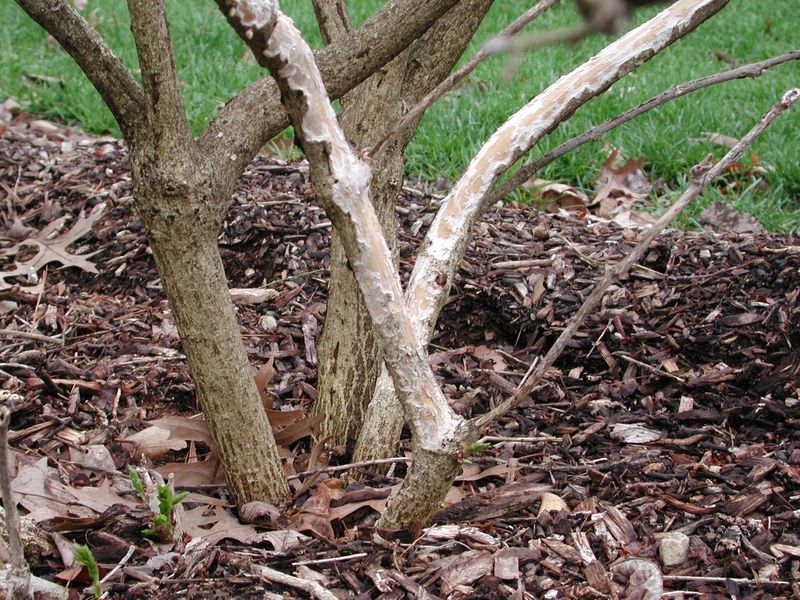
Bark looks like a tough outer coat, but the real action happens just underneath it. A thin living layer moves food and water through the tree, and antler rubbing scrapes right into it.
Arborists explain it in simple terms. One layer, called phloem, carries sugars made in the leaves down to the roots.
Another, called xylem, moves water and minerals up from the roots.
When a buck strips bark all the way around a trunk, it is called girdling. The roots stop getting the sugars they need, and the tree often declines over the following months or seasons.
Partial damage is less severe but still a problem. A wounded trunk can lead to weak growth, branch dieback, and openings for insects and disease.
Young trees with thin bark have the hardest time recovering.
Sometimes the stem simply snaps. Skinny saplings cannot always handle a full-grown buck pushing and twisting against them.
If you find a fresh rub, resist the urge to paint the wound with sealer. Texas A&M AgriLife and many arborists advise against wound dressings on most trees.
Instead, trim away loose, torn bark with a clean, sharp knife so the edges are smooth, then let the tree callus on its own while you add protection.
4. Peak Rut Dates Shift Across Texas Deer Country
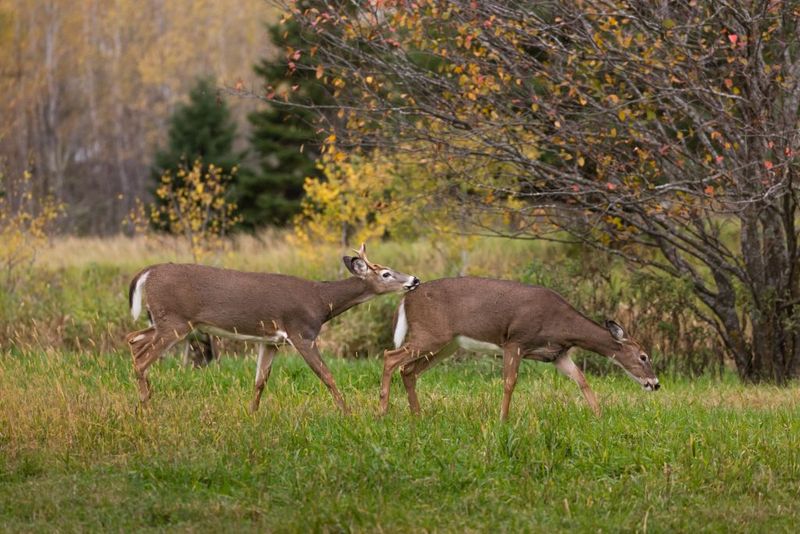
Ask a deer biologist in East Texas and one in South Texas when rubbing peaks, and you will get two very different answers. The state is so big that the rut runs on several calendars at once.
Texas Parks and Wildlife Department data shows these broad patterns. The Pineywoods in East Texas often see peak breeding in late October into early November.
The Post Oak Savannah and Cross Timbers tend to follow in early to mid November.
Hill Country deer on the Edwards Plateau usually peak around mid to late November. South Texas runs latest of all, with peak activity often in mid to late December and sometimes into January.
Those dates matter for your yard. Rubbing usually picks up a few weeks before peak breeding, so the window to protect trees starts earlier than many people expect.
Keep in mind that these are averages. Local deer numbers, weather, and the age mix of bucks can shift things a little from year to year.
My simple rule is to get trunk guards up by early fall, no matter where you live. In South Texas, leave them in place well into winter.
It costs very little to start early and a lot more to replace a tree.
5. Skinny New Saplings Are A Buck’s Favorite Scratching Post
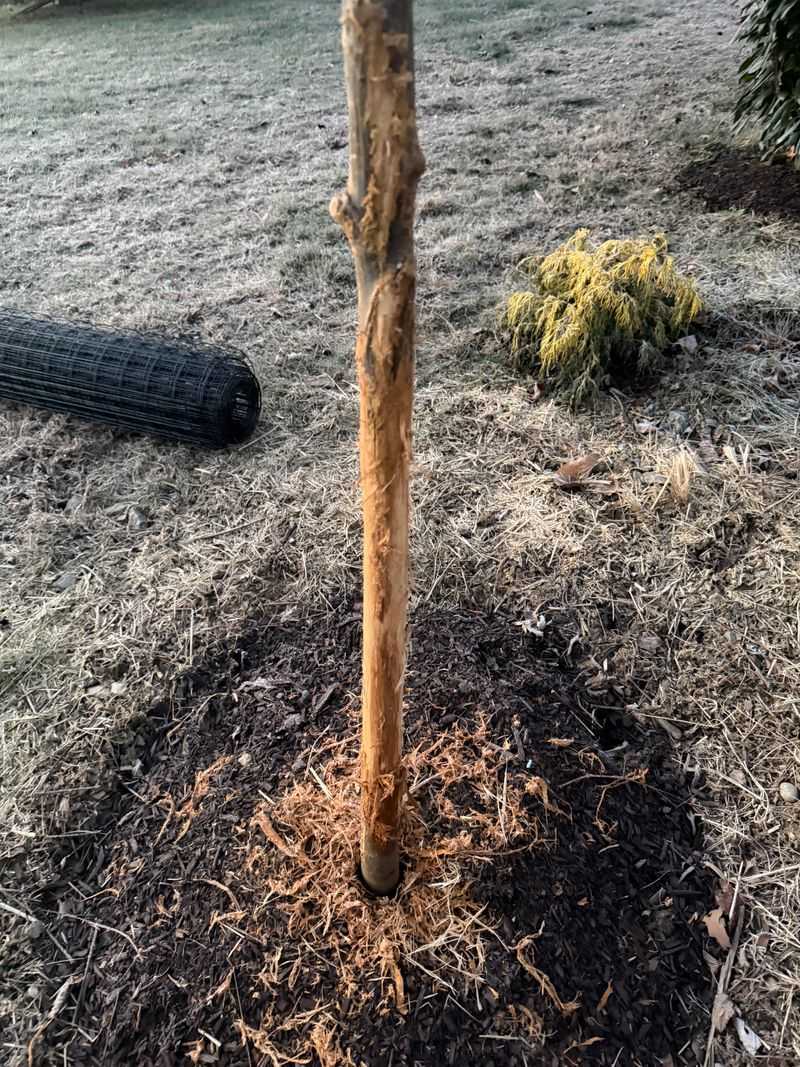
Nursery trees have a few things bucks seem to love. They are slender, smooth-barked, and often planted right where deer like to wander at dusk.
Research and extension guides note that bucks tend to choose stems roughly one to four inches across. That size bends a bit and offers just enough resistance for a good rub.
Smooth or aromatic bark draws attention too. Gardeners frequently report rubs on fruit trees, cedars and junipers, crape myrtles, and young ornamentals like redbuds and maples.
Location plays a role as well. Trees along fence lines, wooded edges, creek banks, and well-used deer paths take more hits than those planted close to the house.
I used to think a tree needed to be in a remote corner to get rubbed. In reality, neighborhoods in places like the Hill Country see plenty of action, because deer have learned that suburbs offer cover, water, and food.
Older trees with thick, rough bark usually get passed over. Once a trunk grows past about five or six inches across, it becomes much less appealing.
That gives you a clear goal. Protect each new tree for its first several years, until the trunk thickens up and the bark toughens enough to handle the attention on its own.
6. Hungry Deer Nibble Evergreen Leaves When Acorns Run Low
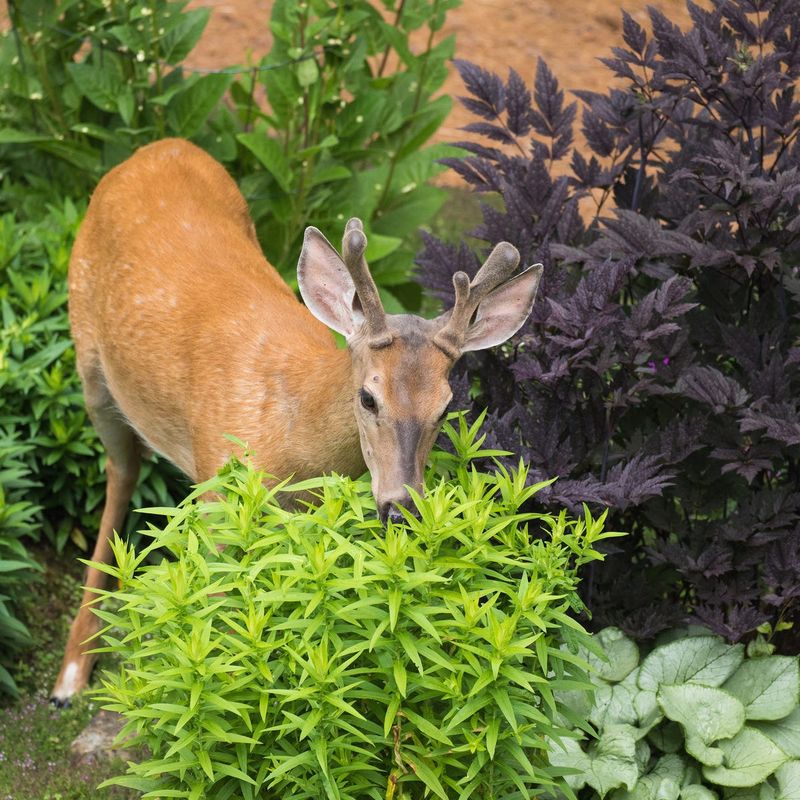
Rubbing gets most of the blame in fall, yet browsing quietly adds to the trouble. As the season moves along, deer go looking for green food wherever they can find it.
Acorns are a major fall food for Texas deer. In years when oaks produce a light crop, or after a hot, dry summer, deer often wander into yards searching for something tasty.
Many perennials fade back in fall, and leaves drop from deciduous trees. That leaves evergreen shrubs, tender new growth, and well-watered lawns looking like a buffet.
Browsing damage has its own look. Twigs end in rough, torn tips instead of clean cuts, because deer lack upper front teeth and rip food away.
Rabbits, by contrast, leave neat, angled snips close to the ground.
Heavy browsing on young trees can stunt growth and change their shape. Repeated nibbling on the main leader can leave a tree bushy and short.
Fruit trees tend to suffer from both problems at once. Bucks rub the trunks, and does and young deer browse the low branches.
A simple check helps. Walk your yard every few days in fall and look for torn twigs, tracks, and droppings.
Spotting early signs lets you protect plants before deer make your yard a regular stop.
7. Wire Cages Around Tree Trunks Stop Most Antler Rubs
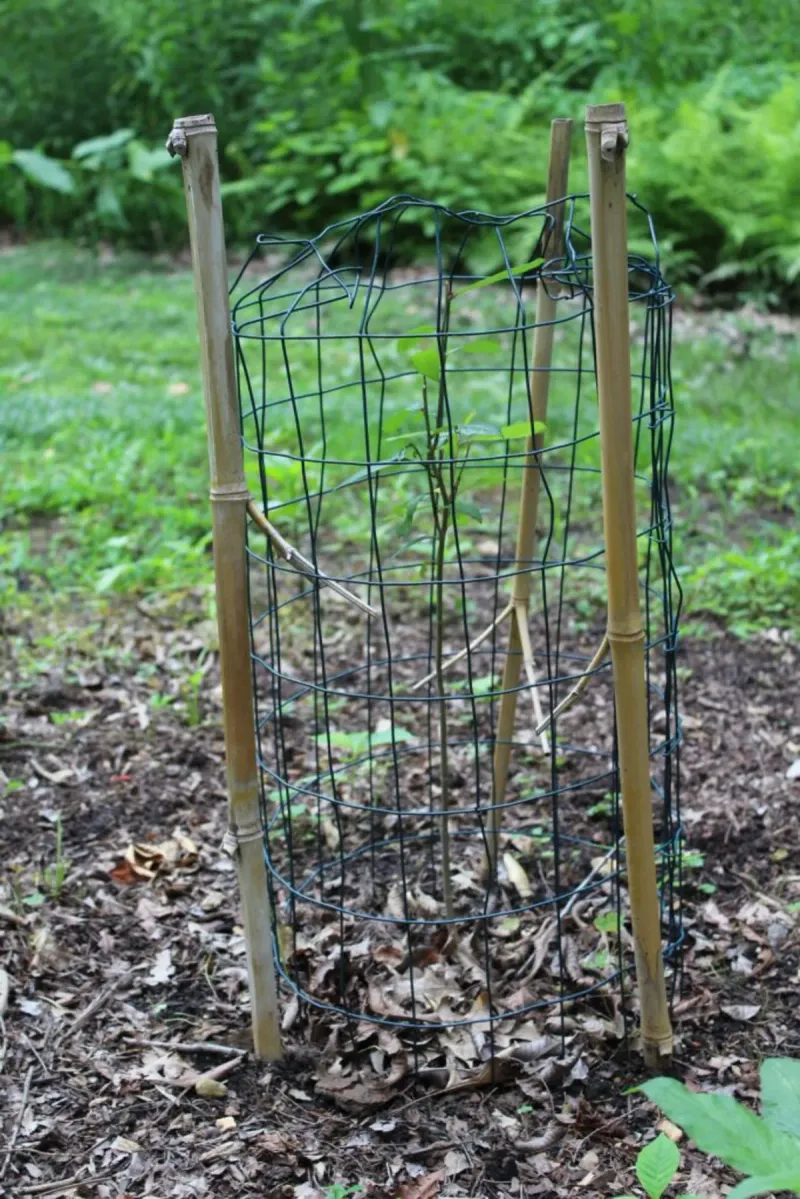
Few fixes work as well as a simple barrier. Once a buck cannot reach the trunk, he moves on to something else.
Extension specialists often recommend a cylinder of welded wire or sturdy fencing around each young tree. Aim for at least four to five feet tall, since bucks rub well above the ground.
Leave space between the wire and the bark. A gap of several inches, often around a foot on bigger saplings, keeps antlers from reaching through and pressing the cage into the trunk.
Secure the cage with two or three metal stakes or T-posts. A determined buck can push a loose cage right over.
Plastic spiral guards and tree tubes help too, mostly on very small whips. Pick light-colored ones, check them often, and loosen or remove them as the trunk grows so they do not trap moisture or rub the bark themselves.
For a whole orchard or garden, fencing may make more sense. Deer can clear about eight feet, so most guides suggest fences in the seven to eight foot range for reliable results.
Repellent sprays and noisemakers may reduce browsing for a while. For rubbing, though, solid physical protection remains the most dependable choice for your favorite trees.
8. Plant Deer-Resistant Texas Natives For Fewer Fall Headaches
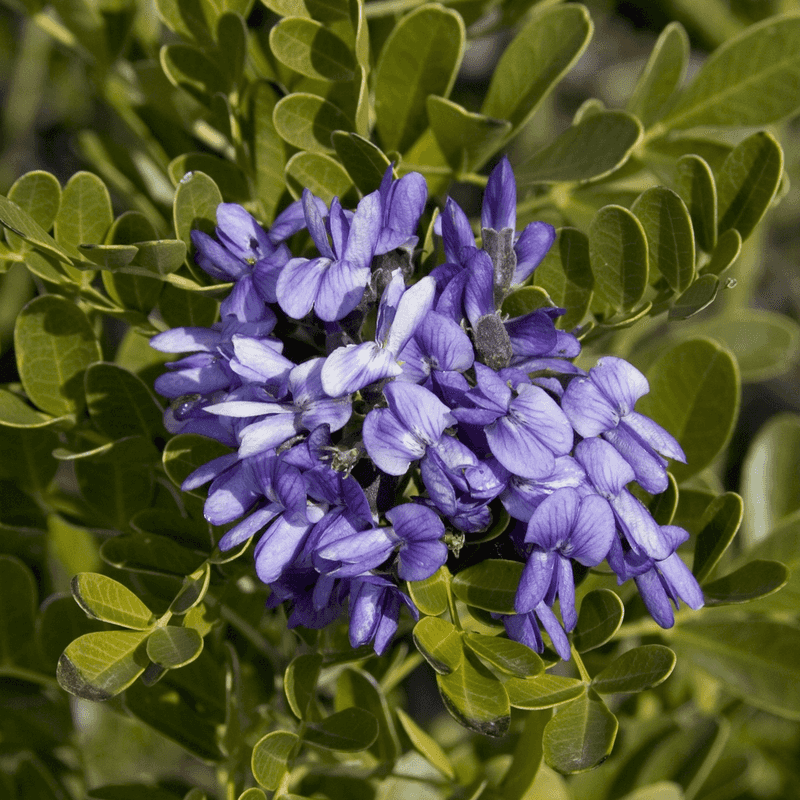
Smart planting choices can save you a lot of fall frustration. No plant is fully deer-proof, but some are far less tempting than others.
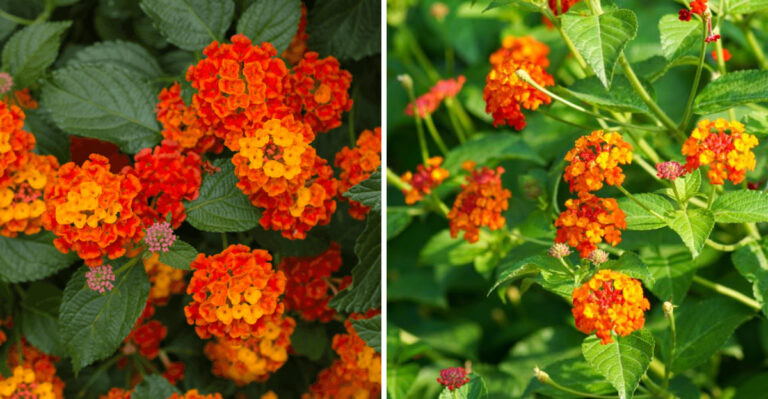
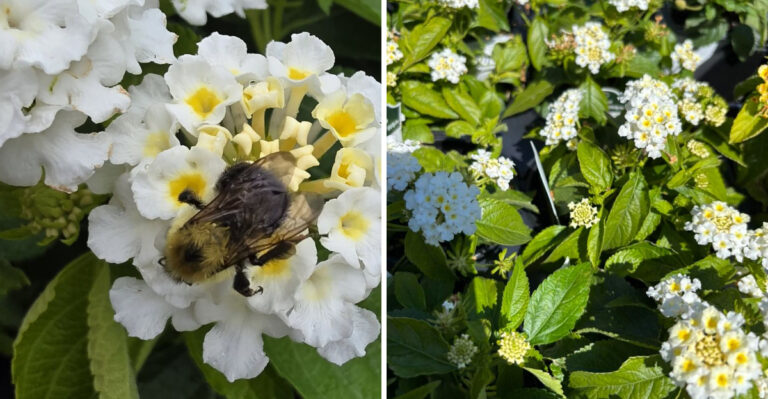
Texas A&M AgriLife and native plant groups often list Texas mountain laurel, autumn sage, Mexican oregano, agarita, and many lantanas as plants deer tend to skip. Aromatic, fuzzy, or bitter leaves are usually less appealing.
Keep in mind that deer behavior changes with conditions. During drought or in areas with lots of deer, they may sample plants they normally avoid.
Rubbing works a little differently than browsing. Even resistant trees can get rubbed when they are young, so caging new plantings still makes sense.
Placement helps a great deal. Put the plants deer like most, such as roses, fruit trees, and tender ornamentals, close to the house or inside a fenced area.
Use tougher natives along the outer edges of your yard.
Choose larger nursery trees when your budget allows. A trunk that already has some thickness reaches the safer size sooner.
I like to think of it as working with the local wildlife instead of fighting it. With caged young trees, wise plant choices, and a quick check each fall, you can enjoy the deer and still keep your favorite trees growing strong for years.