Texas Gardeners Use This White Flowering Plant For Heat-Proof Container Style
Texas summers end careers. Not human ones, garden ones. The plants that looked incredible in May start dropping flowers by July, wilting by noon, and giving up entirely by August.
Many container gardeners in Texas have been through this enough times to feel genuinely cynical about anything marketed as heat-tolerant. So when a plant actually delivers on that promise, word travels.
This plant has become the open secret of Texas patios, porches, and balconies. It blooms harder when temperatures climb past 100 degrees. It attracts monarchs during migration. It looks polished in a container without constant attention.
Gardeners from El Paso to Houston have figured this out, and they are not keeping it quiet anymore. Here is everything worth knowing about the plant that keeps performing when everything else has already quit.
Meet The White Lantana First
Not every plant can handle a Texas summer and still look good doing it. White lantana is one of the rare exceptions, and the credentials back that up.
Texas A&M AgriLife put it through trials across multiple Texas regions before awarding the Texas Superstar designation, which means the performance is documented, not just rumored.
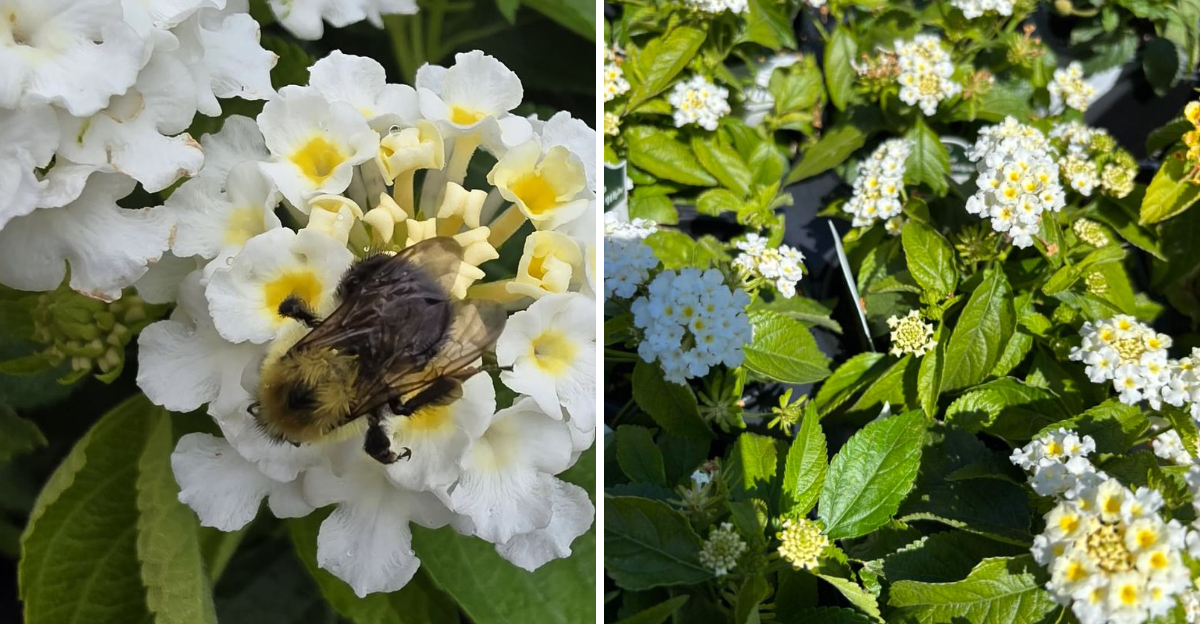
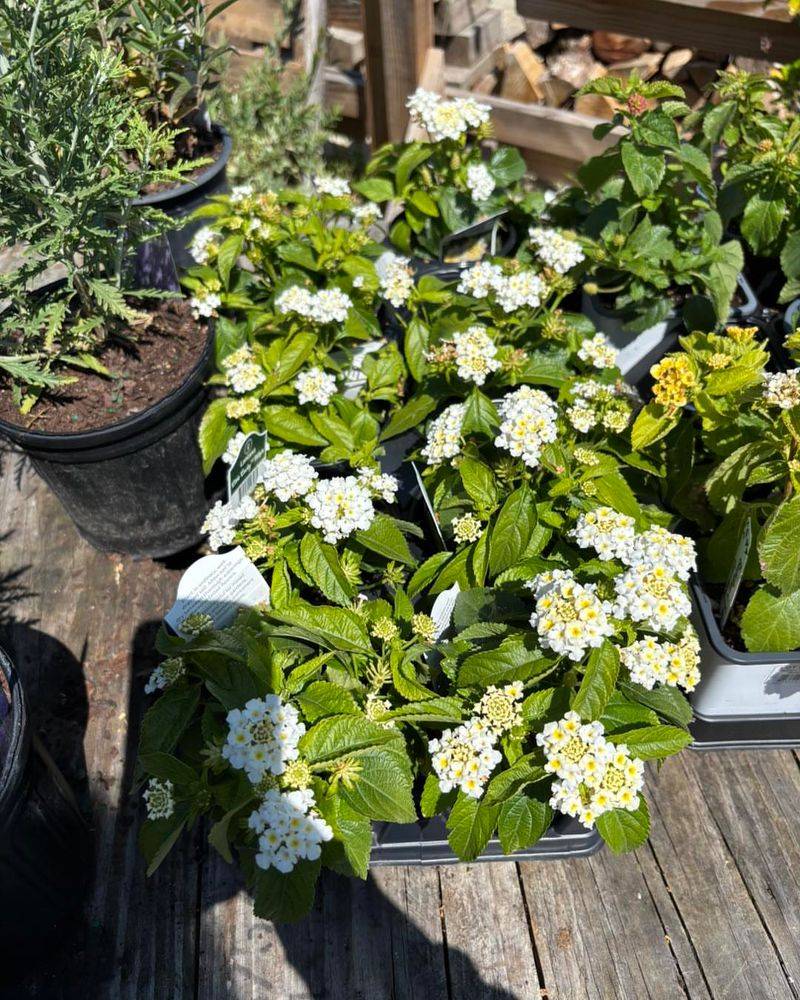
White lantana grows in a mounded or slightly trailing habit, making it a natural fit for containers. The flowers appear in small rounded clusters that stay a clean, crisp white pairing well with almost any container color.
Some varieties show a soft yellow center that fades to white as the bloom matures, giving the plant a layered, elegant look that holds up across the entire season.
For gardeners who want something that performs without constant attention, this plant covers every requirement.
Full sun without flinching. Continuous blooms through the hottest weeks when most flowering annuals have already surrendered. Better drought tolerance than most container plants once established.
Texas gardeners dealing with intense heat, alkaline soil, and unpredictable rainfall will find white lantana surprisingly forgiving.
It does not need rich soil or frequent fertilizing to perform. A sturdy container, decent drainage, and a sunny spot are genuinely all it takes.
Sometimes the most reliable plants are also the least demanding ones, and white lantana has figured out how to be both.
Full Sun Keeps The Flowers Coming
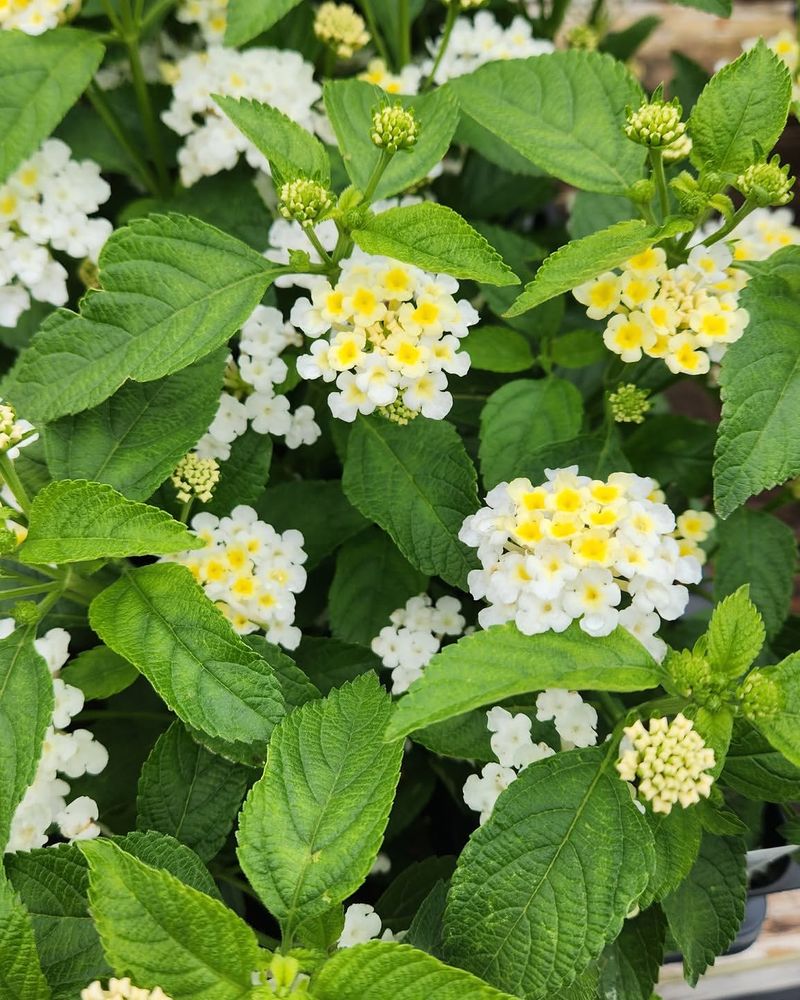
Sunshine is not optional for white lantana. It is the fuel that keeps the flowers coming all season long. This plant needs a minimum of six to eight hours of direct sunlight each day and performs better with more.
Partial shade causes it to stretch out, produce fewer blooms, and develop a sparse, leggy look that undermines the whole point of growing it.
Texas summers offer plenty of intense sun, which works perfectly in white lantana’s favor. While other container plants wilt by noon or drop their flowers in the heat, lantana responds to bright sunlight by pushing out more flower clusters.
More sun means more blooms, which is a rare quality in the container world where most plants treat heat as a reason to slow down.
South-facing and west-facing spots on patios and porches receive the most sun exposure throughout the day and are the best placements for white lantana containers.
Your Texas Garden Changes Every Week. Your Plan Should Too.
Gardening in Texas changes quickly throughout the season. Every Friday you’ll receive a simple weekly plan showing exactly what to plant, prune, fertilize, harvest, and protect so you never miss the right timing.
East-facing spots can work, but bloom production tends to be lighter compared to a full-sun position.
Container color also matters more than most gardeners realize. Dark-colored pots absorb heat and can stress roots when temperatures get extreme.
Light-colored or glazed containers keep the root zone cooler without sacrificing any sun exposure at the top of the plant. Pairing a light container with a full-sun location gives white lantana exactly the conditions it performs best in.
That one detail, which takes about thirty seconds to consider at the nursery, makes a noticeable difference across a long Texas summer.
Fast Drainage Protects Container Roots
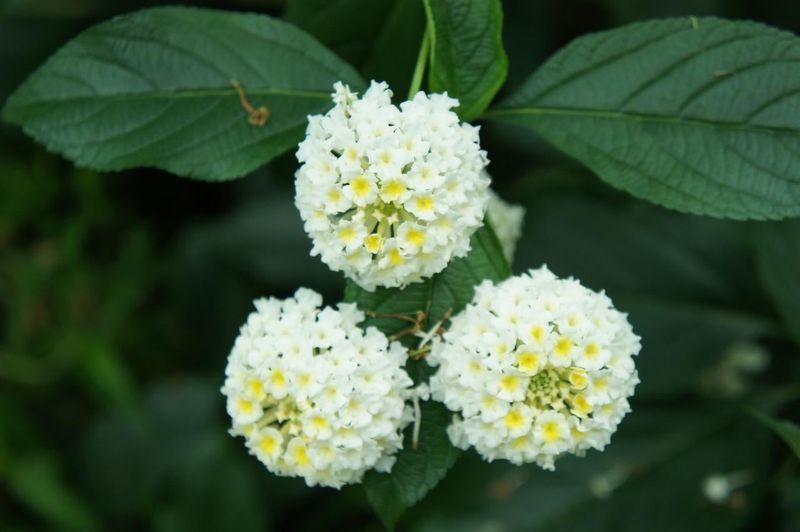
Soggy roots are the fastest way to end a perfectly healthy lantana.
The plant handles almost everything above the soil line, but it has no patience for waterlogged conditions underground.
Drainage is not just helpful for white lantana in containers. It is essential for keeping the plant alive through a long growing season.
Start with a container that has at least one large drainage hole, and bigger is better. Some gardeners drill a second hole to make sure water moves through quickly after heavy rain or irrigation.
Skip the saucer unless you empty it regularly, because standing water at the base of the container creates the exact root conditions white lantana cannot tolerate.
Potting mix matters as much as the container itself. Standard garden soil compacts quickly inside a pot and holds too much moisture.
A high-quality commercial potting mix designed for containers works far better. Mixing in a small amount of coarse perlite or horticultural sand improves drainage further, especially in larger containers where water can sit longer at the center of the root ball.
Lightweight, fast-draining mixes let roots breathe and recover quickly between watering sessions. Watering deeply, then letting the top inch of soil dry out before watering again, is the right rhythm for container lantana.
That routine keeps roots healthy all summer without requiring daily guesswork. Good drainage is the foundation everything else builds on, and it costs nothing extra to get right from the start.
Heat Makes The Plant Work Harder
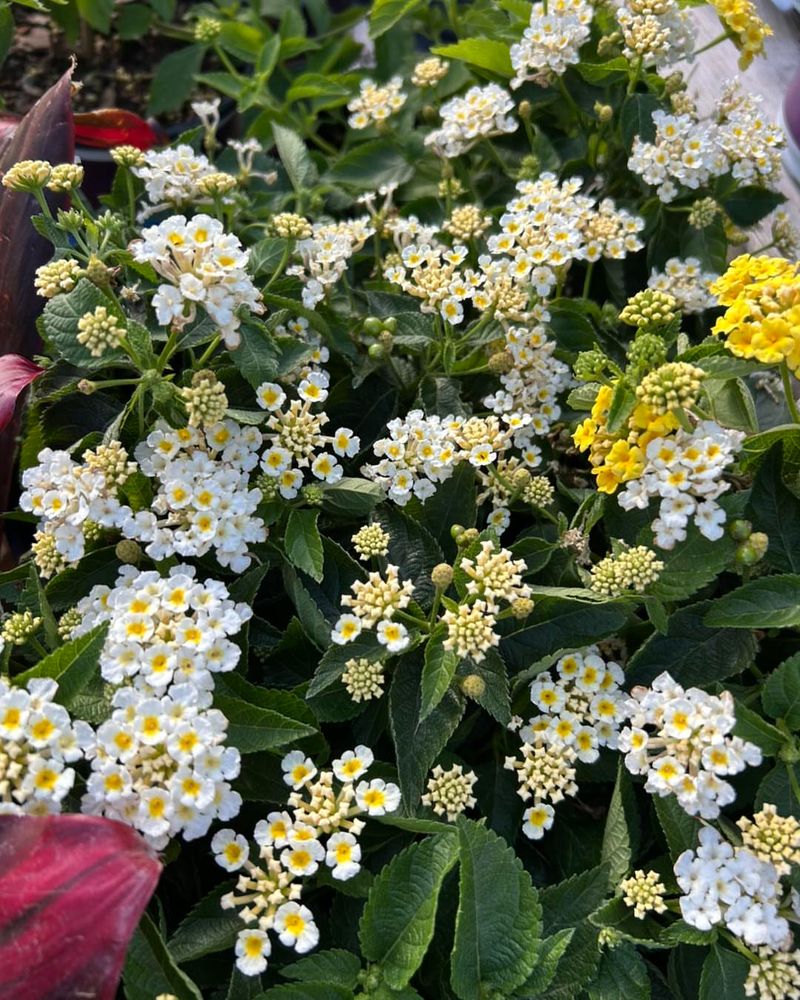
Most flowering plants slow down when temperatures push past 90 degrees. White lantana does the opposite.
Heat signals this plant to produce more flower clusters and push out new growth with surprising energy. It is one of the few container plants that genuinely seems to enjoy a Texas summer rather than just endure it.
That heat tolerance comes from the plant’s origins. Lantana is native to tropical and subtropical regions of Central and South America, where high temperatures and intense sun are the baseline conditions.
Those origins gave it a built-in ability to handle what would stress or finish off most other flowering plants commonly sold at Texas garden centers. The heat is not a challenge for white lantana. It is the home environment.
Plants like impatiens, begonias, and some marigold varieties drop flowers or go dormant during the hottest weeks. Lantana keeps going.
Gardeners across Central Texas, South Texas, and the Gulf Coast region consistently report strong performance from lantana containers through July and August heat waves.
The plant does appreciate consistent watering during extreme heat, since containers dry out faster than in-ground plantings.
Checking moisture levels every day or every other day during a heat wave is a reasonable habit. Even with that extra attention, the overall care demand stays low compared to more heat-sensitive options.
A lot of bloom for very little work is a genuinely good deal in a Texas summer.
Light Trimming Refreshes The Shape
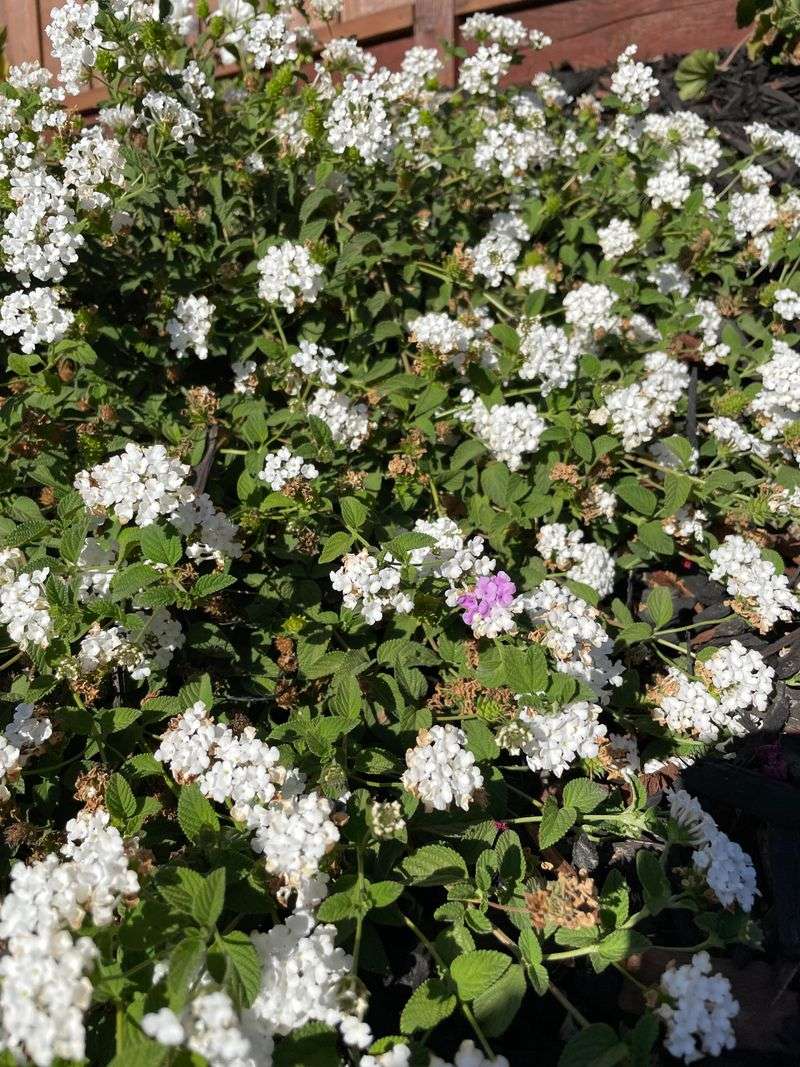
After several weeks of heavy blooming, white lantana can look a little ragged.
Spent flower heads accumulate, older stems get woody, and the plant loses some of its tidy mounded shape. A light trim fixes all of that quickly and pushes out a fresh round of new blooms within a week or two.
Lantana does not require precise or complicated pruning. Clean garden shears or sharp scissors work fine for container plants.
Cut back the stems by about one-third, removing spent flower clusters and any stems that look crossed or tangled. The plant bounces back fast and fills in gaps without much encouragement.
Timing the trim strategically pays off. Many Texas gardeners do a light shaping in midsummer, around late June or early July, which gives the plant time to rebound and produce a strong second flush of flowers in late summer and fall.
That second wave often looks even better than the first because temperatures begin easing by September and the plant has a full season of root development behind it.
One practical note worth mentioning: wear gloves when working with lantana.
The leaves and stems contain compounds that can cause mild skin irritation with extended contact, and washing hands afterward is a smart habit regardless.
Beyond that small precaution, shaping a container lantana is one of the most rewarding and low-effort tasks in summer container gardening. Ten minutes of work, two weeks of fresh blooms. That math works out well.
Pollinators Find The White Clusters
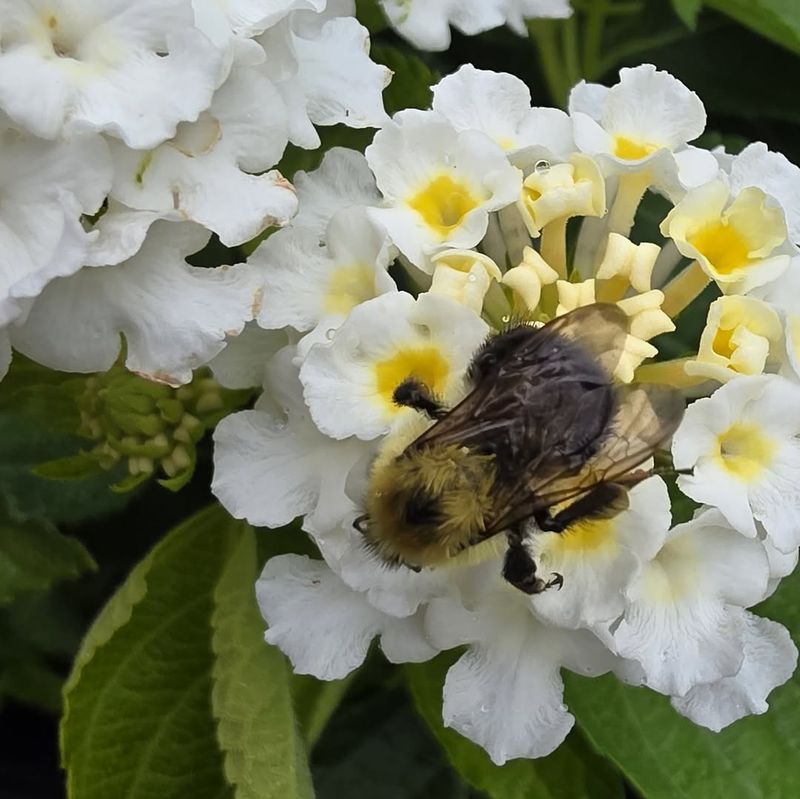
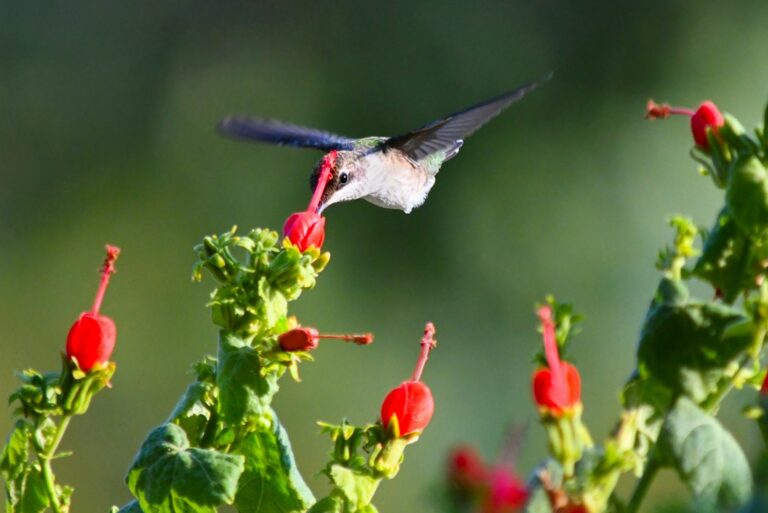
Plant a container of white lantana on the patio and prepare for company. Butterflies, bees, and hummingbirds are drawn to lantana flowers with remarkable consistency.
The small tubular florets that make up each cluster produce nectar that pollinators find hard to resist, and the white color acts like a visible landing signal against the green foliage.
Monarch butterflies are especially frequent visitors.
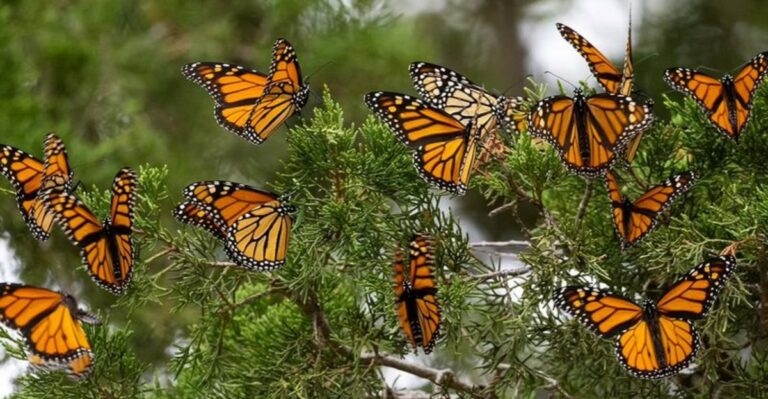
Since monarchs travel through Texas during their annual migration, having white lantana can turn an outdoor space into a brief but meaningful resting stop for one of the most recognized butterflies in North America.
Swallowtails, skippers, and gulf fritillaries also show up regularly in most parts of the state.
Native bees find white lantana just as appealing. Bumblebees and smaller native bee species use it as a reliable nectar source during the hottest months of summer, when many other flowering plants have already stopped producing.
Container lantana becomes a useful contribution to local pollinator populations, not just a decorative one.
Texas Master Gardeners and pollinator conservation groups regularly recommend lantana as one of the top summer plants for supporting native insects and butterflies.
The plant offers something beyond good looks. It actively contributes to the local ecosystem from inside a pot on your porch.
Style and ecological function in the same container is not a combination that comes along often, and white lantana delivers both without asking for much in return.
Winter Care Depends On Your Zone
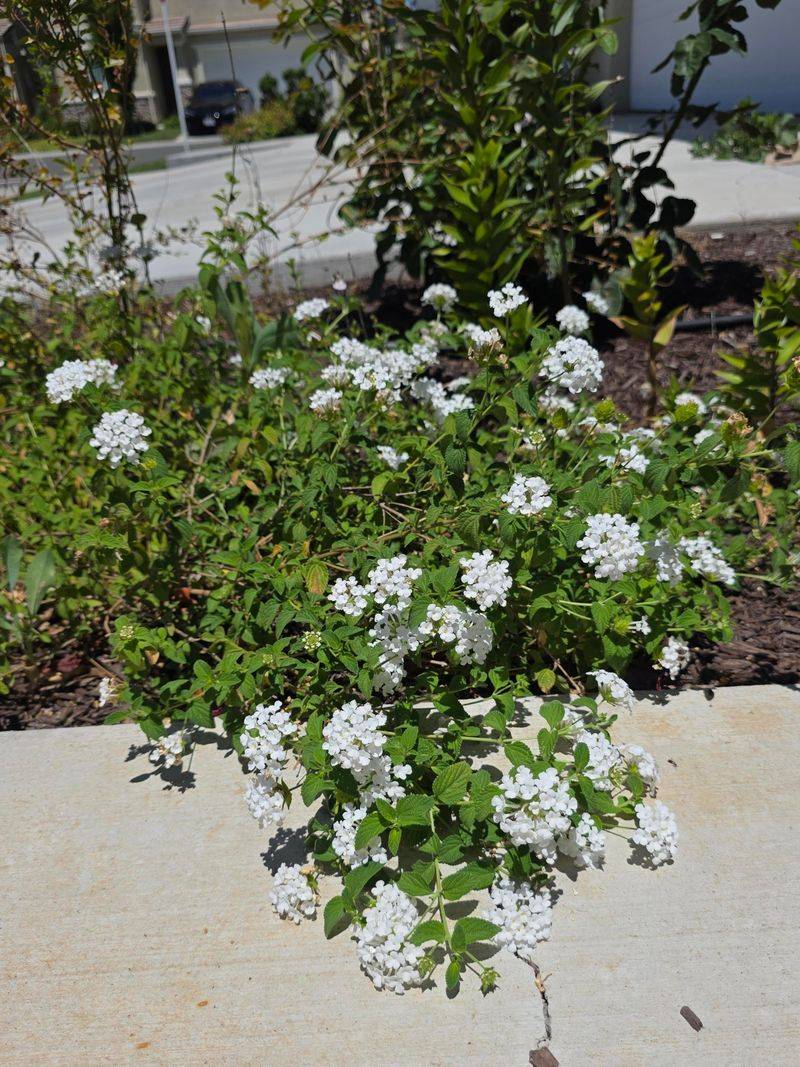
Texas is a large state, and winter looks completely different depending on where you live.
A gardener in Brownsville deals with a very different cold season than someone in Amarillo or Dallas, and white lantana’s winter survival in containers shifts significantly based on your USDA hardiness zone.
In South Texas and along the Gulf Coast, including the Rio Grande Valley and Houston area, white lantana often survives winter with minimal protection.
The roots may stay viable even after light frost touches the foliage, and the plant regrows from the base in spring. Gardeners in these zones can reasonably treat lantana as a short-lived perennial rather than a strict annual.
Central Texas gardeners in zones 8a and 8b have a more variable experience. Mild winters allow lantana roots to survive in containers moved against a south-facing wall or into a protected garage during hard freezes.
Colder winters finish the plant off entirely. Keeping the container mobile and watching the forecast gives the best chance of carrying it through to spring.
North Texas and the Panhandle fall into colder zones where lantana is most reliably treated as a warm-season annual.
Rather than stressing over winter protection, many gardeners simply enjoy the plant through summer and fall, then start fresh the following spring.
A new plant each year still delivers months of reliable blooms, pollinator activity, and zero drama about whether it survived the cold. Sometimes treating a plant as an annual is not a limitation. It is just the honest approach.
Patio Placement Shows Off The Color
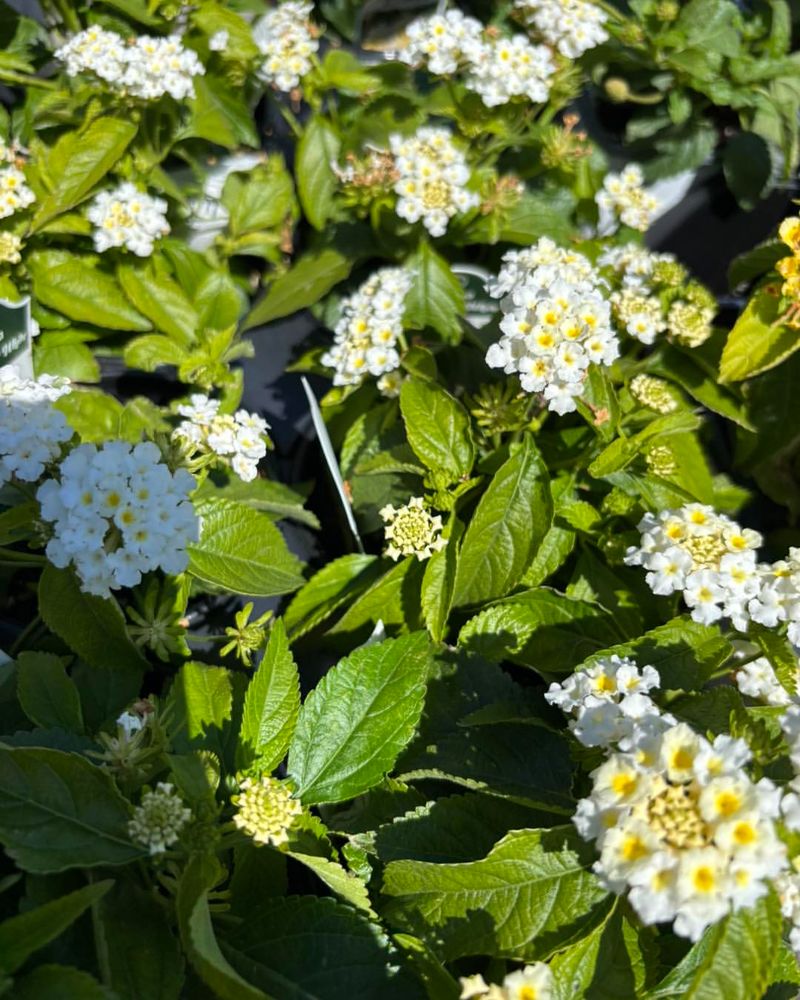
White blooms have a quality in container design that colored flowers sometimes lack.
They brighten shaded corners, create contrast against dark container materials, and catch evening light in a way that keeps the patio looking alive after sunset.
White lantana brings all of those qualities to any outdoor space without requiring a complicated design plan.
Pairing white lantana with bold contrasting colors produces a striking visual effect. Deep purple sweet potato vine trailing over the edge of the same container is a classic combination Texas garden designers reach for consistently.
Adding a tall dark-leaved canna or a spike plant in the center gives the arrangement height and structure, with white lantana filling in the middle layer and tying the whole composition together.
Container size matters for placement impact. A single large pot, at least 14 to 16 inches wide, filled with white lantana makes a confident statement at an entryway or on either side of a front door.
Smaller containers work well grouped on steps or along a fence line. Odd-numbered groupings of three or five containers look more natural and balanced than even-numbered arrangements, which tend to feel a little rigid.
One placement detail Texas gardeners consistently recommend is positioning white lantana containers where they are visible from inside the house.
A container near a window or glass door delivers the flowers and the butterfly activity on days when the heat makes outdoor time impractical.
Watching a monarch work through a container of white lantana from the air-conditioned side of a window is, genuinely, one of the better rewards summer gardening offers.