The Plants North Carolina Gardeners Should Bring Indoors This November
Many of the flowers spilling from our porch pots began life in some tropical countries. Those homelands rarely see frost, so a single freezing night here can turn lush leaves into limp mush.
Across North Carolina, average first frost dates usually land between October and mid-November, depending on your elevation. Mountain gardens often feel the bite weeks before coastal yards, which can stay mild surprisingly late into fall.
I love walking my yard on a cool evening and choosing which tender treasures earn a ticket inside. You may be surprised how many summer favorites will happily rest in a cool garage or a sunny window.
Saving these plants costs far less than buying fresh ones every spring, and the bigger plants bloom sooner. So which porch beauties deserve a cozy spot by your window before the first hard freeze arrives?
1. Tropical Hibiscus
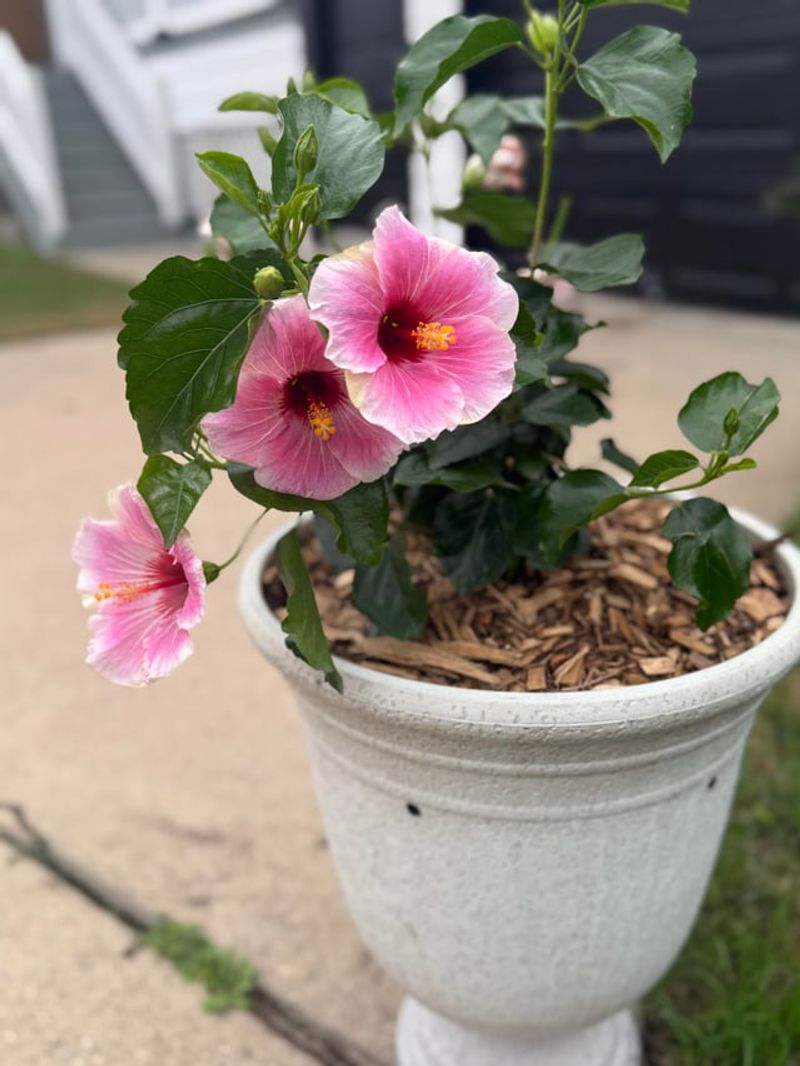
Those plate-sized blooms on Hibiscus rosa-sinensis last only a day or two, yet the plant keeps producing more all summer. Its tropical roots in Asia mean chilly nights near 40 degrees can cause yellow leaves and sudden bud drop.
In my experience, the best moving day arrives when nighttime lows start dipping into the upper forties. Waiting for frost is risky, because cold damage to soft stems often shows up days later as browning.
Before carrying the pot inside, check leaf undersides for whiteflies and aphids hiding in the shade. A strong spray from the hose or a dose of insecticidal soap helps keep those pests outdoors.
Trimming the plant back by about one third makes it much easier to fit near a window. Fresh cuts also encourage bushier branches, which means more flowering tips when warm weather returns next spring.
Light matters more than anything once your hibiscus moves indoors, so pick your sunniest south or west window. A simple LED grow light can fill the gap during cloudy weeks, and plants respond to it nicely.
Expect some yellow leaves during the first couple of weeks, since the plant is adjusting to dimmer rooms. Water only when the top inch of soil feels dry, because soggy roots cause far more trouble indoors.
Skip fertilizer through the darkest months and let the plant coast along at a slower, steady pace. When spring warmth returns and nights stay above fifty, your hibiscus can head back outside for another colorful season.
2. Geraniums
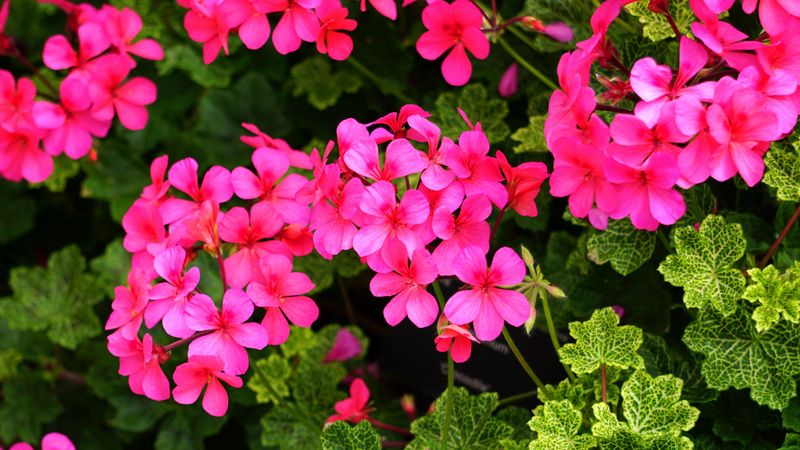
Garden geraniums are not true geraniums at all, since botanists place them in the genus Pelargonium from South Africa. That warm-climate background explains why they shrug off summer heat but sulk the moment frost touches their leaves.
I love how many ways you can save them, and each method fits a different amount of space. Potting them up as houseplants works well when you have a bright window with several hours of direct sun.
Cut the stems back by about half before moving them, and scout carefully for pests on the leaves. Indoors, let the soil dry slightly between waterings, since soggy pots lead to rot and yellowing foliage.
Short on window space, many longtime growers use an old-fashioned bare-root method that requires almost no room at all. Dig plants before frost, shake soil from the roots, then hang them upside down in paper bags.
Store them somewhere cool and frost-free, ideally around 45 to 50 degrees, like an unheated basement or garage. Once a month, soak the roots briefly if the stems start looking shriveled or overly dry.
Cuttings offer another choice, and honestly, they are my favorite way to multiply a special flower color. Snip three to four inch tips, strip the lower leaves, then stick them in moist perlite or vermiculite.
Roots usually form within a few weeks in a bright spot, giving you sturdy young plants by spring. Those small starts take up far less room than full-sized pots, which makes your windowsill much easier to manage.
3. Canna Lilies
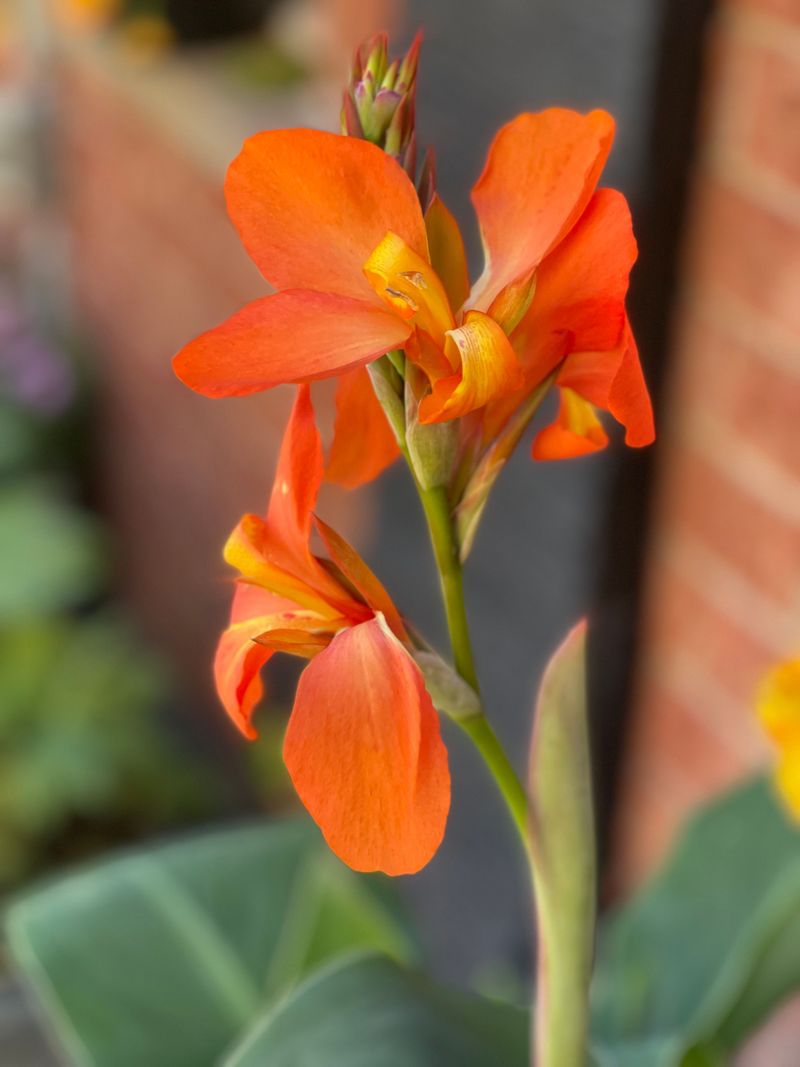
Canna seeds are so hard that gardeners often nick or soak them before planting to help them sprout. Those giant paddle leaves and bright flowers grow from thick rhizomes that tolerate more cold than many expect.
Many cannas are rated hardy to USDA Zone 7, so Piedmont and coastal gardeners often leave them in the ground. A thick layer of mulch over the bed adds helpful insulation during unusually cold winter stretches.
Mountain gardens in colder zones are a different story, and container cannas need protection almost everywhere in North Carolina. Roots in pots sit above ground, where freezing air reaches them much faster than soil in a bed.
Wait until frost blackens the leaves, then cut stems to about six inches and lift the clumps with a fork. Work slowly around the edges, since bruised or broken rhizomes are more likely to rot during storage.
Let the clumps dry for several days in a sheltered, airy spot away from direct sun and freezing temperatures. That short curing period toughens the skin and makes soft or damaged pieces much easier to spot.
I pack mine in cardboard boxes with dry peat moss or vermiculite, keeping each rhizome from touching its neighbors. Plastic tubs trap moisture, so skip them and choose a spot that stays between 40 and 50 degrees.
Peek at the box once a month and remove anything mushy or moldy before it spreads to healthy pieces. Replant in spring after frost danger passes and the soil warms, and the clumps will likely grow bigger than before.
4. Tuberous Begonias
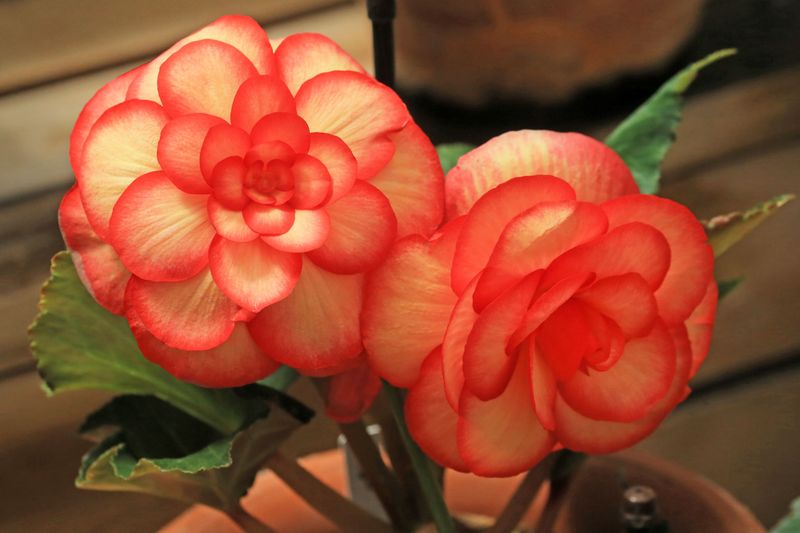
Tuberous begonias produce ruffled blooms that can look like roses or camellias, glowing in shady corners where little else flowers. Underneath the soil sits a flattened tuber that can return year after year with a bit of winter care.
Many people toss these beauties at the end of the season, thinking they are annuals that cannot come back. In reality, they are tender perennials that simply need a dry, cool rest away from freezing weather.
Start cutting back on water as fall nights cool and the leaves begin turning yellow on their own. That slowdown nudges the plant to send its stored energy down into the tuber before you lift it.
After the foliage withers, gently dig or tip out each tuber, brushing away loose soil with your fingers. Avoid washing them, because extra moisture during storage invites mold and soft spots that spread quickly.
Let the tubers dry in a warm, airy room for about a week or two before packing them away. Healthy ones should feel firm and heavy, a bit like a small potato from the grocery store.
Nestle them in dry peat moss or vermiculite inside a paper bag or box, then store around 40 to 50 degrees. I check mine monthly and lightly dampen the packing material if any tuber starts looking wrinkled.
About eight to twelve weeks before your last spring frost, set the tubers hollow side up in moist potting mix. Bright light after sprouting keeps stems sturdy, and the plants can head outdoors once frost danger passes.
5. Mandevilla
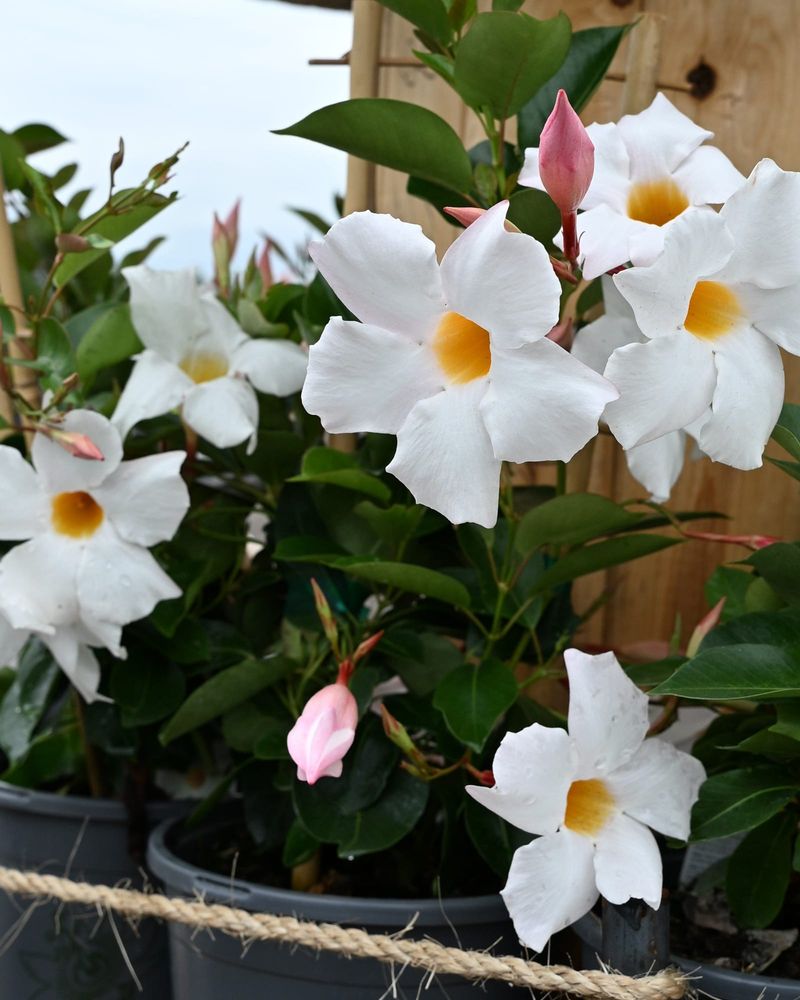
Mandevilla vines can climb a porch trellis several feet in a single summer, covered in glossy leaves and trumpet flowers. Their wild relatives grow in tropical Central and South America, so our chilly autumn nights catch them unprepared.
Most growers suggest moving mandevilla indoors once nighttime temperatures start dropping toward 50 degrees. I like to bring mine in a little early, because cold-stressed vines often drop leaves and take weeks to recover.
Long vines can be awkward to carry, so unwind them from the trellis and trim them back as needed. Mandevilla handles pruning well, and the plant will send out fresh shoots once spring light returns.
Check stems and leaf joints closely for mealybugs and spider mites, which love the dry air inside heated homes. Washing the foliage with a gentle spray before moving day helps keep hitchhikers off your other houseplants.
Inside, give your vine the brightest window available, since dim rooms lead to pale leaves and weak growth. A sunny room that stays above 55 degrees suits it nicely through the shortest days of winter.
Water when the top inch of soil dries out, and empty any saucer so roots are not left soaking. Some leaf drop is normal during the move, and the plant usually settles in after a few weeks.
Another option is letting the vine go dormant in a cool garage that stays above freezing, watering only occasionally. Once spring nights warm up again, move it outside gradually so the leaves adjust to stronger sunlight.
6. Fuchsia
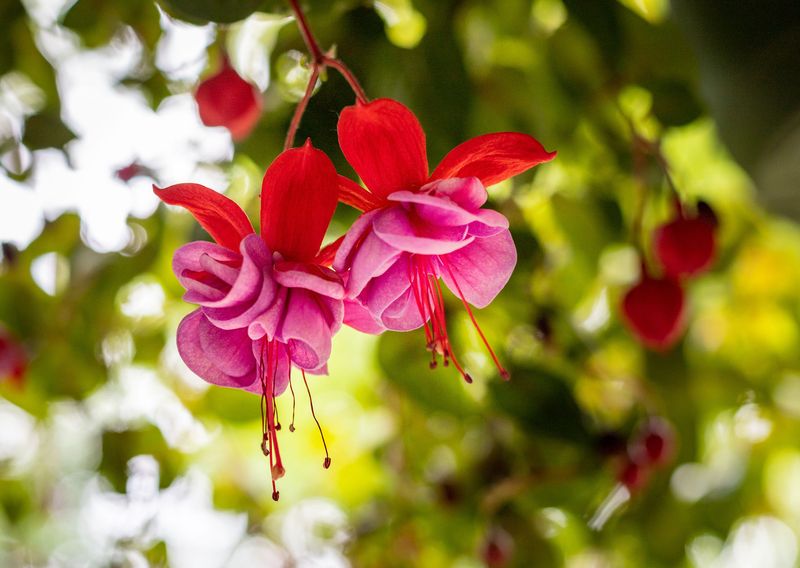
Hummingbirds adore fuchsia, zipping between the dangling blossoms that hang from baskets like tiny ballerinas in pink skirts. Most garden fuchsias are hybrids called Fuchsia x hybrida, and they struggle once temperatures slip toward freezing.
Honestly, our hot, humid summers can wear these plants down, so many fuchsias look tired by autumn anyway. A winter rest indoors gives them a fresh start, and that often leads to stronger flowering next season.
You can keep fuchsia growing in a cool, bright room where temperatures stay roughly between 55 and 65 degrees. An east-facing window works nicely, and the soil should stay lightly moist rather than bone dry.
The second approach is dormancy, which suits gardeners who lack space near windows or simply want less upkeep. Before frost arrives, move the plant into a dark, frost-free spot that stays around 40 to 50 degrees.
Your fuchsia will likely drop most of its leaves in storage, which can look alarming but is perfectly normal. Give it a small drink every few weeks, just enough to keep the stems from shriveling up.
Pick fallen leaves out of the pot before storing it, since rotting foliage can encourage gray mold and pests. I also trim long, floppy branches at this stage so the plant fits easily on a basement shelf.
By late winter, bring the pot into warmth and brighter light, then prune stems back by about half. New branches soon appear, and each branch tip can carry flowers once the plant returns to its shady porch.
7. Angel Wing Begonias
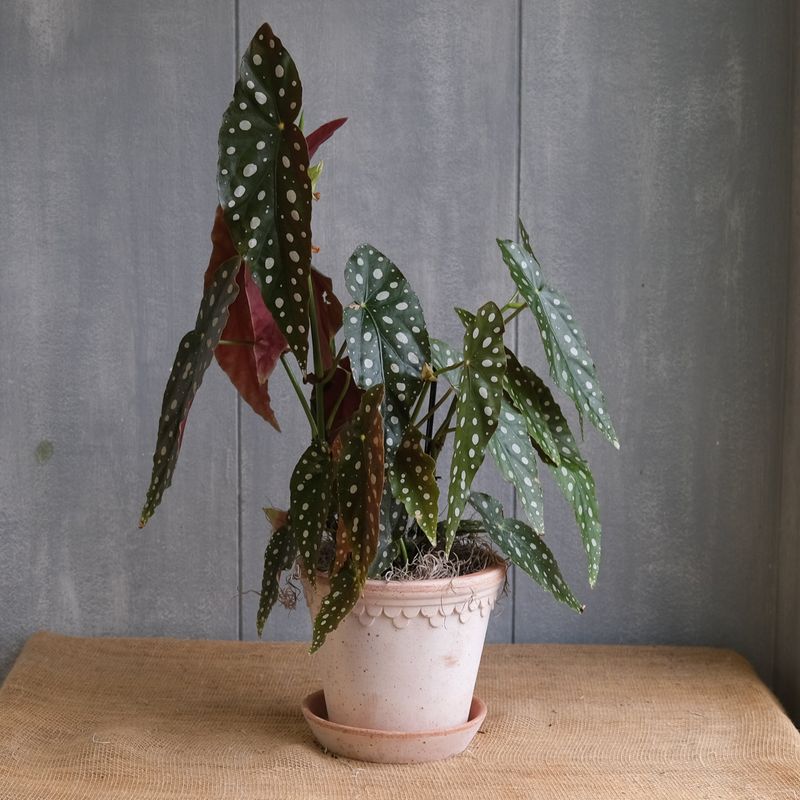
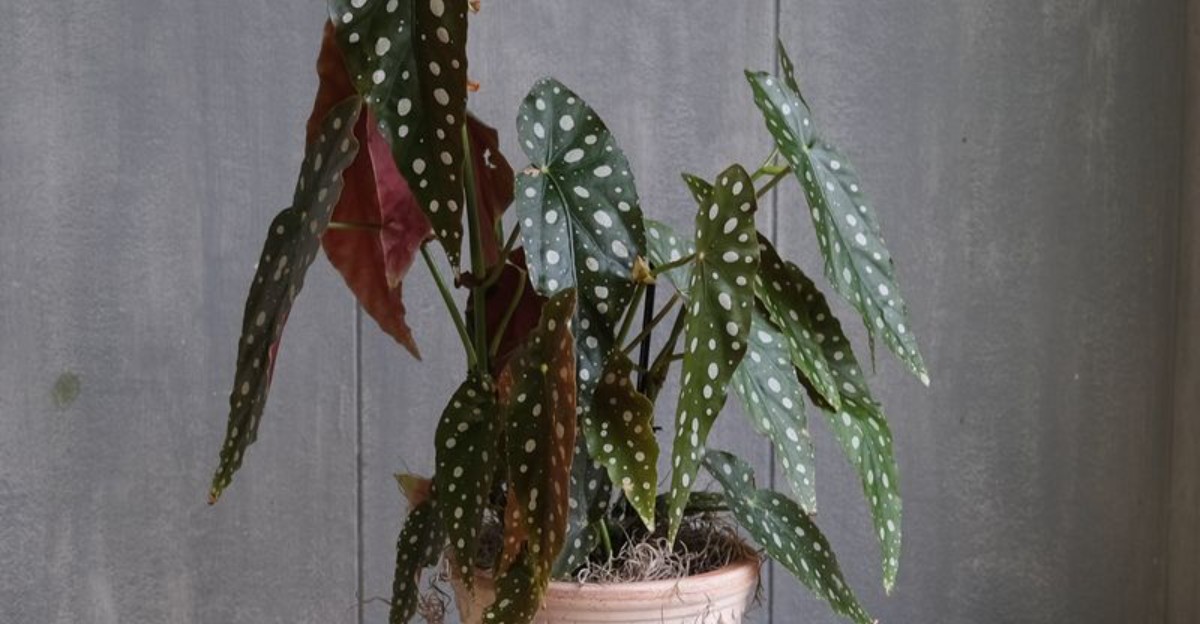
Angel wing begonias earned their name from long, pointed leaves that resemble folded wings, often speckled with silver dots.
Cane begonias like these keep growing through winter, so they make wonderful houseplants instead of needing dry storage.
Unlike their tuberous cousins, these plants have no dormant tuber, which means they need light and water all year. I think of them as roommates rather than sleeping guests, since they keep you company through the cold months.
Bring them inside before nights drop near 50 degrees, because their soft canes suffer quickly in chilly air. A quick rinse and a careful look under the leaves helps you catch mealybugs before they settle in.
Bright, filtered light suits angel wings best, such as a spot near an east window or behind a sheer curtain. Harsh afternoon sun can scorch the leaves, while deep shade causes weak and stretched canes.
Let the top of the soil dry slightly between drinks, since begonias rot quickly in soggy, heavy pots. Choose containers with drainage holes, and tip out saucer water so roots stay healthy through the season.
Winter air inside heated homes can get quite dry, which sometimes leads to crispy brown leaf edges. Grouping plants together or setting the pot on a pebble tray raises humidity a little without much effort.
Tall canes can be pinched or cut back in late winter, and those trimmings root easily in water. I share extra starts with friends every spring, which might be the most fun part of growing them.
8. Tender Succulents
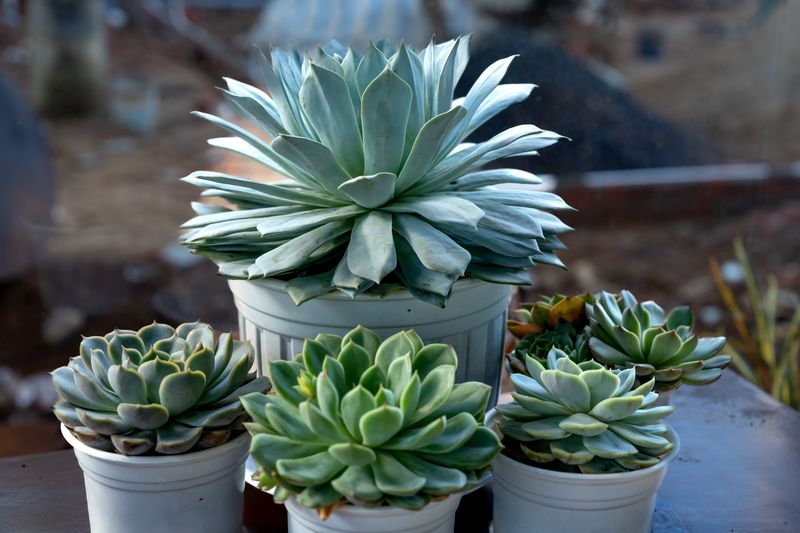
Jade plants and echeverias store water in plump leaves, which makes frozen tissue turn soft and mushy fast. Many popular succulents come from warm, dry places like South Africa and Mexico, where winters rarely bring hard freezes.
Not every succulent needs rescuing, since hardy sedums and many sempervivums handle our winters outdoors with ease. The tender types sold in small nursery pots are the ones that deserve a spot inside before frost.
Wet winter soil can trouble succulents almost as much as cold, especially in heavy clay common across North Carolina. Moving pots indoors protects them from both problems at once, which makes the effort well worthwhile.
Give them your sunniest window, ideally facing south, because low light makes stems stretch and lean toward the glass. A grow light set a few inches above the plants helps keep rosettes tight and colorful.
Water far less than you did in summer, waiting until the soil dries out fully before giving a thorough soak. Depending on your home, that might mean every few weeks, and some growers water only once a month.
A gritty cactus mix and pots with drainage holes give roots the dry footing they prefer during winter. Skip misting the leaves, since water sitting in rosettes can lead to rot in cool rooms.
Cool indoor temperatures suit many succulents, and jade plants often bloom after a stretch of cooler nights. Those clusters of small white or pink flowers make a sweet surprise during the gray winter months.