Eastern Tent Caterpillar Egg Masses On Georgia Cherry Trees Are Easy To Remove Before Spring
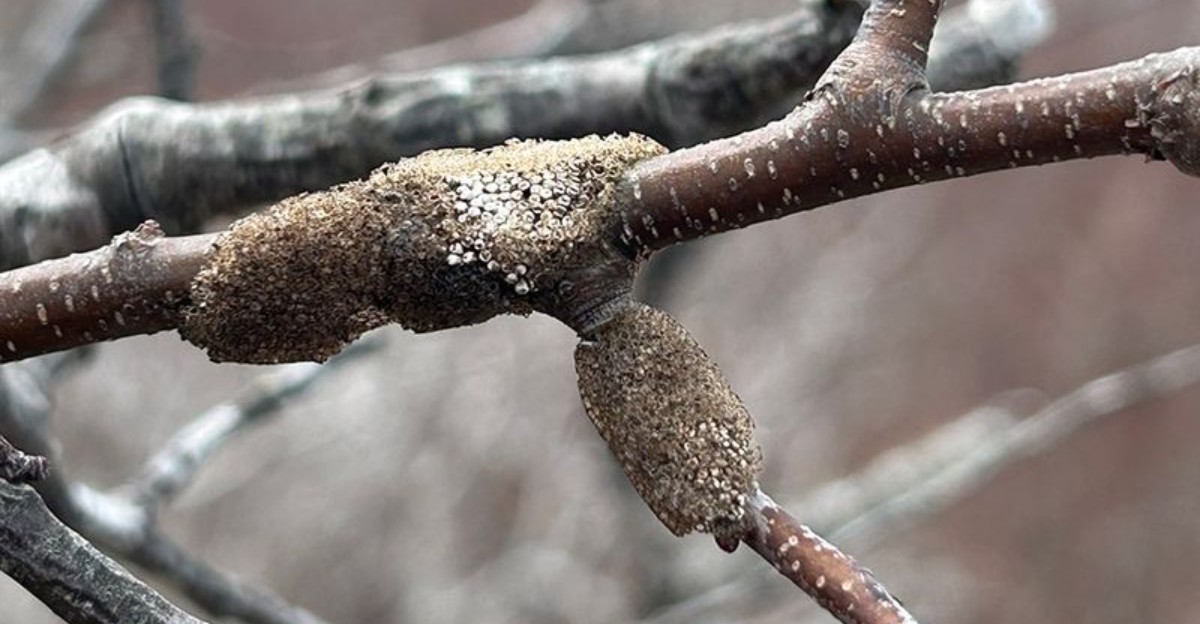
One shiny band no wider than a pencil can hold up to 300 tiny eggs. I found one last winter on a bare cherry twig in my Georgia yard, and I mistook it for a blob of dried sap.
Those eggs were laid back in early summer. The little ones inside formed months ago and have been sitting snug in their shells ever since, waiting for the first warm days of the new year.
I love a garden chore that takes five minutes and saves weeks of frustration. You need nothing fancy for this one, just sharp eyes, a sunny afternoon, and maybe a pair of pruners.
I believe winter is the most underrated time to stroll through your yard. The leaves are gone, the branches are bare, and every odd little lump suddenly stands out.
One of those tiny bands on your cherry tree could be hiding hundreds of caterpillars waiting for spring.
1. That Shiny Collar Around Your Cherry Twig Is Packed With Eggs
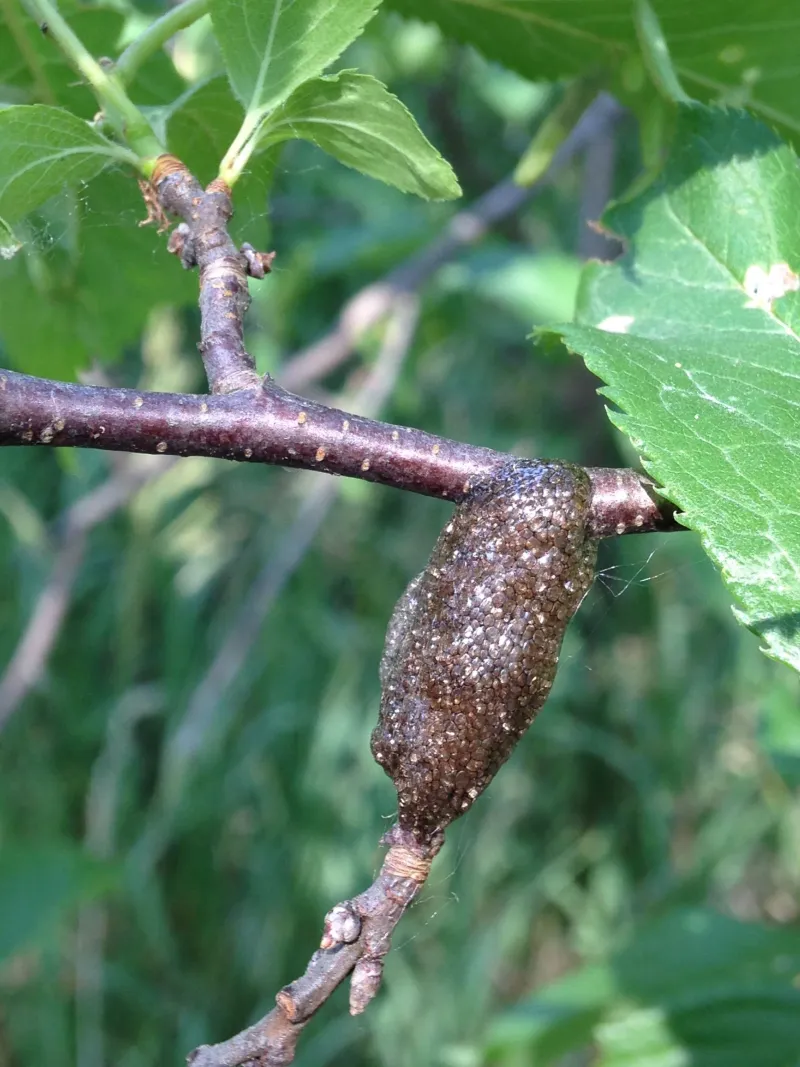
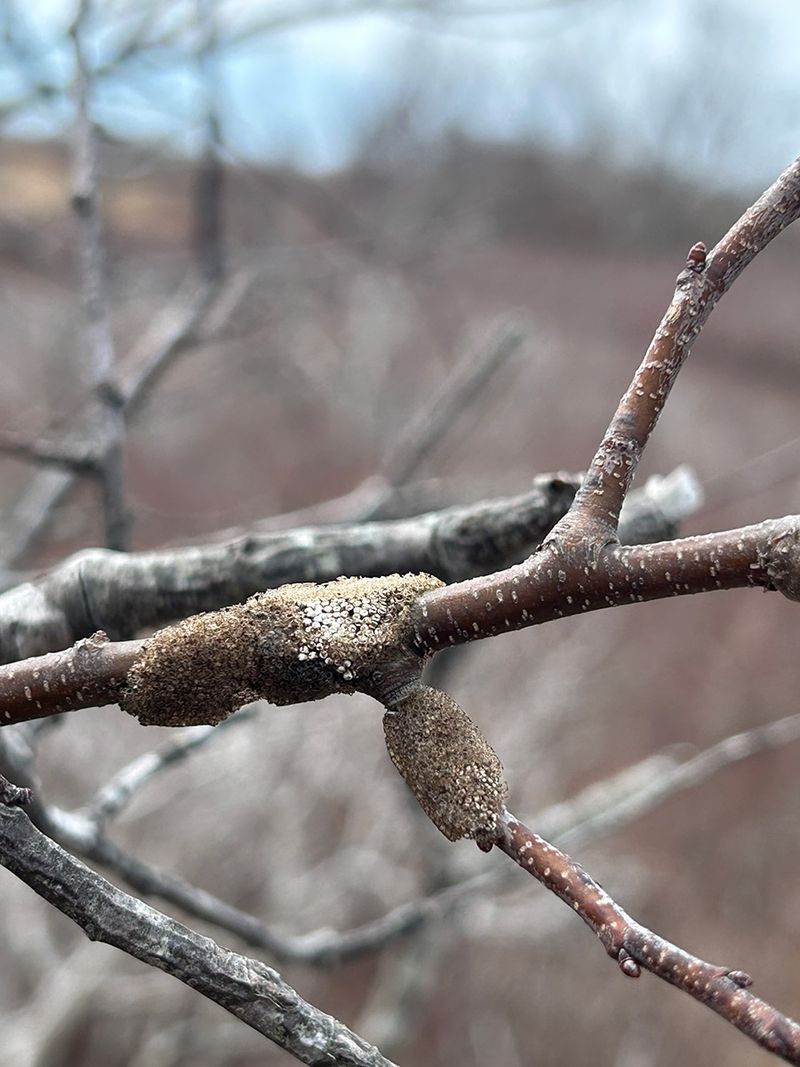
Run your fingers along a bare cherry branch this winter and you might feel a stiff, bumpy ring. That odd little collar is the egg mass of the eastern tent caterpillar, a native moth that loves trees in the cherry family.
Each mass wraps all the way around a pencil-thin twig. It is usually about three-quarters of an inch long and looks dark brown or nearly black.
A foamy coating called spumaline covers the eggs, which gives the band a varnished, shiny look.
Inside that coating sit roughly 150 to 400 eggs, packed in neat rows. University extension experts note that the young caterpillars form inside the eggs within a few weeks of laying.
They then rest there through fall and winter.
Wild black cherry is the top favorite in Georgia, but ornamental cherries, apples, crabapples, and plums attract the moths too. Check the outer, sunny branch tips first, since moths often choose them.
Fun fact for curious kids and grown-ups alike. The moth lays the whole mass in one go, spiraling around the twig before sealing it with that protective foam.
Then she flies off, and her work for the year is done.
2. Snip Or Scrape Those Egg Bands Off Bare Cherry Branches
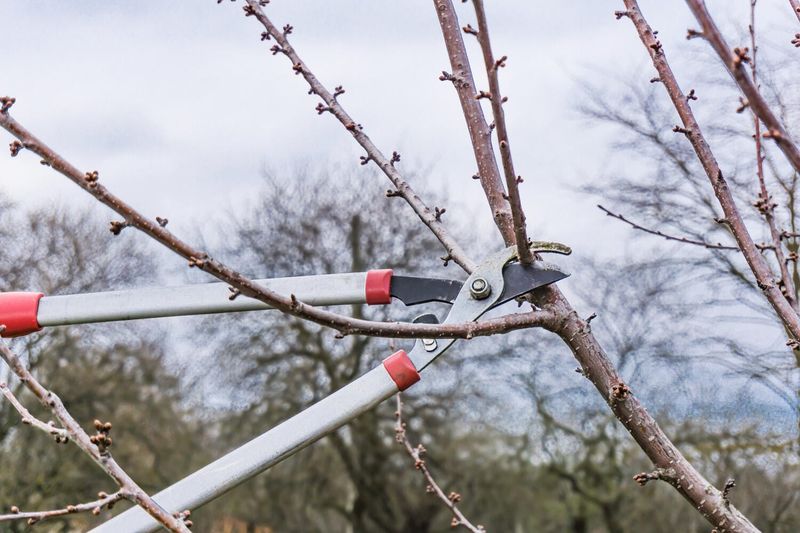
Removal takes less time than brewing a pot of coffee. That makes it one of my favorite winter garden jobs.
Start by walking slowly around each cherry tree on a bright day. Low winter sun bounces off the glossy coating, so the bands are easier to see.
Look at twig tips, especially on branches you can reach from the ground.
Once you spot one, you have two simple choices. You can snip off the small twig with clean bypass pruners, cutting just below the egg mass.
Or you can slide your thumbnail or a dull butter knife under the band and peel it away.
Pruning works best on thin, crowded twigs that you would trim anyway. Scraping is handy on spots where cutting would leave an awkward gap in the branch shape.
Wear light gloves if you like, since the coating can feel sticky. A step stool helps with slightly higher branches, but skip the wobbly ladder.
Any masses out of reach can be handled later by removing the young tents in spring.
Five or ten minutes per tree is usually plenty. Personally, I count each band as a small victory, and that tally gets surprisingly fun.
3. Drop Those Removed Egg Masses Into A Bucket Of Soapy Water
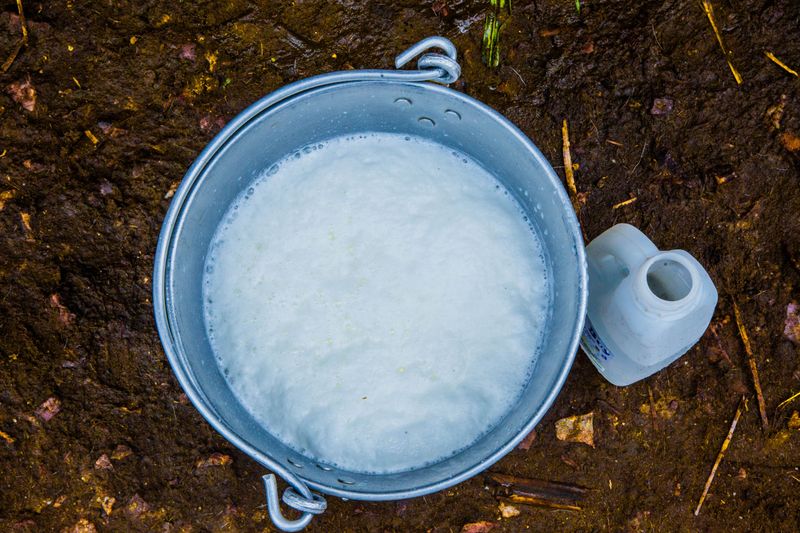
So you have a handful of twigs and scraped bands. Tossing them on the ground is tempting, but the eggs can still hatch there come spring.
A bucket of water with a squirt of dish soap solves that problem neatly. Drop each piece in and let it soak for a day or two.
The soap helps water get past that protective foam coating.
Another easy option is sealing the pieces in a plastic bag and putting it in the trash. Some gardeners simply crush the scraped bands underfoot on a paved path, which works fine for small numbers.
Skip the compost bin for now. Home piles rarely get hot enough in winter to handle these eggs, so you could end up spreading caterpillars around your yard instead.
Keep the bucket near the tree while you work. That way you are not juggling sticky twigs or dropping pieces in the grass.
Here is a little bonus tip. Rinse your pruners with soapy water afterward and dry them well.
Clean blades make smoother cuts and help keep other tree problems from hitching a ride between branches.
No sprays, no special products, and nothing that harms pollinators or birds.
4. Late Winter Is Your Last Chance Before The Caterpillars Hatch
Timing is everything with this chore. The caterpillars hatch right as cherry buds begin to swell and open.
In Georgia, that often happens in late February or March, depending on your area. South Georgia, in warmer zone 8b and 9a areas, usually sees hatching earlier than the cooler north Georgia mountains in zone 7.
That gives you a comfortable window from late fall, after leaves drop, until buds start to break. Bare branches make spotting the bands much easier during these months.
Once leaves appear, the egg masses become harder to find. Worse, the tiny caterpillars may already be out and gathering in branch forks to spin their first silk tents.
I like to make my main check in January. Then I do a quick second pass in February, since it is easy to miss a band or two the first time around.
A mild winter can push hatching a little earlier. Keep an eye on your cherry buds, because they are your best calendar.
Fun fact. The young caterpillars often feed on the foamy coating of their own egg mass before moving on to fresh leaves.
5. Those Silky Tents In Cherry Branch Forks Come From Missed Eggs
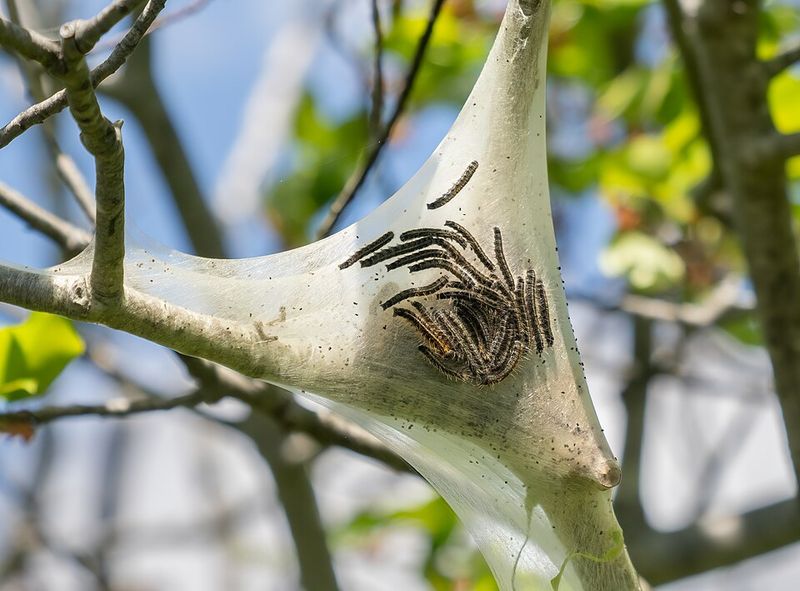
Anyone who has seen a cherry tree in April with white silk webs in the crotches knows the look. Those tents are what grow from egg masses that got missed.
The caterpillars live together in the tent and head out to feed on young leaves, usually during the day or early evening. As they grow, they keep adding layers of silk, and the tents can reach the size of a football.
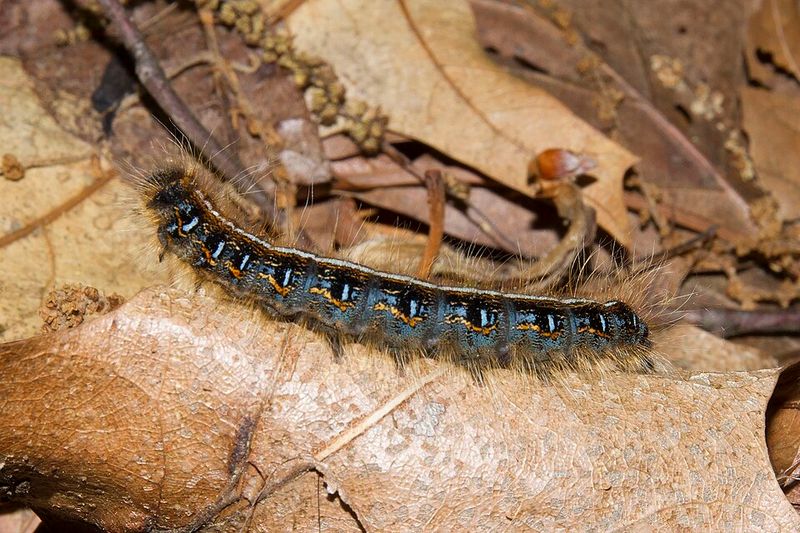
Each caterpillar becomes about two inches long. It is hairy and black, with a white stripe down the back and blue and orange markings along the sides.
These are not the same as fall webworms. Fall webworm nests appear at branch tips in late summer and fall, while tent caterpillar tents sit in branch forks in spring.
Missed a few? Small young tents can be pulled out with a gloved hand or a stick on a cool morning or evening when the caterpillars are inside.
Wrap the silk around the stick and drop it into soapy water. Acting early, while tents are still small, keeps the job quick and tidy.
6. Healthy Cherry Trees Usually Bounce Back From Hungry Caterpillars
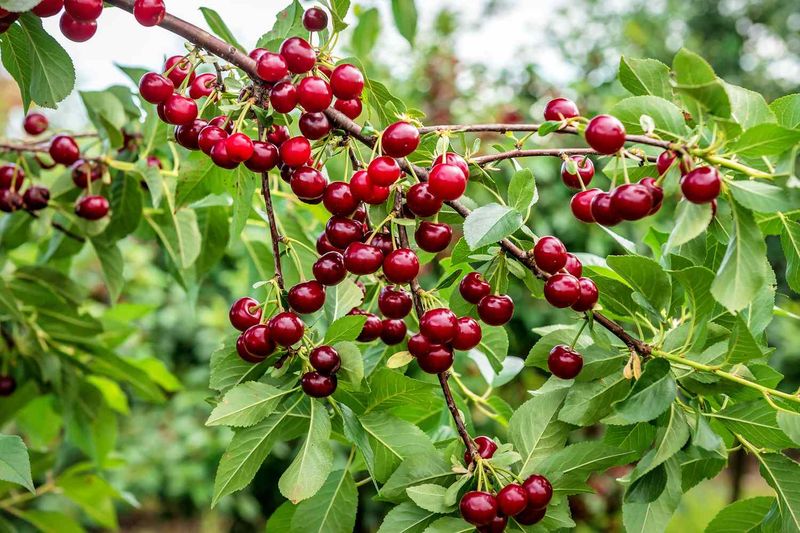
Take a deep breath, because these caterpillars look scarier than they usually are. Healthy, established cherry trees typically survive their feeding just fine.
According to extension specialists, trees that lose leaves in spring often push out a second flush of foliage within a few weeks. Feeding finishes by early summer, giving the tree plenty of time to recover.
Young trees, newly planted trees, and trees already stressed by drought may struggle more. Repeated heavy feeding over several years can slow growth and weaken branches.
Mostly, though, the problem is how things look. Silk tents and chewed-up branches are not the spring view anyone wants in their front yard.
There is one more concern worth knowing. Kentucky researchers linked eastern tent caterpillars to mare reproductive loss syndrome, so horse owners should keep wild cherries near pastures cleared of tents and egg masses.
Cherry leaves themselves also contain compounds that can harm livestock when wilted, so tidying fallen branches near animals is smart.
For the average Georgia home garden, though, removing egg masses is less about rescuing your tree and more about enjoying a cleaner, prettier spring.
7. Put Away The Torch And Skip The Harsh Sprays On Your Cherry Tree
Old-timers sometimes swear by burning tents and egg masses off with a torch. Please do not try this one.
Flames can scorch the thin bark and damage the living tissue just underneath. That injury opens the door to disease and decay, and it can start a fire in dry winter brush.
Broad insecticide sprays are rarely needed for a backyard cherry tree either. They can harm bees, butterflies, and helpful insects that keep pests in check.
Spraying dormant egg masses does little, since the foam coating protects the eggs well.
If caterpillars do appear in large numbers, extension services suggest Bacillus thuringiensis kurstaki, often sold as Btk. It targets leaf-eating caterpillars and works best on young ones.
Spray only the leaves where caterpillars feed, and follow the label carefully. Remember that Btk can also affect butterfly caterpillars, so keep it on the problem tree.
Cutting large branches just to remove a tent is another mistake. Big pruning wounds stress the tree more than the caterpillars do.
Gentle hand removal truly is the best first step. It is cheap, safe, and surprisingly effective.
8. Birds, Wasps, And A Yearly Twig Check Keep Tent Caterpillars In Line
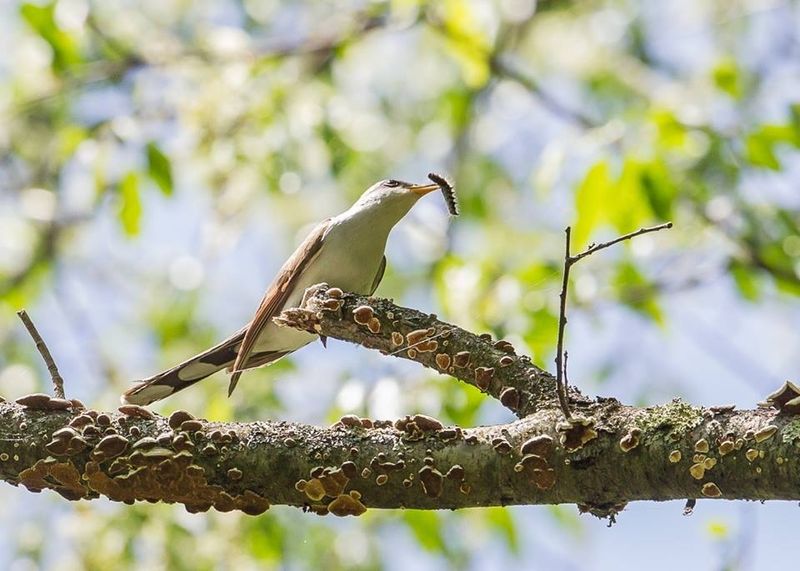
Nature lends a hand more than you might expect. Yellow-billed cuckoos and some orioles happily eat hairy tent caterpillars that many other birds avoid.
Tiny parasitic wasps and flies also attack the eggs and caterpillars. Disease outbreaks and late spring cold snaps can knock populations down too, which is why caterpillar numbers rise and fall over several years.
You can support these helpers by planting native shrubs and trees that give birds food and shelter. Skipping broad sprays lets the beneficial insects do their quiet work.
Wild black cherry trees along fence lines or woods can send new moths your way each summer. Removing every one is not practical, and these native trees also feed many valuable insects and birds.
The smartest habit is a simple yearly twig check. Mark a winter weekend on your calendar and walk past each cherry, apple, and crabapple in your yard.
Bring pruners, a bucket of soapy water, and a cup of something warm. Ten minutes of looking now gives you clean branches and fresh green leaves later.
Personally, I think it beats any spring cleanup job by a mile.