The Natural November Trick That Can Help Thicken Your Pennsylvania Lawn
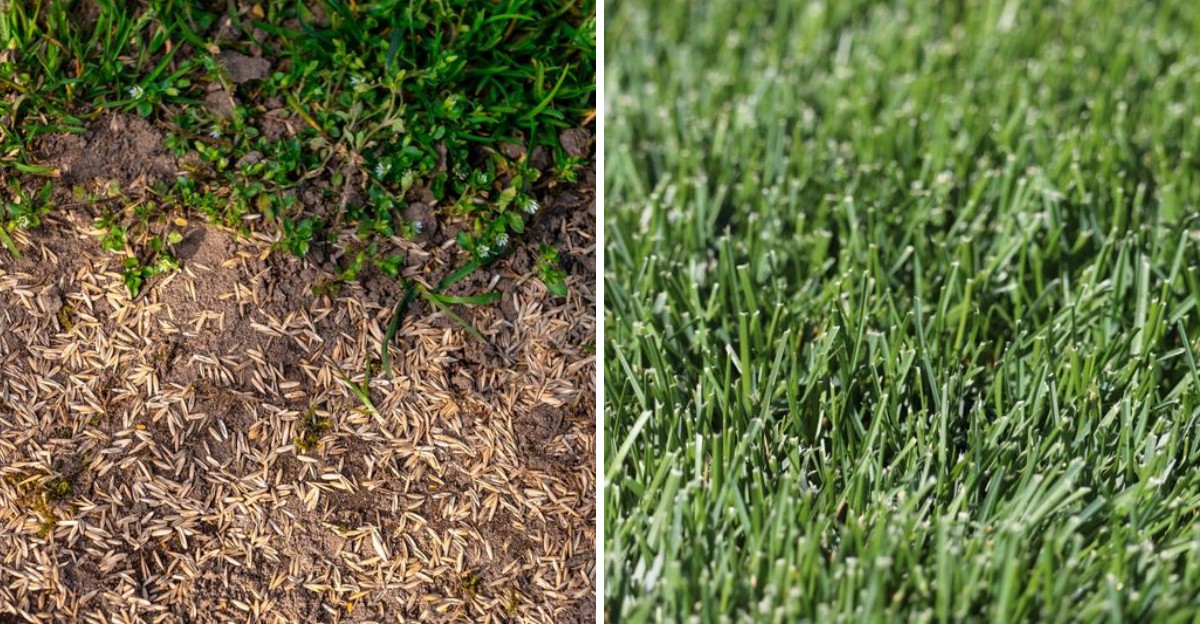
Grass seed can sit in frozen soil for months without sprouting, then wake up on its own once spring warms the ground. Winter does a surprising amount of the work for you.
Here’s something worth knowing about that cold-weather nap. Freezing and thawing cycles open tiny cracks in the soil, and seeds slowly settle into them.
No rake, roller, or sprinkler is needed for that part.
I find it fascinating that a Pennsylvania lawn can get a head start while most of us are hanging up our garden gloves for the year. You get to skip some of the spring rush, and the new grass is ready to go the moment conditions turn right.
Of course, timing makes or breaks this approach. Plant a week too early, and the whole plan can backfire.
So how do you know when the moment is right?
1. Grass Seed Scattered on Cold November Soil Is Up to Something
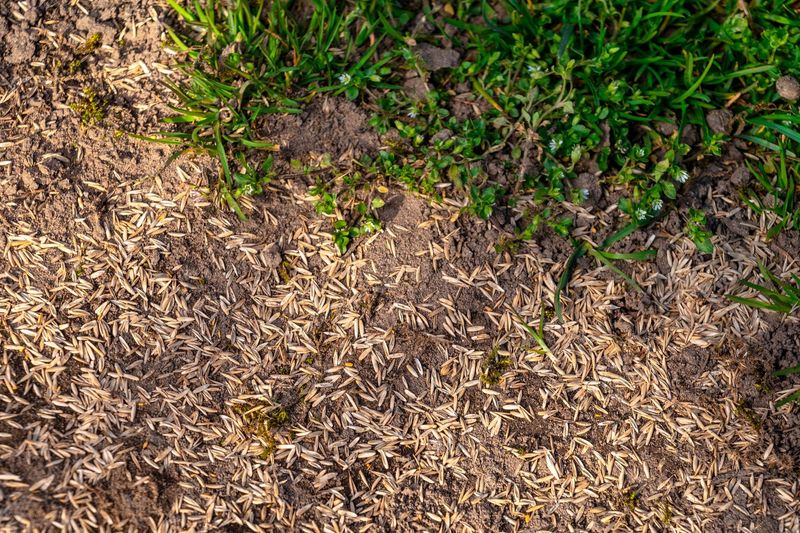
Most people put the spreader away by Halloween. A smart group of lawn lovers waits until the soil turns cold, then pulls it right back out.
The idea sounds a little backward at first. You spread seed when it is too cold for it to sprout, on purpose.
The seed just sits there, quiet and patient, until spring decides it is time.
What I like about this trick is how little it asks of you. Nature handles the watering with snow and rain.
Freeze and thaw cycles gently work each seed into the top layer of soil, giving it the close contact it needs to grow later.
Penn State Extension notes that this approach can work well for thin areas in cool-season lawns. It is not a magic fix for every problem, though.
Heavy shade, packed soil, or poor drainage can still hold grass back no matter when you seed.
Think of it as early registration for spring. While your neighbors wait for the ground to dry out in April, your seed is already in place and ready to go.
That small head start can make thin spots fill in sooner.
The next section gives this trick its proper name. It also explains why the cold, which seems like the enemy, is actually the secret ingredient.
2. Dormant Seeding Lets Winter Plant Your Lawn for You
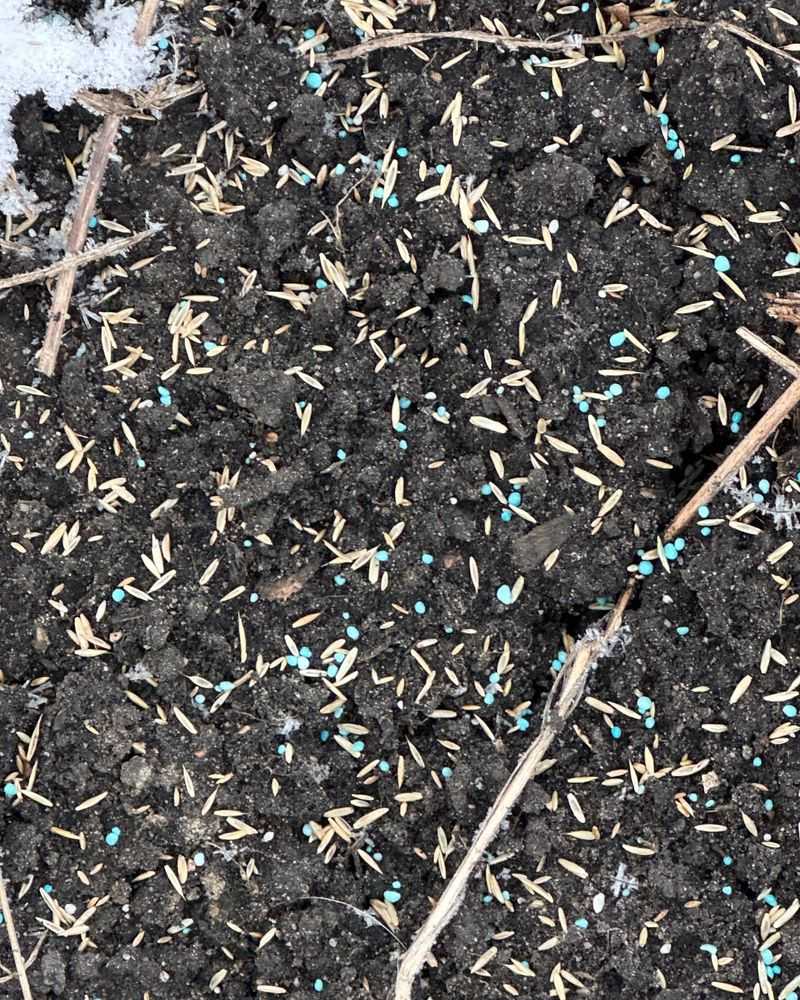
Dormant seeding is the official name for this cold-weather move. The goal is simple: get seed down after it is too cold to sprout, so it waits until spring.
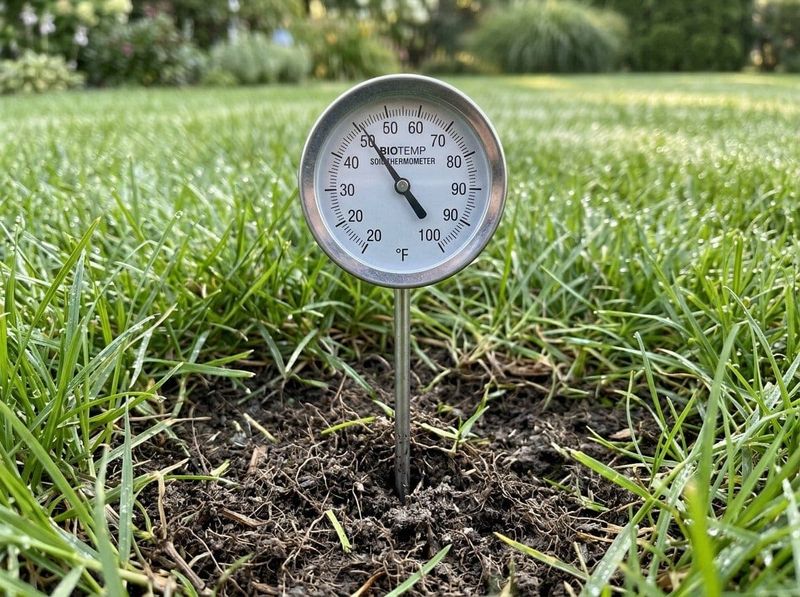
Soil temperature is the real guide here. Seeds of cool-season grasses usually stay inactive once soil sits steadily below about 50 degrees.
In much of Pennsylvania, that tends to happen from mid-November into December, though it shifts by region.
Here is why timing matters so much. If you seed during a warm spell, some seeds may sprout.
Those tiny baby plants are too weak to handle a hard freeze, and you lose them before they ever get going.
Once the seed stays put, winter takes over. Melting snow and soaking rain keep it moist.
Frost heaving lifts and settles the soil, pulling seeds a bit deeper without any work from you.
When spring arrives, the seed sprouts as soon as the soil warms enough. That is often a few weeks earlier than you could get out and seed yourself in a soggy April yard.
A cheap soil thermometer is worth having for this. Push it a few inches into the ground in the morning for several days.
Steady readings in the low 40s or below tell you the window is open.
3. Watch the Calendar Across Erie, Harrisburg, and Philadelphia
Pennsylvania is a big state, and its weather is anything but uniform. A date that works in one corner can be too early in another.
In the northern tier and higher spots, like around Scranton or the mountains, soil often cools first, while areas along Lake Erie can stay mild a little longer. Seeding may work by early to mid-November in many years.
Central areas, such as State College and Harrisburg, often hit the right temperatures a bit later. Mid-November into early December is a common window there.
Southeast spots near Philadelphia stay warmer longer, so late November through December is often safer.
Weather forecasts help too. Look for a stretch where daytime highs stay in the 30s and 40s with no warm spell in sight.
A surprise 65-degree week can wake seeds up too early.
There is also an outer limit. Avoid seeding on snow that is deep or on ground frozen hard and slick, since seed can wash away during a melt.
Bare ground, or a light dusting, works far better.
Many lawn folks keep going through winter on mild days, even into February. That still counts as dormant seeding, as long as the soil stays cold.
Your best guide is still that thermometer, not the date printed on the calendar.
4. A Quick Rake and Low Mow Help Seeds Find the Dirt
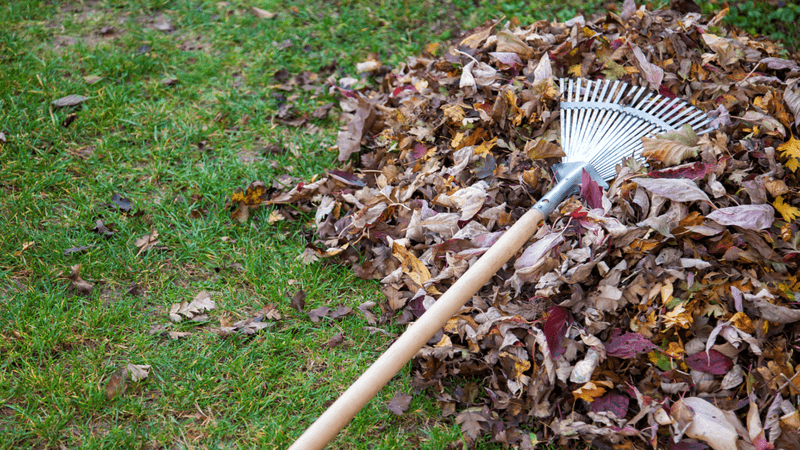
Seed tossed onto a thick mat of leaves and dead stems rarely does well. It needs to touch real soil to have a fair shot in spring.
Start by clearing heavy leaf piles from the areas you plan to seed. A firm rake works well to scratch up bare patches and loosen the surface a little.
Even shallow grooves give seeds a place to settle.
Mowing a bit lower than usual can help too. Dropping your height by about half an inch for the last cut lets seed reach the ground more easily.
Just skip scalping, since that stresses the grass you already have.
Core aeration helps a lot with packed soil, but it is best done earlier in fall. If you already aerated in September, those little holes still make cozy spots for seed.
If not, a good raking is often enough for dormant seeding.
Spread seed at the rate listed on the bag. Many people find that overseeding thin lawns takes less than starting bare ground, so check the label for both numbers.
After spreading, give the area a light rake to mix seed into the top layer. You do not need to bury it deeply.
Winter will finish tucking it in.
5. Tall Fescue and Kentucky Bluegrass Shine in Pennsylvania Yards
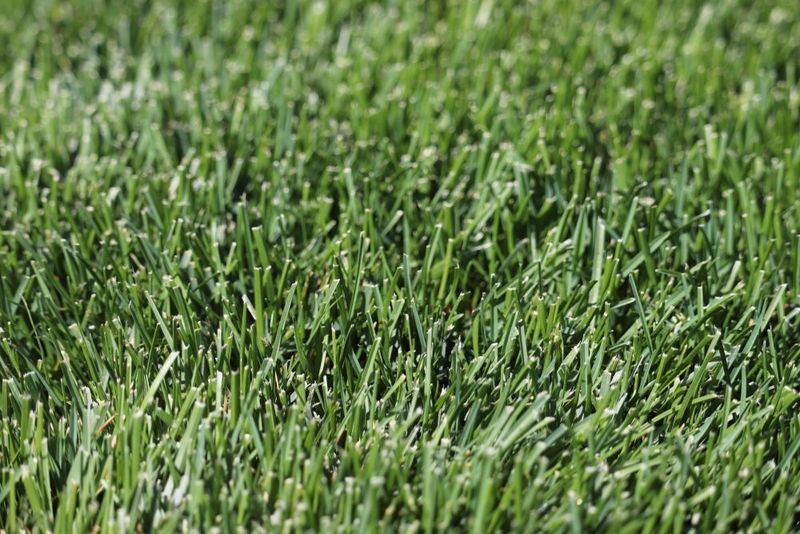
Not every grass seed is a good fit for this trick. Cool-season grasses are the ones that thrive in Pennsylvania, and they are the ones that respond well to dormant seeding.
Tall fescue is a tough choice for sunny yards. Its deep roots help it handle summer dry spells, and newer types have finer blades than old pasture grass.
It works well for families with kids and pets running around.
Kentucky bluegrass gives that soft, rich green look many people love. It spreads by underground stems, which helps it fill in gaps over time.
The catch is that it sprouts slowly, so patience pays off.
Perennial ryegrass sprouts quickly and is often mixed in for fast cover. Fine fescues handle shade and lean soil better than most, making them handy under trees.
A blend often beats a single type. Mixing grasses gives your lawn more ways to handle shade, heat, foot traffic, and disease.
Look for seed bags with a high germination rate and very low weed seed. Penn State Extension shares lists of recommended varieties, which is a great place to check before you buy.
Cheap seed can carry weedy grasses you will fight for years, so it is worth spending a little more here.
6. Mulched Oak and Maple Leaves Can Feed the Grass
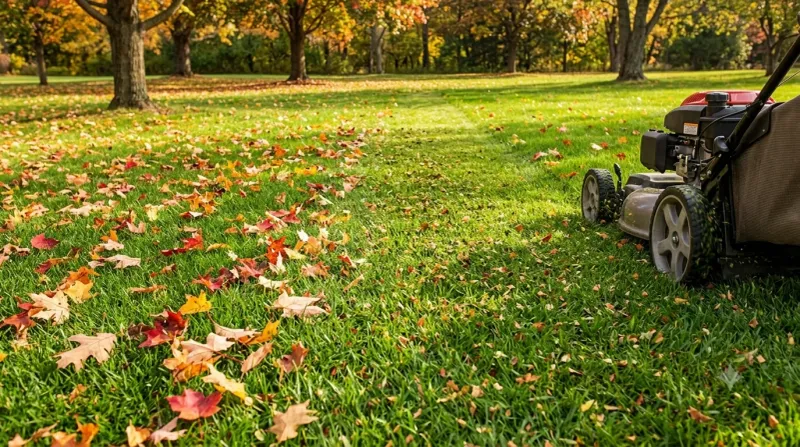
Raking every last leaf into bags takes a lot of work. You might be happy to hear that your mower can turn many of them into free lawn food instead.
Research from Michigan State University found that mulching leaves into turf did not harm the lawn. Shredded leaves break down over winter, adding organic matter and feeding helpful soil life.
The trick is to keep it light. Run your mower over dry leaves until the pieces are about the size of a dime.
You should still see plenty of green grass peeking through the bits.
A thick blanket of whole leaves is another story. It can block light, trap moisture, and smother grass, which may lead to snow mold in spring.
There is one important note for seeding. Mulch leaves before you spread dormant seed, not after.
A layer of leaf bits on top can keep new seed from touching soil.
Got more leaves than your lawn can handle? Pile the extras in garden beds or a compost bin.
Leaves also make a cozy winter home for many helpful insects, like some butterflies and fireflies, so leaving a few under shrubs is a kind move for local wildlife.
7. A Soil Test and Some Patience Bring the Spring Payoff
Once the seed is down, the hardest part is doing nothing. Try to keep heavy foot traffic off the seeded spots through winter and early spring.
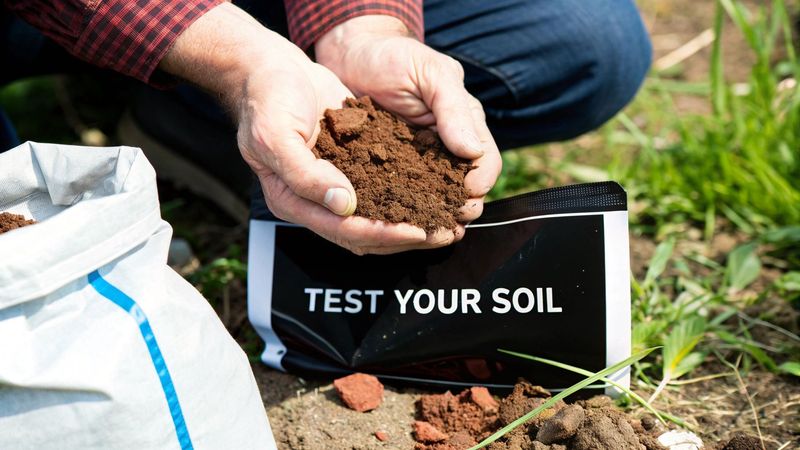
A soil test is a smart next step. Penn State Extension sells affordable kits, and the results tell you if your soil needs lime.
Many Pennsylvania soils lean acidic, and lime can help grass use nutrients better.
Lime works slowly, so fall and winter are fine times to apply it when a test calls for it. Avoid guessing, since too much can cause its own problems.
Be careful with weed control in spring. Many crabgrass preventers also stop grass seed from sprouting.
Skip them on seeded areas, or choose a product labeled safe for new seed, like one with mesotrione.
Fertilizer rules matter too. Pennsylvania has a fertilizer law that limits applications on frozen or snow-covered ground.
Check product labels and follow those limits to protect streams and the Chesapeake Bay.
When spring warms up, look for fine green sprouts filling in the thin spots. Mow once the new grass reaches about three to four inches.
With a little planning now, your lawn could greet spring thicker and greener than it has looked in years.