Spotted a Hummingbird in Michigan After the First Snow? Here’s How to Help It
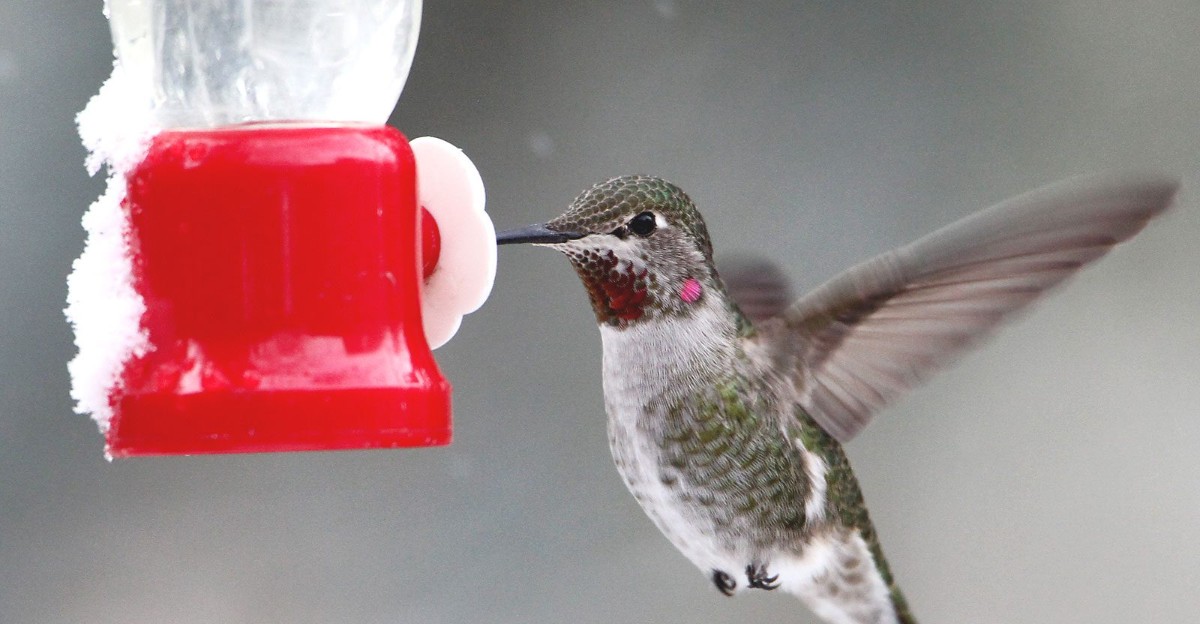
A bird weighing about as much as a penny can lower its body temperature by more than 50 degrees on a cold night and wake up just fine. That trick buys time, but it does not make a freezing morning easy.
Most of these tiny flyers left Michigan weeks ago, heading for Mexico and Central America. So when one shows up at your window with snow on the deck rails, it feels a little like seeing a beach umbrella in a blizzard.
I tend to think late visitors like this are some of the most exciting guests a yard can get. Some are stragglers, and some are rare wanderers from out West that birders get thrilled to document.
Your kitchen, a little sugar, and a bit of planning can make a real difference for this tiny traveler. The real question is what it needs from you first.
1. That Snowy Feeder Visitor Might Be a Rare Western Hummingbird
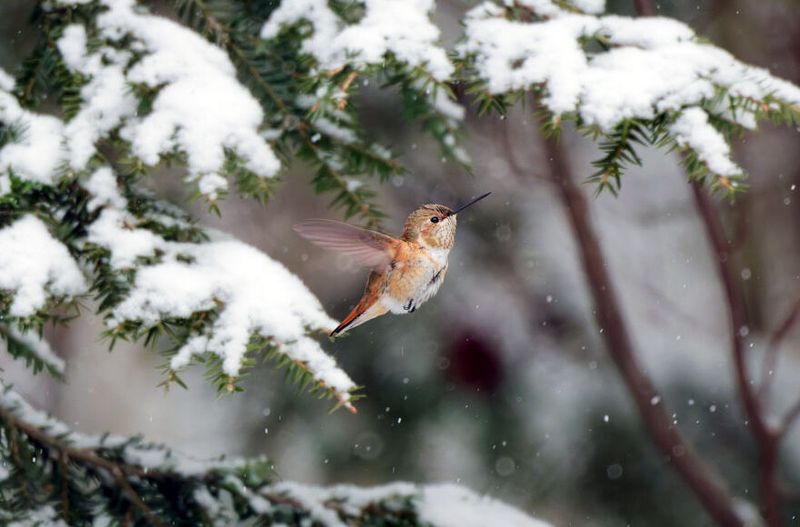
Birders in the Great Lakes region get genuinely giddy about late-season hummingbirds, and for good reason. Ruby-throated hummingbirds, the species that nests here, mostly leave by early October.
A bird showing up after the first snow is often a different species. The Rufous Hummingbird, a western bird with orange-brown feathers, is the most commonly reported fall wanderer in the eastern United States.
Young birds sometimes flip or stretch their migration routes, landing far from where they should be.
Other rare visitors have turned up too, including Allen’s, Calliope, and Anna’s hummingbirds. Some late birds are simply young or slow Ruby-throats still working their way south.
Telling them apart is tricky, even for experts. Green females and young birds of several species look nearly identical. Try to snap a few clear photos, especially of the tail, back, and sides.
Next, share those photos with a local Audubon chapter or report the sighting on eBird. Some visitors have even been safely banded by licensed researchers, which helps scientists track these unusual journeys.
One fun fact: a few wandering Rufous Hummingbirds have survived surprisingly cold weather in eastern states, as long as they found steady food. Your yard could be part of that story.
2. A Hummingbird Feeder Left Up Now Can Be a True Lifeline
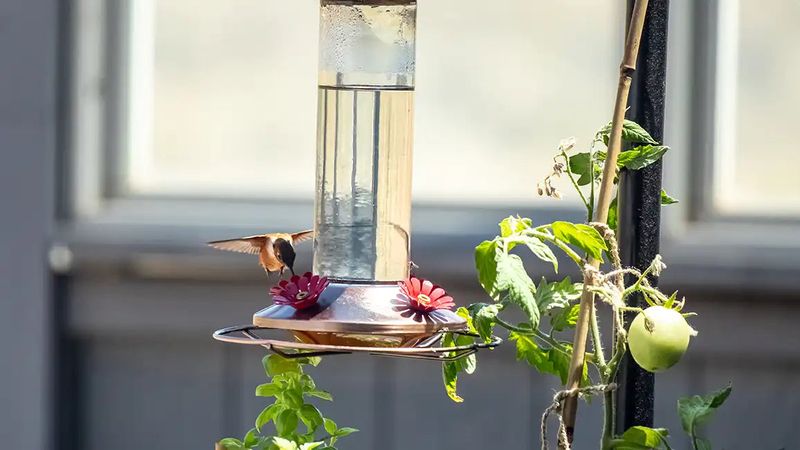
Plenty of folks worry that leaving feeders out in fall keeps hummingbirds from migrating. Happily, that old myth does not hold up.
Migration is triggered mainly by shorter days and internal body clocks, not by an empty feeder. Healthy birds leave on schedule whether your nectar is out or not. Wildlife experts, including Audubon, agree that a feeder will not trap a bird here.
After a hard frost, though, the picture changes. Flowers turn brown, and the small insects hummingbirds eat become scarce. A late visitor may have very few places left to find fuel.
That makes your feeder far more valuable than it was in July. Keep it up and filled as long as the bird keeps coming around.
Many birders suggest leaving it out for about two weeks after you see the last visit. That gives stragglers a dependable stop on their way south.
Place the feeder where you can see it easily from a window. You will notice right away if the nectar freezes or runs low, and you get a front-row seat to a sight few neighbors will ever enjoy. Consistency matters most, so try not to let the feeder sit empty for a day.
3. Plain White Sugar Makes the Best Winter Hummingbird Nectar
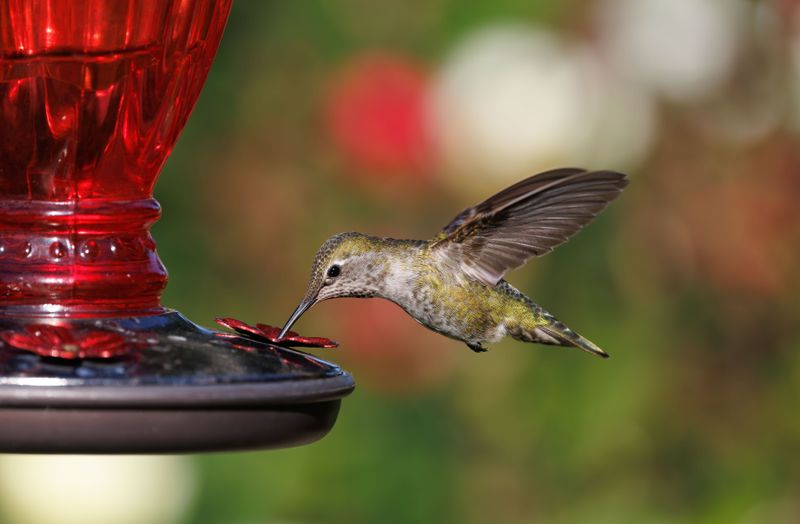
Your pantry already holds everything this little bird needs. Mix one part plain white granulated sugar with four parts water, and you have a solid match for flower nectar.
Warm water helps the sugar dissolve faster. Let the mix cool before filling the feeder.
Some winter feeders bump the ratio to one part sugar and three parts water. The extra sugar adds calories and freezes at a slightly lower temperature. Many experts still prefer the standard 1:4 recipe, so starting there is a safe choice.
Skip honey, brown sugar, raw or organic sugar, and artificial sweeteners. Honey can grow harmful fungus, and darker sugars contain iron that can build up in a hummingbird’s body. Sugar substitutes offer no energy at all.
Red dye is unnecessary too. The red parts on the feeder already catch the bird’s eye. Store extra nectar in the fridge for up to about a week.
In cold weather, nectar spoils more slowly outdoors, but still swap it every few days and rinse the feeder with hot water. A clean feeder and fresh syrup give your visitor the steady fuel it needs on chilly mornings.
4. Frozen Nectar Is the Biggest Problem at a Winter Feeder

Sugar water freezes a few degrees below plain water, but a frosty Michigan night will still turn it to slush. A frozen feeder at sunrise is a real problem for a hungry bird.
The easiest fix is a two-feeder swap. Bring one inside to thaw while the other hangs outside, then trade them as needed.
You can also take the feeder in at night and hang it back up before dawn. Hummingbirds feed early, so set an alarm if you need to.
Store-bought heated feeders and clip-on feeder warmers are another option. Some people wrap the feeder with a strand of older incandescent holiday lights, which give off gentle heat. LED lights stay too cool to help.
A shop light or heat lamp aimed nearby can work too, but keep anything electric well away from water and flammable materials. Use outdoor-rated cords and plugs.
Location helps more than you might expect. Hang the feeder on the sunny side of the house, out of the wind, near shrubs where the bird can rest.
Check the feeder a few times each day during cold snaps. A quick peek can save your visitor a long, hungry morning.
5. Overnight Torpor Helps a Tiny Hummingbird Survive Cold Nights
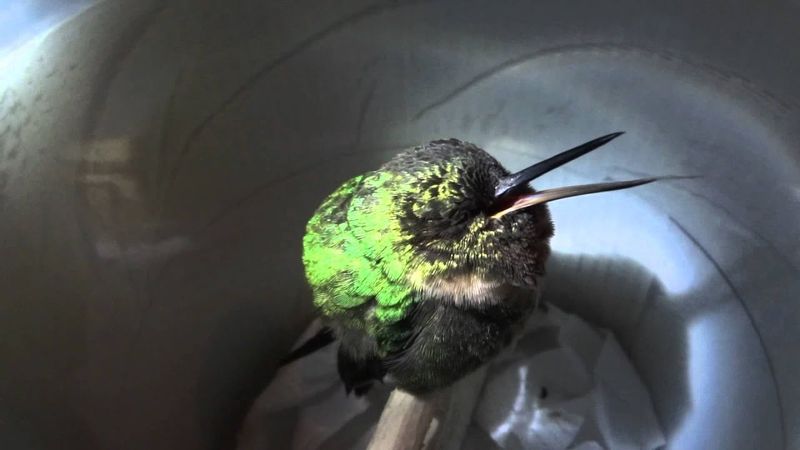
Here’s a fun one to share at dinner. On cold nights, hummingbirds slip into a deep, sleep-like state called torpor.
Their heart rate drops sharply, breathing slows, and body temperature can fall dramatically. This energy-saving mode lets a bird spend far fewer calories while it rests.
A bird in torpor may look puffed up and motionless on a branch. It can even appear stiff or unresponsive. Do not panic if you spot one like this in early morning.
Waking up takes time, often twenty minutes or more, as the bird shivers its body back to normal temperature. That warm-up burns a lot of energy.
As soon as the bird is alert, it needs food fast. That is why liquid nectar at first light matters so much in winter.
Shelter helps too. Evergreen shrubs, dense hedges, and trees near your feeder give the bird a protected place to rest out of the wind.
Try to leave a sleepy, perched bird alone. Handling it can stress it and interrupt its natural warm-up. Watch from a distance and let this remarkable built-in survival tool do its job.
6. A Grounded or Stuck Hummingbird Needs Quick, Gentle Care
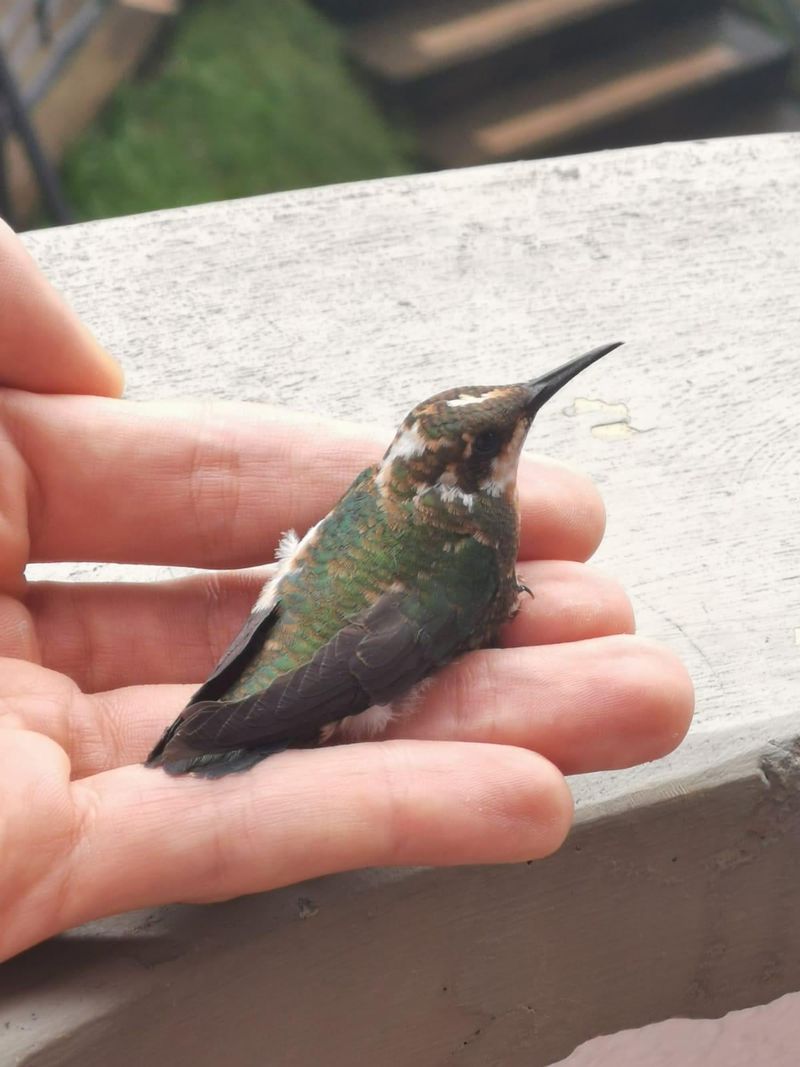
Sometimes the bird you find is not perched happily at the feeder. It might be on the ground, stuck to an icy surface, or unable to fly.
Watch first for a few minutes. A bird that is simply in torpor on a branch usually wakes on its own as the day warms.
If it is on the ground, in danger, or clearly struggling, step in gently. Scoop it up with a soft cloth and place it in a small cardboard box lined with paper towel. Poke a few air holes and close the lid.
Set the box somewhere quiet, dark, and room temperature, away from pets and kids. Darkness lowers stress.
Skip squeezing water or nectar into its beak. Liquid can go into the airway, and that causes serious harm.
Check after about 30 minutes. If it seems alert and active, take the box outside near the feeder and open the lid so it can leave on its own.
If the bird shows injuries, a drooping wing, or does not perk up, it needs expert help right away. Keep the box closed and calm while you make a call.
7. Michigan Wildlife Rehabilitators Are Ready to Help Hurt Hummingbirds
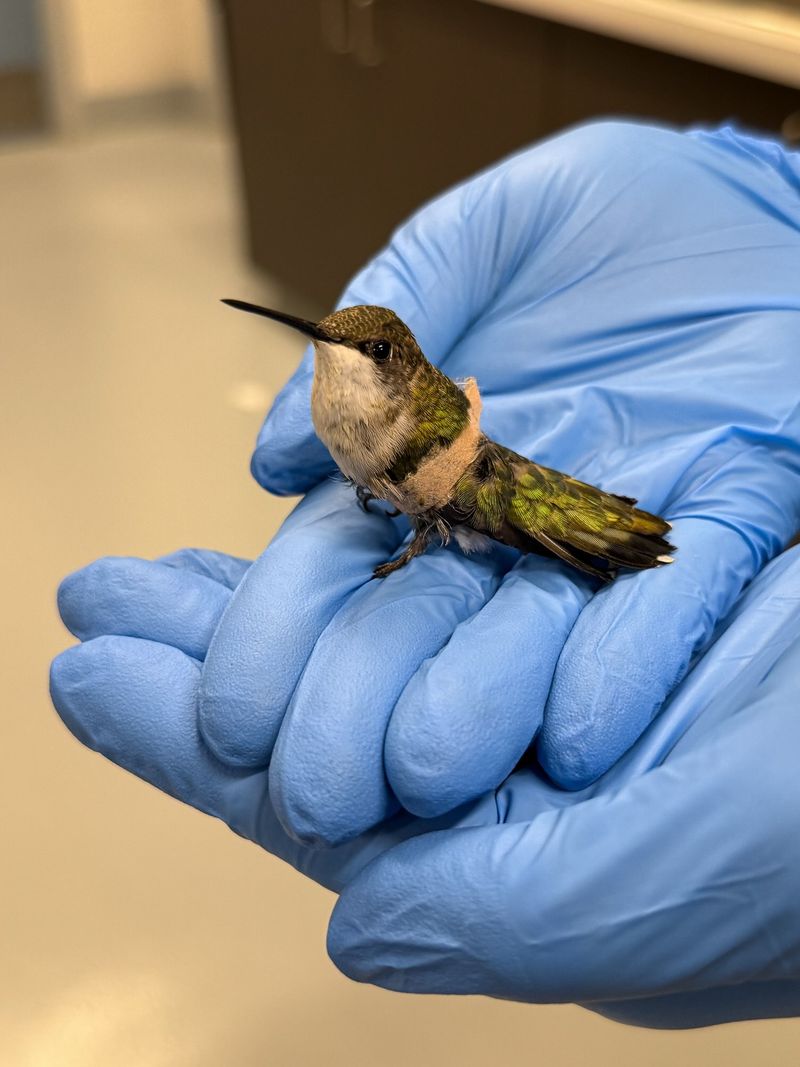
Knowing who to call ahead of time makes a stressful moment much easier. Licensed wildlife rehabilitators have the training and permits to care for injured songbirds.
Hummingbirds are protected under the federal Migratory Bird Treaty Act. That means keeping or caring for one long-term without a permit is not allowed, even with the kindest intentions.
The Michigan Department of Natural Resources keeps a searchable list of licensed rehabilitators by county on its website. Save it on your phone now, before you ever need it.
The Bird Center of Michigan, based in Saline near Ann Arbor, specializes in songbirds. Many local nature centers and Audubon groups can point you to help as well.
When you call, share what you saw, where you found the bird, and how it is acting. Rehabilitators often give quick advice over the phone.
Beyond emergencies, you can help these birds every season. Plant native nectar flowers like cardinal flower, wild columbine, and bee balm next spring.
Report rare sightings to eBird, too. Each record helps scientists understand where these tiny wanderers go, and your snowy backyard surprise could add a valuable piece to that puzzle.