These Houseplants Don’t Like Michigan Tap Water and Here’s What They Prefer
In January 1945, Grand Rapids, Michigan, became the first city on Earth to add fluoride to its drinking water. That smile-friendly milestone helped teeth everywhere, but a few leafy roommates on your windowsill quietly disagree with it.
Fluoride is only part of the story, because Great Lakes water and well water carry plenty of dissolved minerals. Those minerals leave crusty white rings on pots, and some plants answer with crispy brown leaf tips.
I learned this the hard way after a whole winter of snipping brown edges off my favorite tropical plants. You may be surprised how often the faucet, not your watering schedule, is the real reason for that damage.
Some of the pickiest drinkers are plants you probably own already, and a few even eat bugs for dinner.
1. Calathea
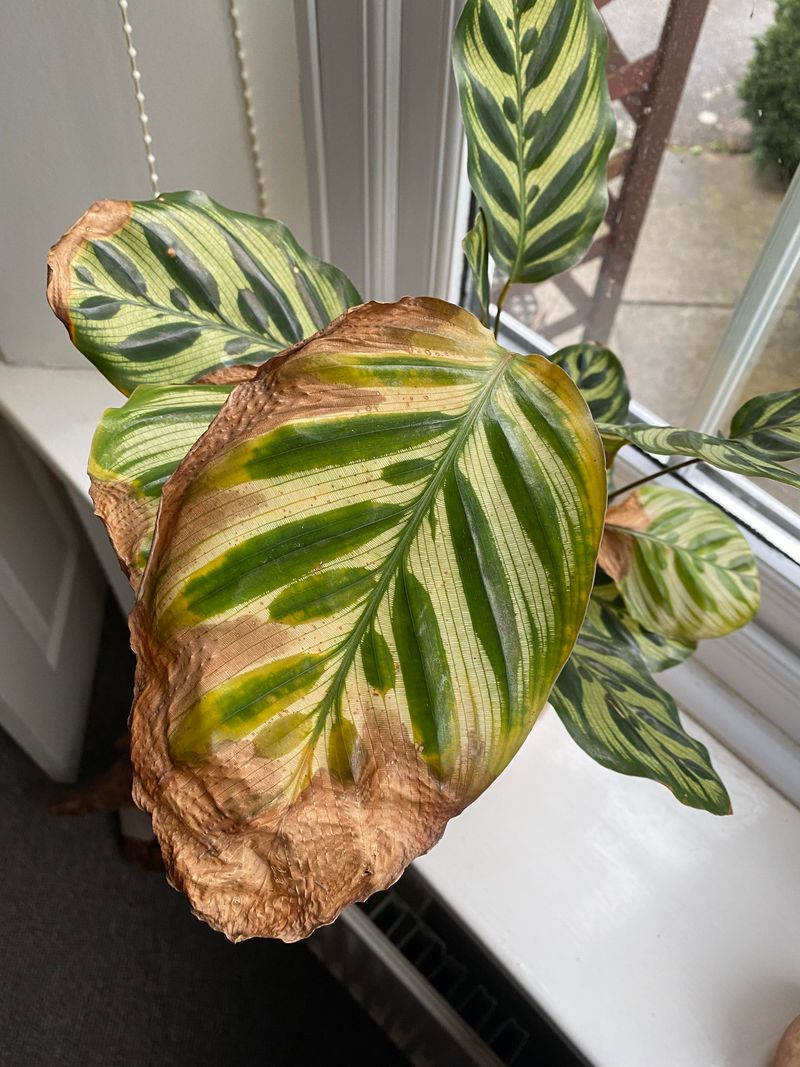
Calathea leaves look hand-painted, with stripes and feathered patterns that seem too fancy for a regular living room. They also fold upward at night, which feels like watching a plant tuck itself into bed before you do.
Sadly, that drama extends to water, because calatheas react quickly to fluoride and to salts from hard water. The first warning is usually a crispy brown edge that creeps inward along the margins of each leaf.
In my experience, trimming those edges improves the look, but the browning returns if the water stays the same. Tip burn on these plants does not heal over time, so prevention matters far more than cleanup.
Calatheas come from humid tropical forests in the Americas, where soft rain does most of the watering. Collected rainwater or distilled water gives them something much closer to the drink they evolved with.
Keep the soil lightly moist rather than soggy, and let the top inch dry slightly between drinks. Room-temperature water is kinder too, since icy water straight from the tap can shock tender roots.
Once a month, flush the pot with plenty of pure water to rinse out salts that build up. Let it drain fully afterward, because calatheas dislike sitting in a saucer full of runoff for hours.
Botanists have moved many calatheas into the genus Goeppertia, though most garden centers still use the old name. Whatever the tag says, a jug of rainwater by the window keeps those painted leaves looking sharp.
2. Prayer Plant
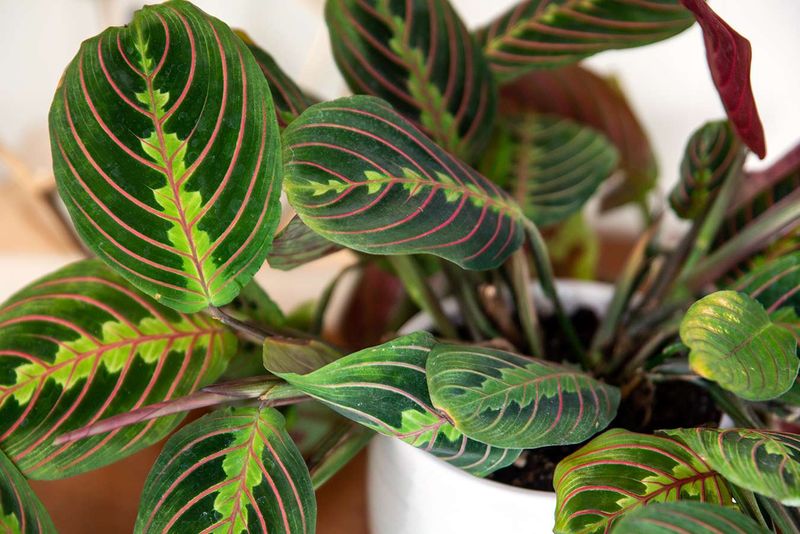
Prayer plants earned their name by raising their leaves at night, like tiny hands folded together in quiet thought. Maranta leuconeura is a close cousin of calathea, and it shares the same touchy attitude about tap water.
Brown tips and yellow halos along the leaf edges often show up when fluoride and minerals keep building. Hard water in much of the state leaves extra calcium and magnesium salts behind each time you water.
I love the red-veined variety, with its herringbone pattern that looks like someone traced it with a fine marker. That artwork fades fast when salt damage spreads, so clean water is the easiest way to protect it.
Rainwater is my top choice, and a simple bucket under a downspout fills quickly during a spring storm. Distilled water from the grocery store works well too, especially during winter when rain barrels sit frozen.
Prayer plants prefer evenly moist soil, so check every few days by pressing a finger into the mix. Water when the surface feels barely dry, and empty the saucer so roots stay airy and comfortable.
Fertilizer adds salts of its own, so feed lightly with a diluted houseplant formula during active spring and summer growth. Skipping heavy feeding in winter keeps salt levels down while the plant grows more slowly in shorter daylight.
Fun fact, the genus honors Bartolomeo Maranta, an Italian physician and botanist who lived in the 1500s. Give his namesake soft water, and those striped leaves will keep rising every single evening like clockwork.
3. Spider Plant
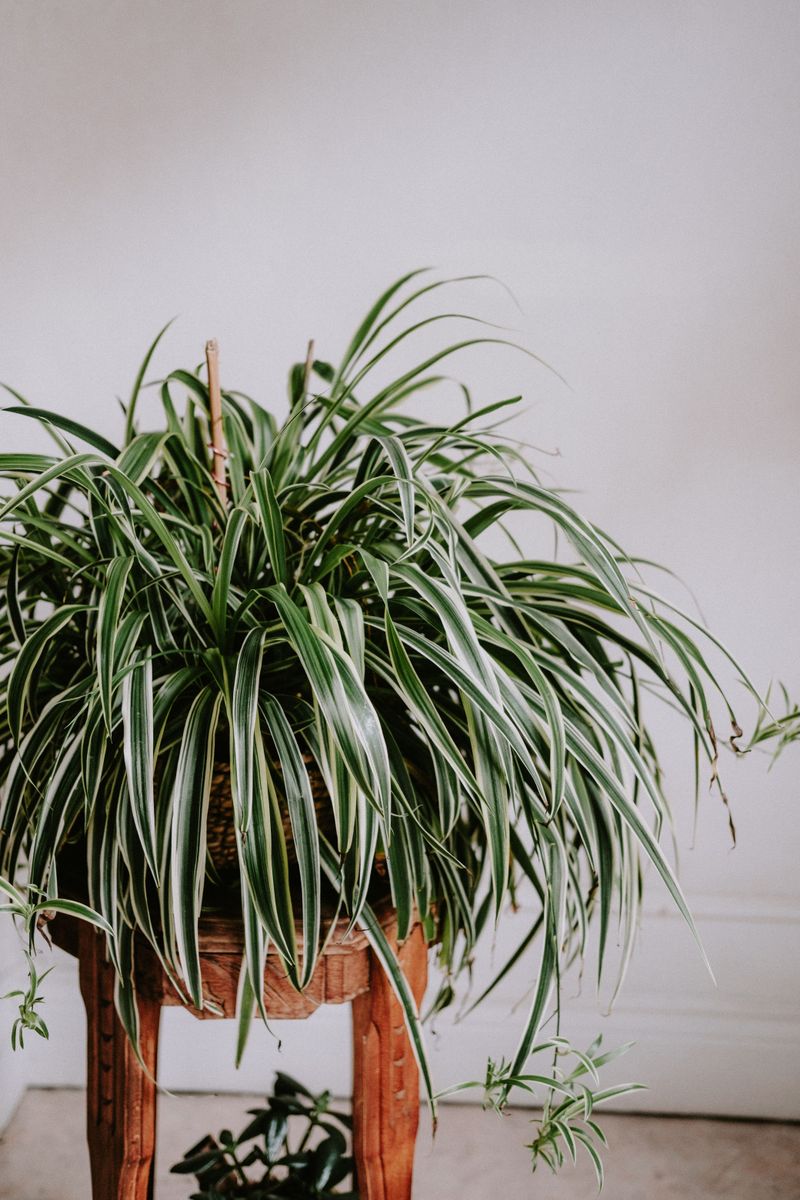
Spider plants have a reputation as the toughest houseplant on the block, yet their leaf tips tell another story. Those long green ribbons often turn brown at the ends, and tap water is a frequent reason why.
Chlorophytum comosum is sensitive to fluoride, and extension experts list it among plants that show tip burn easily. Salts from hard water and heavy fertilizer can cause similar browning, so the cause is often a combination.
Many people let tap water sit overnight, and that trick does help some chlorine escape into the air. Sadly, fluoride and dissolved minerals stay put no matter how long the watering can sits on the counter.
In my house, the spider plant hanging in the kitchen gets rainwater, and its tips stay much greener now. You can also mix distilled water with tap water to dilute minerals if buying jugs feels expensive.
Michigan homes with water softeners need extra caution, because softened water swaps hardness for sodium that builds in soil. Use an unsoftened tap, often the outdoor spigot or kitchen cold line, if your plumbing allows it.
Perlite can release small amounts of fluoride, so some growers choose potting mixes with less of it. Keeping soil pH near neutral also helps, since fluoride becomes less available to roots in those conditions.
Trim brown tips with clean scissors, following the natural pointed shape so the leaves still look tidy. Those dangling baby spiderettes root easily too, which means more plants to share and more rainwater to collect.
4. Corn Plant Dracaena
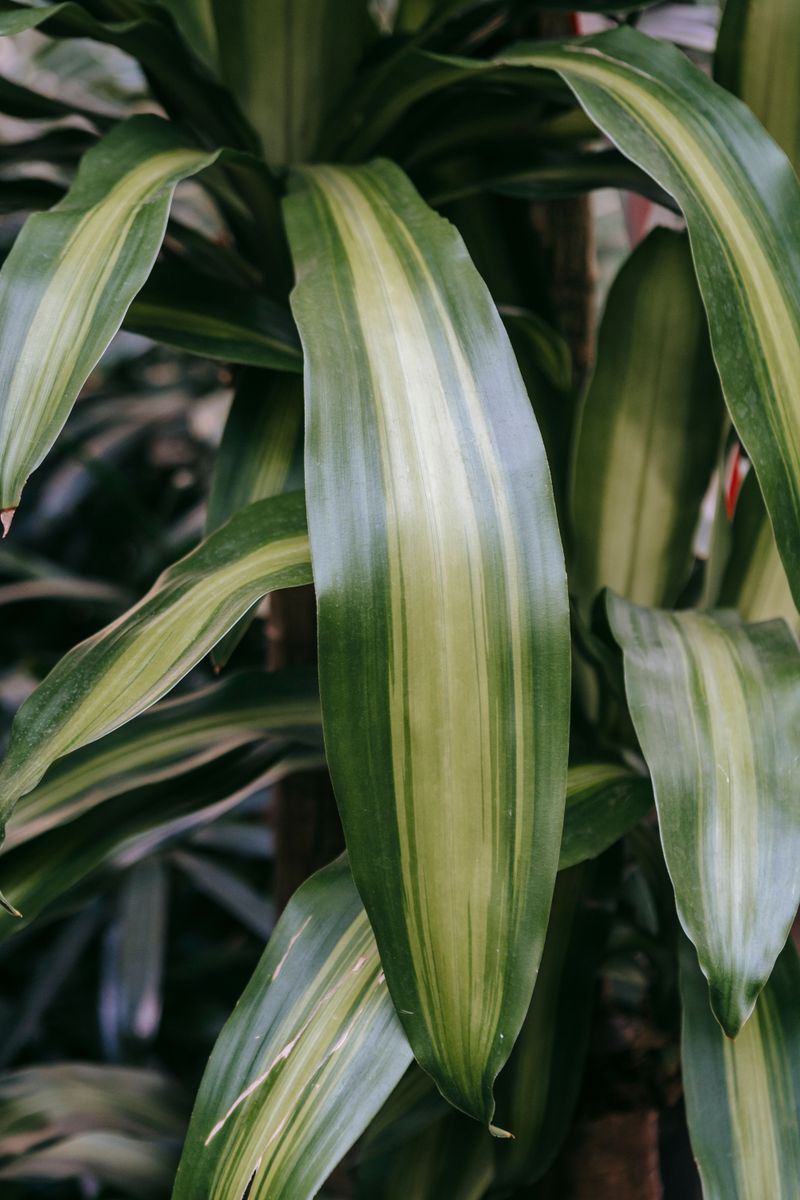
Corn plants can bloom indoors, and their small white flowers release a sweet perfume mostly at night. That surprise scent is a lovely reward, but it comes from a plant that is fussy about fluoride.
Dracaena fragrans ranks among the most fluoride-sensitive houseplants, according to university extension guides on foliage plant care. Damage shows up as brown tips and dark-edged streaks moving down the long, arching leaves over time.
Unlike chlorine, fluoride does not evaporate, so each watering adds a little more to the soil and leaves. Symptoms build slowly, which is why many owners blame low light or dry air before checking their water.
I’ve long felt that corn plants forgive almost anything except bad water, and mine proves it every winter. Switching to rainwater or reverse osmosis water stopped the creeping brown tips within a few months.
Old damaged tissue will not turn green again, so judge success by the clean new leaves emerging up top. Trim browned tips at an angle if they bother you, leaving a thin brown line to avoid fresh wounds.
Water when the top couple inches of soil feel dry, because soggy roots cause their own leaf problems. Pour slowly until water drains out the bottom, then empty the saucer so salts are not reabsorbed.
Avoid fertilizers containing superphosphate, which can carry fluoride, and stick to balanced houseplant formulas in modest amounts. Bright indirect light near an east window keeps these tall, cane-like plants happy through gray northern winters.
5. Ti Plant
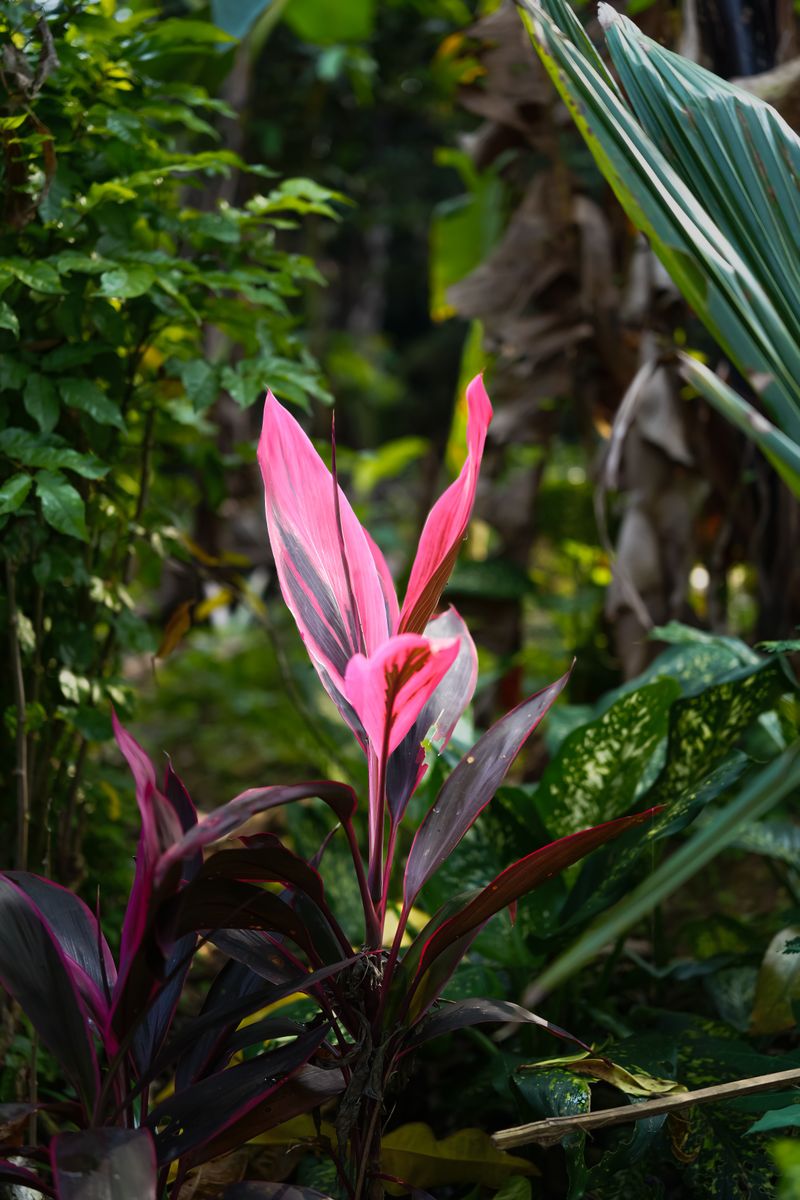
Ti plant leaves can glow hot pink and deep burgundy, almost like a houseplant wearing its party clothes. Hawaiians have long used the leaves in the islands for wrapping food and making traditional hula skirts.
Cordyline fruticosa shares the fluoride sensitivity of its dracaena relatives, and the damage shows quickly on bright leaves. Brown tips and scorched margins look especially dramatic against pink and red foliage, so problems are hard to miss.
Ti plants also dislike soil that drifts too alkaline, which is common when hard water is used for years. A slightly acidic mix around 6 to 6.5 keeps iron available, and that range is commonly recommended for them.
Rainwater suits them beautifully, and you can collect it from a clean barrel during the warmer months. During winter, distilled water or melted snow gathered far from salted roads makes a handy substitute.
I love setting a ti plant in a sunny south or west window, where the colors deepen noticeably. Strong light matters, because dim rooms often fade the leaves to a duller green over a few months.
Water thoroughly once the top inch dries, and let excess drain away instead of sitting in the saucer. Leaching the pot with pure water every month or so keeps fertilizer salts from piling up near the roots.
Avoid perlite-heavy mixes and superphosphate fertilizer, since both are known sources of extra fluoride for sensitive plants. Keep pets away from it too, because the ASPCA lists ti plant as toxic to cats and dogs.
6. Peace Lily
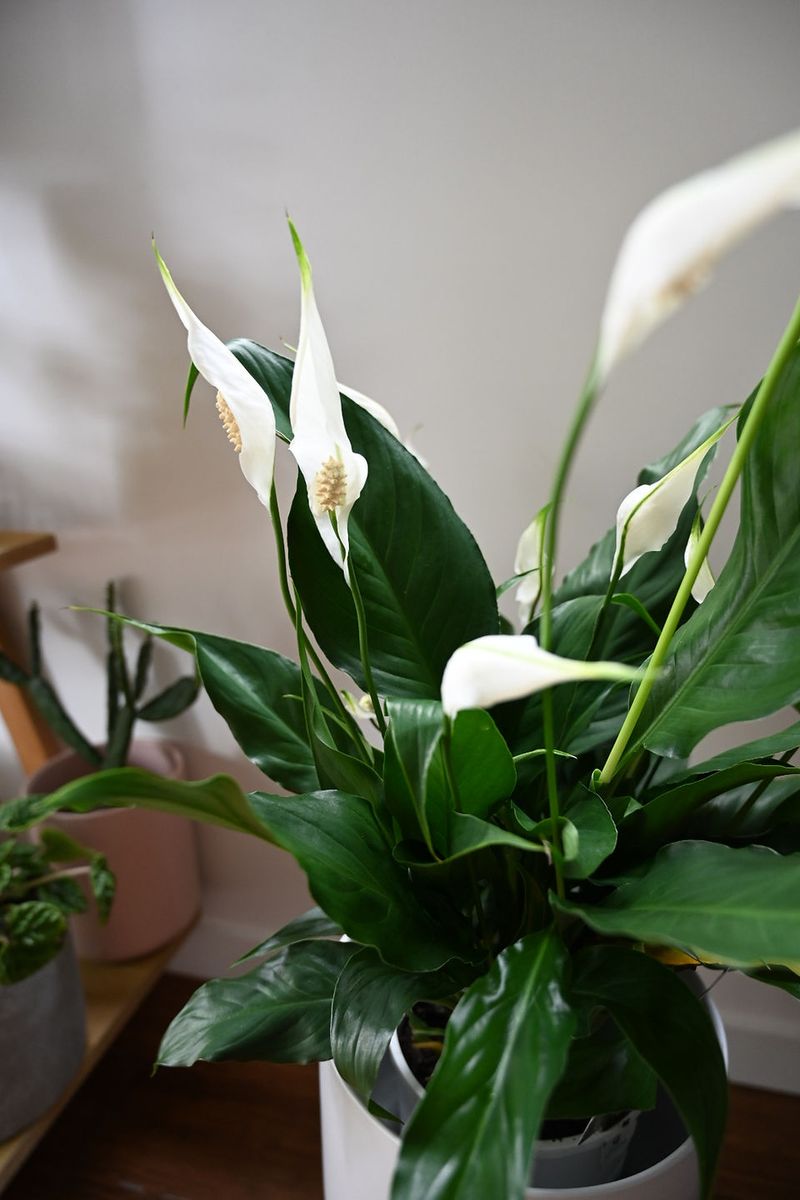
Peace lilies are famous drama queens, collapsing into a sad droop when thirsty and perking up within hours. That flair for theater makes them fun, but their brown leaf tips are a quieter complaint worth noticing.
Spathiphyllum is sensitive to salt buildup, and hard water slowly loads the soil with calcium and magnesium. Fluoride and heavy fertilizing add to the problem, leaving tips crisp and yellow streaks along leaf edges.
The white flower is actually a modified leaf called a spathe, wrapped around a spike of tiny real flowers. A stressed plant may produce fewer of these spathes, so better water can mean a prettier display.
In my living room, the peace lily gets filtered or distilled water, and the difference showed within weeks. Its leaves stayed deep green, while the tap-watered one in the office kept growing new brown tips.
A white crust on the soil surface or pot rim is a clue that minerals are piling up. Scrape off that crust gently, then flush the pot with pure water until it drains freely from the bottom.
Peace lilies like evenly moist soil, but waiting for the dramatic droop every time stresses the roots. Water when the top inch feels dry, and use room-temperature water so the roots are not chilled.
They handle lower light better than most flowering houseplants, which makes them great for darker Michigan winters. Keep them away from curious pets, though, because the leaves contain calcium oxalate crystals that irritate mouths.
7. Venus Flytrap
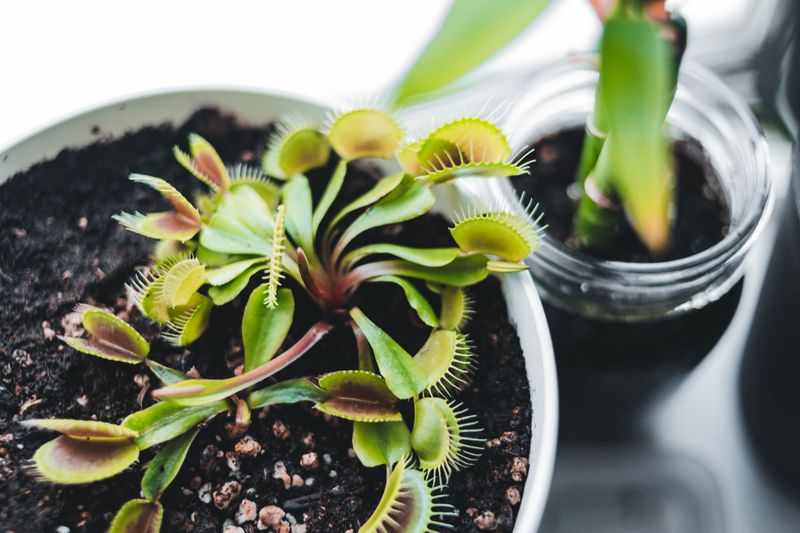
Venus flytraps grow wild only within roughly a 75-mile radius of Wilmington, North Carolina, in sandy, boggy ground. Those bogs are low in minerals, so the plant evolved to catch insects for the nutrients soil cannot provide.
That history makes Dionaea muscipula one of the pickiest drinkers you can grow on a sunny windowsill. Most carnivorous plant experts suggest water with fewer than about 50 parts per million of dissolved solids.
Typical tap water in this region often runs well above that, especially hard well water in rural areas. Over time, minerals collect around the roots, and the plant slowly blackens and declines even with good light.
Distilled water or clean rainwater is the safe choice, and a cheap TDS meter helps check other sources. Skip filtered pitcher water, since those filters mainly improve drinking taste and leave many dissolved minerals behind.
Flytraps love wet feet, so the tray method works well, keeping the pot in a shallow dish of water. Plant them in peat and perlite or peat and sand, but avoid regular potting soil with added fertilizer.
Flytraps also need a cool winter dormancy of about three months, which surprises many first-time growers. An unheated garage window or cool basement sill can work, as long as temperatures stay above hard freezing.
I’ll admit that feeding them by hand is tempting, but triggering traps for fun wastes their energy. Let them catch their own bugs outdoors in summer, and save your effort for gathering pure water.
8. Cape Sundew
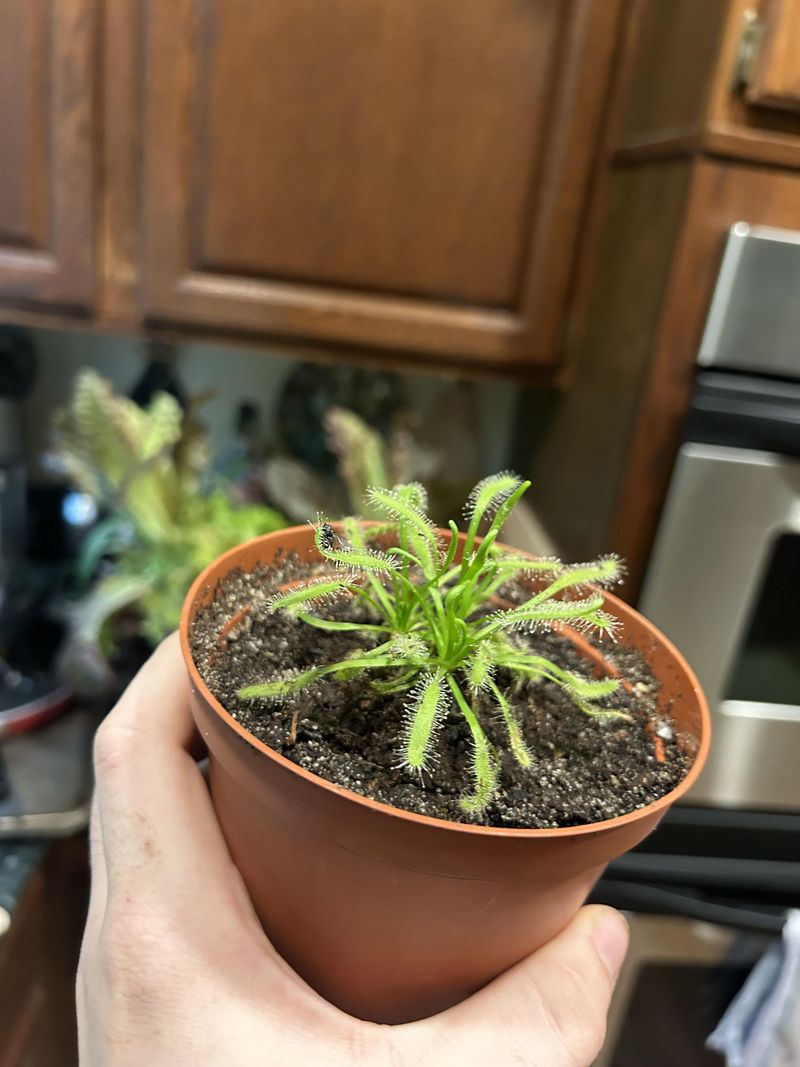
Michigan bogs host native round-leaved sundews, tiny plants covered in sparkling droplets that work like natural flypaper. Their South African cousin, the Cape sundew, is the easygoing version many people grow on kitchen windowsills.
Drosera capensis curls its sticky leaves around trapped gnats, which makes it handy if fungus gnats visit your plants. Those glistening drops are what draw insects in, and the plant produces them best in bright light.
Like its bog relatives, this sundew evolved in nutrient-poor ground where rain provides nearly all the moisture. Minerals from tap water build up in the peat, and the dew often fades before leaves start browning.
The way I see it, a gallon of distilled water is the cheapest insurance any carnivorous plant can get. Rainwater works too, though I collect it in plastic or glass rather than metal gutters when possible.
Keep the pot standing in about an inch of water, refilling the tray before it dries out fully. Constant moisture mimics a bog, and sundews tend to sulk quickly when the peat goes bone dry.
Unlike Venus flytraps, Cape sundews do not require winter dormancy, so they grow happily indoors year-round. A bright south window or simple LED grow light keeps the dew sparkling through shorter northern days.
Avoid fertilizer in the soil, since their roots handle salts poorly and the leaves do the feeding work. Easy to start from seed and fun to watch, these little plants often reward patient growers with pink flowers.
9. Phalaenopsis Orchid
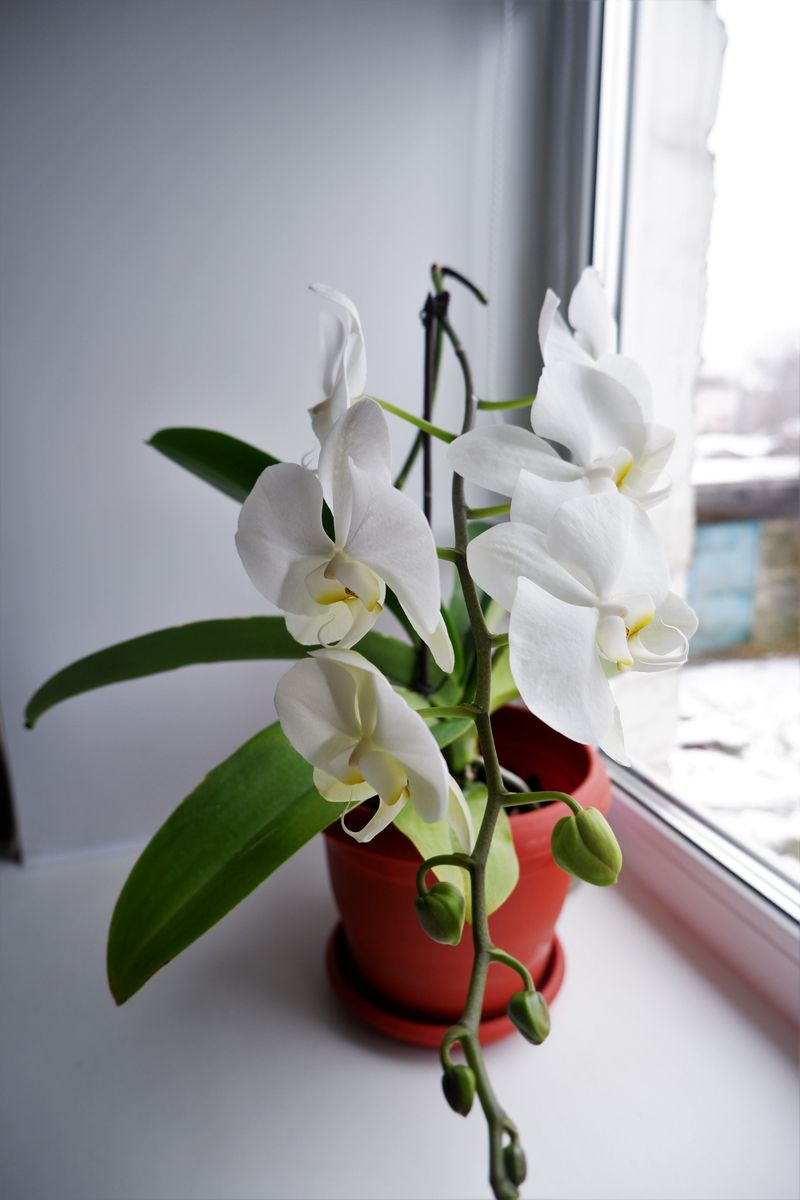
Phalaenopsis orchids are epiphytes, which means they cling to tree branches in the wild instead of growing in soil. Their silvery roots soak up rain running down the bark, so they rarely meet hard mineral water naturally.
That background explains why moth orchids react poorly when salts from tap water collect in their bark mix. Damaged root tips turn brown and mushy, and white crusty spots may appear on leaves after misting.
I love watching healthy roots turn bright green after a drink, almost like a mood ring for orchids. Gray, crusty roots that stay pale even when wet usually signal trouble with salts or old potting media.
Rainwater or reverse osmosis water suits them well, and many orchid growers mix in a weak fertilizer. Pure water contains almost no nutrients, so a diluted orchid fertilizer becomes more important with that switch.
Water roughly once a week, letting the bark dry slightly, and pour water through until it drains freely. Skip the ice cube trick if you can, since steady room-temperature water flushes the bark more evenly.
Bark breaks down and holds salts over time, so repot every year or two after flowering ends. Fresh bark gives roots air and a clean start, which helps more than any fancy additive.
Bright, indirect light from an east window helps them rebloom, and flower spikes can last for months. A slight temperature drop at night in fall encourages new spikes, which feels like a cozy seasonal bonus.
10. African Violet
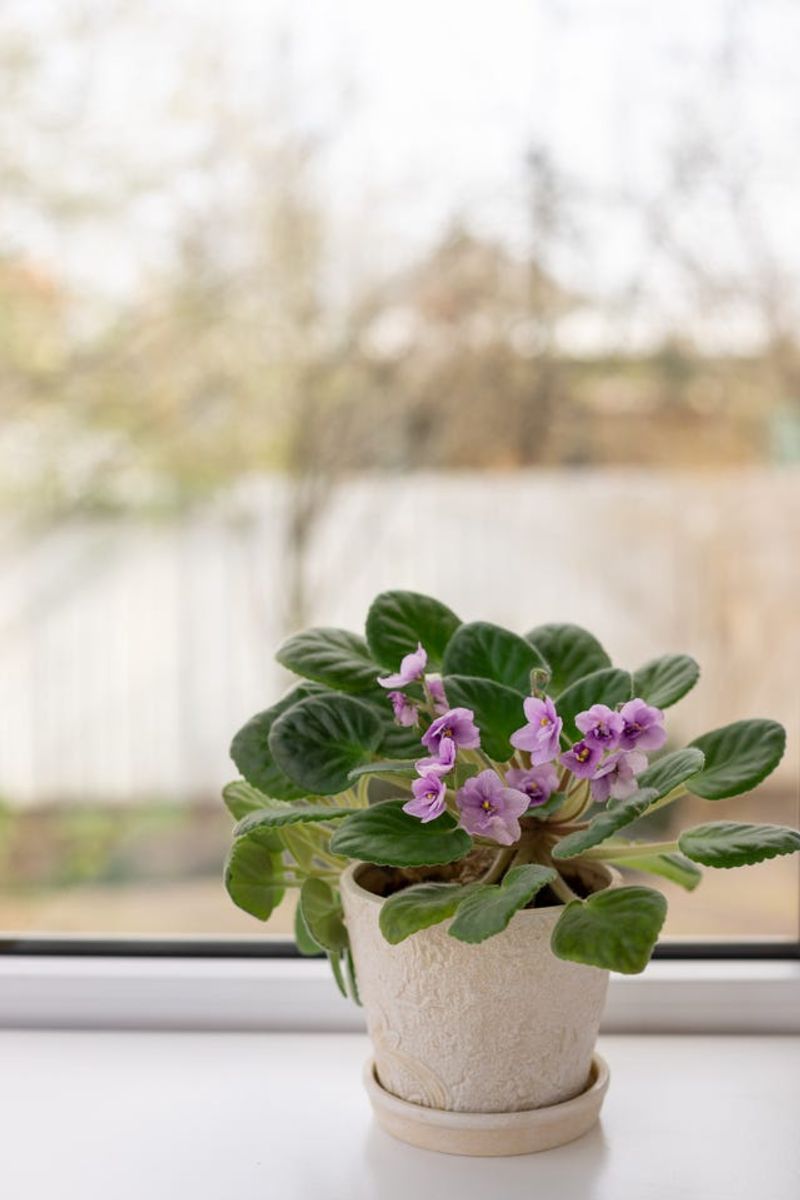
African violets were introduced to Western gardeners in the 1890s, after a German official sent seeds home from Tanzania. Today they bloom on windowsills everywhere, and their fuzzy leaves make them one of the coziest houseplants around.
Botanists now place them in the genus Streptocarpus, though most tags still say Saintpaulia for easy shopping. Name aside, they are sensitive to cold water, which causes pale ring spots on their velvety leaves.
Michigan winters make this extra important, because tap water coming from cold underground pipes can feel icy in January. Let water reach room temperature, or slightly warmer, before it touches the leaves or soil around the crown.
Hard water adds another issue, leaving salt crusts on pot rims that can scar leaf stems resting there. Wrapping the rim in foil or using a glazed pot helps protect those tender petioles from damage.
In my experience, rainwater or distilled water keeps violets blooming most steadily, especially with a gentle violet fertilizer. Bottom watering works well too, but dump any water still sitting in the tray after about thirty minutes.
Violets prefer slightly acidic soil, and a light, airy violet mix drains much better than heavy potting soil. Flush the pot with clear water every month or so to rinse out salts that build up quietly.
Bright indirect light keeps the flower buds coming, and an east window is often a sweet spot. Small pots suit them best too, since violets bloom more freely when their roots are a little snug.
11. Parlor Palm
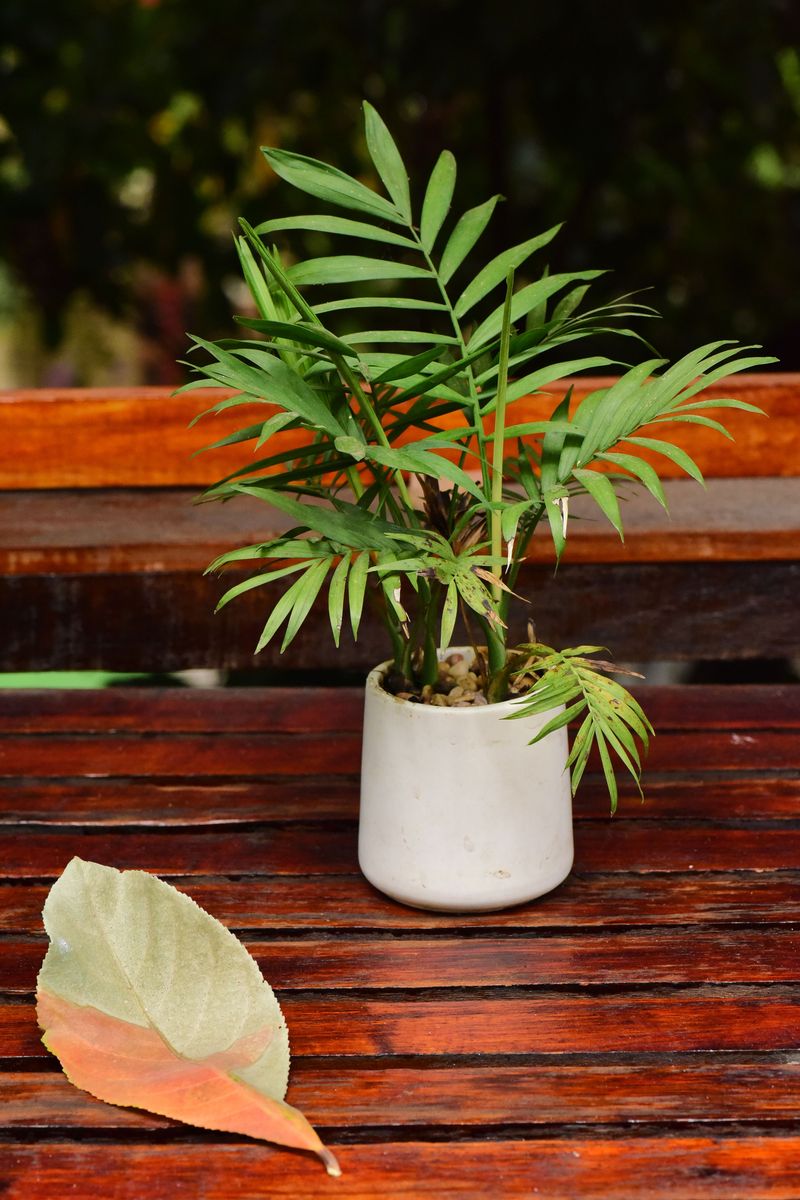
Parlor palms earned their name in Victorian homes, where they handled dim, stuffy sitting rooms surprisingly well. That toughness has a limit, and Chamaedorea elegans shows it through brown leaflet tips when water quality slips.
Extension guides on foliage plants list Chamaedorea palms among the species prone to fluoride injury on leaf tips. Salt buildup from hard water and heavy feeding can produce similar damage, so both deserve some attention.
In my opinion, palms look their best with feathery, uniform green fronds, and brown tips spoil that effect fast. Snip damaged tips with sharp scissors, but avoid cutting into green tissue, since that creates fresh browning.
Rainwater is a great match, and a reverse osmosis filter under the sink makes regular watering much easier. If your home has a softener, skip that water, because sodium builds up and harms palm roots.
Parlor palms like soil that stays lightly moist, though they rot quickly if roots sit in standing water. Check the top inch with your finger, and water thoroughly once it feels dry to the touch.
These palms grow slowly, often reaching only a few feet tall indoors after many years in a pot. That slow pace means salts accumulate gradually, so flushing the soil every couple of months keeps things clean.
Medium to low light suits them, which makes them a smart pick for north-facing rooms in winter. Bonus points for pet owners, since the ASPCA lists the parlor palm as nontoxic to cats and dogs.