Put the Pruners Away: 8 Arizona Shrubs That Look Better When You Skip the Fall Haircut
Some desert shrubs in Arizona can live for a century without a single trim from any human hand. Rain alone kept them shapely and fragrant long before electric hedge trimmers showed up in our garages.
So why do so many desert yards end up full of tight green balls every October? I have to admit, I used to grab the shears with both hands the moment summer heat finally broke.
What surprises me most is how much a fall haircut can steal from these plants and from you. Clipped tips often mean fewer spring flowers and less cozy shelter for the lizards and birds you love.
Your Arizona yard might work harder for you once those pruners stay tucked inside the shed this season. So which tough desert shrubs deserve a pass, and what happens when you finally let them grow wild?
1. Creosote Bush
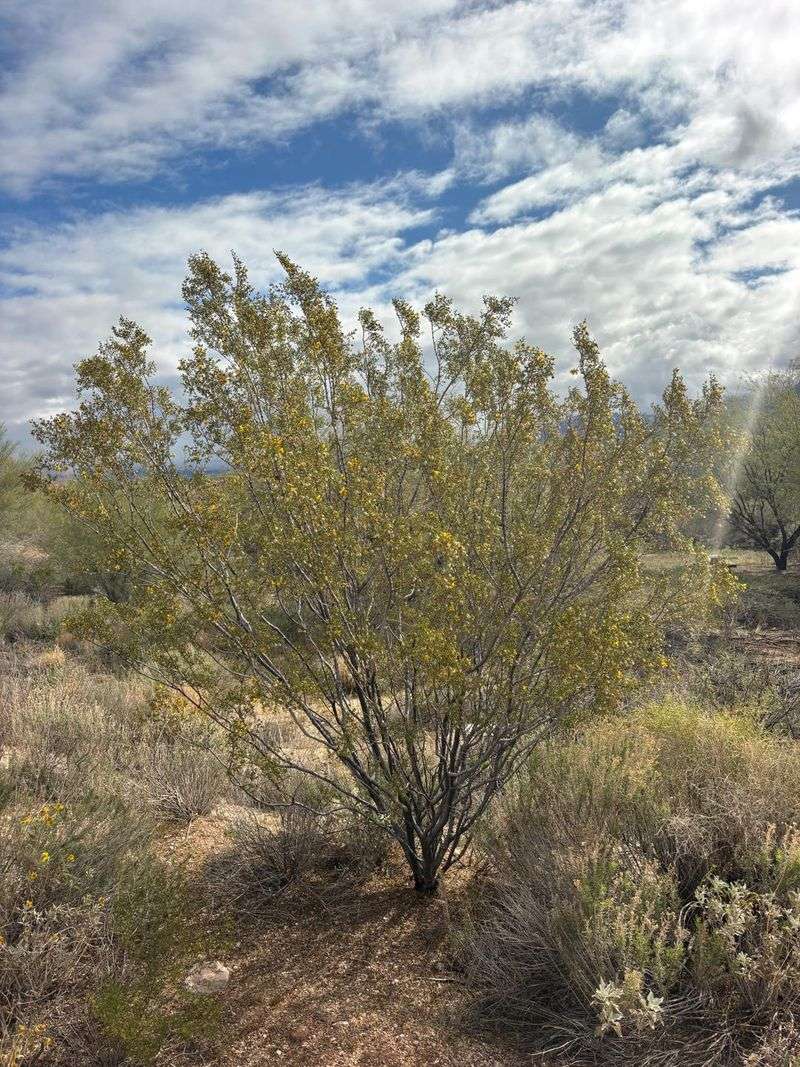
After a summer monsoon storm, the whole desert smells like creosote, and that perfume comes from resin on tiny leaves. I love how one shrub can make a whole neighborhood smell like rain long before the clouds roll away.
Creosote bush (Larrea tridentata) usually reaches about six feet tall and eight feet wide when left to its own devices. Plants in the wild can live for a century, and many survive on rainfall alone once fully established.
Shearing it into a tight ball, sometimes called a keg, hides the graceful open branching that makes it so attractive. Personally, I think a sheared creosote looks like a green gumdrop that wandered away from a candy store.
Fall trimming is not usually recommended for routine care, so October is a fine month to simply admire it. If a branch has clearly failed, snip that single stem and leave the rest of the shrub alone.
Its loose, airy form makes a lovely backdrop for saguaros and agaves, and massed plantings create a low-water evergreen screen. Give it plenty of room at planting time, and you will rarely need to reach for pruners again.
2. Jojoba
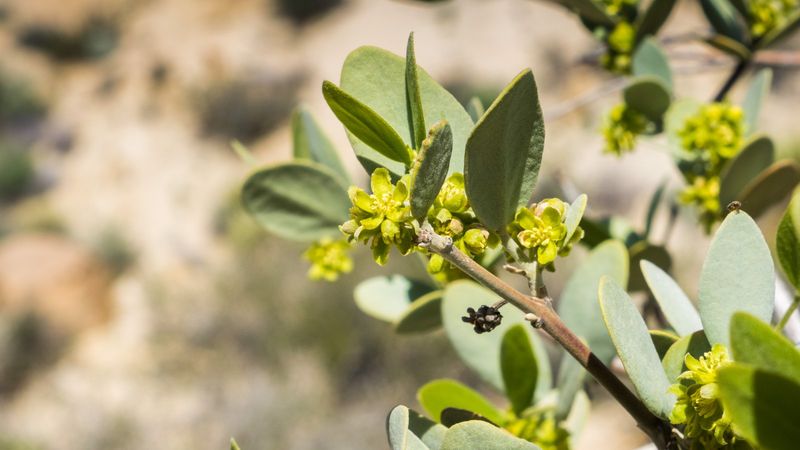
Those acorn-shaped nuts dangling from a jojoba bush hold the waxy liquid famous in shampoos and skin lotions. You might notice its leathery gray-green leaves tilt upright, a clever trick that reduces direct midday sun exposure.
Jojoba (Simmondsia chinensis) grows slowly into a dense mound about four to eight feet tall and wide. Despite the species name, it hails from the Sonoran Desert, not China, thanks to a labeling mix-up.
That slow growth is exactly why a heavy fall cut is a bad idea, since recovery can take ages. Shearing also makes jojoba perform poorly, leaving it lumpy and patchy instead of soft and full.
I prefer a light shaping every year or two, removing a stray branch that blocks a walkway. Otherwise, let it thicken up, because that dense foliage doubles as a private screen along your property line.
Quail and desert wildlife appreciate the thick cover, and some animals nibble the seeds when they ripen. Once established in full sun and poor soil, it needs very little extra water from your hose.
Hardy in USDA zones 8 through 11, it handles low desert heat and rocky, sandy ground with ease. Plant a few now in October, while soil stays warm and roots can settle before cooler weather arrives.
3. Ocotillo
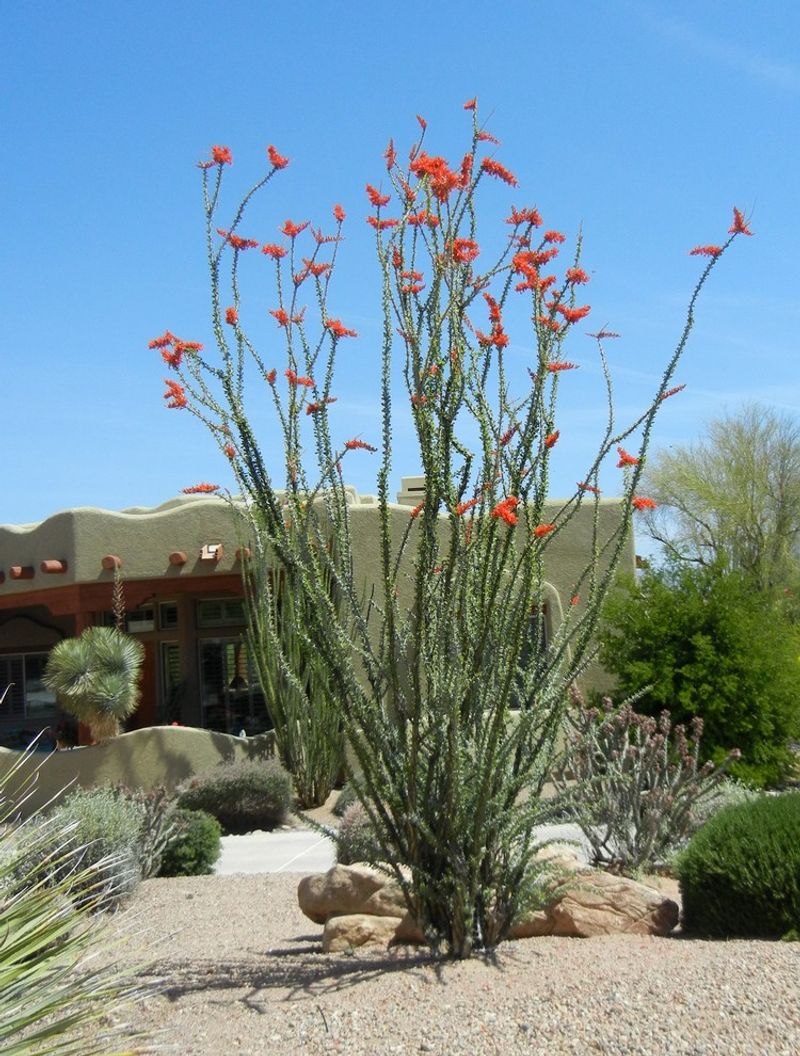
Hummingbirds treat a blooming ocotillo like a drive-up window, zipping between the red-orange clusters at every cane tip. Those spring flowers form at the ends of the canes, so trimming tips means fewer treats for them.
Ocotillo (Fouquieria splendens) sends up slender, spiny canes that can stretch twelve feet high and ten feet wide. It drops its leaves during dry spells and leafs out again after rain, sometimes several times a year.
Bare stems in October can look worrying, but they are usually just resting until the next soaking arrives. Please resist the urge to tidy them, because cutting healthy canes ruins that wild, sculptural silhouette.
Experts suggest a do-no-harm approach, which means removing only broken or diseased wood and leaving everything else. I can’t imagine a more forgiving plant for busy gardeners who would rather sip tea than prune.
Full sun and rocky, well-drained soil keep it happy, and it shrugs off lows near ten degrees. With so little leaf litter, it also makes a tidy accent beside swimming pools and gravel patios.
Gloves are a must around those spines, so handle any cuts slowly and keep children at a distance. The thorny canes also create a handy perch where small birds like to rest and scan for insects.
4. Arizona Rosewood
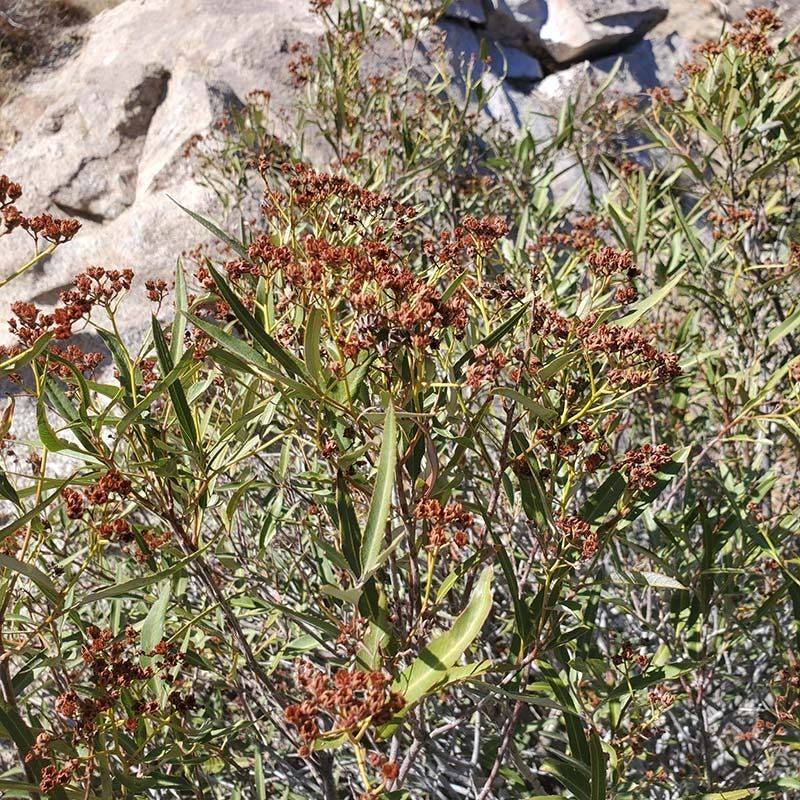
Despite its name, Arizona rosewood is not a rose at all, but it does belong to the rose family. Its dark, glossy leaves stay green all winter, giving your yard a lush look without thirsty tropical plants or lawns.
Vauquelinia californica grows slowly into a dense shrub or small tree, usually somewhere between six and fifteen feet tall. Late spring brings clusters of tiny creamy flowers, which later turn into toasty brown seed heads that linger.
Those seed heads are part of the fall charm, so a hard autumn trim removes one of its best features. Heavy cutting also thins the foliage, and that dense screen took many years to build in the first place.
I like how it creates privacy along a wall or fence without the constant shaping that boxwood hedges demand. Once established, it can thrive on rainfall alone, which feels like a small miracle during a long dry year.
Birds tuck into its thick branches for shelter, and the dense canopy offers welcome shade on hot afternoons. Plant it in full sun or part shade, then step back and let it fill out naturally over time.
5. Hop Bush
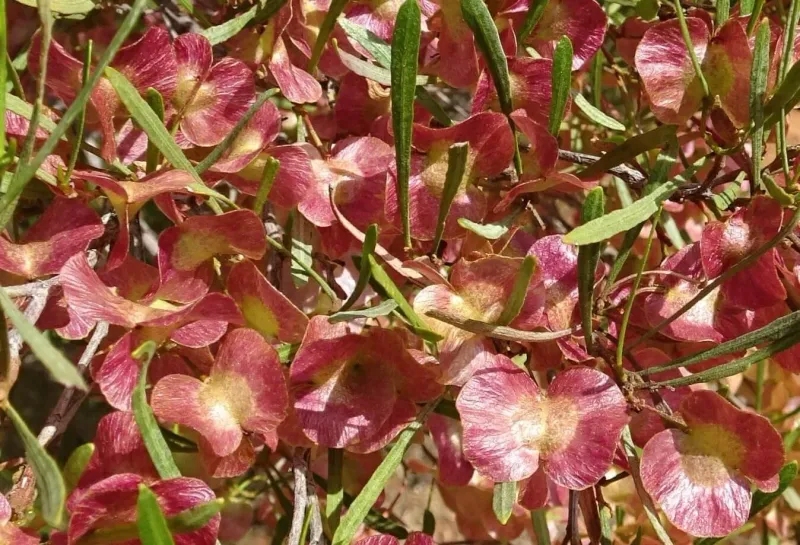
Those papery winged seed pods dangling from a hop bush glow pink in the light like tiny paper lanterns. You might notice them rustle softly in a breeze, and I find that sound oddly relaxing on a patio.
Hop bush (Dodonaea viscosa) is a fast-growing evergreen that can reach ten to fifteen feet tall in full sun. Its narrow bright green leaves make a quick privacy screen, and it adapts to many different soil types around town.
Fall pruning is where trouble starts, because heavy cuts in late summer or autumn trigger soft, leafy new shoots. That tender growth has little time to harden, so an unexpected winter freeze can scorch it quite badly.
Personally, I would rather see a slightly shaggy hop bush in January than a stubby one covered in brown tips. In most yards it honestly needs no pruning at all unless you truly must control its overall size.
If shaping becomes necessary, wait until frost danger passes in spring and make a few modest cuts rather than shearing. Low to moderate water keeps it looking fresh, especially in the low desert during those long, hot summer months.
6. Red Yucca
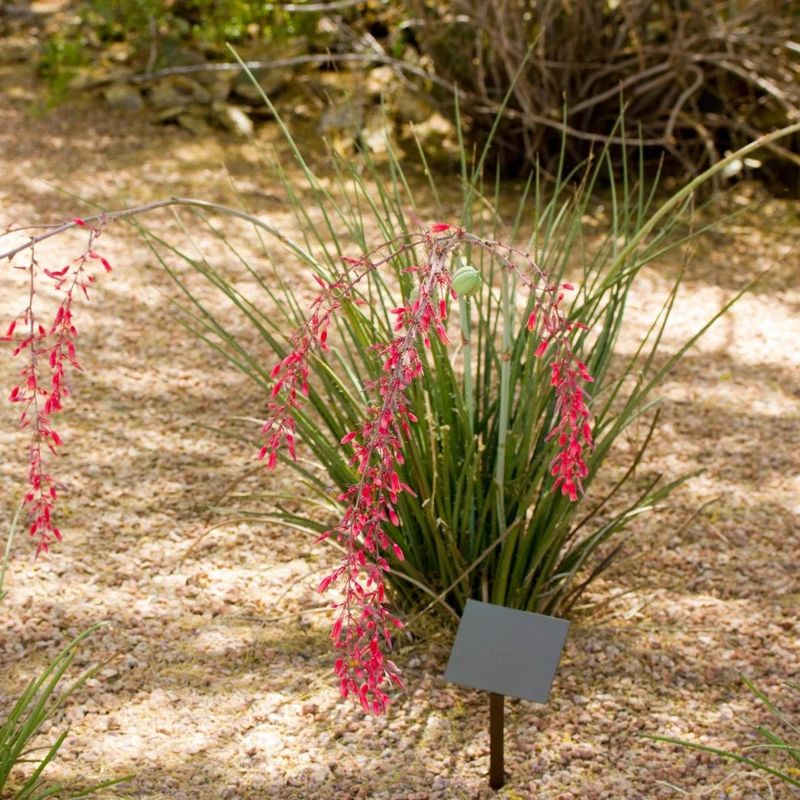
Red yucca is not a true yucca at all, and its soft grassy leaves feel nothing like spiky yucca blades. Hummingbirds adore the coral-red tubular flowers, which can bloom from late spring through summer and sometimes into fall.
Hesperaloe parviflora forms a fountain of arching foliage about two to three feet tall and three to four feet wide. Its flower stalks shoot up three to six feet, giving hungry hummingbirds a tall buffet line above the leaves.
The worst fall mistake is cutting the green leaves into a flat-topped stump, which ruins its graceful arching shape. I have seen those buzz cuts in commercial parking lots, and they take a long time to grow out.
Instead, remove spent flower stalks at the base once blooming ends, and pull out any fully brown, crispy leaves. Some gardeners leave a few old stalks standing a little longer so birds can pick at the seeds.
Hardy in USDA zones 5 through 10, it tolerates intense heat and reflected light from nearby walls and driveways. Give it full sun and fast-draining soil, and it will happily hold its fountain shape all year with little water.
7. Fairy Duster
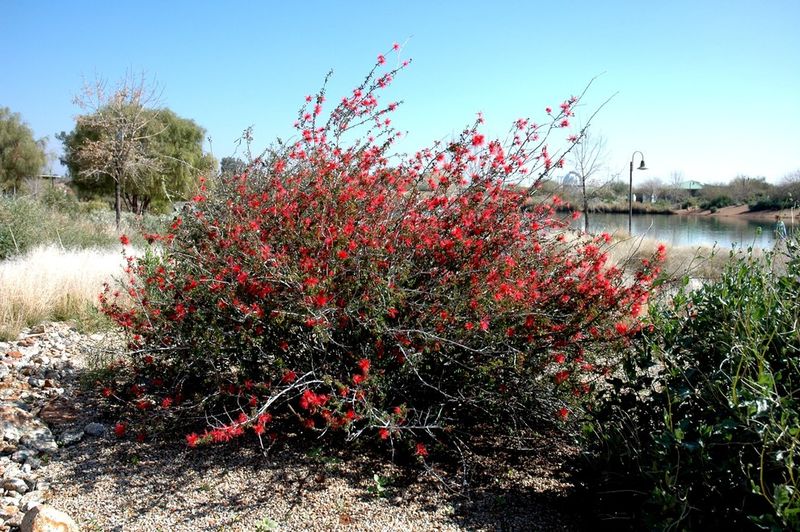
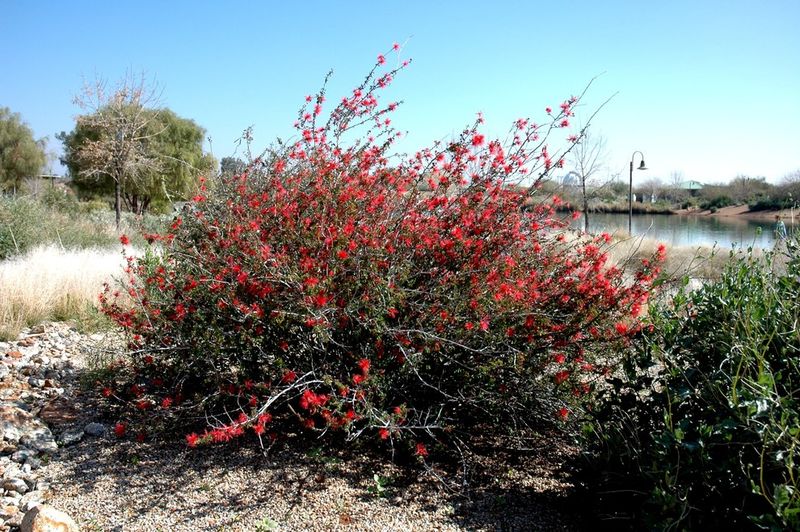
Fluffy red powderpuff blooms on fairy duster look like tiny pom-poms someone tossed across a sunny garden wall. Baja fairy duster often hits a fresh blooming peak in fall, so October is prime viewing season for you.
Calliandra californica grows four to six feet tall and wide, with finely divided feathery leaves that stay mostly evergreen. Its cousin, pink fairy duster (Calliandra eriophylla), is native here, and its flowers help feed the lesser long-nosed bat.
Shearing these shrubs in fall snips off the flowering tips, which means you lose the show you planted them for. It also turns their loose, arching branches into stiff little blobs that look oddly formal and out of place.
Routine pruning belongs in late winter or early spring, after frost danger passes and before fresh new growth starts. If a hard freeze nips the tips this winter, wait until spring arrives to trim away the browned damage.
I’m still amazed by how well they handle reflected heat bouncing off block walls and fences in Arizona yards. Once established, they need surprisingly little water, and butterflies join the hummingbirds for a steady stream of colorful visits.
8. Brittlebush
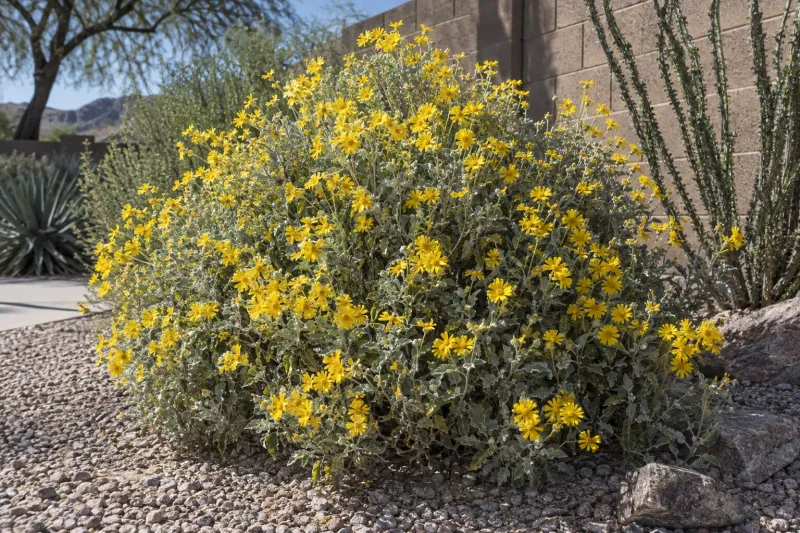
Brittlebush stems snap easily, which explains the name, and a broken twig releases a piney, resinous scent. Its silvery leaves are covered in fine white hairs that reflect sunlight and help the plant stay cooler.
Encelia farinosa forms a rounded mound two to five feet tall and wide in full sun. Each late winter and early spring, it explodes with bright yellow daisies held high on bare stalks.
Experts note that a hard fall cutback can leave you with sparser flowers when spring finally rolls around. You need to wait for the bloom to finish, usually in April or May, before reaching for pruners.
At that point, cutting back about one-third encourages fresh silver foliage and keeps the mound nicely compact. Even a leggy plant should keep at least a foot of live woody stem after any rejuvenation cut.
I love how native butterflies and bees crowd the flowers, turning a gravel bed into a lively hangout. It needs minimal water once established, and fast-draining soil keeps its roots happy through soggy monsoon storms.
So let it rest this fall, and enjoy that silvery mound as a cool contrast to darker green shrubs. Your patience pays off when the whole slope turns sunny yellow and the pollinators come calling again.