Palm Springs Style in New York? These Desert-Look Plants Can Handle a Northeast Winter
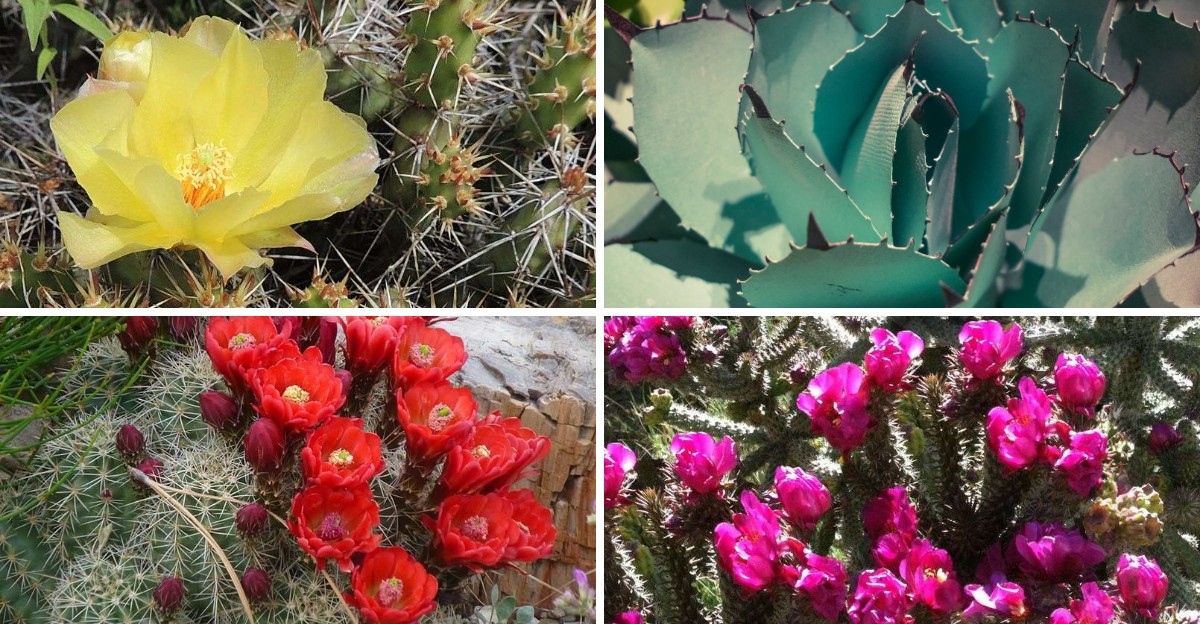
A wild cactus grows naturally on the sandy coastal dunes of Long Island. It shrugs off snow each winter, then opens yellow blooms that look straight out of a desert postcard.
Palm Springs gardens are famous for spiky silhouettes and blue-gray rosettes sitting in gravel under bright sun. Many of those shapes come from plants that also handle bitter cold, as long as their roots stay dry.
Truth be told, I assumed a desert garden in New York would turn into mush by February. My own gravel bed proved me wrong, and the trick turned out to be drainage rather than warmth.
You might notice that wet soil causes far more winter trouble than freezing temperatures ever do for these tough characters. So which sun lovers can survive a Northeast winter and still give your yard that sunny resort feel?
1. Eastern Prickly Pear
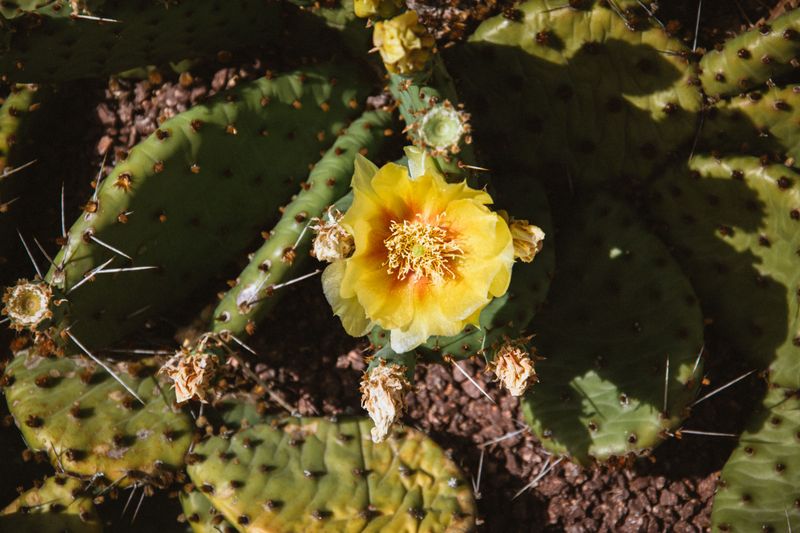
Few people expect a cactus to count as a true local, yet this one grows wild on Long Island. Its flat green pads hug the ground like scattered dinner plates, giving any sunny bed instant desert drama.
In winter, the pads wrinkle and slump, which looks alarming the first time you see it happen. Funny thing is, that shriveling is a clever trick that helps the plant tolerate hard freezes without damage.
By spring, the pads plump back up, and June or July brings bright yellow flowers about three inches wide. Native bees crowd into those blooms, and I love watching them tumble around inside the glossy petals.
Later, red or purple fruits ripen in late summer and often hang on well into the colder months. People make jams and candies from them, though you should handle the fruits with thick gloves and tongs.
Those tiny barbed bristles, called glochids, slip into skin easily and can be surprisingly irritating for days. Plant it away from paths where kids or pets run, and keep a roll of tape handy for removal.
Full sun and sandy or gravelly soil keep it happy, while soggy ground quickly leads to rot. Hardy in USDA Zones 4 through 9, it handles winters across most of New York with ease.
Since it is native, many native plant nurseries carry it, so skip digging it from wild dunes. Plants spread slowly into clumps one to three feet wide, which suits a sunny slope or rock garden.
2. Brittle Prickly Pear
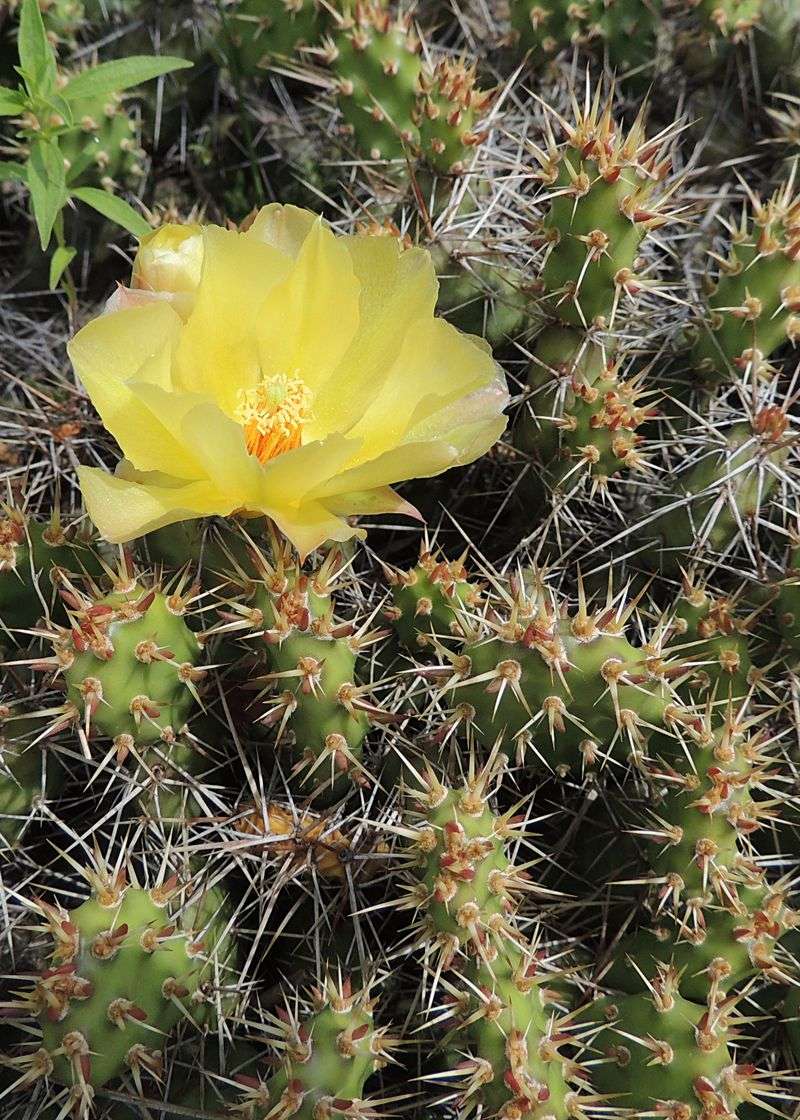
Tiny pads snap off this little cactus at the slightest bump, which sounds like a flaw at first. Each broken piece can root where it lands, letting the plant hitchhike across rocky ground on animal fur.
Hardiness is its superpower, since it handles USDA Zone 3 and temperatures down to around minus 35 degrees. If you garden in the Adirondacks or the North Country, this might be your best cactus bet.
Mature clumps stay low, usually four to six inches tall, while spreading about two feet across over time. The rounded dark green pads are small, studded with barbed spines that can reach an inch long.
Flowers show up in June or July, pale yellow or greenish, though some years the blooms are scarce. If you ask me, the sculptural pads are the real attraction, with flowers being a welcome bonus.
Plant it in sandy or rocky soil that drains fast after every rainstorm and spring snowmelt. A sunny spot with good air flow keeps the pads firm instead of soft and mushy in spring.
Its spiny fruits dry to tan and are generally considered inedible, unlike the eastern cousin’s juicy ones. Native bees still visit the blooms, so even a small clump adds something useful for local pollinators.
Wear thick gloves when weeding nearby, because the detached pads cling to sleeves and shoelaces with surprising stubbornness. Tuck it along a stone wall or a gravel edge where nobody brushes past it by accident.
3. Tree Cholla
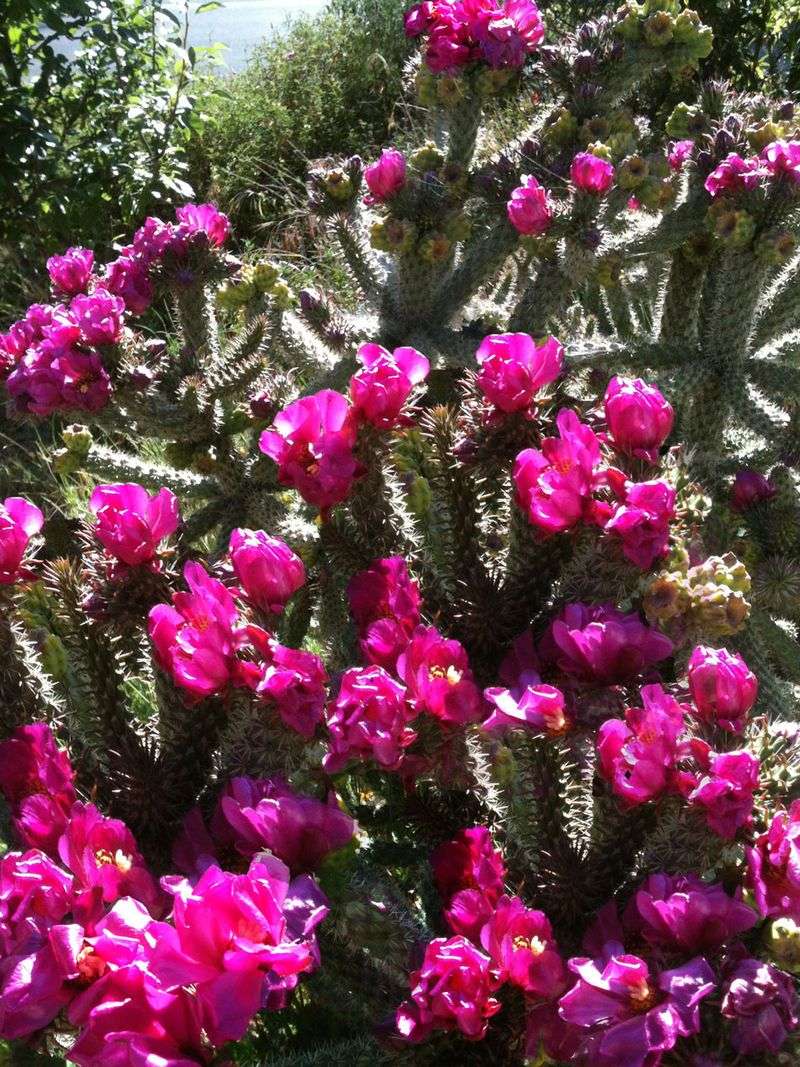
Want a cactus tall enough to make neighbors stop on the sidewalk and pull out their phones for photos? Tree cholla grows branching, rope-like stems that can reach five to eight feet tall and wide.
Hardy to USDA Zone 5, it is one of the toughest upright cacti you can grow in the Northeast. Its green stems often blush purple when cold weather arrives, which adds unexpected color to a snowy yard.
Magenta or pink blooms appear mainly in late spring and early summer, drawing bees and butterflies to them. Afterward, knobby yellow fruits linger for months, and they look cheerful against a backdrop of winter snow.
In its Southwest home, birds like cactus wrens nest among the spiny branches for protection from predators. You probably won’t see cactus wrens here, but the shape still brings genuine Southwest flair to your garden.
Drainage matters most, so give it lean, gritty soil on a sunny slope or raised berm. Skip overhead sprinklers, since water sitting around the base invites rot during cold, wet stretches of weather.
The spines and glochids are serious business, so heavy leather gloves and long tongs are essential for handling. I keep this plant well back from walkways, because one careless brush can mean an afternoon of tweezing.
Gardeners in milder spots like Long Island or the Hudson Valley tend to have the best success. It has become invasive in Australia, though it is not considered a problem in the Northeast.
4. Claret Cup Cactus
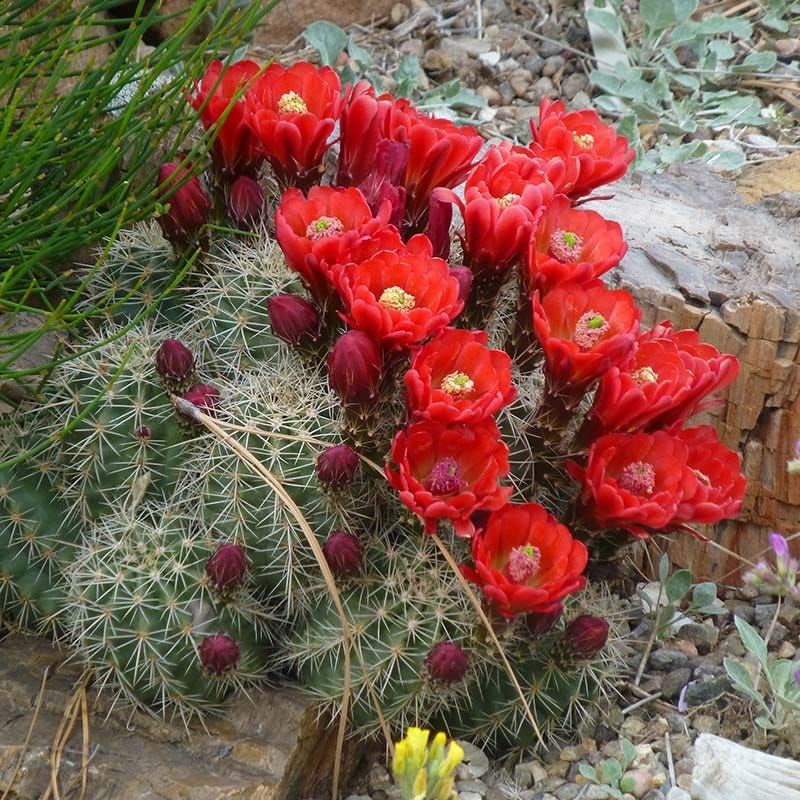
Hummingbirds treat this cactus like a roadside diner when its scarlet cups open across the whole mound in spring. Large clumps can turn into solid domes of red, and honestly the sight stopped me in my tracks.
Blooms usually arrive in April or May, reaching up to three inches wide on short, ribbed stems. Bees join the hummingbirds, so you get a busy little pollinator party right beside your patio.
Hardy into USDA Zone 5, it tolerates temperatures around minus 10 degrees when its roots stay dry. Wet, cold soil is the true enemy, so a dry, cool winter matters more than mild air.
Plant it on a raised bed or slope, and mix plenty of grit or sand into the soil. Many growers add a gravel mulch around the base, which keeps the crown from sitting in wet mud.
Water sparingly in summer, then stop almost entirely in fall as the plant heads into dormancy. Some New York gardeners place a clear cover over it during long rainy spells for extra protection.
After flowering, spiny red fruits about an inch long ripen roughly two months later in midsummer. Stems reach about ten inches tall, and clumps slowly spread wider over many patient growing seasons in the sun.
Spines are long and straight, so gloves and a folded newspaper sling help when moving potted plants. Look for nursery-grown plants rather than wild-collected ones, since buying responsibly protects native desert populations.
5. Spinystar Cactus
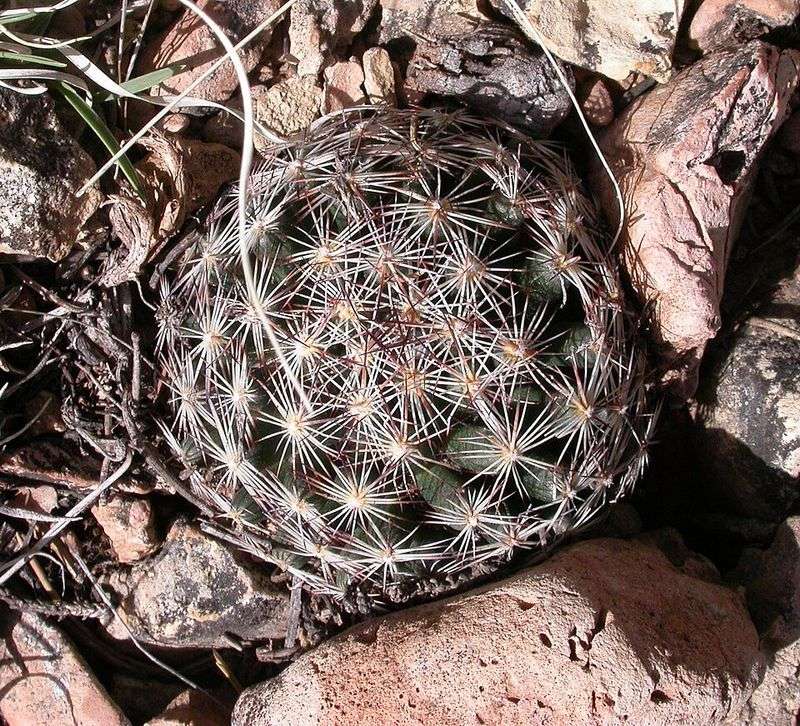
Small enough to fit in a teacup, this round cactus packs a surprising amount of desert personality. Its body is wrapped in pale star-shaped spine clusters that sparkle when frost settles on them.
Spinystar grows native across a wide stretch of North America, including chilly prairies and Rocky Mountain slopes. That background explains its toughness, since it handles temperatures below minus 10 degrees in many reported cases.
Most plants top out near five inches tall, forming tidy globes that slowly cluster with small offsets. In my experience, a cluster of them in a shallow trough looks like a miniature desert landscape.
Deep pink to purple flowers open in late spring or early summer, often bigger than you’d expect. Those bright blooms crown the top of the plant, almost like a party hat on a tiny spiky ball.
Excellent drainage is essential, so use a gritty mix and pick a spot that gets sun most of the day. Container plants need drainage holes and a raised position, so melting snow drains away instead of pooling.
Small pots freeze faster than garden beds, so tuck containers against a sheltered wall during the coldest weeks. Avoid bringing them into a warm house, because they need that cold winter rest to flower well.
The spines are small but sharp, so use tongs or a folded paper strip when repotting. Specialty cactus growers and rock garden plant sales are reliable places to find healthy nursery-propagated plants each spring.
6. Adam’s Needle
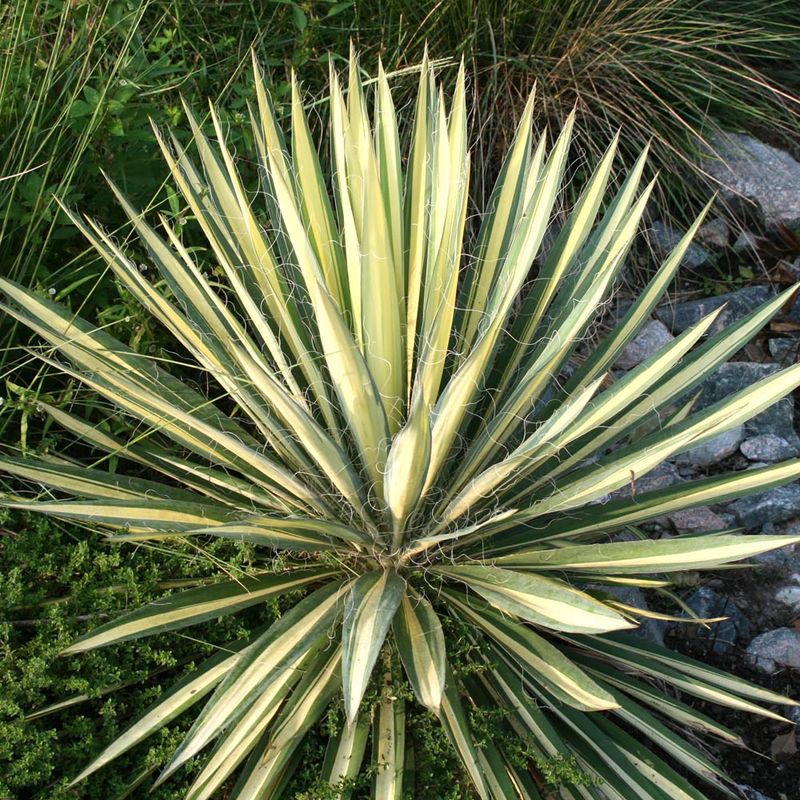
Curly white threads peel from the leaf edges of this plant, looking like someone frayed a green rope. Those filaments give Adam’s needle its name and add a soft touch to an otherwise spiky silhouette.
Hardy in USDA Zones 4 through 10, it handles winters across nearly all of New York. The evergreen leaves stay upright through snow, keeping some structure in the garden when everything else sleeps.
In early summer, flower stalks shoot up five to eight feet, covered in creamy white bells. Honestly, my first bloom spike made me laugh, because it seemed to stretch taller every single morning.
A special partnership powers those flowers, since yucca moths pollinate them while their larvae eat a few seeds. Hummingbirds and bees visit too, so the stalks become a busy stop for summer wildlife in your yard.
Full sun brings the best blooms, though plants tolerate some partial shade with fewer flower stalks. Sandy or rocky soil works beautifully, and established plants need very little watering once roots settle in.
Leaves end in a sharp spine, so plant away from play areas and walkways where people wander. It is listed as toxic to cats and dogs as well as horses, so keep curious pets from chewing the foliage.
Native to the southeastern United States, it has naturalized in parts of the Northeast without becoming invasive. Snip off the spent flower stalk in fall, and the clump keeps producing fresh rosettes for years.
7. Parry’s Agave
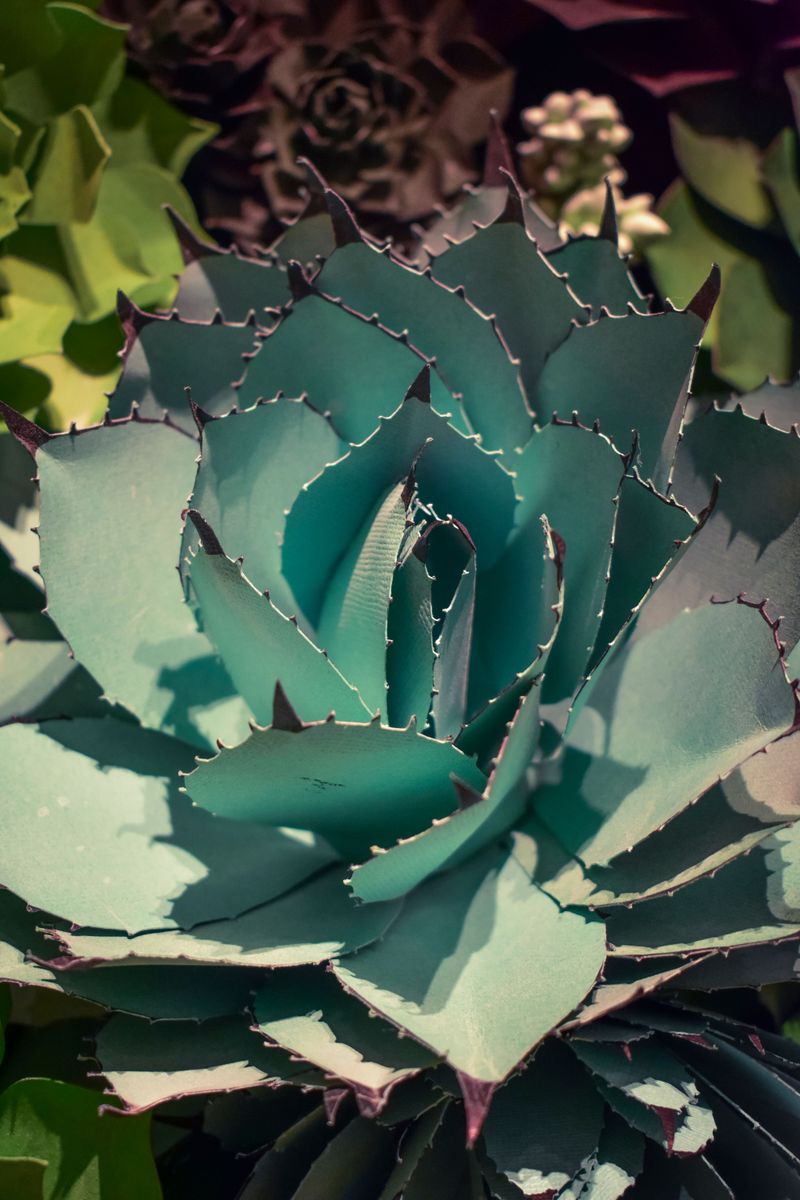
Silvery blue leaves fold into a tight rosette, which explains why some folks call it the artichoke agave. Each leaf ends in a dark, needle-sharp tip that looks like it was dipped in ink.
Among agaves, this species ranks with the most cold tolerant, commonly rated hardy to USDA Zone 7. Some growers report success in colder zones, but that usually depends on dry soil and a sheltered spot.
In New York, the warmest pockets like New York City and Long Island give it the best chance. Gardeners farther upstate may prefer growing it in a pot that moves into an unheated garage.
Wet winter soil is a bigger threat than cold air, so plant it in gritty, fast-draining ground. A south-facing slope or a spot near a warm stone wall adds helpful protection on frosty nights.
Water occasionally in summer, then stop watering by fall so the plant heads into winter fairly dry. Mature rosettes reach about one to three feet wide, making a bold centerpiece in a gravel garden.
After many years, often decades, it sends up a towering flower stalk that can reach over ten feet. The main rosette fades after that grand show, but small pups around the base carry on the family.
Those sharp tips can poke through thin gloves, so trim the very ends carefully if needed near paths. In my opinion, few plants deliver that true Palm Springs look as convincingly as this sculptural beauty.
8. Hens And Chicks
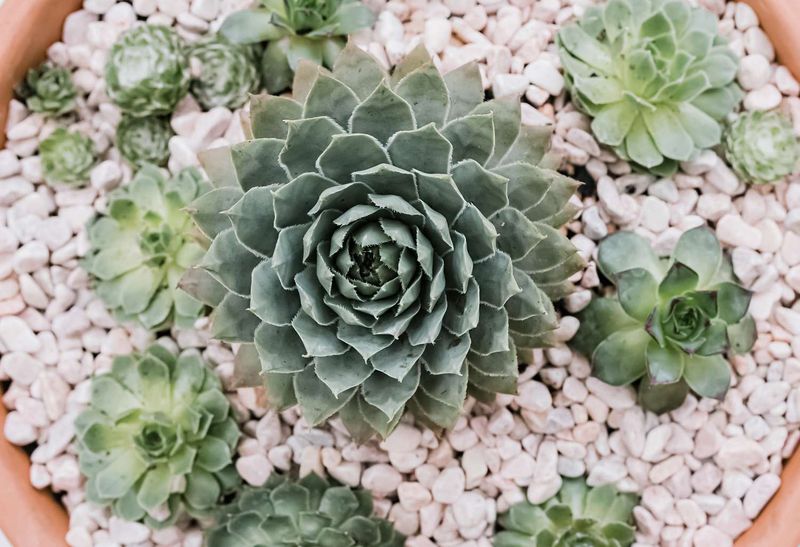
Centuries ago, Europeans grew this succulent on rooftops, partly from an old belief that it guarded homes from lightning. Today it guards nothing but your gravel border, yet its tidy rosettes still feel a little bit magical.
Each large mother rosette, the hen, sends out small offsets called chicks on short sturdy runners. Over a few seasons, one plant can grow into a colony spreading up to three feet across.
Cold hardly bothers it, since it thrives in USDA Zone 3 and handles extreme winter lows. That toughness makes it a dependable pick for nearly every corner of the Northeast, including chilly mountain towns.
Gray-green leaves often carry reddish-purple tips, and full sun brings out the richest color in summer. In my yard, I’ve noticed the colors deepen during cool autumn weather, which is a fun seasonal surprise.
Drainage is everything, so tuck rosettes into stone wall cracks or containers with plenty of grit added. Water during dry summer spells, then let them rest with very little moisture through the winter months.
Mature rosettes eventually send up star-shaped flowers on stalks about a foot tall during the summer months. The blooming rosette fades afterward, but the chicks around it quickly fill the empty space it leaves.
Pair them with prickly pears or yucca for a layered desert scene that works in a small yard. They are not invasive in the United States, so you can share extra chicks with friends freely.