The October Care Your New York Thanksgiving Cactus Needs To Bloom
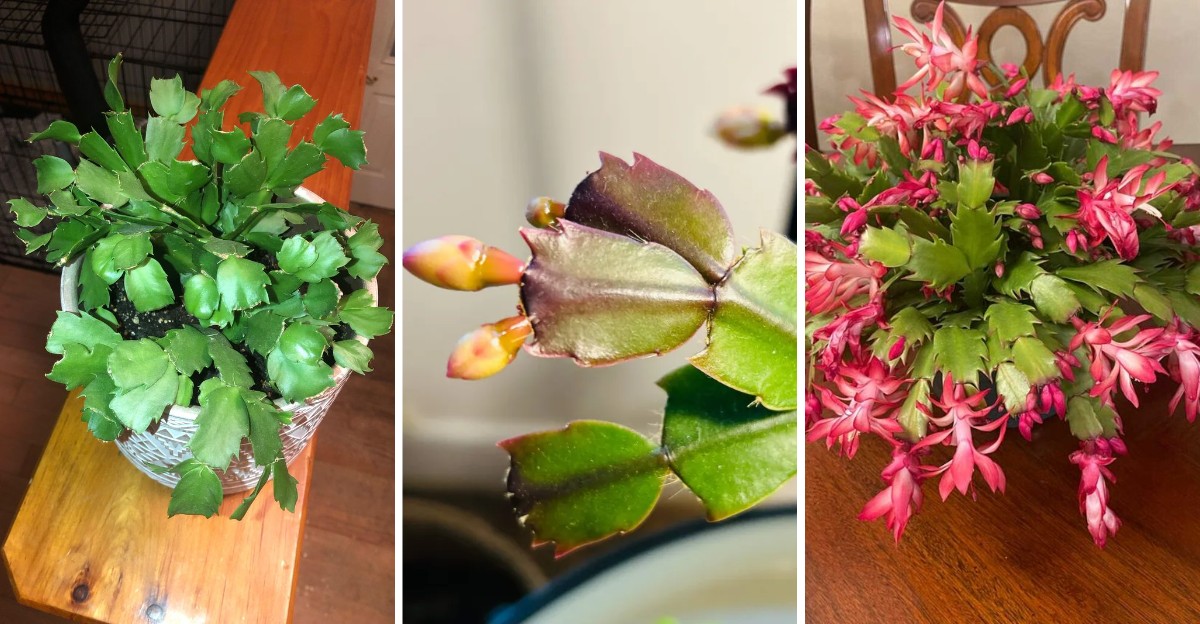
Your Thanksgiving cactus waits all year to throw one big party in late November. October is when it starts planning the guest list.
Shorter days and crisp nights across New York give it the perfect cue to set buds. It just needs a little help from you to take the hint.
A few simple changes this month can mean bright pink, red, or white blooms right on schedule. Miss them, and you might get green leaves and nothing else.
The work is easy, and most of it is about doing less, not more. Darkness, cool air, and a lighter hand with the watering can all play a part.
Your holiday table deserves a showstopper, and your cactus is ready to deliver.
1. Long, Dark Nights Trigger Bud Formation
Think of darkness as the secret alarm clock for your cactus. Thanksgiving cacti are long-night plants, so they need real darkness to start making flower buds.
Each night, your plant wants 12 to 14 hours of steady, unbroken darkness. Keep that routine going for about six to eight weeks.
Even a short flash of light can reset the clock. A bedside lamp, a hallway light, or a glowing streetlight can be enough to confuse it.
Many New York homes have bright city lights shining through windows all night. A quiet spare room or a closet at night can solve that problem nicely.
Start this dark routine in mid-September or early October. You can move the plant into a dark room each evening, then bring it back to light by morning.
Some people simply cover the plant with a cardboard box. Just make sure the box blocks light well and does not squash the leaves.
Buds usually show up within three or four weeks. Once they appear, you can relax a bit, since day length stops mattering for flowering.
Here is a handy trick if you forget easily. Set a phone reminder for the evening move, and another for the morning return.
Fun fact: these plants come from the mountain forests of Brazil. There, natural day length changes gently, and the plants learned to bloom when nights grew long.
2. Cool Temperatures Help Buds Set
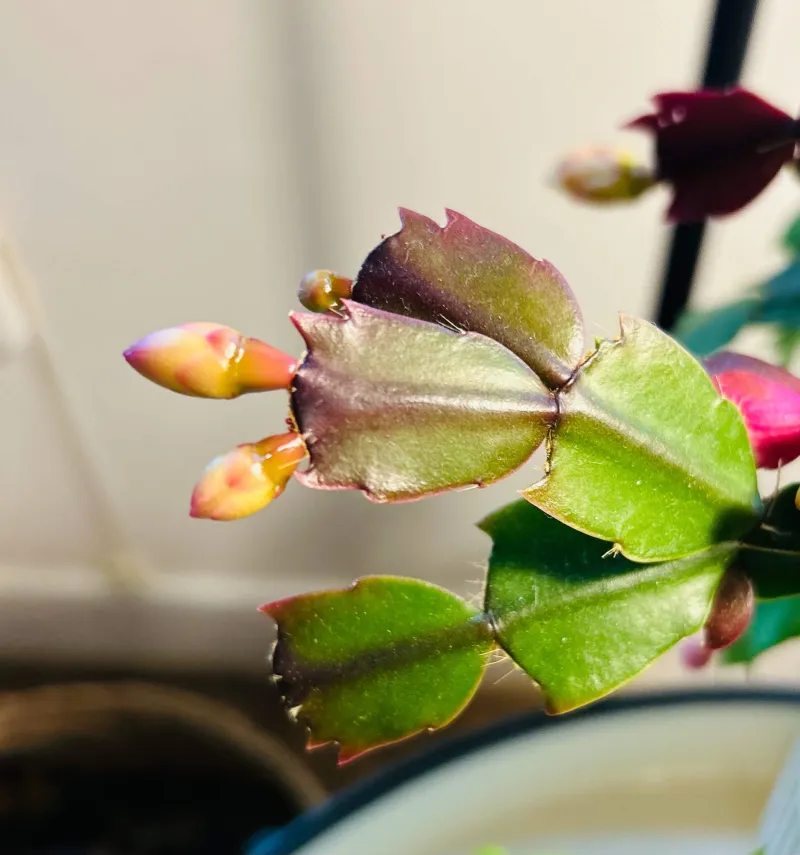
Ever notice how a crisp fall evening makes you feel awake and alive? Your Thanksgiving cactus feels something similar when the air cools down.
Cool nights tell the plant that the blooming season is near. Aim for nighttime temperatures between 55 and 65 degrees Fahrenheit for strong bud formation.
Daytime can be a little warmer, around 65 to 70 degrees. Overall, fall temperatures between 60 and 68 degrees give the best flower show.
Here is an interesting detail. Temperatures between 50 and 59 degrees can trigger buds even without long nights, though growth may slow.
A room that stays toasty at 72 degrees all the time can delay buds. It may also mean fewer flowers once the holiday arrives.
October brings chilly evenings that can drop fast. If your cactus spent summer outside, bring it in before nights fall below 50 degrees.
Once buds appear, keep the temperature between 50 and 90 degrees. Going outside that range can make the buds fall off early.
Your New York Garden Changes Every Week. Your Plan Should Too.
Gardening in New York changes quickly throughout the season. Every Friday you’ll receive a simple weekly plan showing exactly what to plant, prune, fertilize, harvest, and protect so you never miss the right timing.
A cool bedroom, an enclosed porch, or a bright mudroom often works well. Just check that the spot does not freeze on cold nights.
Try placing a cheap indoor thermometer near the plant. It takes the guessing out and shows you how cool that corner really gets.
Small temperature tweaks now can mean a pot crowded with flowers later. Your cactus will reward you for keeping things pleasantly brisk.
3. Keep It Away From Hot Radiators
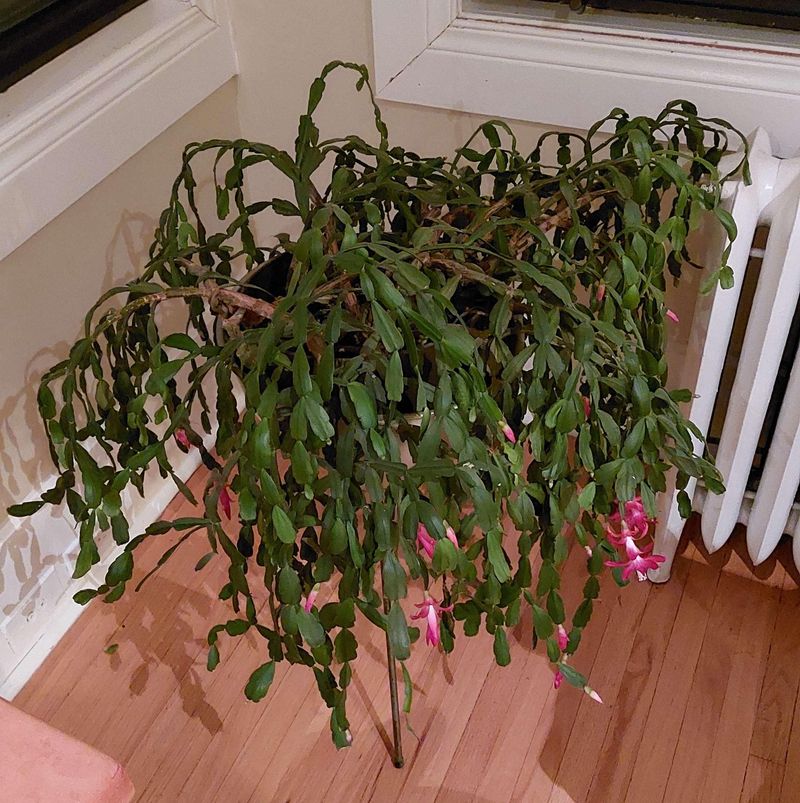
Clanking, hissing, and blasting heat, the classic radiator is a winter legend. Your cactus, sadly, is not a fan.
Many New York apartments rely on steam radiators that pump out serious warmth. Setting your plant on or near one can dry it out quickly.
Steady warmth works against bud formation, as you learned earlier. Sudden heat spikes can also cause flower buds to drop before they open.
Radiators often turn on and off throughout the day. Those swings in temperature stress the plant, even if the room feels fine to you.
Cold drafts are just as troublesome. Avoid spots near drafty windows, outside doors, or air conditioning vents left running in early fall.
Picture the ideal location as calm and boring. Steady temperatures, gentle light, and no blasts of hot or cold air make your cactus happy.
A good rule is to keep the plant several feet from any heat source. If you can feel warm air on your hand, it is too close.
Window sills above radiators are a common trap. They look sunny and inviting, but heat rising from below can bake the soil.
Space heaters, fireplaces, and even the top of a refrigerator count as hot spots. Each one can quietly upset the bloom cycle.
Choose a bright table or shelf in a cooler part of your home instead. Your plant will hold onto its buds and thank you in color.
4. Cut Back On Water Now
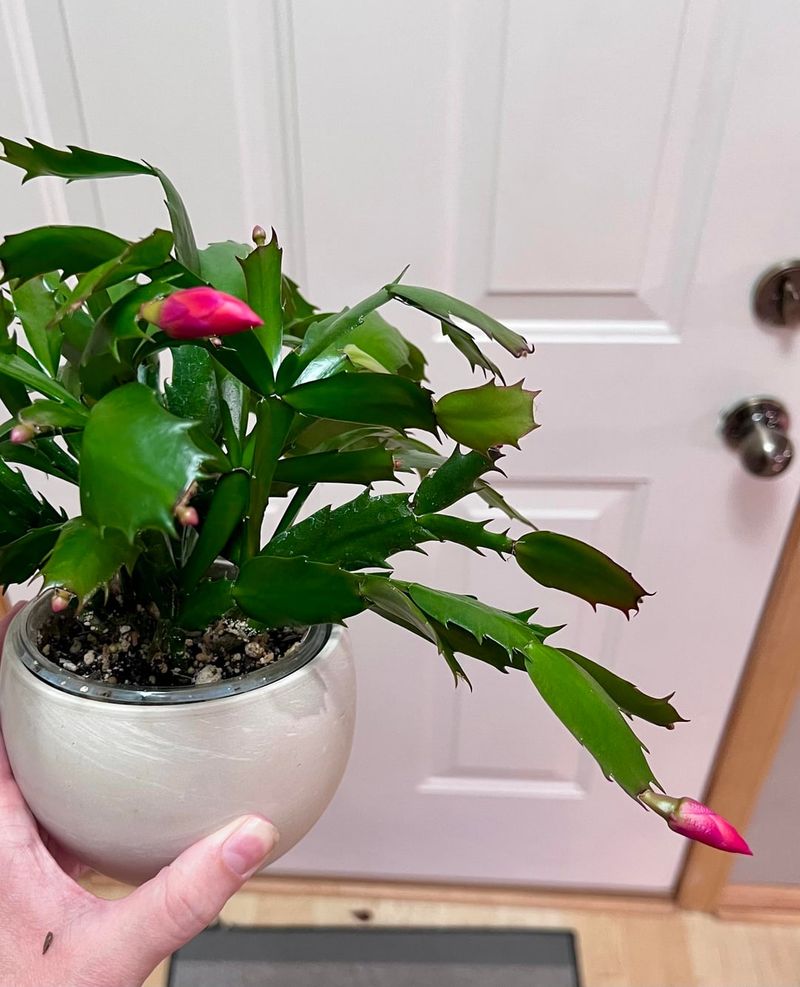
Put down that watering can for a moment. Believe it or not, a little thirst helps your cactus get ready to bloom.
As fall arrives, slowly reduce how often you water. Let the top one to two inches of soil dry before giving it more.
Your finger is the best tool here. Poke it into the soil, and if it feels damp, wait a few more days.
Slightly drier soil supports the plant’s seasonal shift toward flowering. Still, letting it get bone dry for too long can cause stress.
Overwatering is a far more common mistake. Soggy soil leads to root rot, which can wreck a healthy plant surprisingly fast.
Make sure your pot has drainage holes. Empty any water sitting in the saucer so the roots are not soaking.
Things change once buds appear. At that point, keep the soil lightly and evenly moist to help the buds stay put.
Indoor air gets dry once the heat kicks on. Some growers mist their plants a few times a week in October for extra humidity.
A tray of pebbles with water beneath the pot also adds moisture to the air. Just keep the pot sitting above the water line.
Remember that this plant is a forest cactus, not a desert one. It likes moderate moisture, not drought and not a swamp.
5. Stop Fertilizing Until After Blooming
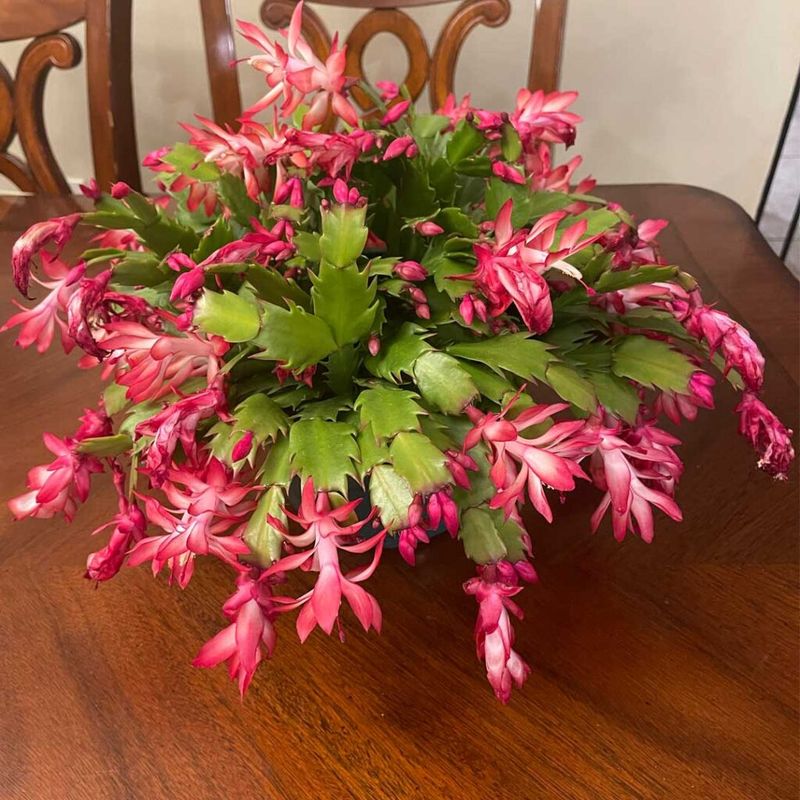
Feeding a plant feels like a kind thing to do. In October, though, plant food sends your cactus the wrong message.
Fertilizer encourages leafy growth. Your goal right now is flowers, so extra nutrients can steer energy away from buds.
Ideally, stop fertilizing by the end of August or early September. Then keep the fertilizer on the shelf through October and November.
Skip feeding while the plant is covered in buds or flowers too. It has everything it needs to finish the show on its own.
Think of it like a runner resting before a big race. Your cactus is saving strength for that holiday burst of color.
When late winter or early spring rolls around, new growth will start. That is your signal to begin feeding again once a month.
Pick a balanced, water-soluble fertilizer for best results. Mix it at half the strength listed on the label.
Stronger doses can burn the roots. A gentle approach keeps the plant healthy without pushing it too hard.
If you already fed your plant in September, do not panic. Just stop now and focus on darkness and cool temperatures.
Many plant lovers write the date on a calendar. A simple note saying stop feeding can save you from forgetting next year.
6. Find A Spot And Leave It There
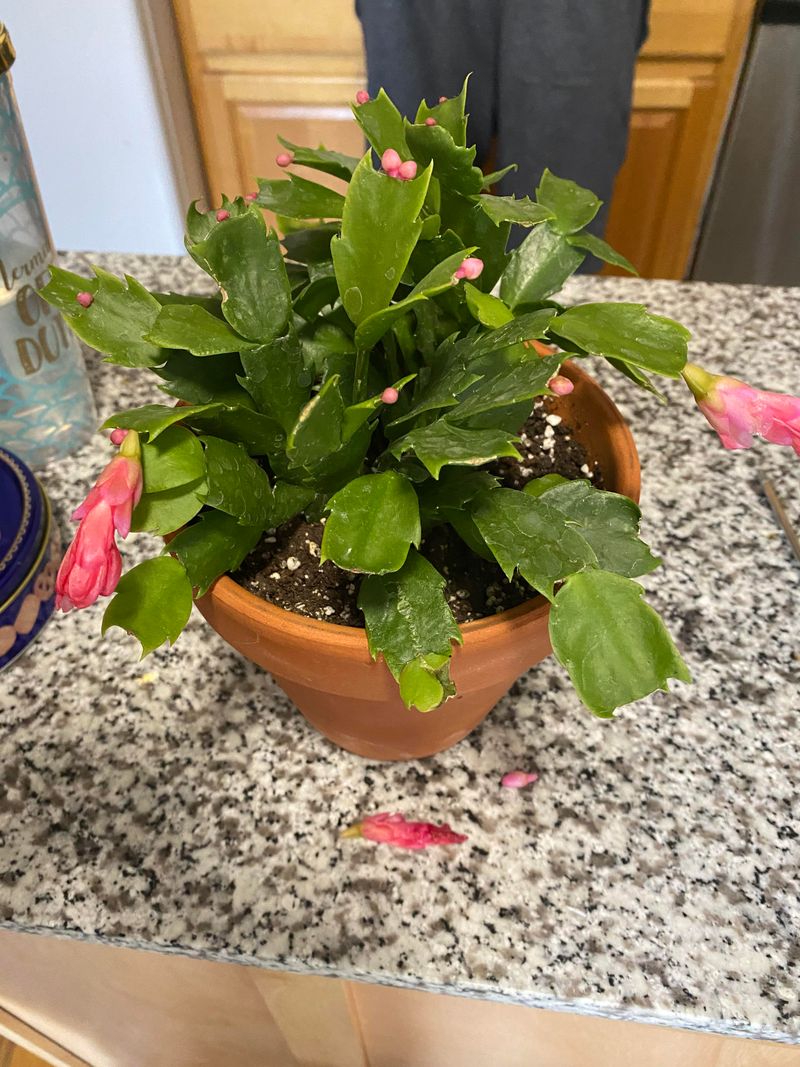
Some plants enjoy a change of scenery. A budding Thanksgiving cactus is not one of them.
Once buds start forming, moving the plant can lead to a problem called bud blast. The buds turn yellow, shrivel, and drop off.
Sudden changes in light, temperature, or even a bump can trigger it. It feels unfair, but the plant reacts strongly to disruption.
Before buds show up, pick a permanent home for the season. Look for bright, indirect light and a steady, draft-free spot.
If you have been carrying it to a dark closet each night, plan ahead. Once buds appear, let it settle in one place.
Here is a sneaky tip many growers use. Mark the side of the pot facing the window so it stays turned the same way after watering.
Buying a new plant already full of buds can be risky. The trip from store to home may cause a few buds to fall.
Bring it home quickly and avoid cold car rides. Then set it in its final spot and resist the urge to rearrange.
Showing the blooms to guests is tempting. Try inviting them to admire it where it sits instead of carrying it around.
Patience really pays off here. A plant left in peace often rewards you with every single bud opening.
7. Tiny Pink Tips Mean Buds Are On The Way
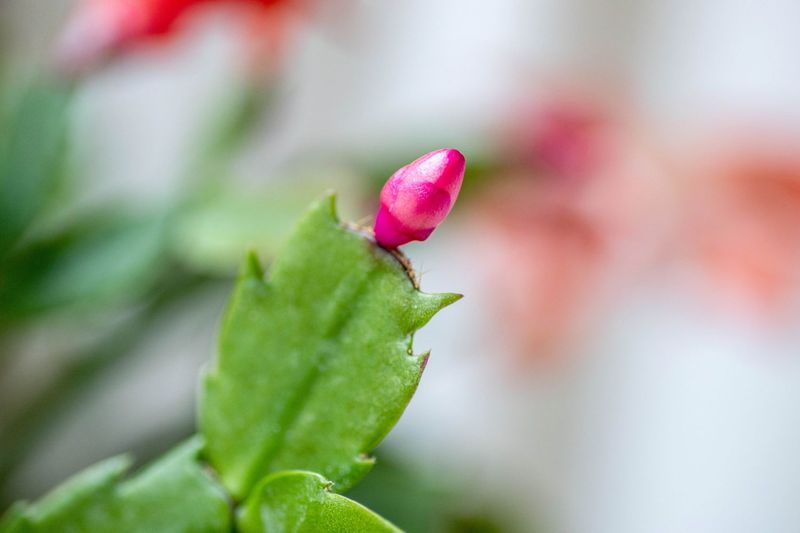
Few moments feel as exciting as spotting the first bud. One morning, a tiny pink dot appears, and suddenly all your effort feels worth it.
Buds usually show up three to four weeks after the dark nights begin. They form right at the tips of the arching leaf segments.
At first, they look like little jewels. Depending on the variety, they may be pink, red, white, or even peach.
Telling a bud from a new leaf is easy once you know the trick. Buds look round and plump, while new leaves are flat.
New leaf growth also tends to look bright green. Buds often carry a blush of color from the very beginning.
Once you see buds, switch into protective mode. Keep watering steady and keep the plant in its chosen spot.
In New York, buds often appear in late October. That timing lines up nicely for blooms around the holiday.
Try counting the buds each week for fun. Kids especially enjoy tracking how quickly they swell and change shape.
The buds will slowly grow longer and droop slightly downward. Soon they open into layered, tube-shaped flowers that look almost tropical.
Each flower can last several days. With many buds, your plant may stay colorful for weeks, brightening chilly November afternoons.
8. Pointy Leaf Edges Tell You It’s A Thanksgiving Cactus
Here is a fun mystery to solve. That plant you call a Christmas cactus might actually be a Thanksgiving cactus in disguise.
Many stores sell Thanksgiving cacti labeled as Christmas cacti. Luckily, the leaves give away the truth if you look closely.
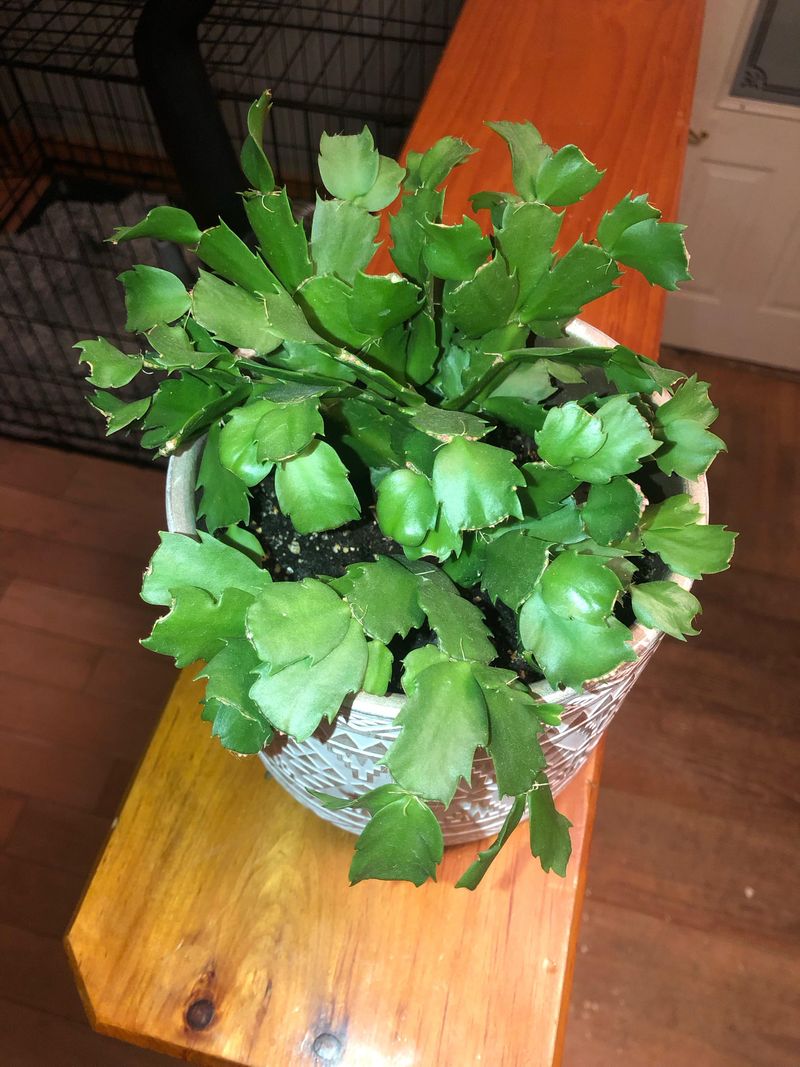
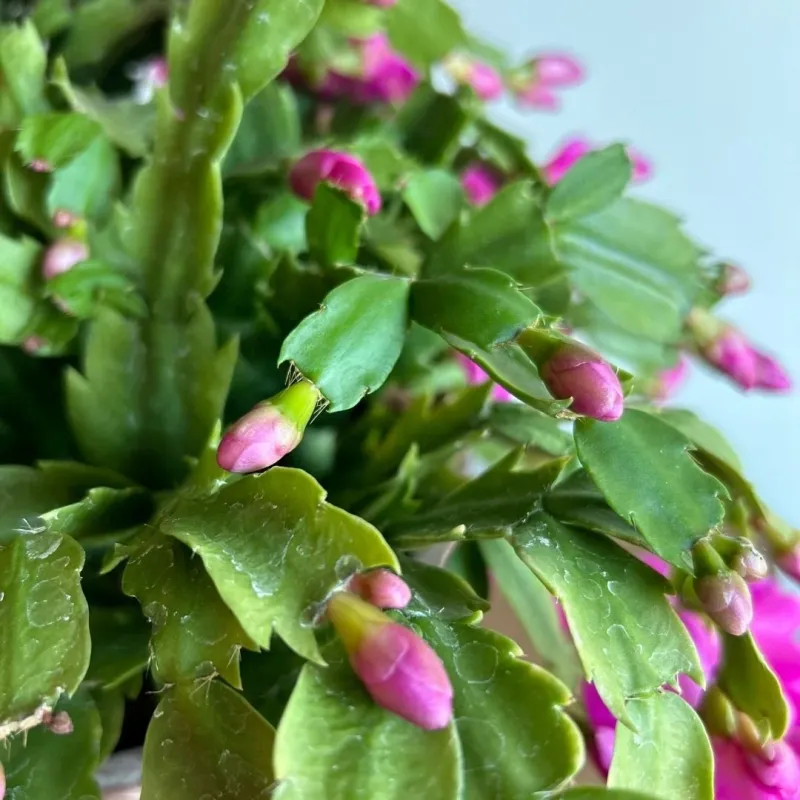
A Thanksgiving cactus, Schlumbergera truncata, has flat stem segments with two to four pointy teeth along the edges. They look a bit like tiny claws.
Because of those claws, people sometimes call it a crab cactus. Once you notice the shape, you will spot it everywhere.
A Christmas cactus has rounder, scalloped edges instead. Its segments look softer and smoother along the sides.
The Easter cactus is the third cousin. It has rounded segments that may carry small bristles, and it blooms in spring.
Bloom timing also helps confirm your guess. Thanksgiving cacti usually flower from mid-November to early December, while Christmas cacti bloom later in December.
Knowing which plant you own matters for timing your care. October steps fit the Thanksgiving type perfectly.
Take a quick peek at your plant today. Run your finger gently along a segment and feel for those little points.
Plenty of New York gardeners are surprised by what they find. It makes a great conversation starter at holiday dinners too.
9. Don’t Repot Until After It Blooms
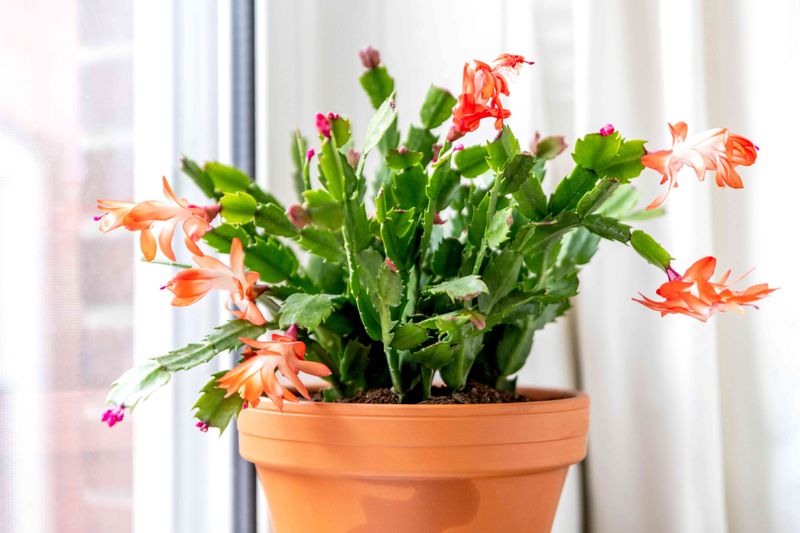
A crowded pot might look like trouble. For a Thanksgiving cactus, a snug home is actually a happy one.
These plants tend to bloom best when they are a bit pot-bound. Tight roots seem to encourage more flowers.
Repotting in October can confuse the plant and upset its bloom cycle. Fresh soil and disturbed roots send mixed signals at the worst time.
Avoid repotting while flowers are open too. During blooming, the plant pours its energy into those blossoms.
Spring is the best time for a new pot. Wait until the flowers fade and before any new buds start forming.
The ideal window runs from late winter into early summer. That gives roots time to settle before next fall.
Most plants only need repotting about every three years. Roots poking out of the drainage holes are a clear sign it is time.
When you do repot, go up just one pot size. A light, well-draining mix, like one made for cactus or orchids, works well.
Until then, let your New York cactus stay cozy where it is. Enjoy the blooms and save the project for warmer days.
Write a spring reminder on your calendar now. Future you will be glad to have a simple plan ready to go.