Reasons North Carolina Homeowners May Want to Rethink Getting Rid of Squirrels
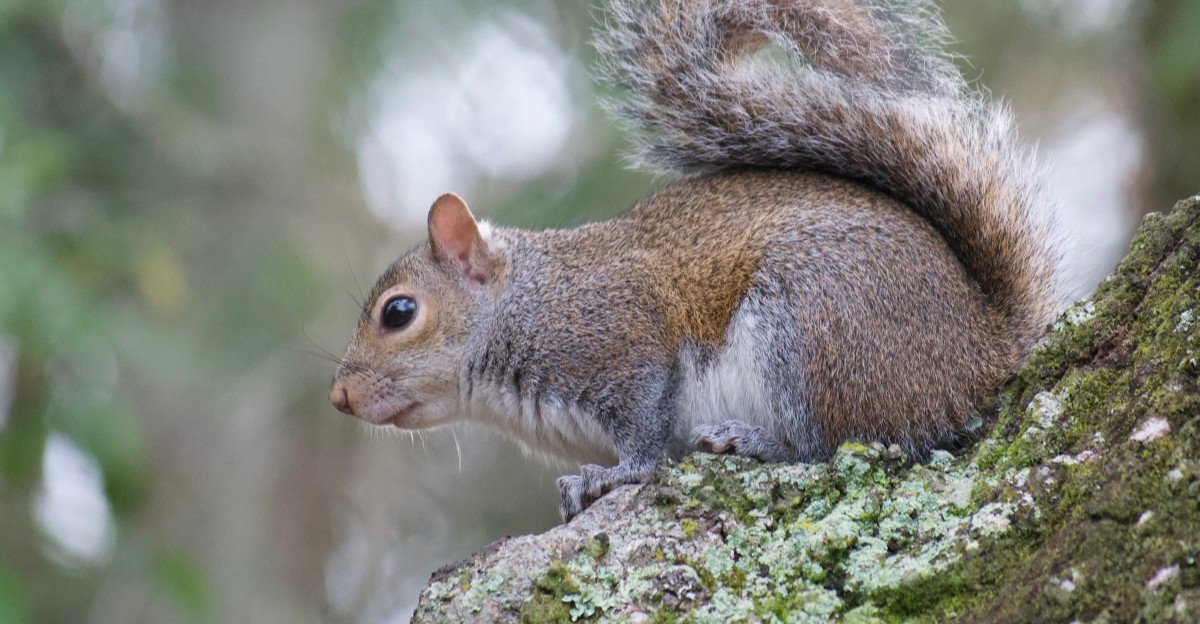
Back in 1969, North Carolina lawmakers chose an official state mammal, and it probably raided your bird feeder this morning. That bushy little bandit earned its title for good reasons, though most of us rarely stop to notice them.
One forgetful habit of this critter has quietly planted a surprising share of the oak trees around us. It also feeds hawks and owls, and it spreads hidden fungi that help tree roots soak up nutrients.
I get the frustration, believe me, because my own tulip bulbs have vanished overnight more than once. Still, I’ve learned that chasing these furry neighbors away often creates bigger headaches than the ones it solves.
Some removal methods can even land you in trouble with state wildlife officers across North Carolina. Now what do these backyard acrobats really do for your garden, and why might a truce make more sense?
1. Forgetful Squirrels Plant New Oak And Hickory Trees
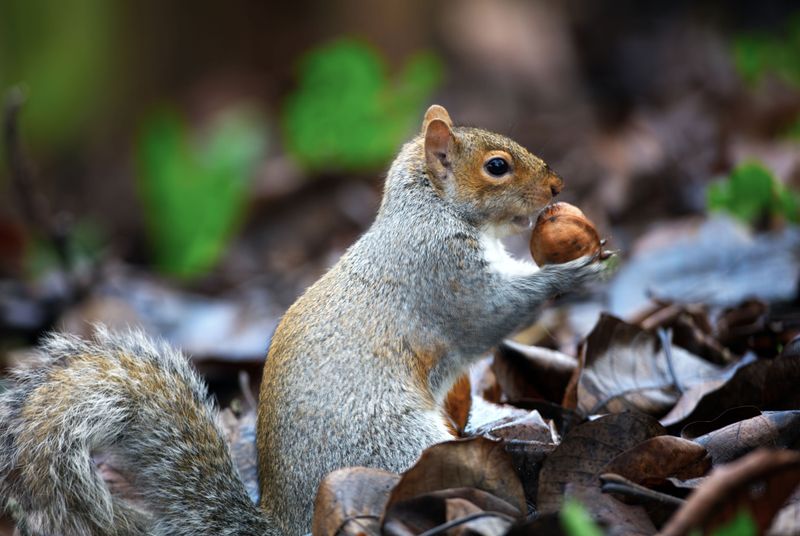
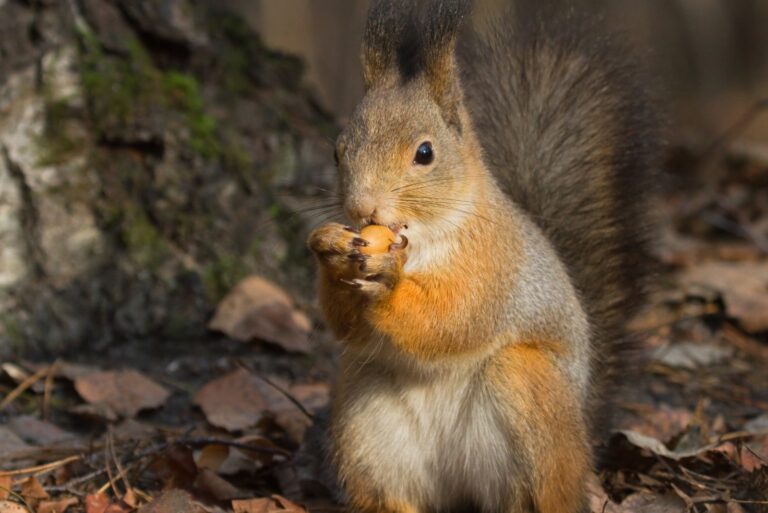
Every fall, one gray squirrel may bury thousands of acorns and nuts, each tucked into its own little hole. Scientists call this scatter-hoarding, and I love watching the frantic digging when the oaks start dropping their crop.
Squirrels find many caches using memory and smell, yet plenty of buried nuts stay in the ground until spring. Those forgotten acorns can sprout into oak seedlings, which is how these rodents help forests spread and renew themselves.
Burying seeds an inch or so underground also protects them from drying out and from hungry deer passing through. Researchers who study oak forests credit squirrels as major seed dispersers for oaks and hickories alike.
Removing every squirrel from your neighborhood would not halt forest growth overnight, but it would slow that natural planting. Oaks matter because they host hundreds of caterpillar species, which feed the songbirds many of us love seeing.
In my yard, I sometimes find tiny oak seedlings popping up in flower beds far from any parent tree. Rather than grumbling, I pot a few up and share them with neighbors who have room for shade.
You can pull unwanted seedlings easily while they are small, since young oaks quickly develop a deep taproot. Check beds in spring and early summer, and pull them when the soil is moist for easier removal.
Seen this way, the squirrel burying acorns under your maple is doing volunteer work for future woodlands. That forgetful planter deserves a little patience, even when its holes dot your freshly raked lawn.
2. North Carolina Named The Gray Squirrel Its State Mammal
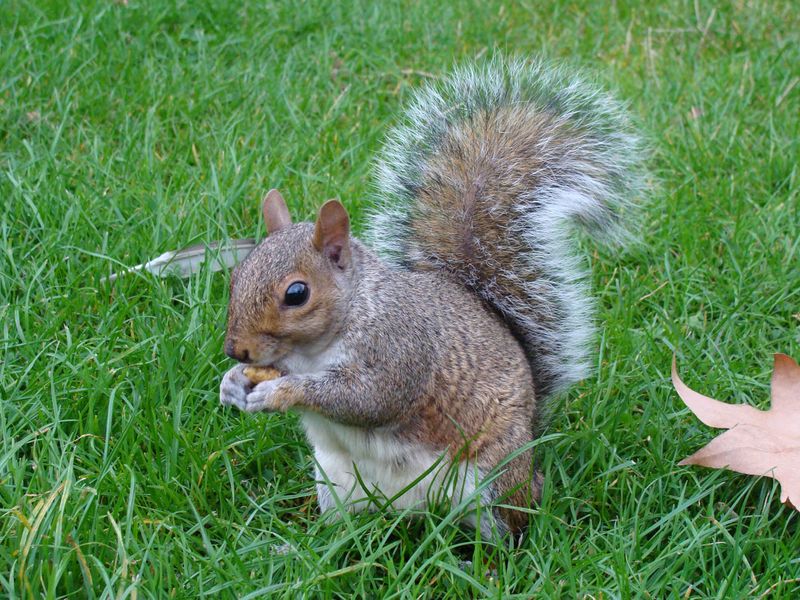
Few backyard visitors carry an official title, yet the gray squirrel has held North Carolina’s state mammal honor since 1969. Lawmakers picked it partly because the animal lives in nearly every county, including mountain hollows and coastal towns.
That status does not give squirrels special legal protection, so I want to be clear about the facts here. Gray squirrels are still a regulated game species, with hunting seasons and bag limits set by state wildlife officials.
Still, I find it charming that our official mammal is something kids can spot from the kitchen window. Most state animals hide in remote woods, but this one happily performs acrobatics on power lines and fences.
Gray squirrels are native here, which means they evolved alongside our oaks and hickories over thousands of years. Their place in local food webs is natural, unlike problem animals brought in from other continents.
Knowing that history changes how I react when one hangs upside down from my sunflower feeder. Instead of seeing a pest, I see a tough little native that earned its spot on the official list.
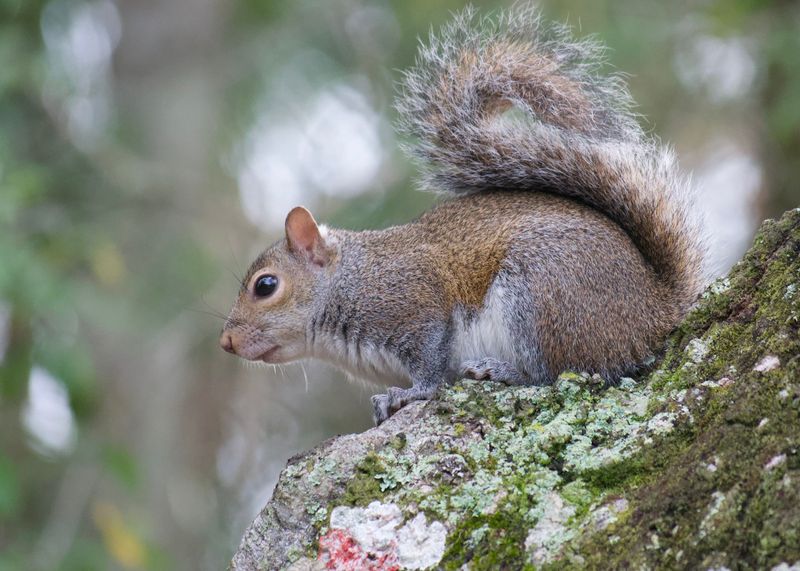
You can share that pride by teaching kids to identify gray squirrels by their silvery coat and white belly. Watching them bury nuts in autumn makes a fun nature lesson that costs nothing at all.
Treating the state mammal as a neighbor rather than an enemy feels right in a garden built for wildlife. A little respect goes a long way, especially for a critter that represents the place we call home.
3. Squirrels Spread Underground Truffle Fungi To Tree Roots
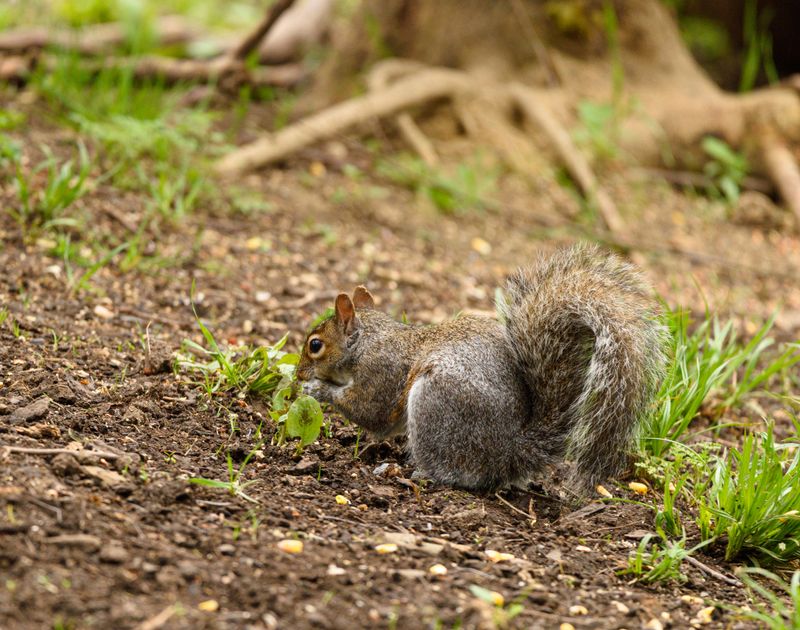
Underneath the soil, many trees partner with fungi that wrap around their roots and help them collect water and nutrients. Some of those fungi form truffles underground, and squirrels sniff them out with impressive skill.
After a squirrel eats a truffle, the spores pass through its gut and land somewhere new in its droppings. Scientists have found that many spores survive that trip and can start fresh fungal partnerships elsewhere.
Flying squirrels are especially well known for this habit, and researchers study them closely in forests with mycorrhizal trees. Gray squirrels also eat mushrooms, adding their own small share to this hidden delivery service.
I love the idea that a quick nibble in the woods helps a young oak find its fungal partner later. It reminds me that healthy gardens depend on teamwork we rarely see with our own eyes.
You can support these fungi at home by leaving leaf litter under trees instead of bagging every leaf. Avoiding heavy tilling around tree roots also protects the threads that fungi spread through the soil.
Mulching with shredded leaves or wood chips keeps soil moist and gives fungal networks a cozy place to grow. Skip unnecessary fungicides on lawns near trees, since they can harm helpful fungi along with harmful ones.
So when a squirrel digs near your oak, it may be hunting more than acorns. That tiny forager could be carrying living spores that strengthen the roots shading your favorite garden bench.
4. Red-Tailed Hawks And Barred Owls Depend On Squirrels
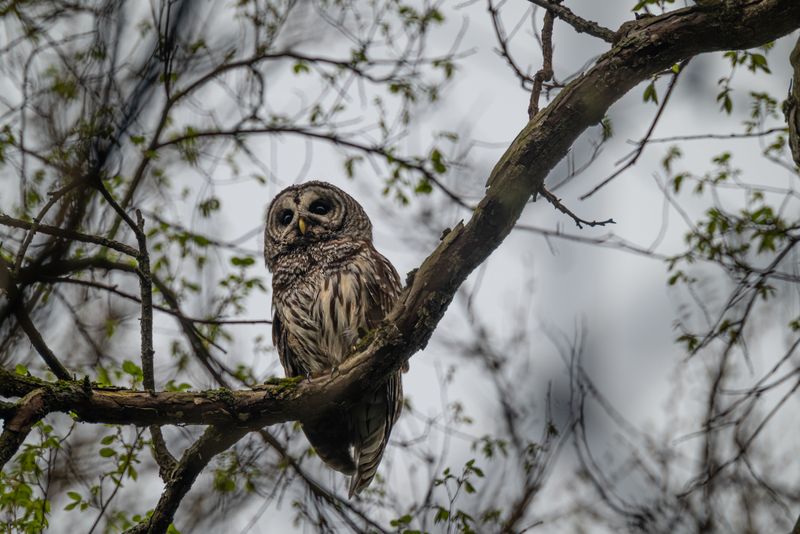
Few sights match a red-tailed hawk swooping across the yard with a squirrel clutched in its talons. It feels dramatic, but it shows a food web working the way nature designed it.
Red-tailed hawks and barred owls both hunt squirrels in wooded neighborhoods across much of the region. Gray foxes and bobcats also take squirrels, along with large rat snakes that climb trees to raid nests.
If you remove squirrels from your property, these predators lose an easy meal close to your home. They may simply move on, and you lose the thrill of spotting them up close.
I keep binoculars near my back door because a hawk on the fence post turns an ordinary morning into a show. Squirrels are often the reason those visitors stop by in the first place.
Predators also help keep squirrel numbers in check naturally, which reduces the damage any single yard experiences. That balance works best when we avoid poisons, which can harm the hawks and owls eating affected animals.
Rodent poisons are a real concern because secondary poisoning has been documented in raptors across the country. Skipping them protects the very birds that would help manage squirrels and mice for free.
You can invite more natural helpers by leaving tall trees standing and adding an owl box if space allows. Barred owls nest in large tree cavities, so preserving older trees gives them a reason to stay.
5. Relocated Squirrels Struggle In Unfamiliar Woods
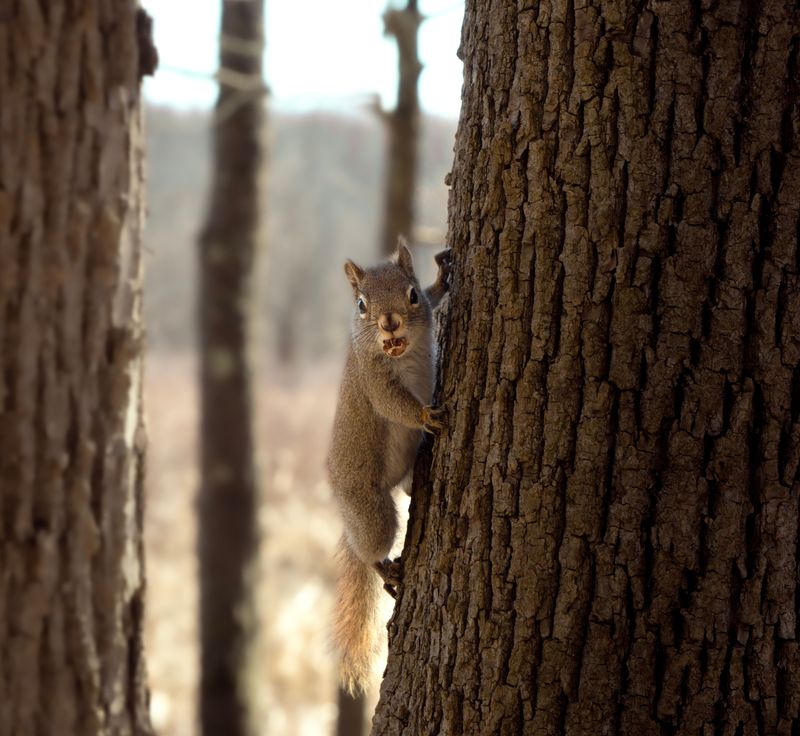
Driving a trapped squirrel to a pretty park sounds kind, but the outcome is usually grim for the animal. A squirrel dropped into strange woods has no buried food stash and no idea where to hide from hawks.
Wildlife groups often cite one study of relocated gray squirrels reporting losses as high as 97 percent. Most of those animals vanished or fell to predators within their first few months in the new location.
Squirrels rely on detailed mental maps of their home range, including favorite trees and safe travel paths. Without those maps, they wander in the open and become easy targets for hungry hawks and foxes.
Resident squirrels also defend food sources, so newcomers face pushy competition along with every other challenge. Winter makes things harder, because a relocated squirrel cannot reach the nuts it buried back home.
I used to think relocation was the gentle choice until I read what wildlife rehabilitators had to say. Their advice changed how I handle squirrel conflicts in my own yard and garden beds.
Instead of moving animals, focus on making your property less tempting with sealed openings and protected bird feeders. Those fixes last longer and spare you the hassle of checking traps every few hours.
Remember that the squirrel in your yard is not causing trouble on purpose or out of spite. Letting it stay while blocking the problem spots gives both of you a far better ending.
6. Mother Squirrels Hide Babies In Attics And Tree Nests
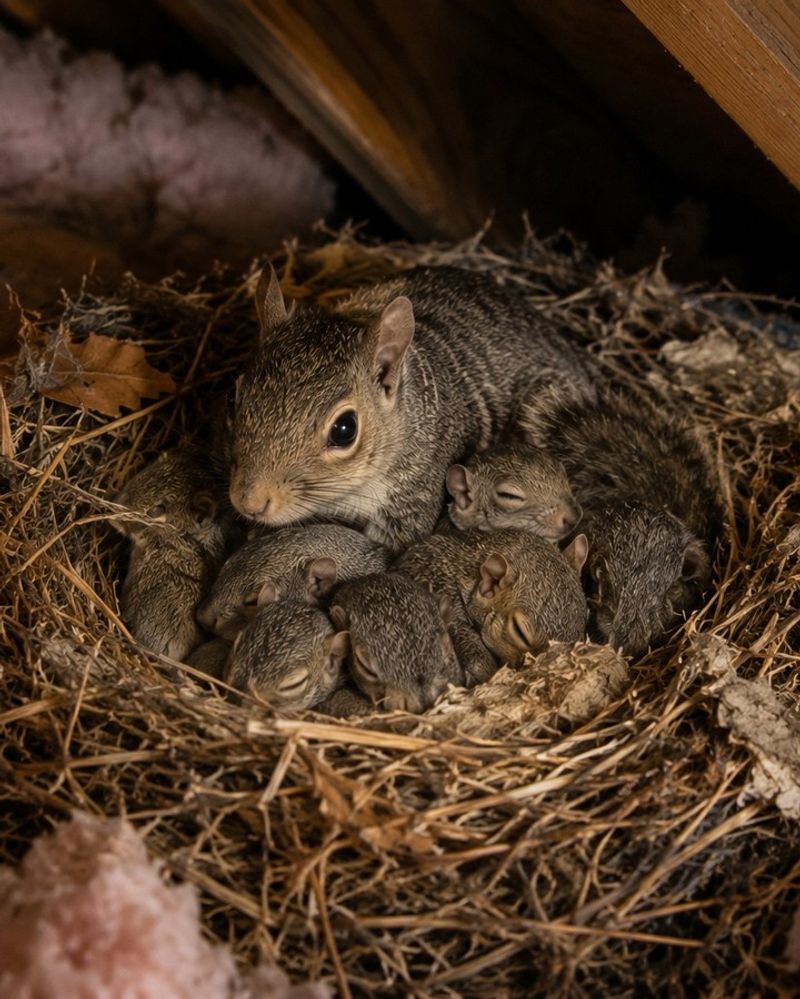
That scratching in your attic during late winter might be a mother squirrel preparing a nursery. Gray squirrels usually have two litters a year, one in late winter and another in summer.
Babies are born hairless and blind, and they stay in the nest for weeks before venturing outside. Trapping the mother during that time leaves the young stranded, often hidden where you cannot reach them.
Orphaned babies struggle badly alone, and the situation quickly becomes heartbreaking for everyone in the house. Wildlife experts often suggest waiting until the young are old enough to leave with their mother.
Squirrel babies usually begin exploring outside the nest at around six to eight weeks old. Once the family moves out, you can seal the entry point and enjoy a quiet attic again.
Some homeowners place a radio or bright light in the attic to encourage a mother to move. Mothers often carry young to a backup nest when they feel disturbed, which solves the problem humanely.
Before taking any action, look for signs such as squeaking sounds or a squirrel repeatedly entering one spot. A licensed wildlife control operator can confirm whether babies are present before anyone seals an opening.
Patience here pays off, because a few weeks of noise beats a crisis inside your walls. Mother squirrels are devoted parents, and giving them time lets the whole family leave on their own.
7. New Squirrels Quickly Move Into Empty Backyard Territory
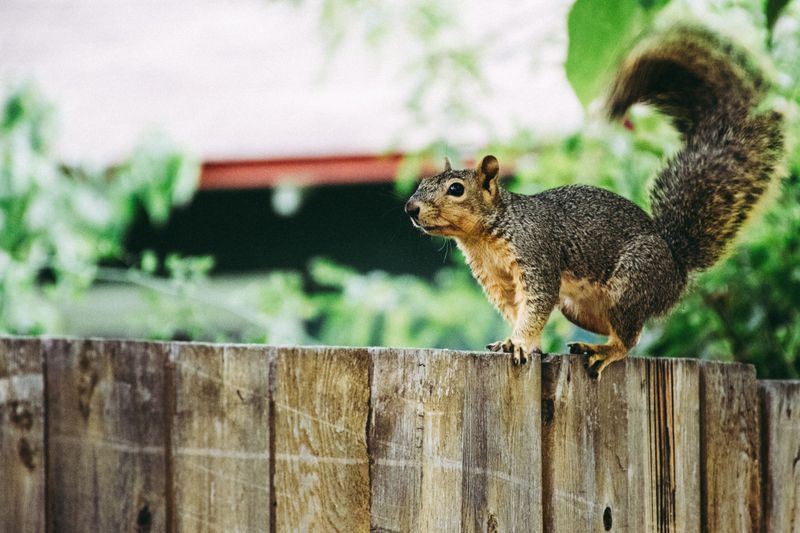
Trapping the squirrels in your yard is a bit like emptying a parking lot at a busy mall. Another car slides into the open spot almost immediately, and the whole cycle starts again.
Squirrels live where food and shelter are plentiful, and your oak trees and bird feeders remain just as appealing. Young squirrels searching for their own territory will happily claim the vacant real estate you created.
Wildlife biologists point out that removal without fixing the attraction rarely provides lasting relief for homeowners. You spend money and time, yet the same problem often returns within weeks or months.
I’ve watched this happen in neighborhoods where trapping became a yearly routine with no real progress. Leaving familiar residents in place while fixing weak spots tends to bring far more stability.
Rather than chasing endless replacements, focus on the features drawing squirrels into trouble spots around your home. Easy feeders and open roof vents are usually the real reasons conflicts keep repeating each season.
Trim tree limbs so they sit at least six to eight feet from your roofline, which limits rooftop access. Squirrels can leap impressive distances, so that gap matters more than most people expect.
Working with the resident squirrels, rather than fighting a revolving door, saves you real frustration over time. Peace in the garden often starts with changing the setting instead of swapping out the animals.
8. North Carolina Wildlife Rules Limit Moving Trapped Squirrels
Hauling a trapped squirrel across town might feel helpful, but it can bump into state wildlife rules. The North Carolina Wildlife Resources Commission generally requires trapped animals to be released on the same property or humanely dispatched.
Those rules exist partly to prevent diseases and parasites from traveling with animals into new areas. They also protect other landowners, who did not ask for extra squirrels in their own attics.
Squirrels are also a game species here, with regulated hunting seasons and daily limits set by the Commission. Taking them outside allowed seasons usually requires a property damage situation or permit, so check first.
Local towns may add their own ordinances about trapping wildlife, so a quick call to your county office helps. Homeowner associations sometimes have rules too, which is worth checking before buying any equipment.
Before buying a trap, I suggest reading the Commission’s wildlife conflict pages or calling its wildlife helpline. Staff can point you toward humane solutions and licensed wildlife control agents in your area.
Licensed wildlife damage control agents understand the regulations and handle tricky jobs like attic removals with proper care. Hiring one costs money, but it protects you from accidental violations and messy mistakes.
Knowing the law shifts the question from how to remove squirrels toward how to prevent conflicts altogether. That mindset saves effort while keeping you on the right side of state rules and local ordinances.
9. Endangered Carolina Northern Flying Squirrels Glide Through Mountain Forests
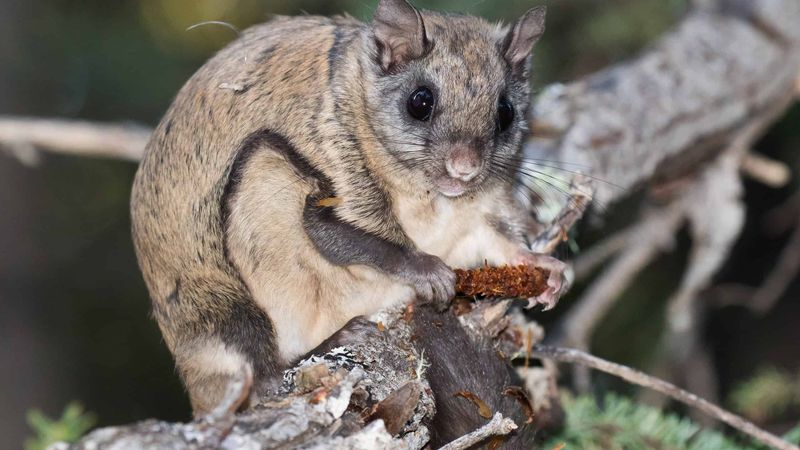
High in the spruce-fir forests of the southern Appalachians lives a squirrel that glides through the night like a paper airplane. The Carolina northern flying squirrel has been federally listed as endangered since 1985.
Its scientific name is Glaucomys sabrinus coloratus, and it lives mostly at high elevations, often above about 4,500 feet. Populations persist in places like the Great Smoky Mountains and the Roan Mountain area.
Harming or trapping an endangered species without federal permission can bring serious penalties under the Endangered Species Act. That alone is a strong reason to identify any squirrel before taking action.
The much more common southern flying squirrel lives statewide and sometimes moves into attics, especially during colder months. Both species are small and nocturnal, so homeowners easily mistake one for the other.
If you live in the mountains and hear nighttime scurrying overhead, contact state wildlife biologists before setting traps. They can help confirm what you have and suggest legal, humane steps forward.
I find it thrilling that such a rare creature might glide past a mountain cabin on a quiet evening. Protecting standing snags with cavities gives these gliders and their relatives safe places to rest.
These gliders also eat truffle fungi, so they help mountain trees thrive in ways we rarely notice. Saving them means protecting a living piece of Appalachian history that dates back to the Ice Age.
10. Fox Squirrels Help Longleaf Pine Forests In The Sandhills
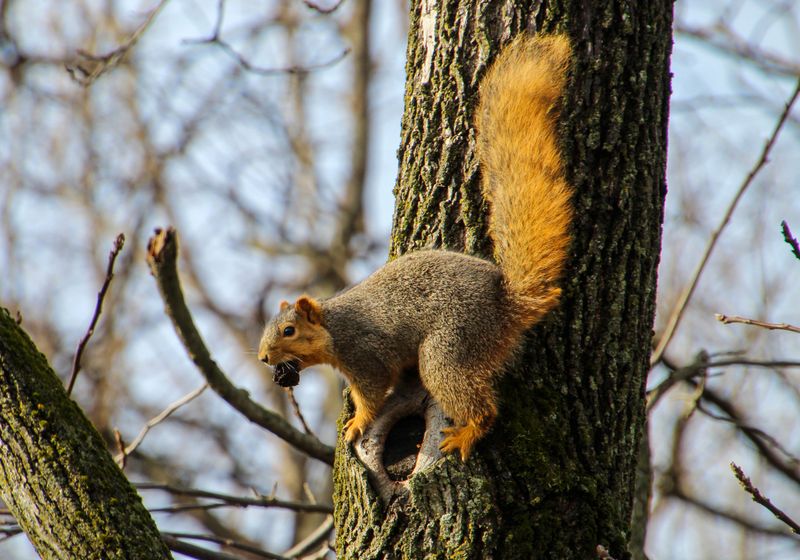
Spot a squirrel nearly twice the size of a gray, with a black face mask and white nose, and you’ve found something special. Eastern fox squirrels are the largest tree squirrels in North America.
In this part of the Southeast, they favor open longleaf pine and oak forests in the Sandhills and Coastal Plain. Their coats vary widely, ranging from silvery gray to nearly solid black in some individuals.
These big squirrels eat longleaf pine seeds and bury nuts, which helps scatter seeds across open woodlands. They also dig up underground fungi, giving them a role similar to their smaller gray cousins.
Fox squirrel numbers have declined in parts of their range as longleaf forests shrank over the past century. State wildlife biologists study them closely and regulate hunting more tightly than for gray squirrels.
If you live near Southern Pines or elsewhere in the Sandhills, these beauties might already visit your yard. Treat them as an honor rather than a nuisance, because they depend on healthy open pine habitat.
Homeowners can help by keeping mature longleaf pines and native oaks like turkey oak standing on their land. Avoid clearing every bit of understory, since wiregrass and native groundcovers support many local creatures.
Few backyard sightings beat a fox squirrel bounding across pine straw on a crisp, bright morning. Once you see one, I think you’ll understand why some squirrels deserve a warm welcome.
11. Squirrel Baffles Keep Bird Feeders Safe Without Harm
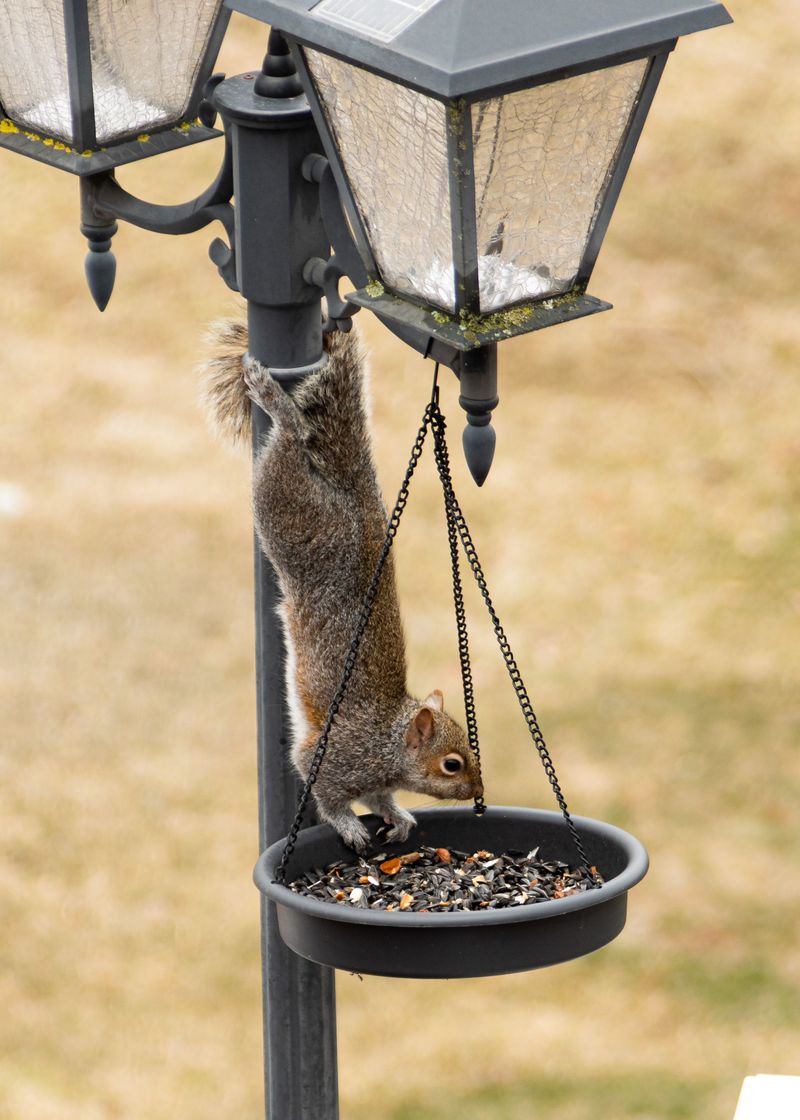
Watching a squirrel solve your bird feeder puzzle can feel like losing a board game to a rodent. A well-placed baffle often ends that contest without any need to remove the clever thief.
Cone or cylinder baffles mounted on a pole stop squirrels from climbing up to the seed. Place the pole at least ten feet from trees or fences, since squirrels can leap surprisingly far.
Mount the baffle so its bottom edge sits about four to five feet above the ground. That height keeps jumping squirrels from reaching over the top and grabbing the feeder directly.
Seed choice matters too, because squirrels love sunflower seeds and corn as much as cardinals do. Safflower seed tends to attract fewer squirrels, while many songbirds still enjoy it happily.
Hot pepper treated birdseed is another option, since birds do not sense capsaicin the way mammals do. Squirrels usually lose interest quickly, though some stubborn individuals may keep trying anyway.
I set up a separate squirrel station with dried corn far from my feeders, and the peace has been lovely. Giving them their own snack spot reduces raids and offers endless entertainment from the porch.
These simple fixes let birds and squirrels share the yard without constant squabbles over the seed tray. Spending a little on good equipment saves more money than replacing seed every other day.
12. Sealing Roof Gaps And Vents Stops Squirrels From Nesting Indoors
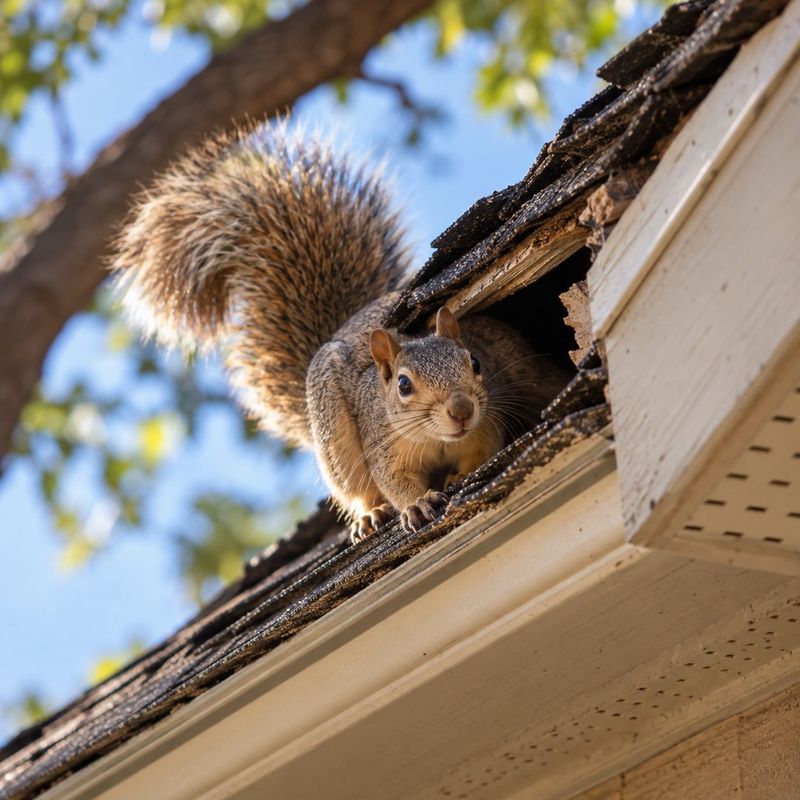
A gap about the size of a golf ball is enough for a squirrel to squeeze inside your home. Most attic invasions start with small openings near loose soffits and unscreened vents that we rarely inspect.
Walk around your house with binoculars and look for chewed edges or dark rub marks near openings. Pay close attention to where tree branches overhang the roof, since those limbs work like little highways.
Use heavy-gauge hardware cloth or metal flashing to cover holes, because squirrels can chew through plastic and thin screening. Secure the material tightly so curious teeth cannot pry loose edges free.
Before sealing anything, make sure no animals are inside, especially during birthing seasons in late winter and summer. One-way exclusion doors let squirrels leave but prevent them from coming back in.
Exclusion keeps squirrels in your neighborhood while removing the source of conflict at your house. I think that’s a much smarter use of time than repeatedly trapping animals that keep showing up.
Chimney caps and screened attic vents add another layer of protection, and they help keep out birds and bats too. Many of these repairs cost less than a single professional trapping visit.
Fall is a smart time to check your home, since squirrels seek warm shelter as nights grow colder. A weekend afternoon of repairs can give you a quiet attic and calmer neighbors for years.
13. Daffodils And Alliums Shrug Off Squirrel Digging
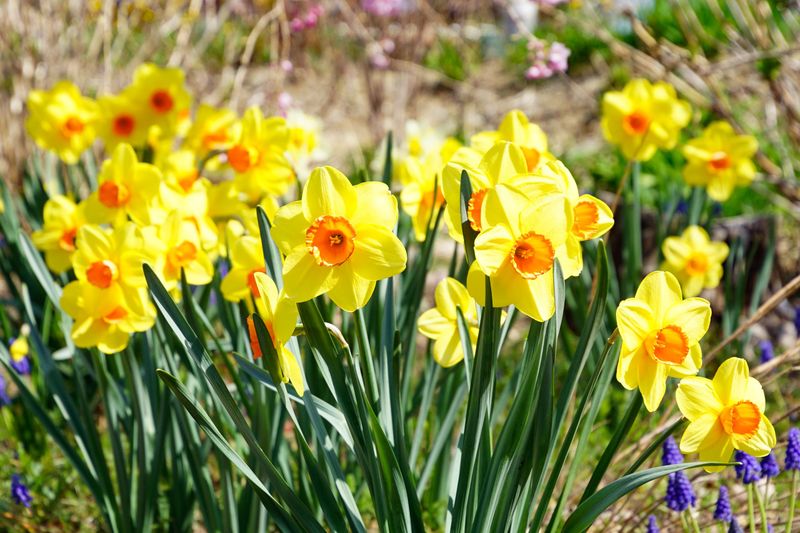
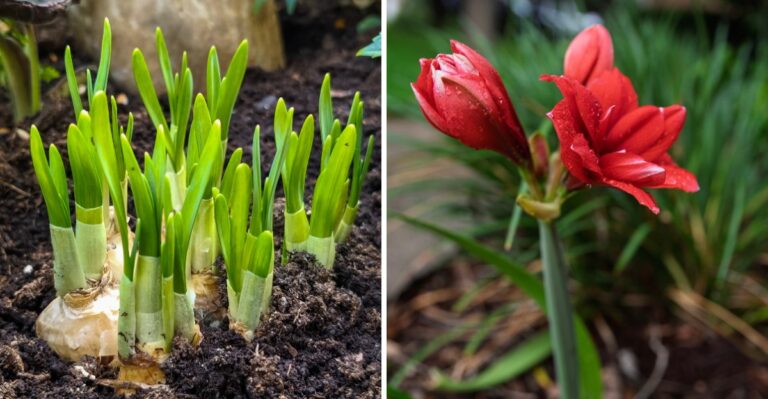
Few things sting like finding your tulip bulbs dug up and nibbled the morning after planting. Squirrels love the scent of freshly disturbed soil, and tulips and crocuses rank among their favorite snacks.
Daffodils are a smart swap, because their bulbs contain toxic compounds that squirrels and deer usually avoid. Alliums, including ornamental onions, have a pungent smell that keeps most furry diggers away.
Plant bulbs in fall across most of the region, after soil temperatures cool but before the ground freezes. Daffodils handle USDA zones 3 through 8, which covers nearly every garden in our area.
If you still want tulips, lay chicken wire over the planting bed and cover it with mulch. Shoots grow through the openings, while squirrels usually give up after hitting the wire.
Clean up papery bulb skins after planting, since that loose debris attracts curious noses toward your fresh holes. Watering right away also settles the soil and hides the scent of disturbed earth.
I mix daffodils with snowdrops and fragrant hyacinths, and squirrels rarely bother those spring beds anymore. Choosing plants that squirrels dislike feels far easier than fighting them every single autumn.
Gardening alongside wildlife is mostly about smart choices rather than endless removal efforts. With the right bulbs in place, you can welcome squirrels to the yard and still enjoy a cheerful spring show.