The Darkness Trick That Makes Thanksgiving Cactus Bloom
One flick of a bedroom lamp at midnight can stall a whole season of flower buds on a certain windowsill plant. I learned that the hard way, and the culprit was my own late-night TV binge.
This plant comes from misty mountain forests in Brazil, where it grows on tree branches instead of in desert sand. Its leaves end in tiny pointed claws, almost like a crab waving hello.
Every fall, it keeps a quiet clock running. It counts the hours of darkness, and it notices cool nights, too.
When both line up, it starts tucking little pink, red, or white buds at the tip of each segment. You might already own one that sulks green all winter. I did for three long, stubborn years.
So what changed when I started treating my hall closet like a cozy bedroom for a houseplant?
Thanksgiving Cactus Buds Wait For A Signal You Can Give Them
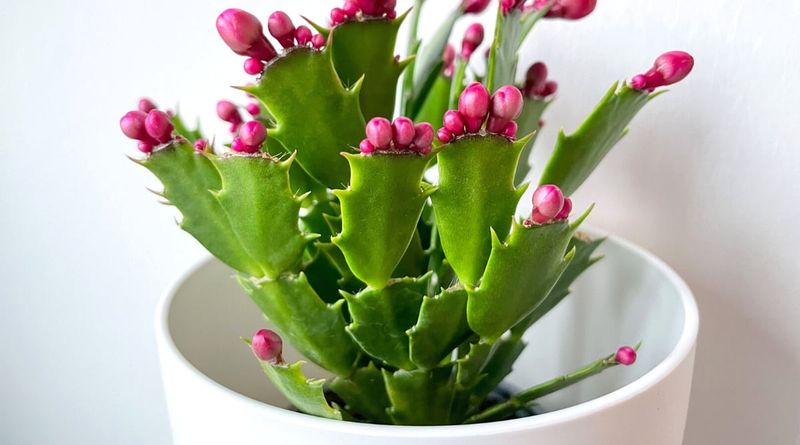
Flower buds on a Thanksgiving cactus don’t show up because of luck. The plant, Schlumbergera truncata, is what botanists call a short-day plant, and it reads the length of the night to decide when to bloom.
In its native coastal mountains of southeastern Brazil, it grows perched on tree branches as an epiphyte. Long autumn nights and cooler air there tell it that blooming season has arrived.
Inside our homes, lamps, TVs, and cozy heating blur those signals. That is why so many plants sit green and leafy all fall. Nothing is wrong with them. They simply have not received the message to switch from growing stems to making buds.
University extension services, including Michigan State and Minnesota, point to two main triggers. One is a long stretch of uninterrupted darkness each night.
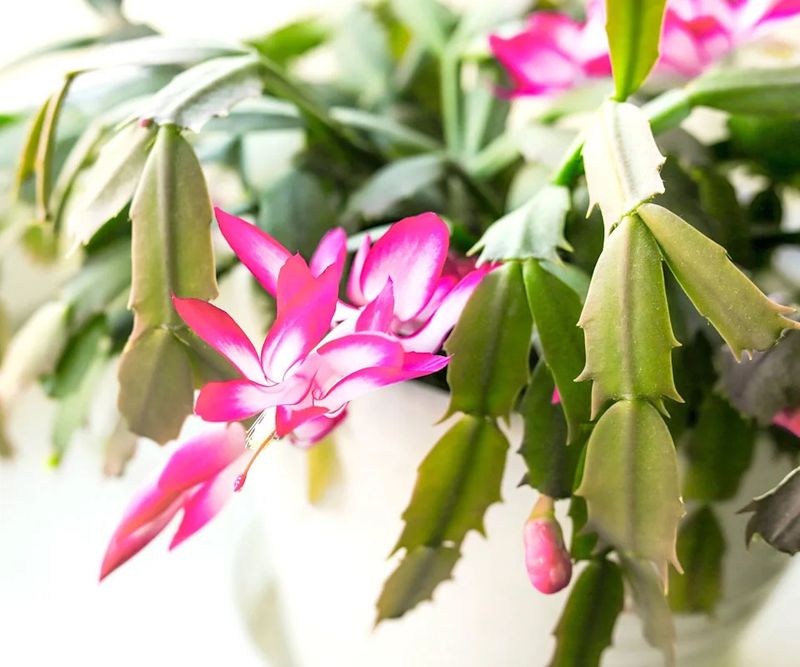
The other is cooler temperatures, and together they work best. Quick check before you start: look at the leaf segments. Thanksgiving cactus has sharp, claw-like points along the edges, while Christmas cactus has rounded, scalloped edges.
Both respond to the same darkness trick, but the Thanksgiving type usually blooms several weeks earlier, often right around late November.
Twelve To Fourteen Hours Of Closet Darkness Starts The Bud Show
My hall closet became the most important room in the house last October. Every evening around 6 p.m., the cactus went in, and every morning around 8 a.m., it came back out to its window.
That routine gives the plant about 14 hours of steady darkness. Most extension guides recommend 12 to 14 hours of uninterrupted dark each night, kept up for roughly six weeks or until you see buds forming.
Some growers go a bit longer when their rooms run warm. Timing matters if you want flowers for the holiday. Start the dark treatment in mid to late September or the first days of October.
Buds usually show up within a few weeks, and blooms follow several weeks later. No closet? A spare bedroom that nobody uses at night works well.
You can also slip a large cardboard box or a heavy, light-blocking cloth over the plant at the same time each evening.
Consistency is the secret ingredient. Skipping a few nights or shifting the schedule can confuse the plant and slow things down.
Set a phone reminder for both the cover-up and the uncovering, and treat it like feeding a pet.
Cool Nights Near 55 Degrees Can Do Half The Work
Cold air can be a shortcut. Research summarized by extension programs shows that when nights stay around 50 to 55 degrees Fahrenheit, Thanksgiving cactus will often set buds no matter how long the night is.
That means a cool, bright room can sometimes replace the closet routine. An unheated sunroom, a chilly guest room, or a spot near a cool window can work nicely. Just keep the plant away from freezing glass and icy drafts.
Warm homes need more darkness to make up the difference. Between about 60 and 68 degrees at night, the long dark period becomes the main trigger.
When temperatures climb toward the upper 70s and above, bud formation tends to slow down or stall.
Many growers set their pots outdoors in a shaded spot during late summer and early fall. Natural cool nights and shorter days do much of the work.
Bring the plant inside before nights drop below roughly 45 to 50 degrees, since tropical tissue does not handle frost.
I keep a cheap digital thermometer next to my pot. Watching the overnight low each morning tells me whether I can relax the closet routine or need to keep it strict.
Bright Daytime Light Still Feeds Those Flower Buds
Darkness gets all the attention, but daytime light pays the bills. A plant needs energy to build buds, and that energy comes from bright, indirect light during the hours it is uncovered.
In the wild, these cacti grow under a forest canopy, soaking up filtered sunshine. An east-facing window is a sweet spot for many homes. A south or west window works too, as long as a sheer curtain softens the harsh afternoon rays.
Too much direct sun can stress the segments and tint them reddish or yellowish. Too little light leaves the plant leggy and weak, with fewer buds to show for all your closet trips.
A slight reddish edge on the stems is common in fall and often reflects bright light or cool air. Strong purple or red color across the whole plant usually means it needs gentler sun.
Give the pot a quarter turn every week or so before buds form. That helps the stems grow evenly instead of leaning toward the glass.
Once buds appear, stop turning it, because buds sometimes drop when the plant is moved or rotated. Bright days plus long, dark nights make a winning combo.
Ease Up On Watering And Skip The Fertilizer Through Fall
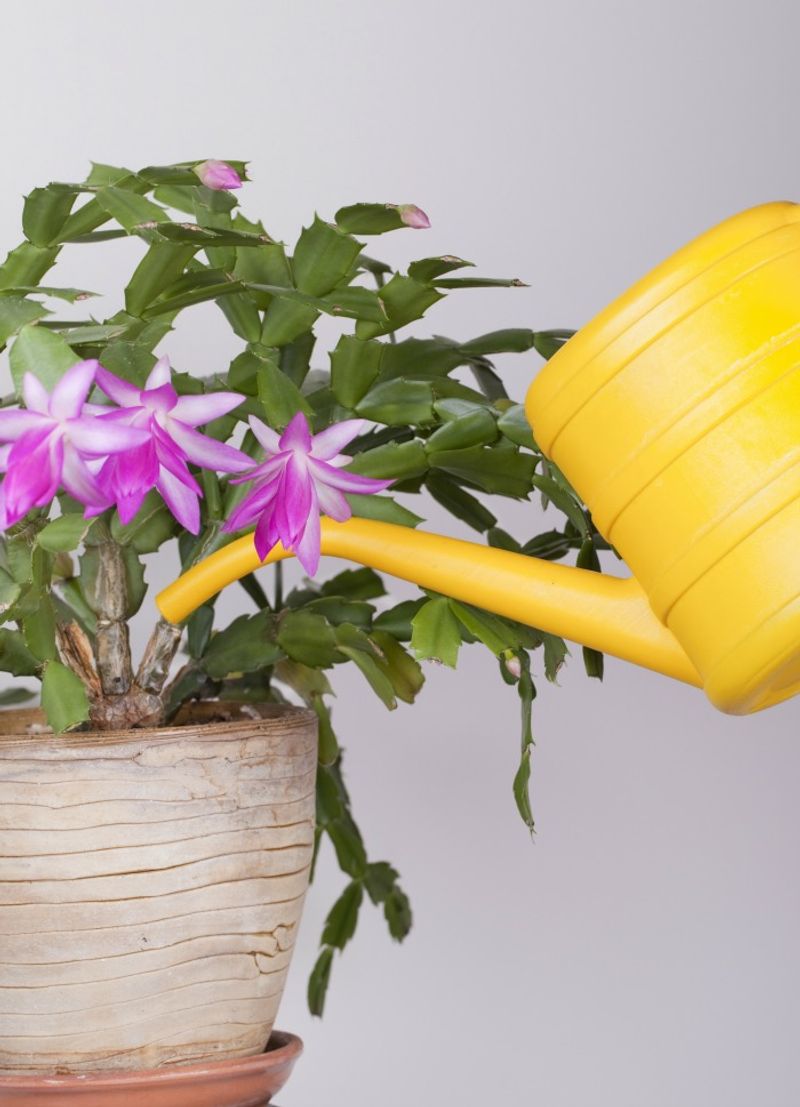
Watering this plant in fall feels a bit like tapping the brakes, not slamming them. Thanksgiving cactus is a forest cactus, so it likes more moisture than a desert cactus, yet soggy soil invites root rot.
During the bud-setting weeks, let the top inch or so of potting mix dry before watering again. Then water thoroughly and let the extra drain away. Leaving the pot sitting in a saucer of water is one of the quickest ways to cause trouble.
A loose, fast-draining mix helps a lot. Many growers blend regular potting soil with perlite or orchid bark to mimic the airy pockets the plant finds on tree branches.
Fertilizer takes a break, too. Most extension guides suggest feeding with a balanced houseplant fertilizer from spring through late summer, then stopping in early fall. Pushing new leafy growth during bud season works against flowering.
Once blooming finishes and the plant rests, wait for fresh growth before starting a diluted feeding again.
One more tip: these cacti tend to bloom well when slightly snug in their pots, so hold off on repotting until spring. That way the roots stay settled while the plant puts its energy into flowers.
A Stray Lamp Or Phone Screen Can Stall Your Cactus Buds
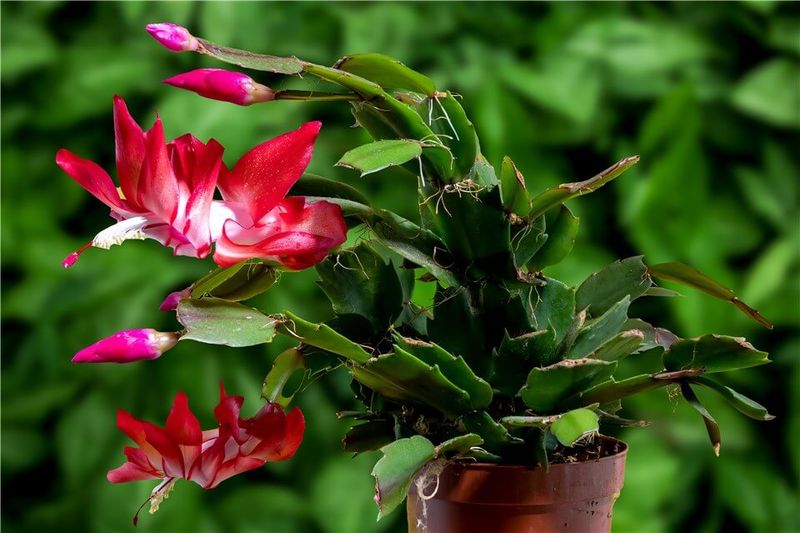
A TV binge nearly cost me my blooms one year. The cactus was sitting in a corner of the den, and the glow from the screen kept reaching it for hours after sunset.
Short-day plants are surprisingly sensitive. Even modest light during the dark period, from a lamp, a TV, a streetlight through the window, or a phone flashlight, can interrupt the long-night signal and delay or prevent bud set.
Walk through your room at night and look for sneaky light sources. Hallway night-lights, glowing electronics, and porch lights shining through blinds all count.
If you can read a book by it, the plant can probably sense it, too. A blackout curtain is a cheap fix for streetlight glow.
Heat is the other quiet troublemaker. Pots near heating vents, fireplaces, or sunny radiators may stay too warm to form buds even with perfect darkness.
Bud drop is a related problem that shows up later. Sudden swings in temperature, cold drafts from doors, very dry air, or bone-dry soil can make the plant shed its buds before they open.
Keep conditions steady, and consider grouping plants or using a pebble tray to raise humidity a bit.
Once Pink Buds Appear Keep Your Holiday Cactus Right Where It Is
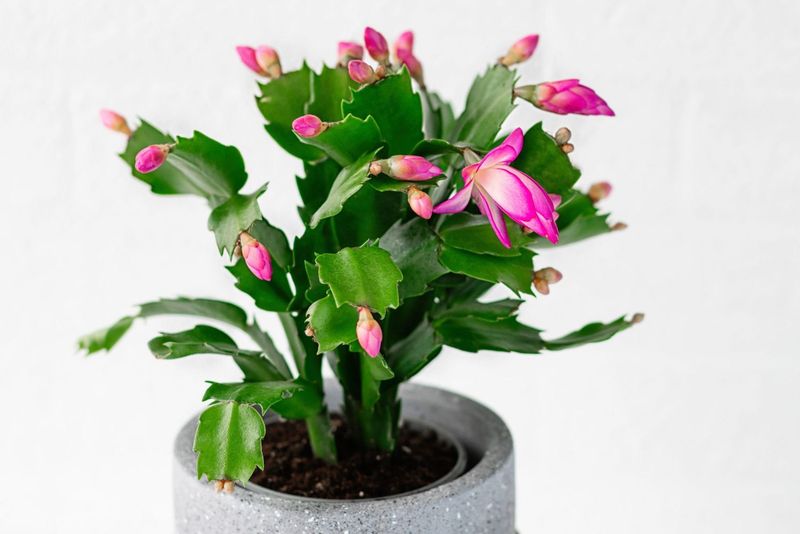
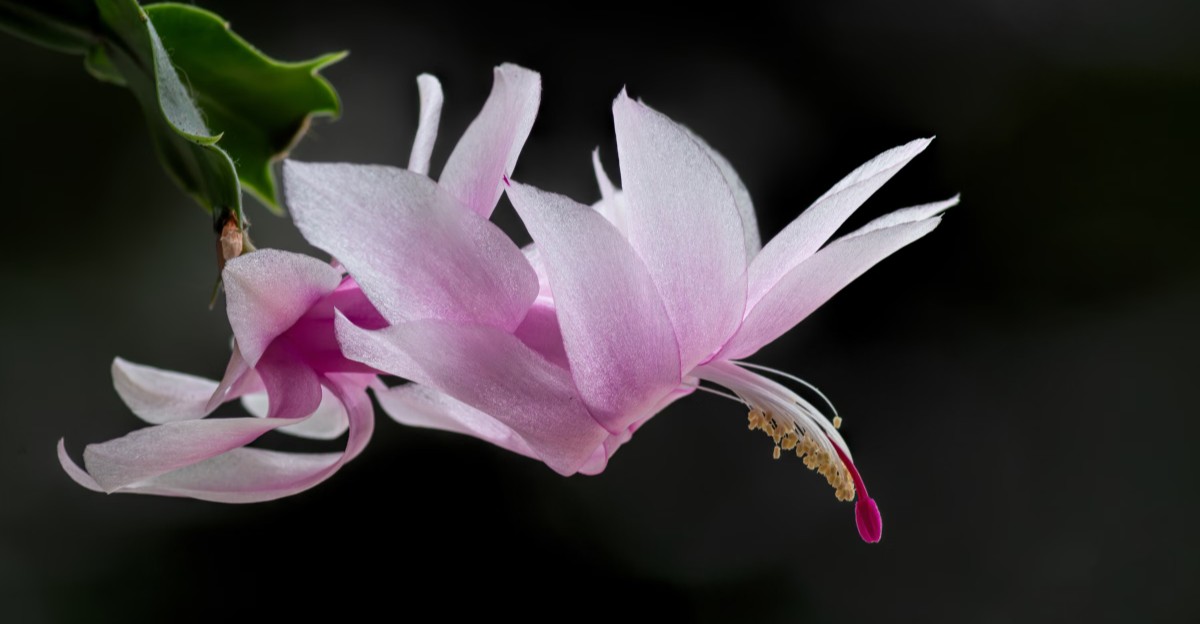
Tiny bumps at the tips of the segments are the best reward of the whole project. They start small, then swell into colorful teardrop buds over the next few weeks.
Once you can see those buds clearly, the strict darkness routine can end. Keep the plant in bright, indirect light with steady temperatures, ideally on the cooler side, and try not to move it around. Cooler rooms often help flowers last longer.
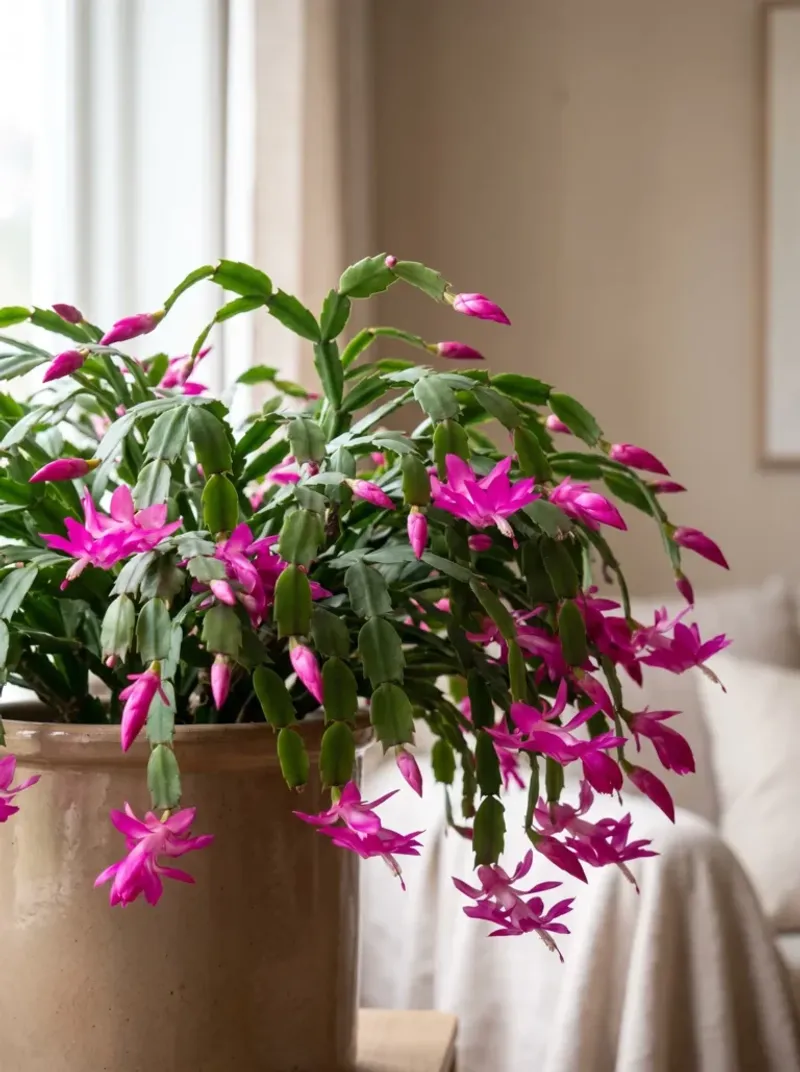
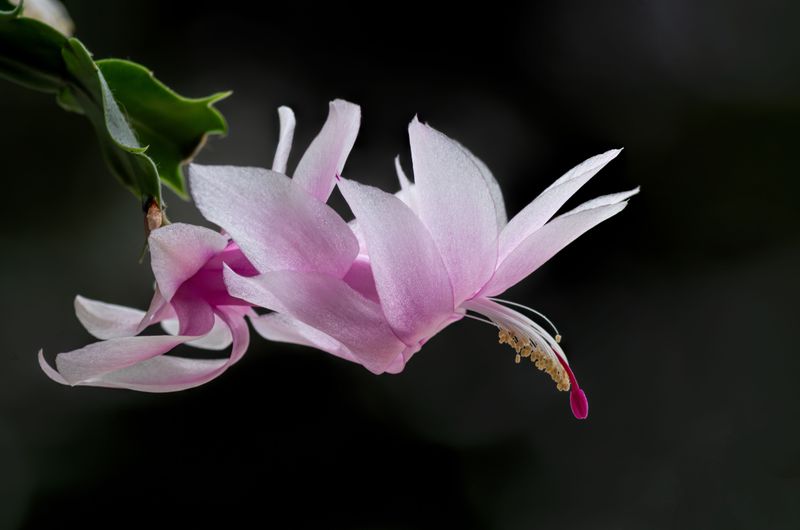
Each bloom may stay open for several days, and a healthy plant can keep opening new flowers for weeks. Check the center of a flower for a fun clue: Thanksgiving cactus usually has yellow pollen, while Christmas cactus pollen tends to be pink or purplish brown.
After flowering, let the plant rest with slightly less water for a few weeks. Spring is the time to repot if needed, resume feeding, and take cuttings.
A piece with two or three joints roots easily in moist potting mix, which makes these plants lovely gifts.
Write your start date on a calendar this year. Next fall you will know exactly when to begin the closet routine, and your windowsill can burst into color right on schedule.