Why A Poinsettia Drops Leaves In A Texas Home And How To Stop It
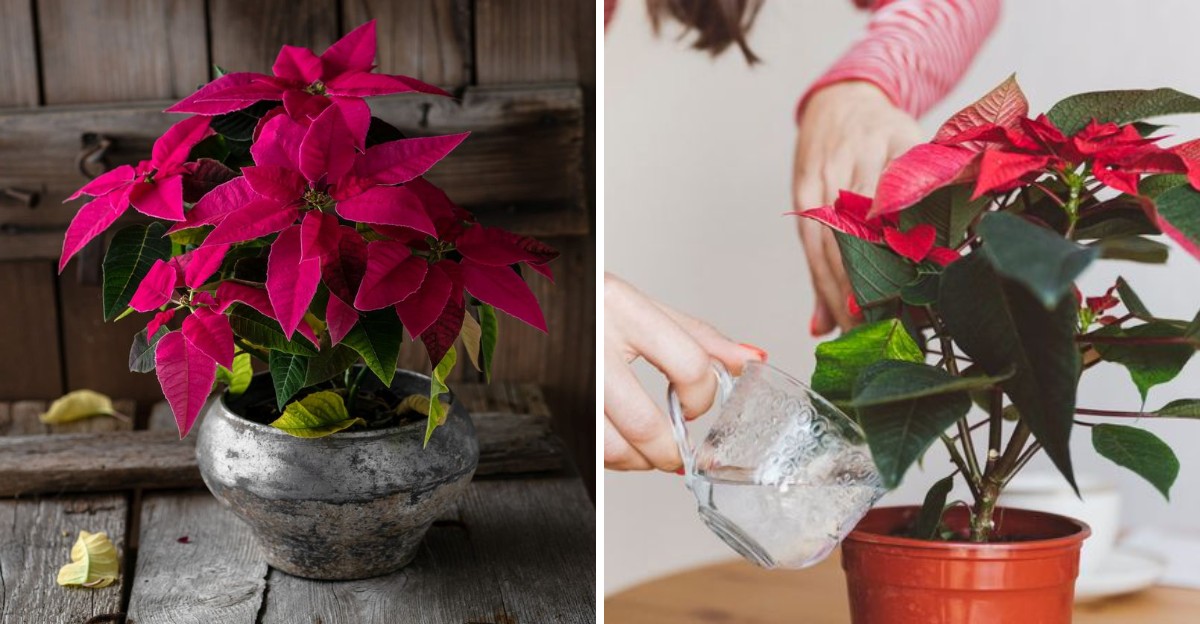
Five chilly minutes in a parking lot can make a cheerful holiday plant drop leaves several days later. That delayed reaction confused me for years, because the plant looked perfectly happy when I carried it inside.
This red beauty grew wild on Mexican hillsides long before it ever decorated a Texas living room. Our winters swing from warm afternoons to sudden blue northers, and tropical leaves notice every shift.
I learned that bare stems usually point to a fixable problem rather than a hopeless plant. You might notice yellow leaves one week, then crispy edges the next, and each clue means something different.
After I tested a few small changes, my once grumpy plant held its foliage well past New Year. So what quiet signal is your own plant sending from its spot in your Texas home right now?
Soggy Soil Trapped Inside Shiny Poinsettia Foil
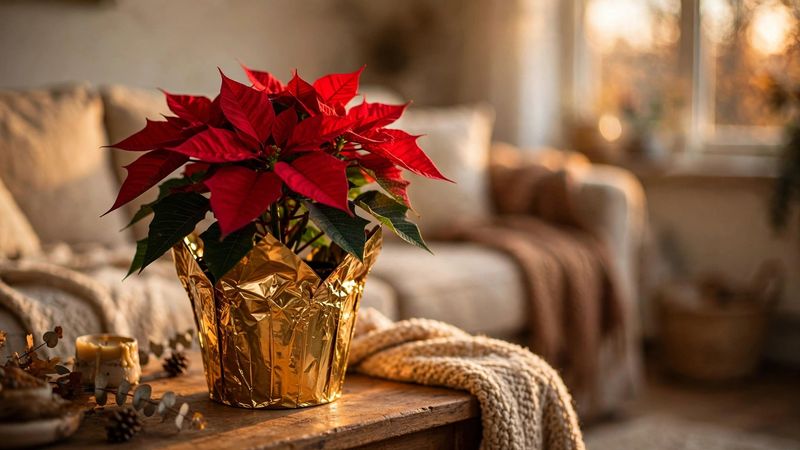
That festive foil wrapper looks lovely on a table, but it hides a sneaky little puddle underneath. Water drains from the pot and simply sits there, soaking the roots day after day after day.
Roots need air pockets in the soil to breathe and take up water properly. When the mix stays soggy, root rot fungi such as Pythium can move in and turn healthy roots brown.
You often spot the problem first on the lower leaves, which turn yellow and limp before dropping. The stems may also feel soft near the soil line, which is a worrying sign of serious root trouble.
Overwatering causes more poinsettia trouble than thirst does, according to many university horticulture guides. Loving a plant too much with the watering can is an easy mistake, and I have made it myself.
Tear a few holes in the bottom of the foil, or remove it before every watering session. Set the pot in the sink, let extra water drain away, then slip the decoration back on later.
Lift the pot now and then to judge its weight, since a heavy pot usually means plenty of moisture. Light pots tell you watering time has arrived, while heavy ones are asking you to wait a bit.
Thirsty Poinsettias Wilt Before Shedding Leaves
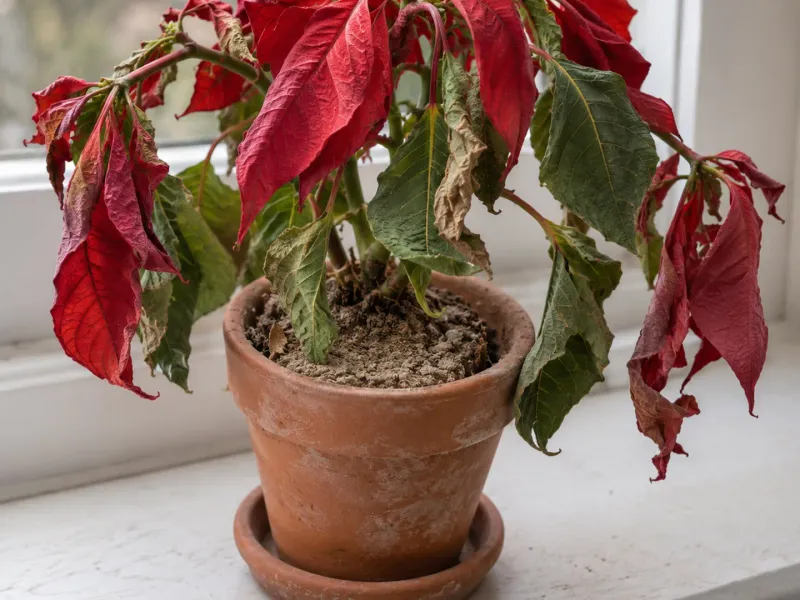
Droopy leaves hanging like tired flags tell a very different story than yellow, mushy ones near the soil. A poinsettia left too dry will slump first, then let go of leaves to save moisture.
Small pots dry out quickly, and many holiday plants arrive in containers packed tightly with roots. That crowded root ball can drink through its water supply much faster than most people would ever guess.
Warm afternoons make the problem worse, since our Texas winters often include surprisingly sunny days around seventy degrees. A plant near a bright window may need water more often than one tucked in a cooler room.
Poke your finger about an inch into the potting mix every couple of days. When that top layer feels dry, give the pot a thorough drink until water runs out the bottom holes.
Peat-based potting mixes can shrink away from the pot edges once they dry out too far. Water then rushes down the sides and escapes, leaving the center of the root ball still thirsty and dry.
If that happens, set the pot in a bowl of water for about twenty minutes to rehydrate it. I rescued a sadly wilted plant this way, and its leaves perked back up by the next morning.
Cold Drafts Make Poinsettia Leaves Fall Fast
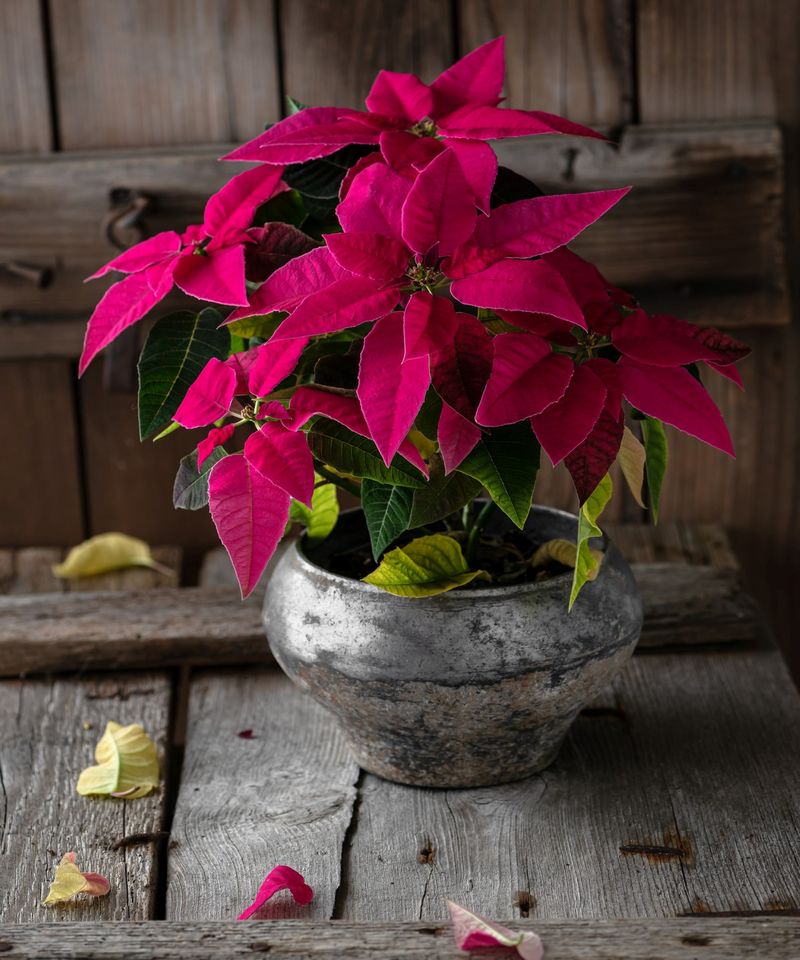
My first poinsettia lost half its leaves after a quick walk from the garden center to my car. The plant seemed fine that evening, but green leaves started raining down about three days later.
Poinsettias, known to botanists as Euphorbia pulcherrima, come from warm regions of Mexico and Central America. Extension experts warn that temperatures below about 50 degrees can injure the leaves, even after short exposure.
Cold damage often shows up slowly, which makes the real cause easy to miss. You might blame watering or light, when the trouble actually started during that breezy ride home from the store.
Drafty spots inside the house can cause the same stress on frosty mornings. Front doors, leaky windows, and cool tile floors near patio doors can all chill a plant more than you expect.
Blue northers can drop temperatures across Texas by twenty degrees or more within a few hours. A spot that felt cozy at lunch may turn surprisingly cold near the glass by midnight.
I now keep my plants several feet away from any door that opens often during the holidays. That simple habit has saved more leaves than any fancy product I have tried on my plants.
Hot Heater Vents Dry Out Poinsettia Leaves
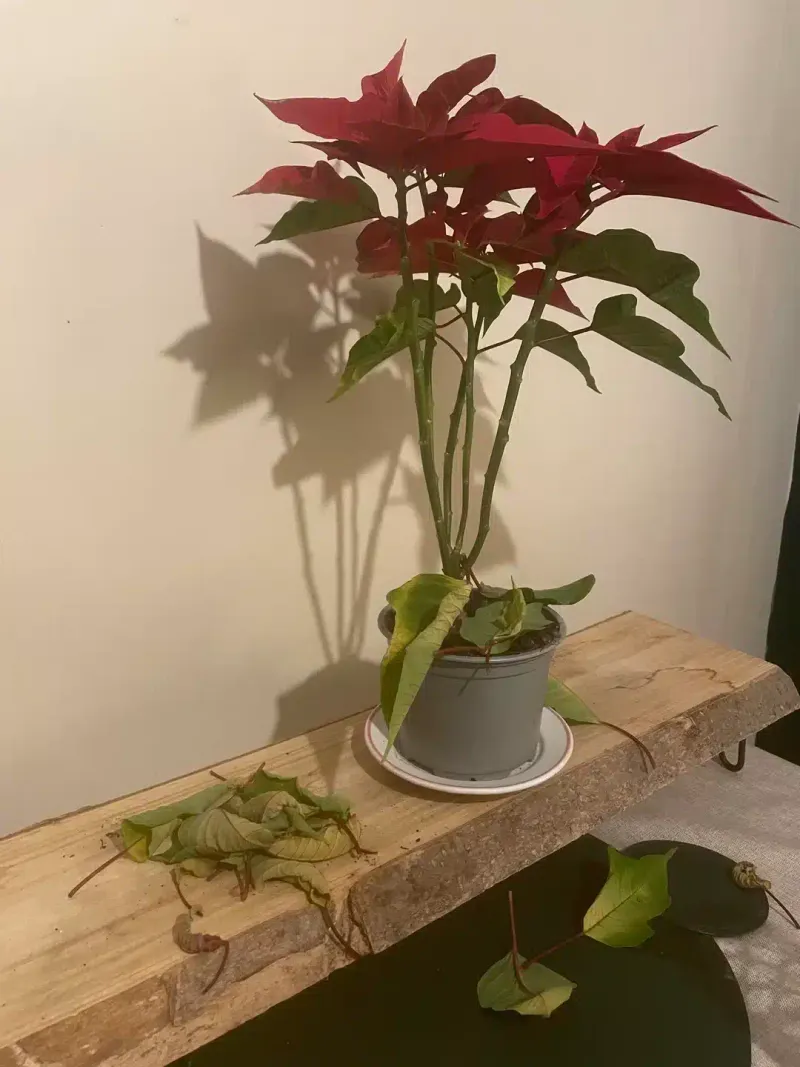
Cozy fireplaces and warm air vents make us happy, but your poinsettia would rather sit somewhere much calmer. Blasts of hot, dry air pull moisture from leaves faster than the roots can replace it.
You may see leaf edges turning crisp and brown before the leaves curl up and fall away. Sometimes healthy green leaves drop suddenly, which can feel unfair after you have watered the plant so carefully.
Heated homes often hold very dry air during winter, especially when furnaces run through the night. Tropical plants grew up with steadier moisture levels, so that parched indoor air can leave them stressed.
Look around your room and notice where the heat actually blows when the system kicks on. A tabletop right above a floor register might be the toastiest spot in the whole house for a plant.
Extension horticulturists suggest daytime temperatures around 65 to 70 degrees for holiday poinsettias. Cooler nights near 60 degrees can even help the colorful bracts last longer into the new year.
I shifted mine away from the fireplace mantel and onto a side table across the room. Leaf drop slowed within a week, and the red bracts kept their glow much longer than in previous seasons.
Dim Corners Deprive Poinsettias of Light
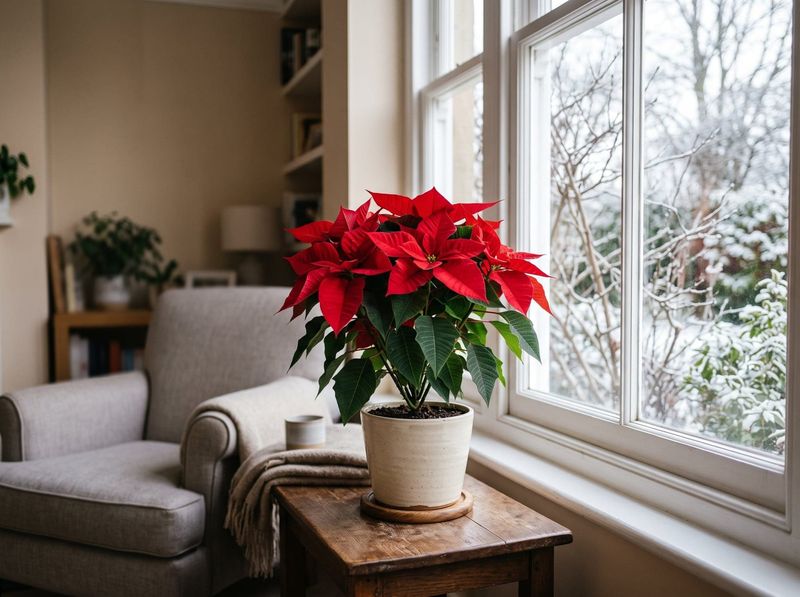
A dark hallway corner might seem like the perfect showcase spot, but your poinsettia quietly disagrees. Without enough light, the plant cannot make sugars, so it starts trimming off leaves it cannot support.
Lower leaves usually go first, turning pale yellow before dropping to the floor below the pot. The plant is basically shrinking its workload, holding onto newer growth near the colorful bracts at the top.
Poinsettias prefer bright, indirect light for about six hours daily, according to many extension horticulture guides. An east or south window with a sheer curtain often works well during short winter days.
Low light also slows water use, which means soil in a dim room stays wet much longer. That creates a sneaky double problem, because soggy roots and weak light both lead to falling leaves.
Try moving your plant to the brightest spot in the house for a few days. Watch whether new leaves stay firm and green, since that improvement usually confirms light was the missing piece.
Keep the leaves from touching cold window glass, especially on chilly nights when temperatures plunge outside. I like placing mine a foot back from the pane, close enough for light but safe from chills.
Tiny Whiteflies Hiding Under Poinsettia Leaves
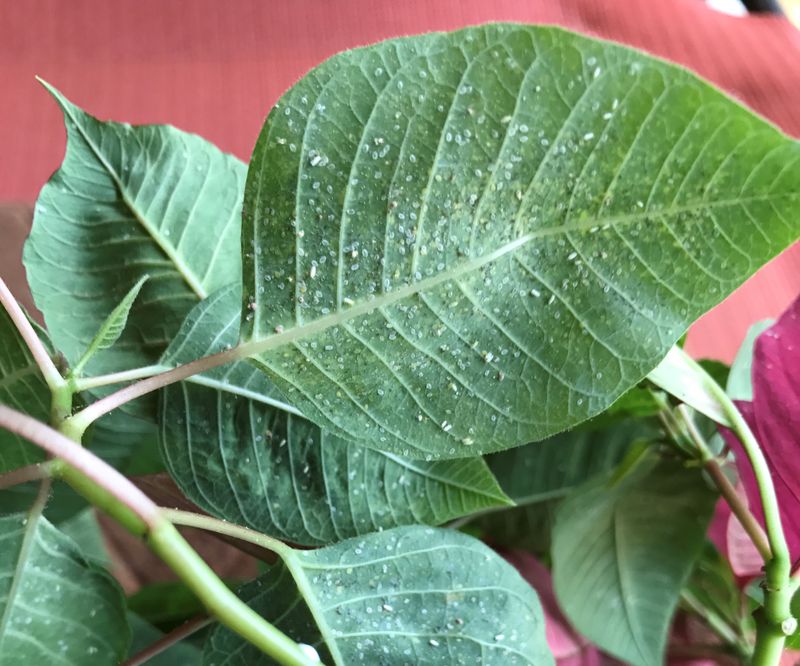
Give a poinsettia branch a gentle shake, and a little cloud of white specks might flutter upward. Those tiny insects are whiteflies, and they rank among the most common pests on this holiday plant.
Both the adults and their young suck sap from the undersides of leaves, weakening the plant over time. Heavy feeding causes yellowing and leaf drop, plus a sticky residue that can grow black sooty mold.
Texas A&M AgriLife experts note that silverleaf whiteflies are a frequent concern for poinsettia growers. Spider mites and mealybugs can also show up, especially on plants kept in warm, dry indoor rooms.
Flip a few leaves over before you buy a plant at the store or garden center. I check this way every time now, because bringing pests home spreads trouble to my other houseplants.
Yellow sticky cards placed near the plant can catch flying adults and help you track the problem. Insecticidal soap sprayed on the leaf undersides can reduce light infestations when used according to label directions.
Isolate a buggy plant from your other greenery until the pests are under control. A badly infested poinsettia may not be worth saving, and that choice is perfectly reasonable for a seasonal plant.
Ripening Fruit Bowls Stress Nearby Poinsettias
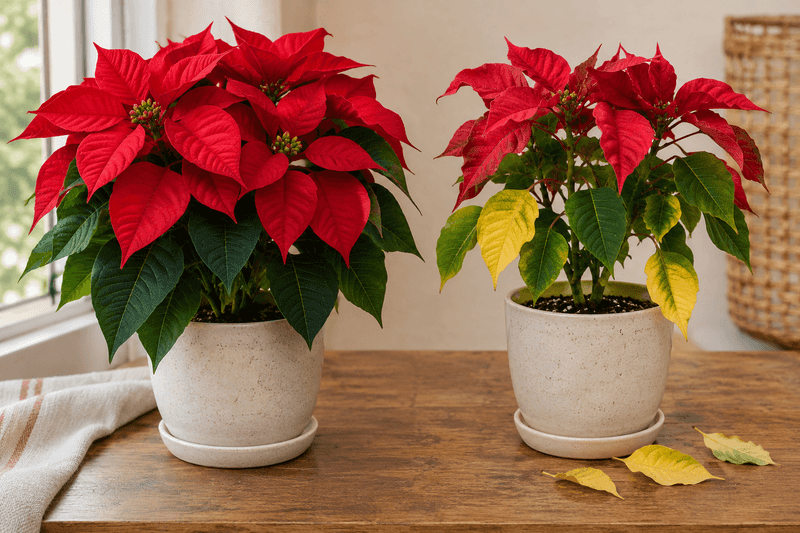
Your kitchen counter fruit bowl could be quietly pestering your poinsettia without you ever noticing. Ripening apples and bananas release ethylene, a natural plant gas that can trigger leaf and bract drop.
Plant scientists have studied ethylene for decades because it controls ripening and leaf shedding in many plants. Poinsettias are known to be sensitive to it, which surprised me when I first read the research.
Symptoms can include drooping leaves that curl downward, followed by leaves and bracts dropping off early. The changes may look like cold or water stress, so this cause often flies under the radar.
Gas heaters that burn poorly can also release ethylene, along with other fumes you would not want indoors. Keeping heating equipment properly maintained is good for your family and better for your plants too.
Moving the fruit bowl to another room is an easy experiment that costs you nothing at all. Give your poinsettia a spot with gentle air movement, so gases do not build up around the leaves.
I used to display my poinsettia right beside the bananas for a cheerful holiday look. Now the fruit lives on the opposite counter, and my plant keeps its leaves noticeably longer each season.
Wrap And Shelter Poinsettias From Temperature Swings
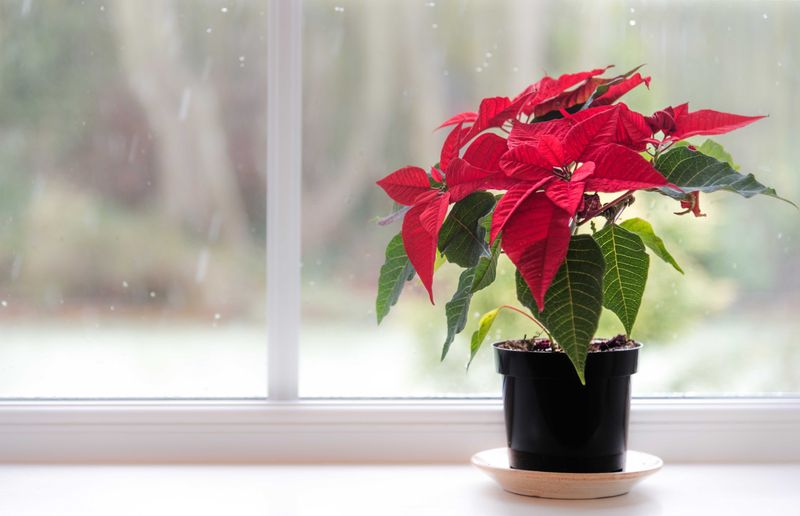
Protection starts at the checkout counter, long before your poinsettia ever reaches the coffee table. Ask for a paper or plastic sleeve, and keep the plant fully covered during any cold outdoor walk.
Warm up your car before loading the plant, and head straight home without extra errands. A poinsettia left in a chilly vehicle for an hour can suffer damage that shows up days later.
Once indoors, choose a spot that stays steady between roughly 60 and 70 degrees most of the day. Steady temperatures matter more than perfect numbers, since sudden swings are what really upset this tropical plant.
Keep the pot clear of exterior doors, heater vents, and drafty windows during unpredictable winter weather. When a hard freeze is forecast in Texas, pull plants a little farther from the glass that evening.
If your poinsettia sits on a porch or patio during mild days, bring it inside before dusk. Evening temperatures can fall quickly, and outdoor holiday displays often take the hardest hit from cold.
I keep a cheap indoor thermometer near my plants to spot chilly zones I would otherwise miss. That little gadget showed me my favorite windowsill dropped into the low fifties overnight, which explained everything.
Water Poinsettias Deeply Then Let Them Drain
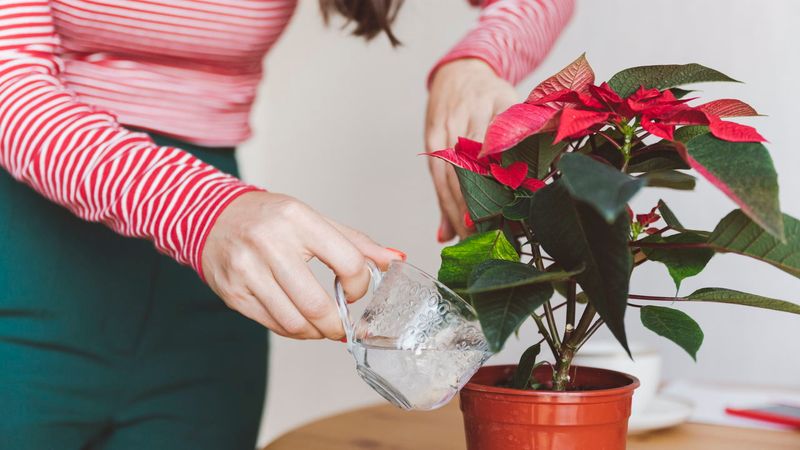
Your fingertip makes a wonderful moisture meter, and it is free, handy, and surprisingly accurate. Push it about an inch into the soil, then water only when that top layer feels dry.
Carry the pot to the sink and soak the soil until water streams freely from the drainage holes. Let it drip for several minutes, so no leftover water collects inside the foil or decorative saucer.
Room-temperature water is kinder to tropical roots than icy water straight from a cold tap. I fill a pitcher ahead of time and let it sit on the counter until it warms up a bit.
Skip fixed calendar schedules, because watering needs change with room temperature, pot size, and sunlight. A plant in a bright, warm room may need water twice as often as one in a cool spot.
Healthy poinsettia roots look firm and white, while rotted roots turn brown and break apart easily. If you suspect trouble, gently slide the root ball out of its pot to take a quick peek.
Since I started this deep soak and drain routine, yellow leaves on my plants have become rare. It takes an extra minute at the sink, but those leaves stay put on the stems much longer.
Bright Window Spot With A Pebble Humidity Tray
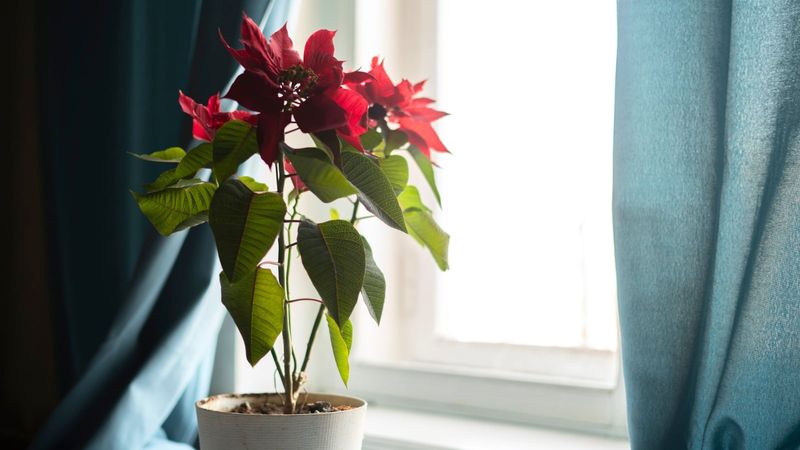
A sunny window paired with a simple tray of wet pebbles can feel like a tiny tropical vacation. Your poinsettia gets the light it craves, plus a little extra moisture rising around its leaves.
Pick a spot with bright, indirect light for about six hours each day, ideally near an east or south window. Filtered sunlight through a sheer curtain keeps the colorful bracts glowing without scorching their delicate edges.
Fill a shallow tray with pebbles, then add water until it sits just below the top of the stones. Set the pot on the pebbles, making sure the bottom stays dry and above the waterline.
Grouping your poinsettia with other houseplants also helps, because plants release moisture into the air around them. I cluster mine with a few ferns, and the whole corner feels fresher on dry winter days.
Misting offers only a brief boost, so the pebble tray or a small humidifier works better overall. Keep foliage dry at night, though, since damp leaves in cool rooms can invite fungal leaf spots.
Turn the pot a quarter turn every few days so all sides receive even light. That small habit keeps the plant full and balanced, instead of leaning sadly toward the window glass like a sunflower.