What To Plant In Your Texas Yard Before October Ends
Every spring, Texans pull over along highways to take photos in fields of bluebonnets. What many don’t realize is that those famous blooms got their start months earlier, back in the fall.
That’s how gardening works in much of Texas. October isn’t the end of the season. It’s one of the most important planting windows of the year.
Cooler weather finally gives plants a break from the brutal heat, while warm soil helps roots grow quickly. Wildflower seeds sown now can settle in over winter and burst into color come spring.
Trees, shrubs, and perennials get months to establish before summer returns. Cool-season vegetables and herbs thrive in the mild days ahead. Wait too long, though, and some of these opportunities slip away.
A little planting before Halloween can pay off with fresh harvests this winter and a yard full of color next spring.
1. Scatter Texas Bluebonnet Seeds Now
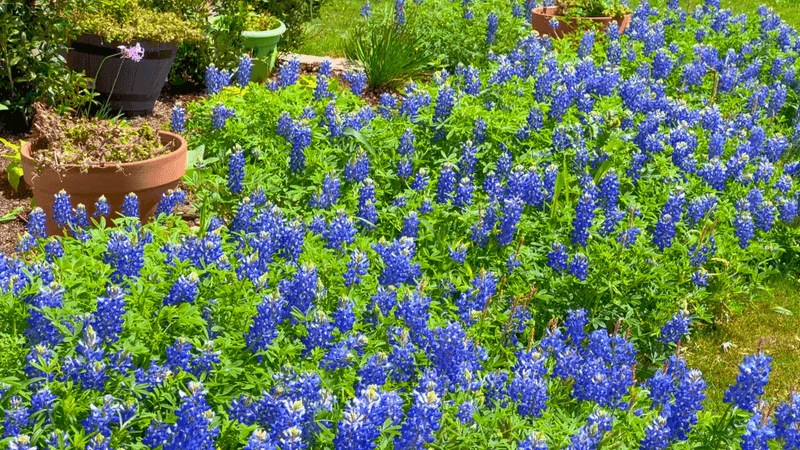
Every spring, Texans pull over on the side of the highway just to snap photos in fields of blue. Those famous bluebonnets did not just pop up overnight. Their story starts months earlier, in the fall.
Bluebonnets are the state flower of Texas, and they need a long, cool season to grow. Seeds planted in October sprout in the fall rains.
Then the small plants form a flat rosette of leaves that hugs the ground all winter. When spring warms up, they shoot up and bloom in March and April.
Sun is the biggest need for these flowers. Pick a spot that gets at least eight hours of direct light each day. The soil should drain well, because bluebonnets hate soggy feet. Rocky or sandy ground is actually just fine for them.
Look for scarified seed when you shop. Bluebonnet seeds have a very hard coat, and scarified seeds have been scratched or treated so water can soak in.
That helps them sprout faster and more evenly. Without that step, some seeds can wait years before they grow.
Planting is simple. Rake the soil lightly, scatter the seeds, and press them in by walking over the area. You only want them barely covered. Water them in gently, and let nature do most of the rest.
Skip the fertilizer, since rich soil can make them leafy with fewer blooms. Bluebonnets are part of the pea family, so they make some of their own nitrogen.
Here is a fun bonus fact. Picking bluebonnets is not actually illegal in Texas, though it is kind to leave them for others to enjoy.
2. Tuck Garlic Cloves Into The Soil
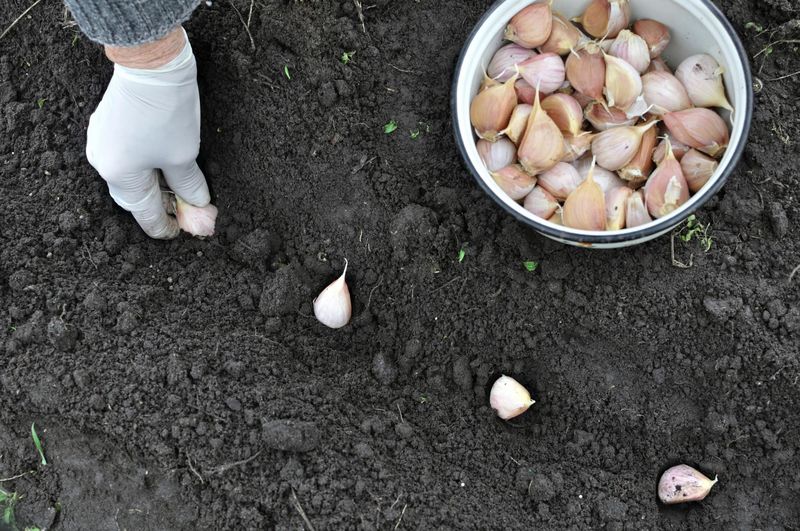
Ask any home cook, and they will tell you garlic makes almost everything taste better. Growing your own is easier than most people think. October is the sweet spot for planting it across much of Texas.
Garlic needs a long stretch of cool weather to form big, tasty bulbs. When you plant in fall, the cloves grow roots and green shoots through winter.
As days get longer in spring, the bulbs start to swell underground. Most Texas gardeners harvest in late May or early June.
Your Texas Garden Changes Every Week. Your Plan Should Too.
Gardening in Texas changes quickly throughout the season. Every Friday you’ll receive a simple weekly plan showing exactly what to plant, prune, fertilize, harvest, and protect so you never miss the right timing.
Choosing the right type matters a lot here. Softneck garlic and Creole varieties do the best in our warm climate.
Hardneck types often struggle because Texas winters are not cold enough for them. Local nurseries usually carry kinds that are suited to your area.
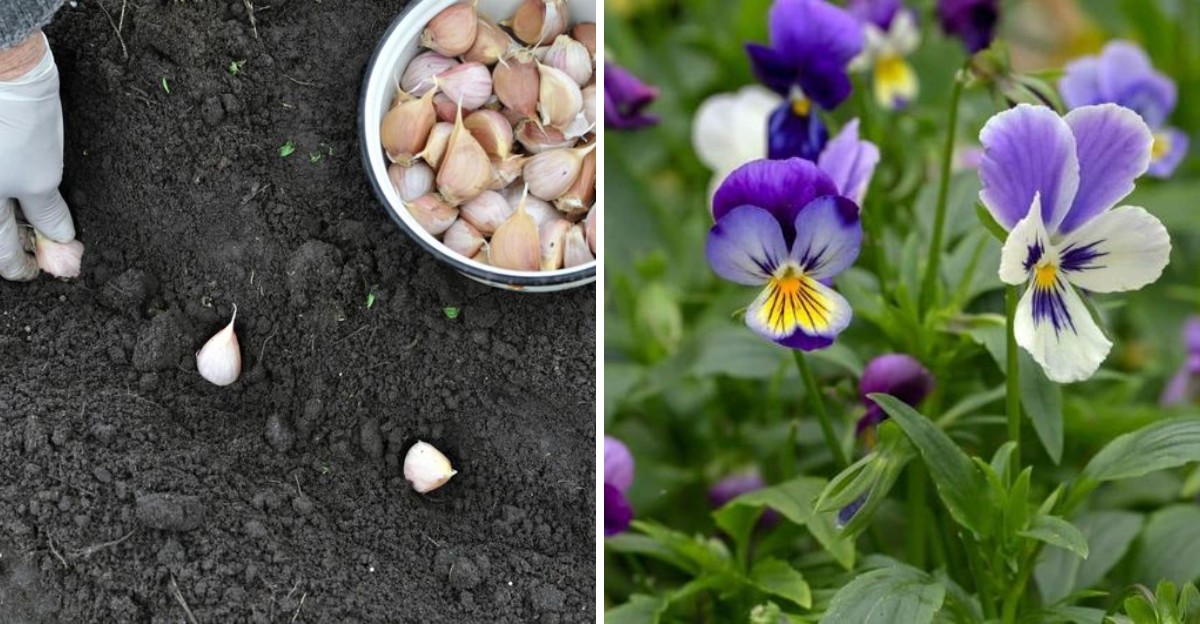
Start by breaking a bulb into single cloves, but keep the papery skins on. Plant each clove pointy end up, about two inches deep. Space them four to six inches apart in rows. Loose, rich soil in full sun gives the best results.
Cover the bed with a layer of mulch, like straw or shredded leaves. Mulch keeps weeds down and holds moisture in the soil.
Water about once a week if rain is scarce. Stop watering a couple of weeks before harvest so the bulbs can firm up.
You will know it is time to dig when the lower leaves turn brown. Let the bulbs dry in a shady, airy spot for a few weeks. After that, they can last for months in your kitchen. Save a few of the biggest ones to plant again next fall.
3. Brighten Beds With Cheerful Pansies
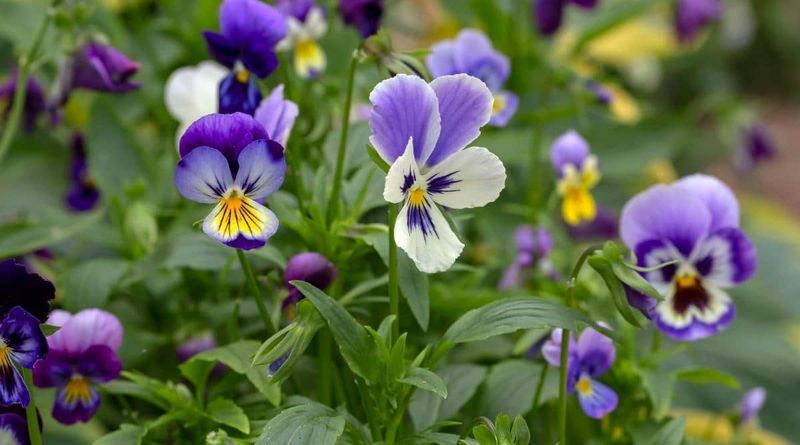
Some flowers look like they are smiling at you, and pansies are the champs at it. Those little dark markings in the center look like tiny faces. Kids and grown-ups both seem to love them for that reason.
Pansies are cool-season flowers, which makes them a perfect match for Texas winters. In much of the state, they bloom from fall all the way into spring.
When summer plants fade, pansies step right in to keep your yard colorful. They are one of the easiest ways to make a dull bed pop.
Cold weather does not scare them much. Pansies can handle frost and even short freezes without trouble. If a hard freeze comes, they may look floppy for a day. Most of the time, they bounce back once the sun comes out.
Color choices are almost endless. You can find them in purple, blue, yellow, orange, red, white, and even near black. Some have solid petals, while others have bold blotches. Mixing a few shades together creates a fun, cottage style look.
For best results, plant them in October or early November while the soil is still warm. Give them a spot with morning sun and some afternoon shade in warmer areas.
Space plants about eight inches apart. Feed them with a flower fertilizer every few weeks to keep blooms coming.
Containers work great too, so even apartment dwellers can join in. Pinch off old faded flowers to encourage new ones.
Fun fact, the name pansy comes from a French word for thought. Some people once believed the flower helped you remember someone special.
4. Grow A Fast Crop Of Fresh Spinach
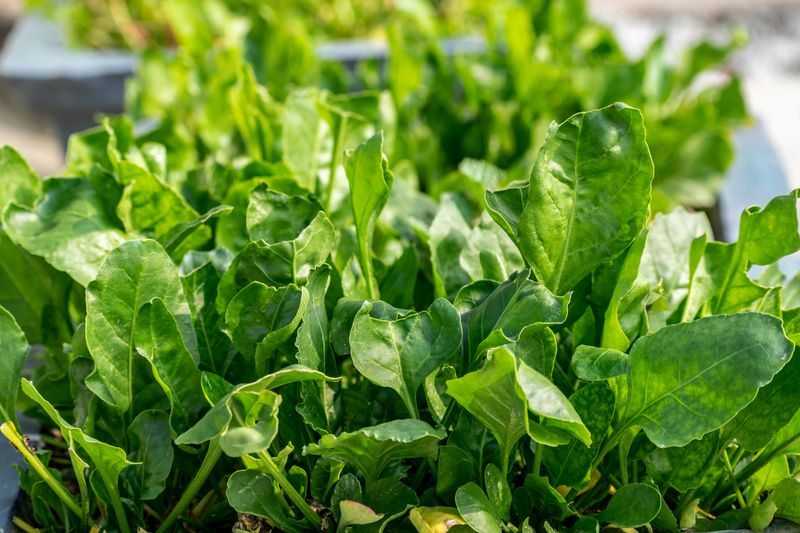
Popeye had the right idea about spinach. These leafy greens are packed with iron, vitamins, and flavor. Even better, they grow quickly in a Texas fall garden.
Spinach loves cool weather and pouts in the heat. That is why fall and winter are its happy seasons here.
Most varieties are ready to pick in about six to seven weeks after planting. That means you could be eating homemade salads before the holidays.
Plant seeds about half an inch deep in loose, rich soil. Space rows around a foot apart, and thin seedlings to a few inches apart once they sprout.
Spinach likes full sun in winter but can handle a little shade. Keep the soil evenly moist while seeds are sprouting.
Frost is not a problem for this tough little plant. In fact, a light freeze can make the leaves taste sweeter.
During mild Texas winters, spinach keeps producing new leaves for months. If a very hard freeze is coming, toss an old sheet over the bed for the night.
Harvesting is easy and a little addictive. Pick the outer leaves first and leave the center to keep growing. That way, one planting can feed you again and again. Try sowing a new short row every two weeks for a steady supply.
Feed plants with a nitrogen-rich fertilizer to keep leaves big and dark green. Watch for aphids under the leaves and rinse them off with a hose.
Savoy types have crinkly leaves, while flat-leaf types are easier to wash. Either way, fresh spinach from your yard beats the store kind by a mile.
5. Set Out Strawberry Plants For Spring Berries
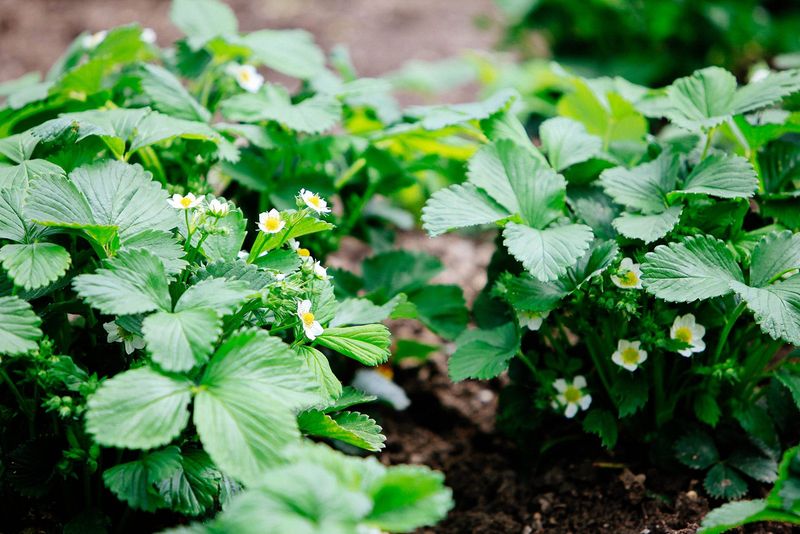
Nothing beats biting into a sun-warm strawberry you grew yourself. Many people plant strawberries in spring, but Texas gardeners do things a little differently. Here, fall planting is the secret to a sweet harvest.
When strawberries go in the ground in October, they spend the winter building roots and leaves. By the time spring arrives, the plants are strong and ready to fruit.
Wait until spring to plant, and the summer heat often arrives before they can produce much. Timing really is everything with these berries.
Drainage is the key to happy plants. Strawberries do not like wet roots, and heavy clay soil can cause rot. Raised beds and containers solve that problem nicely. Fill them with a loose mix of garden soil and compost.
Pick short-day varieties like Chandler, Camarosa, or Sweet Charlie, which suit Texas well. Set each plant so the crown, the spot where leaves meet roots, sits right at soil level. Buried crowns can rot, and exposed roots can dry out. Space plants about twelve inches apart.
Spread straw or pine needles around the plants once they settle in. Mulch keeps berries clean and off the dirt.
It also holds moisture and keeps weeds away. Cover plants with frost cloth on freezing nights, especially once flowers appear.
Water deeply about once or twice a week. In spring, check often, because birds love ripe berries as much as you do.
A bit of netting can save your crop. Fun fact, strawberries are the only fruit that wears its seeds on the outside, about two hundred per berry.
6. Plant A Texas Redbud Tree
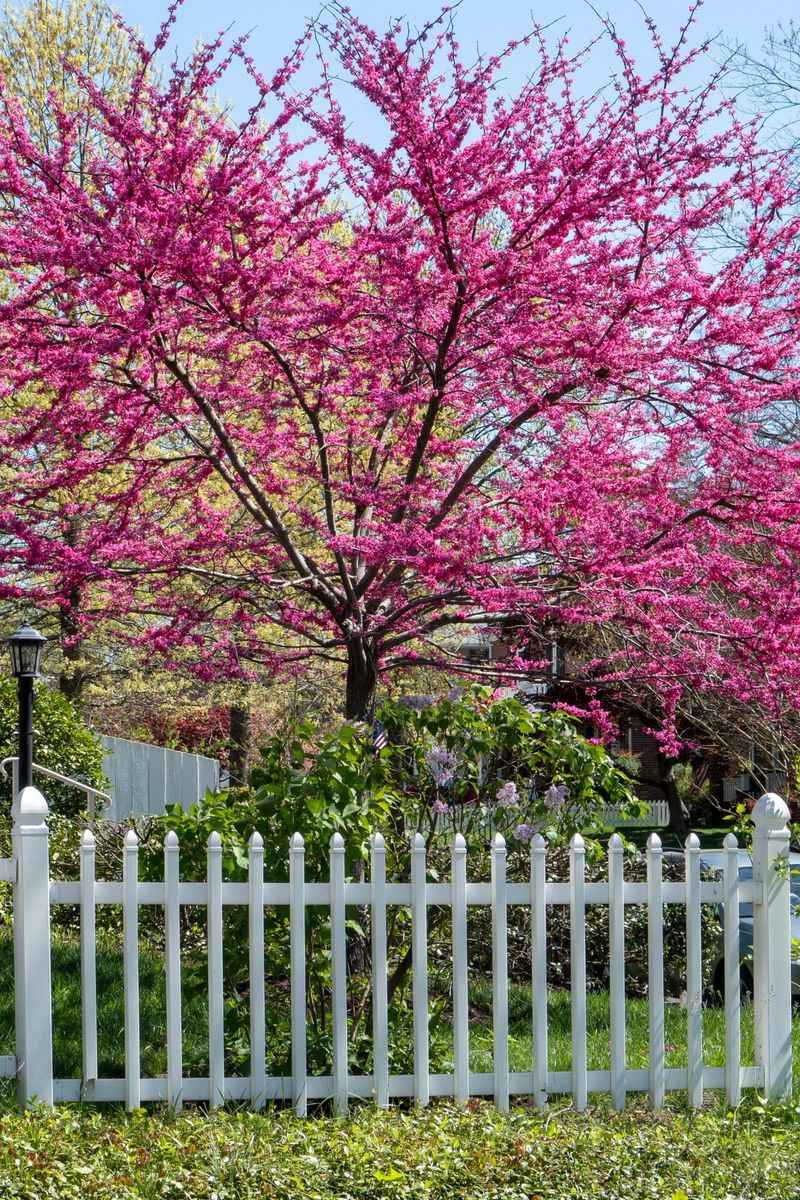
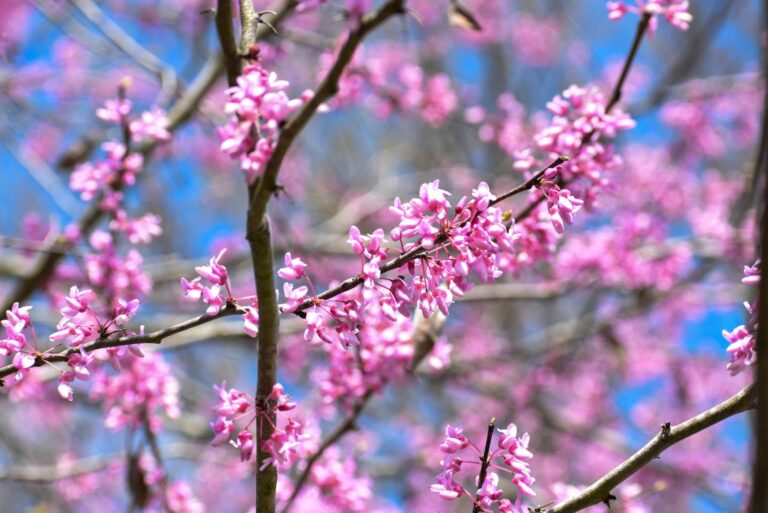
Long before most trees wake up from winter, the Texas redbud is already throwing a party. Its bare gray branches burst with tiny magenta-pink flowers in early spring. Neighbors notice, and bees come running too.
The Texas redbud is a small native tree that usually grows fifteen to twenty feet tall. Its size makes it a great fit for smaller yards and spaces near patios.
After the flowers fade, shiny heart-shaped leaves fill in. They have a waxy coat that helps the tree hold onto water.
Fall is the smartest time to plant any tree in Texas. The air is cooler, but the soil is still warm enough for roots to spread. That gives the tree months to settle in before summer heat arrives. A tree planted in October will be much tougher by July.
Dig a hole about twice as wide as the root ball but no deeper. Set the tree so the top of the root ball sits level with the ground. Fill the hole back in with the soil you removed. Then water slowly and deeply.
Once established, this tree handles heat and drought like a champ. It grows well in rocky or alkaline soil, which is common in much of Texas. Full sun or light shade both work. Water weekly during the first summer, then much less after that.
Wildlife adores this tree. Early bees feed on the blossoms when little else is blooming. Fun fact, the flowers are edible and have a slightly sweet, pea-like taste. Some people sprinkle them on salads for a pretty pop of color.
7. Fill Shady Spots With Cedar Sage
Got a bare patch under a big oak where nothing seems to grow? You are not alone. Dry shade is one of the trickiest spots in any Texas yard. Luckily, cedar sage was practically made for it.
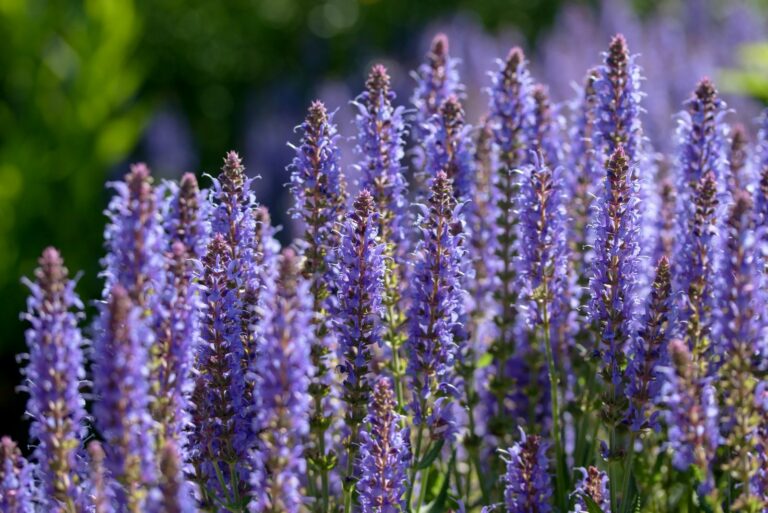
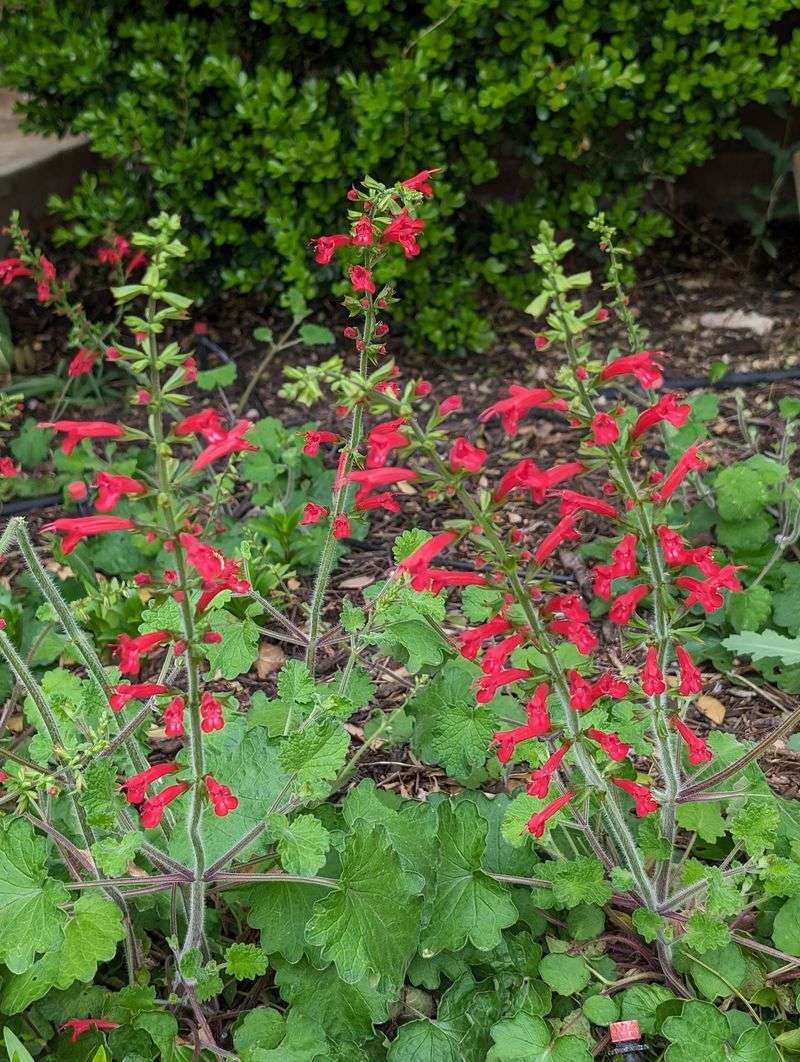
Cedar sage is a native perennial that grows wild in the Texas Hill Country. You will often find it tucked beneath cedar and oak trees in rocky soil. It stays low, usually about one foot tall. Its soft, fuzzy leaves form a neat little mound.
Spring is when it really shows off. Bright red, tube-shaped flowers rise above the leaves on slender stems.
Hummingbirds zoom in to sip the nectar, and they visit again and again. Watching them is like having a free nature show in your backyard.
Planting in fall gives cedar sage time to grow roots during the cool months. By spring, it will be ready to bloom without much help from you. Choose a spot with partial to full shade. Well-drained soil is a must, so avoid low areas that stay wet.
Water new plants about once a week until they settle in. After that, they can get by on rainfall in most years. Skip heavy fertilizer, since this plant prefers lean soil. A thin layer of leaf mulch helps keep roots cool.
Cedar sage spreads slowly by seed, so a small patch can grow wider over time. Deer usually leave it alone because of its scented leaves.
Pair it with ferns or other shade lovers for a lush look. It is a simple way to turn a forgotten corner into a hummingbird hangout.