Venomous Danger on New Jersey Trails Can Send Dogs Home Quiet and Swollen
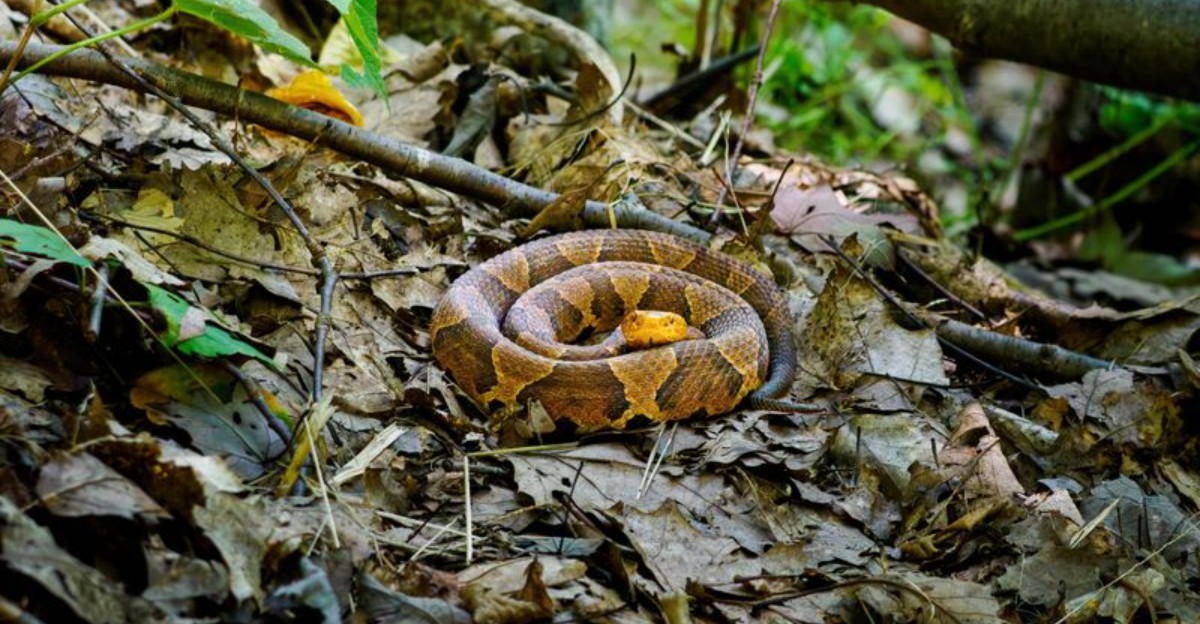
A copperhead can sit still on a leaf-covered path and look almost exactly like the leaves around it. Many dogs walk right past one. A few curious noses do not.
I learned this from a friend whose lively dog went quiet after a hike in New Jersey. Hours later, one side of his face had puffed up like a balloon.
Nobody heard a yelp, and nobody saw a snake. Across New Jersey, from the Pine Barrens to the Kittatinny Ridge, this quiet pattern plays out more often than most hikers expect.
Snakebites on dogs often happen in tall grass, under brush, or a few steps off the trail while you check your phone.
You might notice the warning signs only at home, on the couch, after dinner. So what exactly hides along those rocky ridges and swampy edges, and how fast should you move when your dog seems a little off?
Two Camouflaged Pit Vipers Share Those Wooded Trails With Your Dog
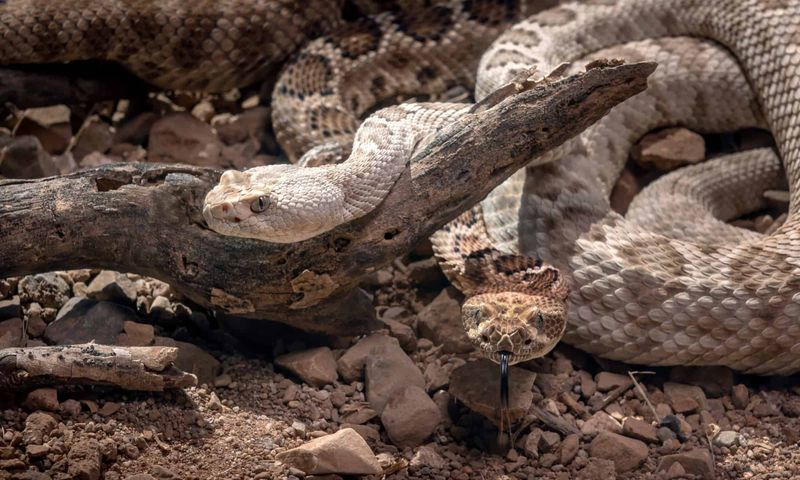
Only two venomous snakes live in the Garden State, and both are native pit vipers. Meet the northern copperhead and the timber rattlesnake, two shy animals that would much rather hide than fight.
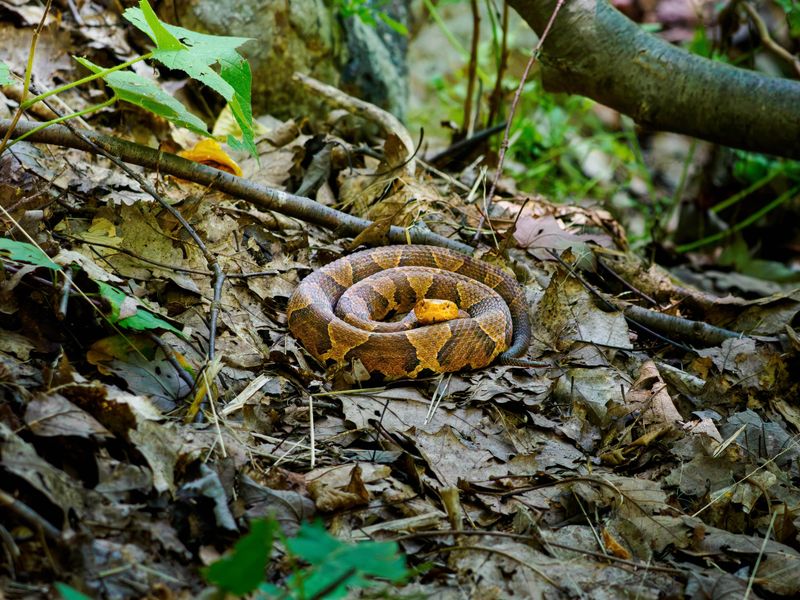
Copperheads wear tan and copper bands shaped a bit like hourglasses. On a carpet of dry oak leaves, they nearly disappear.
They tend to live in rocky, wooded hillsides, especially in the northern part of the state, including the Highlands and areas near the Delaware Water Gap.
Timber rattlesnakes are larger and rarer. In New Jersey they are listed as an endangered species, so harming or collecting one is against state law. Small populations live in the northern mountains and in the Pinelands down south.
Both snakes rely on staying still. They often freeze instead of fleeing, which is smart for a snake but risky for a sniffing dog. A rattlesnake may buzz a warning, but a copperhead usually gives no sound at all.
I find it oddly reassuring that bites are uncommon. Most snakes slip away long before you arrive.
Still, knowing what shares the trail helps you spot trouble before your pup does, and that awareness matters most from spring through early fall.
A Swollen Muzzle on One Side Is the Clue Many Owners Miss
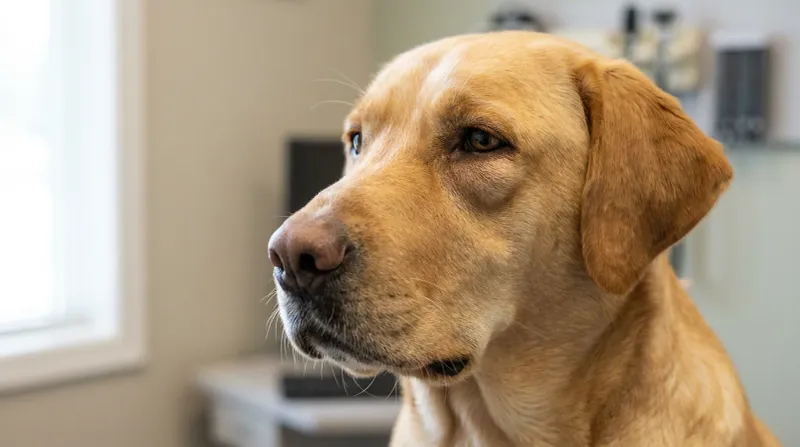
Lopsided swelling is the classic sign. A dog bitten on the face may look like one cheek or lip has puffed up, and the swelling can keep growing over the next hour or more.
Many bites happen out of sight, so you rarely get a clear story. A dog trots ahead on a New Jersey trail, sniffs under a log, and returns acting normal. Later at home, the energy drains away and your buddy wants to lie down and be left alone.
Watch closely for swelling on the muzzle, face, neck, or a front leg. Small puncture marks may ooze or bleed, and the skin around them can turn bruised or dark. Your dog may also drool, shake, seem weak, or flinch when you touch the area.
Some dogs also pant heavily, vomit, or seem confused. Copperhead bites, the most common venomous snake encounter for dogs in New Jersey, are usually milder than rattlesnake bites, but any suspected bite needs a vet.
Swelling near the throat can affect breathing, which makes face bites especially concerning. Quiet behavior is easy to blame on a long walk. Trust your gut.
If your dog seems tired plus swollen after a New Jersey hike, treat it as a possible bite and call a vet right away instead of waiting until morning.
Calm Hands and a Fast Drive to the Emergency Vet Matter Most
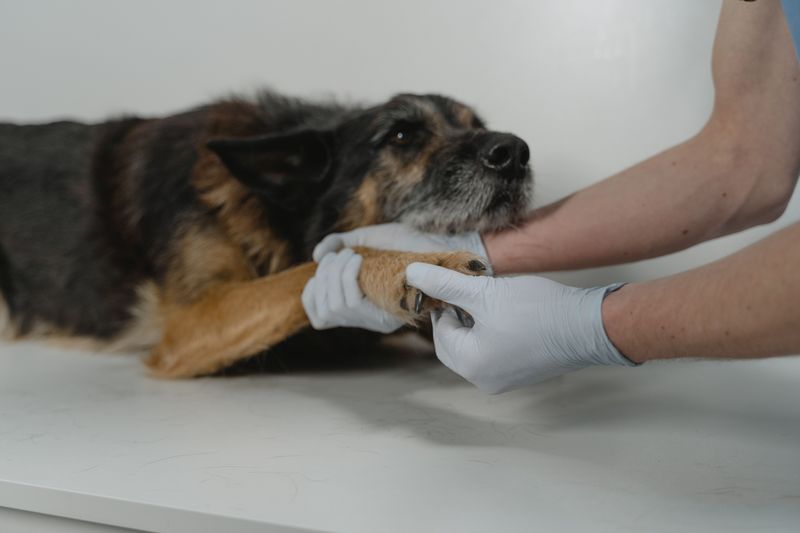
Speed wins here. A veterinarian is the right place for a snakebitten dog, and the sooner you arrive, the better the outlook usually becomes.
Keep your dog as calm and still as you can. Movement and excitement can help venom spread, so carry a small or medium dog if possible. For a bigger dog, walk slowly and keep the bitten area roughly level with the heart.
Call ahead while someone else drives. Many regular clinics do not keep antivenom on hand, so the emergency hospital may be your best bet.
Telling staff you suspect a snakebite lets them get ready before you pull in. Gently remove the collar if the neck or face is swelling. A snug collar can become tight fast.
Note the time of the suspected bite and any symptoms you notice along the way. A photo of the snake helps, but only if you can take one from a safe distance. Do not try to catch it.
Plenty of people get bitten that way, and the vet can treat your dog based on symptoms alone.
I keep my nearest emergency clinic saved in my phone now. It takes ten seconds and saves panic later.
Skip the Ice Packs and Old Movie Tricks on a Snakebite
Old cowboy movies taught us some terrible habits. Sucking out venom, cutting the wound, and tying a tight band above the bite all appear in those scenes, and none of them help.
Veterinary sources agree on a short list of things to avoid. Do not use a tourniquet, which can trap venom and damage tissue.
Skip ice, because cold can worsen injury around the bite. Never cut the skin or try suction, since both add infection risk and waste precious minutes.
Human medicine is another trap. Giving antihistamines like Benadryl or pain relievers like ibuprofen without guidance can mask symptoms or cause harm. Some human pain pills are toxic to dogs on their own, bite or no bite.
Home remedies posted online also fall short. Essential oils, herbal pastes, and wait-and-see plans can delay real care.
The simplest plan works best. Keep your dog quiet, keep the wound clean if you can, and get moving toward help.
I tucked a printed note in my trail pack listing these do-nots, because stress makes clear thinking harder than you expect.
Curious Noses and Front Paws Take Most of the Strikes
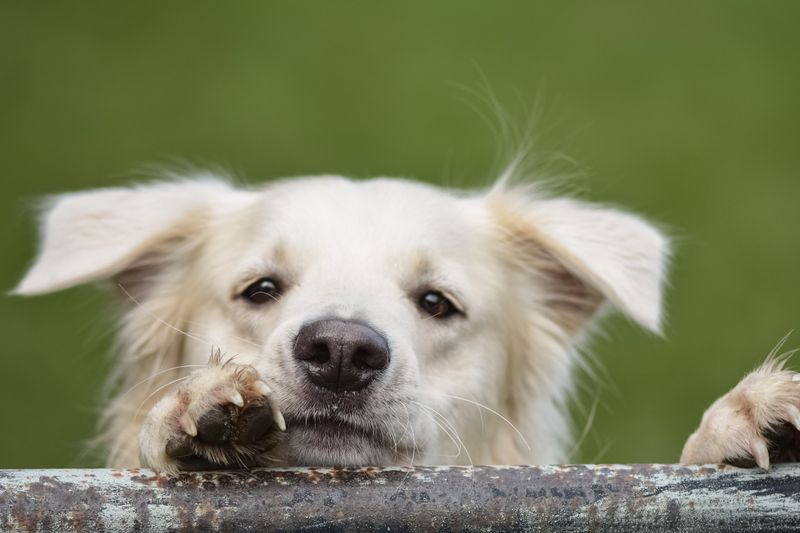
Dogs read the world through their noses. That habit is charming most days, but it puts the face right where a hidden snake waits.
Most bites land on the muzzle, head, or front legs. A dog pokes into a log pile, paws at a rock ledge, or noses into thick ferns. The snake feels cornered and strikes in self-defense.
Size plays a role too. A small terrier receives the same amount of venom as a large shepherd but has far less body weight to absorb it. That can mean faster and stronger reactions in little dogs.
Young, bold dogs seem extra likely to investigate. Hunting breeds and diggers also spend more time with their faces in the brush, so they face more chances for trouble.
Fun fact: pit vipers sense warmth through small pits between their eyes and nostrils. A warm, breathing dog nose right next to one is hard for the snake to ignore.
Knowing these patterns helps you pay attention at the right moments. Watch closely when your dog slows down, fixates on a spot, or starts digging near rocks and logs.
Warm Rocks and Summer Evenings Bring Snakes Out to Bask
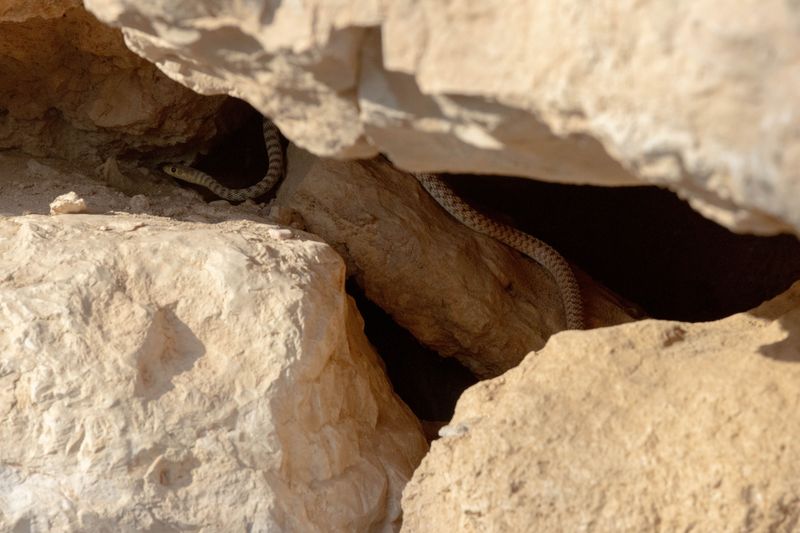
Snakes run on outside heat. They cannot warm their own bodies, so they move with the sun and the seasons.
In New Jersey, activity usually picks up in April and May after snakes leave winter dens. Summer brings the most movement.
Things slow down through fall, and most snakes settle back into dens by around October, depending on the weather.
Timing within the day matters as well. In spring and fall, snakes often bask on sunny rocks and open trail edges during warm afternoons.
In midsummer heat, copperheads tend to move more in the evening and at night. Watch these hot spots: Rocky ledges and stone walls. Fallen logs and brush piles. Edges of streams, wetlands, and swampy areas. Sunny breaks in the forest canopy.
Evening dog walks feel lovely after a sticky summer day, and I enjoy them too. Just bring a good flashlight and stay on clear, open paths when the light fades.
Cool snaps do not guarantee safety. A surprisingly warm October afternoon can bring snakes back to the sunny rocks for a final soak.
Antivenom Treatment Helps Most Bitten Dogs Bounce Back
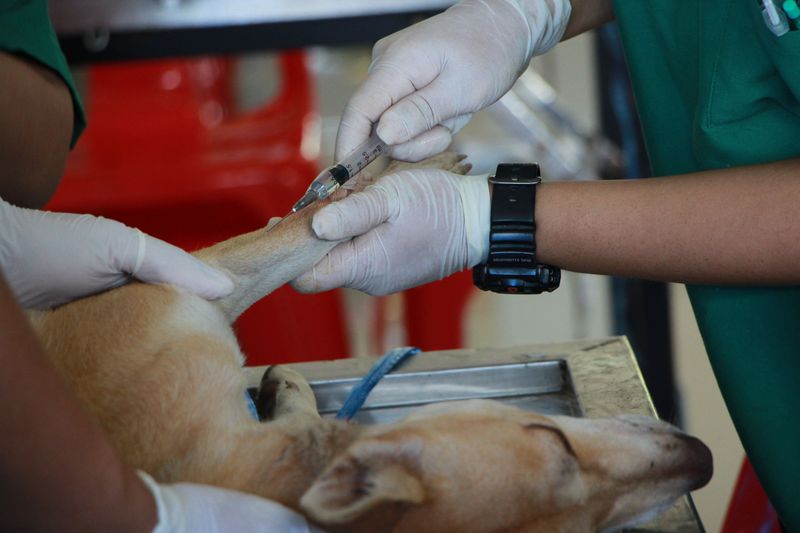
Most dogs recover after a snakebite when they get prompt care. That is a hopeful fact worth holding onto during a scary moment.
At the clinic, the vet usually checks blood clotting, watches the swelling, and manages pain. Fluids, wound care, and close monitoring are common.
Antivenom is the treatment that neutralizes venom directly, and vets often use it for moderate or severe bites.
Antivenom can be expensive, sometimes running into hundreds or thousands of dollars per vial. Not every bite needs it, though, since some copperhead bites are mild. Your veterinarian will weigh the symptoms and decide.
Recovery may take several days. Swelling can linger, and the skin around the bite sometimes needs extra care as it heals.
A rattlesnake vaccine for dogs exists, but its value is debated. It does not provide full protection, and a vaccinated dog still needs emergency treatment after a bite. Ask your vet whether it makes sense for your area.
Pet insurance is worth a quick look if you hike often. I checked my own policy after hearing my friend’s story and felt better knowing what was covered.
A Short Leash and Open Paths Keep Your Trail Buddy Safer
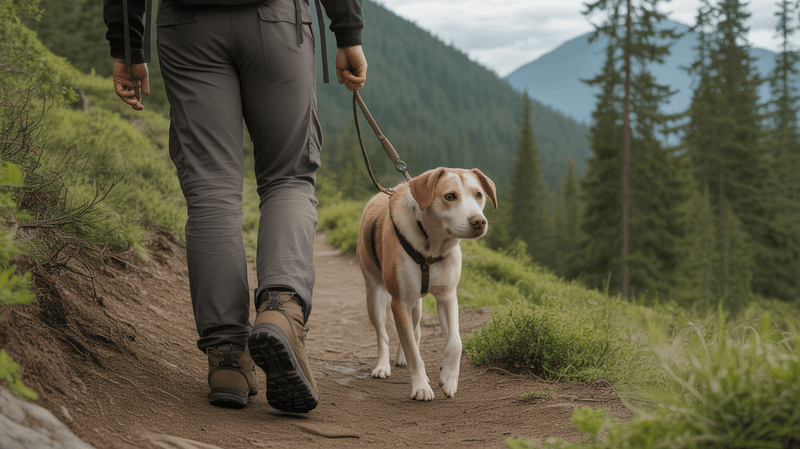
Leashes do a lot of quiet work. New Jersey state parks require dogs to stay on a leash no longer than six feet, and that rule helps protect wildlife and pets alike.
A short leash keeps your dog close enough for you to see where the nose goes. You can steer away from log piles and rock crevices before trouble starts.
Try these habits on your next hike: Stay on wide, well-used trails. Avoid tall grass and thick brush. Step onto logs, not over them, so you can see the other side. Keep your eyes up and your phone in your pocket.
If you spot a snake, calmly back away and give it room. Snakes usually move off on their own. Both species help control rodents, so they play a useful role in the forest.
Some owners try snake avoidance training. Results vary, so look for humane, reward-based programs and ask your vet for advice.
Last tip: do a quick nose-to-paw check after every hike. A minute of looking at the face and front legs can catch swelling early and send you to help sooner.