Found In Cape May County For The First Time, A Moth That Can Defoliate A Boxwood In 10 Days
Your hedge can turn from glossy green to pale and lacy within days. Tiny visitors have slipped into Cape May, New Jersey, without any fanfare.
You may spot silky webs and green droppings on leaves that stayed tidy before. October makes the visitors easy to overlook.
Gardeners across New Jersey can now flip leaves with detective focus. Larvae spin snug webbed shelters between leaves and settle in for winter.
Spring warmth wakes them ready to feast. Check the undersides of leaves for pale green larvae with dark heads.
Look for white webbing stitched between leaf pairs near the hedge’s center. Gently part a thinning patch and you may meet them face to face.
Early spotting gives you time to protect the whole hedge. Timing matters more than you think. Then you will learn when to act to protect your hedge.
A Hungry Newcomer From East Asia
Cape May gardeners received unexpected news when the box tree moth was confirmed in the county. The first confirmed find was in Middle Township, in the Rio Grande area of Cape May County.
The insect is native to East Asia and reached Canada around 2018 and the United States around 2021.
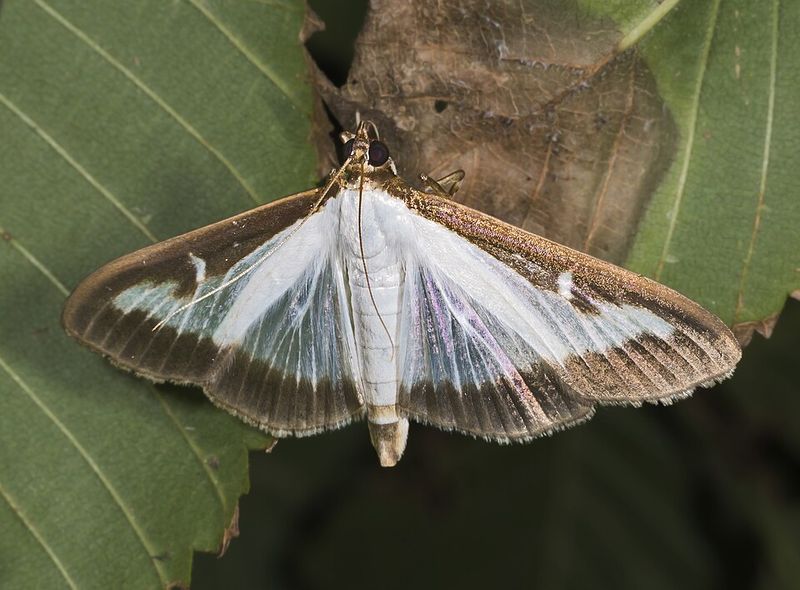
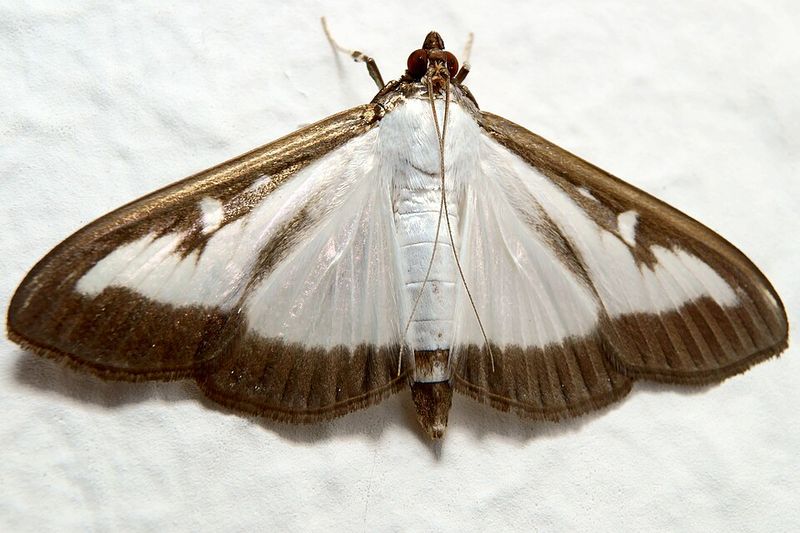
Adult moths are pretty, with white wings edged in a brown band. Some have nearly all-brown wings with a small white spot instead.
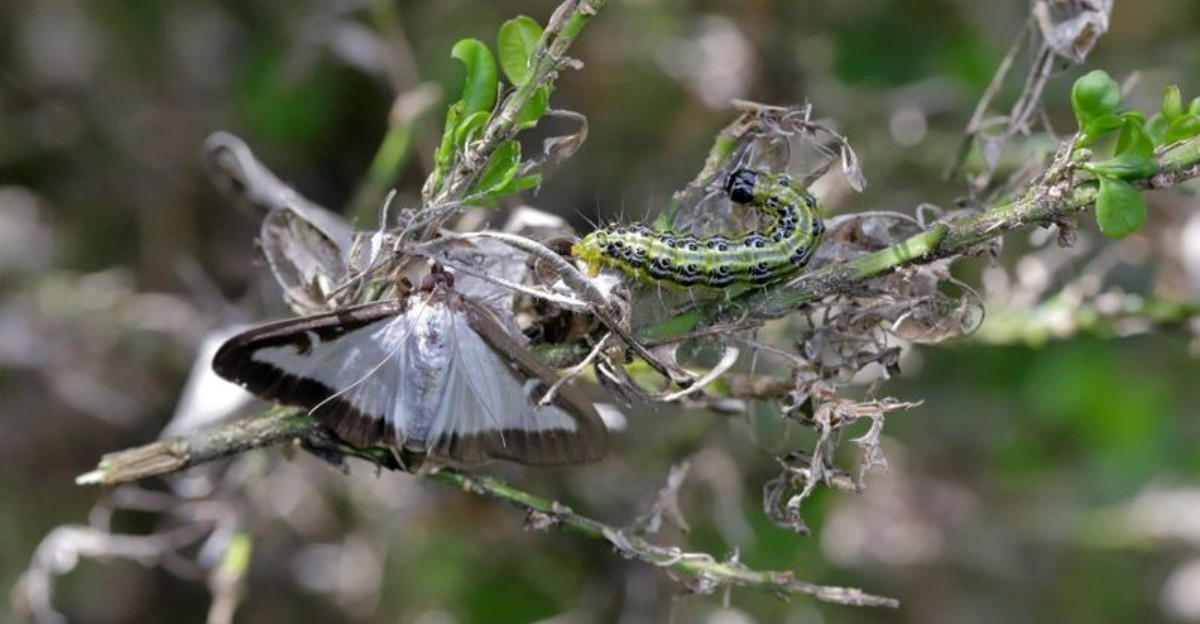
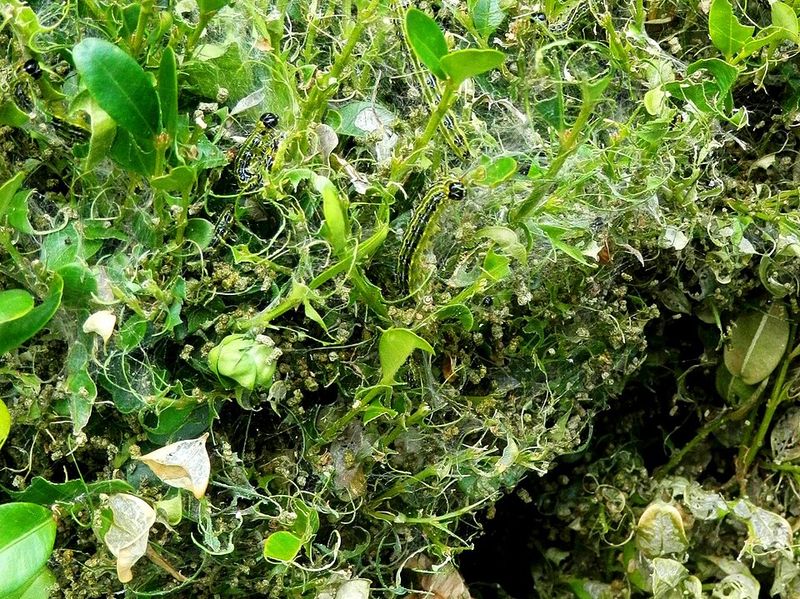
The caterpillars cause the damage, though. They are green with black stripes, black spots, and shiny black heads.
Boxwood is their main meal, and they eat it with impressive speed. A large group can remove a shrub’s leaves in about ten days.
Experts note that this moth often spreads on nursery plants shipped from other areas. Ontario, New York, Ohio, Michigan, Pennsylvania, Maryland, Delaware, Virginia, West Virginia, and Massachusetts reported it before New Jersey did.
Cape May draws attention because boxwood is a familiar sight in many historic Victorian yards. Those clipped hedges help give the seaside streets their classic charm.
A state quarantine now covers Cape May, Cumberland, and Atlantic Counties, where businesses need a compliance agreement to move boxwood out and residents should keep boxwood debris inside the area.
Officials want residents to report sightings to the state agriculture department or local extension office. Early reports help track how far the moth has traveled.
Snapping a clear photo of the caterpillar or moth makes a report more useful. Note the street location too, since mapping helps scientists plan their next move.
Boxwood has grown in American gardens for centuries, which makes the arrival of a new feeder noteworthy. Sharing photos and tips with neighbors and local experts can help everyone respond with confidence.
Calm, steady attention is a helpful response right now. Weekly checks through autumn and again in early spring give you a clear picture.
An October Hideout Inside The Leaves
Right about now, the youngest caterpillars are quietly getting ready for cold weather. They spin tiny silk pockets between boxwood leaves and settle in for months.
Your New Jersey Garden Changes Every Week. Your Plan Should Too.
Gardening in New Jersey changes quickly throughout the season. Every Friday you’ll receive a simple weekly plan showing exactly what to plant, prune, fertilize, harvest, and protect so you never miss the right timing.
Scientists call this resting stage diapause, a dormant period when growth and feeding pause. The caterpillars stay tucked inside until spring warms the air again.
Spotting them in fall takes patience and good eyes. Look for two leaves stuck together with thin white silk.
Gently pull them apart, and you might see a tiny green caterpillar curled inside. It can be about as small as a grain of rice.
Fall scouting gives you a head start on next year. Finding these hideouts shows you where feeding will resume in spring.
Once temperatures climb in early spring, the sleepers become active again. They feed steadily and can become moths by early summer.
New Jersey can see two or three generations each year. That means damage can return more than once before the next fall.
Keep a little notebook with the dates you check your shrubs. Patterns become easier to spot when you write down what you find each visit.
Warm October afternoons can fool gardeners into thinking the season is finished. Small larvae stay busy inside silk shelters, ready to resume feeding. A hand lens makes the search easier and reveals details the eye can miss.
Telling Moth Damage From Other Problems
Plenty of homeowners blame brown boxwood on drought, cold wind, or a fungus. That guess can cost weeks while caterpillars continue feeding.
Box tree moth damage has a few clear clues. Leaves look chewed, skeletonized, or eaten down to thin outlines.
Webbing is another reliable sign worth noticing. Messy silk often wraps branch tips and holds leaves together in clumps.
Tiny green or black pellets, called frass, may pile up inside the shrub. Those are caterpillar droppings, and they point to the source of the damage.
Boxwood blight looks different, with dark leaf spots and black streaks on stems. Winter burn usually browns leaf tips without any chewing or silk.
Sometimes the caterpillars also feed on green bark once leaves are gone. That bark damage can leave a shrub too weak to recover well.
Look deep inside the plant, not only at the outer leaves. Caterpillars like to feed in the center where they stay hidden.
A flashlight helps on cloudy days or under thick hedges. Take your time, and check several shrubs before deciding what is going on.
Photographs help when you are unsure about a diagnosis. Send a clear close-up of the leaves and any silk to your local extension office for a second opinion.
Timing offers another clue. Drought stress develops slowly, while caterpillar feeding changes a shrub within days.
Practical Fixes For Infested Shrubs

Good news for gardeners comes in the form of simple, hands-on steps. Small infestations often respond well to old-fashioned picking.
Put on gloves and pull caterpillars off by hand. Drop them into a bucket of soapy water to remove them.
Clip out webbed branch tips and seal them in a trash bag. Do not toss the cuttings in your compost pile.
Please do not move cuttings or boxwood debris out of the quarantine area.
For bigger outbreaks, many experts suggest a product with Bt. That stands for Bacillus thuringiensis, a natural bacteria that targets caterpillars.
Bt works best on young caterpillars that are actively eating. Spray thoroughly so the inside of the shrub gets coated too.
Spinosad is another option some extension offices recommend, though it can harm bees. As with any product, read the label carefully and follow it closely.
Spraying in October often does little once caterpillars are hiding in silk, though active larvae can still be treated. Plan treatments for early spring, when they come out to feed.
Pheromone traps can help you see when adult moths are flying. Those catches tell you when the next batch of feeding caterpillars is coming.
Report a suspected find before treating, since state officials may inspect and treat affected properties. Wear gloves and eye protection, and keep pets and children away until surfaces dry.
Repeat checks a week after any treatment to see how the caterpillars responded. A second round may be needed for thick hedges.
Leafless Branches And The Road To Recovery
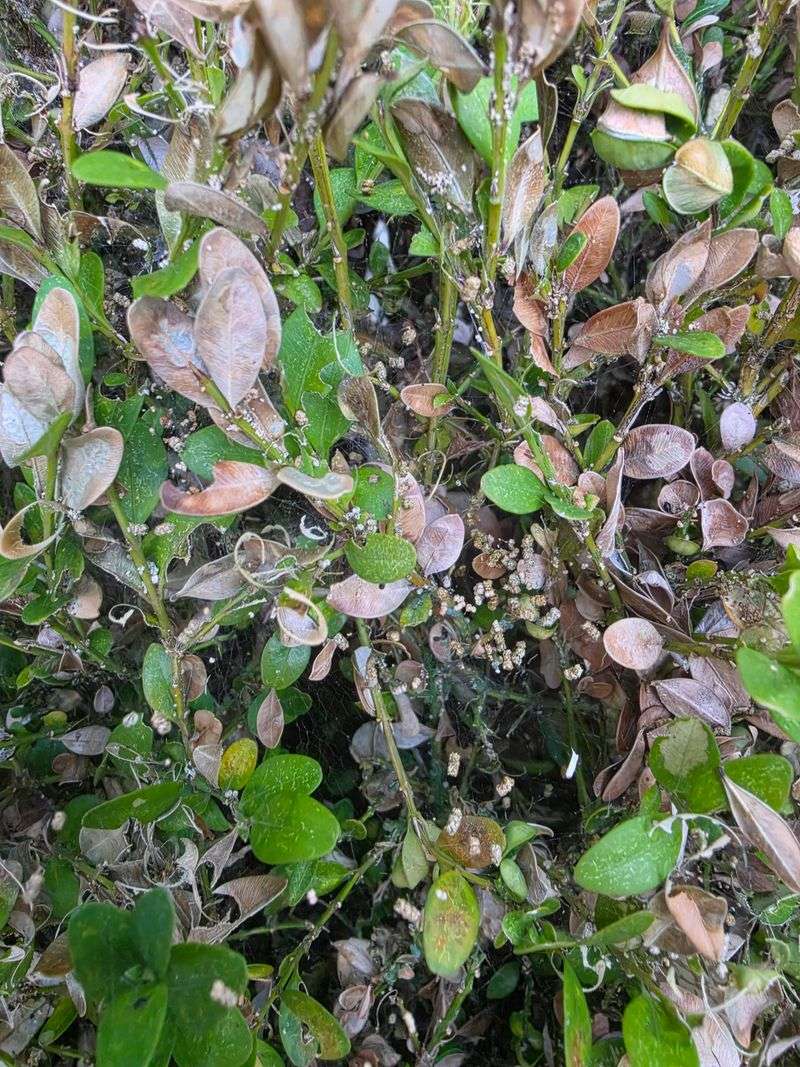
Hopeful news awaits any New Jersey gardener looking at a leafless hedge. Boxwood can bounce back if the stems and bark stay healthy.
Scratch a small spot of bark with your fingernail. Green tissue underneath means the branch is still viable.
Shrubs in New Jersey that lose their leaves once often send out fresh leaves within a season. Repeated infestations are what weaken them over time.
Give a hurt boxwood some extra care. Water deeply during dry spells, and add a thin layer of mulch around the base.
Skip heavy fertilizer right after damage. Too much feeding can push soft growth that caterpillars find extra tasty.
Patience is a big part of recovery. A hedge that lost many leaves may take a few years to look full again.
If a shrub has lost bark around its full width, replacement may be wiser. That kind of damage usually blocks water and nutrients from moving up.
Some Cape May homes have long-established boxwoods that have grown for decades. Many gardeners find those plants worth a little extra effort and care.
Pruning lightly in spring helps a hedge bounce back. Trim away stems that stay leafless so energy flows toward branches showing fresh green buds.
Mark your calendar for a recovery check each month during the New Jersey growing season. Small signs of progress, such as tiny leaf tufts near the base, are worth celebrating.
Smart Prevention For Future Seasons
Stopping the moth before it settles in is easier than managing it later. A few smart habits can protect your New Jersey yard for years.
Inspect new boxwoods before buying or planting them. Check under leaves for silk, frass, or tiny green caterpillars.
Buy from trusted nurseries that follow New Jersey plant rules. Ask staff if their stock has been checked for box tree moth.
Hang a pheromone trap near your shrubs from spring through fall. It lures male moths and warns you when they are around.
Consider mixing in other evergreens that are less often affected. Yew can create a similar tidy shape, and your extension office can suggest more options.
Planting a mix of shrubs makes it less likely that one pest will overwhelm your garden look. Variety adds a helpful safety net.
Talk with neighbors about what you have found. Moths fly between yards, so teamwork makes neighboring hedges safer.
Rutgers Cooperative Extension offers helpful New Jersey guides and answers questions. Reaching out early can save your boxwoods and your weekend plans.
Clean your tools after working on any shrub that showed signs of caterpillars. Tidy pruners lower the chance of spreading eggs or silk.
Keep new plants separate for a couple of weeks before placing them near established hedges. That quiet waiting period gives hidden larvae time to show themselves.