Cleaning Out the Shed in Virginia? Watch for These Black Widow Egg Sacs First
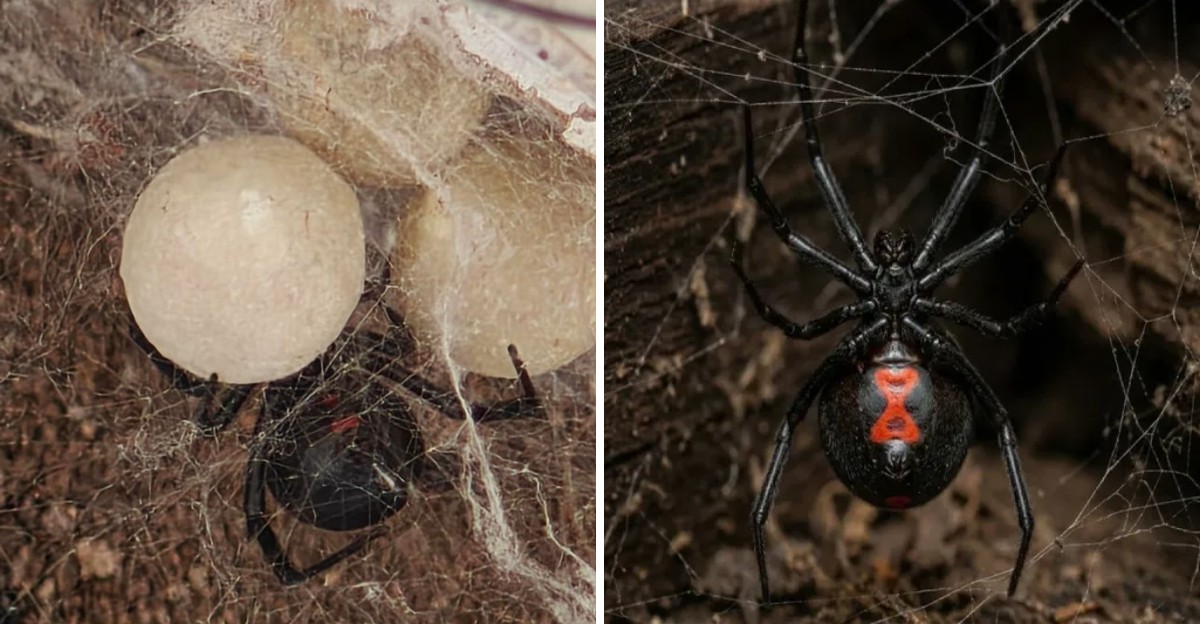
A single silk pouch smaller than a marble can hold hundreds of eggs. I found one last spring, tucked behind a stack of clay pots, and it looked like a harmless puff of lint.
I almost brushed it away with my bare hand. That tidy little ball was tan, papery, and hanging in a messy tangle of webbing near the floor.
Virginia sheds make cozy homes for a certain shiny spider that rarely bothers anyone unless squeezed or cornered. She tends to stay close to her silk bundles, often tucked out of sight in the darkest corner.
You need a plan before you start hauling out rakes, seed trays, and old boxes. Let me save you some trouble, because a few smart habits make shed day far less nerve-racking.
So what does that little pouch look like, and what should you do once you spot one?
That Papery Tan Ball in the Shed Corner Has a Story
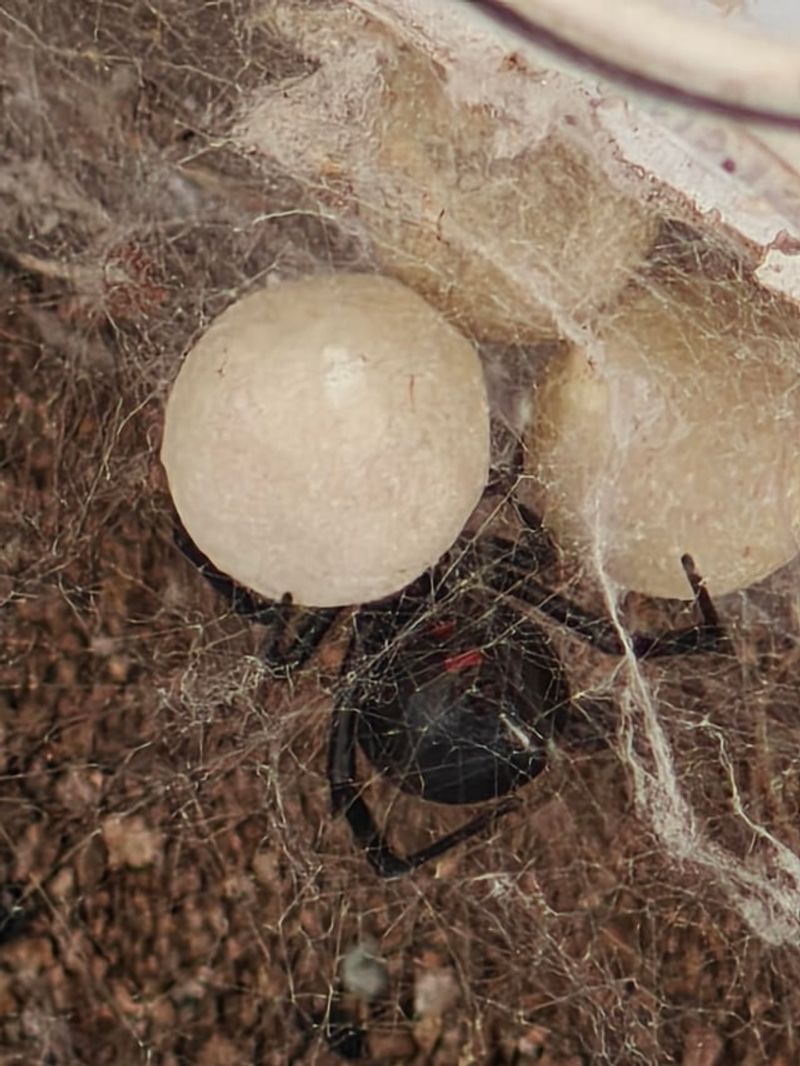
Funny thing is, most folks mistake these sacs for old cotton, lint, or a wad of dryer fuzz. A black widow egg sac is round or slightly pear-shaped and about one-half inch wide.
The color usually runs from creamy white to tan or light gray. Fresh sacs often look paler, while older ones turn more brownish and papery.
When you touch the surface with a stick, it feels tough, not fluffy.
Each sac commonly holds a few hundred eggs, and Virginia Tech entomologists note a female may produce several sacs in one summer. Eggs often hatch in about two to four weeks in warm weather.
The young stay tucked inside until after their first molt, then wander out.
Here’s what caught my attention the first time. The sac rarely sits out in the open on a shelf.
It dangles inside a rough, uneven web, often near the ground, behind boxes, under shelves, or in a gap by the floorboards.
That web is the giveaway. Black widow silk is strong and messy, with no neat spiral like a garden orb weaver.
If you push a broom handle through it, you may hear a faint crackle.
So when you see a tan bead hanging in a tangle, pause. That’s your cue to slow down and look for the spider who made it.
Gloves and a Flashlight Come Before Any Box Gets Moved

My best shed rule is simple. Nothing gets lifted until I’ve looked under it, behind it, and beside it with a good flashlight.
Black widow bites usually happen when a hand presses against a hidden spider. Extension experts point out that these spiders are shy and tend to retreat, so most bites come from accidental squeezing.
A pair of thick leather gloves solves a lot of that problem.
Dress like you mean business. Long sleeves, long pants tucked into socks, and closed shoes give you an extra layer between skin and silk.
I keep a pair of shed-only gloves in a sealed plastic bin so nothing crawls inside them.
Shake out any boots, jackets, or gloves that have been sitting on hooks. Tap clay pots upside down on the ground before grabbing the rim.
Check the underside of wheelbarrow handles, mower decks, and stacked bags of potting mix.
Work slowly and keep your face away from tight spaces. A long-handled tool helps you pull items into the light instead of reaching blindly.
Honestly, this habit takes maybe five extra minutes. In exchange, you get a calm cleanout instead of a jumpy one, and that trade feels worth it every single time.
The Shiny Black Spider With the Red Hourglass Is Usually Nearby
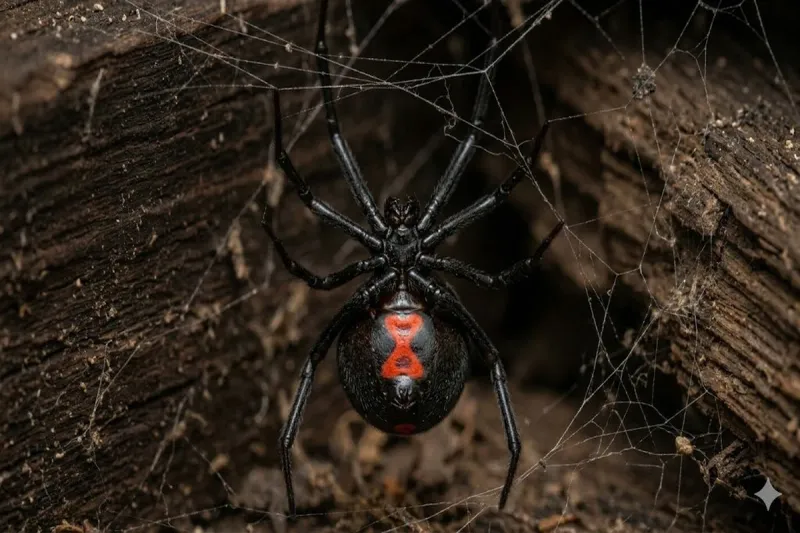
Find the sac, and the mom is rarely far off. Female black widows often hide in a retreat close to their eggs, usually tucked into a crack or corner of the web.
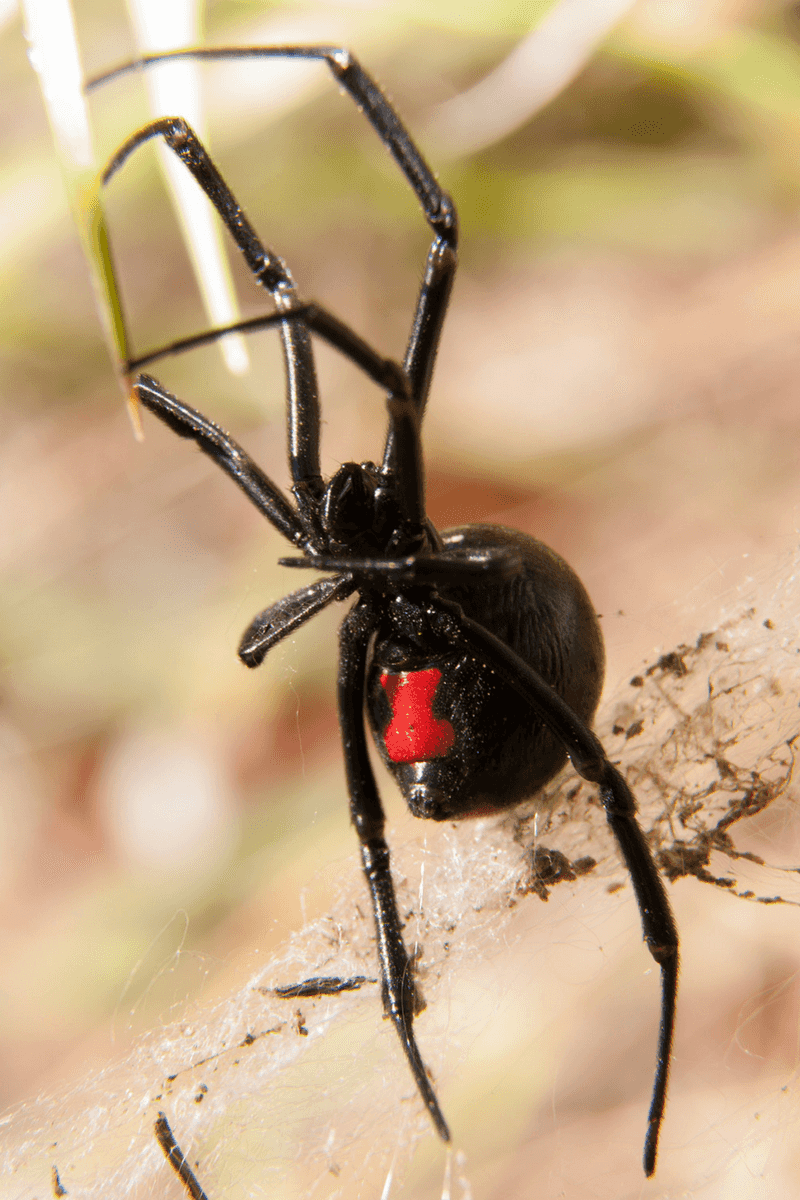
She’s easy to recognize once you know the look. Her body is glossy black and round, roughly a half inch long, with a red hourglass marking on the underside of her belly.
On some spiders, that hourglass shows up as two separate red spots instead of one shape.
Virginia has two common native species, the southern black widow and the northern black widow. The northern type often has red spots along its back too, and its hourglass may look split in the middle.
Males are smaller, lighter, and rarely a concern. Young spiders can look striped with orange, white, and tan, which surprises many gardeners.
If you spot her, don’t poke her with your fingers. Black widows mostly hang upside down, so the red mark faces up toward you while she waits in the web.
Watching from a few feet away is perfectly safe. Snap a photo if you want to confirm the identification later with your county Virginia Cooperative Extension office.
A Vacuum Hose Beats Squishing Those Silk Egg Pouches

Squishing a sac with a shoe feels satisfying for about two seconds. Then you realize a torn sac can scatter tiny spiderlings across the floor.
A vacuum with a hose attachment is the cleaner choice. You can pull the web, the sac, and often the spider in from arm’s length.
Pest experts and many extension guides recommend vacuuming as a simple, chemical-free way to handle webs indoors and in outbuildings.
Once you’re done, seal the contents. Place the bag in a plastic trash bag, tie it tight, and put it in an outdoor garbage can.
A shop vac canister can be emptied straight into a bag outside.
No vacuum handy? Use a long stick or a putty knife to scrape the sac into a jar, then cap it.
A jar of rubbing alcohol works well for sacs you want gone for good.
Spraying over-the-counter bug sprays on sacs isn’t very effective, because the silk shell shields the eggs inside. Physical removal does a better job.
Wear your gloves throughout, and recheck the same spot a week later. Females sometimes rebuild in the exact corner they liked before, so a second look pays off.
Woodpiles, Pots, and Stacked Lumber Are Favorite Black Widow Hideouts
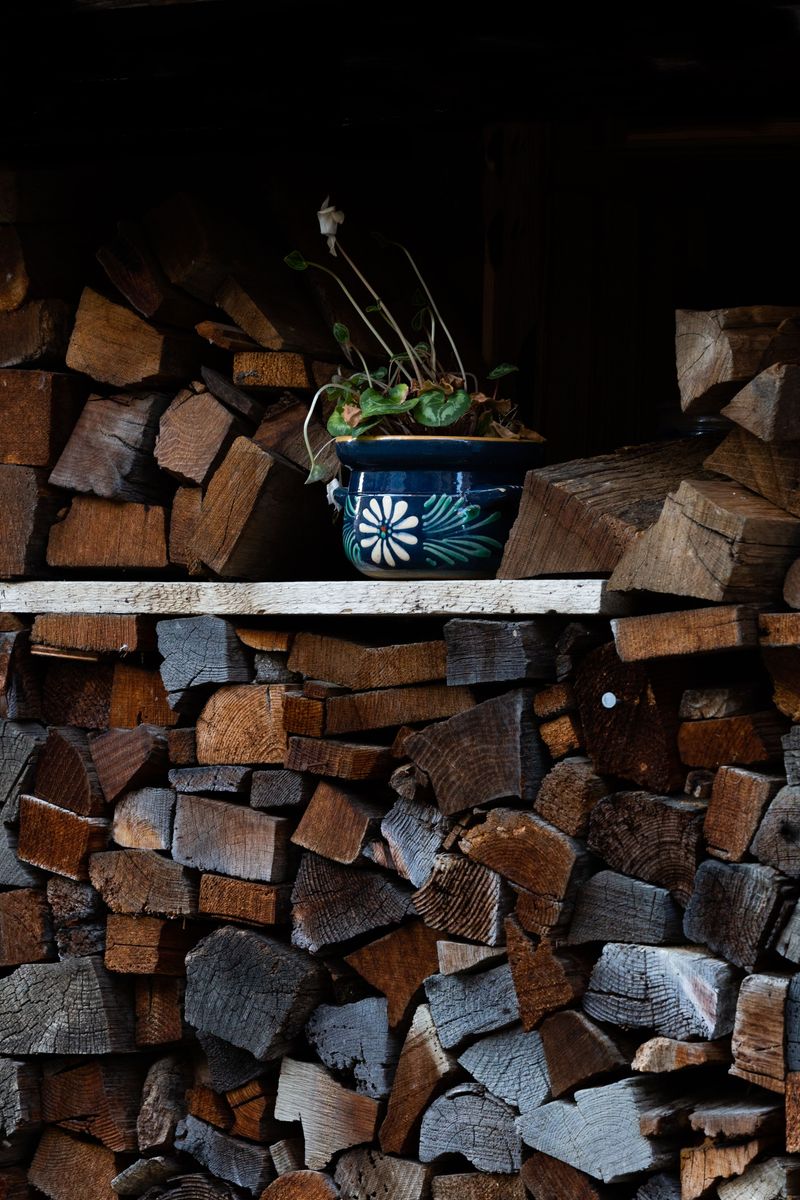
Sheds aren’t the only places these spiders love. In my own yard, I’ve found webs under a stack of plastic nursery pots and inside the hollow of a concrete block.
Black widows choose dark, dry, quiet spots near the ground. Woodpiles, rock walls, water meter boxes, overturned buckets, and the space under deck steps all fit the bill.
Garage corners and outdoor toilets in older homes are classic spots too.
That’s why your shed cleanout should include the area around the shed. Check under the ramp, beside the door frame, and along the bottom edge of the siding.
Look under the lid of a compost bin or rain barrel.
Firewood deserves special care. Grab logs from the top, wear gloves, and avoid carrying armloads pressed against your chest.
Store the pile a good distance from your house and keep it raised off the soil.
Across Virginia, from the Blue Ridge foothills to the coastal plain, these habits stay the same. Warm months bring the most activity, though adults can hide in protected spots through winter.
A quick lap around the shed exterior takes only a few minutes. You’ll often learn more there than you expect.
Know What a Black Widow Bite Feels Like and When to Get Help
Let me be straight with you. Black widow bites are uncommon, but knowing the signs helps you act fast and stay calm.
The bite itself may feel like a small pinprick, or you may barely notice it. Within an hour or so, pain can spread from the bite area.
Muscle cramps in the belly, back, or chest are common, along with sweating, nausea, or a headache.
Wash the bite with soap and water right away. Put a cool cloth or wrapped ice pack on it to ease swelling.
Try to keep the area still and resting near heart level.
Call the Poison Help line at 1-800-222-1222 for free, fast advice. Get medical care promptly if strong pain or cramping develops.
Young kids, older adults, and people with heart or blood pressure issues need quick attention.
Most healthy adults recover well with care. Doctors can treat pain and muscle spasms, and antivenom is available for serious cases.
If you can safely snap a photo of the spider, bring it along. That helps medical staff confirm what you’re dealing with, and it saves a lot of guessing.
Sealed Bins and a Tidy Shed Floor Keep Spider Nurseries Away
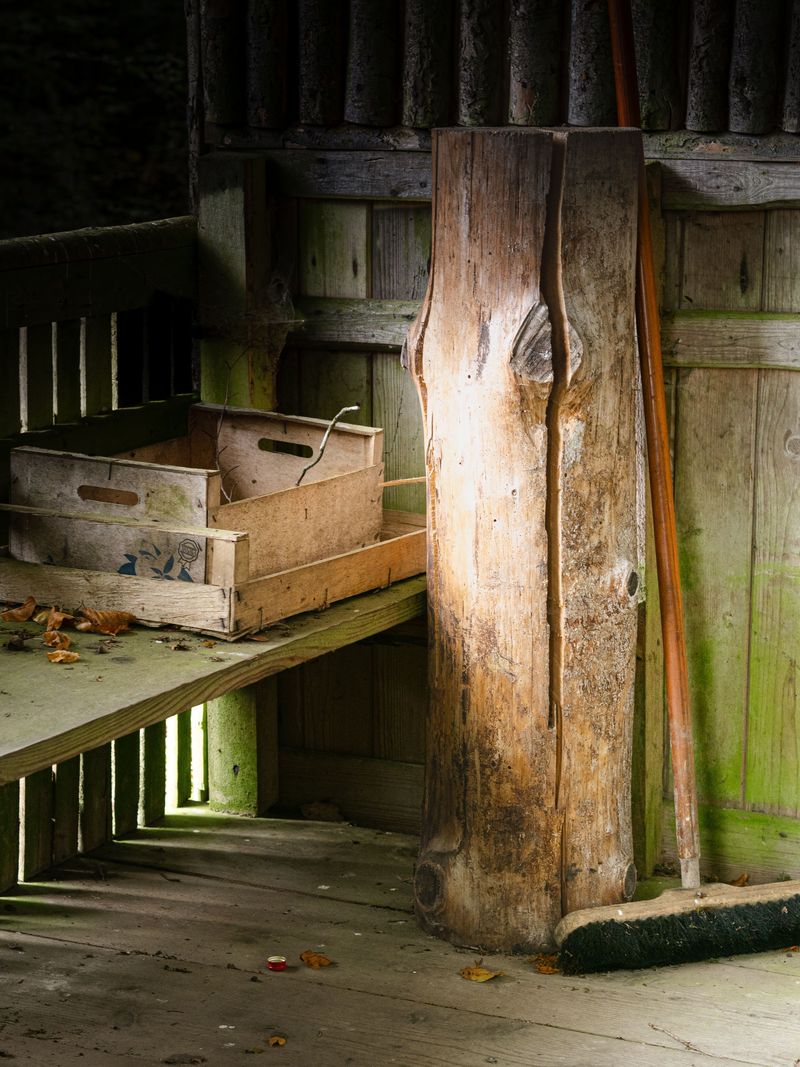
My garden taught me that clutter is basically an open invitation. Fewer hiding spots mean fewer webs, fewer sacs, and fewer surprises.
Start by getting things off the floor. Metal shelving, wall hooks, and pegboards make it easy to see what’s around your tools.
Spiders have a harder time tucking webs behind items you can see from every angle.
Swap cardboard boxes for clear plastic bins with snap-tight lids. Cardboard gets damp, attracts insects, and gives spiders lots of folds to hide in.
Clear bins let you peek inside before you ever open the lid.
Seal gaps where you can. Weatherstripping on the door, caulk around window frames, and screens on vents reduce easy entry points.
Trim grass and weeds away from the shed foundation too.
Fewer insects means less food for spiders. Swap bright white outdoor bulbs for yellow bug lights, which attract fewer flying pests at night.
Then make a habit of sweeping corners every few weeks with a long broom. Regular disturbance encourages spiders to move along before they settle in and start a nursery.
A little routine goes a long way here.
Some Shed Spiders Are Worth Letting Stay
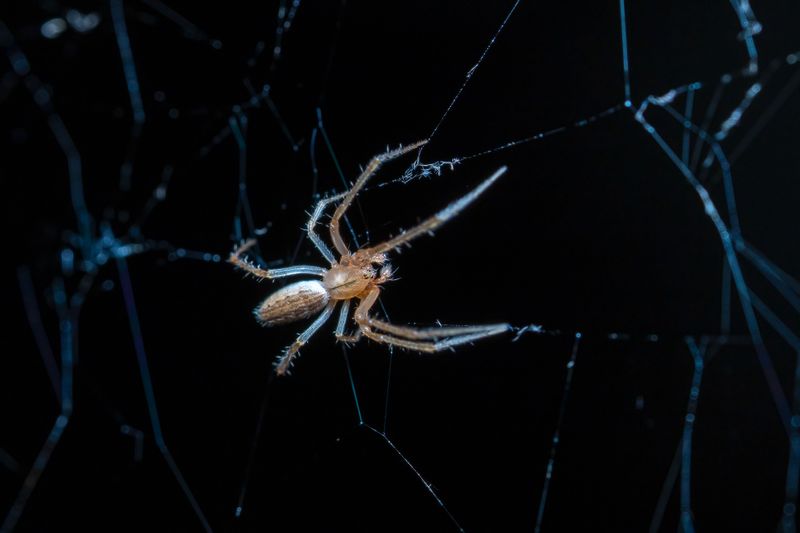
Here’s a twist I didn’t expect when I started paying attention. Most spiders in your shed aren’t black widows at all, and many are working in your favor.
Cellar spiders, with their long thin legs, and common house spiders eat flies, mosquitoes, and other pests. Wolf spiders hunt along the floor and help keep insects in check.
None of these pose a meaningful threat to healthy adults.
So before you vacuum every web in sight, take a closer look. Black widow webs are tough, messy, and low to the ground.
Fine, wispy webs high in rafters usually belong to other spiders.
Brown recluse spiders get mentioned often, yet Virginia Tech notes they are rarely found in most of the state. Many reported sightings turn out to be harmless look-alikes.
If you find many widow sacs or keep seeing new adults, a licensed pest professional can help. Your local extension office can also identify photos for free.
My takeaway after years of shed cleanouts is this. Work slowly, wear gloves, remove widow sacs carefully, and let the helpful spiders keep their jobs.
Your shed stays safer, and your garden gets a few extra bug hunters.