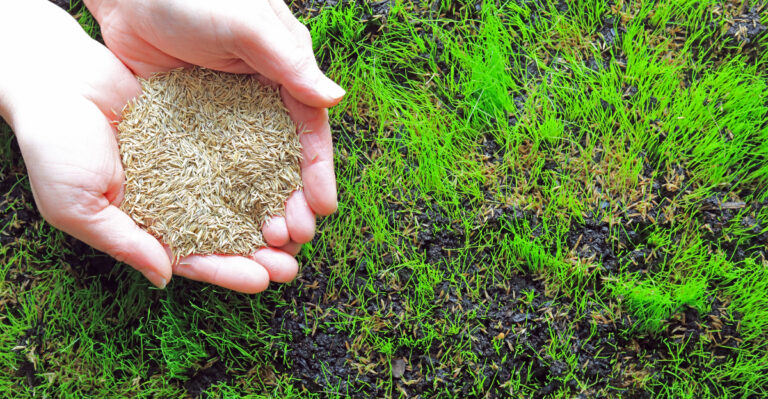
When To Overseed Your Virginia Fescue Lawn In Fall For The Best Spring Results
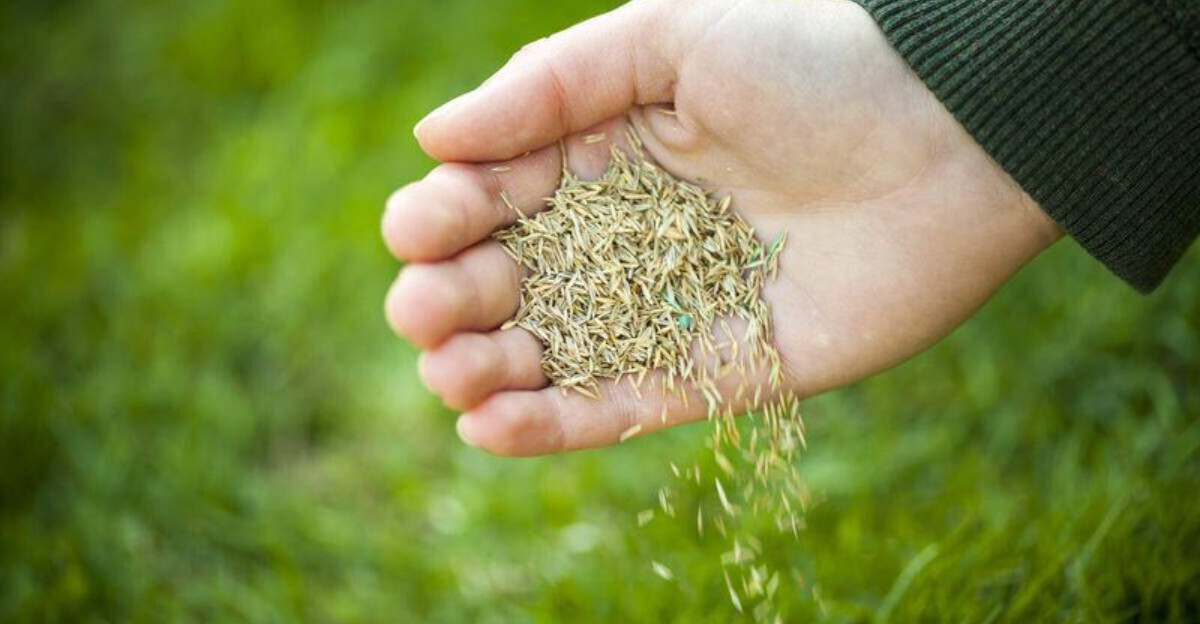
Thin, tired patches across the yard are what summer leaves behind on many Virginia fescue lawns. Heat and drought can roughen up even the toughest turf.
That worn-out look is actually an invitation. Overseeding at the right moment can turn bare spots into a thick, green carpet by spring.
Timing is the secret ingredient, and it matters more than most homeowners realize. Seed too early, and heat bakes the seedlings, but wait too long, and cold weather arrives before roots get a grip.
Extension guidance points to mid-August through mid-September as the sweet spot, with seeding possible into mid-October in a warm fall. Mountain towns and coastal neighborhoods also run on different clocks.
A few simple clues can tell you exactly when to start. Your best spring lawn begins with the choices you make this fall.
Early Fall Is The Sweet Spot
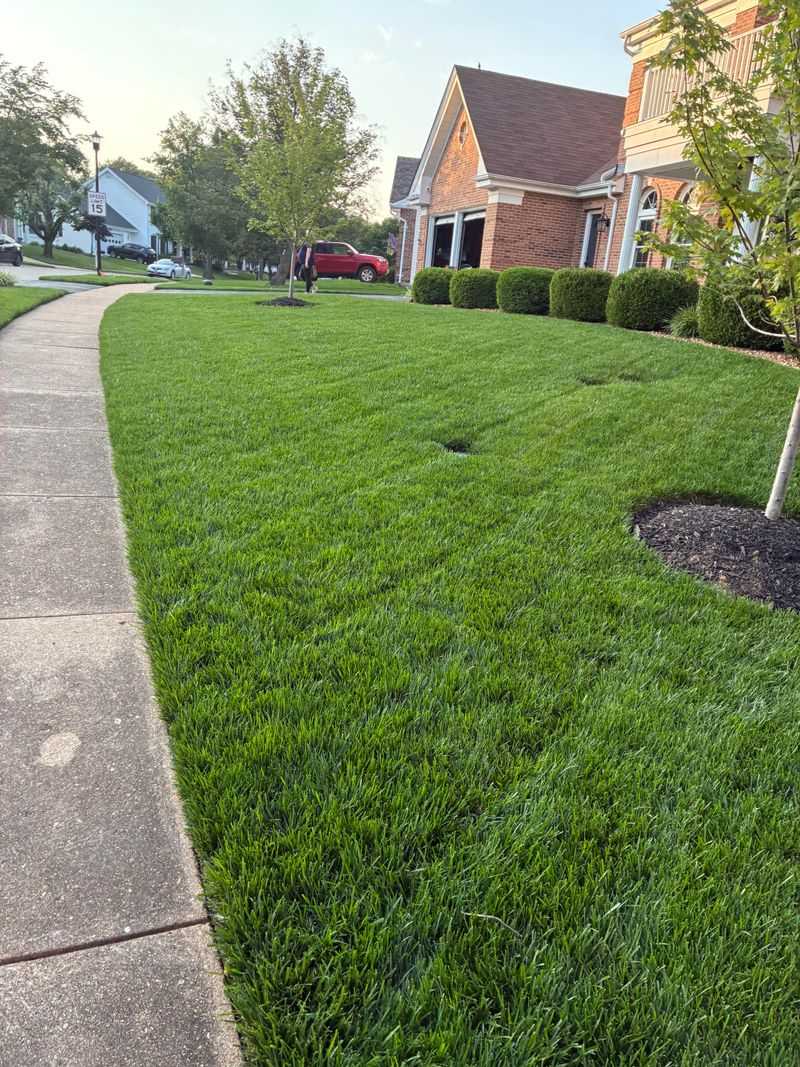
Ask any turf expert in Virginia about fescue timing, and you will hear the same answer. Early fall wins the contest by a wide margin.
Most of the state hits its best seeding window between mid-August and mid-September, with a little wiggle room into October. New grass gets roughly two to three months to build roots before winter.
Roots matter more than blades at this stage. A seedling with a deep root system can handle frost, drought, and foot traffic far better.
Northern Virginia homeowners often aim for the earlier side of the window. Many local pros call the first two weeks of September a real sweet spot there.
Central and southern parts of the state can lean a bit later. Late September through mid-October usually works well for Richmond, Lynchburg, and nearby towns.
Here is a handy trick for planning ahead. Mark your calendar in August so you can buy seed and book an aerator before the rush.
Garden centers and rental shops get busy once September rolls around. Waiting until the last minute can push your project past the ideal dates.
Weather forecasts deserve a quick look too. A stretch of mild days with rain in the forecast makes a great time to spread seed.
Skipping this window is not the end of the world, but results drop off quickly. Seed sown in the sweet spot often fills in thicker and greener by April.
Treat this six-week period like a lawn holiday. Clear your weekends, gather supplies, and give your fescue the fresh start it needs.
Warm Soil And Cool Nights Make Seed Sprout Fast
Think of fescue seed as a picky houseguest. It wants a cozy bed and cool air, and fall delivers both.
Soil holds onto summer warmth long after the air starts cooling. That leftover heat wakes up seeds and pushes them to sprout quickly.
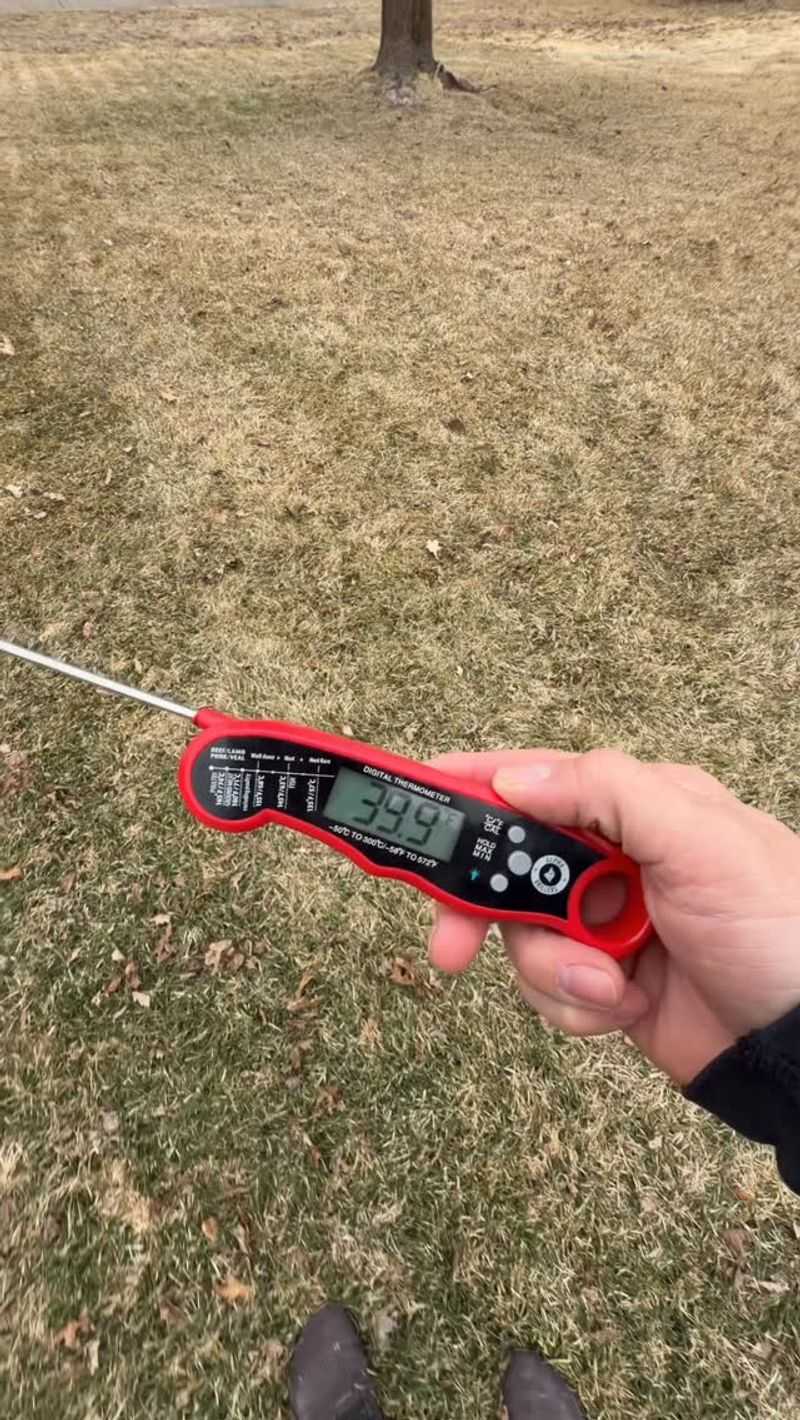
Fescue germinates best when soil sits between 50 and 65 degrees. Some experts aim for 60 to 70 degrees at two inches deep.
Air temperatures in the 60 to 75 degree range are a lovely match. Cooler air lets young grass grow without the stress of summer heat.
Warm days and chilly nights create a perfect rhythm. Seedlings spend their energy on roots instead of struggling to survive hot afternoons.
Your Virginia Garden Changes Every Week. Your Plan Should Too.
Gardening in Virginia changes quickly throughout the season. Every Friday you’ll receive a simple weekly plan showing exactly what to plant, prune, fertilize, harvest, and protect so you never miss the right timing.
A simple soil thermometer costs only a few dollars at most hardware stores. Push it two inches into the ground in the morning for a reliable reading.
Check the temperature for several days in a row. One cool morning can fool you, but a steady trend tells the true story.
Online soil temperature maps can help as well. Many extension services post regional readings that update daily during the growing season.
Seed planted in these conditions often pops up within seven to fourteen days. Seeing those first green threads feels like a small victory.
Fast sprouting also gives weeds less room to sneak in. Your grass claims the ground before unwanted guests can settle there.
Let the thermometer guide you rather than the calendar alone. Nature sometimes runs a little early or late each year.
Mountain Yards Should Finish Earlier
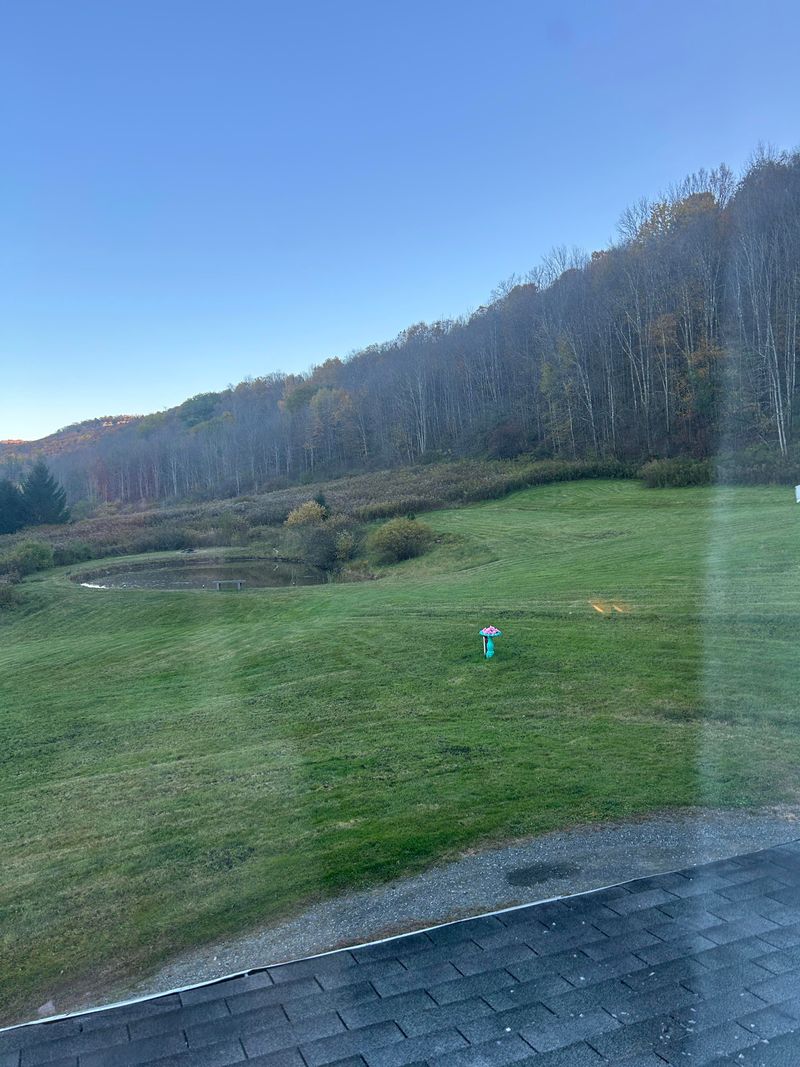
Living up in the Blue Ridge comes with gorgeous views and an earlier fall chill. Your lawn schedule needs to match that cooler climate.
Homes above about 1,200 feet in western Virginia cool down sooner. Frost can show up weeks before it reaches the Piedmont or the coast.
Mountain homeowners should aim to finish overseeding between mid-August and mid-September. Earlier timing gives seedlings enough warm days to root properly.
Towns like Blacksburg, Highland County communities, and parts of the Shenandoah Valley fit this pattern. Elevation matters more than the date on your neighbor’s calendar.
Late August heat can still feel strong in some years. Watch for a break in the hot spell before you spread your seed.
A quick elevation check is easy to do. Many free map apps show your exact height above sea level with a single tap.
Rocky or sloped yards bring extra challenges up high. Raking seed lightly into the soil helps keep it from washing downhill during storms.
Mountain nights cool off fast, which actually helps fescue in early fall. Those crisp evenings encourage strong roots without the stress of humid heat.
Plan your first frost date around local records. Seeding about six to eight weeks before that frost gives grass a solid head start.
Getting your project done a little early pays off by spring. Your hillside lawn will green up thick while late seeders are still waiting.
Coastal Yards Get A Little Extra Time

Down near the ocean, fall seems to stretch out a bit longer. Salty breezes and warm water keep coastal soil cozy well into autumn.
Virginia Beach, Norfolk, and the rest of Hampton Roads enjoy a later window. Many yards can be overseeded from late September through early November.
Large bodies of water release stored heat slowly. That steady warmth keeps soil temperatures friendly for germination longer than inland areas.
Extra time does not mean you should wait until the last day. Seeding in October still gives coastal grass more weeks to root deeply.
Sandy soils near the coast drain fast and dry out quickly. Plan on checking moisture more often than gardeners farther inland.
Adding a thin layer of compost can help sandy ground hold water. Rake about a quarter inch across the lawn before you spread seed.
Coastal storms can bring heavy rain in fall. Try to seed after a big storm passes rather than right before one arrives.
Fescue sometimes struggles in hot coastal summers, so fall planting matters even more here. Strong autumn roots help grass survive July humidity.
Some local pros recommend a slightly heavier seeding rate in Hampton Roads. Thicker turf crowds out weeds and handles beach-town foot traffic better.
Enjoy the bonus weeks, but keep an eye on soil readings. A well-timed coastal seeding can reward you with a lush lawn come spring.
Dormant Seeding Is The Backup After Mid-October
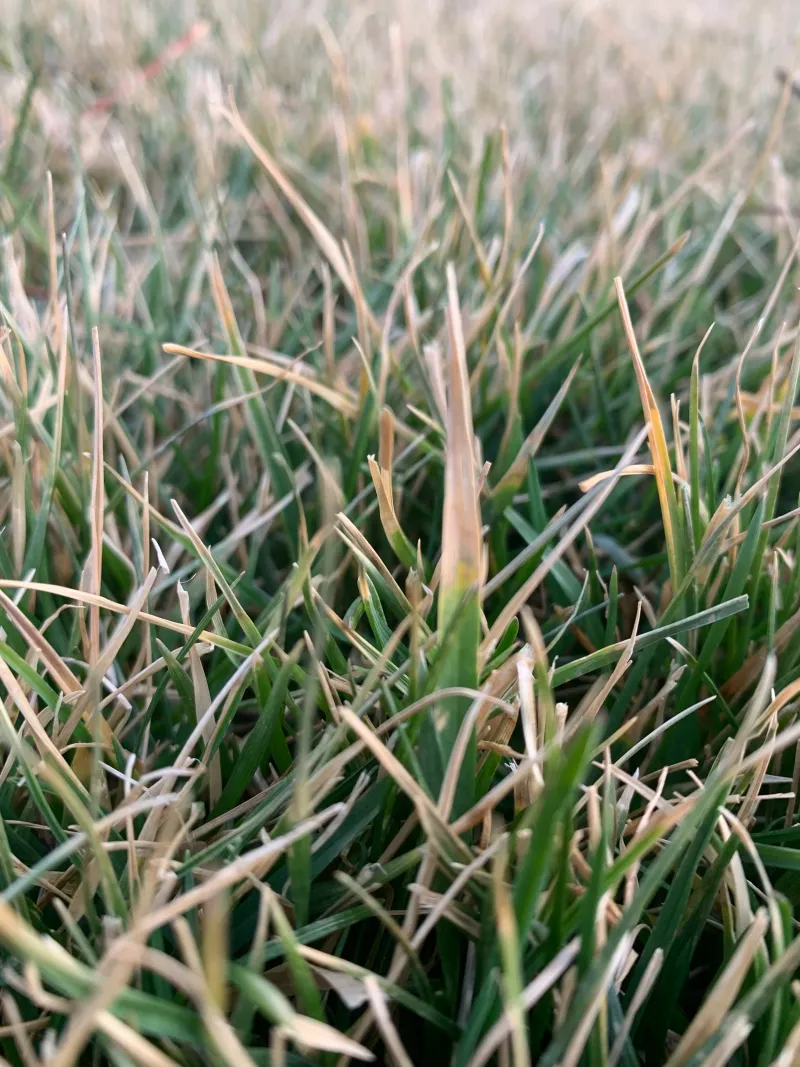
Missed the fall window? Relax, because there is a clever backup plan that many people overlook.
Dormant seeding means spreading seed when soil is too cold for it to sprout. The seed rests quietly through winter and wakes up in early spring.
This window usually runs from around Thanksgiving through March. The ground should be cold enough to keep seed from germinating early.
Here is why that cold matters so much. Seed that sprouts in late fall has little time to root and often fails over winter.
Purdue University research found dormant seeding beats spring seeding in many cases. It ranks only slightly behind classic September sowing.
Freezing and thawing cycles do some helpful work for you. Soil heaves and settles, pulling seeds into better contact with the ground.
Tall fescue handles this method well thanks to its tough nature. Look for a quality turf-type blend with little weed seed listed on the tag.
Spread seed on bare or thin spots after the soil has turned chilly. Avoid seeding on top of thick snow, since melting can wash seed away.
Birds may snack on some of your seed during winter. Slightly heavier coverage on bare patches can make up for small losses.
Come spring, seedlings pop up as soon as the soil warms. That early start helps them grow sturdier before summer heat arrives.
Spring Is The Second-Best Choice
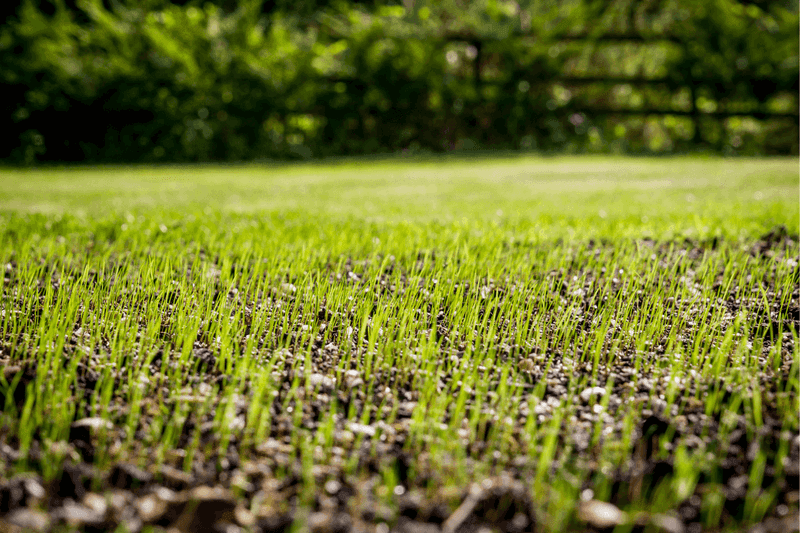
Spring feels like the natural time to plant anything. Flowers bloom, birds sing, and everyone wants to grab a bag of seed.
For fescue, though, spring only earns second place. Seedlings planted in April have just a few weeks before summer heat shows up.
Short roots struggle when July temperatures climb into the nineties. Many spring-seeded lawns thin out badly during their first summer.
Weeds add another headache in spring. Warming soil wakes up crabgrass and other pests that compete hard with tender grass.
Pre-emergent weed control usually helps lawns stay clean in spring. Sadly, those products also stop grass seed from sprouting, so you cannot use both.
Some products like mesotrione can be used at seeding time. Read labels carefully and follow every direction for safe results.
Spring seeding still makes sense for urgent repairs. Bare spots from construction or pet damage may need quick cover to prevent erosion.
Start as early as soil allows, ideally in March or early April. Every extra week helps roots dig in before the heat.
Plan on watering deeply through summer if you go this route. Young spring grass needs more care to pull through tough months.
Treat spring as a patch job rather than your main event. Save the big overseeding project for fall whenever possible.
A Soil Test Comes Before The Seed
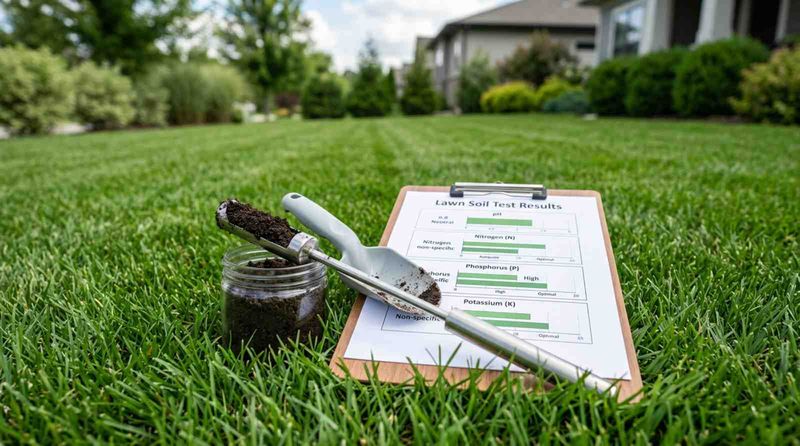
Guessing what your soil needs is like cooking without tasting. A soil test takes the mystery out of lawn care.
Experts suggest testing every three to four years. Results reveal your soil pH plus key nutrients like phosphorus and potassium.
Fescue grows best in slightly acidic to neutral soil. A pH between 6.0 and 7.0 keeps it healthy and green.
Many Virginia soils lean acidic, especially in clay-heavy areas. When results show pH below 5.5, adding lime can bring things back into balance.
Lime works slowly, so testing in late summer gives you a head start. Spreading it before or during overseeding helps prepare the ground.
Fun fact for curious gardeners here. Virginia law limits phosphorus in lawn maintenance fertilizers unless a soil test shows a real need.
Phosphorus can wash into streams and harm the Chesapeake Bay. Testing protects your lawn and local waterways at the same time.
Collecting samples is easier than it sounds. Take small scoops from several spots, about three inches deep, and mix them together.
Virginia Tech offers affordable testing through local extension offices. Results usually arrive within a couple of weeks with clear advice.
Matching fertilizer and lime to real data saves money too. You stop buying products your lawn does not actually need.
Seed spread on balanced soil roots faster and stays stronger. That simple test sets the stage for a thick spring lawn.
Mowing Low And Core Aerating Help Seed Reach The Soil
Seed sitting on top of thick grass is like a letter stuck in a mail slot. It never quite reaches its destination.
Good seed-to-soil contact makes all the difference. Two simple prep steps can open the door for your new fescue.
Start by mowing your existing lawn down to about two to two and a half inches. Shorter grass lets more sunlight reach the ground where seeds sprout.
Bag the clippings after that final low mow. Leftover clippings can form a mat that blocks seed from touching soil.
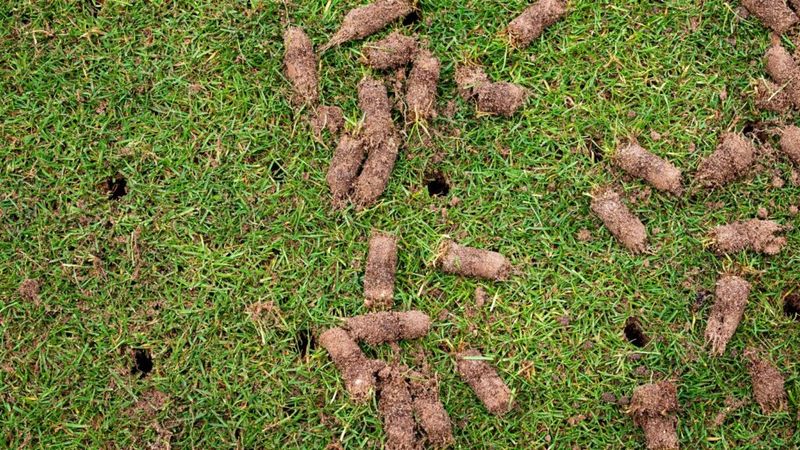
Core aeration comes next, and it works wonders. A machine pulls small plugs of soil, easing compaction from summer foot traffic.
Those little holes let air, water, and nutrients travel down to roots. They also make cozy pockets where seed can settle and sprout.
Many lawns in the state sit on heavy clay that packs down tightly. Aerating before seeding helps break up that stubborn layer.
Leave the soil plugs on the lawn rather than raking them away. They break down within a couple of weeks and add nutrients back.
Thick thatch may need extra attention too. Dethatching removes the spongy layer of old stems that can trap seed above the soil.
Renting an aerator with a neighbor can cut costs nicely. Split the day and both lawns get a fresh start.
Half The New-Lawn Rate Is Enough For Overseeding
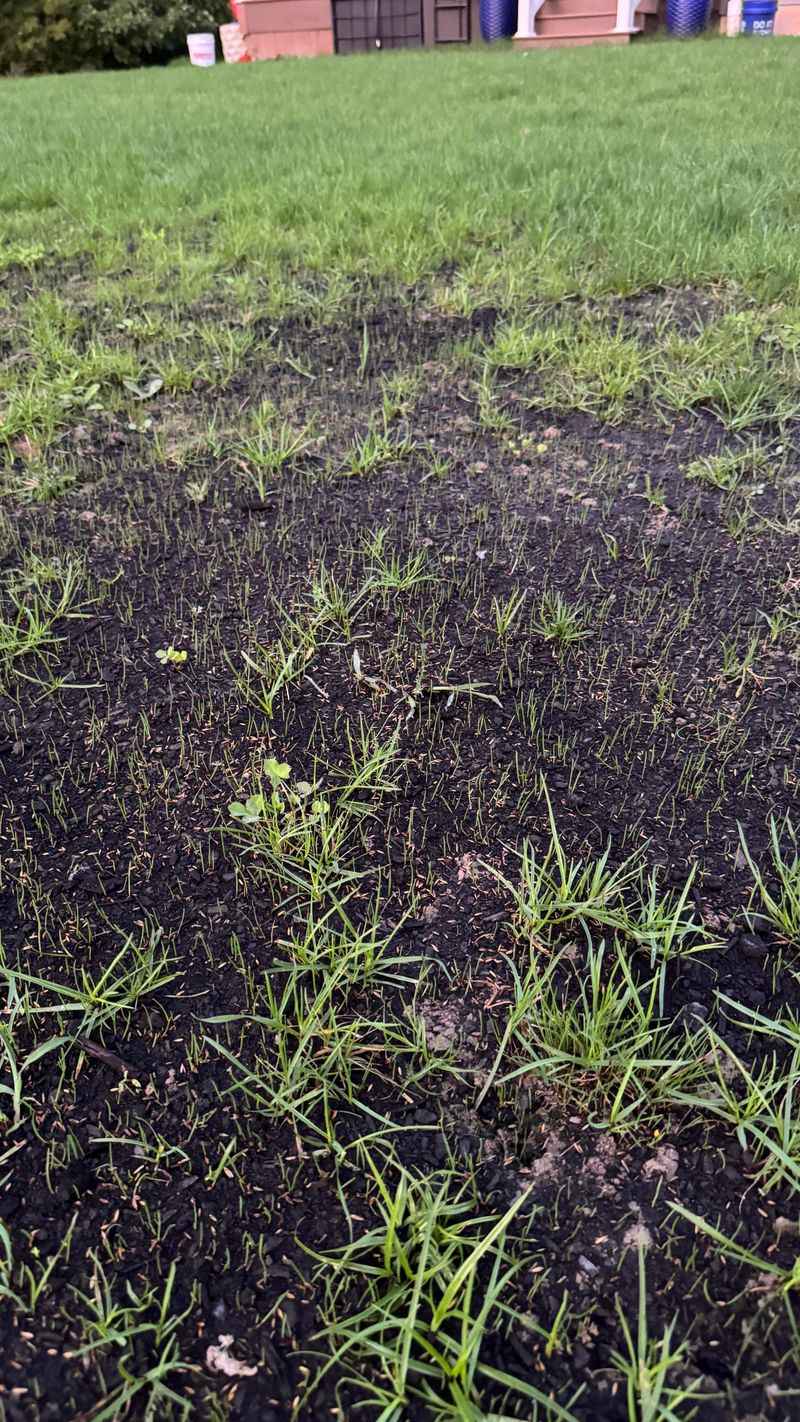
More seed must mean a thicker lawn, right? Not quite, and too much seed can actually cause trouble.
Crowded seedlings fight over water, light, and nutrients. Overcrowding can lead to weak grass and a higher risk of disease.
For overseeding, most experts suggest three to four pounds of turf-type tall fescue per 1,000 square feet. Some sources go a bit higher, up to six pounds.
Compare that with a brand new lawn on bare soil. New lawns usually need eight to ten pounds per 1,000 square feet.
Your existing grass already covers plenty of ground. You are simply filling gaps and adding fresh, healthy plants to the mix.
Hampton Roads lawns may benefit from about six pounds for extra density. Thicker turf near the coast helps fight off summer weeds.
Measuring your yard first prevents wasted money. Multiply length by width for each section, then add the totals together.
Split your seed into two equal batches for even coverage. Spread one batch north to south and the other east to west.
Check the seed bag label for a quality blend. Look for low weed content and a high germination percentage.
Calibrating your spreader takes just a few minutes. Most bags list recommended settings for popular spreader brands.
Getting the rate right saves money and grows healthier grass. Your spring lawn will look full without crowding itself out.
Steady Moisture Keeps Seedlings Alive
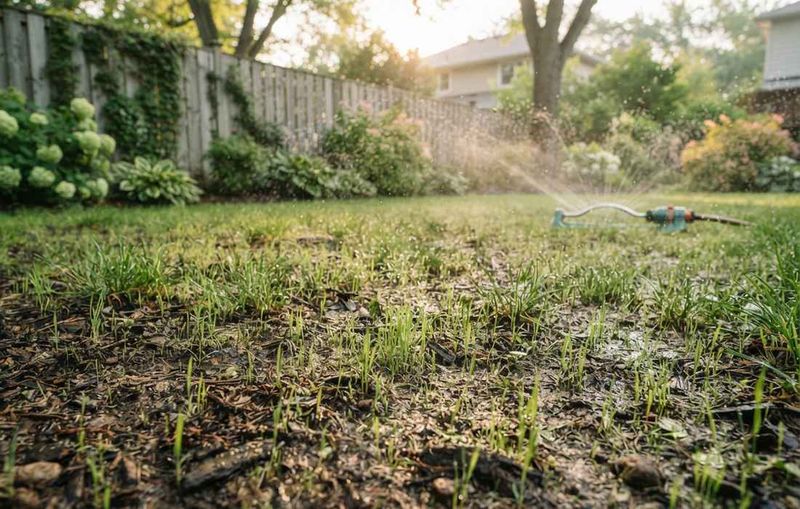
Tiny grass seeds are thirsty little things. Let them dry out for even one hot afternoon, and they may give up.
Right after spreading seed, give the whole lawn a light watering. Gentle moisture helps settle seed snugly into the soil.
For the first one to two weeks, water lightly once or twice a day. Aim to keep the top inch of soil damp like a wrung-out sponge.
Avoid soaking the ground until puddles form. Too much water can wash seed away or cause it to rot.
Morning watering works best for most yards. Grass blades dry during the day, which lowers the chance of fungus problems.
Once seedlings reach about an inch tall, change your routine. Water less often but give more each time to push roots deeper.
By the time new grass needs its first mow, a few deep soakings a week usually work. Let nature help whenever fall rains roll through.
An inexpensive timer on your hose spigot can save the day. Busy schedules will not leave your seedlings stranded and dry.
Keep kids, pets, and heavy feet off the new grass for a few weeks. Tender seedlings bruise easily until roots take hold.
Steady care this fall pays off in a big way. Well-watered seedlings turn into thick, green lawns by the following spring.