Arizona Brown Spiders and Garage Boxes: What Is Possible and What Is Proven
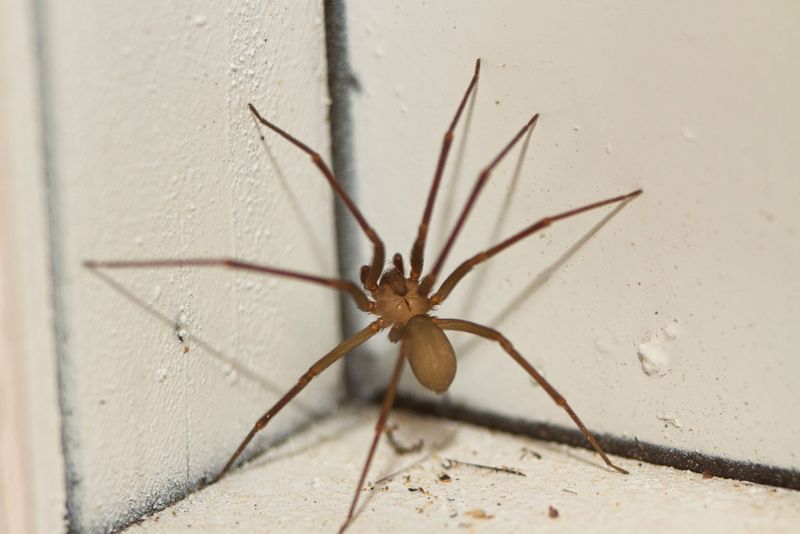
Arizona has its own native recluse spiders, and they are not the same as the famous brown recluse. Many people hear one name and picture a spider lurking behind every garage box.
The truth is more interesting and a lot less scary. Here is what is known, what is not, and what to do about it.
Arizona’s Recluse Spiders Are Not the Brown Recluse
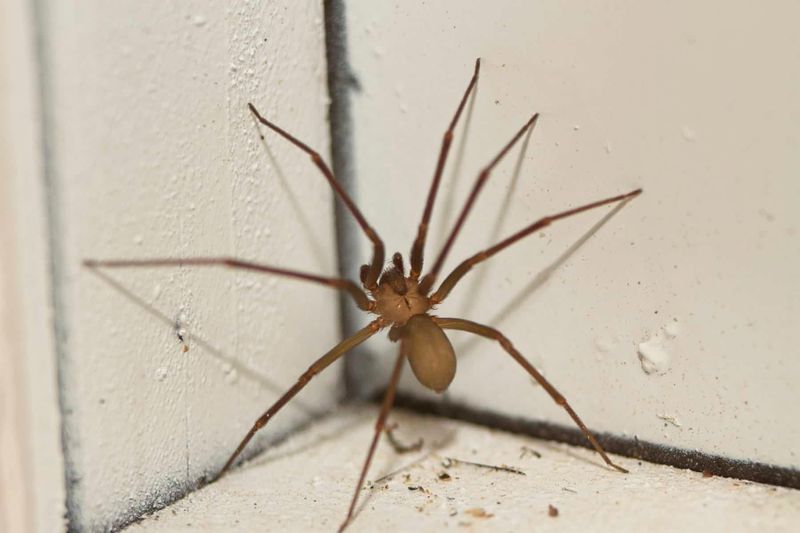
Names get tangled fast with these spiders. “Arizona brown spider” is the name used for Loxosceles arizonica, also called the Arizona recluse. Arizona has a second native relative too, the desert recluse (L. deserta), and both are described in University of Arizona Extension material on venomous spiders.
The true brown recluse, L. reclusa, is a different species and not a normal Arizona resident. A single one could hitch a ride into the state, so never say never.
Still, regional records, such as those in a New Mexico State University spider listing, show how rare that is.
Plenty of other spiders are brown, so color alone tells you very little. “Arizona brown spider” is not a catchall label for every brown spider or every recluse.
Desert Shelter Does Not Prove a Garage Habit
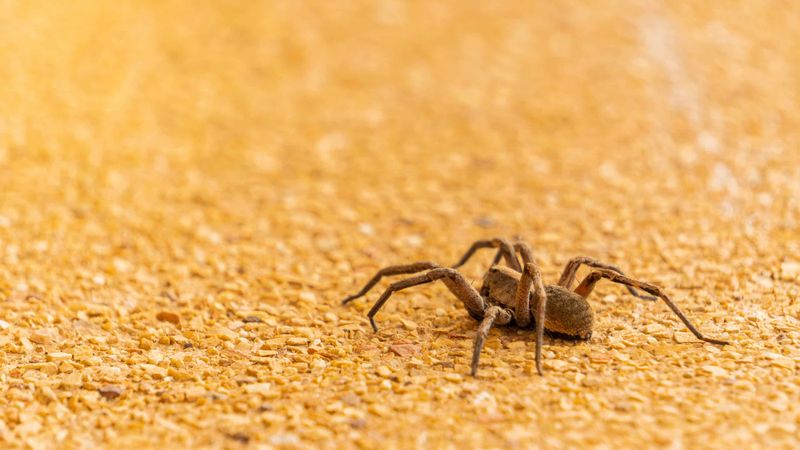
Arizona recluse spiders are usually linked with protected desert spots. Think of the space under wood or dead cactus debris.
University of Arizona Extension describes that kind of habitat, and a regional record from New Mexico State University lists the Arizona recluse under rocks, debris, and fallen cacti.
Spiders can reach homes in boxes or other stored materials, and a garage box is a plausible shelter for spiders in general. That is a different claim from saying Arizona recluse spiders commonly hide behind garage boxes.
The research does not show that habit.
There is a published review on cardboard hiding sites for brown recluse spiders. That work is about the brown recluse, so it should not be applied to Arizona species as if it proved their behavior.
A Violin Mark Cannot Confirm the ID
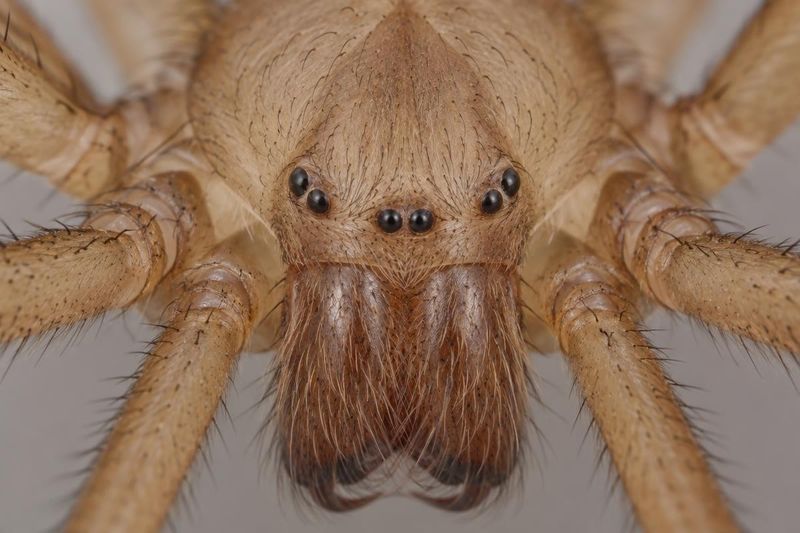
The Arizona recluse is tan to brown with a darker, violin-like marking, according to University of Arizona Extension. It also has six eyes in three pairs.
That eye pattern is the more useful clue.
Color and the violin mark are shaky. University of California IPM guidance explains that the mark varies among species and is easy to misread.
Many harmless spiders are brown, and some show marks that look a bit like a violin.
Eyes are tiny, so a close look or an expert may be needed. Do not pick the spider up to check.
A clear photo from a safe distance is a better start.
Make Stored Materials Safer to Check
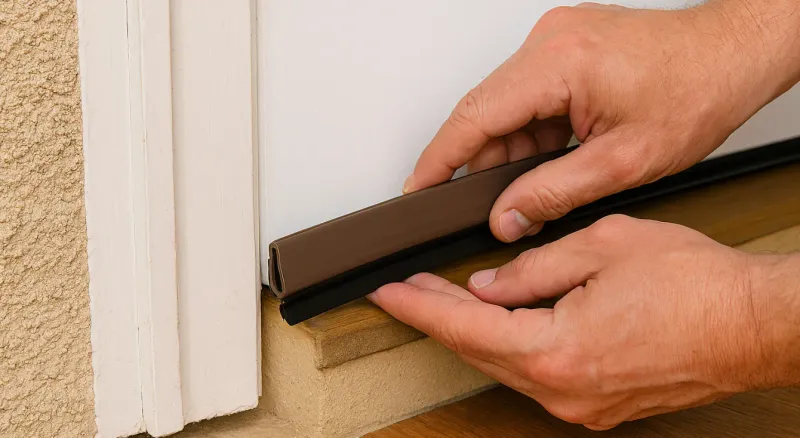
You do not need to fear every box. A few habits cut down on spiders of all kinds.
University of Arizona Extension advises weather-stripping doors, repairing screens, and caulking gaps.
It also suggests managing insect prey around buildings, since fewer insects means fewer reasons for spiders to hang around. This is general prevention, not a sign that any particular box holds a recluse.
When you handle firewood or work in places where spiders could be present, wear gloves and long sleeves. If you want a spider identified, take a photo or safely contain it without touching it.
Never grab it bare-handed.
A Suspected Bite Needs Caution, Not Guesswork

A spider you saw and had identified is one thing. A sore you simply assume is a spider bite is another.
University of Arizona Extension notes that other insect bites, irritants, and health conditions can look like spider bites, so appearance alone cannot settle it.
If you suspect a brown spider bite, the Arizona Poison and Drug Information Center advises calling 1-800-222-1222.
Separate guidance from the 2024 AHA and Red Cross first aid guidelines says to seek medical care for severe or spreading pain, an open wound, or whole-body symptoms. Call emergency services for difficulty breathing, muscle rigidity, dizziness, or confusion.
Most suspected bites will not turn out to be serious.
Keep the Garage Question in Perspective
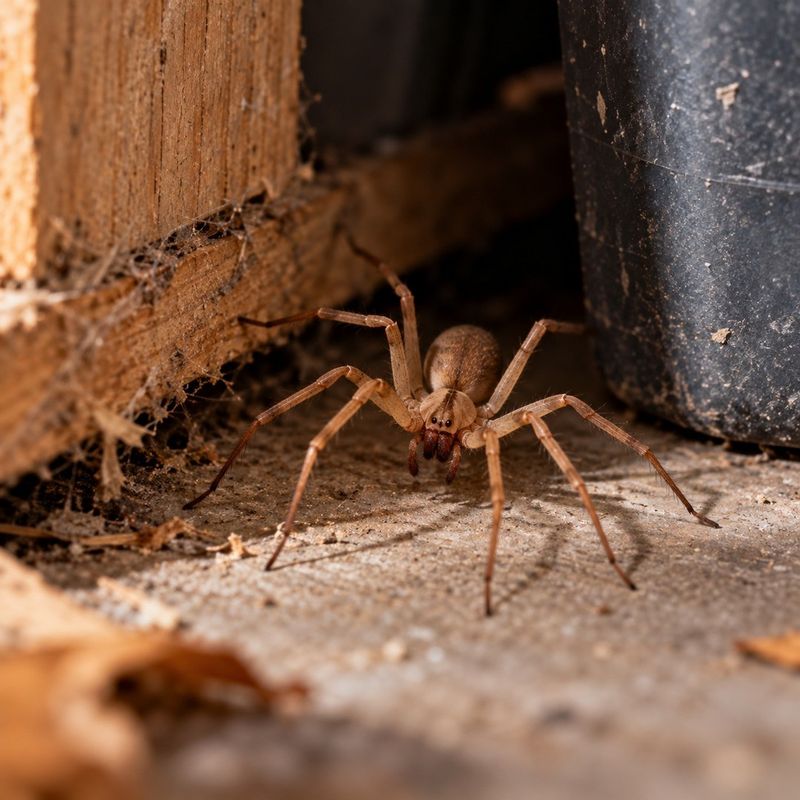
So, are Arizona brown spiders hiding behind your garage boxes? Boxes and stored materials can sometimes bring spiders indoors, as University of Arizona Extension notes.
Current evidence does not make them a routine hiding place for Arizona recluse spiders, whose usual homes are protected desert sites.
Look closely before you label a spider, seal the gaps, and call the poison line about a suspected bite. A tidy garage beats a scary headline every time.