8 Winter Birds That Show Up in Arizona Yards Once You Plant the Right Shrubs
A tiny bird weighing less than two nickels can flick its wings nonstop through a desert morning hunting for bugs. I spotted one doing laps through my jojoba last winter, and it stayed around for nearly three months.
Every fall, Arizona welcomes waves of northern birds escaping snow, and many of them hunt for dense shrubs first. Feeders help a little, but shelter and berry-rich branches matter far more to these tired travelers.
I have to admit, my yard sat pretty quiet until I swapped thirsty lawn edges for tough native plants. You might notice the same shift once your garden offers food and cover through the cool months.
October is prime planting time across low desert Arizona, so roots grow before most winter visitors settle in. Which feathered guests will claim your shrubs first, and which one will surprise you the most?
1. White-Crowned Sparrow
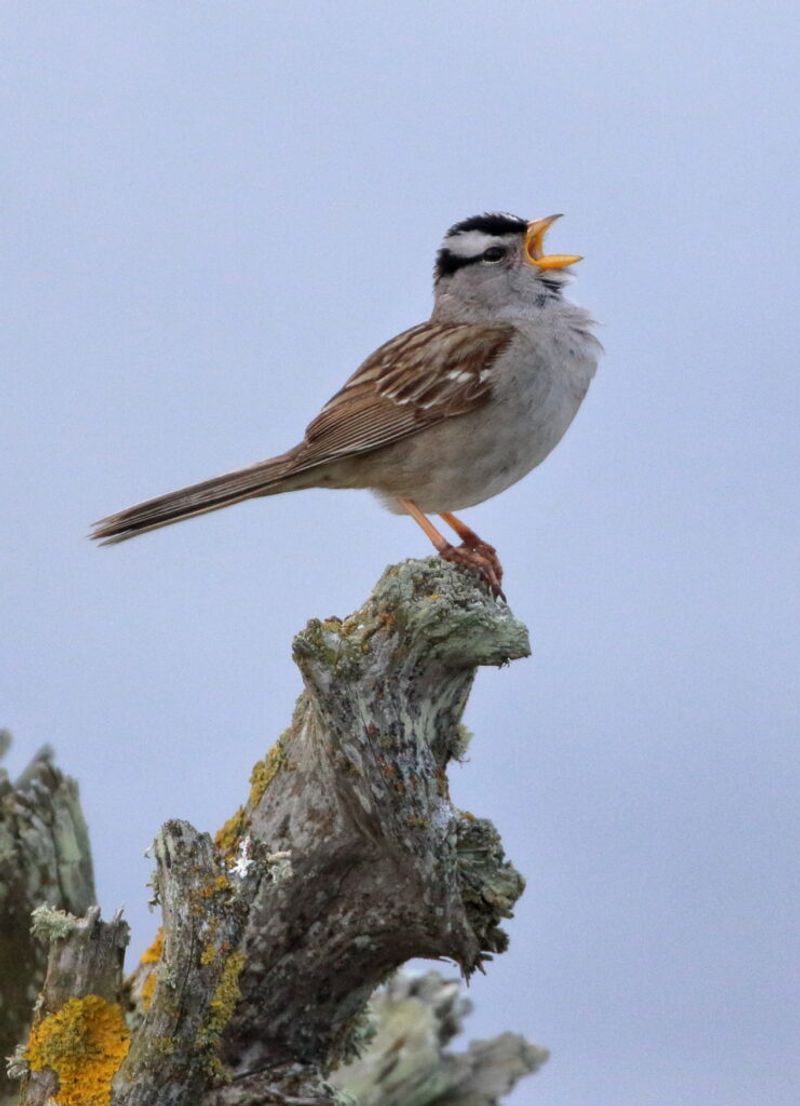
Those bold black and white head stripes look like a tiny referee uniform, and they show up by the dozens each fall. White-crowned Sparrows breed far north, then spend the cooler months scratching for seeds across desert neighborhoods.
I love how a flock moves together, hopping out from cover to grab seeds, then dashing back when a hawk passes. You need that escape route, because open gravel yards feel risky to small ground feeders.
Dense native shrubs like quailbush and desert hackberry give them a safe hideout right next to the buffet. Quailbush, also called big saltbush, handles heat and poor soil while growing into a thick, rounded screen.
Pair those shrubs with seed producers such as brittlebush and globemallow, and let some flower heads stay on through fall. The sparrows will happily clean up those seeds, along with plenty of tiny weed seeds you did not plant.
October is a smart time to plant, since cooler soil helps roots establish with far less water than summer planting. Most arrivals start showing up this month, so new shrubs will offer shelter by midwinter.
Personally, I keep a small brush pile near the shrubs, and the sparrows treat it like their favorite waiting room. It costs nothing, and it gives them one more layer of cover from prowling cats and hawks.
2. Yellow-Rumped Warbler
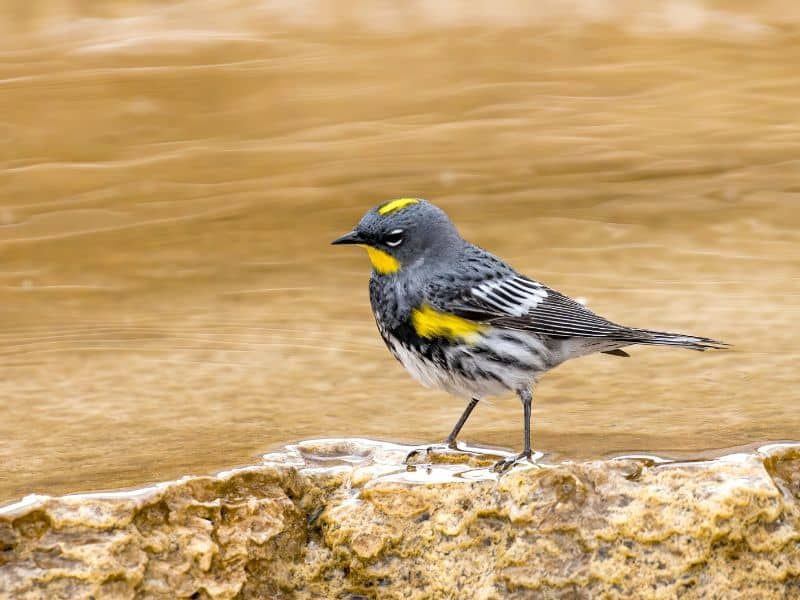
Birders lovingly call this one a butter-butt, thanks to the bright yellow patch flashing above its tail as it flies. It ranks among the most common winter warblers in desert towns, so your odds of hosting one are excellent.
What surprises me most is its flexible diet, since it can digest waxy berries that many other warblers struggle to use. When insects grow scarce during cold snaps, that ability keeps it going through the leaner weeks.
Desert hackberry is a top pick here, producing small orange berries that can hang on into early winter. Native wolfberry, a Lycium species, also offers red fruits and attracts plenty of bugs worth chasing.
You might notice these warblers fluttering out from a branch to snap up gnats midair, almost like tiny flycatchers. They also hop through citrus and mesquite, checking leaves and bark crevices for small insects and spiders.
Skip broad pesticide sprays on your shrubs, since those insects are the main meal for much of the winter season. A few chewed leaves are a small price for a steady parade of cheerful, chipping warblers.
Shallow water helps too, and a simple dish refreshed every few days often draws them in during dry stretches. I set mine near a hackberry, and the warblers stop by for quick sips most afternoons.
3. Ruby-Crowned Kinglet
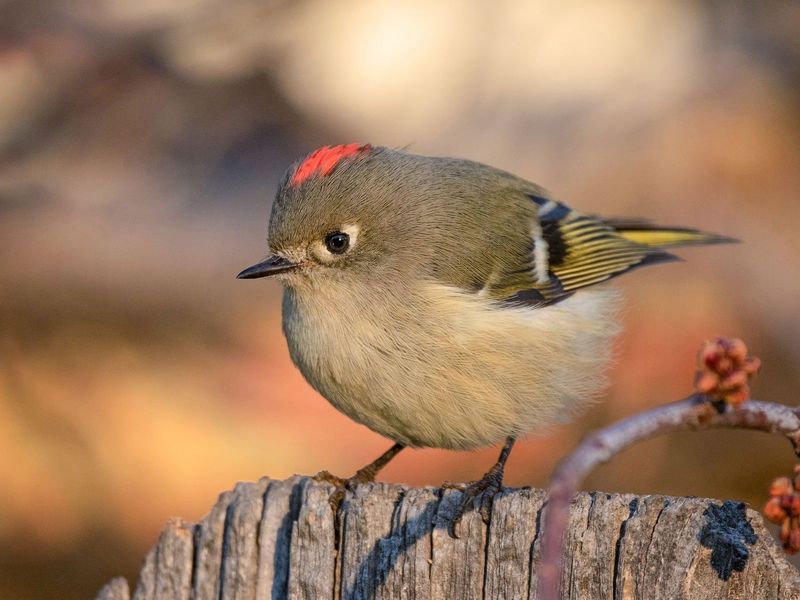
Nervous energy defines this little olive bird, which flicks its wings constantly while it hunts through shrub leaves. The ruby crown stays hidden most days, flashing red only when a male gets excited or annoyed.
Ruby-crowned Kinglets weigh roughly as much as two nickels, so chilly nights demand a steady supply of food. They spend nearly every daylight minute gleaning aphids and tiny spiders from foliage and slender twigs.
Evergreen shrubs matter most for kinglets, because leafy branches hold insects even after other plants go bare. Jojoba is my favorite choice, with tough gray-green leaves that stay put through winter and handle serious heat.
Arizona rosewood is another excellent native evergreen, forming a dense screen that shelters insects and birds alike. Both shrubs need little water once established, which matters a lot in a dry desert yard.
I can’t imagine a better pest patrol, since one kinglet can work over a shrub inch by inch in minutes. You might hear a scolding chatter first, then spot the restless bird bouncing between twigs.
Plant during October so roots build strength before warm weather returns next spring and summer. Water deeply but infrequently during the first year, then ease off gradually as the shrubs settle in.
4. Cedar Waxwing
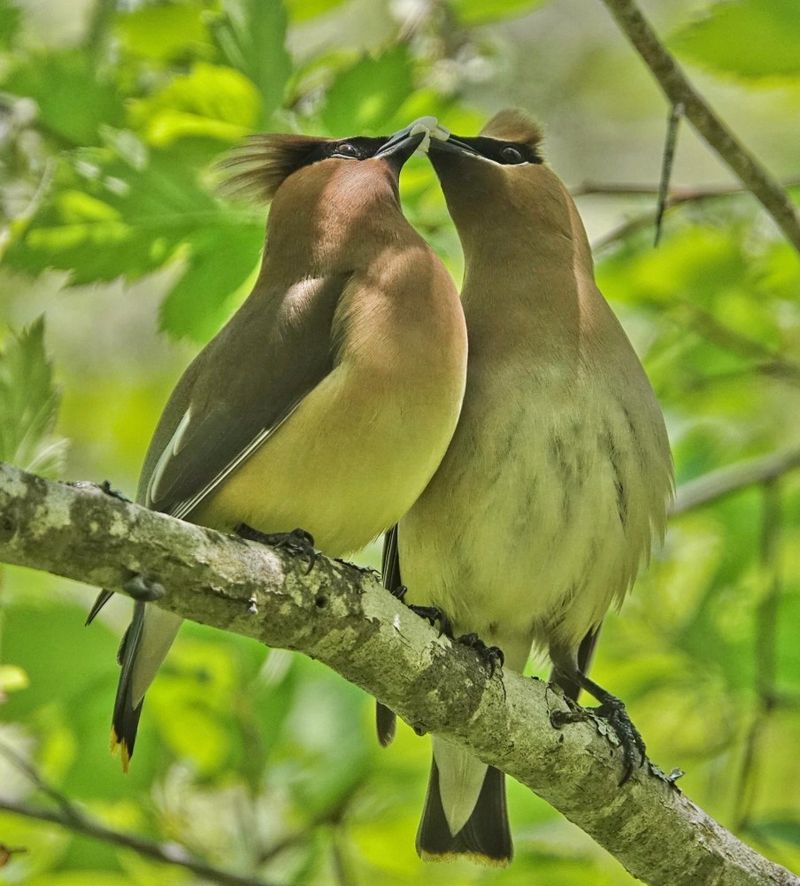
Few birds look this polished, with silky tan feathers, a black mask, and waxy red tips on certain wing feathers. Cedar Waxwings travel in chatty flocks, and they can strip a fruiting shrub in one enthusiastic afternoon.
Their arrival is wonderfully unpredictable, because flocks wander wherever fruit is plentiful rather than holding territories. One winter you may see none, then forty birds land at once and whistle thin, high notes.
Berries are the main draw, so fruiting natives give you the best shot at a visit from them. Desert hackberry works well in low desert yards, and its fruit often lingers into early winter.
In higher elevation towns, one-seed juniper offers bluish berries that waxwings eagerly gobble during the cold months. Personally, I skip pyracantha despite its waxwing reputation, since it can spread aggressively in some areas.
Native options feed local insects too, which gives you more value from every shrub you plant this fall. They also handle heat and drought far better than many thirsty ornamental berry bushes sold at big stores.
Waxwings love water, often lining up at birdbaths after a big berry feast in the afternoon. Keep a basin full and clean, and you may catch a whole row of masked faces sipping together.
5. Phainopepla
Glossy black feathers and a ragged crest make male Phainopeplas look like tiny cardinals dressed for a formal evening. Bright red eyes finish the dramatic look, while females wear softer gray with the same pointed crest.
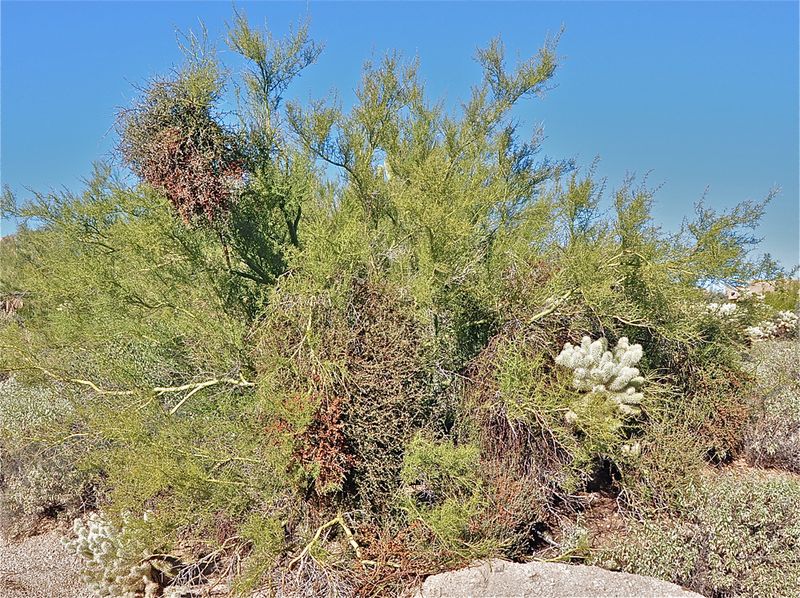
These silky flycatchers spend fall and winter in the Sonoran Desert, where desert mistletoe berries make up much of their diet. One bird eats a huge number of berries daily, then spreads the sticky seeds onto nearby trees.
Mistletoe grows on mesquite and palo verde rather than in nurseries, so you cannot simply buy and plant it. I believe leaving some mistletoe on a big, healthy mesquite is a fair trade for hosting these birds.
Shrubs still help a lot, because Phainopeplas also eat fruit from desert hackberry and native wolfberry. Those thorny natives give them handy perches for sallying after insects on warmer winter afternoons.
You might notice a male guarding a single mistletoe clump fiercely, chasing off other birds that come too close. His soft, low whistled call often gives him away before you spot that shiny black coat.
Watching one flash white wing patches in flight feels like a small desert magic trick every time it happens. Planting those berry shrubs this October gives you a better chance of enjoying that show.
6. Green-Tailed Towhee
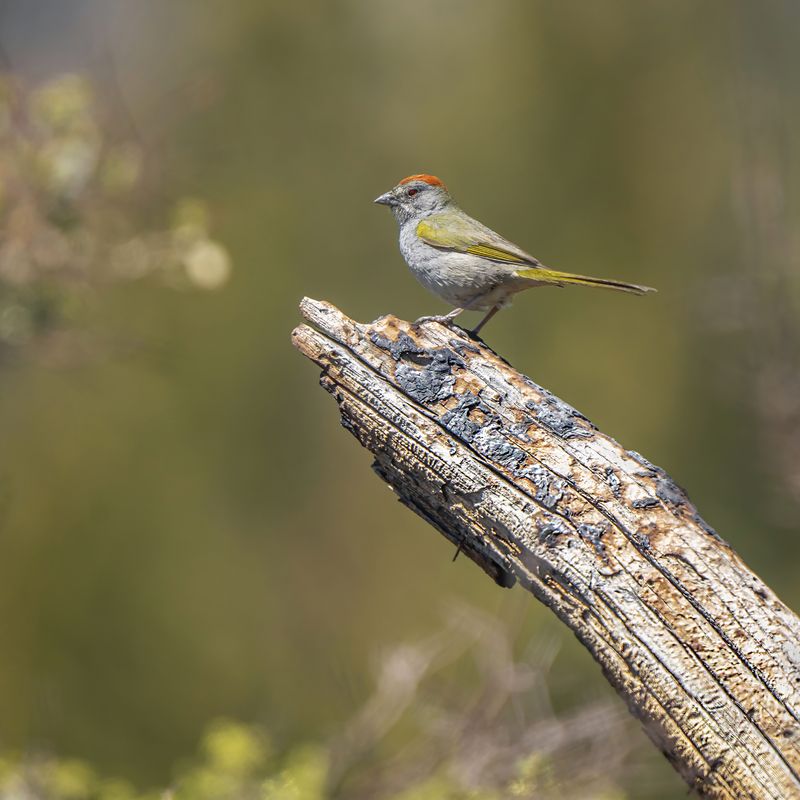
Rustling under shrubs often sounds like a big animal, but it may be a sparrow-sized bird kicking leaves backward. Green-tailed Towhees use a quick two-footed hop to scratch through litter for seeds and insects.
Look for a rusty cap and a bright white throat, set against an olive back that blends into foliage. These shy birds winter mainly in southern parts of the state, especially around Tucson and lower desert washes.
Leaf litter is the secret ingredient here, so resist the urge to rake every fallen leaf from beneath shrubs. I leave a soft layer under my quailbush, and the towhees treat it like a well-stocked pantry.
Dense, low branching shrubs work best, because these birds rarely wander far from protective cover. Quailbush and native wolfberry create thick tangles near the ground where towhees feel safe and relaxed.
A few native bunchgrasses nearby, such as bush muhly, add seeds and extra hiding spots for them. Bush muhly also turns a lovely pinkish haze in fall, which makes the yard look softer and wilder.
You need patience with this species, since it often freezes and hides when people walk past the shrubs. Watch quietly from a window, and that scratching sound will lead you right to the busy bird.
7. Hermit Thrush
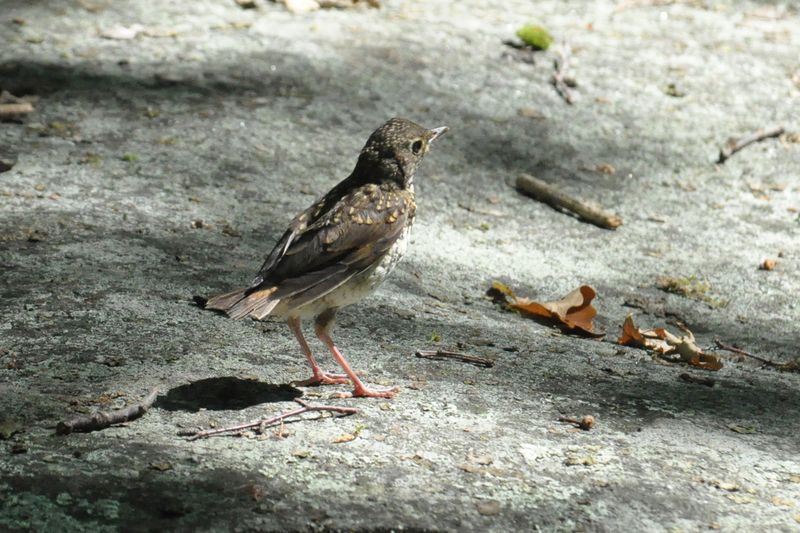
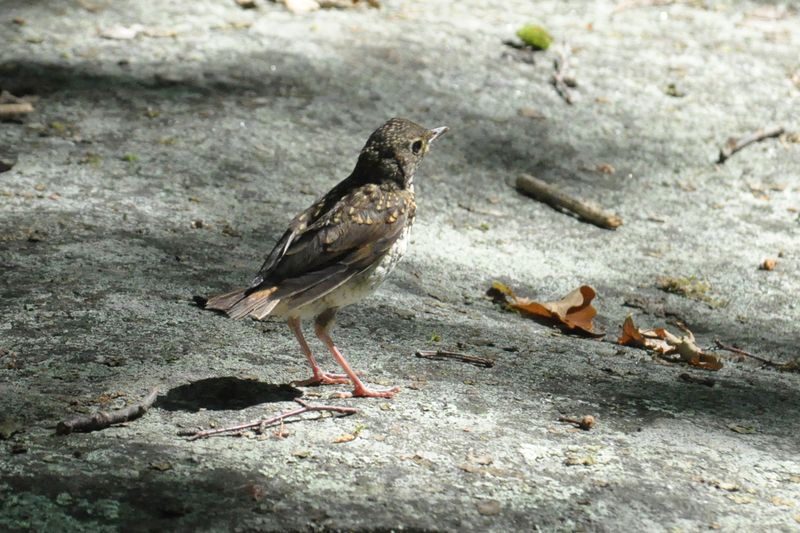
A soft chuck note from deep inside a shrub is often the only clue that a Hermit Thrush moved in. Its spotted chest and reddish tail make it look like a smaller, shyer cousin of the robin.
These thrushes leave higher forests and spread into lowland yards, washes, and parks during the colder months. They prefer shady, sheltered spots, so a dense planting near a wall or tree suits them nicely.
Hermit Thrushes forage on the ground, flipping leaves for insects, then switch to berries when bugs grow scarce. Desert hackberry offers small fruits that can last into early winter, which helps during lean stretches.
Evergreen Arizona rosewood provides the cool shade they crave, along with dense branches for quick escapes. I like how a thrush stands still for long moments, then flicks its tail up and slowly lowers it.
That quirky tail motion helps you identify one quickly, even in dim morning light under the shrubs. Leaving some leaf litter beneath your plantings also keeps their favorite insect snacks close at hand.
Keep a shallow birdbath near ground level, since thrushes feel uneasy drinking from tall, exposed pedestals. Adding a flat rock in the water gives them steady footing and a safer place to sip.
8. Dark-Eyed Junco
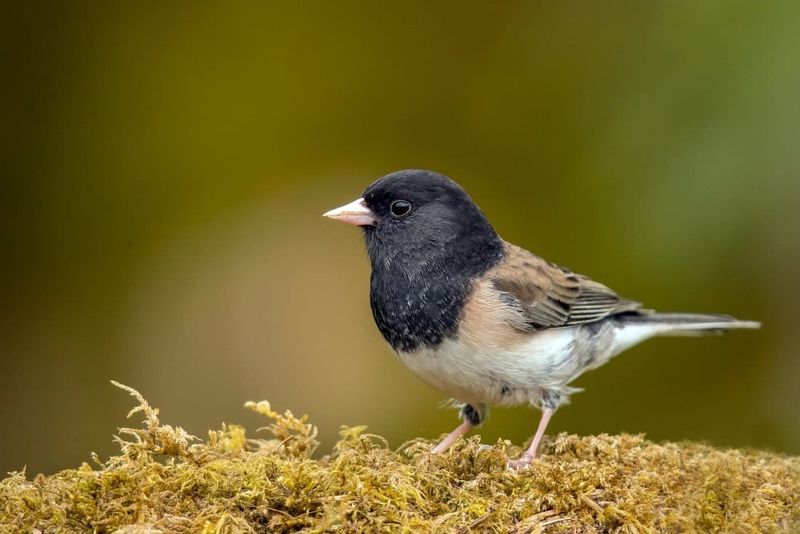
Folks in colder places call juncos snowbirds, which feels funny when they show up in sunny desert neighborhoods instead. Several forms winter here, including the pink-sided Oregon junco and the gray-headed type with a rusty back.
White outer tail feathers flash whenever they flush, making them easy to spot as they zip between shrubs. They eat mostly seeds in winter, picking them from the ground beneath plants rather than from tall stems.
Juncos are most common in mid elevation towns, though they also reach low desert yards some winters. Sprinkling millet under shrubs can help, but native seed plants offer a more natural and lasting buffet.
Let brittlebush and desert marigold go to seed rather than trimming off every faded bloom this fall. I believe those messy seedheads look charming, especially when a flock of juncos is busy picking them clean.
Low shrubs such as quailbush give juncos a quick retreat when hawks cruise low overhead. Plant them in loose groups instead of single rows, which creates more edges where ground feeders like to forage.
You’re in for a treat on frosty mornings, when juncos puff up into round gray balls beneath the branches. That cozy sight alone makes every hour of October digging and watering feel well worth the effort.