Poisonous Plants Pennsylvania Residents Should Know About Before Winter
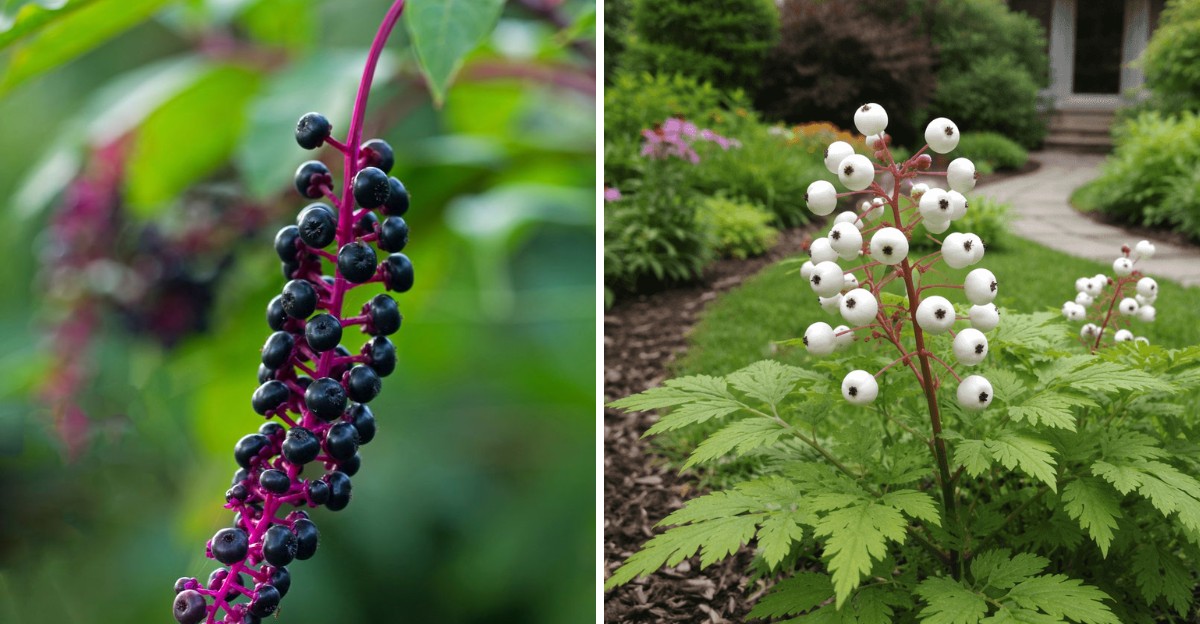
A woodland berry in Pennsylvania looks so much like a staring doll eye that hikers often stop cold. Another backyard shrub stays green all winter, yet its needles hold enough toxin to sicken a horse.
Cold weather fools many of us into thinking the garden has gone quiet and harmless until early spring. To my surprise, some irritating plant oils stay active on bare winter vines and old gloves for years.
I used to yank leafless stems during fall cleanup without a second thought or a pair of gloves. Nobody warned me that a tidy yard chore could end with itchy blisters and a pharmacy trip.
Kids and dogs share Pennsylvania backyards and trails with these plants as the leaves drop each autumn. Here are the plants that deserve a careful second look before the first snow arrives this year.
1. Poison Ivy
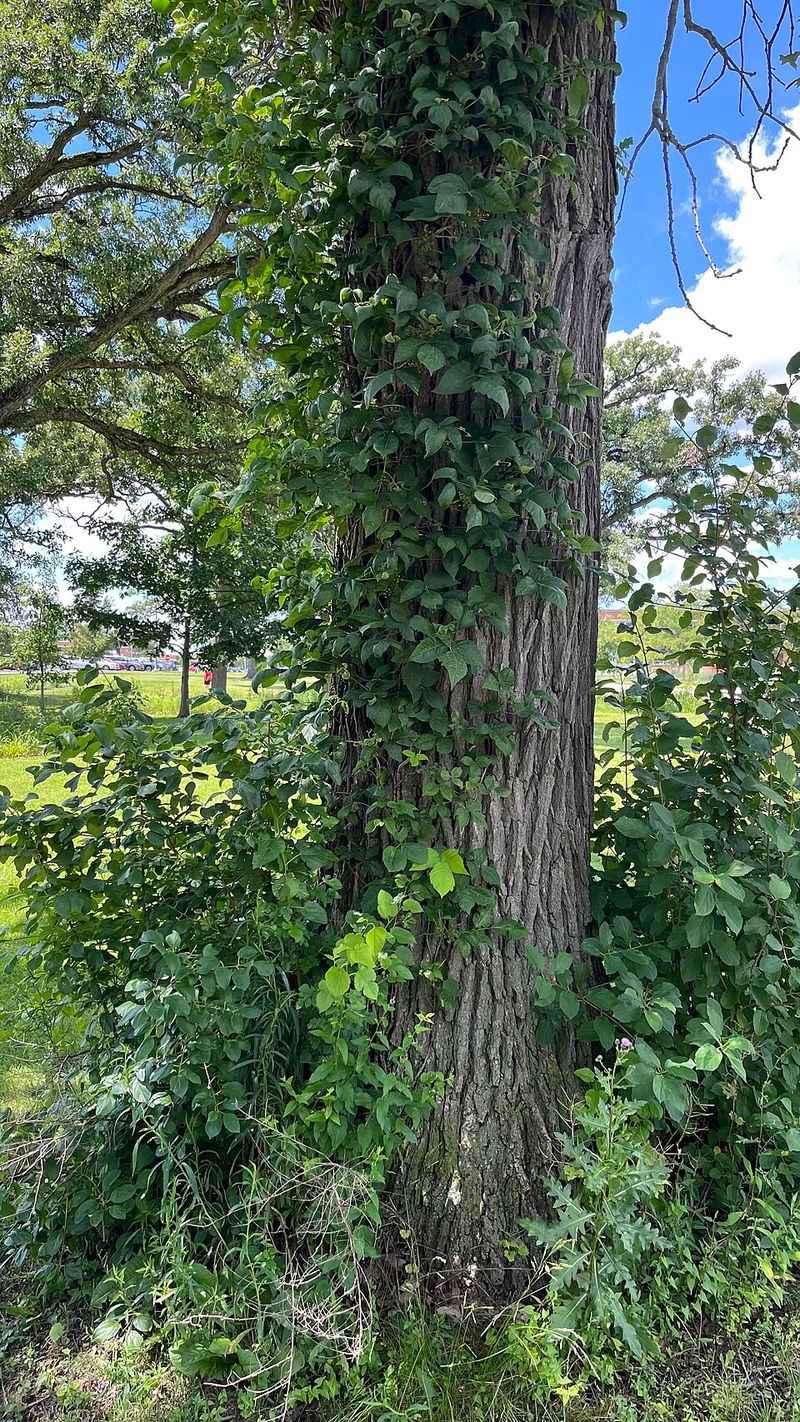
Bare, hairy ropes climbing an old oak look harmless in November, yet they carry itchy summer oil. Poison ivy, known to botanists as Toxicodendron radicans, keeps its urushiol in stems and roots through winter.
I have to admit, those fuzzy vines fooled me for years during late fall brush cleanup. The tiny aerial roots make the vine look like a shaggy caterpillar hugging tree bark or fence posts.
Leaves grow in groups of three, and they often turn bright red or orange before dropping in autumn. Small grayish white berries hang in loose clusters, and many birds happily eat them through colder months.
Those hungry birds spread seeds along fence rows, which explains why new vines pop up in odd places. You might notice young plants sprouting beneath bird feeders or along a favorite perching wire next spring.
Urushiol clings to garden tools and pet fur, then causes a rash long after the first contact. Extension experts warn the oil can stay active on surfaces and old, brittle plant material for years.
Please skip burning brush piles containing these vines, since the smoke can carry urushiol into lungs. Breathing that smoke can cause serious breathing trouble, so bag the vines and send them out with trash.
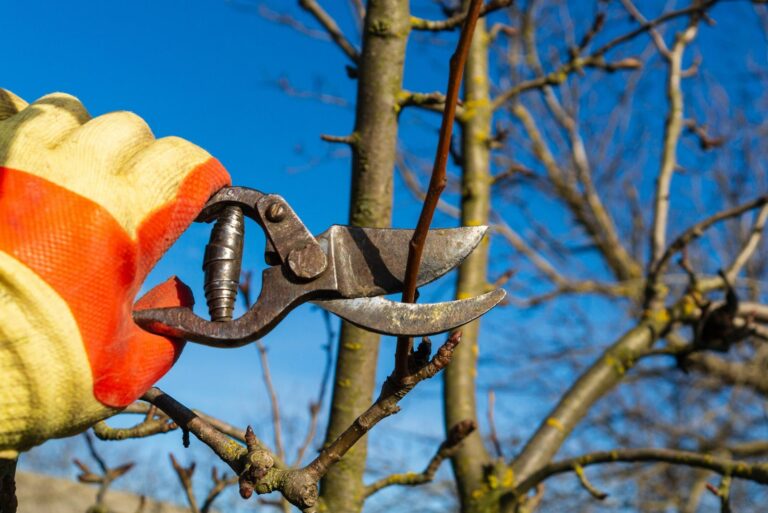
Wear long sleeves and disposable gloves, then scrub your tools with warm water and dish soap afterward. Personally, I keep a separate pair of pruners just for vine jobs, which saves my wrists plenty.
2. Poison Hemlock
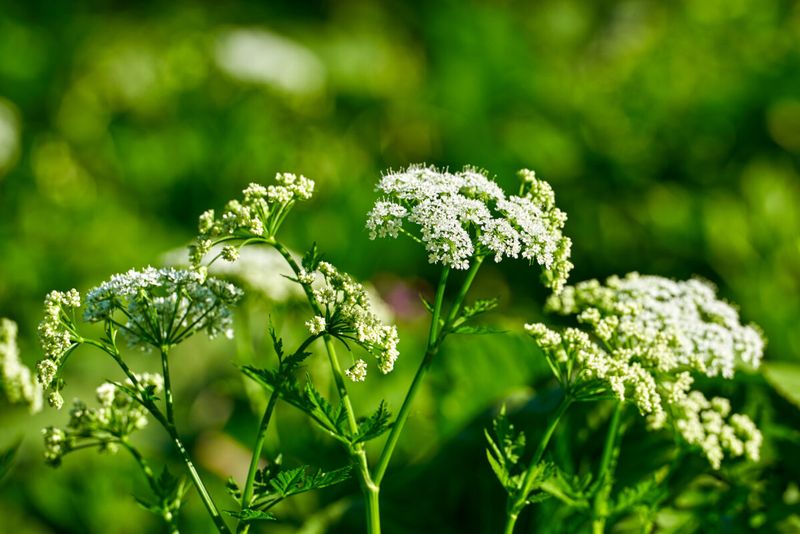
Ancient Athens used this plant in a famous poison, and it still lines Pennsylvania roadsides today. Poison hemlock, Conium maculatum, is a European import that spreads aggressively through damp ditches and weedy field edges.
Its smooth, hollow green stems wear purple blotches that look like someone flicked paint along them. Crushed leaves give off a musty smell, though sniffing a mystery plant is a poor safety test.
Second-year plants can tower six to eight feet tall, topped with lacy white umbrella-shaped flower clusters.
Those flowers bloomed back in late spring and early summer, leaving brown, seed-packed stalks standing well into winter.
What surprises me most is how green the first-year rosettes stay through chilly fall and winter weather. Those ferny leaves look a lot like parsley or carrot tops, which makes foraging mistakes worryingly easy.
Every part of the plant contains toxic alkaloids, including the white roots and the dried stems. Swallowing even small amounts can affect nerves and breathing, so call Poison Control or 911 right away.
Livestock and family pets face risks too, especially when hay or pasture edges contain young plants. Keep dogs on leash near weedy ditches, since a curious chew can turn into a frightening vet visit.
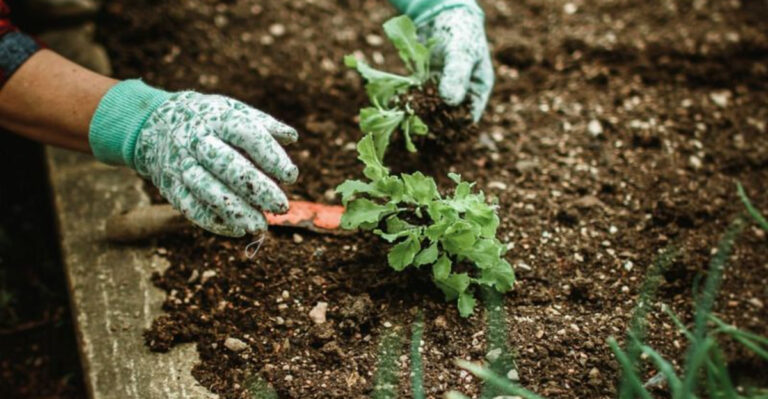
Grab your gloves and long sleeves before pulling rosettes, and bag them instead of tossing them in compost. I truly believe one careful afternoon of removal beats years of reseeding along your property line.
3. Wild Parsnip
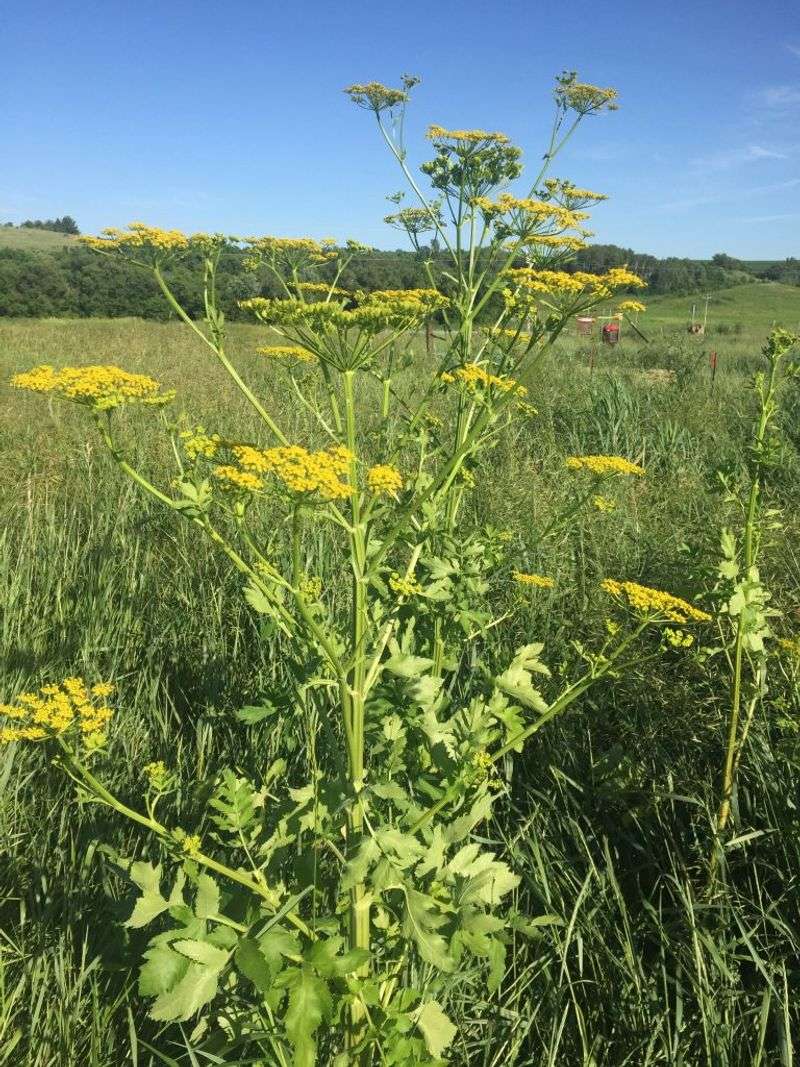
Brushing against a pretty yellow roadside weed on a sunny day can leave blisters that look like burns. Wild parsnip, Pastinaca sativa, packs chemicals called furanocoumarins that react with sunlight on bare, sweaty skin.
Doctors call the reaction phytophotodermatitis, which is a mouthful for a painful, sunlight-triggered rash that blisters. Brown or purple marks can linger for months after the blisters heal, according to Penn State Extension.
This European relative of the garden parsnip spends its first year as a low rosette of toothy leaflets. During year two, it shoots up a grooved stem around four or five feet tall with flat yellow flowers.
Those golden umbrellas faded weeks ago, but tall tan stalks often stand along fields and road shoulders. Weaker winter sun lowers the risk, yet I still treat every parsnip patch with plenty of respect.
Fall is actually a smart time to spot next year’s flowering plants as green rosettes hugging the ground. Cutting the taproot an inch or two below the soil with a sharp spade helps reduce regrowth.
You need to cover arms and legs, since the sap slips easily through gaps between gloves and sleeves. If sap touches skin, wash it with soap and water, then keep the spot out of sunlight.
Mowers and string trimmers can spray the juice everywhere, so skip them during warm, sunny growing months. Honestly, I’d rather dig a few roots each fall than nurse a week of stinging summer blisters.
4. Pokeweed
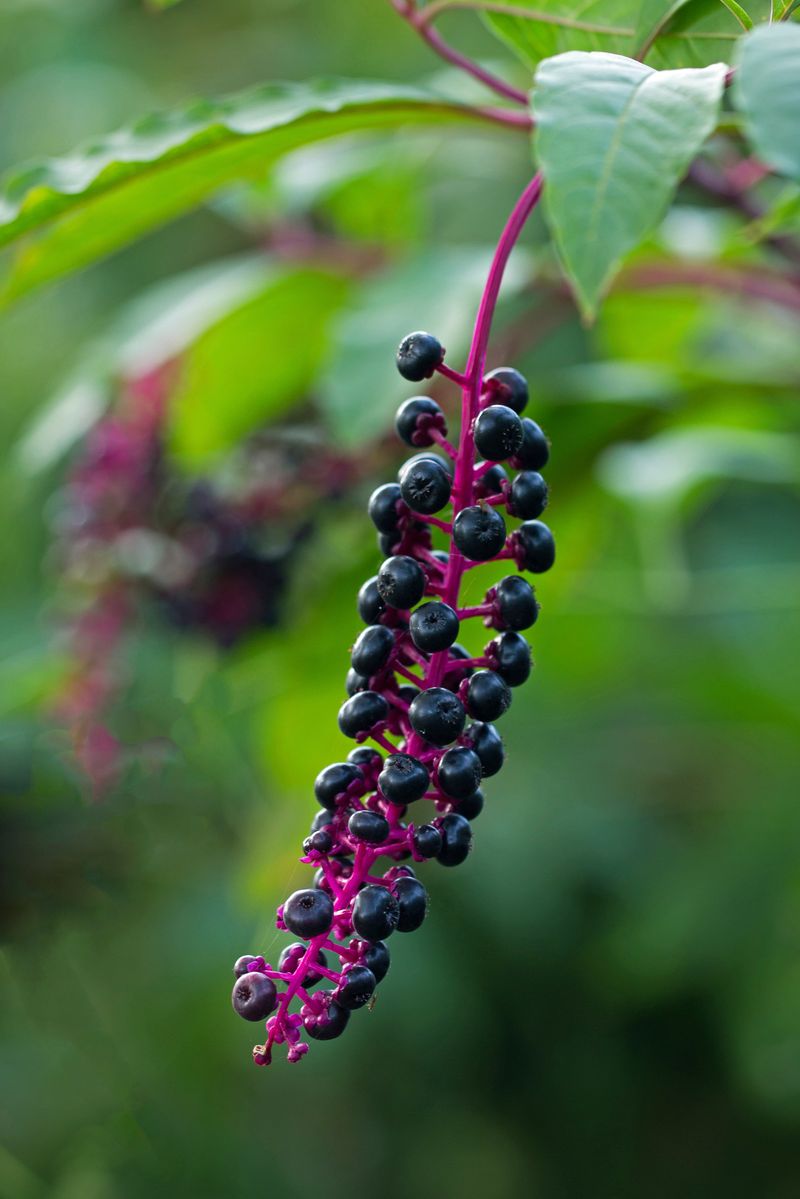
Generations of kids squished these glossy purple berries into pretend ink, and the stain proves surprisingly stubborn.
Pokeweed, known as Phytolacca americana, is a native perennial that loves sunny fencerows and forgotten garden corners.
By autumn, its hot pink stems can reach eight or ten feet, almost like a small leafy tree. Drooping clusters of dark purple berries dangle from those stems, looking a little too much like grapes.
I can’t imagine a more tempting snack for a toddler, which is exactly why this plant worries me. Every part is poisonous, and the thick white root carries the strongest dose of irritating compounds.
Eating berries can cause stomach cramps and vomiting, while root mix-ups with horseradish have sent adults to hospitals. Dogs that chew the stems or roots may also become sick, so call your vet quickly if needed.
Songbirds like catbirds and mockingbirds eat the berries safely and spread seeds wherever they happen to rest. Many gardeners leave a plant or two in back corners as a fall feast for migrating birds.
That native value makes pokeweed worth tolerating in some spots, as long as little hands stay away. Teach children a simple rule that wild berries stay on the plant unless a grown-up says otherwise.
To remove a young plant, dig out the whole taproot while wearing gloves, since sap can irritate skin. Bag the berries before tossing them, or you might spot purple-streaked seedlings popping up next spring.
5. White Baneberry
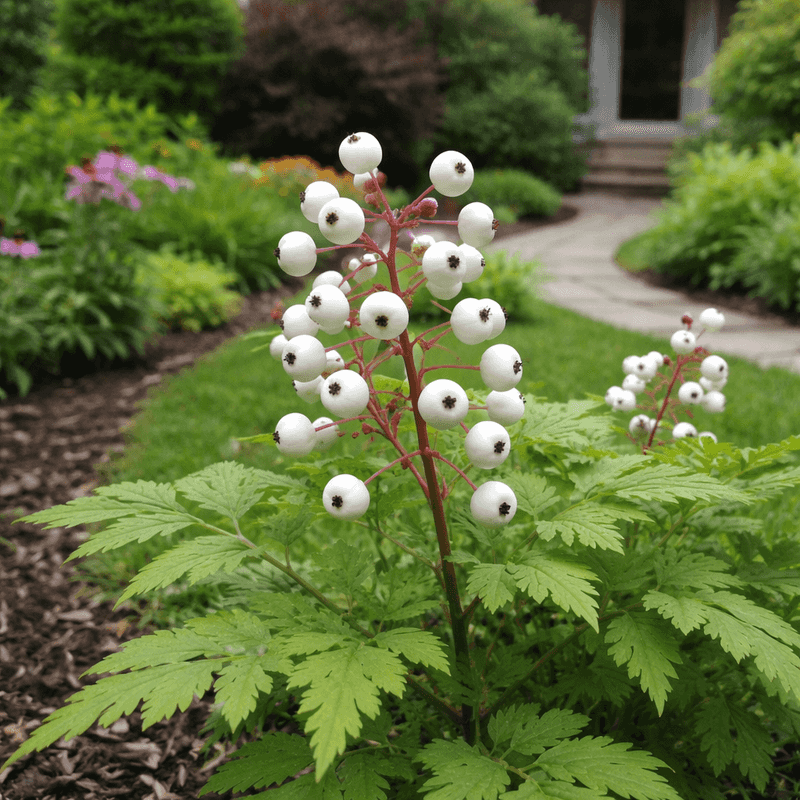
Walking a shady trail and finding dozens of tiny eyeballs staring back feels like a scene from a spooky movie. White baneberry, Actaea pachypoda, earns its nickname doll’s eyes from white berries marked with one black dot.
Each berry sits on a thick, bright red stalk, so the whole cluster practically glows under the trees. Those fruits ripen in late summer and often hang on into early fall before birds or frost claim them.
This native wildflower usually grows one to three feet tall in rich, moist woods across much of Pennsylvania. Its leaves are divided into sharply toothed leaflets, and fluffy white flowers appeared back in late spring.
Believe it or not, every part of the plant is considered poisonous, with the berries and roots topping the list. Swallowing them can cause burning in the mouth and stomach upset, and toxins may also affect the heart.
Kids are the biggest worry, because those polka-dot berries look like candy or toy beads to a curious preschooler. Birds such as thrushes eat them without trouble, which helps spread this woodland native to new shady spots.
Some native plant fans grow baneberry in shade gardens, and I understand the appeal of that eerie charm. If little ones visit often, plant it far from paths or consider a gentler native woodland groundcover instead.
On autumn hikes, teach kids to look with their eyes and keep their hands in their pockets. Snapping a quick photo lets everyone enjoy the strange berries without any risky taste tests afterward.
6. Virginia Creeper
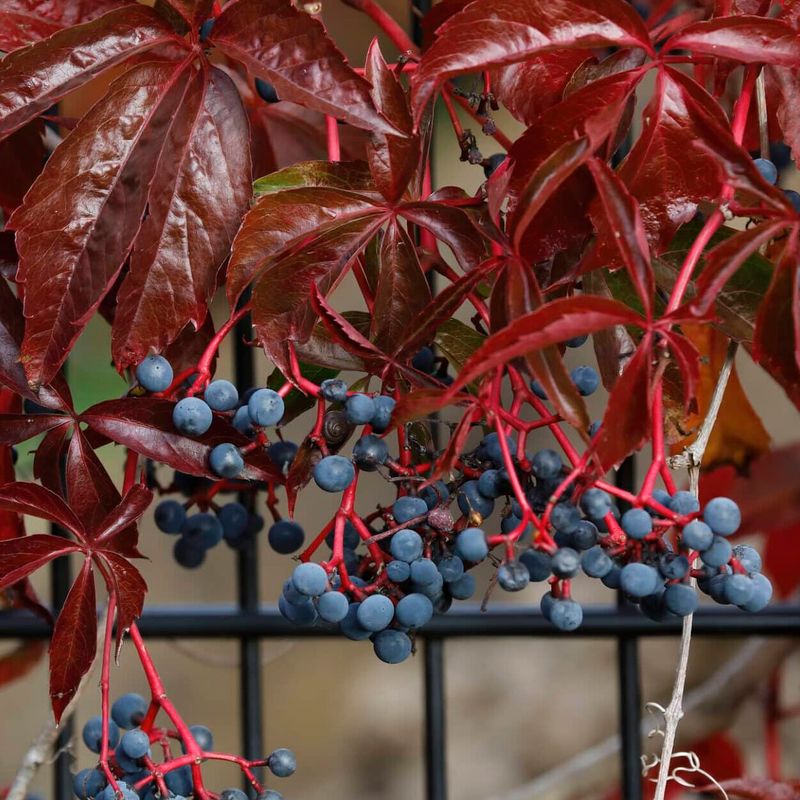
Fiery crimson leaves wrapping a stone wall in October make this native vine one of autumn’s showiest climbers.
Virginia creeper, Parthenocissus quinquefolia, often gets mistaken for poison ivy, though it usually has five leaflets.
Count the leaflets radiating from one point, and you’ll usually find five toothed ones instead of three. Tiny tendrils end in sticky pads that glue the vine firmly to brick walls and tree bark.
By early fall, small dark blue berries ripen on bright reddish stalks that stand out against changing leaves. Those berries feed many birds, including bluebirds and woodpeckers, well into the colder weeks of the year.
People and pets should skip them, though, because the berries contain oxalate crystals that irritate the mouth. Swallowing several can upset the stomach, and poison centers recommend calling for advice after any accidental bite.
I have to admit, I used to assume this vine was harmless because it lacks poison ivy’s oil. To my surprise, its sap also holds needle-like crystals that give some sensitive people an itchy rash.
Most gardeners handle it without trouble, yet gloves make sense during fall pruning around windows and gutters. The vine can climb thirty feet or more, so trim it back before it sneaks under siding.
Honestly, I love this native for wildlife and color, as long as it stays where I want it. Planting it away from play areas keeps berry-curious toddlers safe while birds still get their autumn snack.
7. Yew
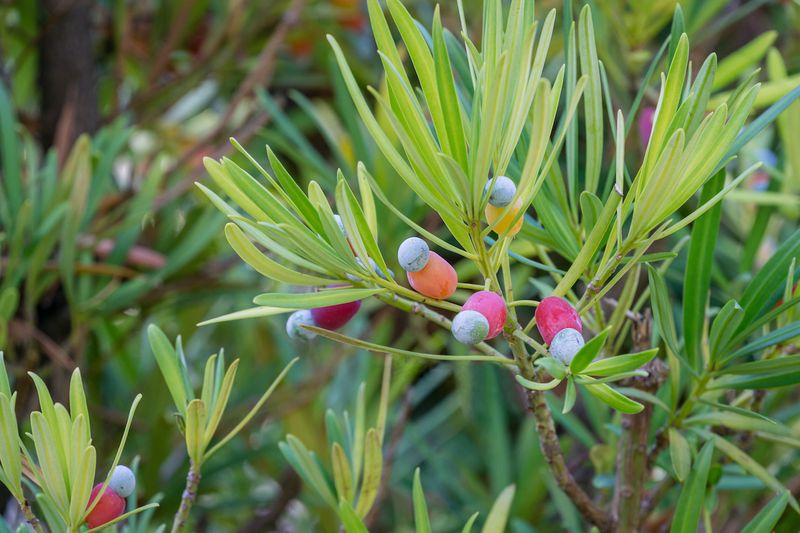
That tidy green shrub hugging countless front porches is one of the most toxic plants in many home landscapes.
Yews, mostly Japanese and English types in the Taxus group, hold poisonous taxine compounds in needles and seeds.
Flat, soft needles line the twigs in neat rows, and they feel surprisingly gentle compared with spruce. Female shrubs produce bright red, cup-shaped fruits called arils, each holding a dark seed in the middle.
The juicy red flesh is not the main problem, but the seed inside is highly poisonous if chewed. Kids rarely separate flesh from seed, so I treat every red berry on a yew as off-limits.
Those arils ripen in late summer and fall, and some linger into early winter on sheltered branches. Birds can eat the flesh and pass the hard seeds, which explains surprise yew seedlings under trees.
Clippings are a hidden hazard, since dried or fresh needles stay toxic long after you trim the hedge. Horses and cattle have become seriously ill after nibbling yew trimmings tossed over a backyard fence.
Many of us cut evergreen boughs for porch pots and wreaths once the weather turns cold in Pennsylvania. Skip yew for indoor decorations if pets or small children share the house, and choose safer greenery.
Wear gloves when pruning, then bag every clipping for trash pickup instead of tossing it on brush piles. If anyone swallows yew, call Poison Control at 1-800-222-1222 right away, even before symptoms appear.