What To Do With Your Pennsylvania Gardenias In June So They Bloom All Summer
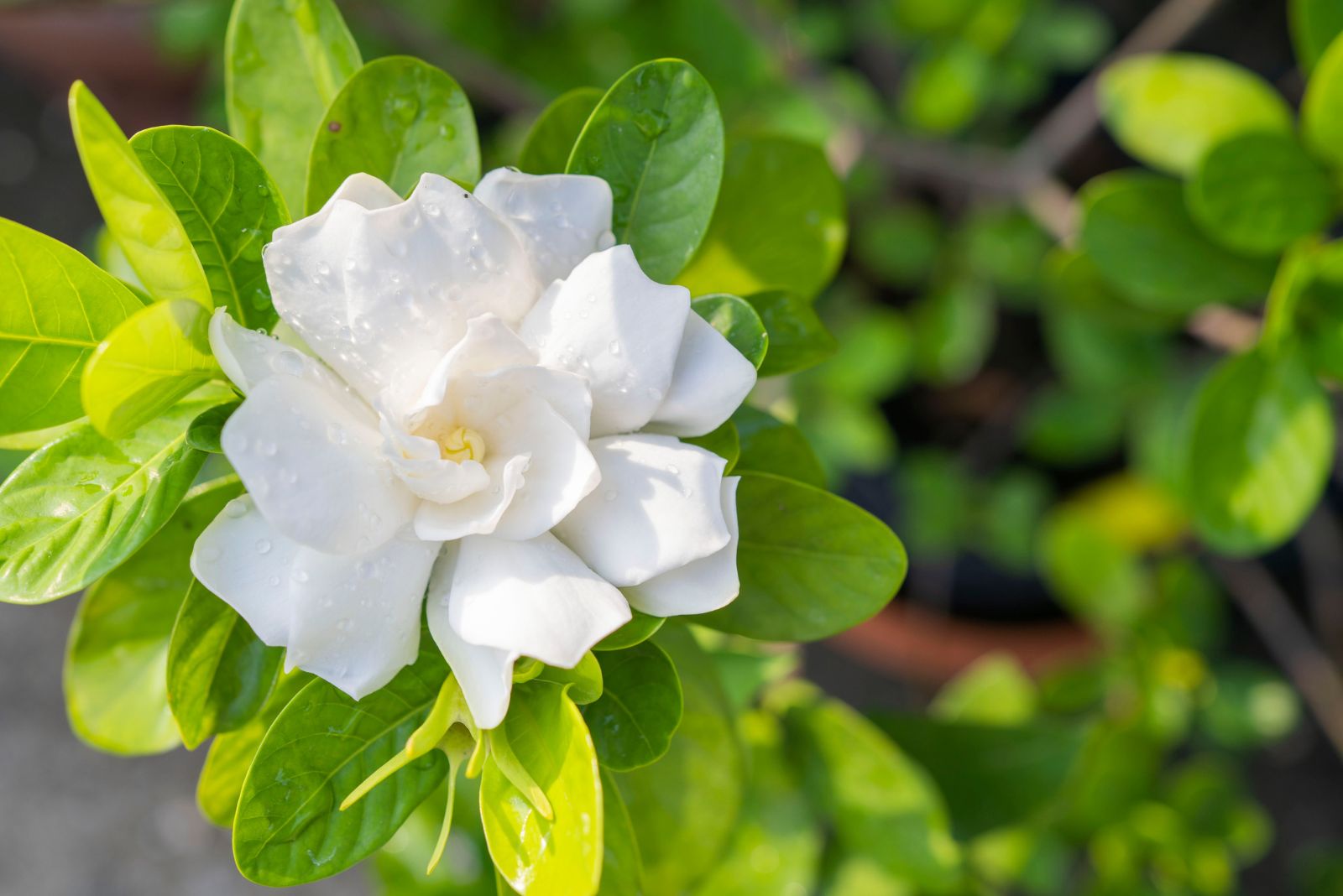
Gardenias are not the easiest plants to grow in Pennsylvania, but when they bloom, the effort feels completely worth it. That fragrance and those layered white flowers are hard to find anywhere else in the summer garden.
June is actually one of the most important months for Pennsylvania gardenias, sitting right at the point where good care either sets up a long and generous bloom season or allows small problems to quietly take hold before they become obvious.
Pennsylvania’s humidity can work in gardenia’s favor, but the fluctuating June temperatures and inconsistent rain patterns create conditions the plant needs help navigating.
A few specific steps taken right now, covering feeding, watering habits, and a close look at the plant for early warning signs, can make the difference between gardenias that bloom steadily through summer and ones that put out a few flowers and then stall. June is the month to get this right.
1. Keep Soil Consistently Moist
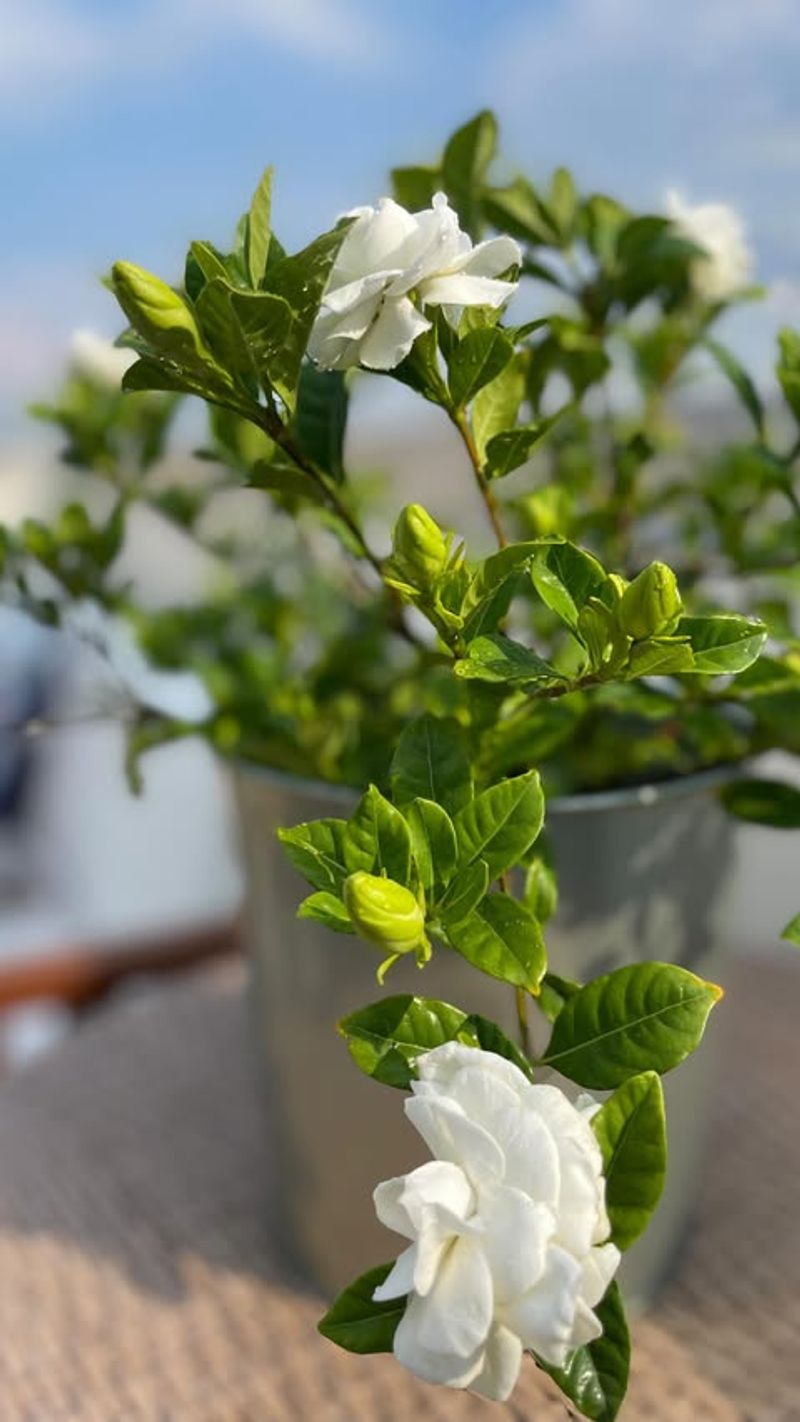
Water is everything when it comes to gardenias. These plants are surprisingly picky about moisture levels, and getting it right in June can mean the difference between a plant bursting with blooms and one that drops its buds before they even open.
Gardenias want soil that feels like a wrung-out sponge: damp but not soggy. In Pennsylvania, June can bring a mix of rainy days and hot dry spells. That unpredictable weather makes it easy to accidentally underwater or overwater your plants.
The best habit is to check the soil every day by pressing your finger about an inch into the ground. If it feels dry at that depth, it is time to water.
Always water deeply and slowly at the base of the plant. Shallow watering only wets the top layer of soil, which encourages weak, surface-level roots.
Deep watering pushes moisture down to where the roots actually are, making the plant stronger and more resilient. Early morning is the best time to water because it gives the foliage time to dry before evening, which helps reduce the chance of fungal problems.
Gardenias grown in containers dry out much faster than those in the ground, so potted plants may need water every single day during hot stretches. Use your finger test every morning to stay on top of it.
Consistent moisture keeps buds from dropping and keeps those deep green leaves looking their best all summer long. Watering might seem simple, but for gardenias, doing it right is one of the most powerful things you can do.
2. Use An Acid-Loving Plant Fertilizer
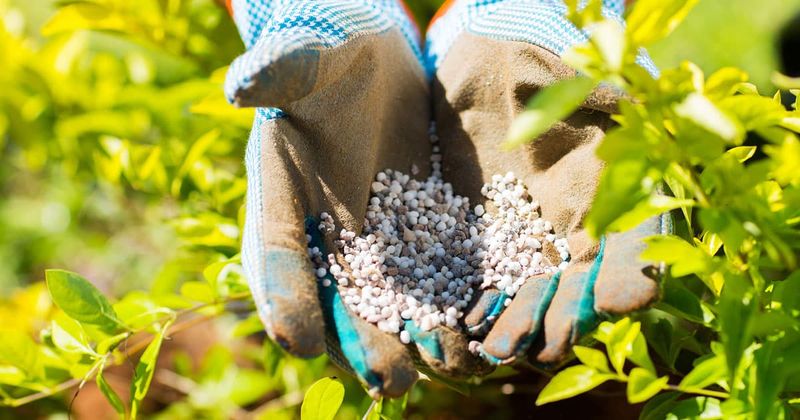
Gardenias are acid lovers, plain and simple. They thrive when the soil pH sits somewhere between 5.0 and 6.0.
When the pH creeps too high, the plant cannot absorb the nutrients it needs, even if those nutrients are right there in the soil. One of the clearest signs of this problem is yellowing leaves, a condition called chlorosis.
June is a great time to start a regular fertilizing routine. Look for a fertilizer labeled specifically for acid-loving plants, such as those made for azaleas, camellias, or rhododendrons.
Your Pennsylvania Garden Changes Every Week. Your Plan Should Too.
Gardening in Pennsylvania changes quickly throughout the season. Every Friday you’ll receive a simple weekly plan showing exactly what to plant, prune, fertilize, harvest, and protect so you never miss the right timing.
These formulas contain the right balance of nutrients and help maintain that lower pH that gardenias crave. You can find them at most garden centers in Pennsylvania without any trouble.
Did you know that coffee grounds are a popular natural way to add a little acidity to the soil? Sprinkling used coffee grounds around the base of your gardenia every couple of weeks can give the soil a gentle acidic boost.
Just do not pile them on too thick, as they can compact and block water from reaching the roots properly.
Follow the directions on your fertilizer package carefully. Over-fertilizing is a real problem and can actually prevent blooming by pushing the plant to grow too many leaves instead of flowers.
A slow-release granular fertilizer applied once in early June and again in mid-summer usually works well for most Pennsylvania gardeners.
Keeping up with fertilizing gives your gardenias the fuel they need to keep producing those stunning, fragrant blooms from June straight through to fall.
3. Protect Plants From Harsh Afternoon Sun
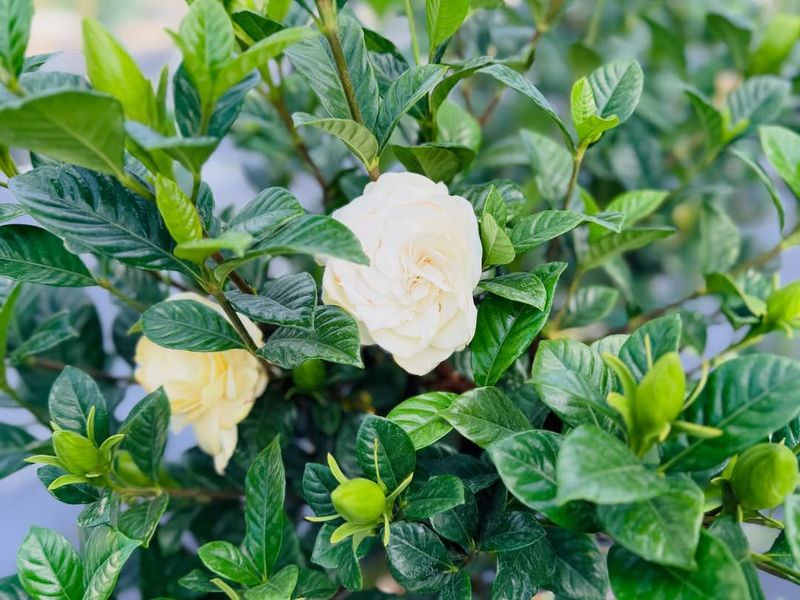
Pennsylvania summers can get seriously hot, especially during July and August. But even in June, afternoon temperatures can climb high enough to stress your gardenias.
These plants enjoy bright light, but too much direct afternoon sun can scorch their leaves and cause bud drop, which is every gardener’s least favorite sight.
Morning sun is actually ideal for gardenias. It gives them the light energy they need to grow and bloom without the intense heat that comes later in the day.
If your gardenias are planted in a spot that gets full sun from noon onward, consider adding some shade cloth or moving container plants to a location that gets afternoon shade.
Even a few hours of protection can make a noticeable difference in how the plant looks and performs.
Planting gardenias near a structure like a fence, wall, or taller shrubs on the west side can create natural afternoon shade. This kind of thoughtful placement is something experienced Pennsylvania gardeners swear by.
It mimics the dappled light conditions that gardenias enjoy in their native subtropical habitat, where they often grow beneath taller trees.
Leaf scorch shows up as brown, crispy edges on the leaves, and once a leaf is damaged, it will not recover. Catching the problem early by repositioning your plants or adding shade can save a lot of heartache.
Gardenias that get the right light balance tend to have darker, glossier leaves and produce more buds. A little planning in June goes a long way toward keeping your plants looking lush and healthy all summer.
4. Mulch Around The Root Zone
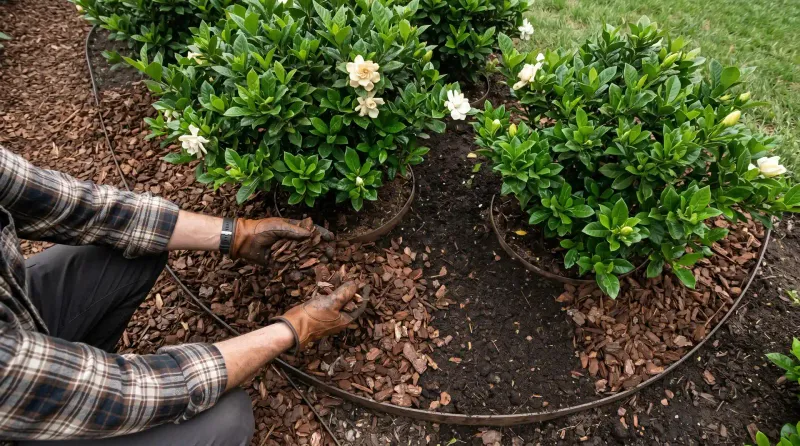
Mulching might be one of the most underrated gardening tasks out there. A good layer of mulch around your gardenias does so much more than just make the garden look tidy.
It acts like a protective blanket over the roots, keeping the soil cooler when temperatures spike and locking in moisture so you do not have to water quite as often.
For gardenias in Pennsylvania, aim to apply about two to three inches of organic mulch around the base of each plant. Good choices include pine bark, pine needles, or shredded leaves.
Pine-based mulches have the added bonus of being slightly acidic, which complements the acidic soil conditions that gardenias prefer.
Spread the mulch in a wide ring around the plant, but keep it a couple of inches away from the main stem to prevent rot and pest issues near the crown.
June is a perfect time to refresh your mulch layer because the soil is warming up and summer heat is just around the corner.
Fresh mulch laid down now will work hard all season, reducing temperature swings in the root zone and suppressing weeds that compete with your gardenias for water and nutrients.
One thing many gardeners do not realize is that mulch also improves soil structure over time. As organic mulch breaks down slowly, it adds beneficial organic matter to the soil, which feeds helpful microorganisms and improves drainage.
Gardenias with well-mulched root zones consistently outperform those without it. It is a simple step that pays off in bigger blooms and healthier plants all summer long.
5. Remove Spent Flowers Promptly
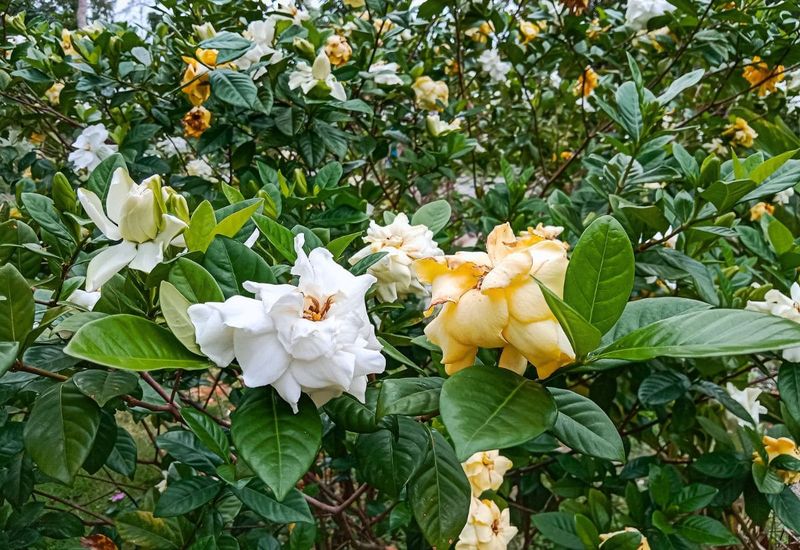
There is something almost meditative about deadheading flowers. Walking through your garden in the morning, snipping off faded blooms, and watching the plant respond with fresh new buds is one of the most satisfying parts of caring for gardenias.
Removing spent flowers promptly is a simple habit that can make a real difference in how long and how heavily your gardenias bloom.
When a gardenia flower fades, it turns from creamy white to a papery brown. Left on the plant, these old blooms can drain energy that the plant could otherwise use to produce new flowers.
They can also become a spot where fungal issues take hold, especially in Pennsylvania’s humid summer air. Removing them quickly keeps the plant cleaner and healthier overall.
Use clean, sharp scissors or pruning snips to cut just below the spent flower, right above a set of healthy leaves. Avoid tearing the stem, as rough cuts can open the plant up to disease.
After each use, wiping your tools with rubbing alcohol is a smart habit that prevents spreading any potential problems from one plant to another.
Deadheading works best when done regularly, ideally every few days during peak blooming season. Make it part of your morning garden routine and it will never feel like a chore.
Some gardeners also do a light trim of any leggy or unruly stems at the same time, which helps keep the plant looking full and shapely. A well-deadheaded gardenia stays energized and keeps pushing out those gorgeous fragrant blooms well into late summer.
6. Watch Closely For Spider Mites And Whiteflies
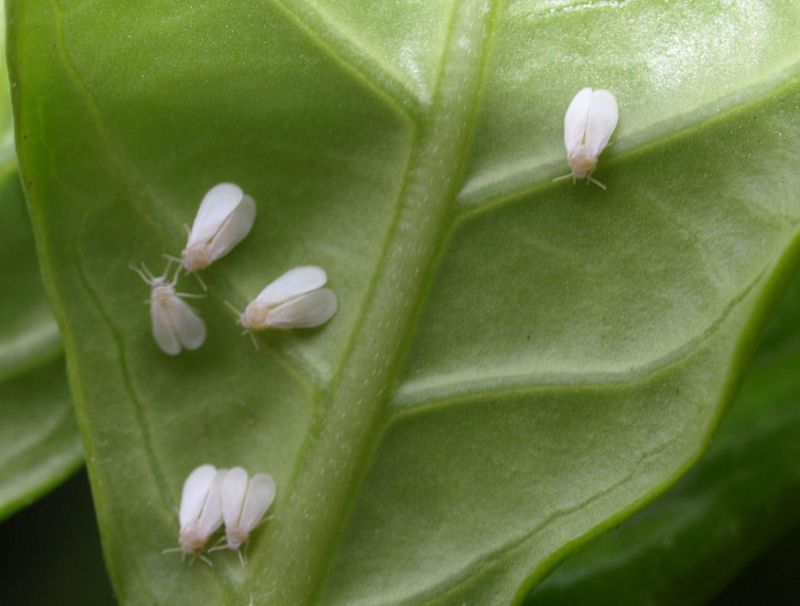
Warm, humid Pennsylvania summers are practically an open invitation for certain pests. Spider mites and whiteflies are two of the most common troublemakers for gardenias, and they can show up fast once temperatures rise in June.
Catching them early is the key to keeping your plants in good shape without a lot of drama. Spider mites are tiny, almost too small to see with the naked eye, but they leave behind very visible clues.
Look for fine webbing on the undersides of leaves and a stippled or dusty appearance on the leaf surface.
Whiteflies are a little easier to spot. Give your plant a gentle shake and if a cloud of tiny white insects flies up, you have got whiteflies.
Both pests suck the sap from leaves, which weakens the plant and can cause leaves to yellow and drop.
A strong spray of water from a garden hose can knock a surprising number of these pests off the plant. Doing this in the morning gives the plant time to dry before evening.
For more stubborn infestations, insecticidal soap or neem oil spray are both effective and relatively gentle options. Always spray the undersides of the leaves where pests like to hide, and repeat the treatment every five to seven days for best results.
Checking your gardenias a few times a week takes only a minute or two, but it can save you a lot of trouble later. Healthy, well-watered, and well-fed plants are naturally more resistant to pest pressure.
Staying observant and acting quickly when you notice something off keeps your gardenias thriving beautifully all summer long.