Plant These Cool-Season Crops In South Georgia Before Winter Arrives
Frost can skip parts of coastal Georgia until late December, while gardeners up north are already scraping windshields. That long, mild stretch turns autumn into a second spring for anyone holding a seed packet.
Most of South Georgia sits in zones 8b and 9a, where winter lows usually hover near 15 to 25 degrees. Warm soil and cooler air give fall plantings a strong start with fewer bugs chewing on everything.
I have to admit that fall is my favorite gardening season, mostly because I am not melting while I weed.
You might notice the harvest tastes sweeter too, since chilly nights coax extra sugar into leaves and roots.
The main fall planting window has already passed for several of these crops, but South Georgia gardeners can still plant certain cool-season vegetables in November.
Those crunchy, leafy crops could be your last chance to fill the beds with fresh harvests before the first cold snap.
1. Broccoli
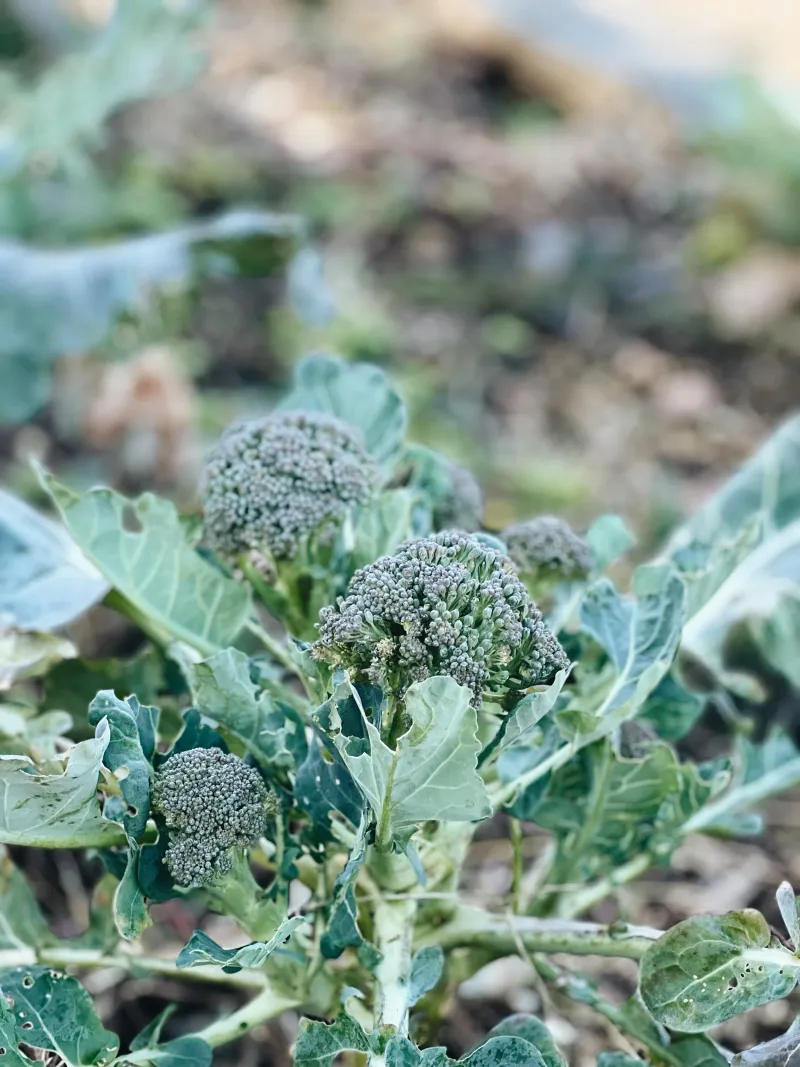
Every broccoli head you slice is really a tight bundle of unopened flower buds waiting for their moment. The name comes from the Italian word broccolo, which roughly means the flowering top of a cabbage.
I love how a fall planting rewards you with tender side shoots for weeks after the main head is cut.
Cool nights slow the plants down just enough to build firm, tight crowns instead of loose yellow flowers.
Transplants are the smart choice here, since seeds started in late summer need a head start before the days shorten. Set young plants out from late August through September for harvests that roll in before Christmas.
Give each plant about eighteen inches of space in a sunny bed with rich, well-drained soil. A soil pH between 6.0 and 6.8 keeps nutrients available and helps the plants grow steady, healthy leaves.
Water deeply about once or twice a week, aiming for roughly an inch of moisture in total. Uneven watering stresses young plants, so a layer of straw mulch helps the soil stay evenly damp.
Watch for green cabbage worms hiding under leaves, since they blend in surprisingly well with the stems.
Handpicking works for small gardens, and Bt sprays offer a gentle option that targets caterpillars specifically.
Harvest the main head while the buds are still tight and dark green, cutting the stem at an angle. Personally, I leave the plant in place because those bonus side shoots make wonderful quick stir-fries.
2. Cabbage
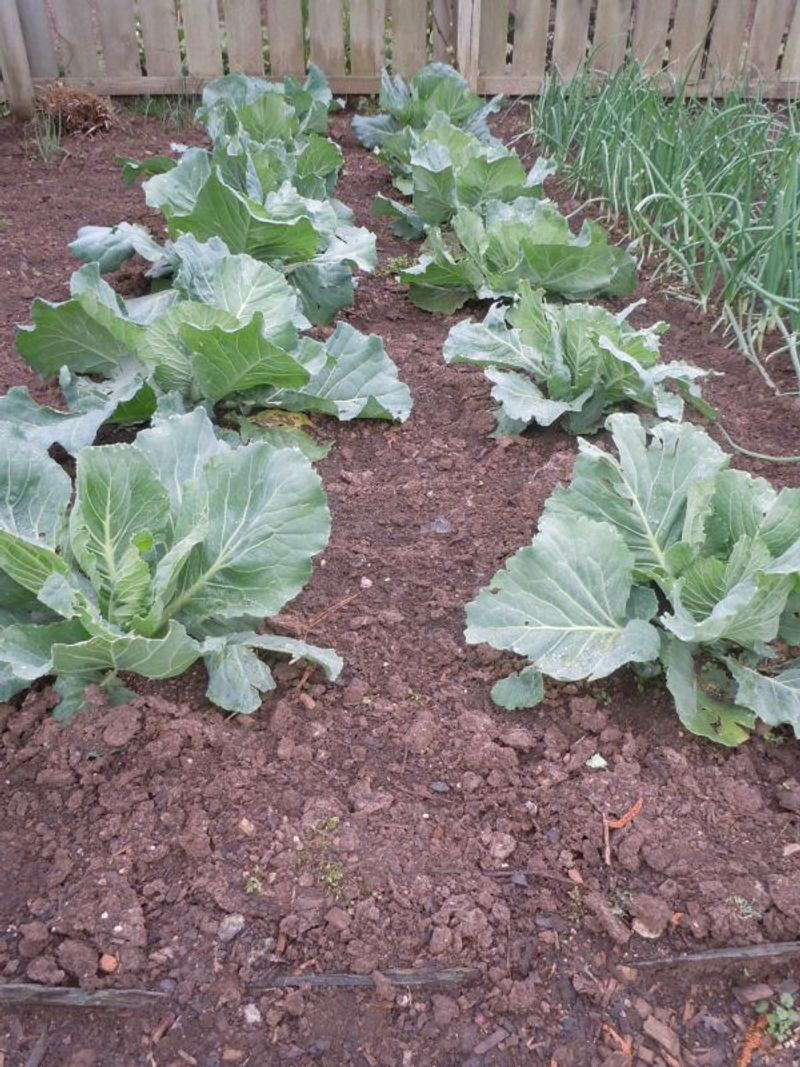
Few vegetables have a longer resume than cabbage, which people have grown and eaten for thousands of years. Its name traces back to the old French word caboche, a playful nickname that simply means head.
Early versions looked more like loose, leafy kale before farmers slowly selected plants that wrapped into dense balls.
I can’t imagine those first growers guessing their work would end up in coleslaw at every Southern cookout.
Fall suits cabbage in the southern part of the state, because cooling weather during heading often means fewer disease problems. Set out transplants from late August into September so heads can form before the coldest weeks.
Pick a spot that gets at least six to eight hours of direct sun each day. Work in compost before planting and aim for a soil pH somewhere between 6.2 and 6.8 for best growth.
Cabbage drinks a lot while heads are swelling, so steady moisture matters more than heavy, occasional soakings. A sudden flood after a dry spell can split heads open, which is frustrating after weeks of patience.
Light freezes rarely bother established plants, and a little cold can even sweeten the leaves noticeably. Still, a frost cloth tossed over the bed on a hard freeze night offers cheap insurance for your effort.
Most varieties mature in roughly 70 to 100 days from transplanting, depending on the type you choose.
Squeeze the head gently, and when it feels firm and solid, slice it free just above the outer leaves.
3. Carrots
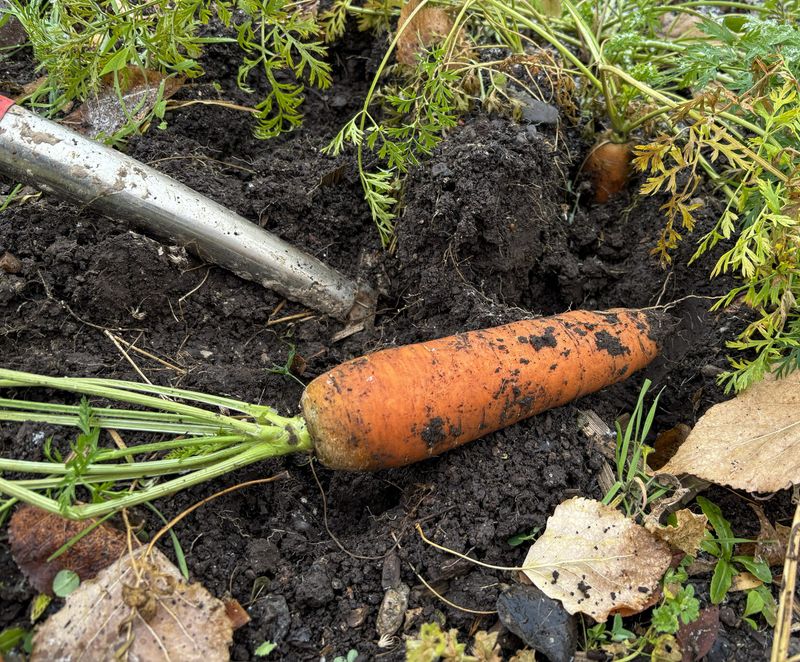
Orange was not the original carrot color, since early carrots grown in Central Asia were mostly purple or yellow.
Orange roots became popular later in Europe, and Dutch growers helped make them the familiar standard.
You’re in for a big surprise the first time you taste a carrot pulled after a chilly week. Cold weather encourages the roots to store more sugar, so fall carrots often taste noticeably sweeter than summer ones.
Sow seeds directly in the garden from September into October, since carrots dislike being moved as seedlings. Most varieties need about ten to twelve weeks to mature, so earlier sowing gives roots more time to size up.
Loose, deep soil makes the biggest difference, because rocks and hard clay cause forked or stubby roots.
Sandy South Georgia ground often works beautifully, though raised beds help if your yard leans heavy and compact.
Tiny carrot seeds are slow to sprout and can take up to two or three weeks to appear. Keep the surface moist during that stretch, and a thin board laid over the row can hold dampness in.
Lift the board as soon as green threads poke through, then thin seedlings to about two inches apart. Honestly, thinning feels a little cruel to me, but crowded carrots stay skinny and tangled together underground.
Brush back the soil near the top to check root width before pulling a whole row. Mild winters let carrots sit in the ground for weeks, so you can harvest only what dinner needs.
4. Collards
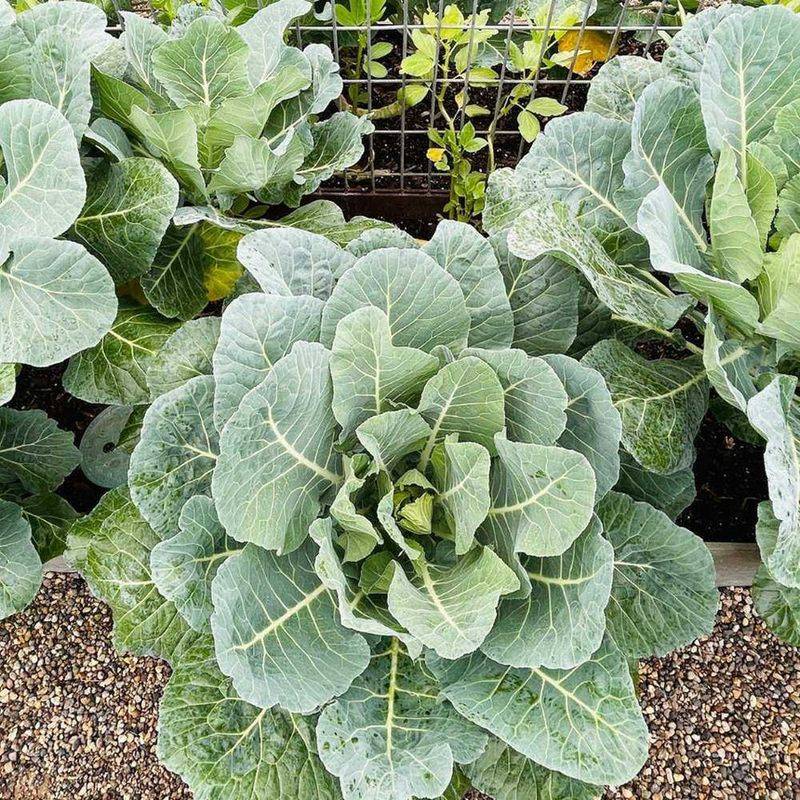
Nothing says Southern Sunday supper quite like a pot of collards simmering low and slow on the stove. Collards belong to the same species as cabbage, but they skip the head and grow big, loose leaves.
Their name likely comes from colewort, an old English term for leafy cabbage-type plants that grew without heads.
People in the Mediterranean region grew similar greens thousands of years ago, long before they reached Southern gardens.
I believe collards are the most forgiving green a beginner can grow, because they shrug off both heat and cold. Light frost actually improves their flavor, turning sharp, tough-tasting leaves mellow and pleasantly sweet by midwinter.
Start seeds or set out transplants from August through September so plants grow large before short days arrive.
Space them about eighteen to twenty-four inches apart, because mature collards spread wider than most newcomers expect.
Full sun and well-drained soil enriched with compost keep the leaves coming steadily from fall into winter. A light side-dressing of nitrogen fertilizer every few weeks helps if the lower leaves start turning pale.
Harvest from the bottom up, snapping off the oldest outer leaves while the center keeps growing taller. You might notice plants start looking like little palm trees by late winter, which is perfectly normal.
Aphids and cabbage worms sometimes visit, so check leaf undersides whenever you pick a batch for supper. A strong spray of water knocks aphids loose, and your collard patch can keep producing until spring warms up.
5. Kale
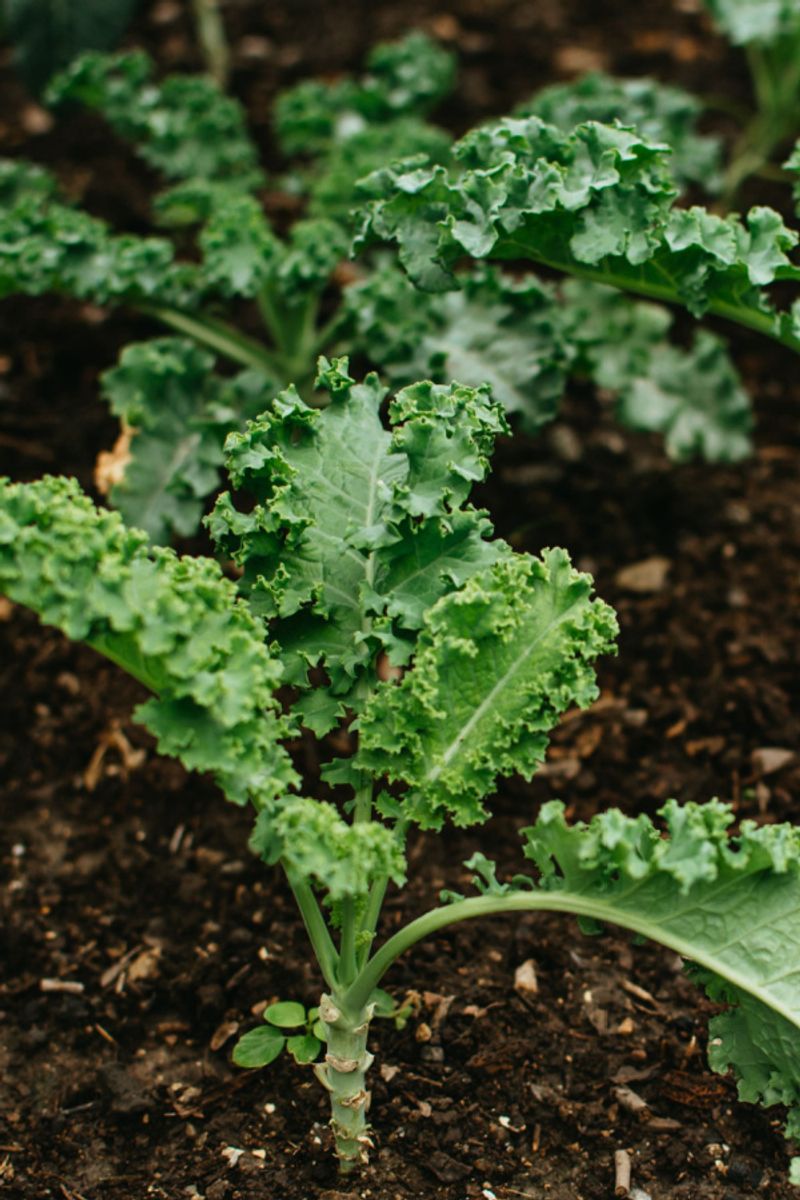
In old Scotland, kale was so common that the word kail could refer to a meal itself.
Kitchens kept a kail-pot simmering, and the leafy green earned a reputation as a dependable cold-weather staple.
Kale shares its species with broccoli and cabbage, yet it handles chilly nights better than many of its cousins. A touch of frost converts some starches into sugars, which softens the bitter bite many people dislike.
What surprises me most is how pretty kale looks in a fall bed, especially the frilly purple types. Lacinato kale, with its bumpy dark leaves, adds a handsome texture that even flower lovers admire.
Direct-sow seeds in late August or September, or tuck transplants into the garden through early October. Seedlings appreciate a little afternoon shade while late summer heat lingers, then they happily soak up full sun.
Rich, well-drained soil with plenty of nitrogen produces big, tender leaves rather than tough, stunted ones.
Keep the ground evenly moist, since thirsty kale turns leathery and loses much of its mild flavor.
Nutrition fans love kale for good reason, because a single cup of raw leaves packs loads of vitamin K. It also delivers a healthy dose of vitamin C, making winter salads feel a lot less boring.
Pick the lower leaves when they reach about hand size, leaving the growing tip at the top untouched. With that method, a single planting in South Georgia can keep producing from fall well into spring.
6. Lettuce
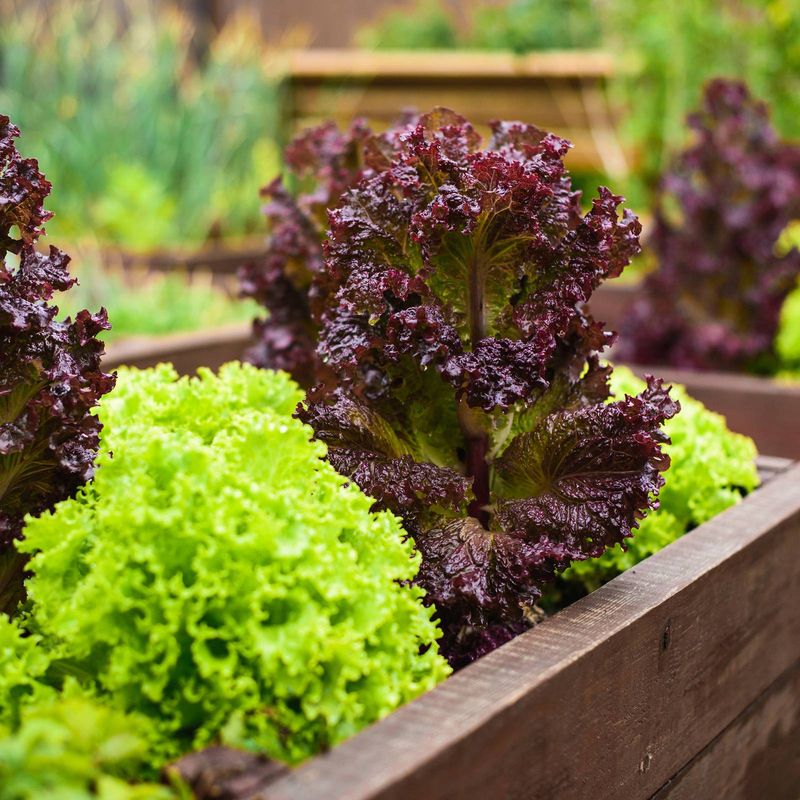
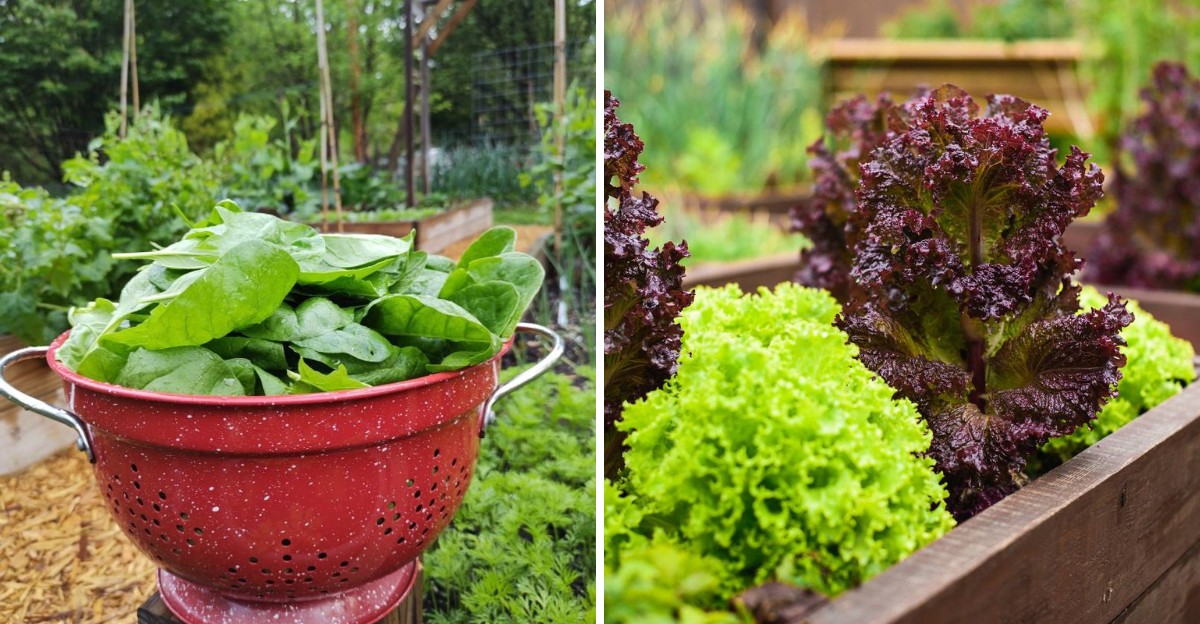
Ancient Egyptians grew lettuce thousands of years ago, and tomb art shows a tall, upright version of the plant. Early growers may have valued its seeds for oil before the crisp leaves became a salad favorite.
Personally, I think homegrown lettuce ruins store-bought bags forever, because the difference in crunch is wild.
Leaves picked minutes before dinner taste buttery and fresh instead of limp and faintly bitter like many grocery greens.
Lettuce loves mild weather and handles light frost fine, but hot spells push it to bolt and turn bitter. Start sowing seeds in September once temperatures ease, and keep planting small batches through early spring.
Many lettuce seeds need light to sprout, so press them onto the soil surface and cover them very lightly. Hot soil above roughly 80 degrees can stall germination, which makes a shady seedbed helpful in early fall.
Choose a sunny spot with loose, fertile soil and a pH around 6.0 to 6.5 for strong growth. Shallow roots dry out quickly, so water often enough that the top inch of soil stays lightly moist.
Loose-leaf and butterhead types grow fastest, often ready to pick in about six to eight weeks.
Romaine and crisphead varieties take longer, so loose-leaf kinds are the easiest wins for impatient gardeners like me.
Snip outer leaves near the base, and the center of the plant will keep pushing out fresh ones for weeks. On nights dipping into the low twenties, a frost cloth keeps tender leaves from turning mushy and brown.
7. Spinach
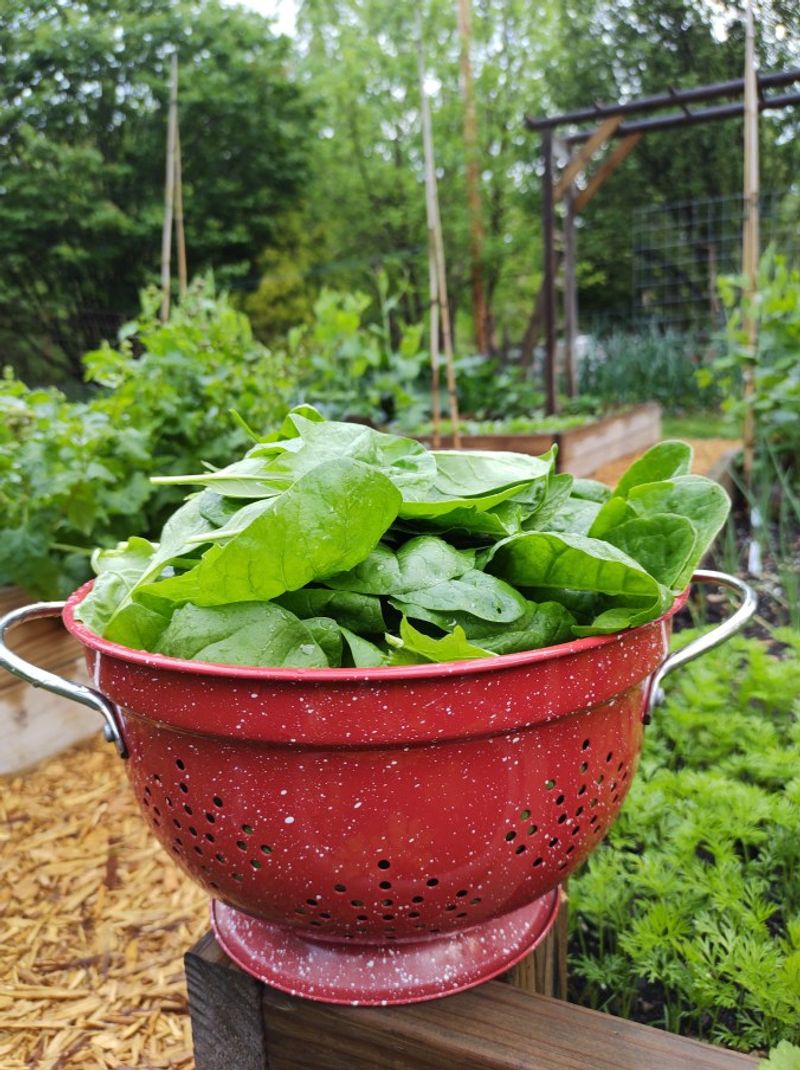
Catherine de Medici reportedly adored spinach so much that dishes served on a bed of it got labeled Florentine. The nod honors her hometown of Florence, and the name still shows up on restaurant menus today.
Spinach likely first came from ancient Persia, then spread toward China and later into kitchens across Europe.
I love how this tender-looking green turns out to be one of the toughest plants in a winter bed.
Established plants can shrug off temperatures down into the teens, which suits South Georgia winters nicely. Heat is the real problem, because warm weather and long days trigger quick bolting and bitter leaves.
Sow seeds directly from late September through October, once soil cools below about 75 degrees for better sprouting. Soaking seeds overnight before planting can speed things up, since the tough seed coat absorbs water slowly.
Spinach prefers fertile, well-drained soil with a pH near 6.5 to 7.0, since acidic ground stunts its growth. Many sandy southern soils run acidic, so a soil test and some lime can make a real difference.
Partial shade works fine for spinach, so that awkward corner near the fence might finally earn its keep.
Keep the soil evenly moist and mulch lightly, which also keeps gritty soil from splashing onto crinkled leaves.
Many varieties reach baby-leaf size in about a month and full size in roughly six to seven weeks. Pick outer leaves as needed, and you will enjoy fresh salads and quick sautés through the cold months.
8. Radishes
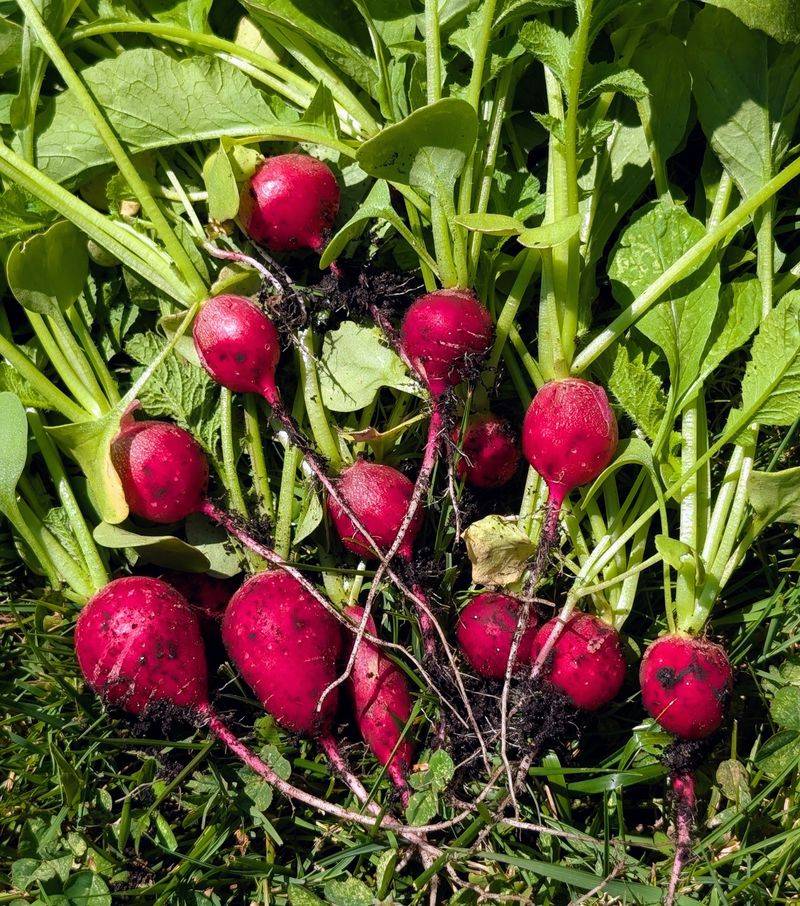
Few crops reward impatience like radishes, which can go from seed to salad bowl in about four weeks. Kids especially love them, because the plump red roots appear fast enough to hold even a short attention span.
Radishes have deep roots in history too, with ancient Greeks and Egyptians among their early fans.
Greek writers praised them highly, and some accounts say radish replicas made of gold were offered to Apollo.
Scatter seeds directly in the garden from September through October, and keep sowing small rows every couple of weeks. That staggered approach gives you a steady supply instead of fifty radishes ready on the same afternoon.
Full sun and loose, well-drained soil help radishes form round, smooth roots without cracks or woody centers. Plant seeds about half an inch deep and thin seedlings to roughly one or two inches apart.
Steady moisture matters more than you might expect, because dry spells turn radishes fiery and pithy instead of crisp. Cool fall weather helps here, since mild temperatures produce a gentler bite than late spring plantings do.
Pull them promptly once the shoulders peek above the soil, because radishes left too long turn spongy.
Try roasting a batch sometime, since heat mellows the peppery kick into something surprisingly sweet and earthy.
Don’t toss the leafy tops either, because young radish greens taste great sautéed with a little garlic. Daikon and other winter radishes take longer to mature, yet they grow wonderfully large in a mild southern fall.