8 Native Shrubs With Winter Berries That Keep New York Birds Fed Until Spring
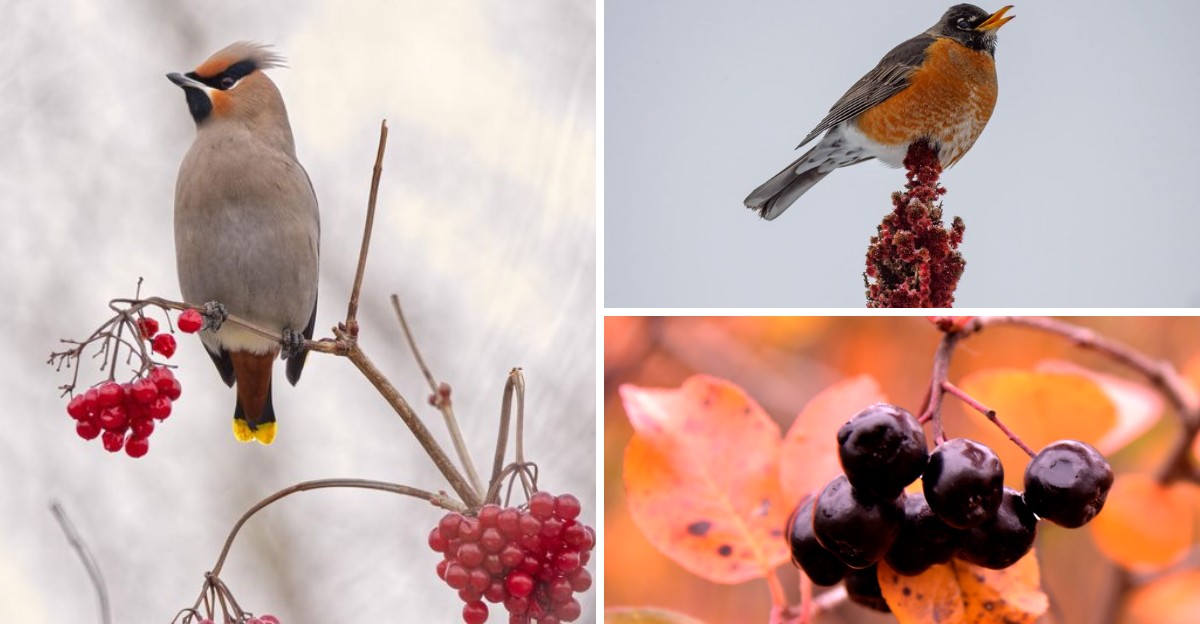
Some winter berries taste so bitter in autumn that hungry birds ignore them until the snow piles up. Repeated freezing and thawing slowly soften that fruit, and by late winter it becomes a welcome emergency meal.
Across New York, many robins and eastern bluebirds often stay through the cold months instead of flying south. Those lingering birds lean heavily on fruit once insects vanish and seed feeders get crowded by squirrels.
In my own yard, I’ve noticed the busiest bird traffic happens on gray February mornings, not in summer. You might notice the same pattern if your garden holds onto bright color after the leaves drop.
Native shrubs that grow wild around here tend to feed local birds better than flashy imports from overseas. So which plants in your own yard could become the busiest winter diner on the whole block?
1. Winterberry Holly
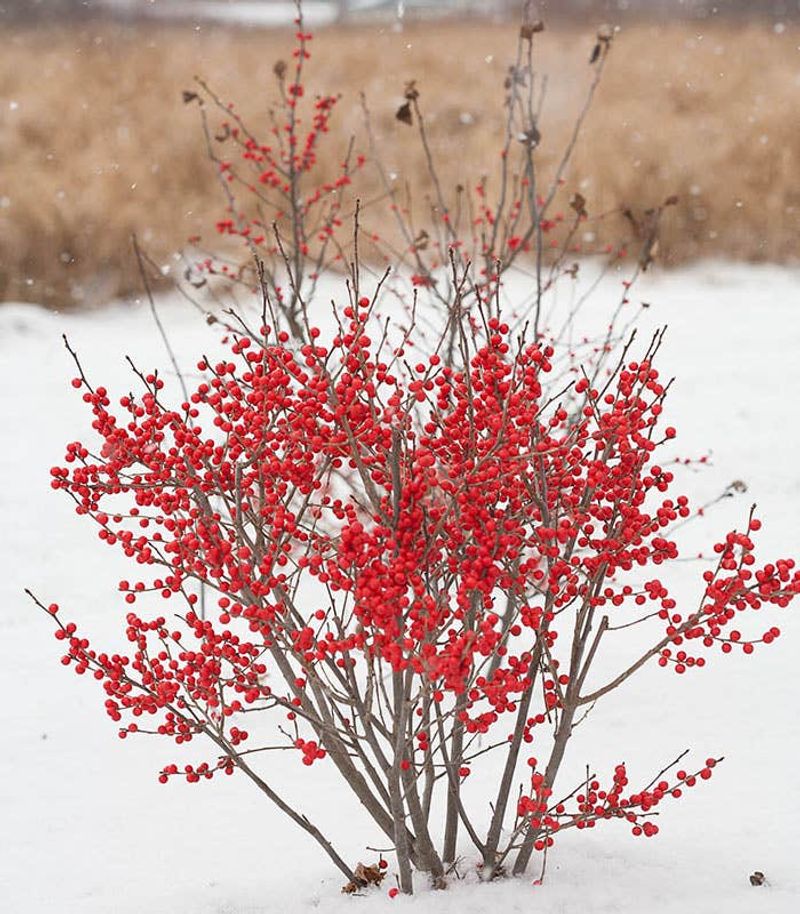
Bare twigs covered in scarlet beads look almost unreal against fresh snow, and winterberry pulls off that trick every year. I still slow my car down whenever I pass a wild patch growing along a swampy roadside.
Unlike the glossy holly on holiday cards, Ilex verticillata drops its leaves every fall and shows off naked branches. It handles harsh cold well, growing in USDA zones 3 through 9, which covers every corner of the state.
Robins and eastern bluebirds strip the branches eagerly, especially once a few hard frosts soften the fruit. Northern mockingbirds sometimes guard a loaded shrub and chase rivals away, which makes for great window entertainment.
Here comes the catch that trips up many beginners, because each plant is either male or female. Only females carry berries, so you need one male of a matching bloom time planted nearby.
Truth be told, a single male can usually pollinate several females, since bees carry the pollen for you. Ask your nursery which male partner fits the variety you choose, because timing really matters here.
Winterberry loves moist, acidic soil and shines in soggy low spots where other shrubs often sulk and struggle. Give it full sun to part shade for the heaviest crop, and expect plants around six to ten feet tall.
One caution matters for families, since the berries can upset human stomachs and pets if eaten. Birds handle them fine, so let the branches stay loaded and enjoy the show from indoors.
2. American Cranberrybush
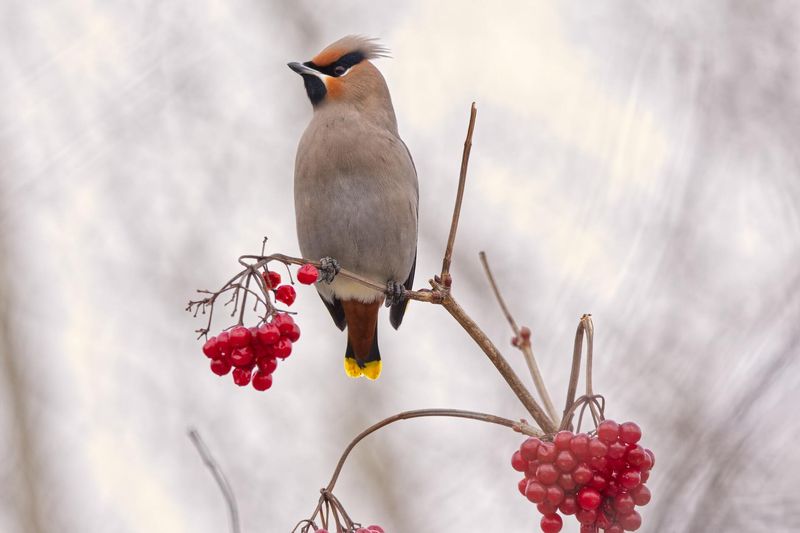
Glowing clusters of red fruit hang on this shrub like holiday lights that somebody forgot to take down. Funny thing is, birds often leave them alone for many months before suddenly deciding they look delicious.
American cranberrybush, Viburnum trilobum, is not a true cranberry at all, despite the tart look-alike fruit. Botanists also call it Viburnum opulus variety americanum, so you may spot either name at nurseries.
That sour flavor works in its favor, because the fruit stays on branches deep into the winter. Cedar waxwings and ruffed grouse tend to arrive late in the season, after sweeter options run out.
Spring brings flat white flower clusters with a showy outer ring that busy pollinators visit eagerly each year. In fall, the three-lobed leaves look a lot like maple leaves and turn warm shades of red.
Expect a sturdy, multi-stemmed shrub reaching roughly eight to twelve feet in full sun or partial shade. It prefers moist, well-drained soil, though I’ve seen it cope pretty well with heavier clay ground.
Buy carefully, because the European cranberrybush looks nearly identical and has spread into wild areas in parts of the Northeast. Check the label for the native type, and ask the staff questions if the tag seems vague.
Keep an eye out for viburnum leaf beetle, a pest that chews leaves on many viburnums in New York. Pruning out egg-covered twigs during winter is an easy way to reduce next summer’s leaf damage.
3. Northern Bayberry
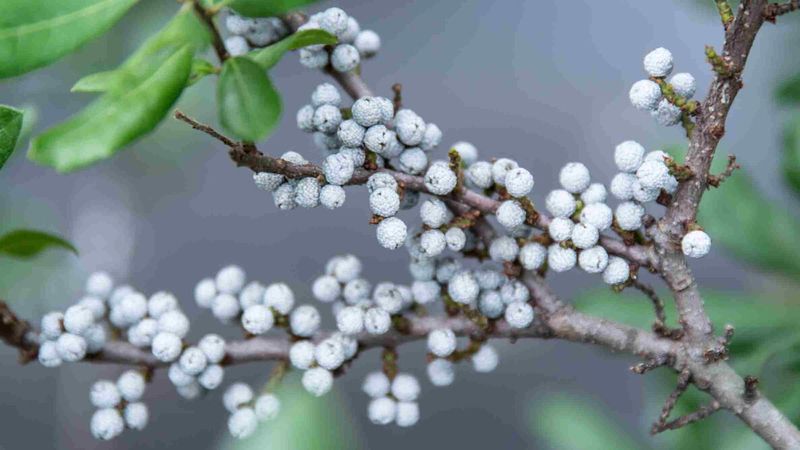
Crush a bayberry leaf between your fingers and a spicy, clean scent drifts up that smells like old-fashioned candles. Colonists once boiled the waxy fruit to make those candles, and the tradition still sparks curiosity today.
Northern bayberry, Morella pensylvanica, carries small gray berries coated in wax that cling to stems through winter. That coating is rich in fat, which gives birds a serious energy boost on long frigid nights.
Yellow-rumped warblers have a special talent for digesting that wax, which lets some stay surprisingly far north. Tree swallows returning in early spring also snack on leftover bayberries when cold snaps shut down insects.
If you ask me, this shrub is a hero for tough sites like sandy lots and windy slopes. It tolerates salt spray and road salt, so it thrives near Long Island beaches and busy driveways.
Partners in its roots help pull nitrogen from the air, so poor soil rarely slows it down. Skip the fertilizer bag, since extra feeding mostly just encourages floppy growth instead of more fruit.
Plants usually reach five to ten feet and spread by suckers, slowly forming a dense, bird-friendly thicket. Give them full sun to light shade, and leave room for that gentle sideways creep over time.
Like winterberry, bayberry has separate male and female plants, so buy a small group for reliable berries. The leaves often hang on into early winter, adding soft green structure while the fruit feeds hungry visitors.
4. Arrowwood Viburnum
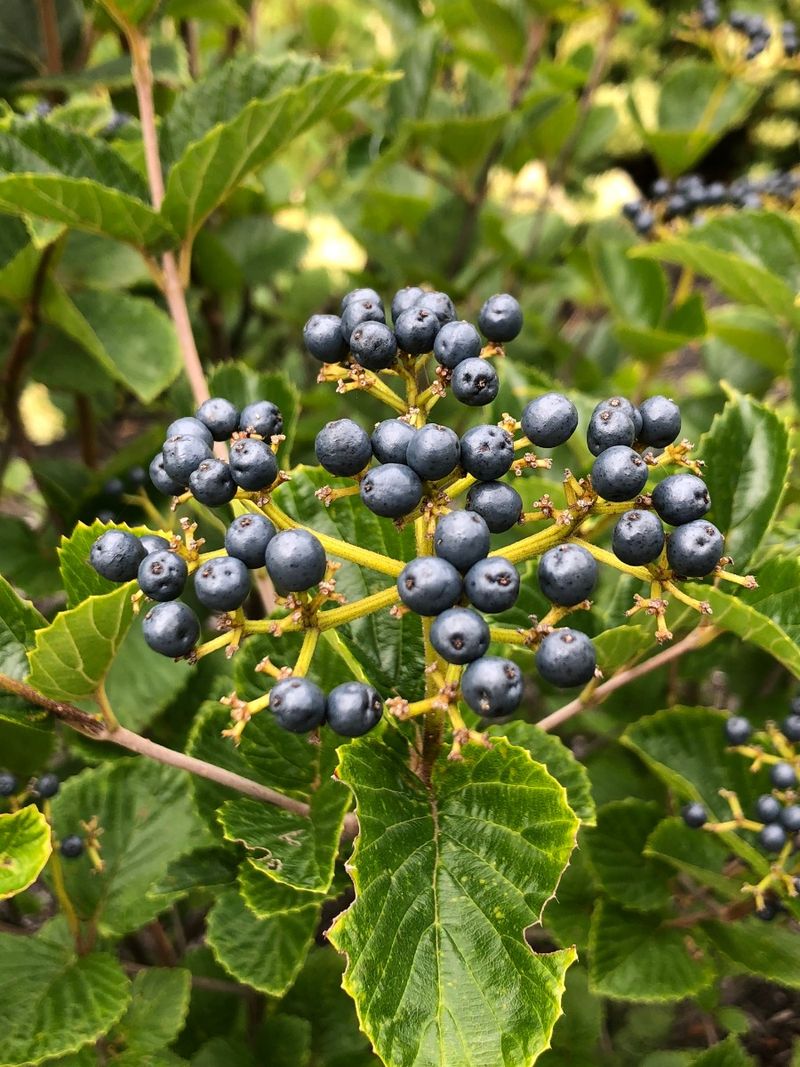
Straight, slender stems shoot up from the base of this shrub, and that ruler-like growth earned its name. Native peoples reportedly used arrowwood shoots for arrow shafts, which still feels like a fun piece of history.
Arrowwood viburnum, Viburnum dentatum, grows into a rounded clump about six to ten feet tall and wide. Its toothed leaves give it a crisp, tidy look, which explains the species name dentatum, meaning toothed.
Late spring brings flat clusters of creamy flowers that hum with small native bees on warm sunny afternoons. By fall, blue-black berries ripen, and the leaves shift toward glowing shades of red and purple.
Honestly, these berries disappear faster than the red ones on other shrubs, because they pack plenty of fat. Migrating thrushes and catbirds gobble many in autumn, while leftovers can help early winter robins and bluebirds.
I count that as a plus, since fall fuel matters as much as midwinter meals for hungry travelers. Pairing arrowwood with long-lasting fruiting shrubs gives birds a menu that stretches across several cold months.
Arrowwood shrugs off heavy clay and brief flooding, so it suits rain gardens and soggy property edges. Full sun gives the best fruit, though partial shade still works well for a lighter crop.
Viburnum leaf beetle loves this species, so check leaves in summer and trim egg-laden twigs during winter. Planting two different arrowwood seedlings also improves pollination, which means a heavier berry crop for your birds.
5. Nannyberry
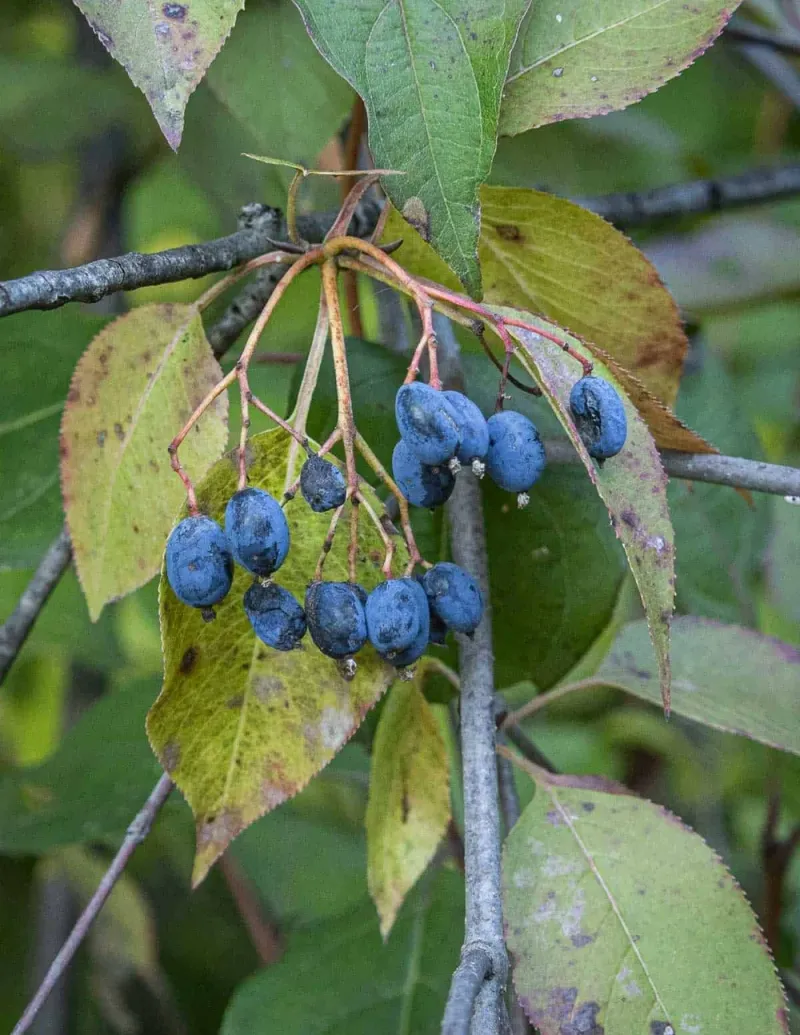
A wrinkled nannyberry picked in January tastes a bit like a prune, and that sweetness surprises most people. Birds figured it out long before we ever did, and they happily clean up whatever hangs on.
Nannyberry, Viburnum lentago, is the giant of the native viburnums, often reaching fourteen to sixteen feet tall. With some pruning, you can shape it into a small multi-trunked tree that shades a patio quite nicely.
Cedar waxwings and robins work through the drooping fruit clusters whenever cold weather pushes them into gardens. In my experience, squirrels sneak a share too, so plant a couple if you want plenty left.
Creamy flower clusters open in late spring, and the glossy leaves turn purplish red when autumn arrives. Look closely at the winter flower buds, which have a swollen base topped by a long pointed tip.
Hardy into USDA zone 2, this shrub laughs at the very coldest snowy corners of New York. It accepts sun or fairly heavy shade, and it handles moist or average soil once roots settle.
Fair warning, nannyberry likes to send up suckers, which can turn a single plant into a patch. Mow around it if you want one tidy trunk, or let it roam for a wildlife hedge.
Like its cousins, nannyberry sets heavier crops when another unrelated nannyberry grows somewhere fairly nearby for cross-pollination. A pair along the back fence gives you privacy in summer and a snack stand in winter.
6. Black Chokeberry
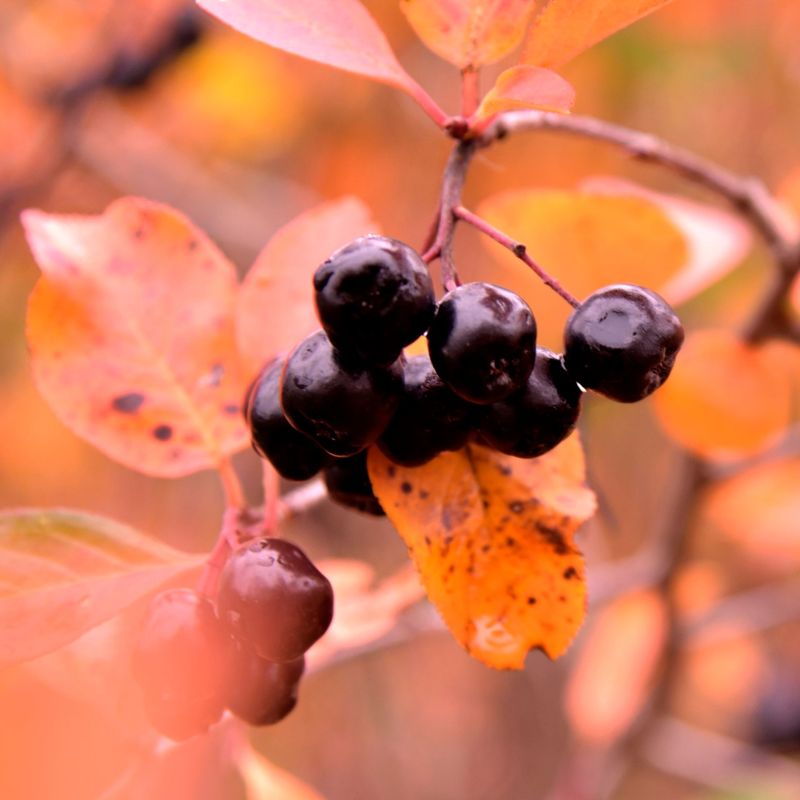
Pop a raw black chokeberry in your mouth and your cheeks will pucker so hard you’ll laugh. That dry, mouth-puckering taste is exactly why the fruit often lingers on branches well into winter.
Aronia melanocarpa is a compact native shrub, usually three to six feet tall, that fits small yards easily. It grows wild in bogs and on rocky ledges, which tells you how flexible it can be.
Birds treat these berries like a backup pantry rather than a first choice, and I think that’s brilliant. When sweeter fruit runs out in late winter, robins and waxwings often return to finish the job.
Spring flowers are white with pink anthers, and they draw plenty of early bees on mild days. Autumn is the real showstopper, when the glossy leaves blaze a rich ruby red across the yard.
Soggy ground and dry slopes both suit this tough little shrub, which takes full sun or light shade. Berry production is best in brighter spots, so save the shadiest corners for a more shade-loving plant.
Chokeberry spreads by suckers over time, which makes it handy for filling a slope or a rain garden. Snip unwanted shoots at ground level in late winter if you prefer a tidier and smaller clump.
People do eat aronia, and cooked berries make a deep purple jam packed with healthy antioxidants. Just pick a modest bowlful and leave the rest hanging for the birds that need it later.
7. Red Chokeberry
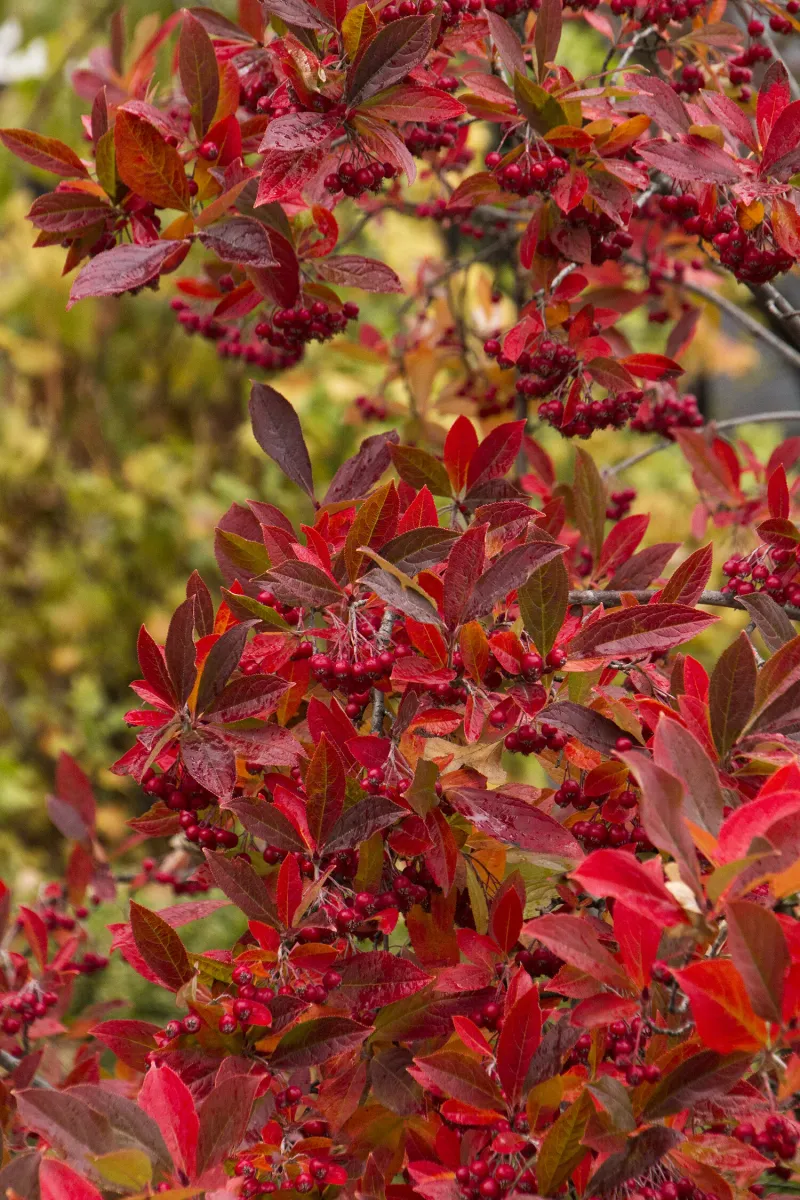
Bright red berries that still look fresh in February feel like a small miracle on a gray afternoon. Red chokeberry hands you that cheerful sight, and it honestly asks for very little care in return.
Botanists list it as Aronia arbutifolia, though some newer references file it under Photinia pyrifolia instead. Whatever the label says, it grows wild in swamps and sandy woods across much of the state.
Its berries hold their color for months, partly because birds find them less tempting than sweeter fruits. Mockingbirds and robins often turn to them in late winter, when hunger beats picky little taste buds.
Expect an upright, somewhat leggy shrub around six to ten feet tall with fairly narrow, vase-like growth. I like tucking lower plants in front of it, which hides the bare knees and frames the berries.
Fall foliage puts on a fiery show, and the cultivar Brilliantissima earned its name for good reason. Its glossy leaves turn scarlet while the berries ripen, so the whole plant glows red for several weeks.
Full sun brings the heaviest fruit set, though the shrub tolerates partial shade with a smaller crop. Moist, acidic soil suits it best, yet established plants handle drier summer spells better than you’d expect.
Pests and diseases rarely cause serious trouble, which makes this a relaxed and easygoing choice for busy gardeners. Plant a small group near a kitchen window, and you’ll get a front-row seat for late-season feeding.
8. Staghorn Sumac
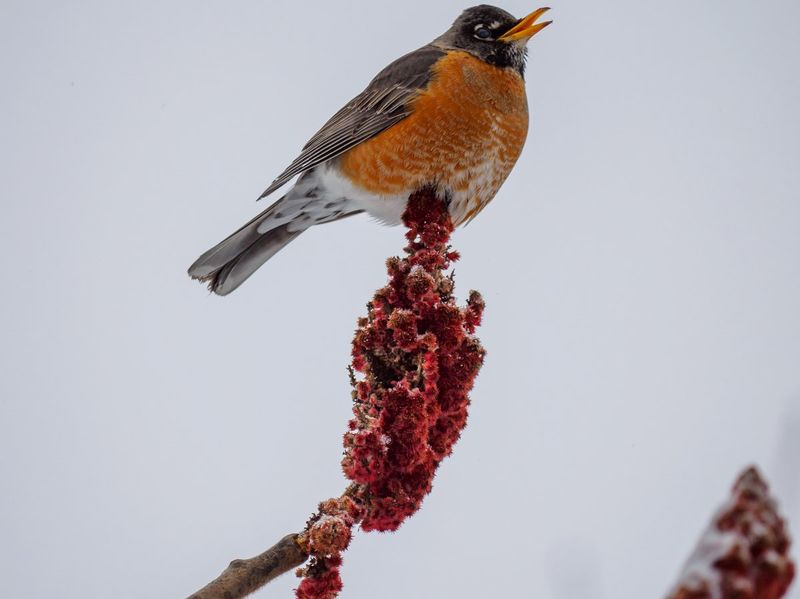
Fuzzy branches that look like deer antlers in velvet gave staghorn sumac its name, and the resemblance is uncanny. Rub a young stem sometime, because it really does feel soft and plush like a stuffed toy.
Rhus typhina holds upright cones of fuzzy crimson fruit that stand above the snow all winter. Birds tend to save these clusters for late in the season, treating them like a reserve snack when little else remains.
Eastern bluebirds and robins pick steadily at them in late winter, and wild turkeys sometimes join in. The fruit is low in fat, but it stays available when hunger runs highest before spring.
Don’t confuse it with poison sumac, which grows in swamps and carries drooping clusters of whitish berries. Staghorn’s red, upright fruit is harmless to touch, and some people even steep it for a lemony drink.
I’ll be upfront, this native loves to wander, sending suckers outward until one plant becomes a small grove. Give it a steep bank or a wild back corner where spreading counts as a bonus.
It thrives in full sun and dry, poor soil, and it can reach fifteen to twenty feet tall. Plants are usually male or female, and only the females produce those bright fuzzy fruit spikes.
Fall color is jaw-dropping, with leaflets turning glowing orange and scarlet along nearly every arching branch. If you have plenty of space, few native plants offer this much drama for so little effort.