What Georgia Gardeners Should Do With Peony Plants In Early September For Better Spring Blooms
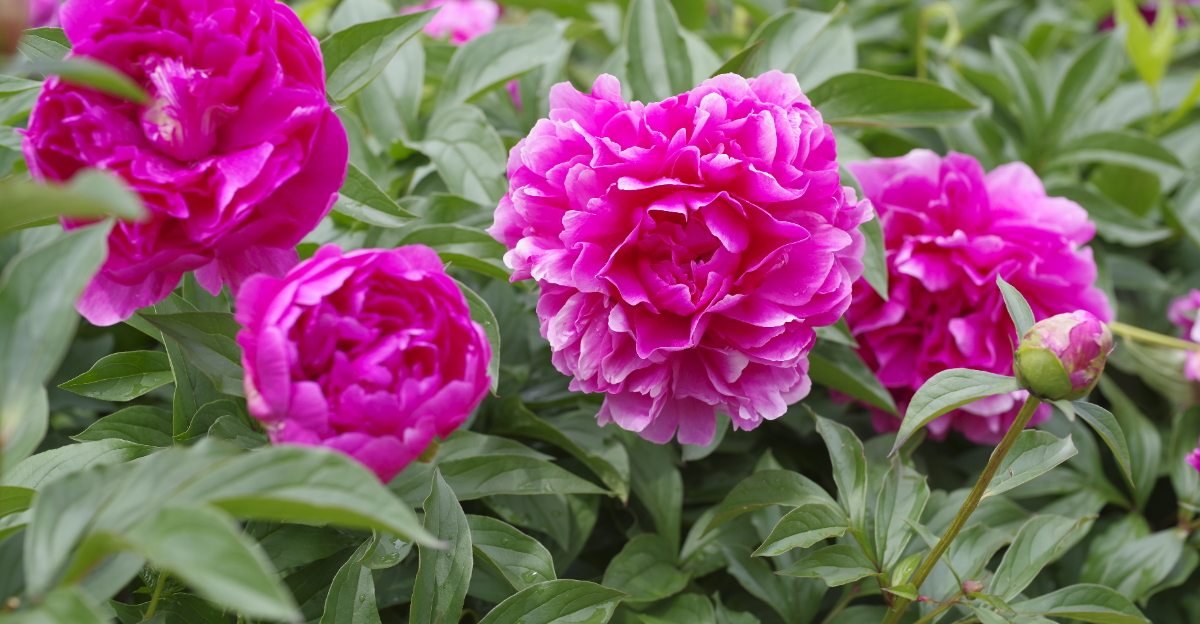
Peonies rarely ask for much attention after they finish blooming. It is easy to forget about them until the weather turns cold.
Early September tells a different story. This is one of the most important times for next year’s flowers.
A healthy plant can still miss its full potential. The work happening below the soil matters more than most people realize.
In Georgia, experienced gardeners do not wait until spring to think about peonies. They know the growing season is not really over yet.
Take another look before putting these plants out of your mind. Good timing often makes a bigger difference than extra effort.
The choices you make now stay with your peonies for months.
When spring finally arrives, you will be glad you gave them attention at exactly the right time.
1. Cut Back Foliage Only After It Begins To Fade
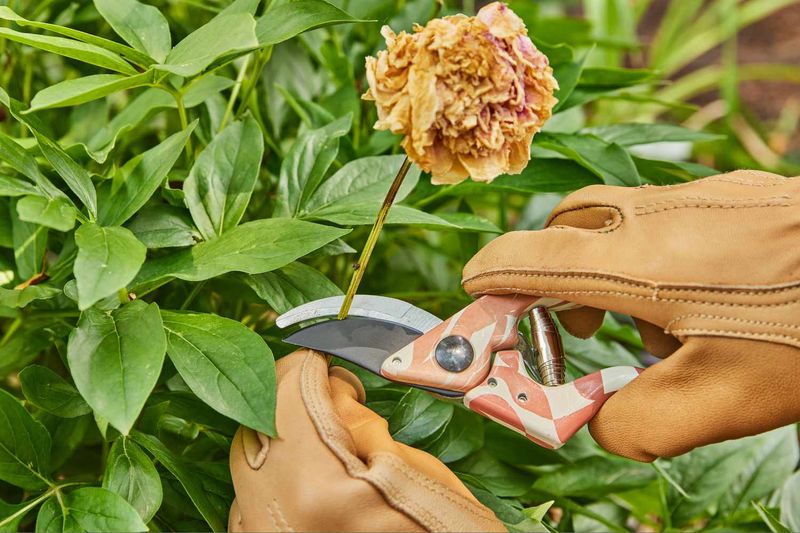
Grabbing your shears too early is one of the most common mistakes peony growers make in fall. Foliage that still looks green is still feeding the roots below the soil.
Cutting it off before it fades can reduce the energy your plant stores for spring.
Wait until the leaves start turning yellow or brown before you trim anything back. Once the color shift is clear, cut the stems down to about two to three inches above the soil line.
Keep the cuts clean and avoid leaving stubs that are too long.
Faded foliage left on the ground can invite fungal problems, especially in humid conditions common across the region. Remove the trimmed material from the garden bed rather than leaving it to break down in place.
Bagging it up and tossing it out is a smarter move than composting it.
Peonies store energy in their root system through late summer. That stored energy fuels next spring’s growth and flower production.
Respecting that process by cutting back at the right time, not just when it is convenient, gives your plants a real advantage heading into dormancy.
2. Clear Away Fallen Leaves Around Each Clump
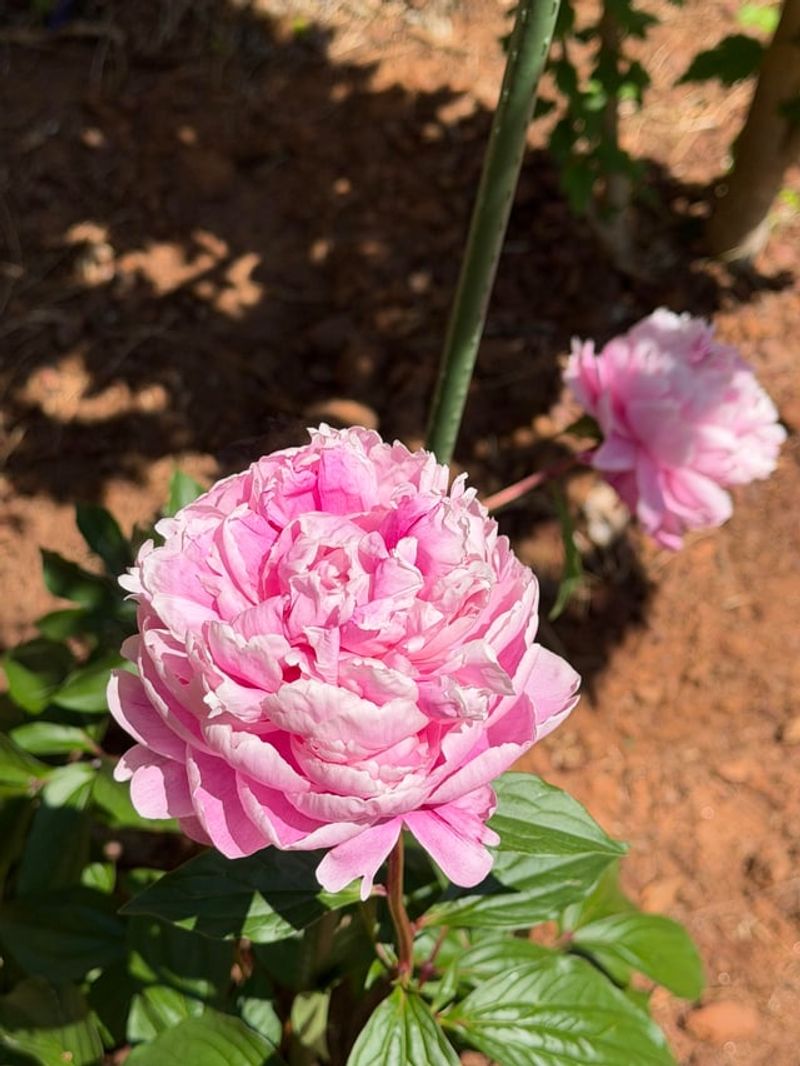
Fallen leaves piling up around peony crowns create a damp, sheltered environment where fungal spores and pests can settle in over fall and winter. Botrytis blight is a real concern for peonies, and excess moisture trapped under leaf litter makes it worse.
Clearing that debris is a straightforward step that pays off in spring.
Rake gently around the base of each clump to avoid disturbing the shallow roots or crowns near the soil surface. Peony roots do not run deep, so aggressive raking can cause unintended damage.
A soft rake or even your hands work well close to the plant.
Once you have cleared the debris, take a quick look at the soil surface around each clump. Check for any signs of rot, odd discoloration, or unusual soil texture.
Catching a problem now is much easier than dealing with it after a full winter has passed.
Keeping the area around your peonies tidy through fall is a simple habit that reduces risk. It does not require much time or special tools.
Your Georgia Garden Changes Every Week. Your Plan Should Too.
Gardening in Georgia changes quickly throughout the season. Every Friday you’ll receive a simple weekly plan showing exactly what to plant, prune, fertilize, harvest, and protect so you never miss the right timing.
A clean bed going into winter gives your plants a better chance of coming back healthy and strong when temperatures warm back up in spring.
3. Divide Crowded Plants If They Need More Space
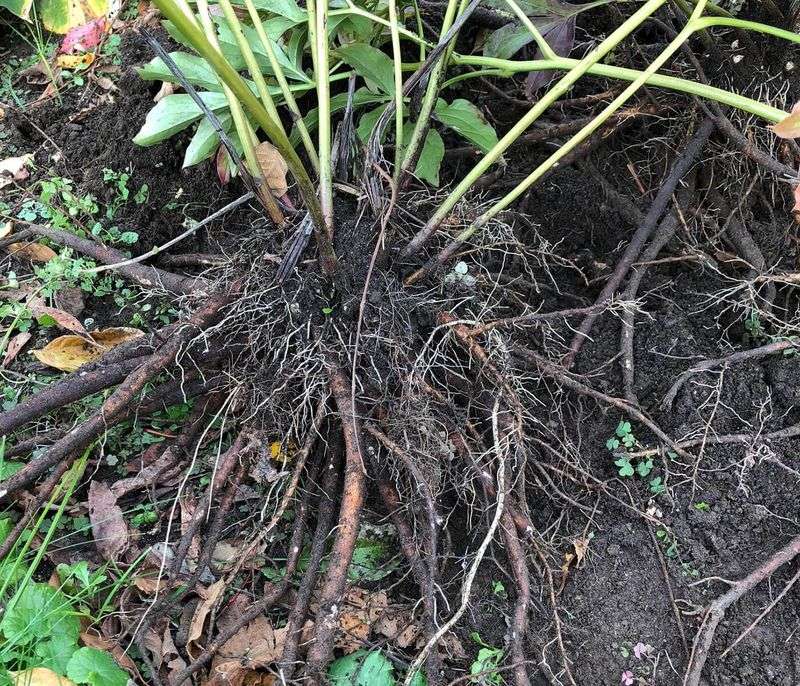
Peonies that have been sitting in the same spot for many years can get crowded. Crowded clumps often produce fewer blooms and smaller flowers over time.
Dividing them in early fall gives the roots time to settle before winter sets in.
Start by digging around the clump carefully, working your way in from the outside to avoid slicing through too many roots. Lift the entire clump and shake off loose soil so you can see the root structure clearly.
Look for natural separation points between sections before cutting.
Each division should have at least three to five eyes, which are the small pinkish-red buds visible on the crown. Fewer eyes per division can result in weak plants that take longer to establish and may not bloom for a couple of seasons.
More eyes per piece generally means a faster recovery.
In Georgia, early September gives divided plants enough time to push out some new root growth before the soil cools significantly. Waiting until late fall reduces that window.
Planting divisions promptly after cutting them keeps them from drying out, which can set back establishment. Handle the roots with care and replant as soon as possible after dividing.
4. Replant Eyes Close To The Soil Surface
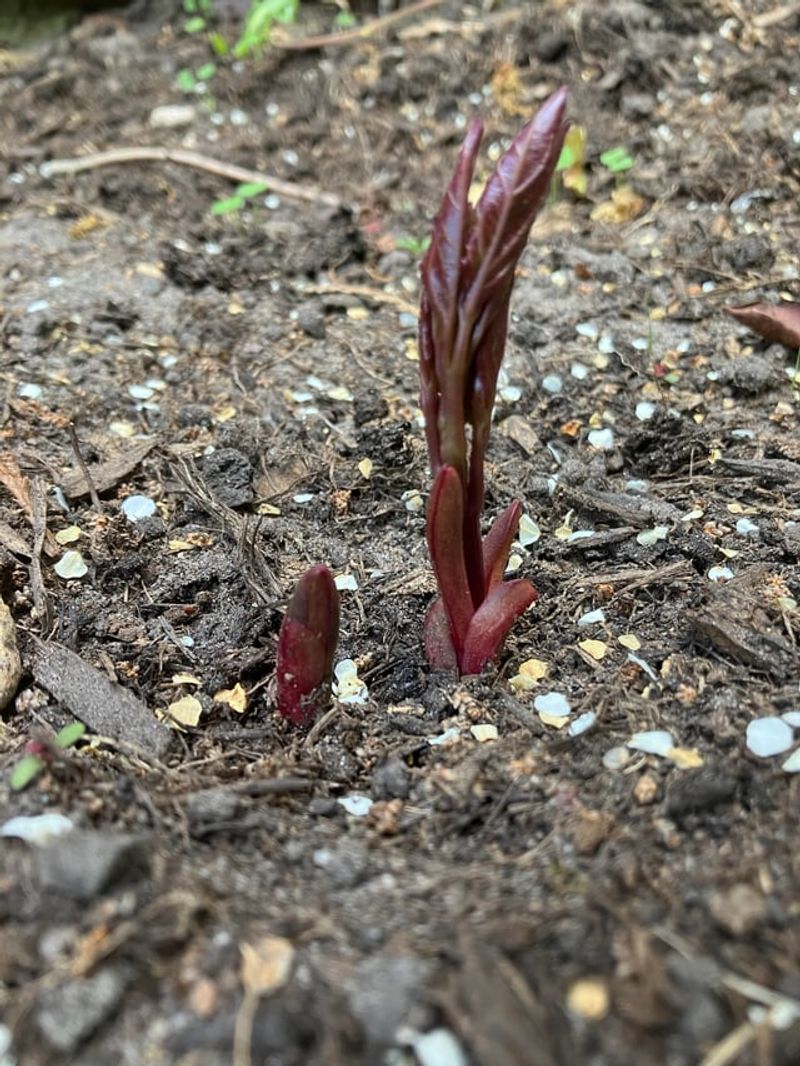
Planting depth is one of the most critical factors in peony performance, especially in warmer climates. Peonies planted too deeply often produce lush foliage but very few flowers.
In Georgia’s relatively mild winters, keeping the eyes close to the surface is especially important.
Aim to position the eyes no more than one to one and a half inches below the soil surface. Some gardeners in warmer zones even plant with the eyes at soil level or just barely covered.
Going deeper than two inches in a warm climate is a common reason peonies underperform year after year.
Prepare the planting hole with well-draining soil. Heavy clay holds too much moisture around the crown, which can cause rot over a wet winter.
Mixing in some compost improves drainage without making the soil too loose or nutrient-rich at planting time.
After settling the root into position, backfill gently and firm the soil by hand rather than stomping it down. Aggressive compaction can shift the root lower than intended.
Check the eye depth one more time before walking away. A quick measurement with your finger is all it takes to confirm you are in the right range for a healthy spring start.
5. Water Thoroughly After Moving Established Clumps
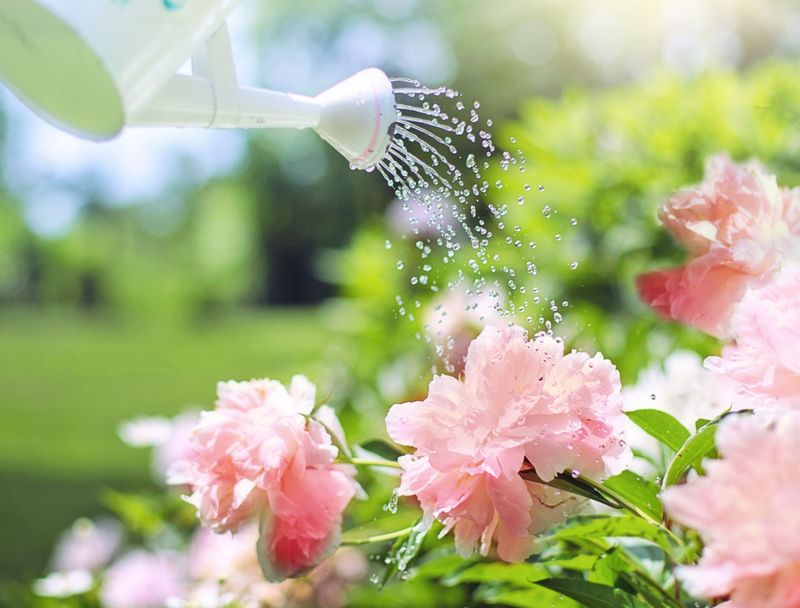
Moving an established peony is stressful for the plant. Roots get cut, the crown gets disturbed, and the plant has to redirect energy toward recovery rather than storage.
Giving it a deep drink of water right after replanting helps ease that transition.
Water slowly and deeply so moisture reaches down into the root zone rather than just wetting the surface. A slow trickle for several minutes works better than a quick splash.
You want the soil around the roots to be consistently moist for the first week or two after planting.
Check the soil moisture every couple of days during that establishment window. September in the South can still bring warm, dry stretches that pull moisture out of the soil faster than expected.
Do not assume one good watering is enough if the weather stays dry.
Once you see signs that the plant has settled in, you can ease back on watering frequency. Overwatering after the first couple of weeks can cause crown rot, particularly if drainage is not ideal.
Balance is key. Established peonies are fairly tolerant of dry spells once their roots are set, but newly moved plants need consistent moisture to recover and build strength before winter arrives.
6. Avoid High Nitrogen Fertilizers In Fall
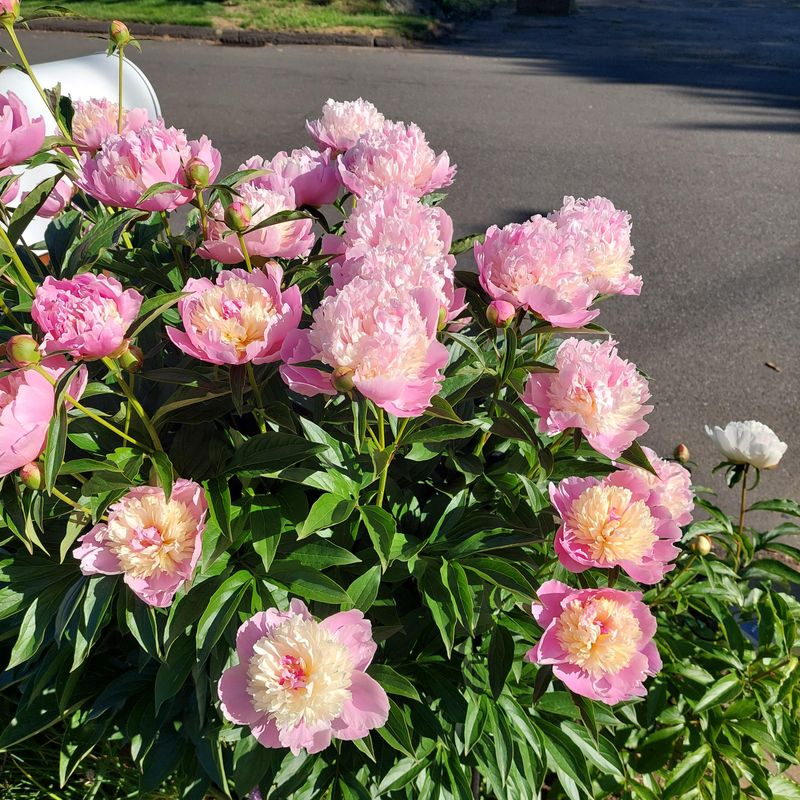
Reaching for a general-purpose fertilizer in fall might feel productive, but high nitrogen products can cause real problems for peonies at this time of year. Nitrogen pushes leafy, green growth.
That is exactly what you do not want heading into dormancy.
New growth triggered by nitrogen in fall is soft and vulnerable. A cold snap can damage that tender growth quickly.
Encouraging that kind of flush in September or October works against the plant rather than helping it prepare for winter.
If you want to feed your peonies in fall, a low-nitrogen option with a focus on phosphorus and potassium is a more reasonable choice. Phosphorus supports root development, and potassium helps overall plant resilience.
Neither one pushes the kind of top growth that makes plants vulnerable before cold weather arrives.
Soil testing is worth considering before adding any fertilizer at all. Many garden soils in the region already have adequate nutrient levels, and adding more without knowing what is there can create imbalances.
A basic soil test from your local extension office gives you a clearer picture. Feeding based on actual need rather than habit tends to produce better results and avoids unnecessary inputs that could stress the plant at a sensitive time of year.
7. Mark Plant Locations Before Winter Dormancy
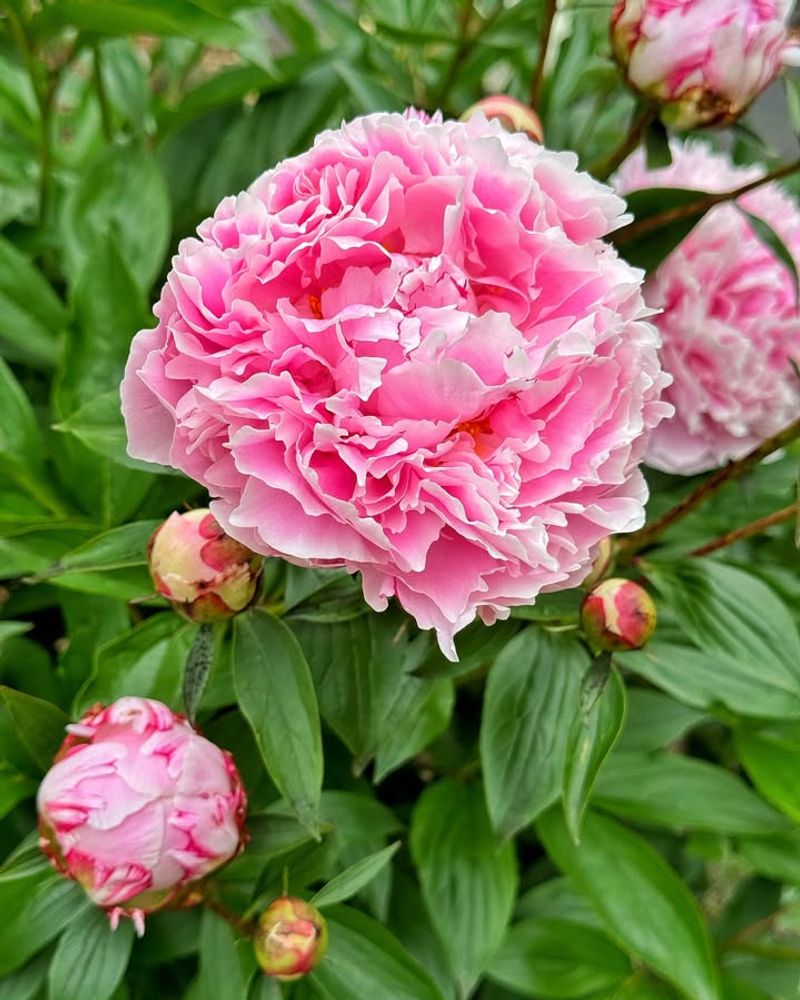
Peonies vanish completely above ground once they go dormant. By late fall, there is nothing left to see above the soil.
Without a marker in place, it is surprisingly easy to accidentally dig into a crown during winter cleanup or early spring prep work.
Sturdy plant stakes or small flags work well for marking locations. Write the variety name on the marker if you are growing more than one type.
That information becomes useful in spring when you are tracking which plants bloomed well and which ones might need attention or moving.
Marking also helps when you are planning new additions to the garden over winter. Knowing exactly where existing clumps sit lets you space new plants properly without overcrowding.
Peonies need good air circulation around them, and crowding reduces that over time.
In Georgia, winters are mild enough that some gardeners work in the beds year-round. That makes accidental disturbance of dormant crowns more likely than in colder regions where frozen ground limits activity.
A visible marker costs almost nothing and takes about thirty seconds to place. Skipping that small step has led many gardeners to wonder in spring why a previously healthy plant simply did not come back.
Protect your investment with something as simple as a labeled stake.