How North Georgia Gardeners Can Finally Clear Creeping Charlie Before Spring
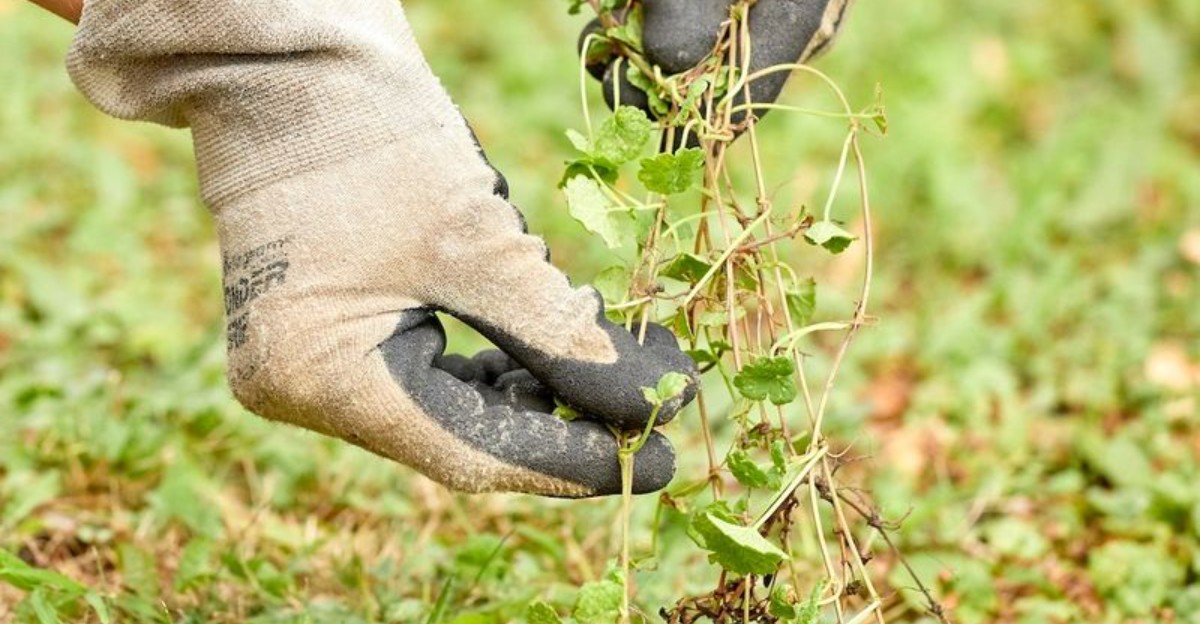
Every time you mow certain shady corners of the yard, a sharp minty smell drifts up from the grass. That scent belongs to a sneaky little weed with square stems and scalloped leaves.
European settlers brought it to America on purpose, as a medicinal herb and a cozy groundcover. Centuries later, it has escaped into lawns all over North Georgia.
I find it a little funny that something once grown on purpose now causes so much grumbling.
Each runner roots wherever a leaf joint touches soil. Yank one piece and leave a scrap behind, and you have planted a fresh start for it.
You need more than muscle to win this one.
I spent two springs pulling it before I learned the real trick was the calendar. Late winter offers a quiet window before your grass wakes up.
Getting the timing right could finally give you the upper hand against this stubborn weed.
1. That Minty Ground Ivy Has a Weak Spot Hiding in the Calendar
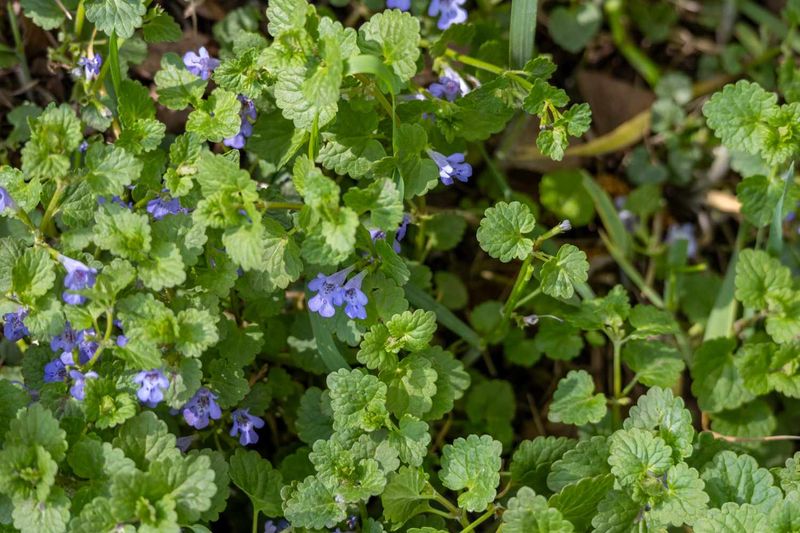
Ground ivy is a perennial in the mint family, and it stays green through most Georgia winters. That staying power is part of its trick.
While your lawn sleeps, it keeps soaking up sunlight and quietly stretching its runners.
Yet that same habit opens a door for you. In fall and early winter, the plant shifts sugars down into its roots and stem nodes to store energy.
Anything you spray on the leaves during that time rides along with those sugars, reaching deeper than a spring treatment usually does.
University extension specialists in several states point to fall as the top window, with a second chance in spring around bloom time. Those little purple, funnel-shaped flowers usually show up in March and April across North Georgia.
So if you missed fall, you have not missed everything. Mild late-winter days still let the weed take in a treatment, and you get to work before your grass starts its spring growth spurt.
I like that this timing lets you see the problem clearly, too.
Brown dormant Bermuda makes those bright green ivy patches easy to spot from the porch. Grab a few garden flags and mark the worst areas now.
2. Mild Late Winter Days Are Perfect for Spraying Creeping Charlie Mats
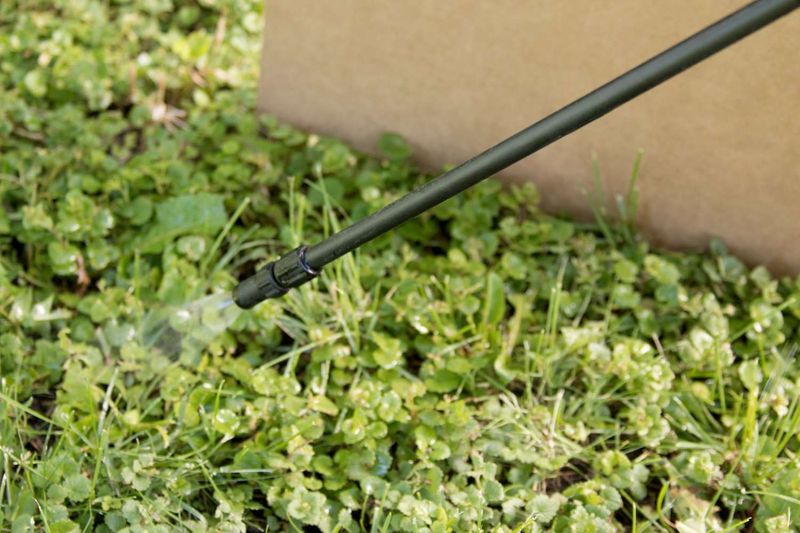
Patience pays off with a thermometer. Herbicides work best when the weed is actively growing, and ground ivy slows down sharply in cold snaps.
Watch the forecast for a stretch of days with highs above 50 degrees, which often arrives in February and early March in the Piedmont and foothills.
Mountain counties like Rabun, Union, and Towns can run a few weeks behind the Atlanta suburbs. Your timing may need to slide later if you garden at higher elevation.
Spray when the leaves are dry and no rain is expected for at least 24 hours. Calm mornings matter, since spray drift can harm nearby shrubs and perennial beds.
Skip days with a hard freeze right before or after application.
Plan on more than one round. Most labels allow a repeat treatment a few weeks later, and stubborn mats often need it.
One pass usually knocks the plant back, while the second catches runners that hid under leaves or along fence lines.
Keep notes on dates and products in a notebook or phone app. Next fall, you can follow up during the prime window and finish the job with confidence.
3. Triclopyr Sprays Do the Heavy Lifting on Stubborn Ground Ivy
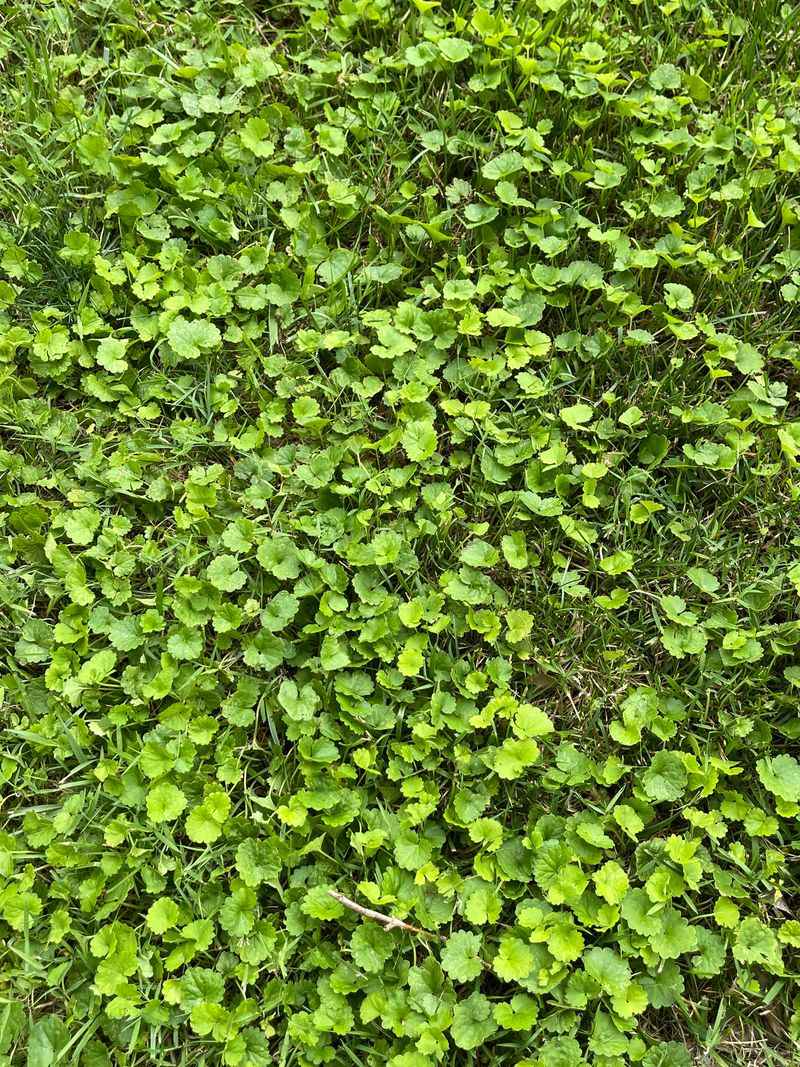
Plenty of gardeners grab a basic 2,4-D weed spray and wonder why nothing changes. Extension research from Purdue and Illinois shows ground ivy shrugs off 2,4-D used on its own.
The ingredient that gets real results is triclopyr.
Look for products listing triclopyr on the label, often sold for clover, oxalis, and ground ivy. Some blends pair it with dicamba, mecoprop, or 2,4-D, and those combinations widen the range of weeds you hit.
Fluroxypyr is another ingredient that shows good activity on this weed.
Read the label twice before mixing. It tells you which grasses are safe, how much to use, and how long to keep kids and pets off the treated area.
More product does not mean better results, and heavy doses can scorch your lawn.
A sprayer with a fan nozzle helps you cover leaves evenly. Ground ivy leaves have a slightly waxy surface, and some labels suggest adding a surfactant for better coverage.
Spot treat when you can instead of blanketing the whole yard. Your wallet, your soil, and the bees visiting nearby flowers will all appreciate a lighter touch.
4. Centipede, Bermuda, and Zoysia Lawns Need a Gentler Ground Ivy Plan
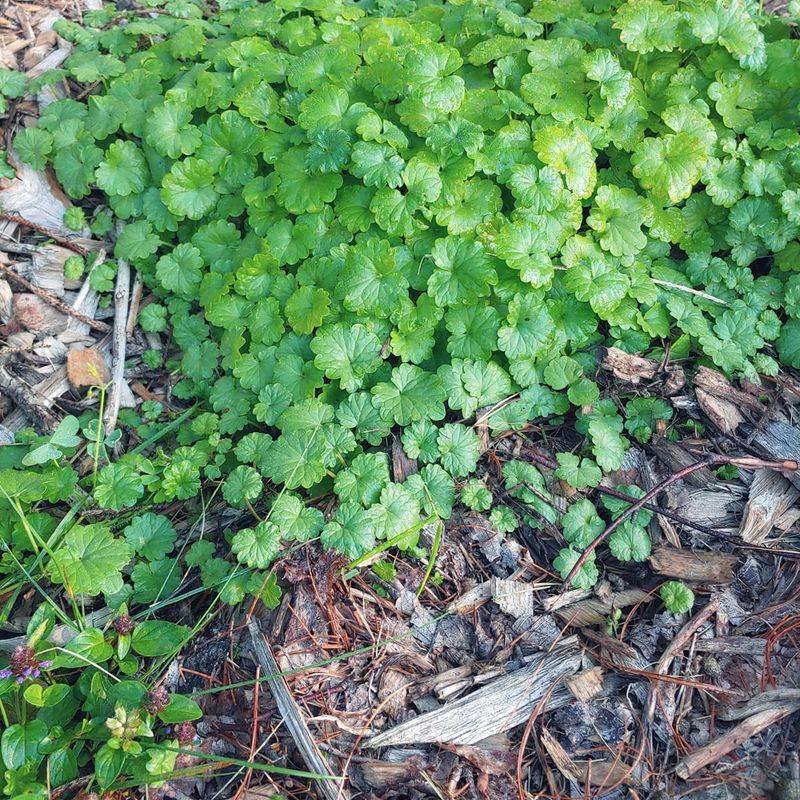
Your grass type changes the whole game plan. Tall fescue handles triclopyr products well, but warm-season lawns are a different story.
Centipede and St. Augustine grass are sensitive to triclopyr and can be badly injured. Many labels list them as unsafe outright.
Zoysia and Bermuda tolerate some products better, but they can still yellow or thin when sprayed during spring green-up.
Timing helps a lot. A warm-season lawn that is fully dormant in late winter usually handles herbicides better than one pushing out tender new blades.
Once your grass starts greening, hold off until it settles into steady growth.
Check the label for your exact grass before buying anything. Several brands sell versions made for southern lawns that skip triclopyr and use ingredients safer for centipede.
The University of Georgia Pest Management Handbook lists options by turf type and is free online.
Call your county extension office if you feel unsure. Agents there field these questions every spring and can match a product to your yard.
A small test patch is a smart move, too. Spray one corner, wait a week, and look for yellowing before treating the rest of the lawn.
5. Pulling Creeping Charlie Runners by Hand Works If You Get Every Node
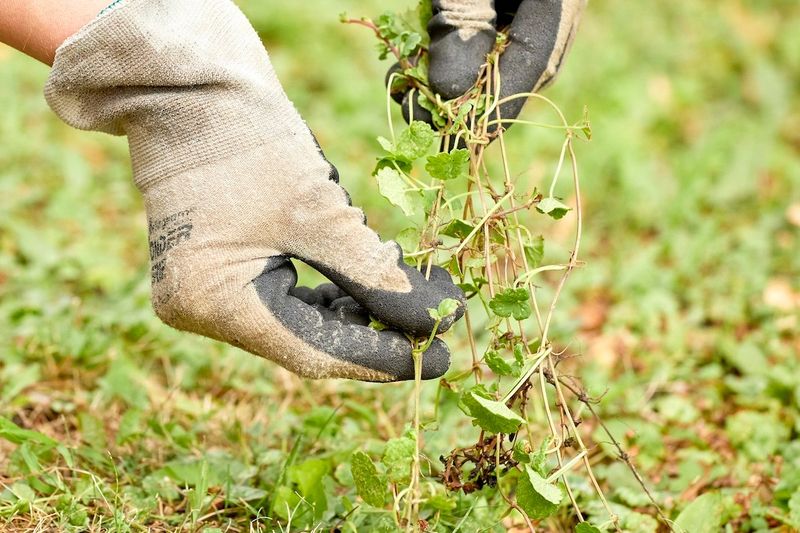
Rainy weekends are secretly perfect for this chore. Moist soil lets the shallow roots slide out instead of snapping off.
Start at the edge of a patch and find a runner. Lift it gently and follow it back toward the center, rolling up the mat like a rug.
Every leaf joint along a stem can grow roots, so a small piece left in the soil can start a brand-new plant.
A hand weeder or a narrow garden fork helps loosen the clay around tougher clumps. Wear gloves, since the crushed leaves leave a strong minty smell on your hands that lingers for hours.
Bag the pulled plants and toss them with yard waste rather than adding them to your compost pile. Home compost piles rarely get hot enough to stop those stems from rooting again.
Hand pulling makes the most sense for small patches, flower beds, and spots near vegetables where you would rather skip sprays. Large lawn infestations can wear you out fast.
I break the job into twenty-minute sessions, and it feels far less like punishment that way.
Check back every week or two. New sprouts are easy to pluck while they are tiny.
6. Cardboard and Mulch Smother Ground Ivy Better Than Borax
Old-timers swore by borax, and you may still see the recipe online. Boron does suppress ground ivy, but research from Iowa State found the safe margin is slim.
Too much harms your grass and other plants, and boron can build up in soil for years.
Personally, I would skip it. Smothering is slower, but it is a kinder method for beds and bare areas.
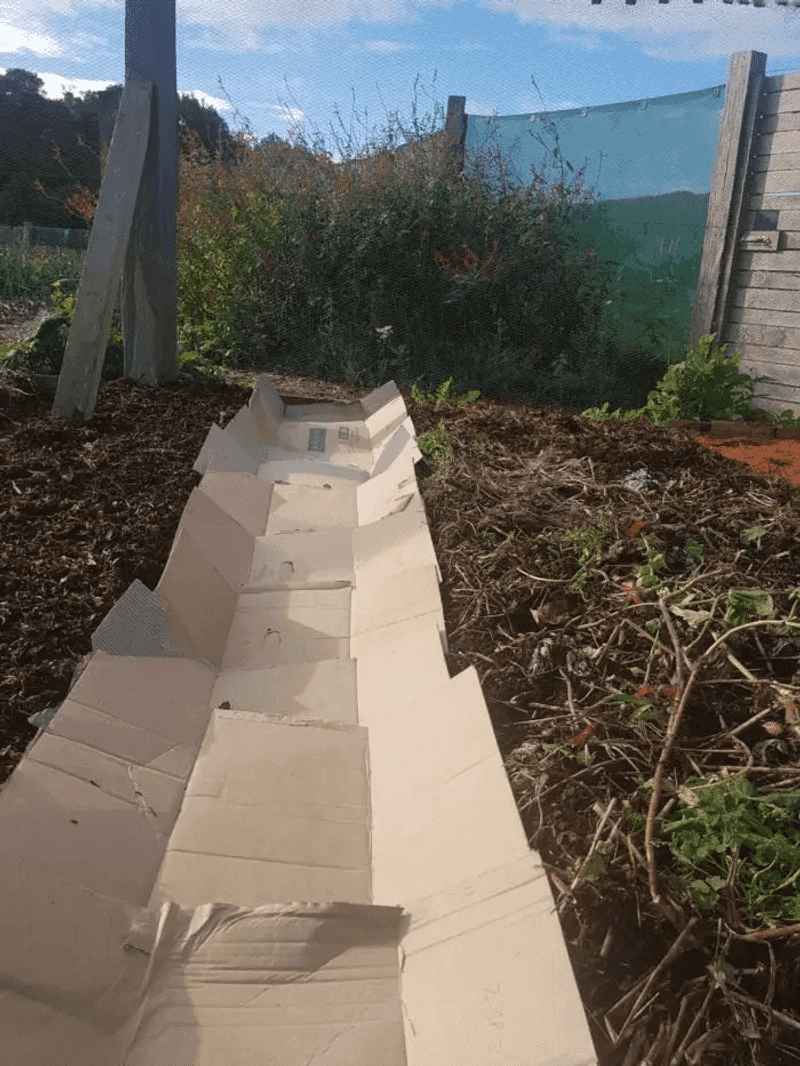
Lay overlapping sheets of plain cardboard or several layers of newspaper over the patch. Soak them with water, then top with three or four inches of mulch such as pine straw or shredded bark.
The layers block sunlight, and the weed starves over several weeks.
Leave the cover in place for at least six to eight weeks. Lift a corner to check progress, and pull any runners sneaking out the edges.
Late winter is a fine time to start, since beds are mostly empty and you can plant through the cardboard in spring. Cut holes for new transplants once the ivy underneath has faded.
Vinegar sprays get mentioned often, too. They burn the leaves but usually leave the roots unharmed, so regrowth follows quickly.
7. Shady Corners and Soggy Red Clay Roll Out the Welcome Mat for Ground Ivy
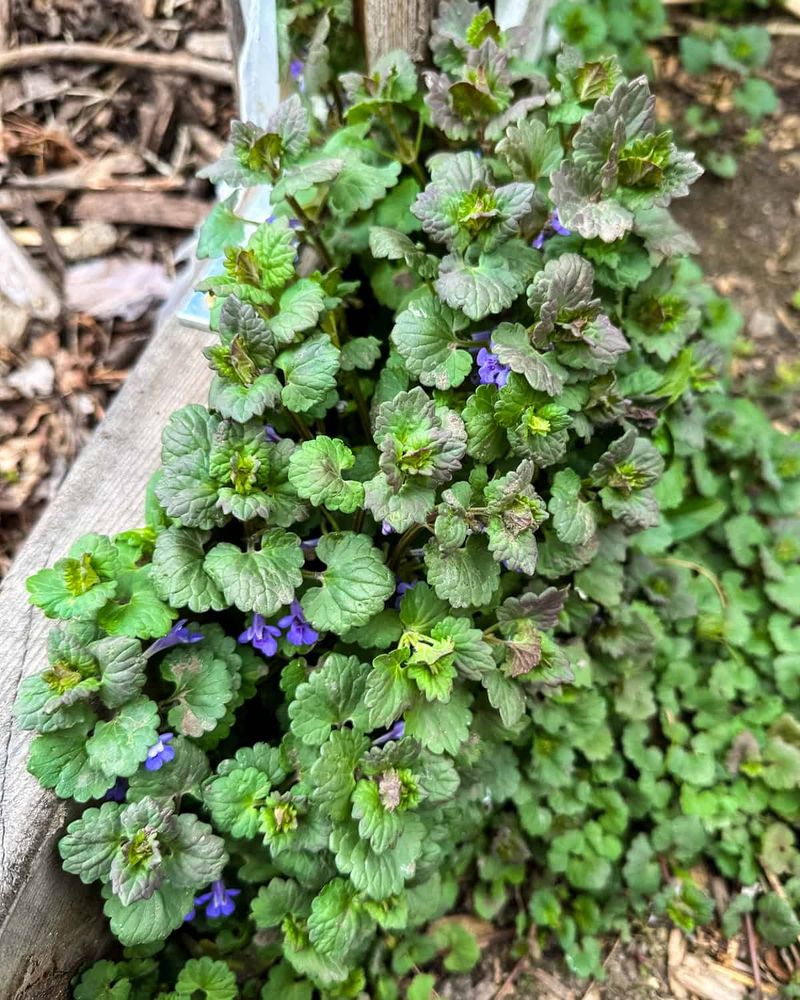
Ground ivy is a bit of an opportunist. It moves into spots where grass already struggles, and North Georgia yards hand it plenty of chances.
Shade from oaks, pines, and maples tops the list. Most turfgrasses want at least four to six hours of direct sun, while ground ivy happily grows in deep shade.
Thinning lower limbs lets more light reach the ground.
Red clay is the next culprit. It packs down tight, holds water, and smothers grass roots.
Core aeration pulls small plugs from the soil so air and water can move again. Aerate fescue in early fall and warm-season grasses in late spring or early summer once they are actively growing.
Watch for low spots that stay wet after rain. Ground ivy loves damp ground, so fixing gutters, regrading, or adding a rain garden with native plants can shrink its favorite territory.
Shallow, frequent watering keeps the surface moist and helps the weed, too. Water deeply about once a week instead.
In heavy shade where grass refuses to thrive, consider native groundcovers like green-and-gold or wild ginger. They give the area a purpose besides hosting weeds.
8. Thick Fescue and Higher Mowing Keep Creeping Charlie From Sneaking Back
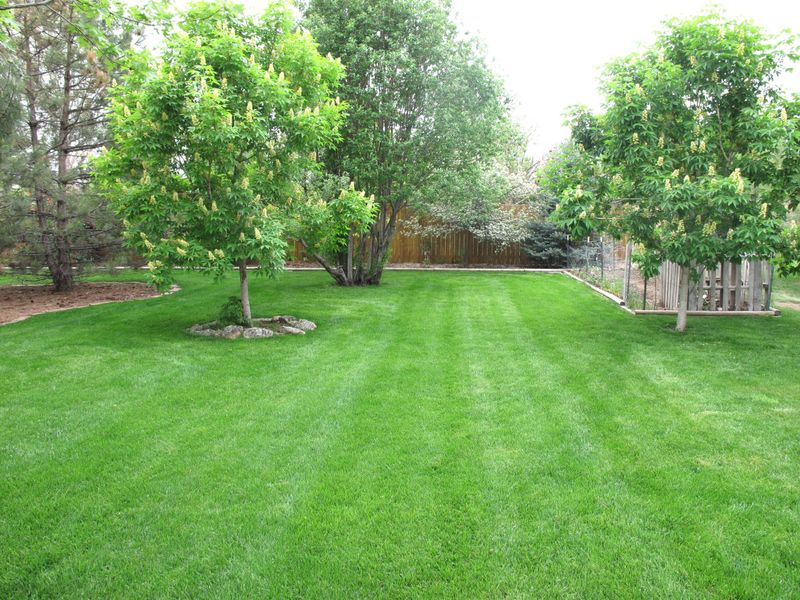
A thick lawn is the best weed barrier money can buy. When grass blades crowd every inch, ground ivy runners struggle to find bare soil to root into.
For tall fescue, the most common cool-season lawn in North Georgia, mow at three to four inches. Taller blades shade the soil and encourage deeper roots.
Bermuda and zoysia prefer shorter cuts, so follow the height recommended for your grass.
Fescue gets overseeded in fall, from about mid-September through mid-October. Mark that on your calendar now, since spring seeding often struggles through summer heat.
Fertilize fescue mainly in fall, too, and feed warm-season grasses after they green up.
Walk your yard every couple of weeks in spring. Look along fences, sidewalks, and bed edges where runners love to sneak back in.
Pulling a few sprigs early saves hours later.
Get a soil test through your county extension office for a small fee. It tells you exactly what your lawn needs instead of leaving you guessing.
Clearing this weed rarely happens in one weekend. Pair late-winter work with a fall follow-up and steady lawn care, and those minty mats will keep shrinking year after year.