What Squirrels Burying Acorns Near Your North Carolina Foundation Are Really Telling You
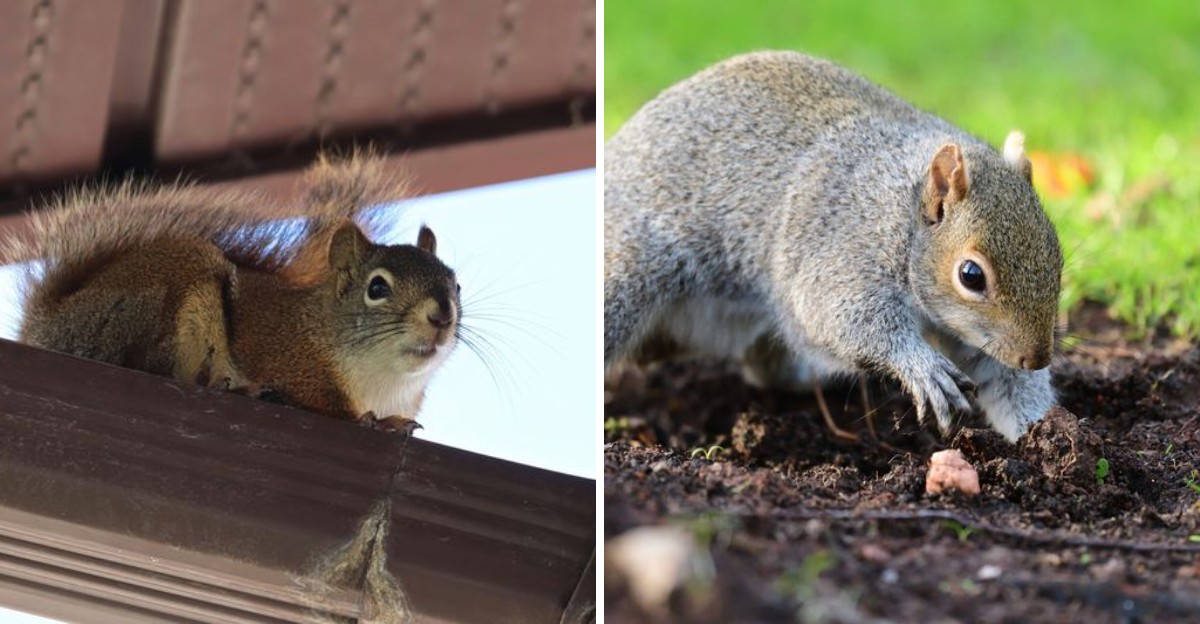
A single gray squirrel can bury thousands of nuts in one fall, and each one goes into its own separate hole.
That busy digger by your house is not hiding a secret message. What I find interesting is how much its little stash plan can reveal about your yard.
I never get tired of watching them work. They pat the soil down, glance around, and sometimes dig the nut back up to move it if they think someone saw.
Researchers have even found that these critters fake-bury food to fool watchers. Sneaky, right?
Here in North Carolina, fall turns many yards into a busy storage zone. So why does the spot right next to your foundation keep getting picked?
1. That Squirrel Digging by Your Brick Wall Has a Winter Plan
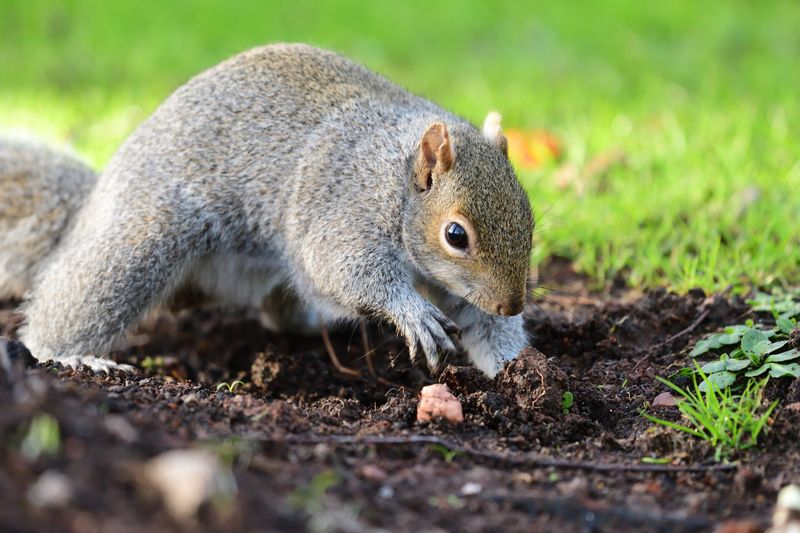
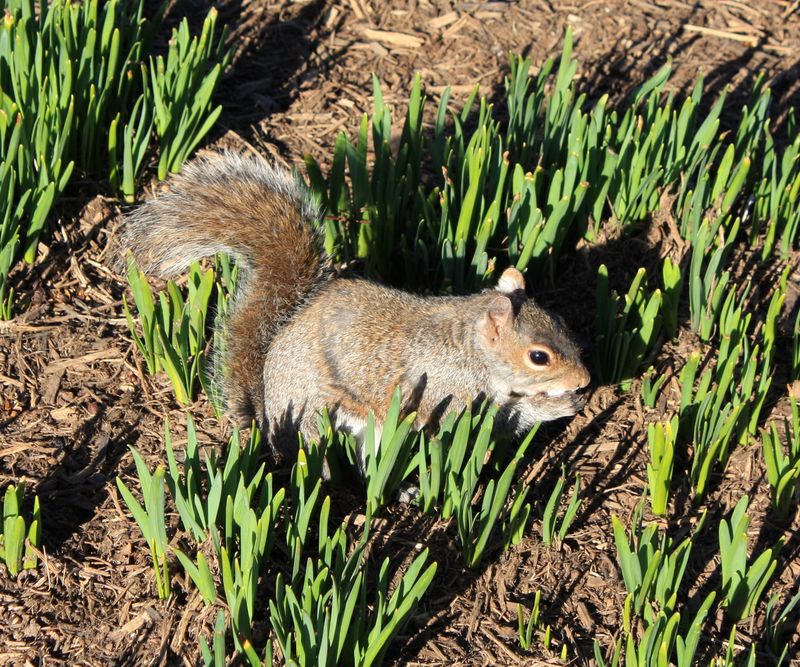
Eastern gray squirrels are scatter hoarders. That means they bury food one nut at a time in many small holes instead of keeping one big pantry.
Each fall, they work hard to store acorns, hickory nuts, and walnuts for the colder months. In North Carolina, the gray squirrel is even the official state mammal, so you have plenty of company in this hobby of squirrel watching.
The way I see it, the digging near your home is mostly a sign of good planning, not mischief. The squirrel is simply betting on a snack it can find later when food gets scarce.
You might be surprised by how choosy they are. Studies show squirrels often eat acorns with weevil damage right away and save the healthy ones for burying.
They also tend to treat red oak acorns and white oak acorns differently. White oak acorns sprout quickly in fall, so squirrels often eat them sooner.
Red oak acorns stay dormant until spring, which makes them better for long-term storage.
So when you see a squirrel nose-down by your steps, it is following an instinct shaped over a very long time. The holes are usually only an inch or two deep.
That tells you something useful right away. A few shallow pits in your mulch are rarely a reason to panic about your house.
2. Your House Works Like a Giant Landmark for Hidden Acorns
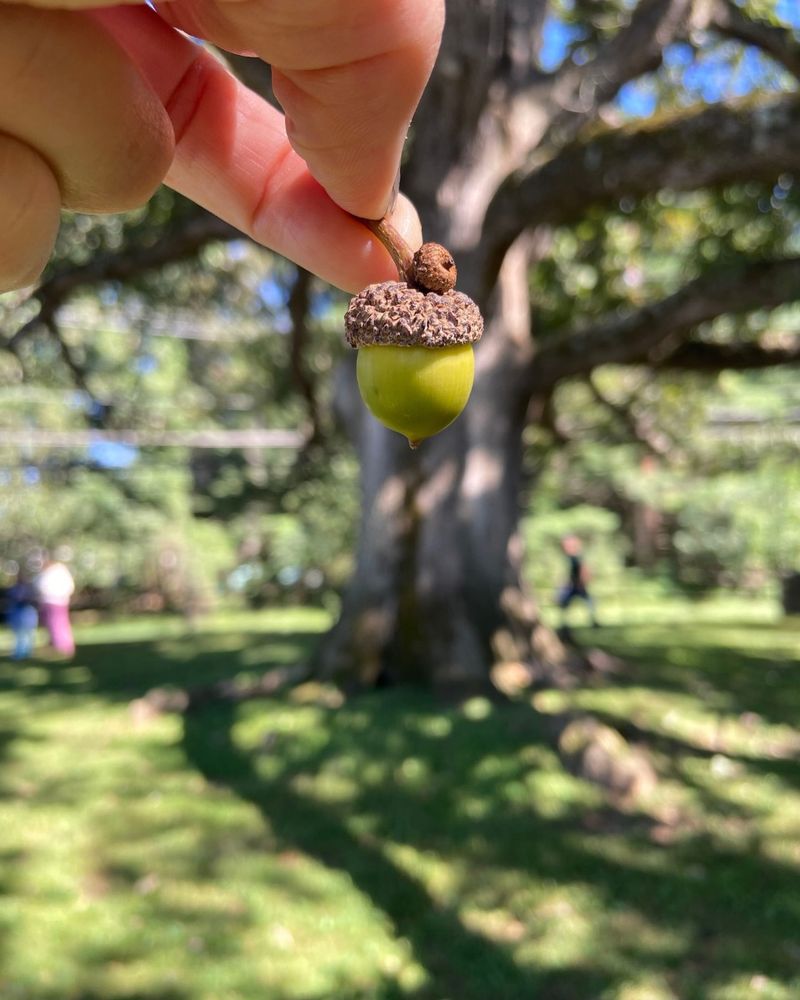
Squirrels have impressive spatial memory. They remember many of their hiding spots by using nearby landmarks like trees, rocks, fence posts, and yes, the corner of your house.
A big, unmoving structure makes a handy reference point. To a squirrel, your foundation is like a bright pin on a map that says the food is close by.
Here’s something worth knowing. The soil along a foundation is often loose, mulched, or freshly planted, which makes it easy to dig.
Flower beds by the house also tend to stay a bit drier under the roof overhang. That can make them appealing spots for a quick dig and stash.
Distance from danger plays a part too. Shrubs near the house give squirrels cover from hawks, so they can bury food without feeling exposed in an open lawn.
I could be wrong about your exact yard, but in most cases a nearby oak is the real draw. When an oak drops a heavy crop, squirrels often cache the nuts close to where they found them.
Gray squirrels also seem to space their caches out to reduce theft by other animals. That spreading habit is why you may find holes along the whole edge of your home.
So the message is simple. Your house is useful to them, not under attack.
3. Shallow Acorn Holes Rarely Threaten Your Foundation
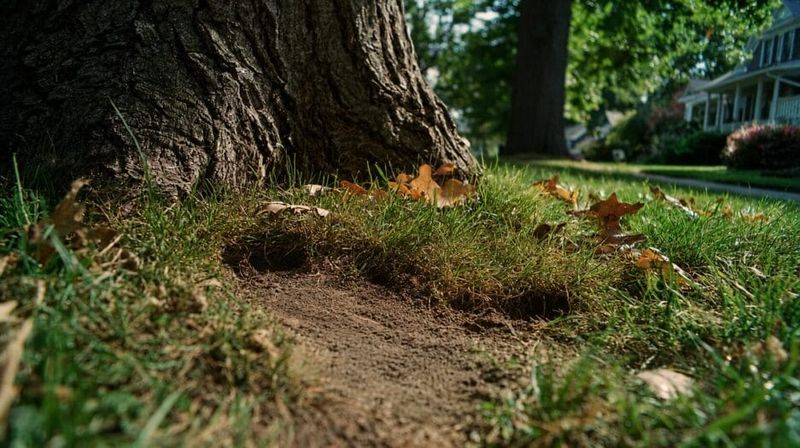
Let me ease your mind a bit. The tiny pits tree squirrels dig to bury acorns are shallow and quickly refilled, so they rarely cause structural trouble.
A healthy concrete or block foundation sits much deeper than any acorn cache. One squirrel scratching an inch into your mulch is not going to shift your walls.
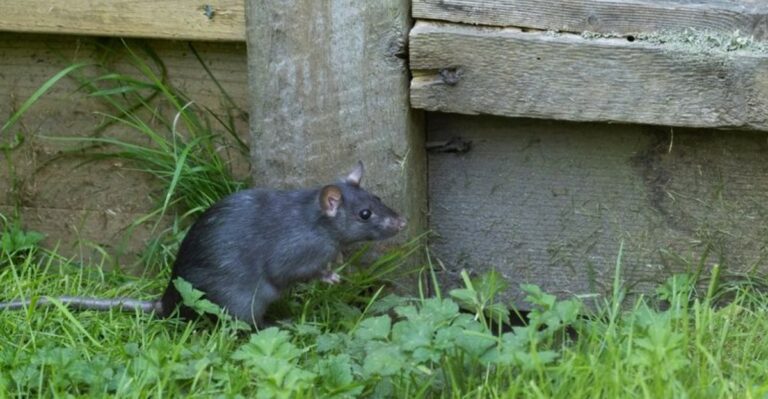
What deserves your attention is a different kind of digging. Bigger burrows near the house usually point to other animals, such as chipmunks or groundhogs.
Chipmunks dig tunnels with neat, round openings about two inches wide, often with no dirt pile nearby. Groundhogs make much larger holes with mounds of soil at the entrance.
Extensive tunnels next to a foundation can let water collect and soften the soil over time. That is where slabs, steps, and patios may start to settle or crack.
So take a quick look at what you are seeing. Scattered shallow scrapes with acorns in them point to squirrels, while deep, lasting holes point to burrowing neighbors.
I find it helpful to check after a hard rain. Squirrel holes mostly vanish, but real tunnels stay open or start to sink.
If you notice new cracks, doors that stick, or soil pulling away from the wall, call a foundation specialist. Those signs deserve a professional eye.
4. Forgotten Acorns Can Turn Into Oak Seedlings by the Porch
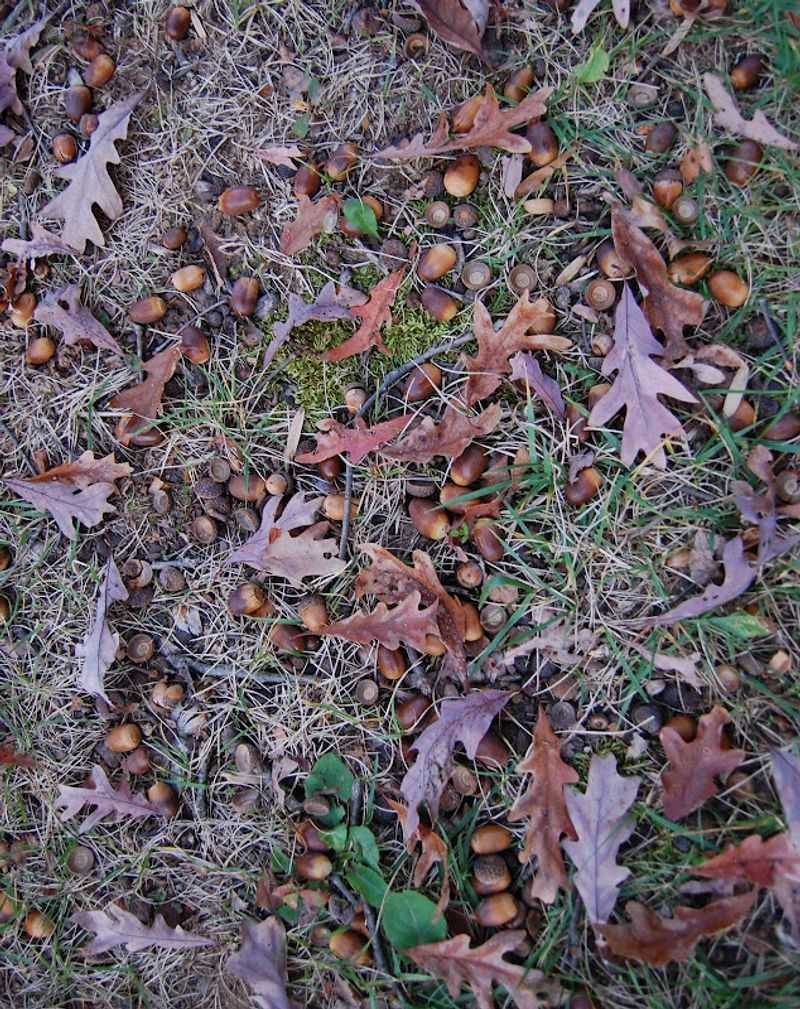
Squirrels are some of the busiest tree planters around. They recover many of their buried nuts, but plenty get left behind, and some of those sprout into new oaks.
That is wonderful in the woods. Next to your house, though, it is a different story.
Come spring, you might spot little oak seedlings popping up in your foundation beds. Most of them come from red oak acorns, which wait out winter before sprouting.
A baby oak is not a threat today. The concern is what happens if it grows for years only a few feet from your walls.
Large trees growing too close to a home can pull lots of moisture from the soil. In clay soils, common across much of the North Carolina Piedmont, that drying and rewetting can make the ground shrink and swell.
Roots can also push into gutters, drain lines, and walkways. Branches eventually hang over the roof, giving squirrels an easy bridge upstairs.
My advice is easy. Pull those seedlings while they are small, ideally when the soil is moist and the taproot slides out.
If you love oaks, and many of us do, plant one where it has room. Many arborists suggest giving large shade trees plenty of distance from the house.
5. Bird Feeders and Overhanging Oak Branches Roll Out the Welcome Mat
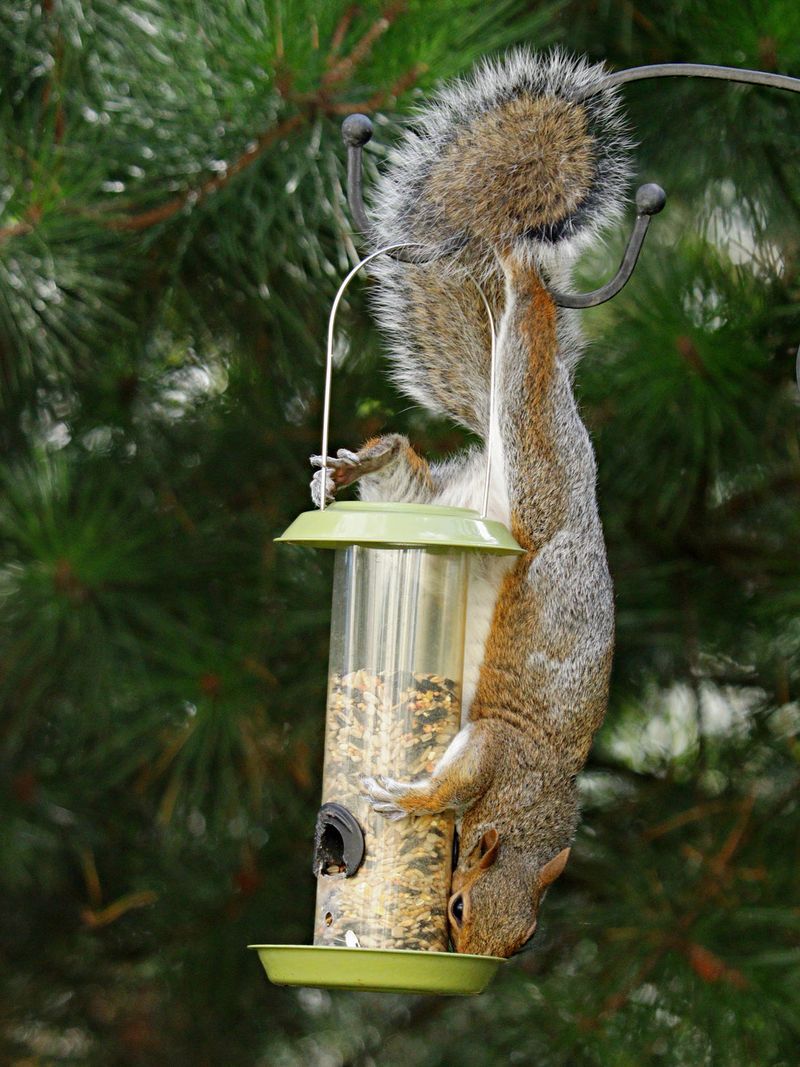
Squirrels are clever opportunists. If your yard offers easy food and safe travel routes, they will gladly make it part of their daily loop.
Bird feeders are the classic draw. Seed spilled on the ground near the house feeds squirrels, and it can also attract mice and chipmunks that dig.
Pet food left on porches is another invitation. So are uncovered compost piles and trash cans with loose lids.
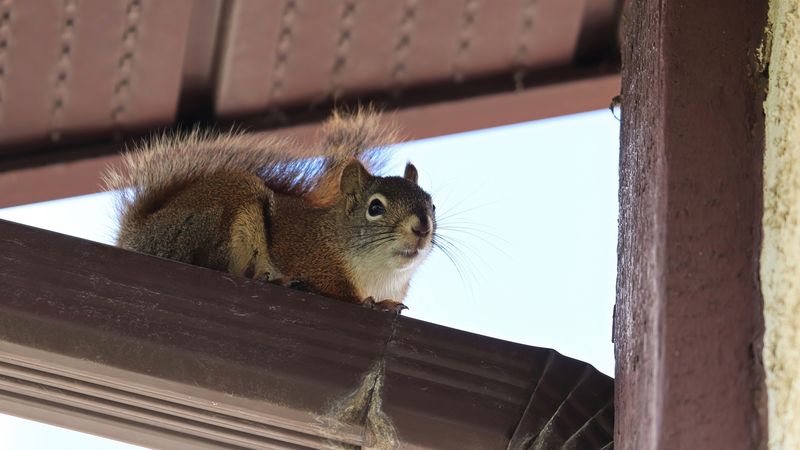
Branches matter as much as snacks. Oak limbs hanging over your roof let squirrels move from tree to gutter without touching the ground.
Once they reach the roofline, they may look for gaps in soffits, vents, or attic corners. That is a much bigger headache than a few acorns in the mulch.
You can see why yards near mature oaks stay busy every fall. Mast years, when oaks drop heavy acorn crops, can bring even more activity.
Acorn crops naturally go up and down from year to year. A busy season in your yard is usually part of that normal swing, not a strange new trend.
Take a slow walk around your house and note what might be drawing them in. Food, cover, and a handy branch highway usually explain most of the traffic.
6. Hardware Cloth and a Rake Keep Squirrels Away From the House Edge
A little effort goes a long way here. You do not need harsh methods to make your foundation beds less tempting.
Start with a rake. Clearing fallen acorns from beds and lawn edges every week or two in fall removes the main reason squirrels hang around.
Next, try hardware cloth. Lay a sheet of quarter or half inch mesh just under the mulch in beds where digging is a problem, and squirrels lose interest fast.
For chipmunks or groundhogs, an L-shaped barrier works better. Bury mesh about a foot deep along the foundation, then bend it outward underground.
Gravel strips also help. A band of stone right against the wall is harder to dig and keeps mulch from sitting directly on the foundation.
Some gardeners sprinkle cayenne or use pepper-based repellents. Results vary, and rain washes them away, so plan to reapply.
Trim tree limbs back several feet from the roof to cut off the aerial route. Moving bird feeders farther from the house and using a squirrel baffle also makes a real difference.
Gray squirrels are game animals in North Carolina with set hunting seasons. If you are thinking about trapping or relocating, check NC Wildlife Resources Commission rules first.
7. A Quick Fall Foundation Walk Tells You What Your Squirrels Mean
Squirrels are honest messengers in their own way. Their digging tells you where the acorns are, where the soft soil is, and how inviting your yard looks.
Use that as a reason for a quick seasonal checkup. Fall is a great time to walk around your home with fresh eyes.
Look for three things. Shallow scrapes with acorns are squirrel business, round two-inch holes often mean chipmunks, and big mounded burrows suggest groundhogs.
While you are there, check that soil slopes away from the house. Good drainage protects your foundation far more than chasing every squirrel ever could.
Clean gutters, make sure downspouts carry water away, and keep mulch a few inches below siding. Those habits help your foundation in any season.
Peek at the roofline too. Chewed vents or gaps near the attic deserve a fix before winter, since gray squirrels often look for warm spots.
I wouldn’t necessarily say squirrels are pests by default. They plant oaks, feed hawks and foxes, and add plenty of entertainment to a chilly morning.
The best takeaway is balance. Enjoy the show, rake up the acorns, guard the soft spots, and call a pro if you notice cracks, sinking soil, or animals inside your walls.