Why Georgia Gardeners Should Never Transplant Into Red Clay Right Before Heavy Rain
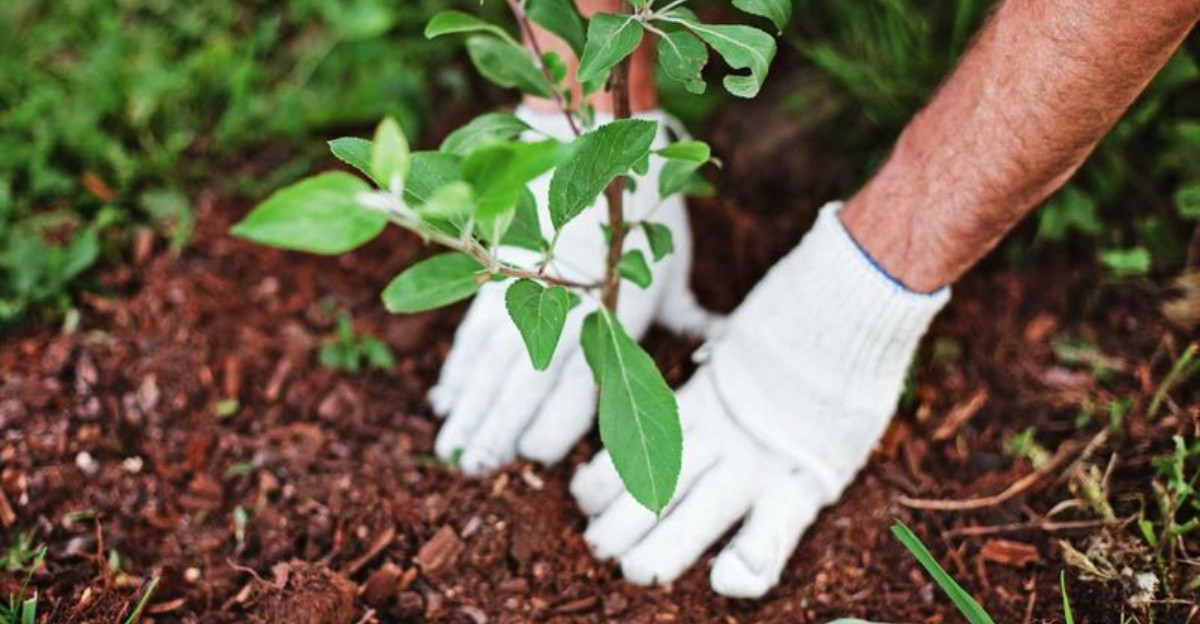
A forecast calling for a soaking rain can look like perfect timing for putting new plants in the ground.
The thinking makes sense, since fresh transplants need water and the sky is about to supply it. In red clay, though, that timing often works against you.
Clay holds water much longer than looser soil, and a freshly dug hole tends to collect even more.
When a heavy storm rolls through, the soft soil around your new roots can fill up and stay soggy for days. Roots sitting in that water cannot get the air they need.
Across Georgia, healthy nursery plants decline for this exact reason within weeks of going in.
Keeping an eye on the forecast when you pick a planting day can save you from replacing something later.
1. A Soaking Rain Can Make Planting Seem Perfectly Timed
Watching storm clouds roll in with a flat of plants waiting feels like luck. Free water is coming, and the hose can stay coiled up by the porch.
That logic works well in loose, sandy soil, where extra water drains away within hours.
Red clay plays by different rules. Its tiny particles sit close together, so water moves through slowly and can pool inside a freshly dug hole.
A light, steady shower after planting is usually helpful because it settles soil around roots without flooding them.
Trouble tends to start when forecasts call for an inch or more in a short window. Summer thunderstorms in Georgia can drop that much in under an hour, and clay rarely absorbs it that fast.
So before you grab the shovel, look closely at the forecast totals rather than just the rain icon.
Timing also depends on your yard. A raised bed with amended soil may handle a downpour just fine, while a low corner of the lawn could stay soggy for days.
If heavy rain is expected, try planting two or three days afterward instead. You can still water new plants by hand, and you will have much more control over how much moisture reaches the roots.
2. Compacted Clay Can Hold Water Longer Than Expected
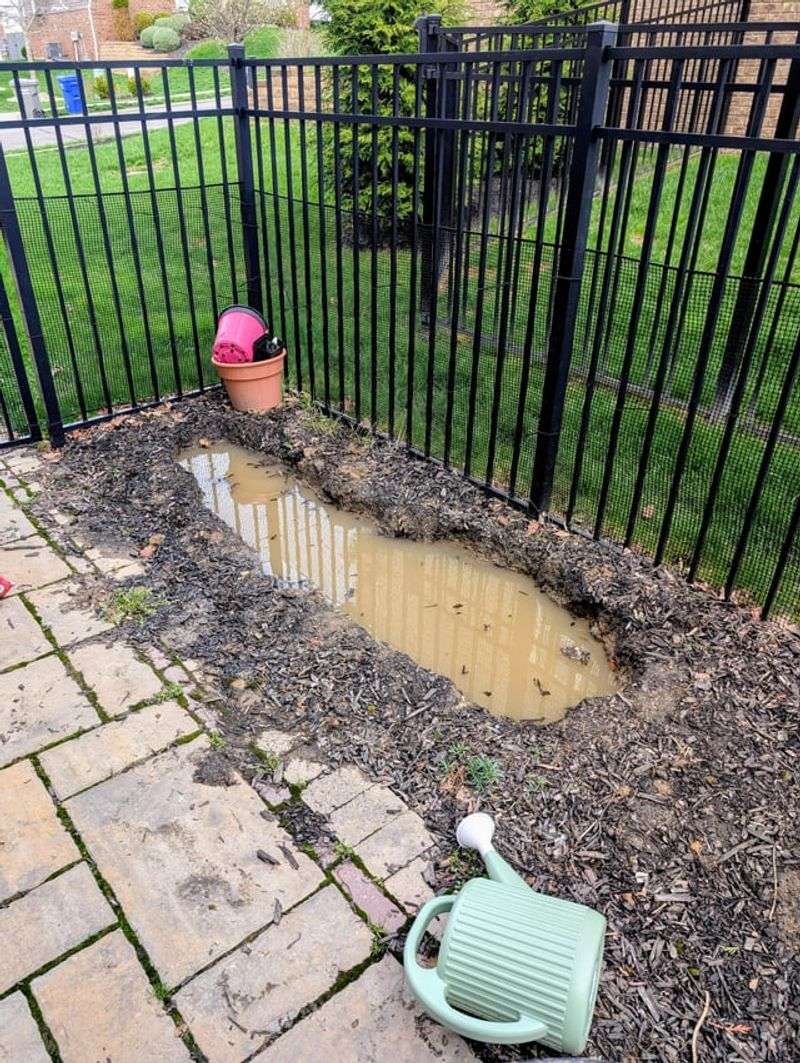
Dig a hole in hard red clay, fill it with water, and come back tomorrow. You might find the water still sitting there, looking like a tiny orange pond.
Gardeners call this a percolation test, and it tells you a lot about how your soil will handle rain.
Compaction makes the problem worse. Foot traffic, construction equipment, and even mowing on wet ground squeeze out the air spaces that normally let water drain.
Newer subdivisions around Atlanta often have heavily compacted clay because topsoil was scraped away during building.
When you dig into that dense layer, the planting hole can act like a bowl. Loosened soil inside fills with rain, while the hard walls around it keep water from escaping.
Drainage in some yards takes a few hours, while in others it might take a full day or longer.
Try the test yourself before a big planting day. Dig a hole about a foot deep, fill it, let it drain, then fill it again and time how fast the level drops.
Your Georgia Garden Changes Every Week. Your Plan Should Too.
Gardening in Georgia changes quickly throughout the season. Every Friday you’ll receive a simple weekly plan showing exactly what to plant, prune, fertilize, harvest, and protect so you never miss the right timing.
If it drains slower than roughly an inch per hour, heavy rain could leave that spot waterlogged, so plan your timing and plant choices with care.
3. Working Wet Clay Can Smear The Planting Hole
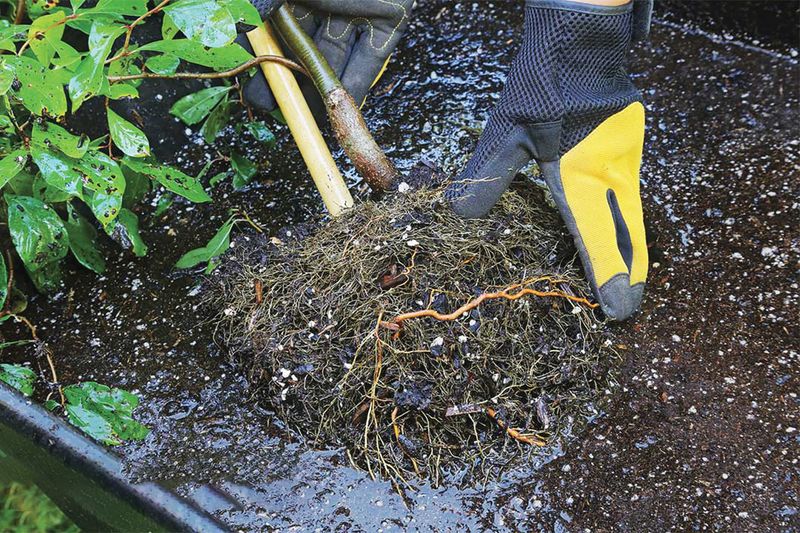
Shiny, slick walls inside a planting hole are a warning sign. When you dig clay that is already damp, the shovel presses and polishes the sides into a smooth surface.
Gardeners call this glazing, and it can slow down how water and roots move out of the hole.
Think of it like smoothing wet pottery clay with your fingers. The surface gets tight and sealed, which is great for a coffee mug but not for tender roots.
Georgia gardeners often run into this during spring, when rain showers keep soil wet for long stretches.
Once the hole is glazed, water from the next storm can collect inside instead of spreading outward. Roots may also circle the smooth edge rather than pushing into surrounding soil.
A simple squeeze test helps you decide whether soil is ready to work.
Grab a handful and press it into a ball. If it crumbles when you poke it, you are good to dig, but if it stays sticky and holds its shape, wait a few more dry days.
Already dug a slick hole? Rough up the sides with a garden fork or the tip of your trowel before planting to break that sealed layer.
4. Heavy Rain Makes Poor Drainage Much Harder To Ignore
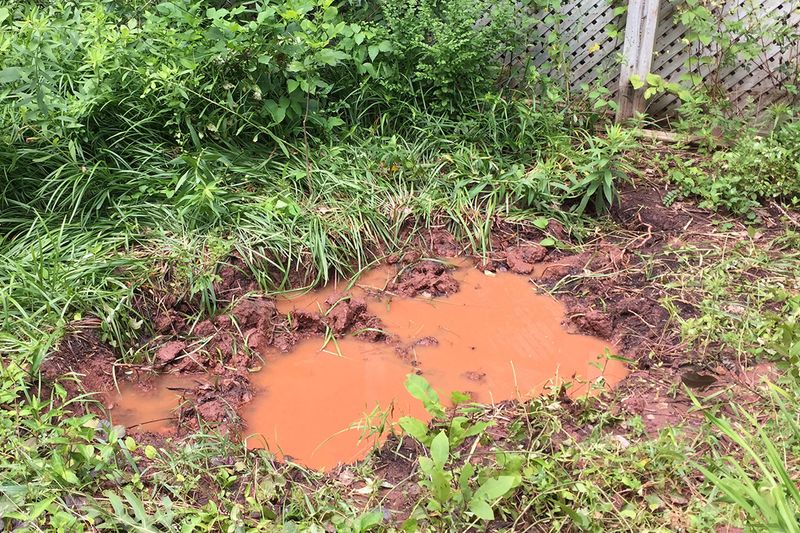
Nothing exposes a drainage problem faster than a big storm. Spots that seemed fine all winter can suddenly turn into puddles that linger long after the clouds clear.
New transplants sitting in those spots feel the effects first.
Walk your yard during or right after a hard rain, even if it means grabbing an umbrella. Notice where water collects, where it runs off, and where the soil stays shiny and soft the next morning.
Low spots near downspouts, driveways, and fence lines are common trouble areas.
Across much of the Georgia Piedmont, rolling land sends runoff downhill into yards below. A perfect planting spot in dry weather might become a small stream during a summer storm.
Soggy patches can also attract fungus gnats and encourage root rot organisms that thrive in wet conditions.
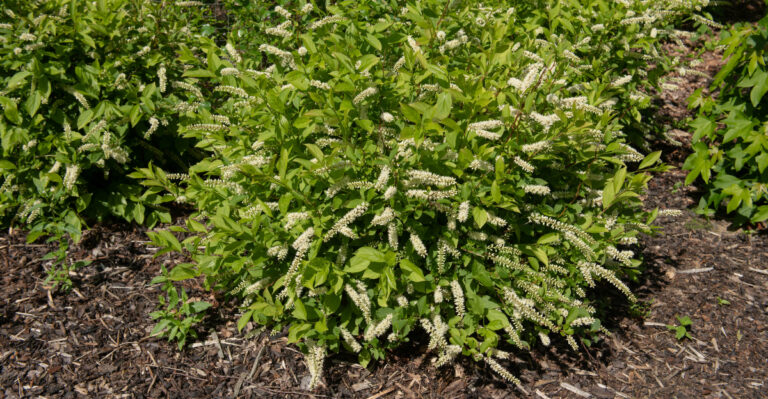
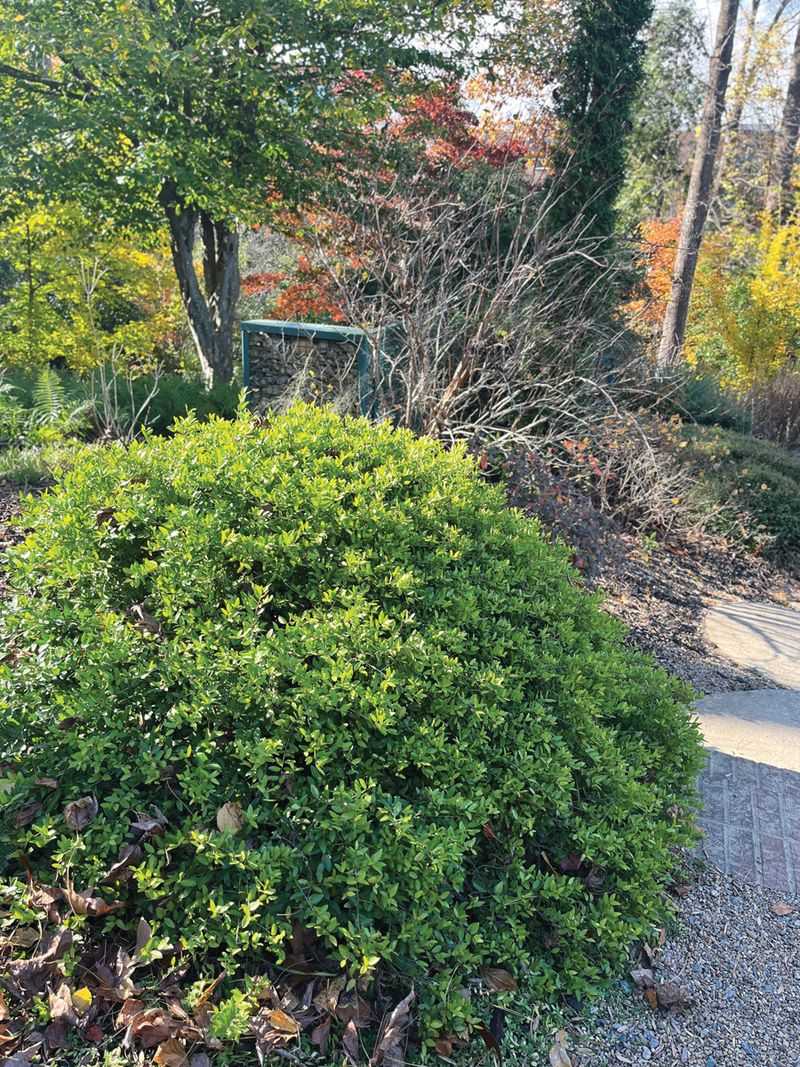
Mapping these zones gives you a practical planting guide. Save the wettest areas for plants that tolerate moist soil, like Virginia sweetspire, inkberry holly, or certain native ferns.
You can also redirect water with downspout extensions, shallow swales, or a small rain garden, though bigger fixes may need a professional. Either way, knowing where water goes helps you avoid planting in the worst spot at the worst time.
5. Waterlogged Roots Begin Losing The Oxygen They Need
Roots breathe, even though we rarely think about it. They take in oxygen from tiny air pockets in the soil, and that process helps them grow and absorb water.
When clay fills with rain, water pushes that air out of nearly every pore space.
A few hours of saturation usually causes little harm. Problems build when soil stays soaked for a day or more, especially in warm weather when roots use oxygen faster.
Georgia summers make this especially tricky, since heat and heavy storms often show up together.
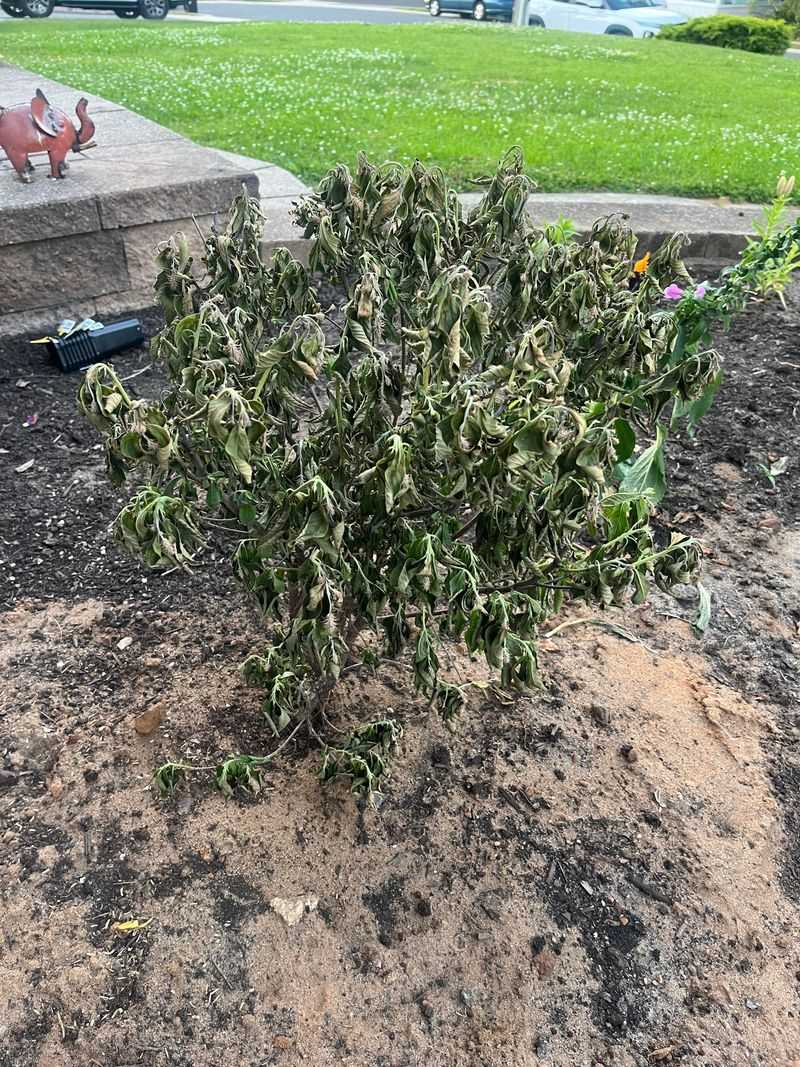
Freshly transplanted roots are already stressed from being moved. Without enough oxygen, they may struggle to take up water, which sounds strange when they are surrounded by it.
Wilting leaves on soggy soil can fool gardeners into watering even more.
Watch for yellowing lower leaves, drooping that does not recover by evening, or a sour smell from the soil. Dark, mushy roots are another sign that rot may be setting in.
If you spot these symptoms, hold off on watering and let the area dry out. Gently pulling back thick mulch can help soil breathe, though recovery depends on the plant, the weather, and how long the roots stayed wet.
6. Waiting For Better Soil Conditions Gives Roots A Safer Start
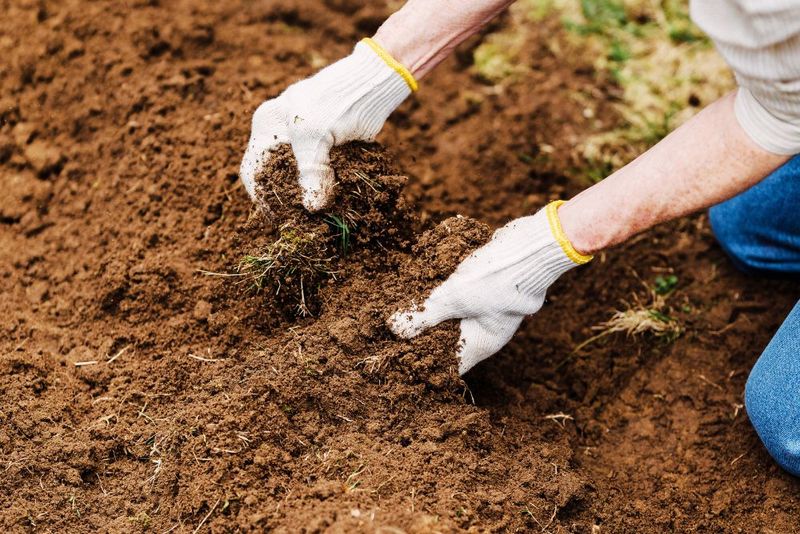
Patience is cheaper than replacing plants. A few extra days in the pot rarely hurts a healthy transplant, as long as it gets water and some shade.
Keep waiting plants somewhere with morning sun and afternoon protection, and check them daily.
Small containers dry out quickly on hot days, sometimes needing water twice. Grouping pots together can help them hold moisture a little longer.
So what does good planting soil feel like? It should be moist but crumbly, with no puddles and no sticky smear on your shovel.
After a heavy rain in Georgia, clay might need anywhere from two days to a week to reach that point. Sun, wind, slope, and how compacted your ground is all play a role.
Fall is often a friendly planting season here, since cooler air eases stress while warm soil still supports root growth.
Ideally, plant when the forecast shows a few calm days followed by light rain. That window lets roots settle before any big storm tests them.
If schedules force you to plant sooner, water lightly and skip extra irrigation until the soil dries a bit. It is not a perfect fix, but it can reduce the risk.
7. Planting Slightly High Can Help On Poorly Drained Sites
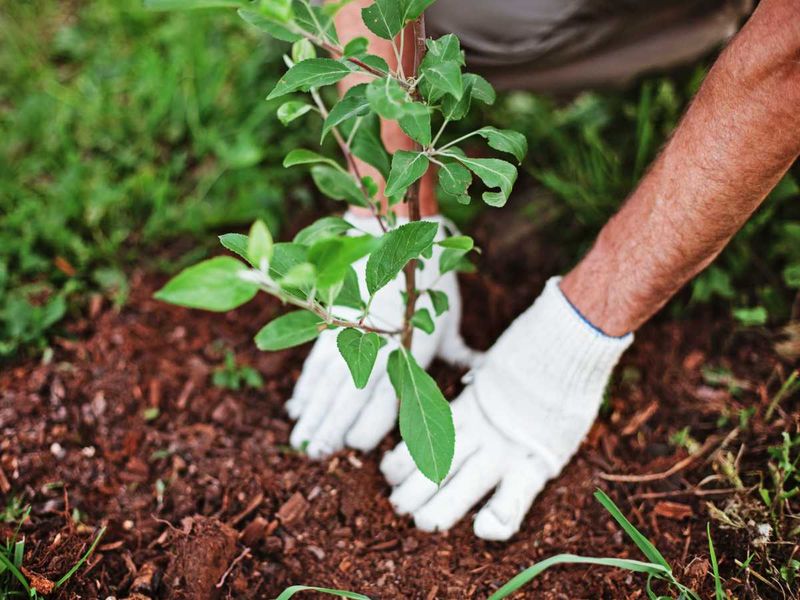
Sometimes the best move is to stay above the problem. Setting a plant a little higher than the surrounding ground helps water drain away from the crown instead of pooling around it.
Extension services, including the University of Georgia, often recommend this approach for heavy clay.
Aim to have the top of the root ball sit about one to two inches above grade. Some trees and shrubs on very wet sites may be raised a bit more, depending on the species.
Dig the hole wide but not deeper than the root ball itself.
A wide hole gives roots loose soil to spread into, while a shallow depth keeps the plant from sinking as soil settles. Backfill with the native clay you removed, broken into small clumps.
Heavy amounts of compost only inside the hole can create a soft pocket that collects water like a sponge.
Once planted, slope the soil gently down from the root ball and add two or three inches of mulch. Keep mulch a few inches away from the stem to discourage rot.
Raised planting will not fix every drainage issue, but it gives roots a drier zone where they can breathe while they get established.