Tiny Red Specks Leaving Stains On Indiana Windowsills Are Living Creatures
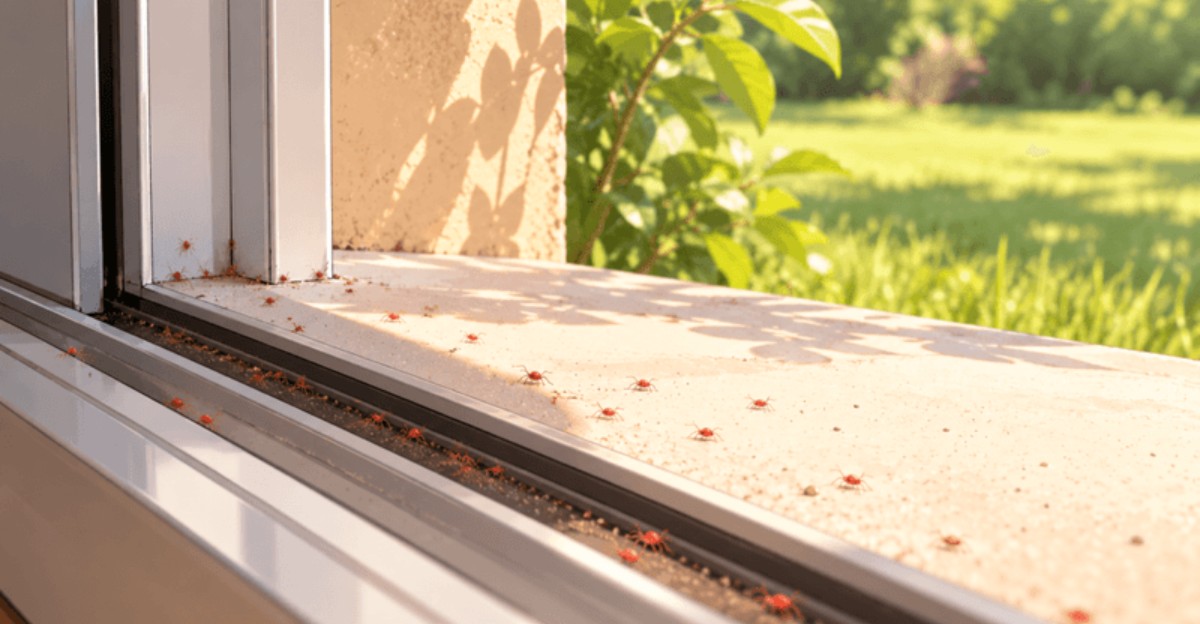
Those red dots crawling across your sunny windowsill are not dust, rust, or pollen. They are alive, and each one is smaller than the head of a pin.
I learned the hard way that wiping them with a paper towel leaves a rusty red smear behind. Not going to lie, my first thought was blood, and my second thought was that something had bitten me.
Truth is, nothing bit anyone. These tiny visitors are relatives of spiders, and they show up on Indiana homes in big crowds during spring and fall. They pick the warmest, brightest walls they can find, then slip through gaps you would barely notice.
I get it if your skin is crawling a little right now. So what are they, why do they love your windows so much, and how do you clear them out without painting your sills red?
Those Moving Red Dots On The Window Ledge Have Eight Legs

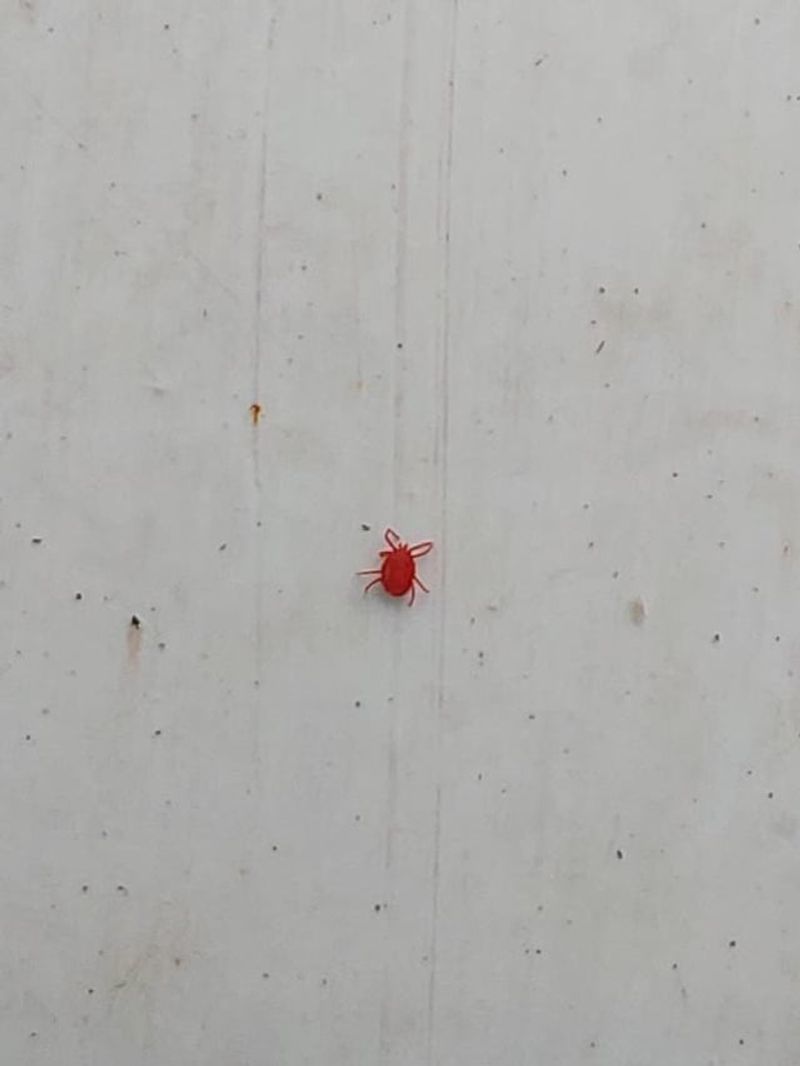
Grab a magnifying glass and take a closer look. The crawling red speck on your sill is a clover mite, and it is not an insect at all. Clover mites are arachnids, which puts them in the same big family as spiders and ticks.
Each mite measures about 0.75 millimeters long. That is tinier than a pinhead and small enough to pass right through window screens. Their color ranges from bright red to reddish brown, sometimes with a greenish tint after a big plant meal.
One feature makes them easy to identify. Their front pair of legs is extra long and stretches forward, so many people mistake those legs for antennae. Most other tiny mites have shorter, evenly sized legs.
Here is a fun bit of trivia. Scientists believe almost every clover mite you see is female. They reproduce without males, laying eggs that hatch into more females, which explains how a few mites can turn into a crowd so quickly.
Knowing what they are matters, because it changes how you respond. You are not dealing with bed bugs, fleas, or anything that feeds on people. You are dealing with a plant-eating mite that simply wandered a little too far from your lawn.
Squished Clover Mites Leave That Rusty Red Smear
Guilty as charged, I used to swipe these mites with my thumb. Every single swipe left a reddish orange streak that looked alarming on a cream-colored sill. It took me a while to figure out what was happening.
That stain is not blood. Clover mites do not feed on people or pets, so there is no blood inside them to spill. The color comes from natural pigments in the mite’s own body, and crushing one releases those pigments onto whatever surface is underneath.
The marks show up best on light paint, curtains, wallpaper, and fabric. On porous surfaces like unsealed wood or cotton drapes, the color can soak in and become stubborn to remove.
If you already have stains, act quickly. Blot fresh marks with a damp cloth and a little mild dish soap rather than rubbing, which spreads the pigment. For fabric, test a gentle stain remover on a hidden spot first.
So the stains are a cosmetic headache, not a health warning. The real lesson is simple. How you remove these mites matters far more than the mites themselves, and a gentler approach saves your paint, your curtains, and your patience.
Grab The Vacuum Hose Instead Of A Paper Towel
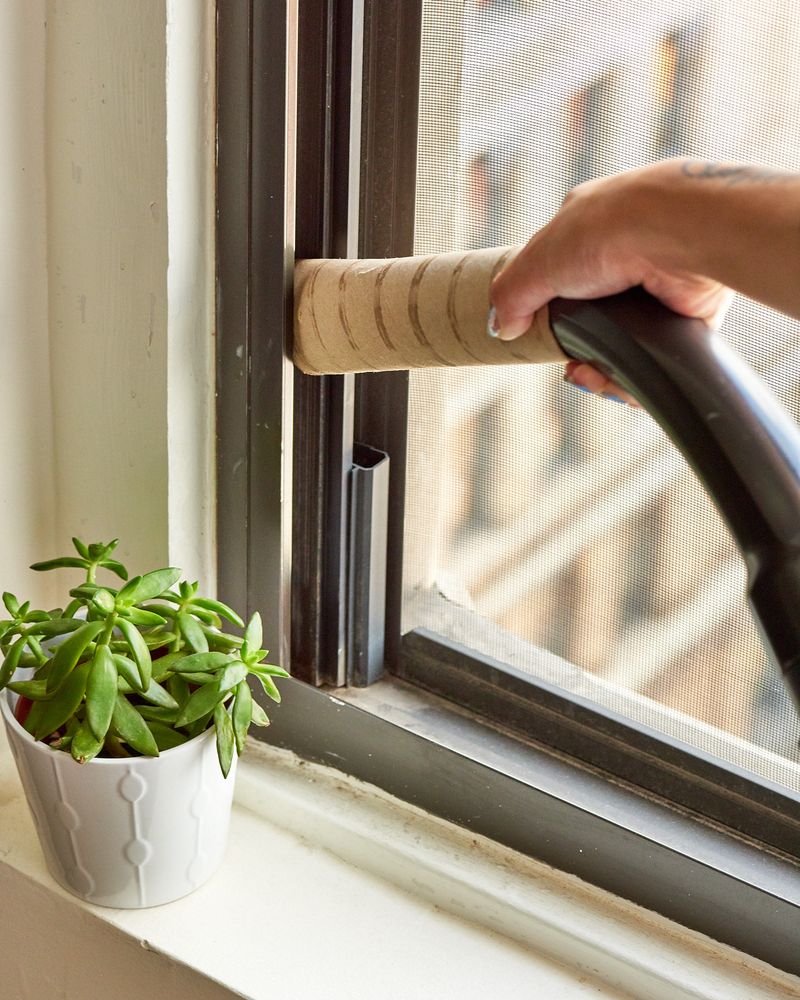
Trust me on this one. A vacuum with a narrow crevice attachment is the cleanest, easiest tool for clover mites indoors. It lifts them away without pressing them against the sill.
Run the nozzle slowly along window tracks, frames, and sills. Hold it just above the surface so the suction pulls the mites up instead of dragging them. Pay extra attention to corners and the gap where the sill meets the wall.
Afterward, empty the canister or remove the bag outside. Seal the contents in a plastic bag and toss it in your outdoor trash so the mites cannot crawl back toward the house.
No vacuum handy? A damp cloth or sponge works if you use a light touch. Gently lift the mites instead of wiping hard, then rinse the cloth outdoors. A strip of sticky tape can also grab a few stragglers.
Purdue University and other extension services agree that indoor bug sprays are rarely worth it here. Clover mites indoors usually survive only a short time without their plant food. Your vacuum handles the cleanup, while the real fix happens outside your walls, which is where the next steps come in.
Sunny South And West Walls Are Clover Mite Magnets
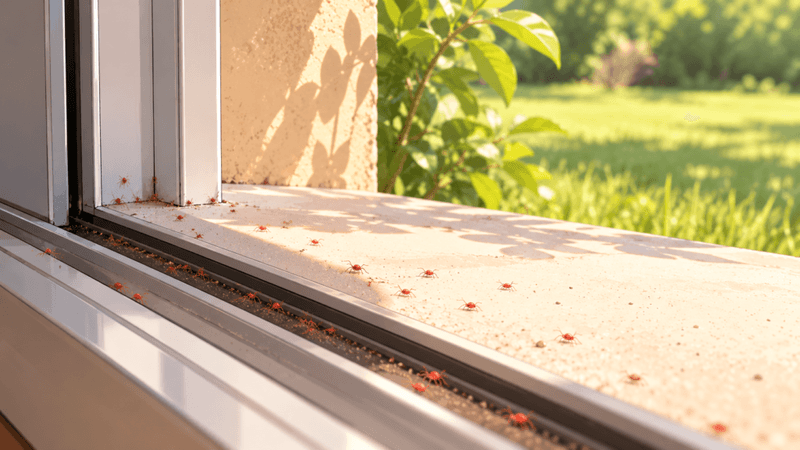
Ever notice they only show up on certain windows? That pattern is a big clue. Clover mites are drawn to warmth during cool weather, and they gather on walls and windows that soak up the most sunshine.
In Indiana, that usually means the south and west sides of your home. Brick, siding, and window frames warm up fast on those sides, and the mites crawl up to bask. From there, tiny cracks around frames lead them straight indoors.
Timing matters too. Clover mites are cool-season creatures, so they are most active in spring and again in fall. Many Hoosier homeowners spot them on the first warm, sunny days of March, April, or May. A second, smaller wave often appears in autumn.
Summer heat sends them into a resting stage. They lay eggs in cracks, under bark, and in foundation crevices, and those eggs wait out the hot months before hatching when temperatures cool.
Here is a handy trick. Walk around your house on a bright afternoon and look closely at the sunniest walls. You may spot reddish clusters on the siding. Those hot spots tell you exactly where to focus your prevention work.
That Thick Green Lawn Against Your Foundation Feeds Them
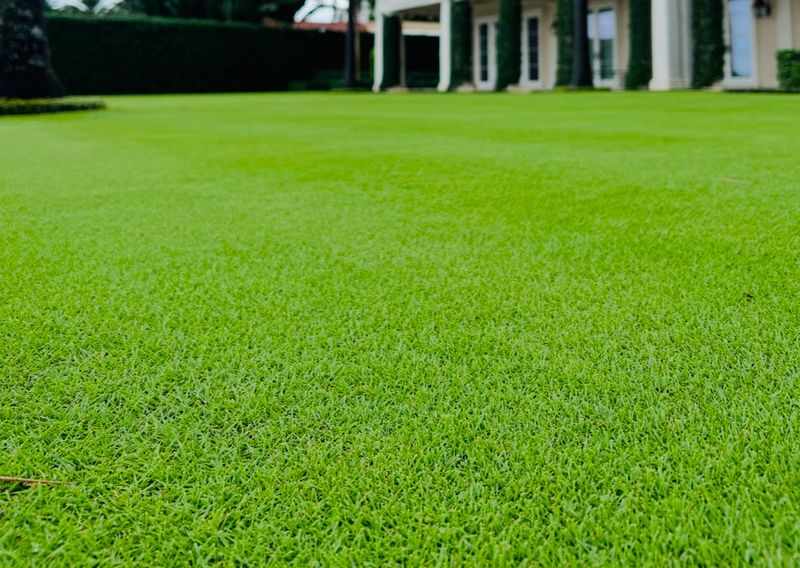
Funny enough, a beautiful lawn can be part of the problem. Clover mites feed on grasses, clover, and many weeds and ornamental plants. Thick, well-fed turf is basically a buffet for them.
Research from university extension programs, including Kansas State, points to heavily fertilized lawns as prime clover mite habitat. Lots of nitrogen produces lush, tender growth, and mite populations climb right along with it. Newer homes with fresh sod near the foundation often see bigger problems.
When that lush grass grows right up to your siding, the mites have a short commute. They feed in the turf, climb the closest warm wall, and find their way inside.
You do not need to give up a healthy yard. Instead, ease off fertilizer in the few feet nearest your house. Follow Purdue Extension lawn guidelines for timing and amounts, since fall feeding is usually recommended for cool-season grasses in Indiana.
Keep the grass near your foundation mowed at a reasonable height, and pull clover and weeds along the edges. Small changes like these shrink the mite population living closest to your walls. Fewer mites outside means fewer red specks marching across your sills.
A Gravel Strip Around The House Stops The Mite March
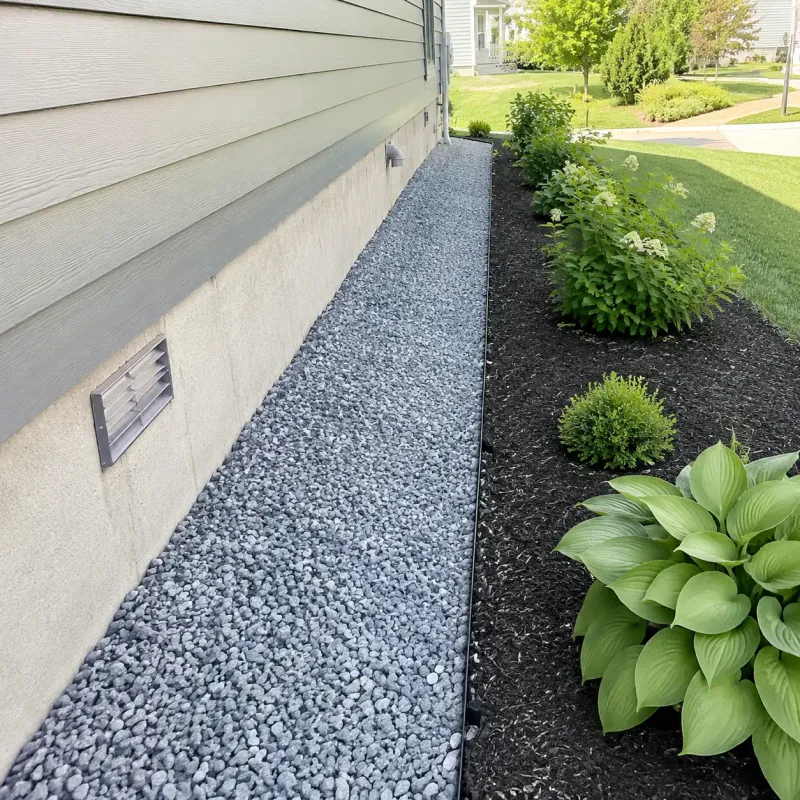
If I could recommend just one project, it would be this one. A plant-free band around your foundation is the most effective long-term clover mite fix that experts suggest.
Aim for a strip about 18 to 24 inches wide. Fill it with pea gravel, river rock, or bare soil instead of grass, clover, or dense ground cover. Clover mites struggle to cross this dry, open zone, so many of them give up before reaching your walls.
Focus first on the south and west sides, where mites gather most. You can finish the rest of the house later if needed. Landscape fabric under the gravel helps keep weeds from sneaking back in.
Love having flowers near the house? Choose plants mites dislike, such as geraniums, marigolds, petunias, salvia, zinnias, and junipers. Sticking with plants clover mites rarely infest keeps the zone near your foundation low-risk.
While you are out there, check the gaps. Seal cracks around windows, doors, and utility lines with caulk, and replace worn weatherstripping. Snug screens and sealed openings work together with your gravel strip, building a barrier that keeps those tiny red visitors outside.
Calling A Pest Pro Makes Sense For Swarming Clover Mites
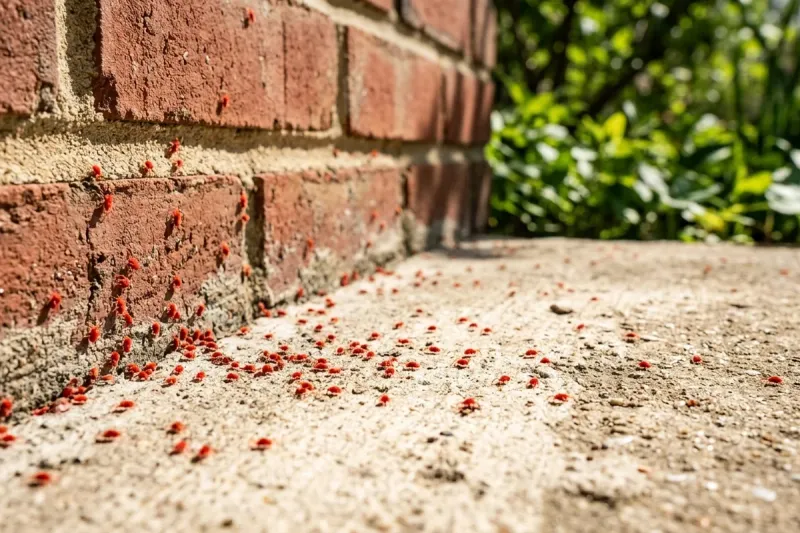
Most of the time, vacuuming and a gravel barrier solve the problem. Still, some homes get so many mites that the sills look sprinkled with paprika every sunny afternoon. That is when a little professional help can make sense.
A licensed pest control company can apply a targeted treatment to the outside of your foundation and the nearby lawn edge. The goal is to reduce mites before they climb the walls. Ask which products they use and whether they are labeled for mites, since some common insect sprays do not work well on them.
Skip the indoor fogging. Clover mites inside your home are already struggling, and they usually fade within a few days. Spraying living spaces adds chemicals without offering much benefit.
Before you call anyone, give the simple steps a fair shot. Clear the foundation strip, seal gaps, and trim back lush growth. Combined, those habits handle the problem for most Indiana households.
My best takeaway? Treat these mites as an annoying springtime guest rather than a crisis. They do not bite, damage wood, or spoil food. A vacuum, some gravel, and a little patience usually send them packing.