8 Things You Should Never Do To Orchids In A California Home This Winter
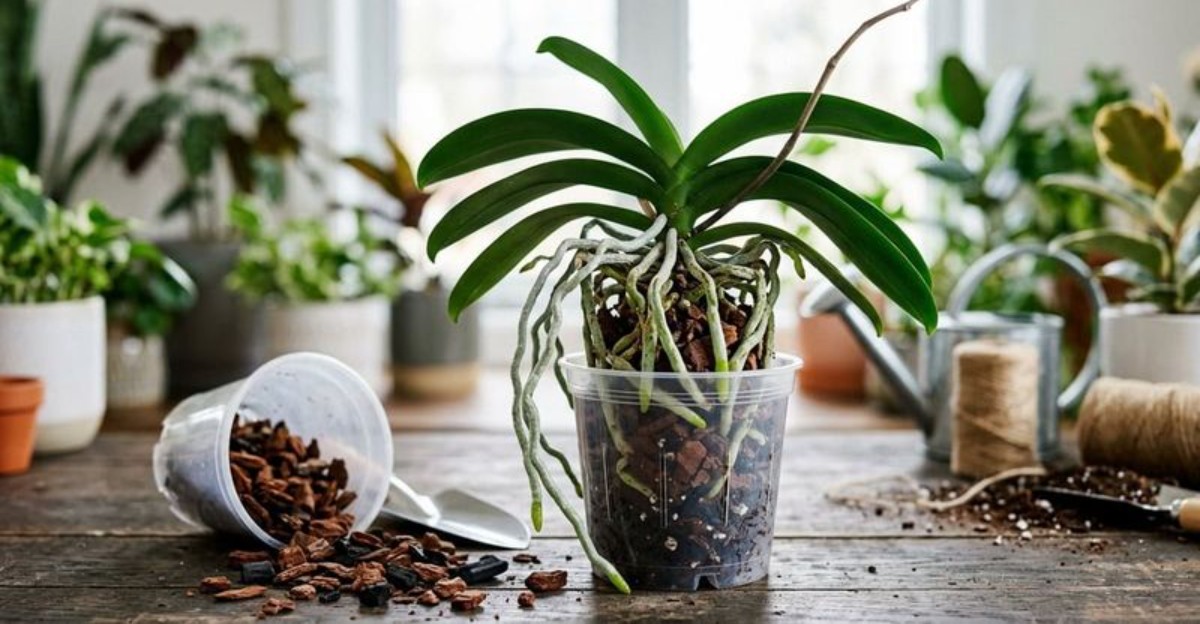
A popular grocery store flower often refuses to bloom until nights cool down by about ten to fifteen degrees. That gentle chill, lasting a few weeks, signals the plant to push out a fresh new flower spike.
Winter in California brings its own quirks, like dry Santa Ana winds and foggy coastal mornings that drift inland. Indoor heaters then switch on, and the air around your houseplants can turn surprisingly dry within days.
I have to admit my first one sulked for months because I loved it a little too much. You might notice the same thing happening at your place, especially once the furnace starts humming each evening.
Most winter trouble comes from kind habits that seem helpful but work against these elegant tropical beauties. So which common habits should you drop before your California windowsill turns into a sad little flower graveyard?
1. Soggy Orchid Roots Rot Fast In Cool Weather
Soggy bark in a chilly room is basically an open invitation for root rot to move right in. I learned that lesson the hard way when a gift moth orchid turned mushy within one rainy January.
Cooler days slow orchid growth, so the plant drinks far less water than it did during summer. Meanwhile, the potting mix stays wet much longer because winter light is weaker and evaporation drops off.
Orchid roots need air as much as water, since they evolved clinging to tree bark in breezy forests. When bark stays soaked for days, roots suffocate, turn brown, and eventually collapse into soft, smelly mush.
Before reaching for the watering can, push a finger an inch into the mix and feel for dampness. If it still feels cool and moist, wait a few more days and check again later.
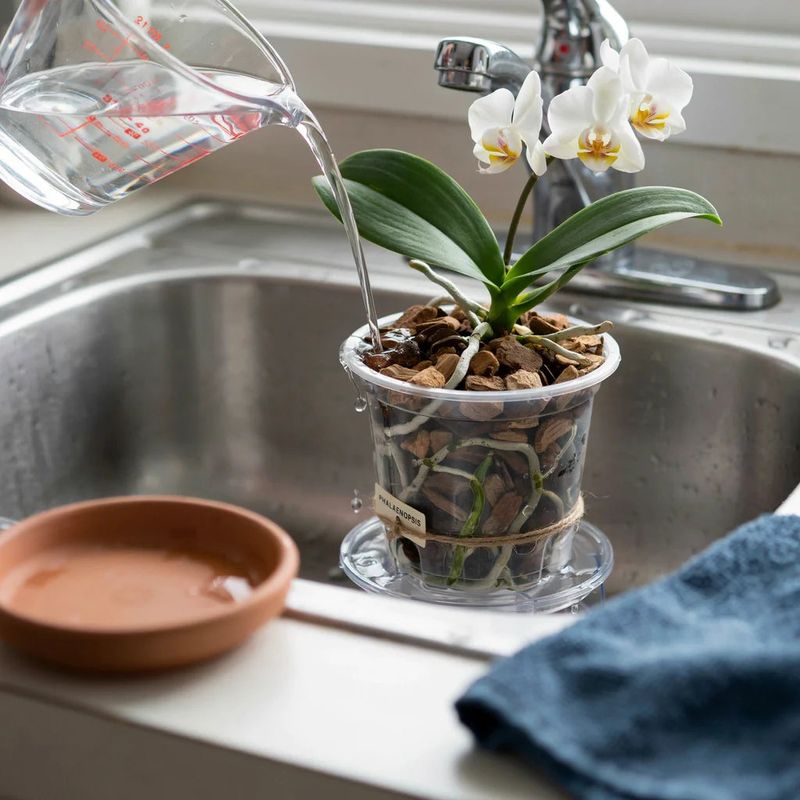
Clear plastic pots make this job easier because you can see the roots and judge their color. Silvery roots usually mean the plant is thirsty, while bright green roots tell you it still has moisture.
Most moth orchids indoors need water roughly once every seven to ten days during the cooler months. Water in the morning so leaves and crowns dry before nightfall, which helps prevent rot in the center.
Let every drop drain out, then empty the decorative cover pot so roots are not sitting in puddles. Personally, I think a slightly thirsty orchid is far happier than one drowning in good intentions.
2. Ice Cubes Make A Poor Orchid Watering Habit
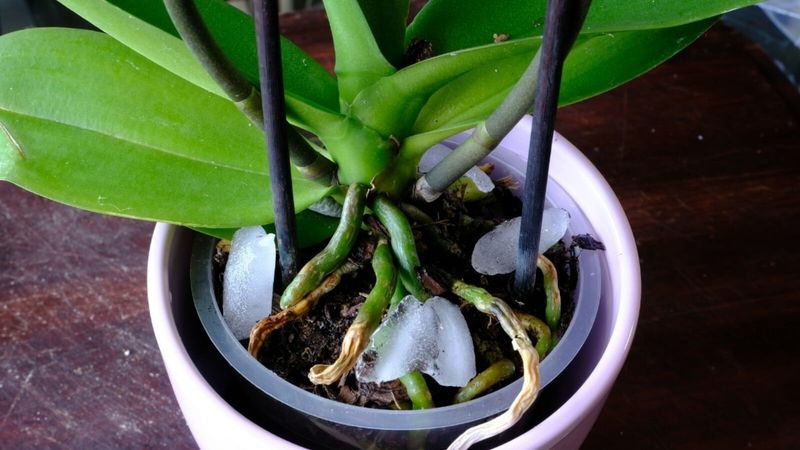
Three ice cubes a week became famous thanks to clever marketing tags tucked into grocery store orchid pots. I have to admit the idea sounds wonderfully easy, especially for busy folks who forget their houseplants.
Researchers at Ohio State University tested the method on moth orchids and found it did not harm them. So the cubes are not a disaster, but they are not the smartest routine for every orchid either.
A few melting cubes rarely moisten the whole pot evenly, which can leave some roots dry for days. That uneven watering matters more in heated rooms, where bark and moss dry faster than you expect.
Many orchids in your collection, like Cattleyas or Oncidiums, simply need more thorough watering than a cube provides. Ice also melts against leaves sometimes, and cold water sitting in a crown can encourage rot problems.
Instead, run room-temperature water through the pot for about a minute, letting it flow out the bottom. Some growers prefer soaking the pot in a bowl for ten to fifteen minutes, then draining it well.
Thorough soaking wets every chunk of bark, so roots can grab moisture evenly and grow strong and plump. It also flushes out mineral salts that build up from tap water and fertilizer over many weeks.
If your tap water in Southern California runs hard, consider rainwater or filtered water now and then. Your orchid will reward the extra minute of effort with healthier roots and steadier blooms next season.
3. Hot Afternoon Sun Can Scorch Orchid Leaves
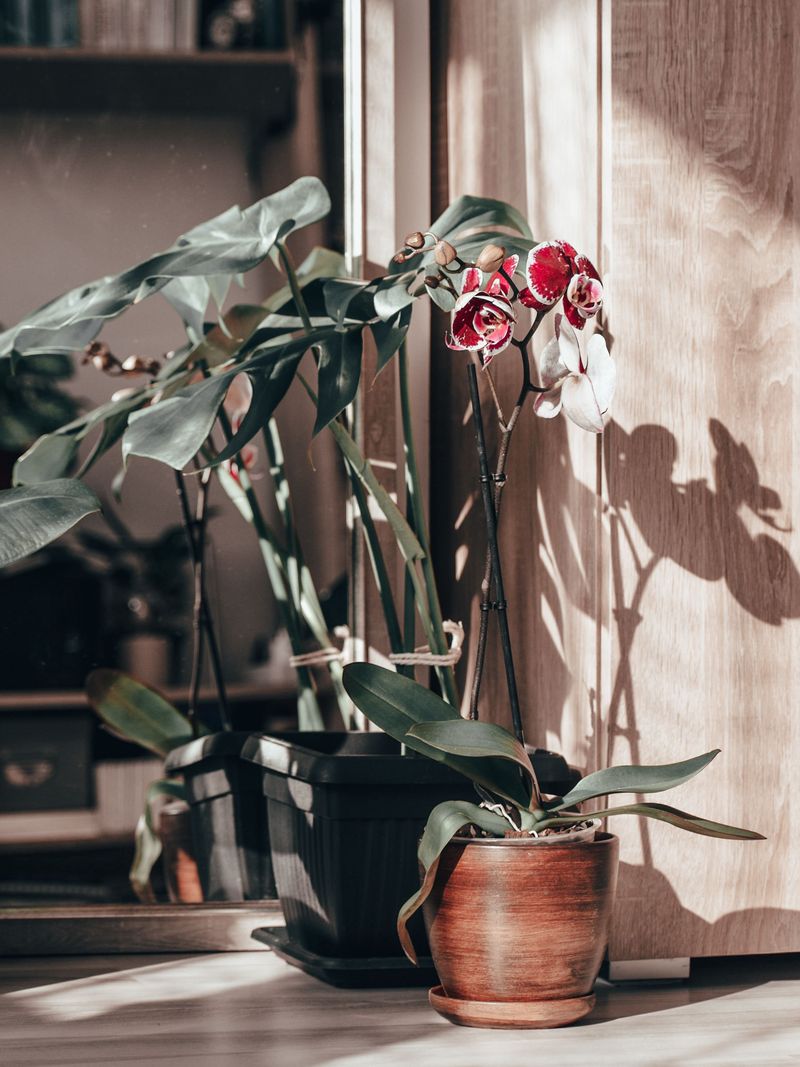
Winter sun sits lower in the sky, so it can sneak deeper into rooms than it does in summer. That slanting light feels gentle to us, yet a south window can still bake an orchid leaf by afternoon.
Moth orchids are shade lovers in the wild, growing beneath forest canopies where sunlight arrives filtered and soft. Hot glass magnifies heat too, so a leaf pressed against a pane can scorch surprisingly fast.
You might notice a pale yellow or white patch first, which later turns into a dry brown spot. That damage is permanent, though the plant usually keeps growing if you move it promptly to safer light.
An east window works beautifully because morning sun is cooler and brighter without the harsh afternoon punch. North windows can work for moth orchids, though they may look a bit dim during the shortest days.
If you only have south or west windows, hang a sheer curtain to soften those intense afternoon rays. Setting the plant a few feet back from the glass also helps more than most people realize.
Leaf color is your best light meter, and it costs nothing to check every few days. Healthy foliage looks medium or olive green, while very dark leaves suggest too little light for blooming.
I love how a simple sheer panel turns a risky sunny spot into perfect orchid real estate. Too little light is a problem too, so aim for bright but filtered rather than deep shade.
4. Dry Heater Air Leaves Orchid Buds Shriveled
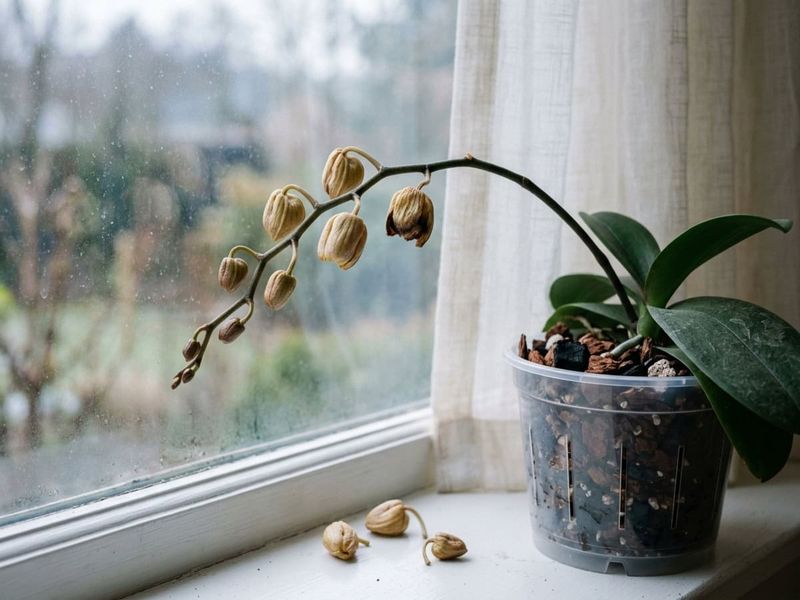
Desert air has nothing on a living room once the furnace kicks on during a cold snap. Indoor humidity can drop below thirty percent in heated homes, and orchids notice that dryness quickly.
Most popular orchids grow happily with humidity around forty to seventy percent, according to many orchid societies. When the air turns too dry, buds may yellow and drop before opening, a frustrating problem called bud blast.
Leaves can also look limp and wrinkled, especially if roots are struggling at the same time. Santa Ana winds make things worse inland, pulling moisture from the air for days at a stretch.
Personally, I find a humidity tray to be the easiest fix for a single orchid on a windowsill. Fill a shallow tray with pebbles and water, then set the pot on top so it stays above the waterline.
Grouping several houseplants together helps too, since their leaves release moisture that lingers around the cluster. A small cool-mist humidifier works wonders for larger collections, especially in bedrooms with forced-air heating systems running.
Misting leaves gives a brief boost but evaporates in minutes, so it rarely changes humidity in a meaningful way. Water left sitting in leaf crowns overnight can also invite rot, which nobody wants on a prized plant.
A cheap digital hygrometer tells you exactly what your orchid is experiencing, which takes the guessing away. Keep plants away from heater vents, because that blast of warm air dries leaves faster than anything.
5. Chilly Window Drafts Shock Blooming Phalaenopsis
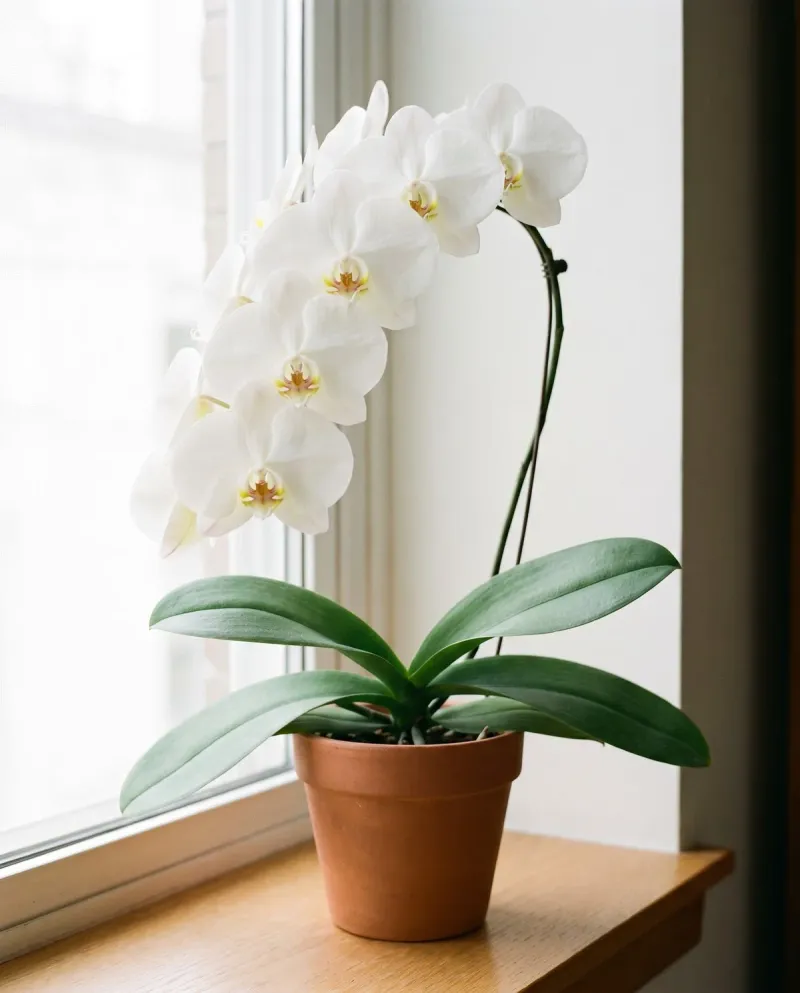
A single frosty night pressed against window glass can turn plump orchid buds yellow before sunrise arrives. Window panes get much colder than the room air, and leaves touching them can suffer chilling injury.
Moth orchids, known botanically as Phalaenopsis, prefer nights around sixty to sixty-five degrees Fahrenheit in most homes. Brief dips into the upper fifties are fine, and many growers use that slight chill to trigger new flower spikes.
Cymbidiums are tougher and often grow outdoors along the California coast, tolerating cool nights near forty degrees. Even those sturdy plants need protection when frost threatens, so bring them under cover on freezing nights.
Drafts from opening doors are sneaky troublemakers, because those cold gusts hit plants again and again all day. I can’t imagine keeping a blooming orchid beside a busy front door during a chilly January week.
On cold nights, slide pots back from the glass or tuck a curtain between the plant and window. That small gap creates an insulating air pocket, which keeps leaves noticeably warmer until morning returns.
Watch out for heater vents too, since hot, dry blasts stress orchids almost as much as icy air. Sudden swings between warm and cold are often what triggers bud drop in otherwise healthy plants.
Grocery runs count as well, because a quick walk through chilly air can chill tender blooms. Ask the store to wrap your new orchid in paper or a sleeve before heading back outside.
6. Bagged Garden Soil Smothers Epiphytic Orchid Roots
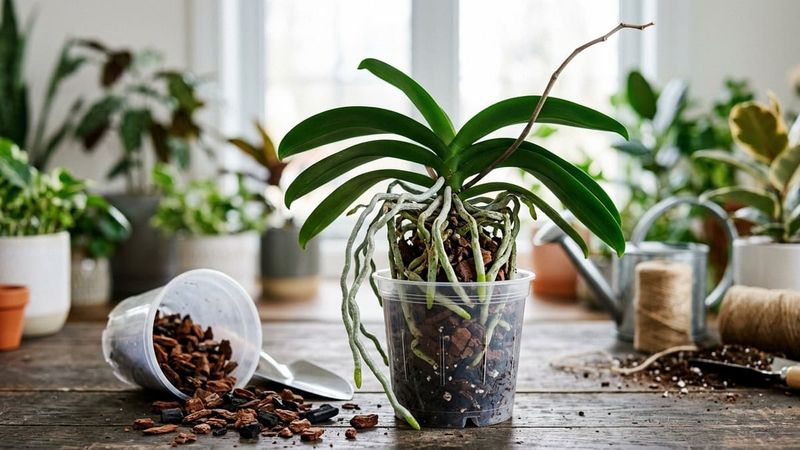
Orchids in the wild often hang from tree branches, their roots dangling in breezy air like silver ropes. Most popular types are epiphytes, which means they grow on trees without stealing nutrients from them.
Bagged potting soil packs tightly around those roots and holds water for days, especially in cool winter rooms. Roots wrapped in dense, soggy soil cannot breathe, so rot usually follows within a few short weeks.
I love how chunky orchid bark lets you see airflow at work, with gaps between every single piece. Those spaces let water rush through quickly while still holding enough moisture for roots to absorb.
Fir bark remains a favorite for Cattleyas and moth orchids, while sphagnum moss suits some thirstier types. Many growers also mix in perlite or horticultural charcoal to keep the blend open and light.
Cymbidiums are a slight exception, since they grow in finer mixes, but still not regular garden soil. Specialty Cymbidium blends usually combine fine bark with perlite, which drains quickly but holds a little moisture.
If you received a plant packed tightly in moss, check whether that moss stays soggy for weeks. Wet moss in a cool room deserves extra caution, so water less often until spring growth arrives.
Swapping soil for bark is a spring task, though, so avoid rushing into it during winter months. For now, simply buy the right mix and keep it handy for repotting season later in the year.
7. Heavy Fertilizer Doses Burn Resting Orchid Roots
Feeding a resting orchid heavily is like serving a giant dinner to someone who just ate lunch. Most orchids slow their growth in winter, so they need far less fertilizer than during warm months.
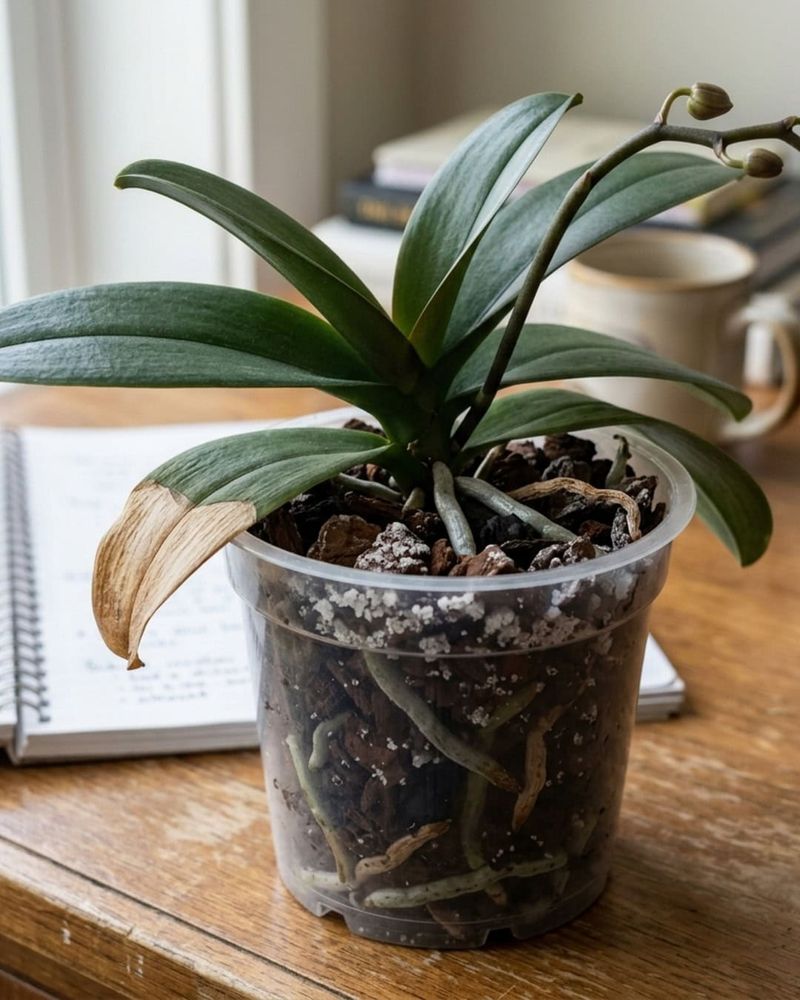
Unused fertilizer salts build up in the potting mix, and those crusty salts can burn tender root tips. You might notice white residue on the bark or brown, crispy edges along the newest root growth.
Many orchid growers follow the motto weakly, weekly, using a diluted fertilizer instead of strong doses. In winter, I prefer an even lighter touch, feeding about once a month at quarter strength.
Plants actively pushing new roots or flower spikes can handle that light feeding without much trouble at all. Orchids that look idle, with no new growth showing, can often skip feeding until spring warmth returns.
Water thoroughly with plain water first, because fertilizer poured onto dry roots is more likely to burn them. Every few weeks, flush the pot with plain water to rinse away lingering salts from fertilizer and tap water.
A balanced orchid fertilizer works well for most home growers, and fancy formulas rarely make a dramatic difference. Cymbidiums grown outdoors in California often switch to a bloom-focused formula in late summer and fall.
By winter, those outdoor plants are setting buds and need only modest feeding until flowering wraps up. Personally, I think a little patience now pays off with lusher leaves once days lengthen again.
8. Winter Repotting Disturbs Orchids Getting Ready To Bloom
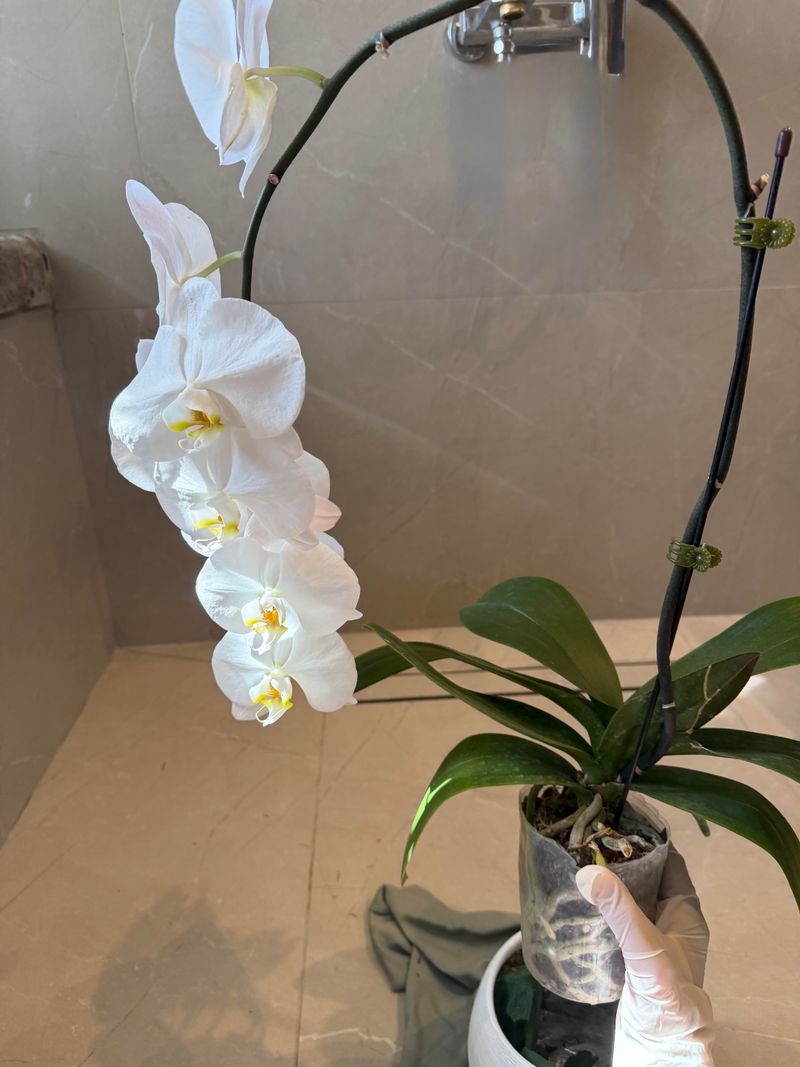
Winter is showtime for many orchids, with spikes rising and buds swelling on moth orchids and Cymbidiums alike. Pulling a plant from its pot right now can stall those buds or cause them to drop early.
Repotting tears some roots no matter how careful you are, and recovering takes energy the plant needs for flowers. Cooler temperatures also slow new root growth, so damaged roots sit longer without healthy replacements forming quickly.
Most experts recommend repotting after flowering ends, when fresh roots begin emerging from the base of the plant. For many moth orchids, that window opens in spring, which matches the natural growth cycle nicely.
Cymbidiums usually get repotted every two or three years, typically in spring once their blooms have faded. Cattleyas prefer repotting when new roots first appear on the newest growth, sometimes in spring or summer.
So what should you do if the bark looks broken down or the plant seems wobbly right now? Usually, staking the plant and adjusting watering will carry it safely through the rest of winter.
The rare exception is a true emergency, like severe root rot with mushy, smelly roots everywhere you look. In that case, trim the rotted roots with clean shears and move it into fresh bark without delay.
Otherwise, mark your calendar for spring and buy your orchid mix early so you are ready. I love how a little waiting turns into a stronger plant and an even showier bloom next year.