The California Native Shrubs To Buy In September And Plant When Cooler Weather Arrives
September has a strange feeling in California gardens. The sun still feels powerful, the soil still holds summer heat, and the nursery shelves quietly start telling a different story.
The best native shrubs are already waiting, but the planting window has not quite arrived yet.
Have you ever bought a plant, brought it home, and then wondered why it struggled? The answer is often not the plant. It is the timing.
California natives are built around seasons. They want their roots settling in when cooler weather returns and winter moisture begins helping them along. September gives you a chance to choose the right shrub before the popular ones disappear.
The fun part is that these plants are not just decorations. Some feed birds. Some welcome pollinators. Some turn empty corners into habitat.
So which shrubs deserve a spot in your cart before fall planting begins? A few California favorites might surprise you.
1. Buy Manzanita For Dry Sunny Ground
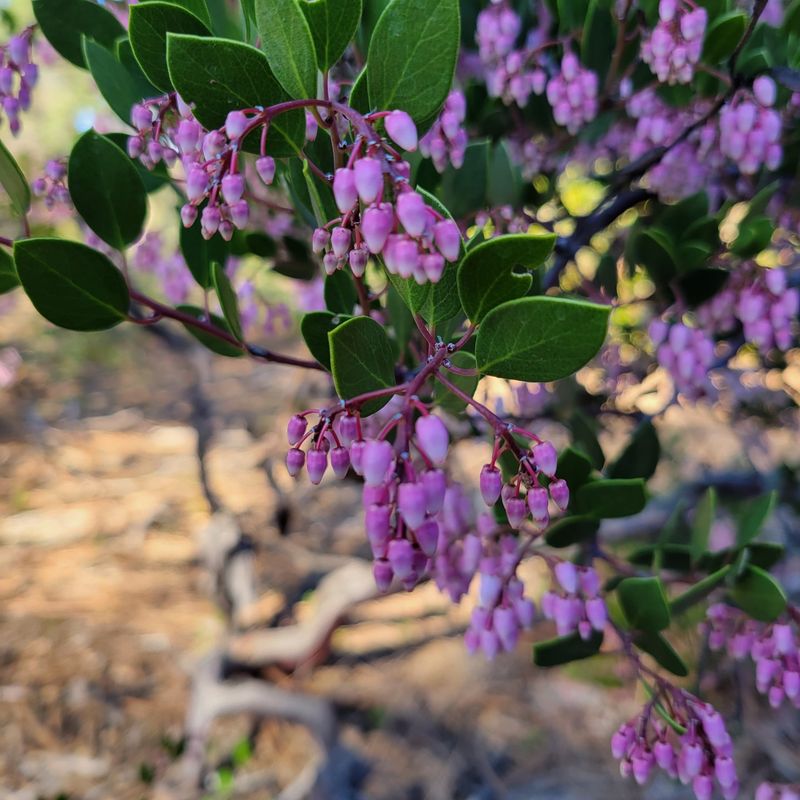
Manzanita is the shrub that makes dry places look intentional.
Those smooth red branches, evergreen leaves, and tiny urn-shaped flowers give California gardens a look that feels connected to the landscape itself.
The genus Arctostaphylos includes many species, so there is a manzanita for different spaces.
The first thing to check is the soil. Manzanitas enjoy fast drainage. Rocky slopes, sandy areas, and raised beds are their happy places. Heavy, wet soil can create problems because the roots prefer air around them.
Choosing the right size matters too. A small garden does not need a giant shrub trying to become a backyard tree.
Compact selections like Arctostaphylos edmundsii and ‘John Dourley’ fit smaller spaces. Larger species work better where the plant can spread naturally.
Once established, manzanita asks for very little summer attention. That is part of its charm. It does not need constant pampering like a thirsty garden diva asking for another drink.
September is a great shopping month because nursery stock is often strong and selections are easier to find. Keep your new plant protected from intense afternoon heat while it waits in its container.
Plant after temperatures cool in October or November. The winter season gives roots time to settle before the next dry summer arrives.
A manzanita in the right spot becomes more than a shrub. It becomes a little piece of California history growing outside your window.
2. Pick California Lilac For Spring Color
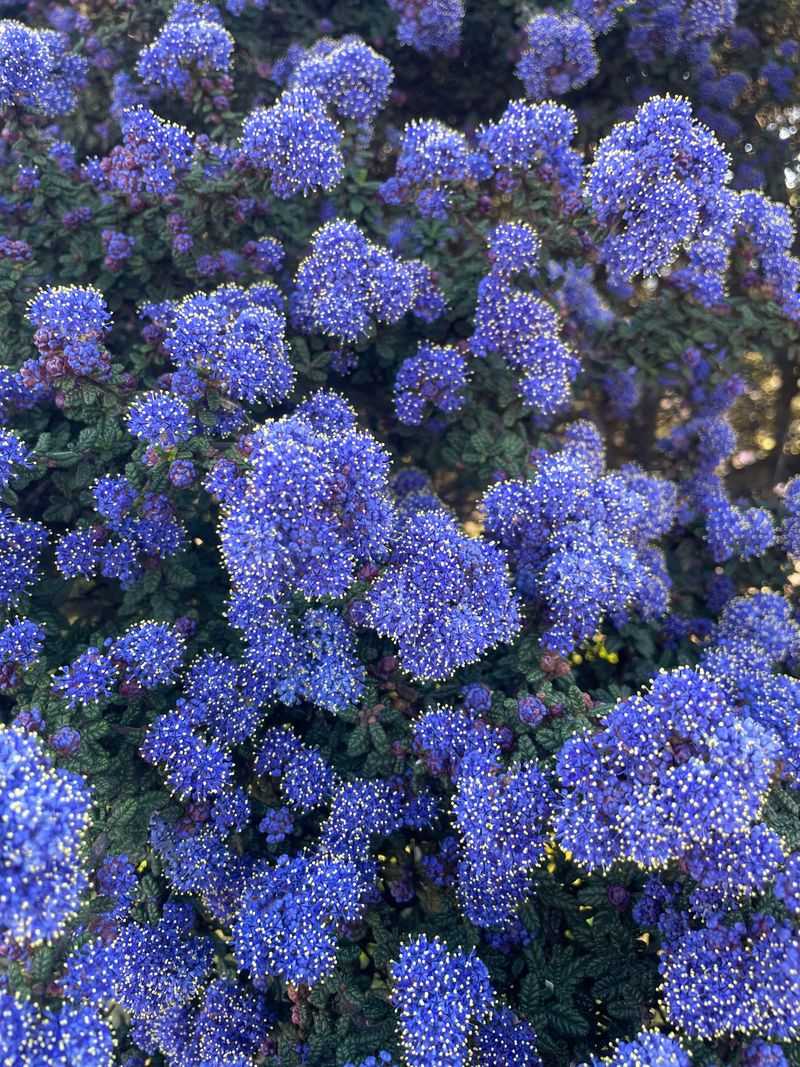
Some shrubs spend years looking nice. California lilac shows up and steals the entire spring spotlight.
Ceanothus, commonly called California lilac, produces clouds of blue, purple, or white flowers that can make a quiet garden suddenly feel alive. Bees notice. Butterflies notice. Gardeners definitely notice.
The trick with this native favorite is choosing the right location before planting. Ceanothus likes sunshine and excellent drainage. A soggy corner near lawn sprinklers is usually not the place for it.
Size matters here too. Some varieties stay low and hug the ground. Others become large shrubs reaching several feet tall. That means a quick nursery label check can save you from giving your small walkway a giant blue-flowering roommate.
Your California Garden Changes Every Week. Your Plan Should Too.
Gardening in California changes quickly throughout the season. Every Friday you’ll receive a simple weekly plan showing exactly what to plant, prune, fertilize, harvest, and protect so you never miss the right timing.
Heavy pruning is not this plant’s favorite activity. Light shaping after flowering works better than major cuts into older wood. Let the shrub keep its natural form, and it will usually reward you with a better display.
The flowers are the obvious attraction, but there is another reason California lilac deserves attention. It fits naturally into drought-conscious gardens where summer water use needs to stay low.
September gives you a chance to find interesting cultivars before spring demand arrives. Keep the container in a bright, protected area until planting conditions improve.
Once cooler weather settles in, move it into well-drained soil and let winter help with establishment.
A spring garden without Ceanothus can feel like a concert missing the main performer. The flowers know how to make an entrance.
3. Choose Coffeeberry For Flexible Light
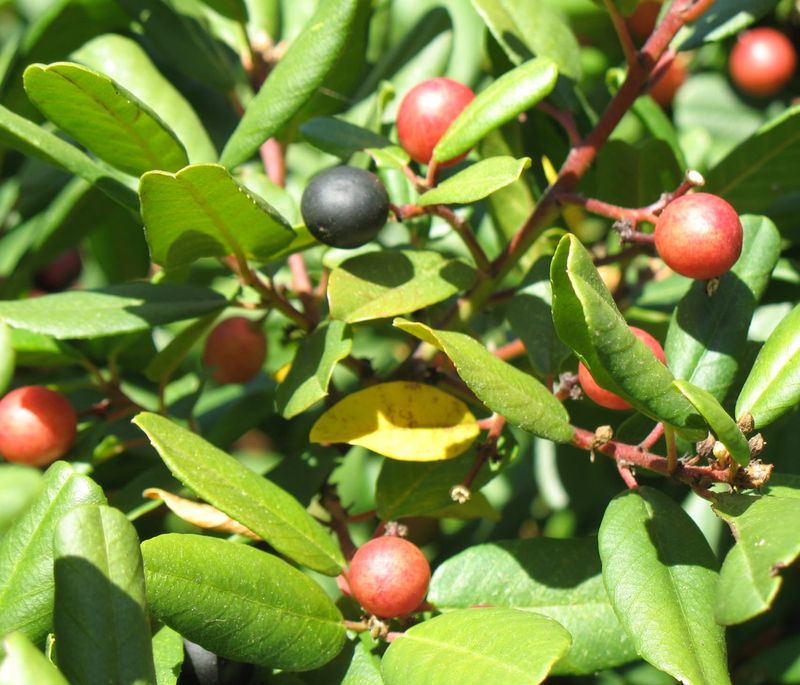
Not every California garden has a perfect sunny slope. Some spaces sit beneath trees, beside fences, or along the edge of a property where sunlight changes throughout the day.
That is where coffeeberry becomes one of the most useful native shrubs you can plant.
Frangula californica, formerly classified as Rhamnus californica, is one of California’s most adaptable native shrubs. It can handle full sun, partial shade, and even fairly shady woodland conditions better than many other drought-tolerant choices.
The berries are the hidden bonus.
Coffeeberry produces clusters that change color as they mature, moving from green to red and finally to deep black.
That means one shrub can carry several stages of fruit at once during late summer and fall.
Birds such as robins, thrushes, and other berry-eating species take advantage of this seasonal food source when migration and winter preparation are underway.
Unlike some native shrubs that demand very specific conditions, coffeeberry is forgiving once established. It can work in suburban landscapes, wildlife gardens, woodland edges, and mixed native plantings.
Size selection matters. ‘Eve Case’ is a popular choice because it stays manageable while still creating a substantial shrub.
Larger forms like ‘Leatherleaf’ are better for screening or open spaces. Compact varieties can fit smaller gardens without constant trimming.
Coffeeberry also works well for gardeners transitioning away from traditional high-water landscapes. It handles occasional irrigation better than many chaparral plants, making it easier to blend into yards that still contain some conventional garden features.
September is an ideal time to purchase coffeeberry because the plant can settle into the landscape once cooler weather arrives. Keep it shaded while waiting, avoid letting the container dry completely, and plant after temperatures moderate.
A good coffeeberry does not just fill space. It creates movement, food, and seasonal interest in places where many shrubs would struggle.
4. Add Toyon For Evergreen Structure
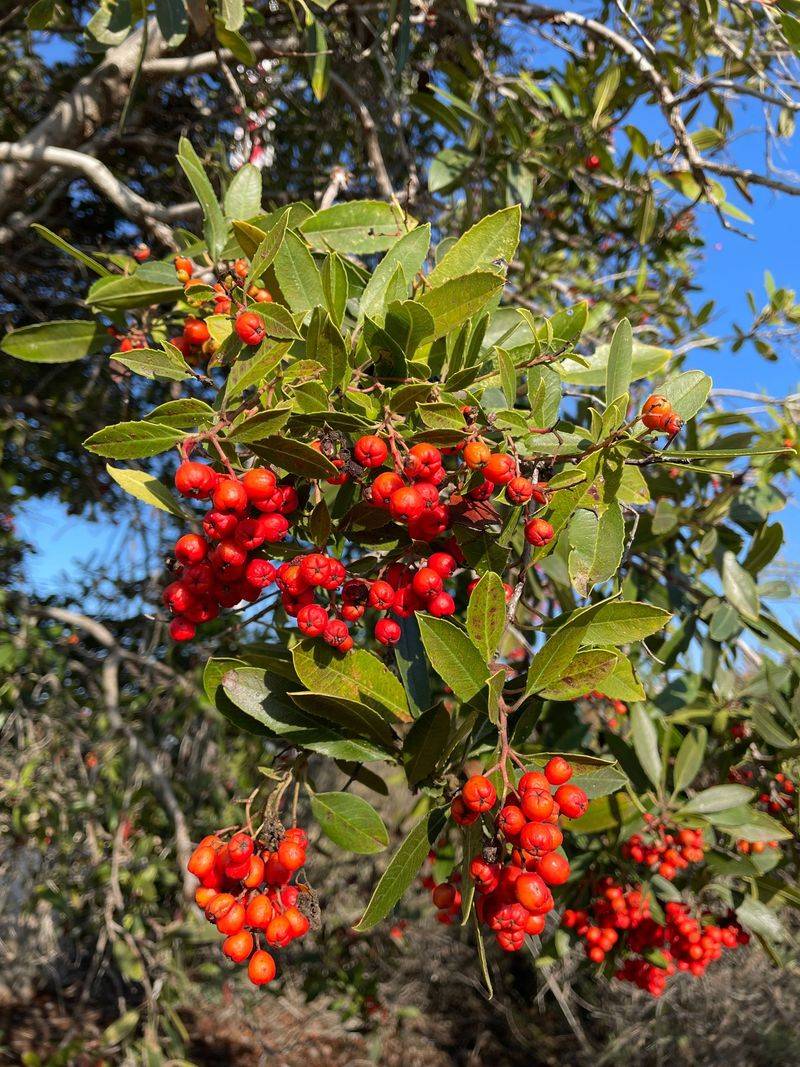
If there is one shrub that captures the spirit of California’s winter landscape, it might be toyon.
Heteromeles arbutifolia stays green throughout the year and produces clusters of bright red berries that appear just as many other plants are losing their summer color.
By late fall and winter, those berries become one of the most noticeable food sources in the garden.
Birds know exactly where to look.
Toyon fruit attracts a variety of wildlife, especially when other seasonal food becomes harder to find. A mature plant can become both a feeding station and a protective evergreen structure.
But do not underestimate its size.
Toyon is not a small accent shrub. Given room, it can easily grow ten to fifteen feet tall and almost as wide.
That makes it excellent for privacy screens, habitat borders, and larger landscapes, but less suitable for a tiny planting bed unless you are prepared for regular maintenance.
The best approach is simple: choose the right location first.
Toyon performs well in many California regions, from coastal areas to inland foothills, as long as drainage is reasonable. Once established, it tolerates drought and requires far less summer water than many traditional landscape plants.
Young plants need more attention. Regular deep watering during establishment helps roots move outward, but mature plants prefer a lighter touch. Too much summer moisture, especially in heavy soils, can create problems.
September shopping gives you access to healthy container plants before fall planting season gets busy. Keep your new shrub protected from extreme heat, then plant when cooler temperatures arrive.
A well-placed toyon is not just a landscape plant. It becomes a year-round habitat feature with flowers, berries, shelter, and structure.
5. Use Western Redbud For Seasonal Color
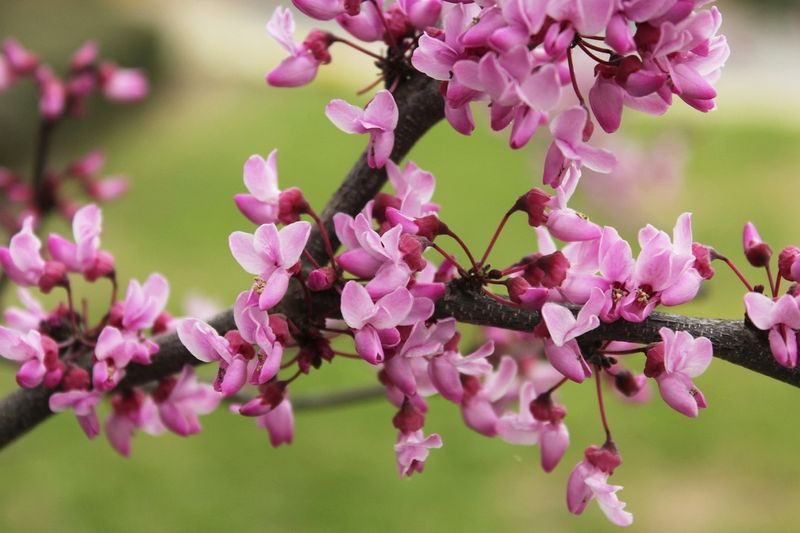
Western redbud is proof that California natives are not only about evergreen foliage and drought tolerance.
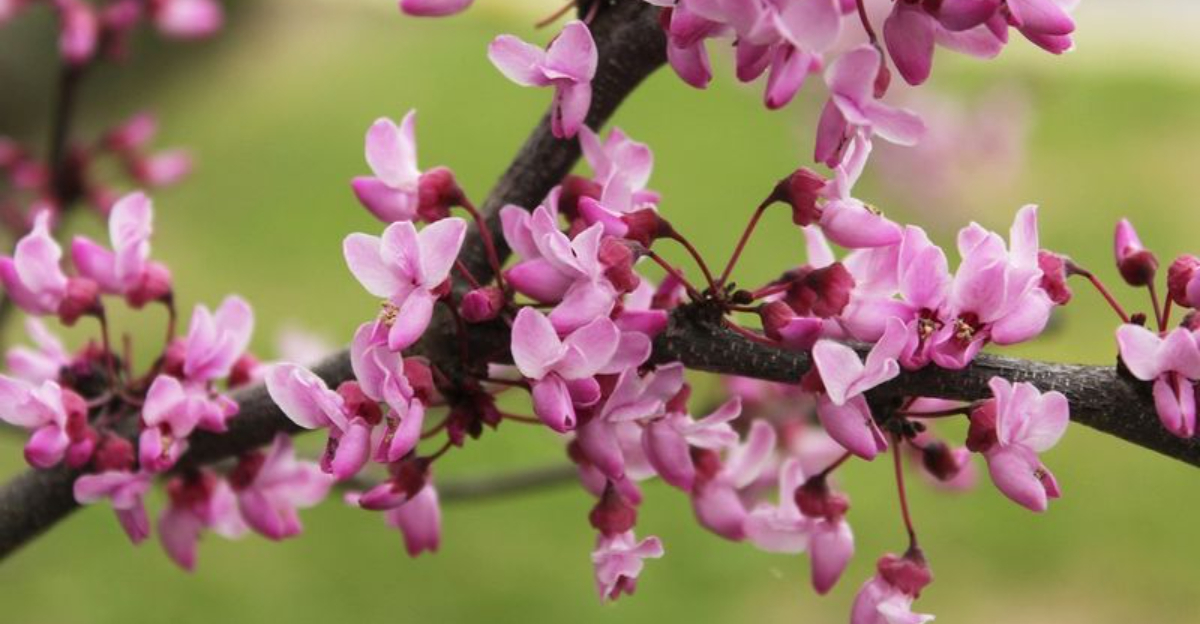
This deciduous shrub or small tree creates a completely different kind of beauty. Before the leaves return in spring, bare branches explode with bright pink-magenta flowers that appear almost painted onto the wood.
Cercis occidentalis is naturally found in California foothills, woodland edges, and interior regions where summers are dry and winters provide cooler conditions.
The seasonal changes are one of its greatest strengths. Spring brings flowers. Summer brings heart-shaped green leaves. Fall brings golden to burgundy tones. Winter leaves behind interesting seed pods and branching structure.
Few native plants offer that many different moments throughout the year.
Western redbud is especially valuable for inland California gardens. It appreciates heat and drought once established, but it is less comfortable in areas with mild, constantly damp conditions.
Young trees benefit from deep watering during their first years. The goal is encouraging roots to move downward rather than creating a shallow system dependent on frequent irrigation.
Location matters more than fertilizer. Give it sun, good drainage, and enough space to develop naturally. Mature plants can reach roughly ten to eighteen feet depending on conditions.
September is a smart buying month because the plant can be selected before fall planting begins. Keep it protected from intense heat while waiting, then place it in the ground once temperatures settle.
By the following late winter or early spring, your reward may already be hanging from those bare branches: a burst of color arriving before almost everything else wakes up.
6. Plant Bush Anemone In Light Shade
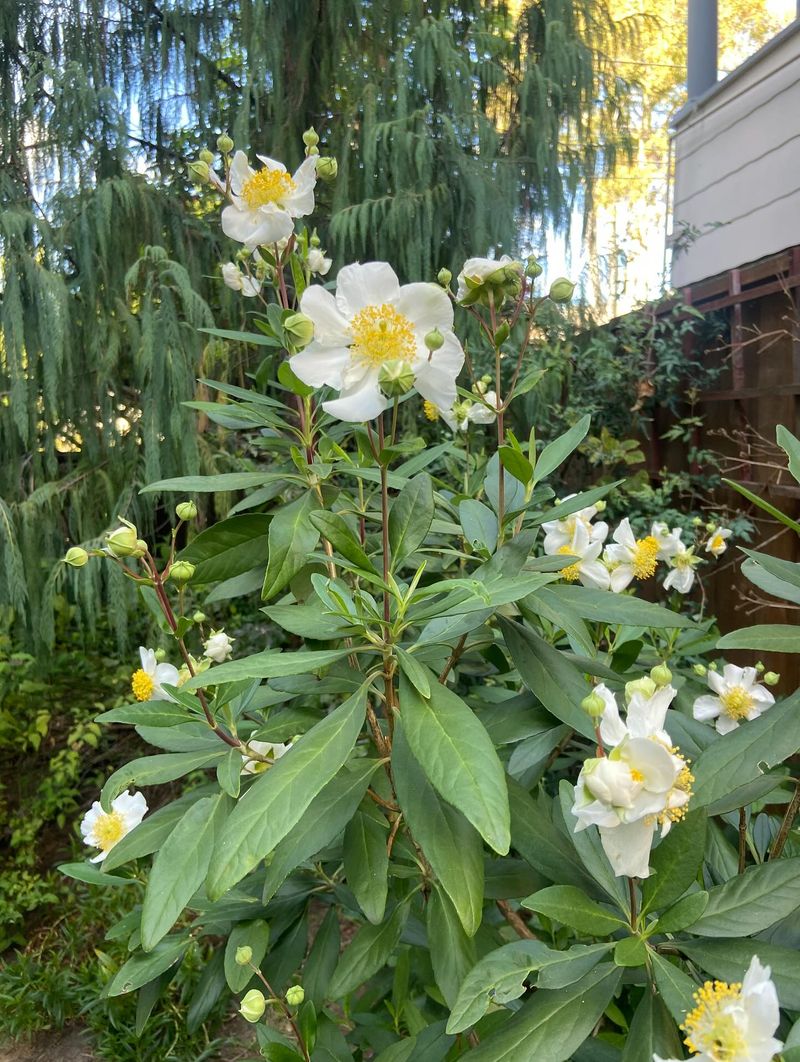
Bush anemone is one of those California natives that surprises gardeners because it does not fit the usual dry, sun-baked stereotype.
Instead of tough gray foliage and tiny flowers, Carpenteria californica produces large white blooms with bright yellow centers that look almost tropical when they appear in late spring and summer.
The flowers are not just attractive to people. Their fragrance and open shape make them useful to a variety of pollinators during the warmer months when many spring bloomers have already finished.
Bush anemone has a very small natural range, growing wild mainly in Fresno County’s Sierra Nevada foothills.
That limited distribution is part of what makes it special. It is a rare California native, but in the right garden conditions it can grow beautifully.
The key is avoiding extremes.
Unlike manzanita or Ceanothus, bush anemone does not want a hot, exposed, completely dry location.
It performs best with some afternoon shade, especially in inland areas where summer temperatures can become intense. Good drainage is still important because constantly wet roots can quickly cause problems.
A location beneath taller trees, beside a shaded wall, or along an east-facing exposure often works well. The plant appreciates some moisture while establishing, then becomes more tolerant once its root system develops.
Mature shrubs usually reach around six to twelve feet tall, creating a useful evergreen screen without becoming overwhelming.
Light pruning after flowering can help maintain shape, but aggressive cutting into older wood is not recommended.
September is a good time to find bush anemone because specialty native nurseries often have limited stock. Keep container plants protected from extreme heat and wait until October’s cooler weather before planting.
Placed correctly, this rare shrub becomes one of the garden’s summer highlights: fragrant white flowers, evergreen foliage, and a connection to one of California’s most unique native plant communities.
7. Try California Spicebush Near Moist Ground
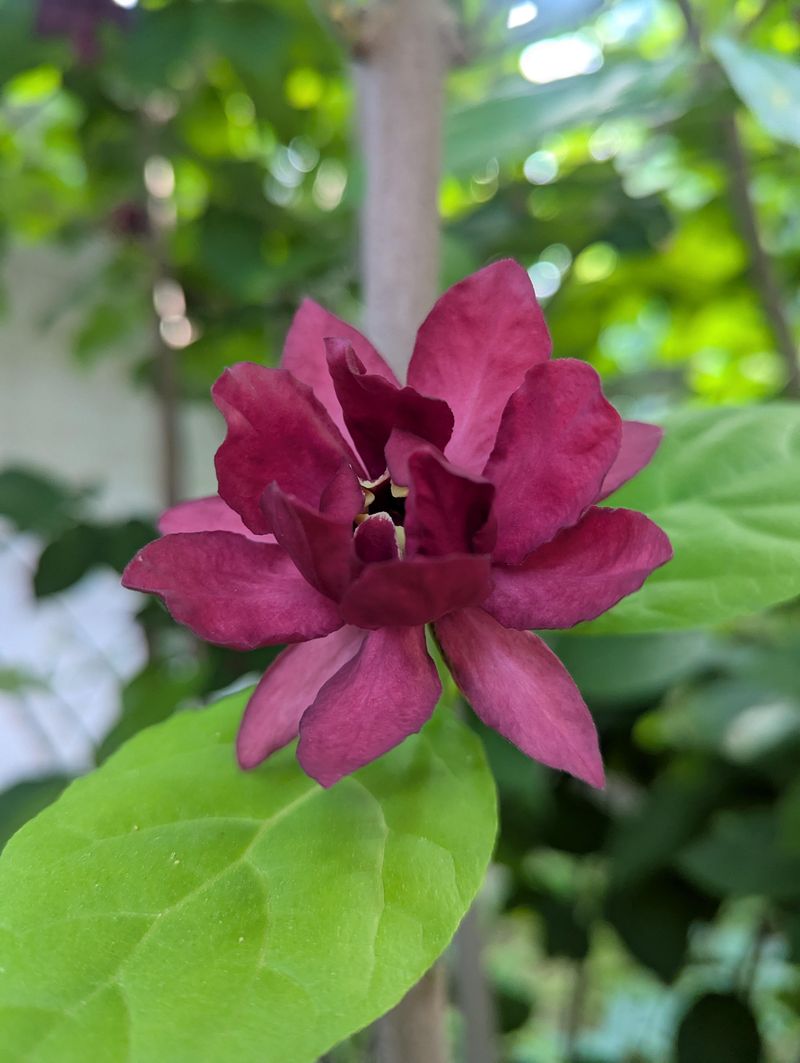
California spicebush is a reminder that native plants are not all built for dry hillsides.
Along streams, shaded canyons, and moist woodland edges, Calycanthus occidentalis grows as a lush, spreading shrub that brings a completely different texture to the California landscape.
Its large reddish flowers appear from late spring into summer, producing a deep wine color and a distinctive fragrance that gives the plant its common name.
It is a shrub that rewards gardeners who have the opposite problem from most California landscapes: a spot that stays wetter than expected.
That makes it especially useful near rain garden, seasonal drainage area, creek-side plantings and naturally moist woodland edges
Trying to force this shrub into a dry, exposed slope is usually a mistake. California spicebush needs conditions that match its natural habitat.
It prefers consistent moisture, especially while becoming established. Unlike many drought-adapted natives that dislike summer irrigation, this species can handle regular watering when planted in an appropriate location.
Light conditions matter too. Partial shade is usually ideal, particularly in hotter inland areas where intense afternoon sun can damage the broad leaves.
The mature size is substantial. Plants can spread eight to twelve feet wide, so give them enough room from the beginning. A cramped location often leads to unnecessary pruning and a less natural shape.
September is a useful time to purchase California spicebush because you can select a healthy container plant before fall planting begins. Keep it watered while waiting, but avoid transplanting during the hottest part of the season.
Once cooler temperatures arrive, planting allows the roots to establish through fall and winter. In the right location, this uncommon native shrub becomes a beautiful bridge between garden design and California’s riparian ecosystems.
8. Add Native Currants For Wildlife Value
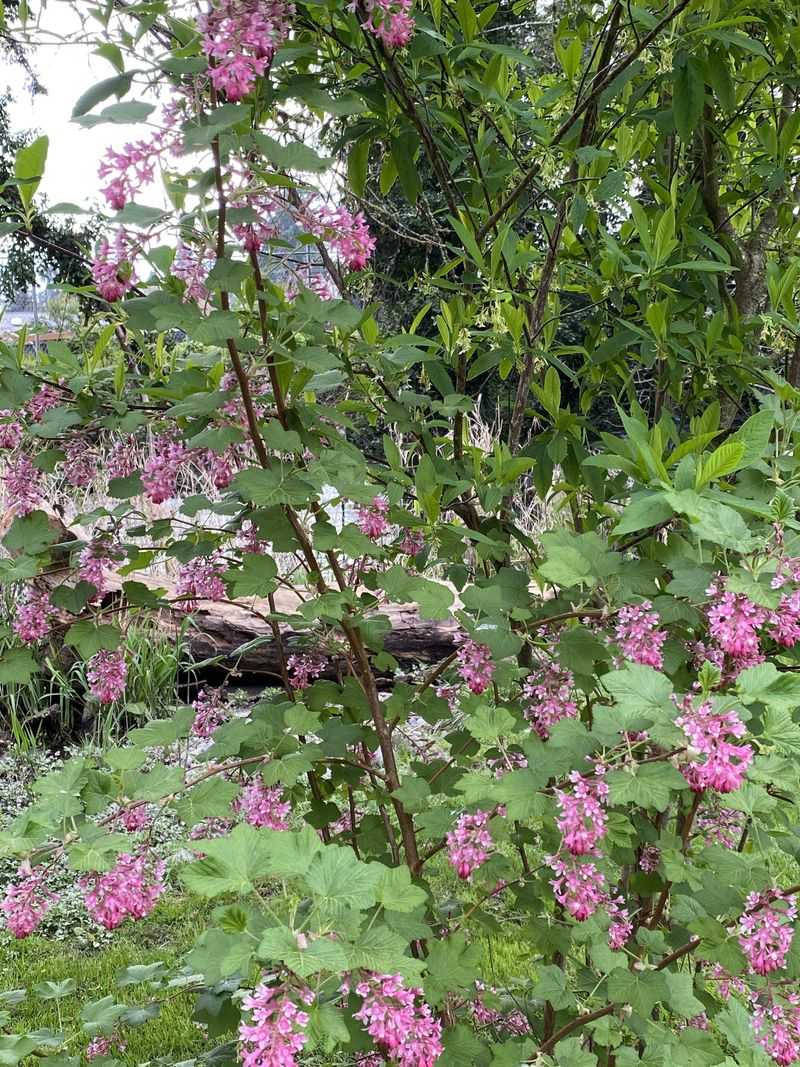
Native currants bring one of the earliest wildlife displays of the year. Long before many California shrubs begin their spring growth, Ribes species can produce colorful tubular flowers that attract hummingbirds and early-season pollinators.
That early timing makes them especially valuable.
A garden may look quiet in winter, but flowering currants can become active feeding locations when few other plants are providing nectar. Later, the berries that follow help support birds and other wildlife through the warmer months.
California has several native Ribes species, and choosing the right one matters.
Ribes sanguineum, the red-flowering currant, performs well in cooler coastal and inland areas with some shade and moderate moisture.
Ribes speciosum, the fuchsia-flowered gooseberry, fits better in coastal sage scrub and shaded canyon environments.
Ribes malvaceum, the chaparral currant, is better adapted to drier inland gardens and can handle more sun than some other species.
The biggest mistake with native currants is treating them all the same. Their natural habitats vary widely, so matching the species to your climate and soil conditions is the difference between a thriving plant and a struggling one.
Many native currants are summer deciduous. When leaves disappear during hot months, that is part of their normal seasonal rhythm, not automatically a sign of failure.
During dormancy, avoid excessive summer watering. Species from dry habitats especially can suffer when kept constantly wet while they are naturally resting.
Mature size varies, but many species stay within a manageable four-to-ten-foot range. That makes them excellent choices near patios, pathways, or windows where you can enjoy the hummingbird activity.
September is one of the best times to locate container-grown native currants before fall planting season begins. Keep the plant in a cool, shaded area until temperatures moderate, then plant in October or November.
A well-placed currant does more than fill a garden space. It creates one of California’s earliest wildlife gathering points and adds a seasonal rhythm that continues long after planting day.