The Simple Way to Keep Lemongrass Going Indoors Through a Michigan Winter
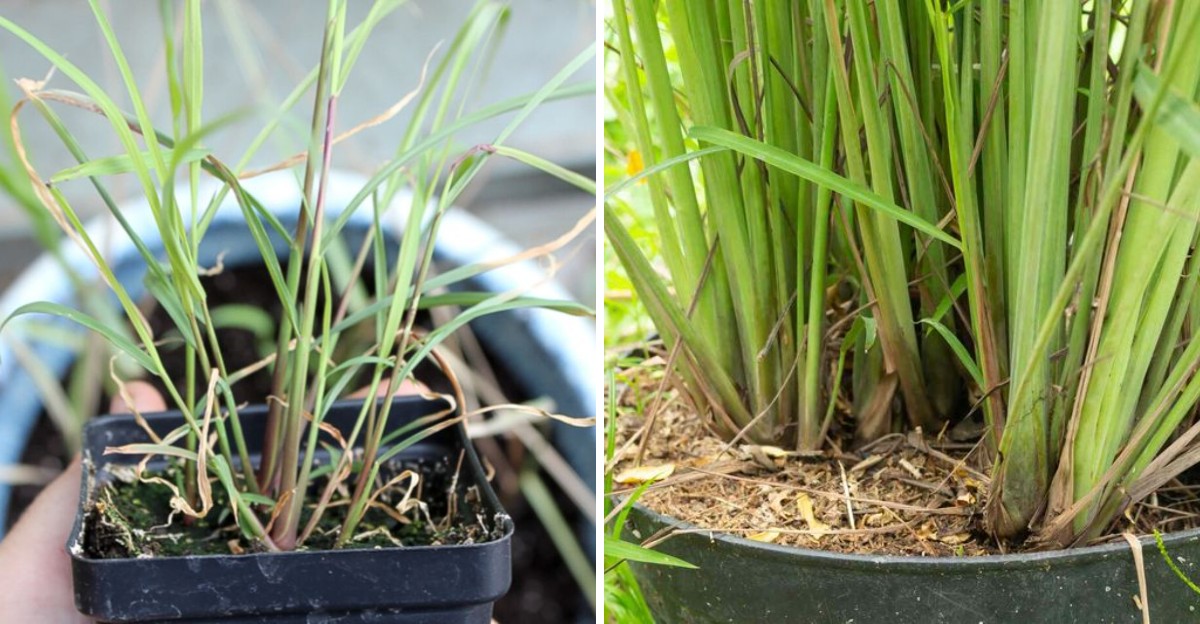
A single grocery store stalk can sprout roots in a glass of water within a few weeks. I still remember the first time I saw those tiny white threads appear on my windowsill.
That tropical grass from Southeast Asia has no business surviving a Michigan January. Frost turns it to mush outdoors, and most gardeners simply let it go each fall. Then they buy new starts every spring, which adds up fast.
What makes this plant so special is how stubborn its base really is. Trim it hard, give it a bright window, and it quietly waits out the snow. I can’t help but think we have been giving up on it far too early.
The real question is how little effort it actually takes. Would you believe the trick involves doing less, not more, once the cold months arrive?
That Lemongrass Clump Needs to Come Inside Sooner Than You Think
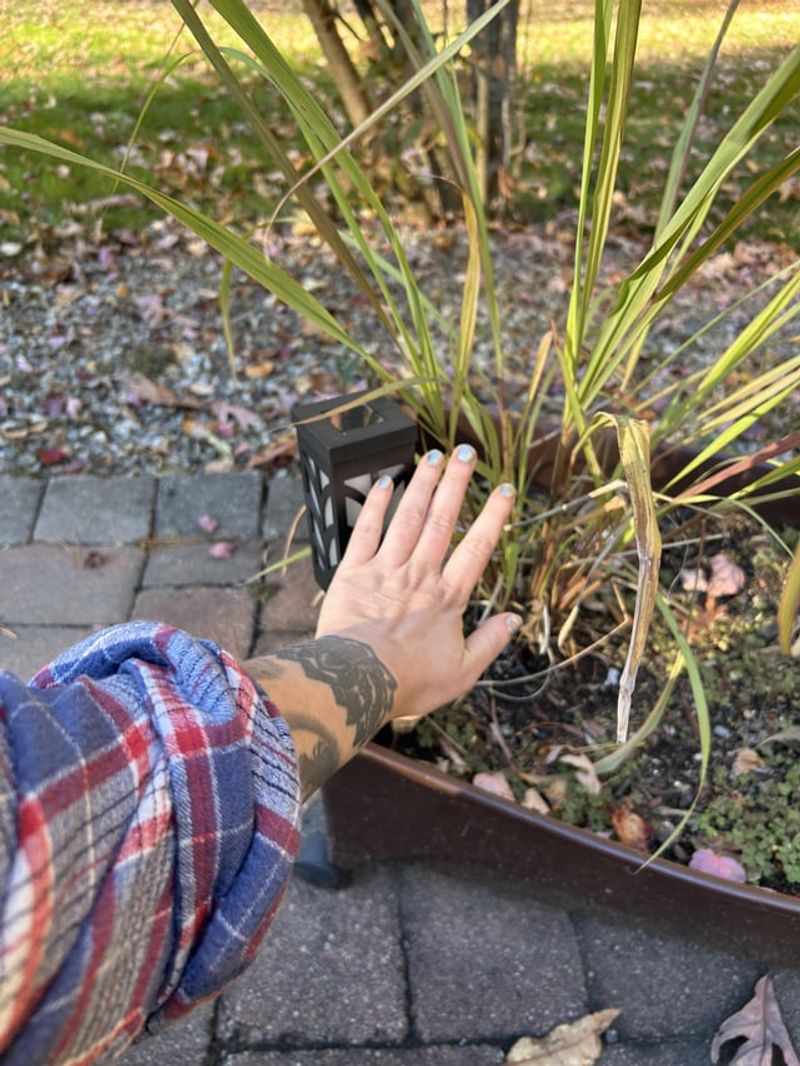
Lemongrass starts sulking well before frost shows up. Once nights drop into the 40s, its growth slows and the leaves can start turning brown at the tips.
Most growers bring it in when nighttime temperatures settle around 45 to 50°F. Across much of the state, that usually lands in mid to late September, a bit earlier up north and in the Upper Peninsula. Southern areas near Detroit may get an extra week or two.
Garden-planted clumps need digging up first. A full-sized clump can be massive, so I like to slice off a smaller chunk with a sharp spade, keeping a good handful of roots attached. Drop that division into a pot at least 10 to 12 inches wide.
Use a fresh, well-draining potting mix rather than garden soil. Garden dirt packs down in containers and can carry pests indoors.
Before you carry anything inside, give the pot a quick check. Look for slugs under the rim, ants in the soil, and tiny webbing on the leaves. A strong spray from the hose takes care of most hitchhikers.
Timing is the biggest piece of the puzzle. A plant moved early settles in with far less stress than one rescued after a surprise cold snap.
A Hard Trim on Those Lemongrass Stalks Makes Life Easier
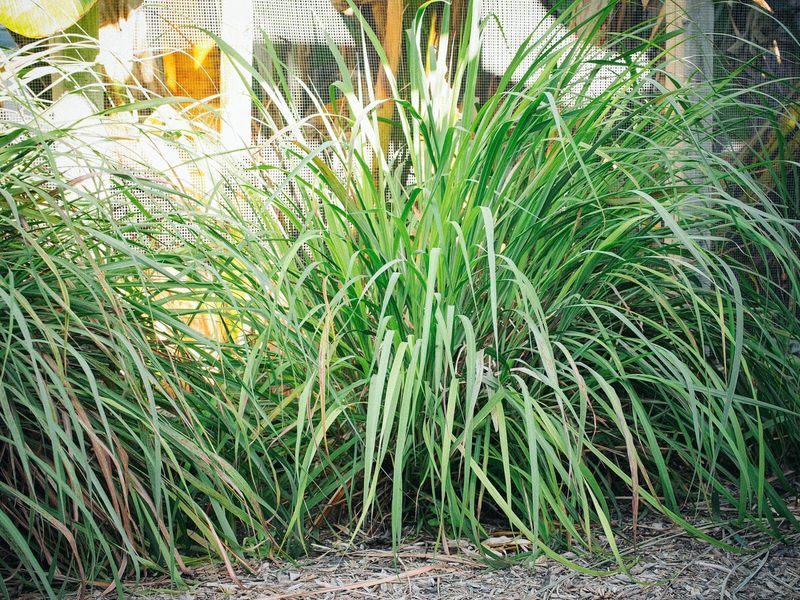
Grab your pruners, because this step feels dramatic but works beautifully. Cutting the stalks back to about 6 to 8 inches tall is the heart of the whole method.
A full-grown plant can reach three feet or more with long, arching blades. Inside, all that foliage drips moisture away, flops over, and turns brown fast. Shorter stalks need less water and less light to stay healthy.
The magic sits in the swollen base. That pale, bulb-like section stores energy, and it is also the part cooks prize most. New green shoots will push up from the center over the winter.
Don’t toss those trimmings, either. Chop the tender lower stalks and freeze them in a zip-top bag for soups and curries. The tough leaves make a lovely, citrusy tea when steeped in hot water.
Some gardeners skip the pot and simply root a few stalks in water. Pull several stems with their bases intact, stand them in a jar, and change the water every couple of days. Roots often appear in two to three weeks.
Either route works well. The trim simply gives your plant a smaller, tidier job to do until spring.
Your Sunniest Window Is Lemongrass Heaven
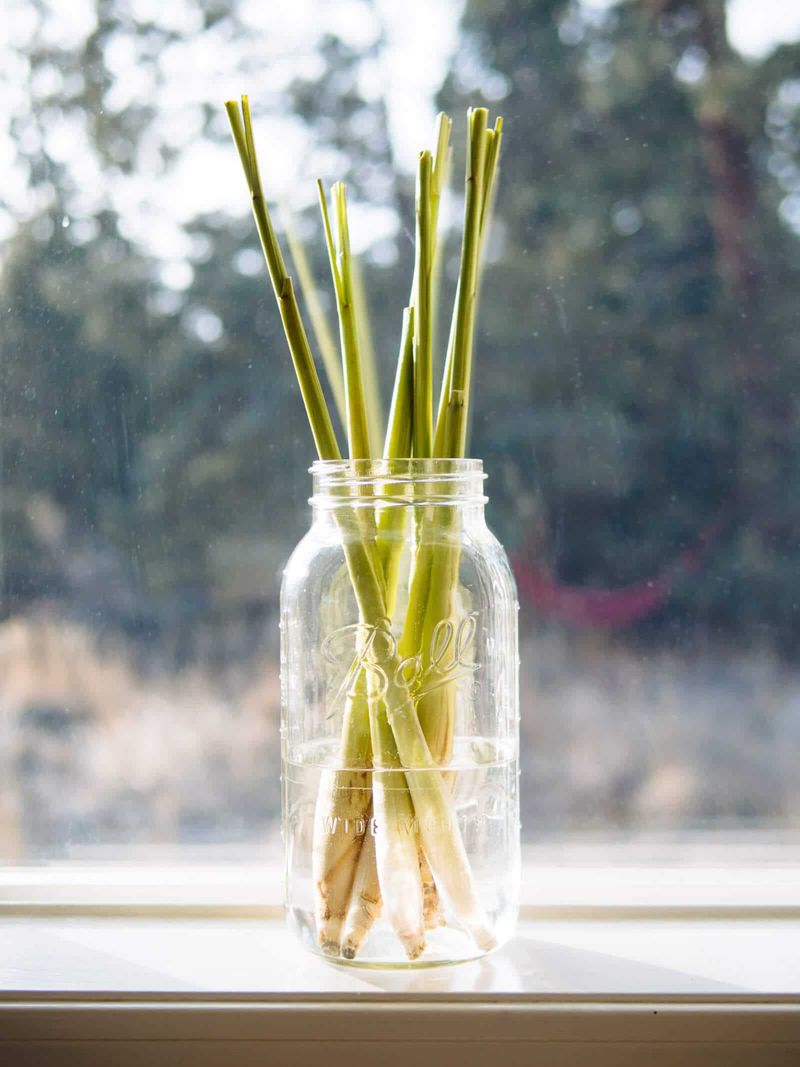
Sunshine is the one thing this grass refuses to compromise on. In its native tropics, it soaks up bright light nearly all day long.
Indoors, a south-facing window gives you the best shot. Aim for at least six hours of direct light if you can manage it. West-facing windows come in second, while north-facing spots usually leave the plant pale and floppy.
Winter days here are short and often gray, especially near the Great Lakes, where lake-effect clouds hang around for weeks.
That gloom can make even a great window fall short. Weak, stretched shoots leaning hard toward the glass are your sign that more light is needed.
A full-spectrum LED grow light fixes the problem nicely. Run it 12 to 14 hours a day, placed several inches above the leaves. An inexpensive outlet timer keeps the schedule steady without you thinking about it.
Rotate the pot a quarter turn every week or so. That small habit keeps growth upright and even instead of lopsided.
Watch the glass, too. Leaves pressed against a frosty windowpane can get chilled, so leave a few inches of breathing room between the plant and the window.
Easy Does It With the Watering Can
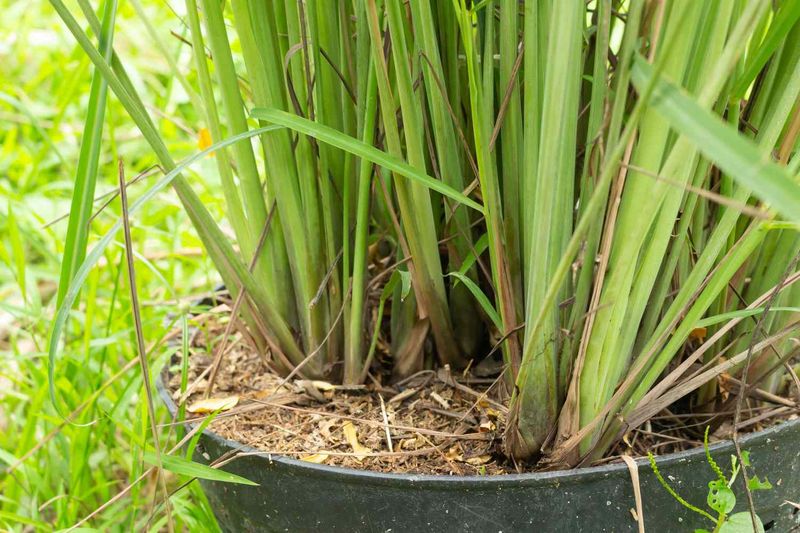
Here is where many winter lemongrass plants run into trouble. Kind-hearted gardeners keep watering like it is still July.
Growth slows down a lot in cooler, darker months. A resting plant simply drinks less, and soggy soil invites root rot quickly. Mushy, smelly bases usually mean the roots have been sitting wet too long.
Try the finger test instead of a calendar. Push a finger into the soil, and water only when the top inch feels dry. For many homes, that works out to about once every 7 to 10 days, though warm rooms may need a little more.
When you do water, go deep. Pour until water trickles out the drainage holes, then empty the saucer after 15 minutes or so. Standing water under the pot is no friend to these roots.
A pot without drainage holes is asking for problems. If you love a decorative container, slip a plastic nursery pot inside it and lift it out to water.
Terracotta pots dry faster than plastic, which can help if you tend to overdo it. Plastic holds moisture longer, which suits forgetful waterers. Match your pot to your personality.
Crispy Brown Leaf Tips Usually Point to Dry Furnace Air
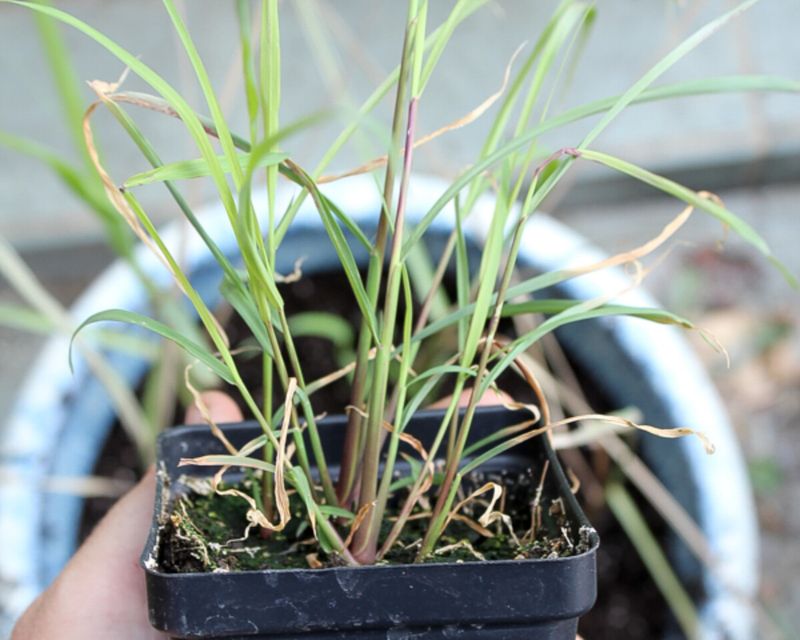
Furnace season turns most houses into a desert. Indoor humidity in a heated home can drop to 20 or 30 percent, far below what tropical plants enjoy.
Lemongrass reacts by browning at the leaf tips. It looks a bit scruffy but rarely signals a serious problem. You can snip off the brown ends with clean scissors whenever they bother you.
A pebble tray offers an easy boost. Fill a shallow tray with pebbles, add water just below the top of the stones, and set the pot on top. As the water evaporates, it adds moisture right around the leaves.
Grouping plants together helps as well. Leaves release moisture naturally, so a little cluster of houseplants creates its own humid pocket. A small room humidifier works too, and your skin will thank you.
Placement matters just as much as moisture. Keep the pot away from heating vents, space heaters, and drafty doors that swing open to icy air. Sudden blasts of hot or cold air stress the plant.
Comfortable room temperatures between 60 and 75°F suit lemongrass just fine. Below 60°F, growth crawls, but the plant usually holds steady until spring returns.
Spider Mites Love a Cozy Indoor Lemongrass
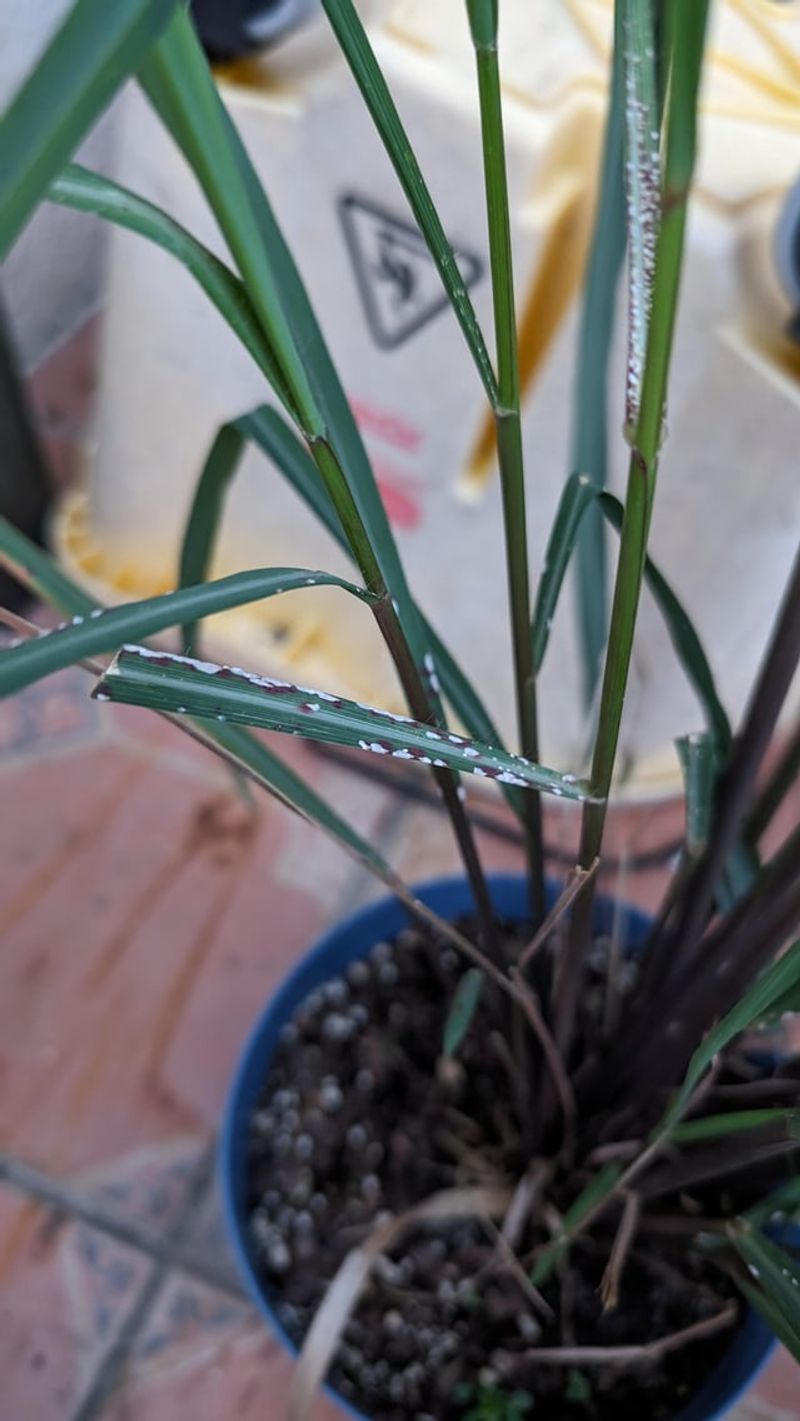
Outdoors, lemongrass shrugs off most bugs. Inside, warm and dry air changes the story, and spider mites are the usual troublemakers.
These pests are barely bigger than a dot. You often spot the damage first as tiny pale speckles across the leaves. Fine, silky webbing between blades is a clear giveaway.
Make inspections part of your watering routine. Flip a few leaves over and look closely along the undersides, where mites like to hide. A magnifying glass or your phone camera zoomed in makes the job much easier.
Caught early, mites are pretty manageable. Take the pot to the shower or sink and rinse the leaves well with lukewarm water. Repeat every few days for a couple of weeks to catch newly hatched mites.
Insecticidal soap is a solid next step if rinsing falls short. Follow the label carefully and test a small area first. Many university extension services recommend these gentle options for houseplant mites.
Boosting humidity helps prevent repeat visits, since mites prefer dry conditions. A healthy, well-lit plant also bounces back faster. Isolate any infested pot from your other houseplants until it looks clean again.
Spring Sends Your Lemongrass Back to the Patio
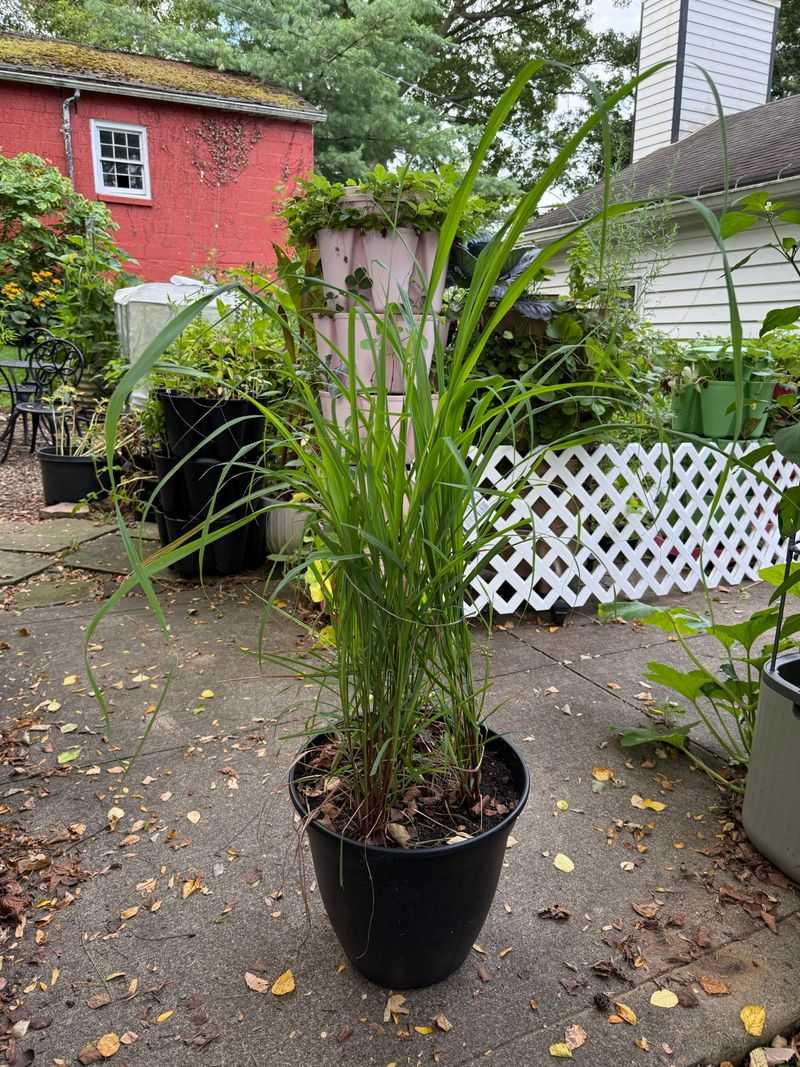
Few things feel better than carrying a plant outside after months on the windowsill. Your patient lemongrass earned that moment.
Hold off on fertilizer through winter, since a resting plant has little use for it. Once fresh green shoots start rising in spring, begin feeding again with a balanced fertilizer every few weeks.
Wait until nights stay reliably above 50°F before moving it outside for good. In much of the state, that means late May or early June. Lemongrass sulks in cold soil, so patience pays off here.
Harden it off gradually over about a week. Start with an hour or two in a shady, sheltered spot, then add more time and more sun each day. Skipping this step can leave leaves bleached and scorched.
Spring is also the best time to divide or repot. If roots are circling the pot, split the clump into smaller sections and share extras with gardening friends.
Then simply enjoy it. By late summer, you will have stalks for cooking, tea, and maybe a few new pots to bring indoors next fall. One plant really can keep going year after year.