10 Gardening Tips Every New Michigan Gardener Wishes They Knew Sooner
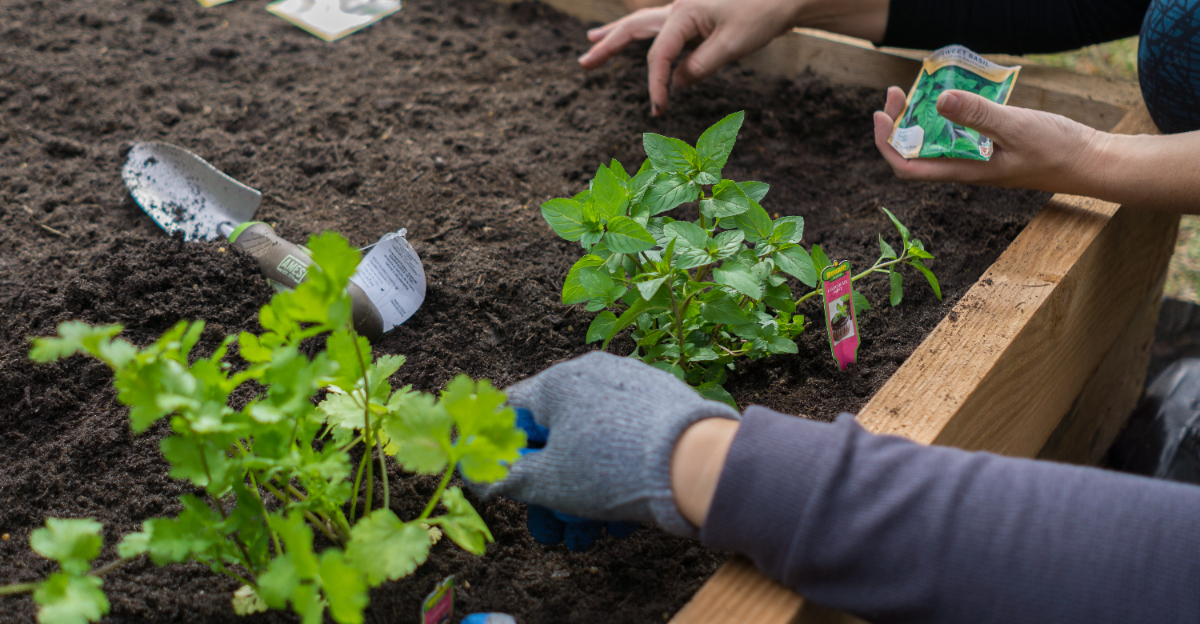
Michigan is a genuinely rewarding state to garden in, but it comes with a learning curve that general gardening advice does a poor job of preparing new growers for.
Michigan’s gardening challenges require localized knowledge rather than generic advice written for an average climate.
Significant variations in last frost dates, dominant clay soils, abrupt seasonal shifts, and region-specific pest pressures all demand solutions grounded in the state’s actual conditions.
Every tip on this list addresses something that experienced gardeners wish someone had told them clearly before their first season rather than after their first round of preventable mistakes.
1. Use A Michigan Planting Calendar
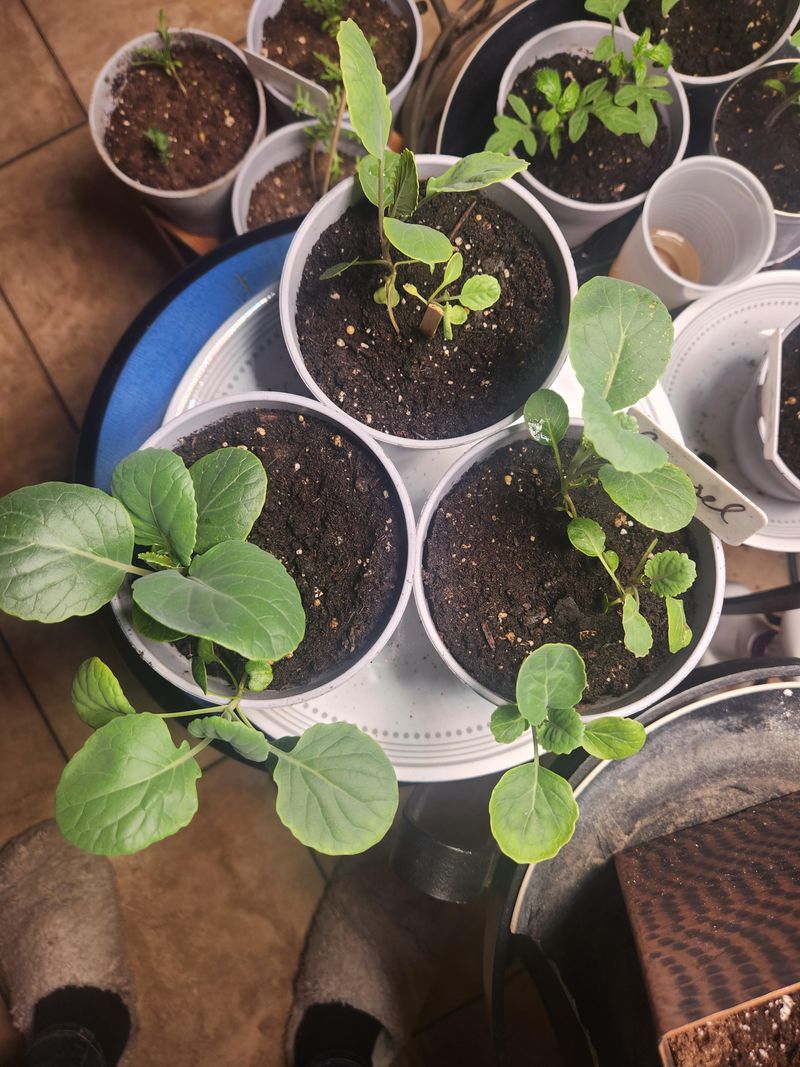
Seed packets give you a starting point, but they rarely tell the whole story for Michigan growers.
A Michigan-specific planting calendar takes into account your region, your last frost date, and the actual soil conditions in your area rather than a national average that might not apply to you at all.
Michigan is a surprisingly diverse state when it comes to growing conditions. The Upper Peninsula runs much colder and has a shorter season than the Lower Peninsula.
Lake Michigan and Lake Huron create warmer, more humid microclimates along their shores, while inland areas can see later spring frosts and earlier fall ones.
Urban spots in cities like Detroit or Grand Rapids often run a few degrees warmer than surrounding rural areas.
Soil temperature is something new gardeners often overlook completely.
Air temperature can feel warm enough, but seeds planted in cold soil will just sit there struggling instead of sprouting. For many crops, soil temperature matters more than the date on the calendar.
MSU Extension offers free planting guides and frost date information sorted by county, which makes it easy to find reliable timing for your exact location. Bookmark that resource early and refer to it every single season.
2. Test Your Soil Before You Buy Plants
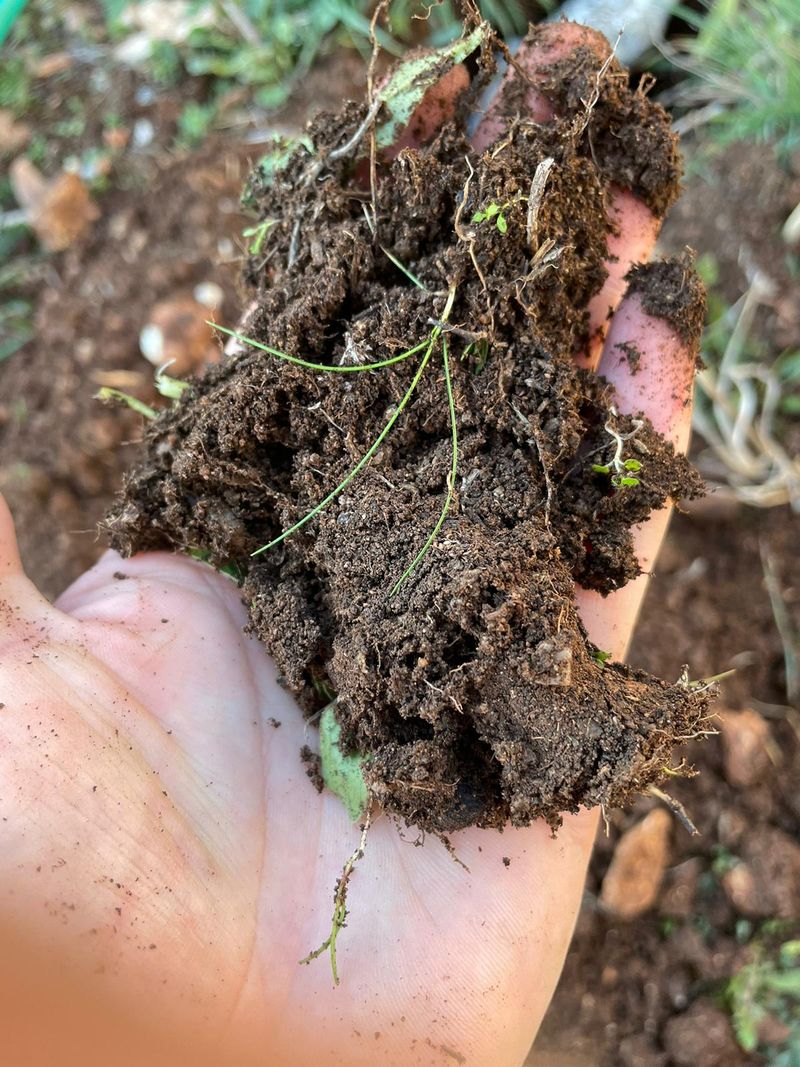
Buying plants before knowing what your soil actually needs is like buying medicine before seeing a doctor.
It feels productive, but you might be solving the wrong problem entirely.
A soil test takes the guesswork out of the equation and shows you exactly what your garden needs before you spend a single dollar on amendments or fertilizer.
Michigan soils vary quite a bit across the state. Sandy soils in the western Lower Peninsula drain quickly and can be low in nutrients. Heavy clay soils hold moisture but can suffocate roots if not improved.
A basic soil test through Michigan State University Extension costs very little and tells you your soil pH, phosphorus and potassium levels, organic matter content, and specific recommendations for what to add and how much.
Soil pH matters more than most beginners realize. Blueberries need very acidic soil, while vegetables generally prefer a range closer to neutral.
Adding lime to raise pH or sulfur to lower it without testing first can create new problems instead of fixing old ones.
Nutrient imbalances from over-fertilizing are also common when gardeners guess instead of test.
Running a soil test before your first planting season gives you a clear, accurate baseline and makes every decision after that much more confident and cost-effective.
Your Michigan Garden Changes Every Week. Your Plan Should Too.
Gardening in Michigan changes quickly throughout the season. Every Friday you’ll receive a simple weekly plan showing exactly what to plant, prune, fertilize, harvest, and protect so you never miss the right timing.
3. Start Smaller Than You Think
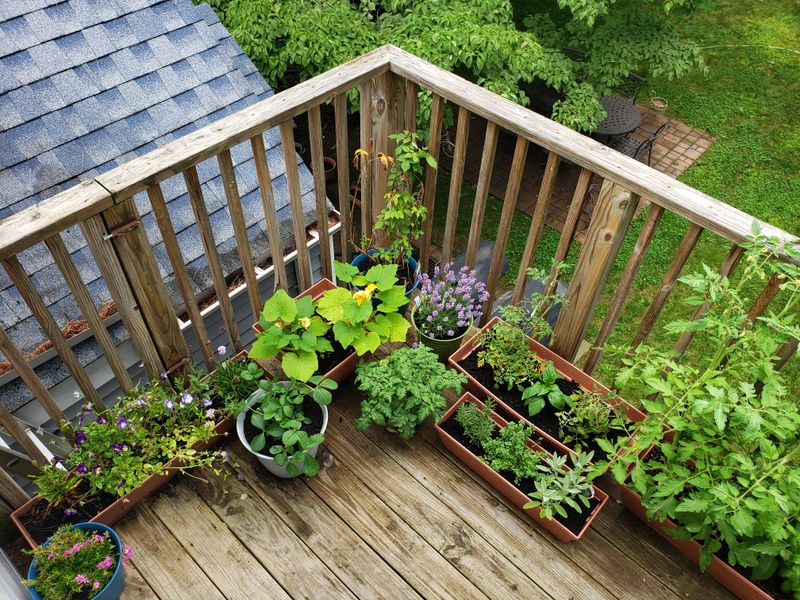
Almost every experienced gardener will tell you the same thing when asked what they wish they had done differently in their first year: start smaller.
A big garden looks exciting in the spring, but by July it can feel like a second job you never signed up for. Michigan summers move fast.
The window between last frost and first fall frost is shorter than many beginners expect, and weeds do not take a single day off during that stretch.
A large garden requires regular watering, consistent weeding, timely harvesting, and pest monitoring all at once.
When life gets busy, a big garden falls behind quickly, and that can feel discouraging rather than rewarding.
A small, well-managed bed teaches you far more than a large neglected one ever could.
You learn how your soil drains, how much sun different spots actually get throughout the day, how fast certain vegetables grow, and what pests show up in your neighborhood.
Starting with a four-by-eight-foot raised bed or a handful of containers gives you real hands-on experience without the overwhelm.
Once you finish your first season feeling good about what you grew, expanding the following year feels natural and exciting rather than stressful. Small wins build real gardening confidence.
4. Do Not Plant Warm-Season Crops Too Early
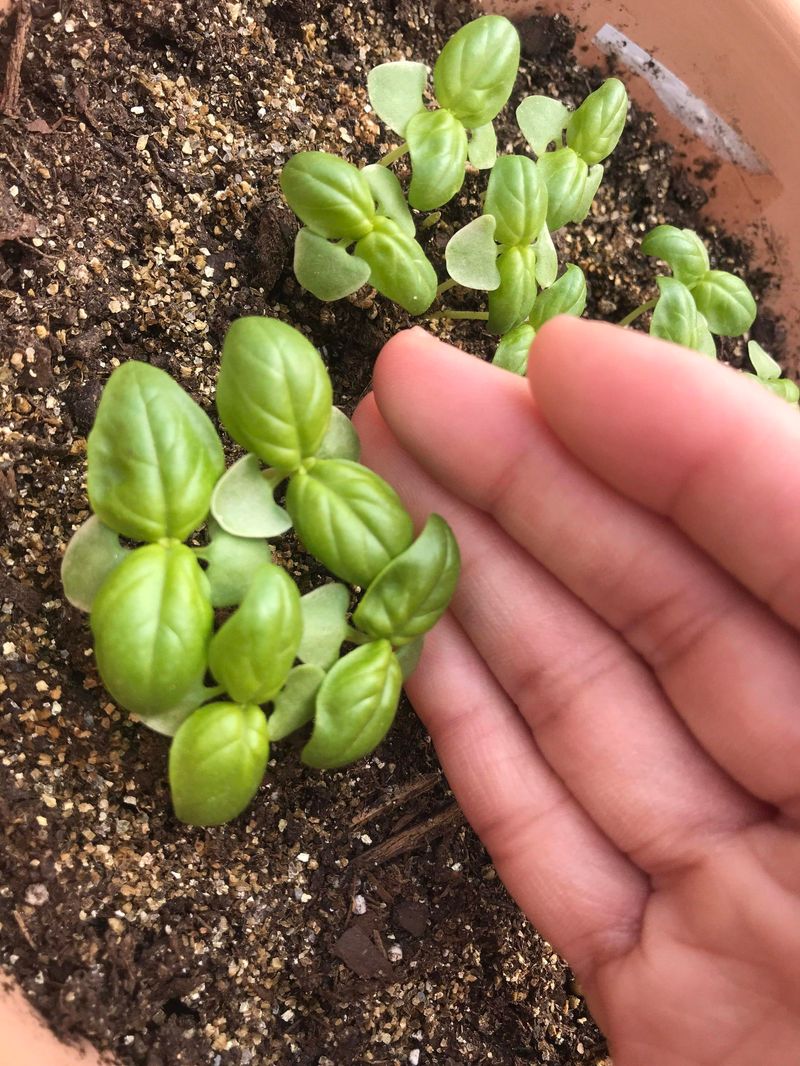
One of the most common first-year mistakes gardeners make is rushing warm-season crops into the ground too soon.
Tomatoes, peppers, cucumbers, squash, beans, basil, eggplant, and melons all need warm soil and frost-free nights to truly thrive.
Planting them before those conditions arrive rarely saves time and often sets the plants back significantly.
Cold soil slows root development and stresses young plants right at the moment they need to be establishing themselves.
A tomato planted into 50-degree soil on May 1st will often be outperformed by a tomato planted into 65-degree soil on May 20th.
The later-planted one catches up quickly because it is actually growing rather than just surviving.
Frost-prone nights can also set back or damage transplants that were put out too early, even if daytime temperatures felt comfortable.
The general guideline for most of Michigan is to wait until after Memorial Day weekend for frost-sensitive warm-season crops, though southern parts of the Lower Peninsula may be safe a week or two earlier.
Soil thermometers are inexpensive and genuinely useful for making this call with confidence. Patience really does pay off here.
A plant that goes into warm, workable soil on the right day will reward you with faster growth, stronger roots, and a much better harvest than one that struggled through a cold start.
5. Grow Cool-Season Crops In Spring And Fall
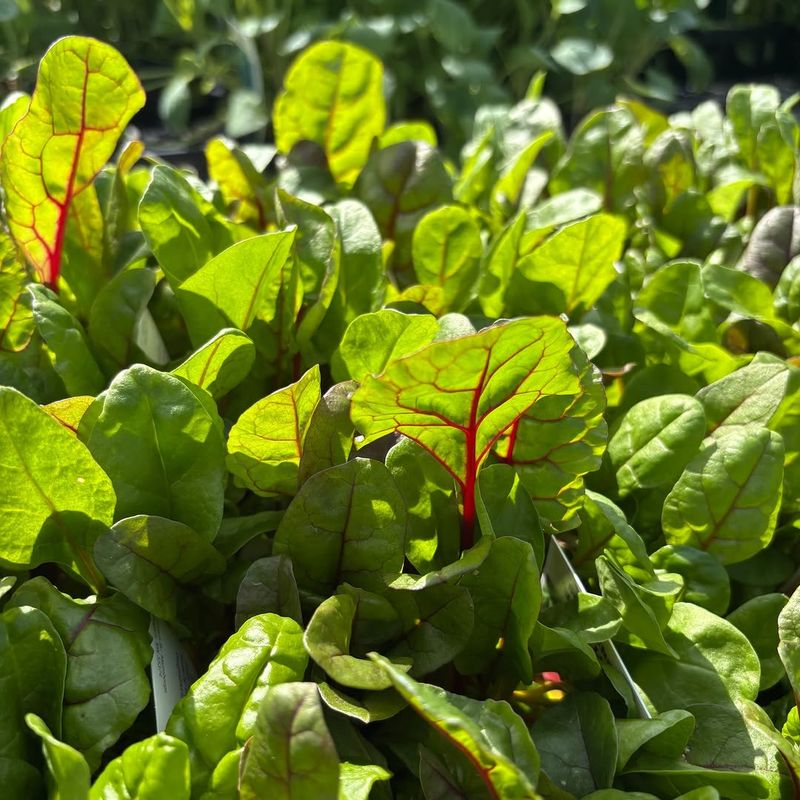
Most new Michigan gardeners focus entirely on summer vegetables and miss out on two bonus growing seasons happening right before and after the heat.
Cool-season crops are one of the best-kept secrets in Midwest gardening, and once you discover them, you will wonder why you waited so long to try them.
Lettuce, spinach, peas, radishes, carrots, kale, broccoli, cabbage, beets, and onions all prefer cooler temperatures and actually struggle in the heat of July.
These crops thrive when daytime temperatures hover between 45 and 75 degrees, which is exactly what Michigan spring and fall deliver in abundance.
Many of them can even handle a light frost without skipping a beat, which extends your growing window on both ends of the season.
Spring cool-season planting usually starts four to six weeks before your last frost date, sometimes even earlier for the hardiest crops.
Fall planting works backward from your first expected fall frost date, counting back enough weeks for the crop to mature. Kale actually tastes sweeter after a frost, which is a bonus most people do not expect.
Growing food in spring and fall means your garden is productive for a much longer stretch of the year, and it makes the most of Michigan’s full growing season rather than just the warm middle portion of it.
6. Mulch Before The Heat Arrives
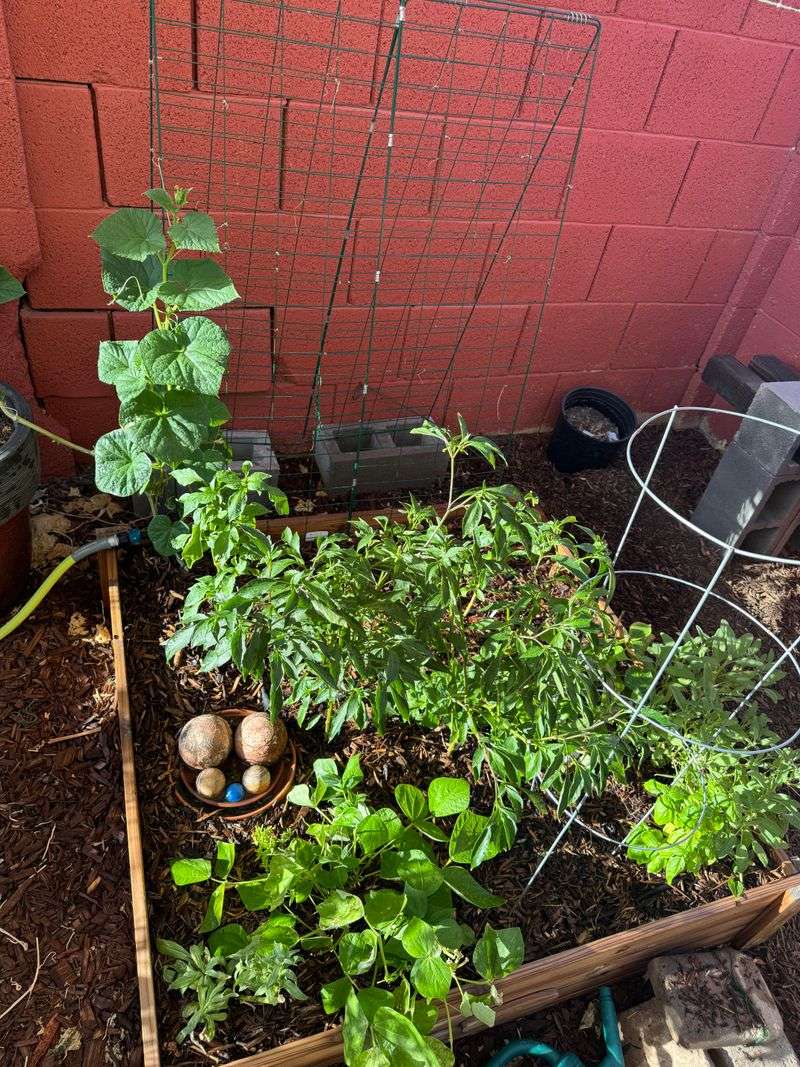
If there is one habit that separates experienced Michigan gardeners from struggling beginners, it is mulching early.
Getting mulch down before summer heat arrives makes an enormous difference in how much water your garden needs, how many weeds you pull, and how healthy your soil stays all season long.
Mulch acts like a protective blanket for your soil.
It slows moisture evaporation so you water less frequently, keeps the soil surface from crusting and hardening after rain, moderates soil temperature during heat waves, and smothers weed seeds before they get a foothold.
Straw, shredded leaves, and clean compost all work beautifully as organic mulches that also break down and improve your soil over time. Grass clippings are free and tempting, but they need to be handled carefully.
Fresh, thick layers of grass clippings mat down into a slimy barrier that blocks water and air from reaching the soil.
If you use them, apply a thin layer, let them dry out first, and make sure they come from a lawn that has not gone to seed.
Two to three inches of straw or shredded leaves is a reliable, beginner-friendly choice for most vegetable gardens.
Apply mulch after the soil has warmed in late spring and refresh it mid-season if it thins out. Your future self will be genuinely grateful every single time you skip a watering session.
7. Water Deeply Instead Of Lightly
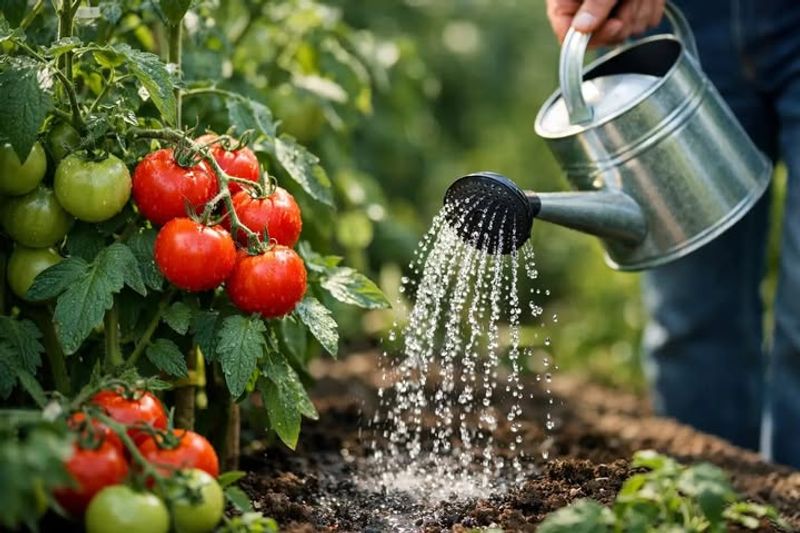
Watering every day sounds like good gardening practice, but quick, shallow watering is one of the most common habits that actually works against your plants.
Frequent light watering keeps moisture near the surface, which encourages roots to stay shallow instead of growing deeper where they can access more water and nutrients during dry stretches.
Deep, infrequent watering trains roots to grow downward. When you water slowly and thoroughly, moisture soaks several inches into the soil and roots follow it down.
A good way to check if you have watered enough is to push your finger or a small stick two to three inches into the soil an hour after watering.
If it feels moist at that depth, you did a solid job. If it is still dry just below the surface, you need to water longer or more slowly.
Morning is the best time to water because it gives foliage time to dry before evening, which helps reduce fungal issues.
Containers and raised beds dry out faster than in-ground gardens, especially during hot Michigan summers, so check them more frequently.
Drip irrigation systems and soaker hoses are worth every penny for new gardeners because they deliver water directly to the root zone slowly and efficiently, reducing waste and keeping leaves dry.
Even a simple soaker hose on a timer can transform how smoothly your garden runs all season.
8. Leave Enough Space Between Plants
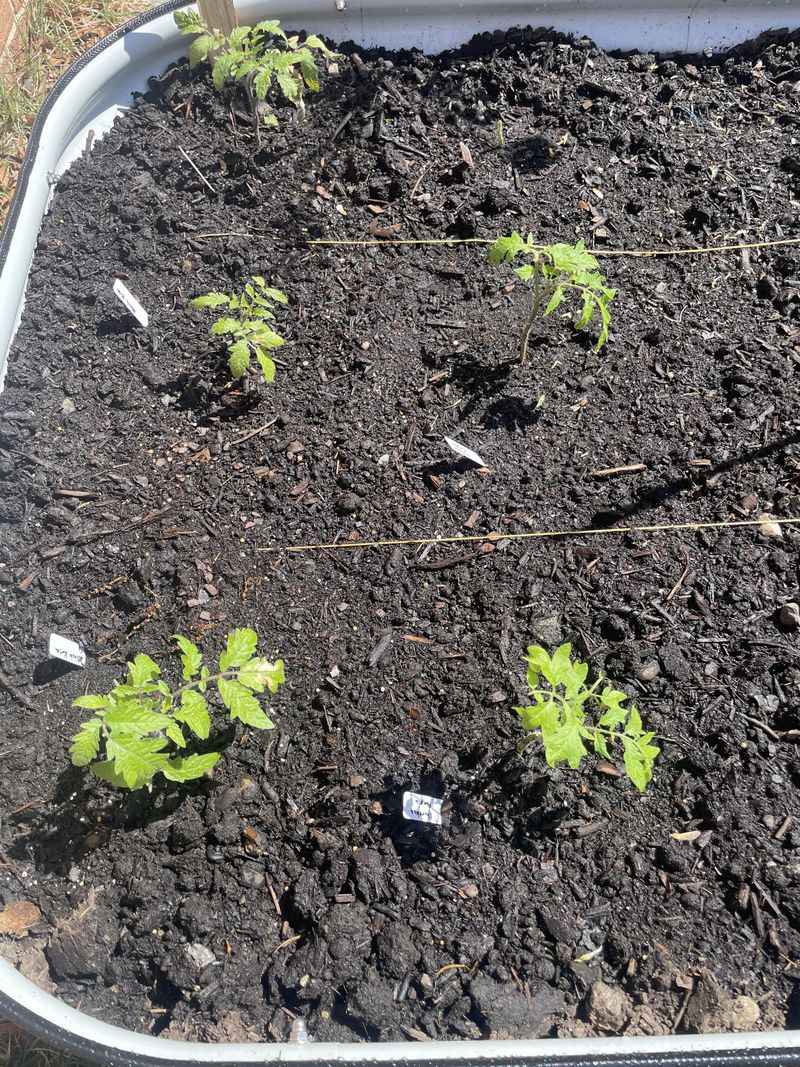
Tiny seedlings look almost lonely when you first put them in the ground, and it is very tempting to squeeze a few extra plants into the space. Resist that urge.
Crowded plants create a long list of problems that show up gradually throughout the season and become much harder to fix once the plants are big and tangled together.
Airflow between plants is one of the biggest factors in preventing fungal diseases like powdery mildew and blight, which are common in humid summer conditions.
When plants grow too close together, their leaves overlap and stay damp after rain or watering, creating exactly the kind of environment that disease loves.
Crowding also means roots compete for water and nutrients, which slows growth and reduces your harvest.
Practical tasks get harder too. Harvesting tomatoes buried inside a dense tangle of stems is frustrating.
Spotting early pest damage on hidden leaves is nearly impossible. Weeding between overcrowded plants without disturbing roots takes twice as long.
The spacing recommendations on seed packets, plant tags, and Michigan State University Extension guides exist for good reasons based on real research.
Even when your seedlings look tiny and the spacing feels excessive, trust the guidance.
A few weeks into summer, that open space fills in fast, and you will be glad you followed the recommendations instead of packing plants in tight from the start.
9. Check The Garden Every Few Days
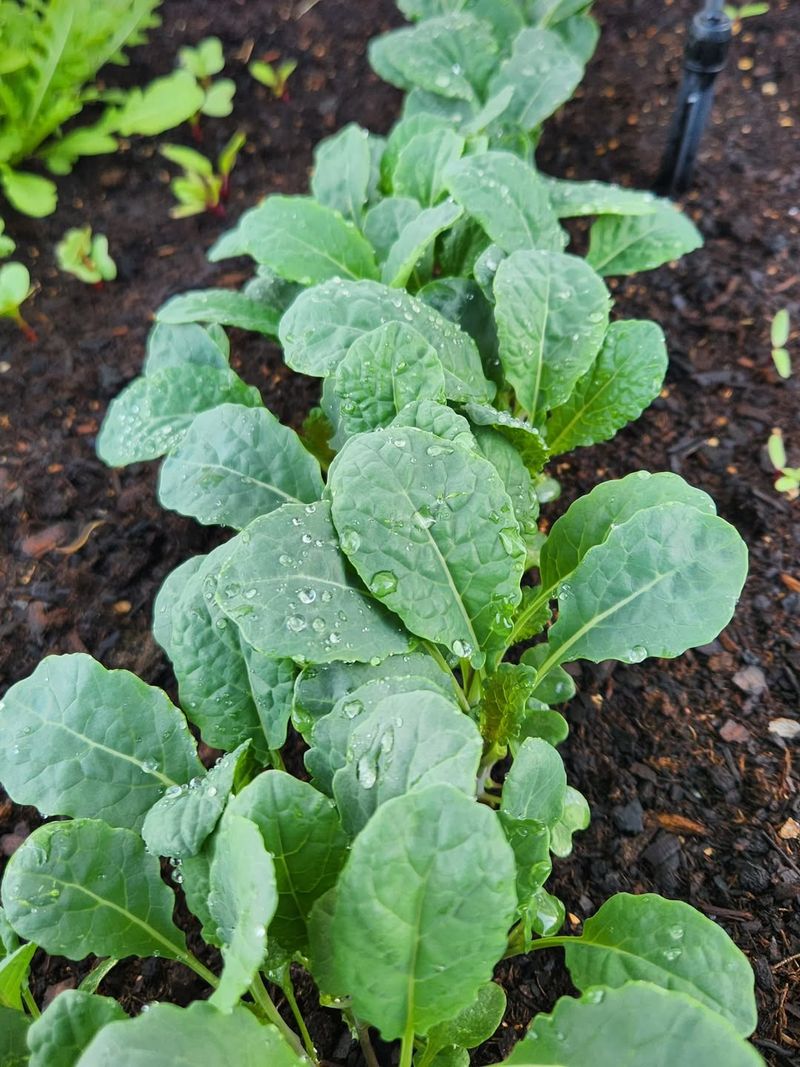
Gardening rewards attention.
A garden that gets checked every couple of days stays ahead of problems, while one that gets visited only on weekends can spiral from a small issue into a big headache before you even notice something is wrong.
Building a quick walkthrough habit is one of the most practical things a new Michigan gardener can do.
During each visit, run through a quick mental checklist. Check the soil moisture an inch or two down, especially in raised beds and containers.
Look for weeds while they are still small and easy to pull. Scan leaves for chewed edges, discoloration, or unusual spots.
Flip a few leaves over and check the undersides, because that is where aphids, spider mites, and squash bug eggs like to hide.
Check whether any vegetables are ready to harvest, since overripe produce signals the plant to stop producing new fruit.
Watching how your plants grow from day to day also teaches you things no book or video can fully replace.
You start recognizing what healthy growth looks like for each crop, which makes it much easier to notice when something is off.
Catching a pest problem early, spotting a watering issue before plants stress out, or pulling a few weeds before they set seed are all small actions that add up to a much smoother and more successful growing season.
Consistent attention is genuinely the best tool in your gardening kit.
10. Keep Notes From The First Season
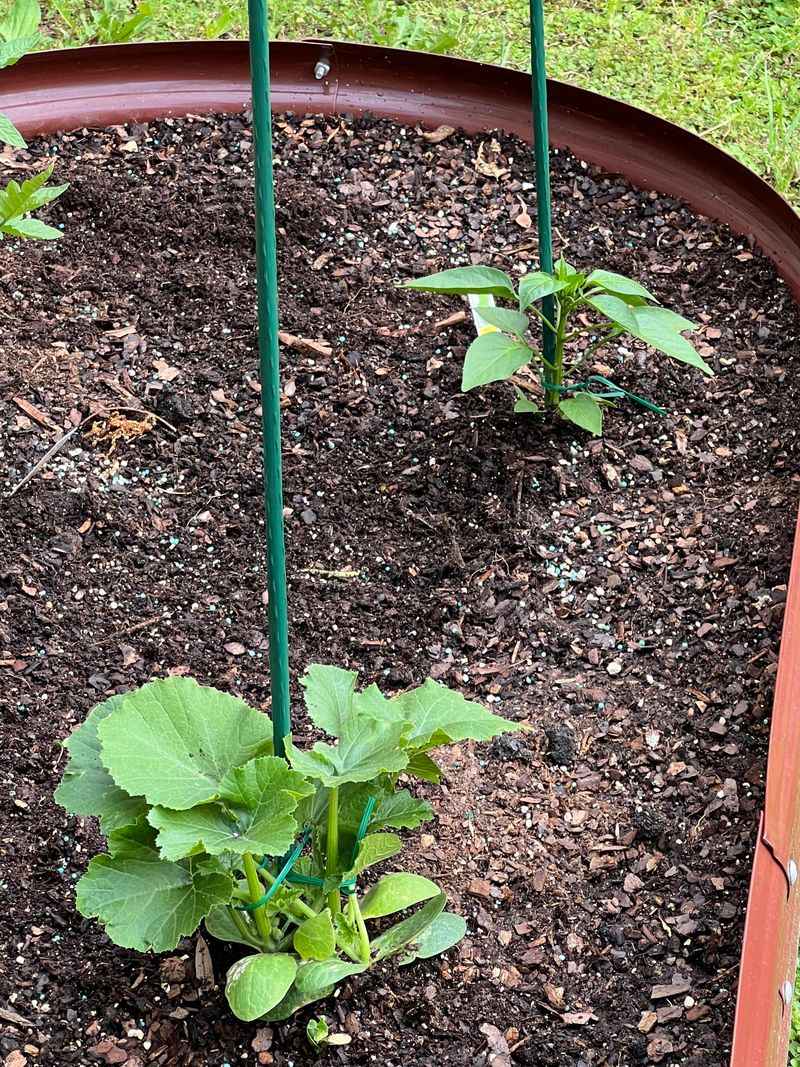
Your first Michigan garden season is packed with information you will absolutely want to remember next year.
The problem is that by the time February rolls around and you are flipping through seed catalogs, the details from last summer start to blur together.
A simple garden notebook changes that completely. Write down your planting dates and the soil temperatures you observed when you planted.
Note which varieties you grew and how they performed. Record your first and last frost dates for your specific location, since these can vary from published averages depending on your yard’s microclimate.
Track when you started seeing pests, which plants had disease issues, and which ones sailed through the season without problems.
Note your mulch choices and whether they worked well. Write down harvest timing and whether you felt like you planted too much or too little of anything.
These notes become a personalized growing guide that is worth more than any general gardening book because it reflects your actual soil, your actual weather, and your actual experience.
The second season gets noticeably easier when you have real data to work from instead of starting fresh from memory.
You will know which tomato variety outperformed the others in your specific conditions, when to start seeds indoors based on your real last frost date, and what to do differently with spacing or watering.
First-season notes are a genuine gift to your future gardening self.