6 November Watering and Feeding Mistakes That Hurt California Lawns Through Winter
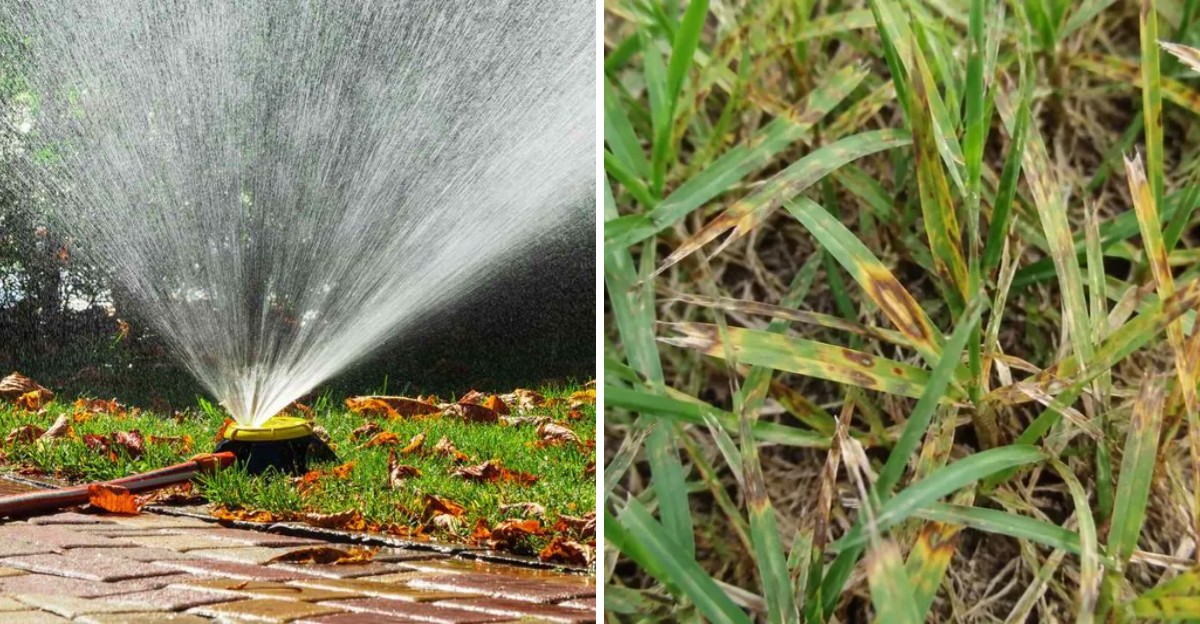
Grass roots in many lawns keep growing long after the blades slow down, as long as soil stays above about 40 degrees. That quiet underground work continues through the cooler months, even when your yard looks sleepy and still.
Here’s something worth knowing about California yards during these months.
Rainy season usually arrives around now, and sprinkler timers often keep running on their old summer schedules anyway.
I’m always surprised by how many careful gardeners slip up right as the weather turns cool. You water faithfully and feed generously, yet the turf looks patchy and tired by the time spring arrives.
The way I see it, small habits in November shape how a lawn handles the wet months ahead.
Could a few easy changes to your routine give you greener grass when the days finally warm up again?
1. Soggy Sprinkler Schedules Drown Cool Lawns
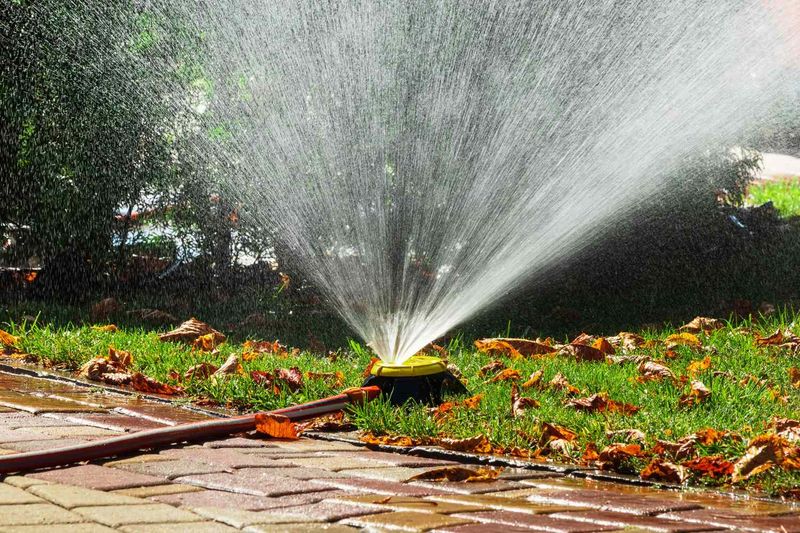
Sprinklers hissing away during a rainstorm might be the most common sight in autumn neighborhoods across the state. Summer timers keep firing on schedule, even though cooler air means grass loses far less water each day.
Extra water in chilly weather keeps soil soggy, and soggy soil gives fungal problems a cozy place to settle. Roots also need air pockets, so constant wetness can leave them weak and shallow by the time spring arrives.
I like a simple tool for this job, and you probably already own one in your garage. Push a long screwdriver into the lawn, and if it slides in easily, the soil likely holds plenty of moisture.
Many lawns need roughly half the summer watering frequency once temperatures drop in fall and early winter. In wetter regions, seasonal rain can cover most needs for cool-season grass between storms without much extra help.
Smart controllers with rain sensors make this easier, since they pause watering automatically after a good soaking. If your system lacks one, simply switch the timer off for several days after each meaningful storm passes.
You might find it hard to believe, but skipping a few watering days often helps grass more than it hurts. Watch the color and footprints instead, because grass that springs back after you walk on it is usually well watered.
2. Evening Lawn Watering Invites Fungus On Grass Blades
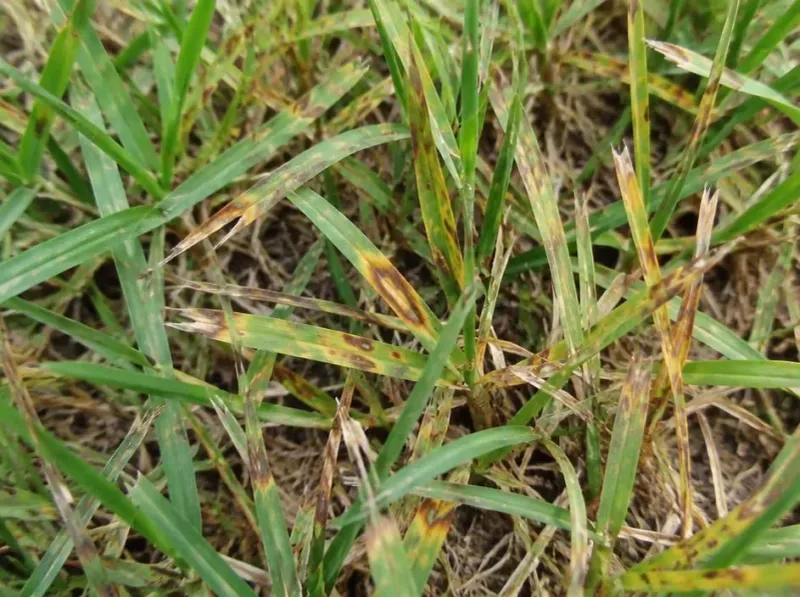
Grass blades that stay wet all night are basically rolling out a welcome mat for mold and fungus. Cool nights slow evaporation, so water applied after sunset can cling to leaves for many hours.
Diseases such as brown patch and rust thrive when foliage remains damp for long stretches. Watering in the late evening gives them exactly that, especially during the long nights of late autumn.
Early morning is the sweet spot I recommend to friends who ask about their sprinkler timers. Running water roughly between four and seven in the morning lets blades dry once the sun climbs higher.
Calm morning air also means less water blows onto sidewalks or drifts away before soaking into the soil. Cooler temperatures at dawn reduce evaporation too, so more of every drop reaches the roots below the surface.
Frequent light sprinkles create another problem, because they train roots to stay close to the surface. Deeper, less frequent watering encourages roots to reach downward, where moisture lasts longer between rain showers.
Try adjusting the seasonal setting on your controller rather than reprogramming every single zone by hand. Shady zones near fences or trees usually need even less water, since sunlight rarely dries them quickly in winter.
3. Heavy Nitrogen On Sleepy Bermuda Grass Wastes Fertilizer
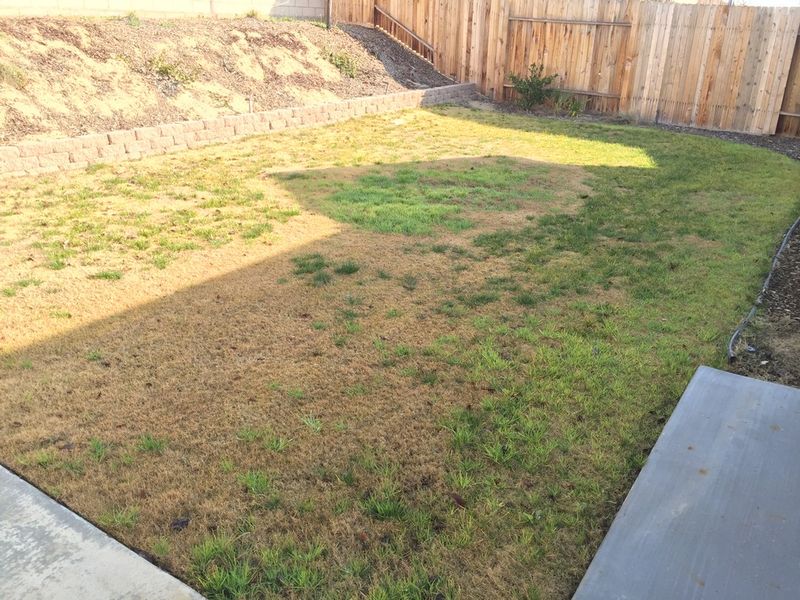
Bermuda grass turning tan in late fall is not a cry for help, even if it looks a little sad. Warm-season grasses naturally slow down and go dormant when temperatures fall, much like a bear settling in for winter.
Tossing heavy nitrogen onto dormant turf rarely wakes it up in any useful way. Most of that fertilizer just sits there, and rain can wash the extra nutrients into storm drains and local waterways.
Any lush growth you do trigger on a semi-dormant lawn tends to be soft and easily stressed by cold nights. I would rather let the grass rest quietly and save my fertilizer budget for spring green-up.
Cool-season lawns like tall fescue are different, since they keep growing slowly through the cooler months. Even so, piling on a big dose at once can scorch blades and cause uneven, streaky growth patterns.
A common guideline from university turf experts suggests no more than one pound of actual nitrogen per thousand square feet per application. Splitting your yearly feeding into smaller doses keeps growth steady and reduces the risk of runoff.
Read the bag carefully, because product labels list nitrogen percentages and recommended spreader settings clearly. Measuring your lawn area first takes ten minutes and saves money, mess, and a lot of guesswork later.
4. Picking The Wrong Fertilizer Bag For Fescue Lawns
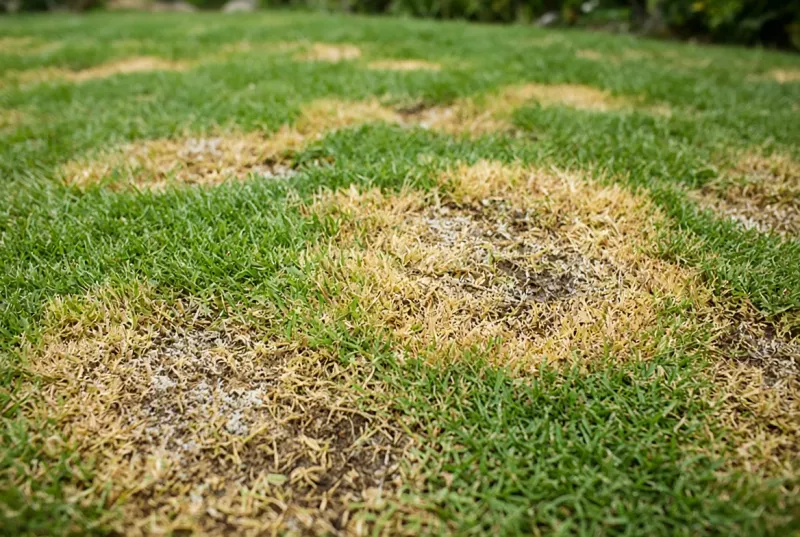
Walk down any garden store aisle in November, and you will spot bags proudly labeled as winterizer blends. Those products can help, but only when they match your grass type and actual soil needs.
Cool-season grasses such as tall fescue and perennial ryegrass often benefit from a late fall feeding. Slow-release nitrogen fed while the grass is still growing supports roots and helps the lawn green up earlier next spring.
What I find interesting is how many people buy potassium-heavy blends without knowing whether their soil lacks potassium at all. Plenty of soils in the West already contain enough, so extra potassium may simply go unused.
A soil test removes the mystery and usually costs less than a couple of fertilizer bags. Local labs and some extension offices can tell you which nutrients are low, along with your soil pH.
Timing matters as much as the label, so feed cool-season lawns while they still show some active growth. In many regions, October or November fits nicely before the coldest weeks settle in for the season.
Water lightly after spreading granules so they dissolve and move off the blades into the soil. Sweep stray pellets off driveways and sidewalks too, since they easily wash into gutters during the next rain.
5. Treating Fescue And Bermuda Lawns The Same Way
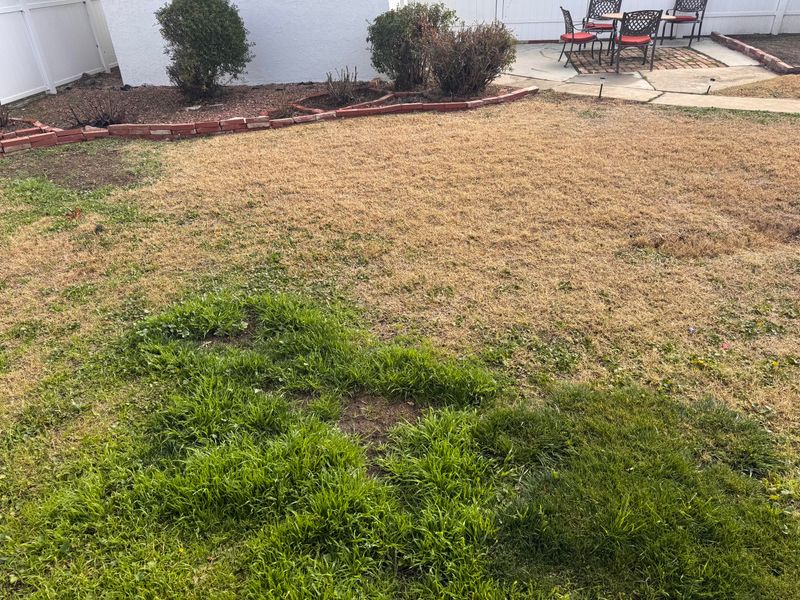
Two lawns on the same street can need wildly different care, even when they look similar in July. One might be green tall fescue, while the other is Bermuda quietly fading to a straw color.
California lawns usually fall into two camps, and figuring out which one you have changes everything. Cool-season grasses keep growing through mild winters, while warm-season types like Bermuda, zoysia, and kikuyu mostly rest.
Active fescue still needs occasional water during long dry spells between storms, especially in inland valleys. Dormant Bermuda, on the other hand, needs very little, and soaking it often invites rot and fungal trouble.
I could be wrong, but I suspect many lawn headaches start with simply not knowing the grass type. Fescue tends to have wider blades and grows in clumps, while Bermuda spreads with wiry runners across the soil.
Some lawns are mixed, especially older yards where Bermuda has crept into fescue over many years. In those cases, water for the cool-season grass during dry spells, but keep the schedule light and occasional.
Snap a close photo of your grass and take it to a local nursery if you feel unsure. Staff there see these questions constantly and can usually identify your turf within a few seconds of looking.
6. Walking On Soggy Lawns Packs Down The Soil
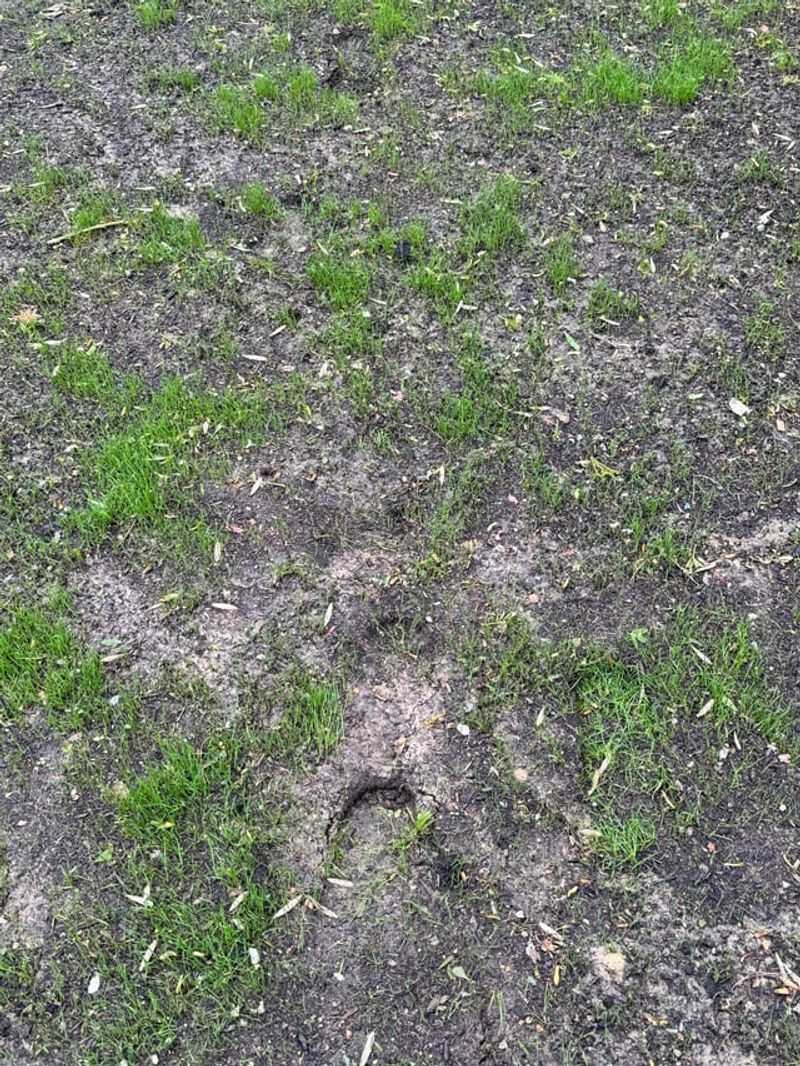
Those muddy footprints across the backyard after a storm are doing more harm than you might expect. Wet soil squishes easily, and every step presses the tiny particles together into a dense, airless layer.
Compacted ground makes it hard for water and air to reach the roots where grass needs them most. Puddles that linger for days after rain are often a sign that the soil has packed down tightly.
Don’t be surprised if thin, weak patches show up along the paths kids and dogs travel every day. Roots growing in packed soil stay shallow, so those strips struggle during both wet winters and hot summers.
Core aeration pulls small plugs of soil out and opens channels for water, air, and fertilizer to move downward. Cool-season lawns respond best when you aerate during active growth, usually in early fall or spring.
Skip aerating when the ground is waterlogged, since the machine can smear the soil and make compaction worse. Moist but firm soil works best, so wait a few dry days after heavy rain before renting equipment.
Laying a few stepping stones along busy routes can spare your grass from daily foot traffic all winter long. I find that small fix keeps lawns looking healthier than any fancy product sold at the garden center.